Slow Cooker Coffee Cake
Slow Cooker Coffee Cake has been my go to for lazy weekend mornings when I want something comforting with almost no fuss.
One chilly autumn morning I pulled a warm, fragrant cake from the crockpot and the whole house changed its mood. I remember the steam lifting from the lid and the scent of ground cinnamon weaving through the air, and how friends kept asking for a second slice before I even had a chance to cut it neatly. That day taught me that you do not need to babysit an oven to get tender, tender crumb and a gently caramelized top. I like recipes that feel like a hug, and this one does exactly that.
Over the years I have tweaked small things, but the heart of the recipe remains simple: pantry friendly staples, a quick whisk, and the slow cooker doing its steady magic so you can sip coffee, read, or tidy up the kitchen. Sometimes I swap the milk depending on what I have, and other times I scatter a handful of chopped nuts on top for texture. Every time I lift the lid I listen for that quiet steam hiss and I know the cake is almost ready.
Recipe Snapshot
2 hr 45 mins
15 mins
150 mins
Hard
300 kcal
American
Gluten-Free, Low FODMAP
Desserts
Slow Cooker, Mixing Bowl, Whisk, Spatula
Why This Slow Cooker Coffee Cake Works
Practical convenience that actually tastes homemade
I love how Slow Cooker Coffee Cake frees up my oven and my hands, yet yields a cake that feels homemade. Using a slow cooker means I can start the batter, head out for a walk, and return to a warm cake. The texture is soft and forgiving, and you get a golden edge without constantly checking an oven. This method is especially helpful on busy mornings when I want to focus on people, not timers.
Simple ingredients, big flavor
This recipe relies on pantry basics like all purpose flour, brown sugar, and ground cinnamon. Because the ingredient list is straightforward, each element plays a clear role. The vegetable oil keeps the crumb moist, while the combo of baking powder and baking soda gives the cake lift. I appreciate recipes where every ingredient earns its place.
Flexible and forgiving
I find the slow cooker method forgiving when it comes to slight timing shifts, and you can use either almond milk or cow’s milk without losing structure. The batter tolerates a bit of overmixing better than some egg heavy cakes, and a slightly underdone center on top is normal because the heat distribution in a crockpot is gentle, the interior will be set underneath.
Great for gatherings
Because it yields about a dozen servings, Slow Cooker Coffee Cake is perfect for sharing. It keeps warm in the slow cooker, so people can help themselves throughout a brunch. The cake slices easily when you use a liner, which makes serving a breeze and cleanup faster, something I truly value when hosting.
Comforting aromas and textures
There is something about the mingling scent of brown sugar and cinnamon that creates instant comfort. The topping of chopped nuts adds crunch against the soft crumb, and warm slices release an inviting steam that signals it is time to gather. These sensory details make this recipe stand out for me.
What to Buy for Slow Cooker Coffee Cake
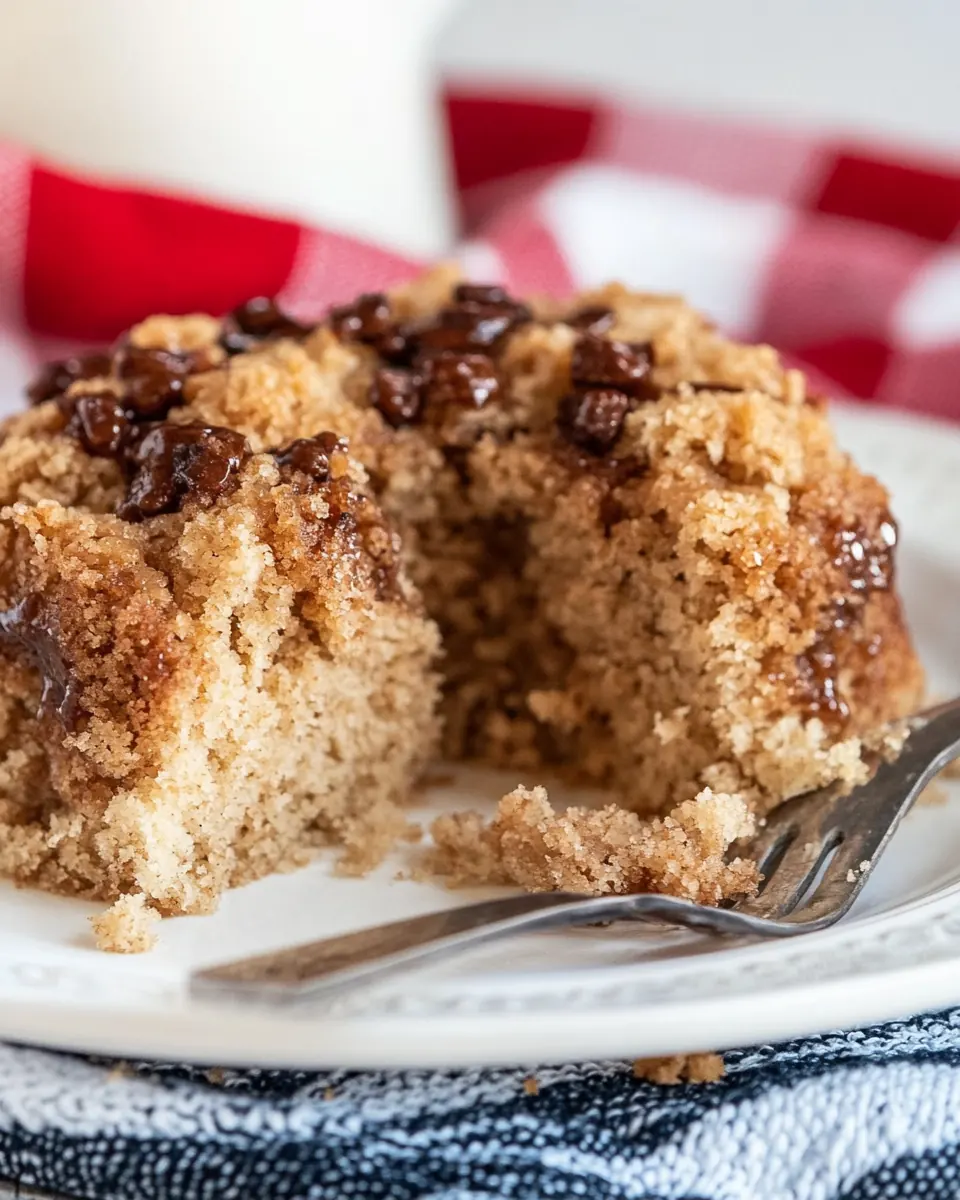
I keep the ingredient philosophy simple: choose staples that build structure, moisture, and flavor. The core players are the dry base, the leaveners, the fat, and the liquid. Together they form a tender crumb that benefits from gentle, slow heat. Small accents like ground cinnamon and optional chopped nuts add personality without complicating the process.
- 2 1/2 cups (310 g) all-purpose flour: Provides structure and bulk to the cake, combining with leaveners to create a tender crumb; sifted or spooned into the measuring cup for accuracy helps prevent a dense result.
- 1 1/2 cups (300 g) packed brown sugar: Adds moistness, deep caramel flavor, and sweetness while contributing to the cake's rich color; packed measurement yields consistent sweetness and moisture in every bite.
- 1 teaspoon salt: Balances sweetness and enhances other flavors while strengthening gluten network slightly; helps control fermentation and brightens overall taste profile.
- 2/3 cup (158 ml) vegetable oil: Contributes fat for a moist, tender crumb and helps disperse flavors evenly throughout the batter; neutral oil keeps the cake soft without affecting flavor.
- 2 teaspoons baking powder: Generates lift and helps the cake rise evenly by producing carbon dioxide when combined with moisture and heat; ensures a light texture when properly measured and distributed.
- 1/2 teaspoon baking soda: Provides additional leavening and reacts with acidic components to produce a fine crumb; small amount prevents over-rising and maintains crumb stability.
- 1 teaspoon ground cinnamon: Imparts warm spice and aromatic depth, complementing the brown sugar and nuts while adding complexity; mixed into dry ingredients for even distribution.
- 2 large eggs: Adds richness, moisture, and structure through proteins and emulsifiers; beaten eggs help bind ingredients and contribute to a tender, cohesive cake.
- 1 1/3 cups (316 ml) almond milk or cow's milk: Supplies liquid to hydrate dry ingredients and create batter consistency while contributing a subtle flavor; choice between almond or cow's milk affects sweetness and dairy notes.
- 1 teaspoon white vinegar: Creates a mild acidic reaction with baking soda to aid leavening and adds a slight tang to balance sweetness; stirred into milk for a quick homemade buttermilk substitute.
- 1/2 cup chopped nuts (optional): Offers crunchy texture and nutty flavor contrast when included, enhancing mouthfeel and visual appeal; folded in toward the end to maintain pieces intact.
How to Cook Slow Cooker Coffee Cake
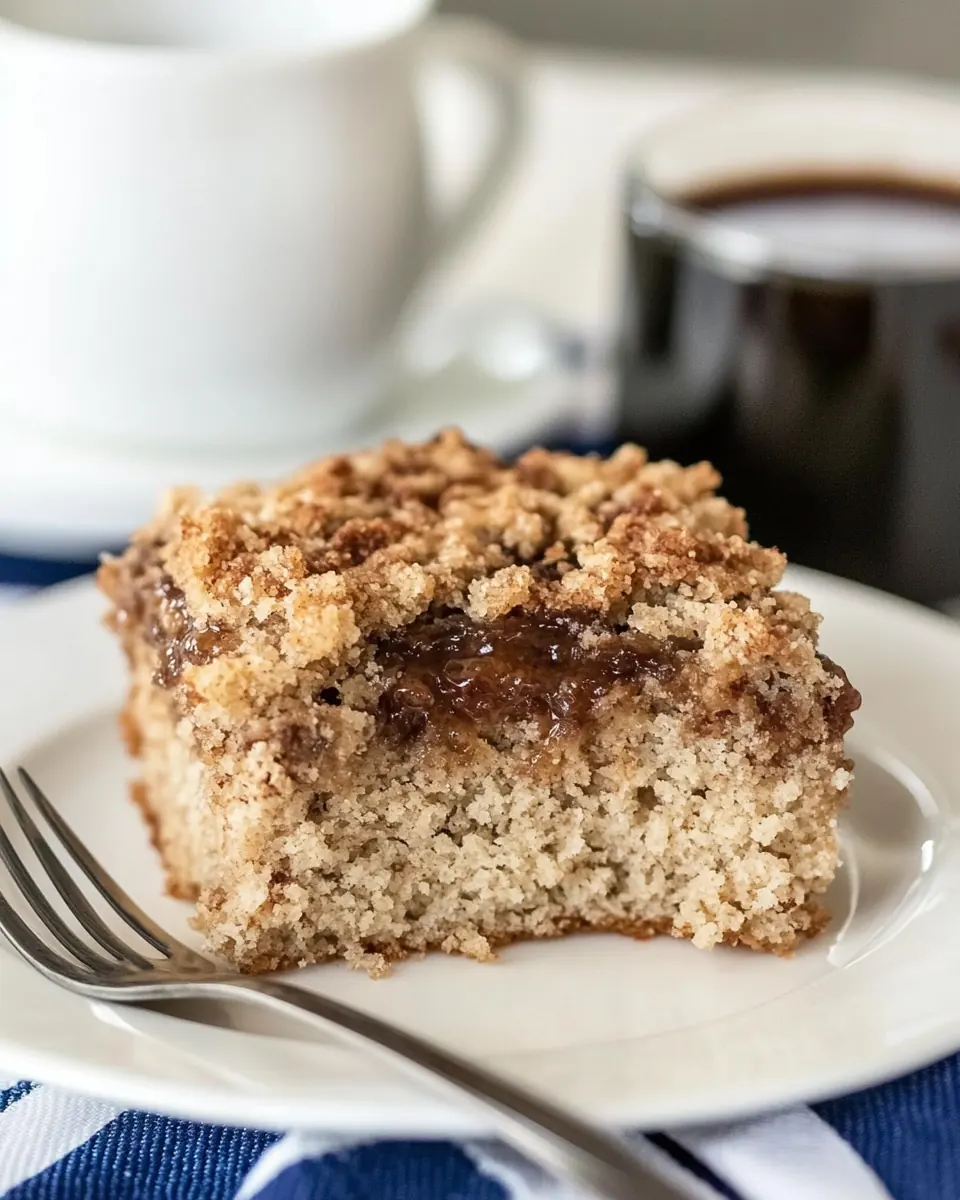
This slow cooker process is forgiving, and the batter comes together quickly. Below I walk through each step with sensory cues, troubleshooting notes, and the reasons behind the technique so you know when you are on track.
- Whisk flour, brown sugar, and salt in a large bowl. Stir baking powder, baking soda, and cinnamon into the flour mixture with a wooden spoon or spatula.: You will smell the warm molasses notes from the brown sugar as you whisk, and the dry mix should look uniform, pale, and slightly sandy. Combining these dry ingredients first ensures the all purpose flour and ground cinnamon are evenly distributed so pockets of spice or leavener do not form later. A wooden spoon will glide through this mixture easily, and you should not feel large clumps. If you do, break them up with your fingers. A common mistake is adding liquids too soon, which leads to uneven mixing and possible pockets of dry flour in the finished cake.
- Place milk, oil, eggs, and vinegar in a measuring cup and whisk until the eggs are beaten, then add to the flour mixture and stir until combined (mixture may be slightly lumpy).: The aroma of ground cinnamon will lift as you stir, and the dry mixture should now have tiny specks of spice throughout. This step ensures the chemical leaveners are well distributed so the cake rises evenly in the slow cooker. Use a gentle folding motion to avoid compressing the mix, and check that the baking powder and baking soda are not clumped; break any clumps with the back of a spoon. A frequent oversight is uneven distribution which leads to uneven rising and texture.
- Spray a 5-7 Qt slow cooker with nonstick cooking spray, or line with a slow cooker liner (sprayed with cooking spray). Pour batter into crock pot.: When you whisk the milk , vegetable oil , eggs , and white vinegar , the liquid will look homogenous and slightly glossy. Pouring these liquids into the dry mix creates pockets of moisture that disappear as you stir; the batter should be cohesive and slightly lumpy, not thin or watery. The vinegar reacting with the baking soda starts the lift process, so work efficiently. Overmixing can develop gluten and produce a tougher crumb; stop once you no longer see dry streaks. If the batter seems too stiff, a splash more milk will help, while overly wet batter leads to underbaked centers.
- Sprinkle nuts over the top of the cake batter.: As you transfer batter the slow cooker should be warm but not hot, and the surface will glisten slightly where the batter settles. The liner makes cleanup and serving easier, and the nonstick spray prevents sticking around the edges. Smooth the top gently with a spatula so the batter is even; this helps the cake bake uniformly. A typical mishap is under greasing which can cause the cake to cling to the insert, tearing when removed.
- Place a large paper towel over the top of the crock pot insert, then place the lid on top. Cook on HIGH for 1 1/2 to 2 1/2 hours (mine took 2), or until a toothpick comes out clean around the edges. The center might be a little under done on top (but it’ll be done underneath).: The chopped nuts create an immediate contrast in texture and release a toasty aroma when warmed. Scatter them evenly so each slice gets a bit of crunch. If you pre toast them, the nut oil will become fragrant, adding another layer of aroma. Avoid burying them deep in the batter which can interfere with even rising; topping is best. Forgetting this step means missing out on the crunchy highlight that elevates each bite.
- Serve warm straight from the crockpot or store in an airtight container for up to 3 days. For easy serving, use the slow cooker liner. That way you can just pick the whole liner out, peel it off, and serve the cake.: As the cake cooks you will notice a gentle steam escaping and the kitchen filling with the scent of brown sugar and cinnamon . The slow cooker produces humid heat, so the edges will set first and become slightly golden while the center finishes through conduction from the insert. The paper towel helps absorb excess condensation, preventing a soggy top. Check for doneness by inserting a toothpick near the edge; it should come out clean while the very center on top might seem slightly underdone, which is normal because the bottom cooks a bit faster. A common error is opening the lid frequently, causing heat loss and longer cook times.
- To bake in a traditional oven: use a 9 x 13” pan sprayed with nonstick cooking spray and bake at 350° for approximately 35-45 minutes.: The warm cake will give off steam and feel slightly springy to the touch. Using the liner allows you to lift the whole cake out, peel away the liner, and slice cleanly. Store leftovers in an airtight container at room temperature for up to three days to keep the crumb tender. Reheating a slice gently in the microwave for a few seconds revives softness. Leaving it uncovered will dry the cake out quickly, so always seal it.
- To bake in a traditional oven use a 9 x 13” pan sprayed with nonstick cooking spray and bake at 350° for approximately 35 to 45 minutes: In the oven the cake will brown more on top and set more uniformly across the surface; you will hear no steam hiss, but you should see a light golden color and a toothpick inserted in the center should come out clean. This method gives a slightly firmer crust on top, and the middle texture will be comparable if you monitor bake time closely. A common pitfall is leaving it too long which dries the crumb; start testing at the lower end of the time range to prevent this.
Tips and Variations
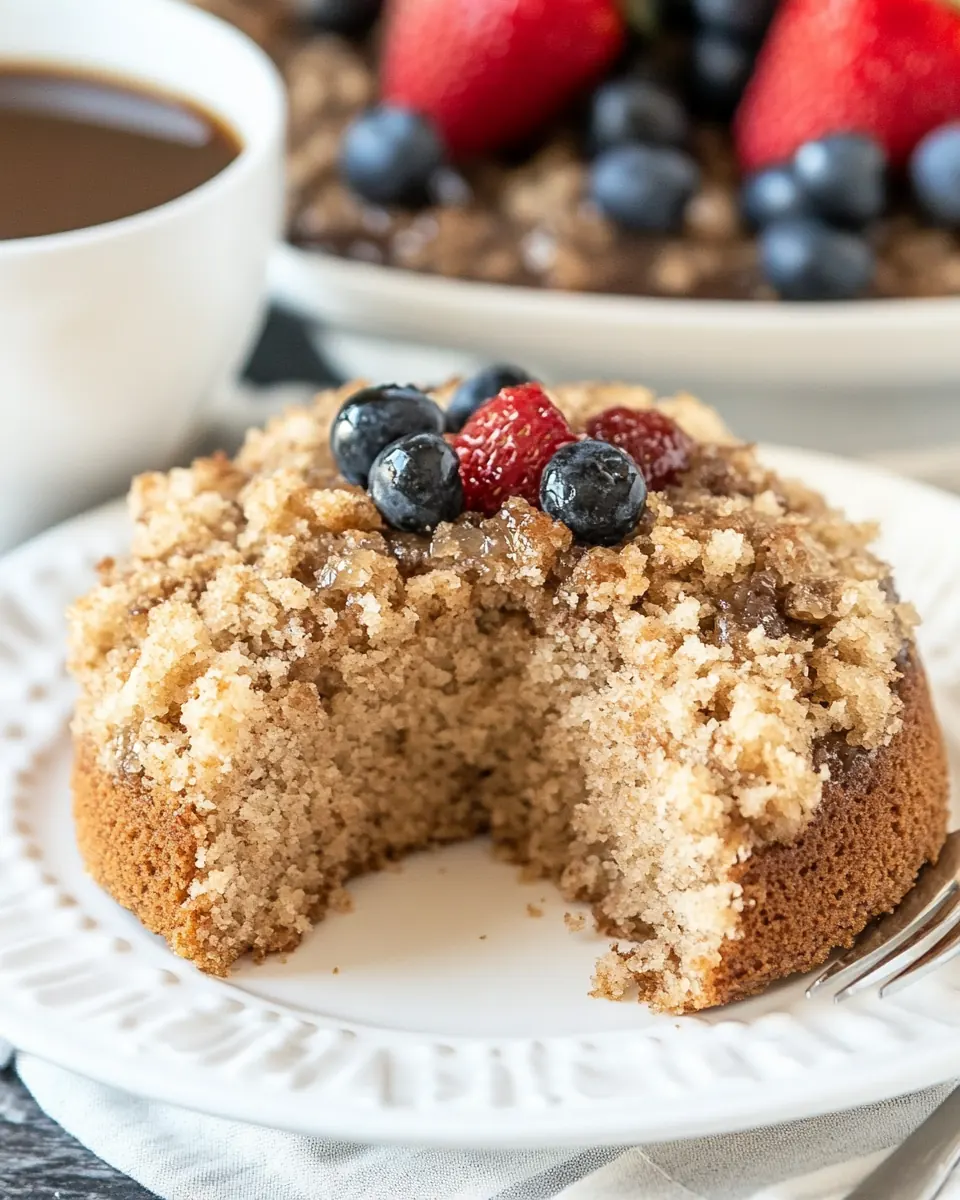
This section collects practical tips and small variations that keep the recipe flexible and foolproof. Below you will find detailed pointers to help you customize the texture and flavor without risking the result.
- Use a liner for easy serving The slow cooker liner makes removing and serving the cake simple. Once cooled slightly lift the liner out, peel it back, and slice directly. This reduces sticking and cleanup time dramatically.
- Check your leaveners Always verify that your baking powder and baking soda are fresh. Old leavening loses power and will yield a dense cake. A quick test is to drop a pinch into warm water and look for bubbling.
- Toast the nuts If you include the optional chopped nuts, toast them briefly in a dry skillet until fragrant. This boosts aroma and delivers a more pronounced crunch on top of the soft crumb.
- Keep mix-ins light If you want to add fruit or other mix ins keep the quantity small, scattering on top rather than folding deep into the batter, to avoid weighing down the cake and altering the slow cooker bake dynamic.
- Watch the cook window Slow cooker temperatures vary by model, so use the suggested 1 1/2 to 2 1/2 hour range as a guide and check early to avoid overcooking. Timing toward the middle of the range is often best for a moist crumb.
Serving Options for Slow Cooker Coffee Cake
This cake suits casual mornings and informal gatherings. Below are thoughtful serving ideas that pair well with the cake for brunch, coffee minutes, or dessert. Each item highlights practical pairings, storage, and occasions to use the recipe.
- Brunch spread Serve slices with a pot of coffee and a fruit bowl to create a welcoming brunch. The cake’s warm cinnamon aroma complements fresh fruit and light yogurt elegantly.
- Casual coffee hour Keep the slow cooker on warm for a coffee hour where guests help themselves. Use the liner to make portioning easy, and offer small plates and forks nearby.
- Holiday mornings For relaxed holiday mornings in fall this cake fits right in, offering a low fuss dessert that still feels special. Pair with spiced teas or warm milk for a seasonal touch.
- Storage and reheating Store cooled slices in an airtight container for up to three days. Reheat individual slices in short bursts in the microwave to restore warmth and softness before serving.
- Portioning tips For easy serving at gatherings, cut the cake into small squares so guests can sample other offerings. The tender crumb holds together well when sliced after a brief rest.
FAQ
Conclusion
This recipe’s gentle, hands off approach and warm cinnamon aroma are what make it special. It’s an approachable way to get a tender, shareable cake without fuss, and I encourage you to try it on a weekend morning or for your next casual gathering. You may find you prefer the slow cooker for its convenience, the texture it produces, and the way the whole house fills with that cozy scent, making it a recipe you return to again and again.
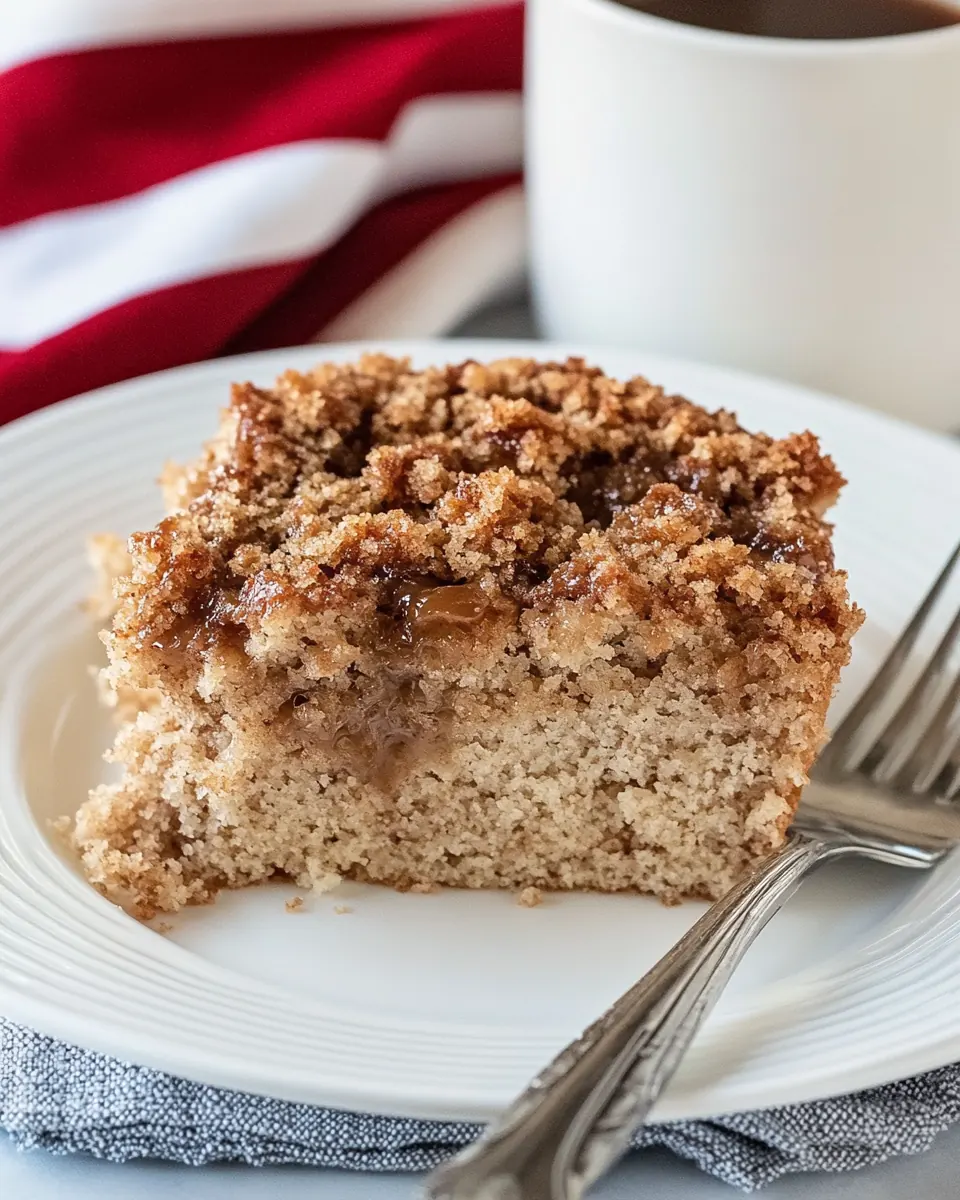
Slow Cooker Coffee Cake
Ingredients
Equipment
Method
- Whisk flour, brown sugar, and salt in a large bowl. Stir baking powder, baking soda, and cinnamon into the flour mixture with a wooden spoon or spatula.: You will smell the warm molasses notes from the brown sugar as you whisk, and the dry mix should look uniform, pale, and slightly sandy. Combining these dry ingredients first ensures the all purpose flour and ground cinnamon are evenly distributed so pockets of spice or leavener do not form later. A wooden spoon will glide through this mixture easily, and you should not feel large clumps. If you do, break them up with your fingers. A common mistake is adding liquids too soon, which leads to uneven mixing and possible pockets of dry flour in the finished cake.
- Place milk, oil, eggs, and vinegar in a measuring cup and whisk until the eggs are beaten, then add to the flour mixture and stir until combined (mixture may be slightly lumpy).: The aroma of ground cinnamon will lift as you stir, and the dry mixture should now have tiny specks of spice throughout. This step ensures the chemical leaveners are well distributed so the cake rises evenly in the slow cooker. Use a gentle folding motion to avoid compressing the mix, and check that the baking powder and baking soda are not clumped; break any clumps with the back of a spoon. A frequent oversight is uneven distribution which leads to uneven rising and texture.
- Spray a 5-7 Qt slow cooker with nonstick cooking spray, or line with a slow cooker liner (sprayed with cooking spray). Pour batter into crock pot.: When you whisk the milk , vegetable oil , eggs , and white vinegar , the liquid will look homogenous and slightly glossy. Pouring these liquids into the dry mix creates pockets of moisture that disappear as you stir; the batter should be cohesive and slightly lumpy, not thin or watery. The vinegar reacting with the baking soda starts the lift process, so work efficiently. Overmixing can develop gluten and produce a tougher crumb; stop once you no longer see dry streaks. If the batter seems too stiff, a splash more milk will help, while overly wet batter leads to underbaked centers.
- Sprinkle nuts over the top of the cake batter.: As you transfer batter the slow cooker should be warm but not hot, and the surface will glisten slightly where the batter settles. The liner makes cleanup and serving easier, and the nonstick spray prevents sticking around the edges. Smooth the top gently with a spatula so the batter is even; this helps the cake bake uniformly. A typical mishap is under greasing which can cause the cake to cling to the insert, tearing when removed.
- Place a large paper towel over the top of the crock pot insert, then place the lid on top. Cook on HIGH for 1 1/2 to 2 1/2 hours (mine took 2), or until a toothpick comes out clean around the edges. The center might be a little under done on top (but it’ll be done underneath).: The chopped nuts create an immediate contrast in texture and release a toasty aroma when warmed. Scatter them evenly so each slice gets a bit of crunch. If you pre toast them, the nut oil will become fragrant, adding another layer of aroma. Avoid burying them deep in the batter which can interfere with even rising; topping is best. Forgetting this step means missing out on the crunchy highlight that elevates each bite.
- Serve warm straight from the crockpot or store in an airtight container for up to 3 days. For easy serving, use the slow cooker liner. That way you can just pick the whole liner out, peel it off, and serve the cake.: As the cake cooks you will notice a gentle steam escaping and the kitchen filling with the scent of brown sugar and cinnamon . The slow cooker produces humid heat, so the edges will set first and become slightly golden while the center finishes through conduction from the insert. The paper towel helps absorb excess condensation, preventing a soggy top. Check for doneness by inserting a toothpick near the edge; it should come out clean while the very center on top might seem slightly underdone, which is normal because the bottom cooks a bit faster. A common error is opening the lid frequently, causing heat loss and longer cook times.
- To bake in a traditional oven: use a 9 x 13” pan sprayed with nonstick cooking spray and bake at 350° for approximately 35-45 minutes.: The warm cake will give off steam and feel slightly springy to the touch. Using the liner allows you to lift the whole cake out, peel away the liner, and slice cleanly. Store leftovers in an airtight container at room temperature for up to three days to keep the crumb tender. Reheating a slice gently in the microwave for a few seconds revives softness. Leaving it uncovered will dry the cake out quickly, so always seal it.
- To bake in a traditional oven use a 9 x 13” pan sprayed with nonstick cooking spray and bake at 350° for approximately 35 to 45 minutes: In the oven the cake will brown more on top and set more uniformly across the surface; you will hear no steam hiss, but you should see a light golden color and a toothpick inserted in the center should come out clean. This method gives a slightly firmer crust on top, and the middle texture will be comparable if you monitor bake time closely. A common pitfall is leaving it too long which dries the crumb; start testing at the lower end of the time range to prevent this.
Notes
- Use a liner for easy serving The slow cooker liner makes removing and serving the cake simple. Once cooled slightly lift the liner out, peel it back, and slice directly. This reduces sticking and cleanup time dramatically.
- Check your leaveners Always verify that your baking powder and baking soda are fresh. Old leavening loses power and will yield a dense cake. A quick test is to drop a pinch into warm water and look for bubbling.
- Toast the nuts If you include the optional chopped nuts, toast them briefly in a dry skillet until fragrant. This boosts aroma and delivers a more pronounced crunch on top of the soft crumb.
- Keep mix-ins light If you want to add fruit or other mix ins keep the quantity small, scattering on top rather than folding deep into the batter, to avoid weighing down the cake and altering the slow cooker bake dynamic.
- Watch the cook window Slow cooker temperatures vary by model, so use the suggested 1 1/2 to 2 1/2 hour range as a guide and check early to avoid overcooking. Timing toward the middle of the range is often best for a moist crumb.