Lasagna Stuffed Peppers
Lasagna Stuffed Peppers started showing up in my weeknight rotation the moment I needed a way to marry cozy pasta flavors with something a bit lighter and more colorful. The first time I made them, I remember juggling a loud skillet, a bubbling pot of pasta, and a roasting sheet full of bell peppers while my kitchen filled with the garlicky, herby scent of marinara and sausage. It felt like a little culinary performance, and the payoff was that every bite delivered layers of comfort without feeling heavy.
I tend to make a double batch when friends are coming over because these peppers vanish fast. I love how each pepper half becomes its own portable lasagna, with creamy ricotta tucked beneath a saucy, meaty pasta, then finished with bubbly, golden mozzarella cheese. Serving them hot, with freshly grated Parmesan cheese and a scatter of bright parsley, turns dinner into a small celebration even on an ordinary Tuesday.
Recipe Snapshot
1 hr 15 mins
20 mins
55 mins
Medium
350 kcal
Italian
Gluten-Free, Keto
Dinner
OXO Cutting Board, Grater Zester, Mafalda Pasta, Large Rimmed Pan
Why This Lasagna Stuffed Peppers Shines
One pan comfort without the fuss
I adore how Lasagna Stuffed Peppers capture the soul of traditional lasagna but eliminate the multi dish cleanup. You get that same layered satisfaction without stacking sheets, sauces, and trays, because the roasted bell peppers act as edible vessels. For busy evenings, that streamlined approach wins every time.
Balanced textures in every bite
There is something deeply satisfying about the contrast between silky ricotta cheese, al dente mafalda pasta, and the gentle roast of the pepper. The peppers soften and slightly char at the edges, while the cheeses melt into a creamy blanket. This interplay of textures makes each mouthful interesting.
Flavor synergy from simple ingredients
I rely on bold but straightforward components here. The seasoned Italian sausage brings a savory depth that pairs perfectly with the herbaceous marinara and the nutty, salty kick of grated Parmesan cheese. The result tastes thoughtfully layered, even though the ingredient list is honest and approachable.
Perfect for sharing and adapting
I love preparing a tray of these when friends stop by, because they present beautifully and are easy to portion. You can scale the recipe up or down without losing anything, and swapping mild for spicy sausage or a different marinara simply nudges the character without breaking the dish.
Weeknight friendly yet impressive
Finally, this recipe feels special enough for a casual date night, but it comes together in a realistic amount of time. For those of us who want comfort without a marathon in the kitchen, this dish checks that box and still earns compliments.
What’s In This Lasagna Stuffed Peppers
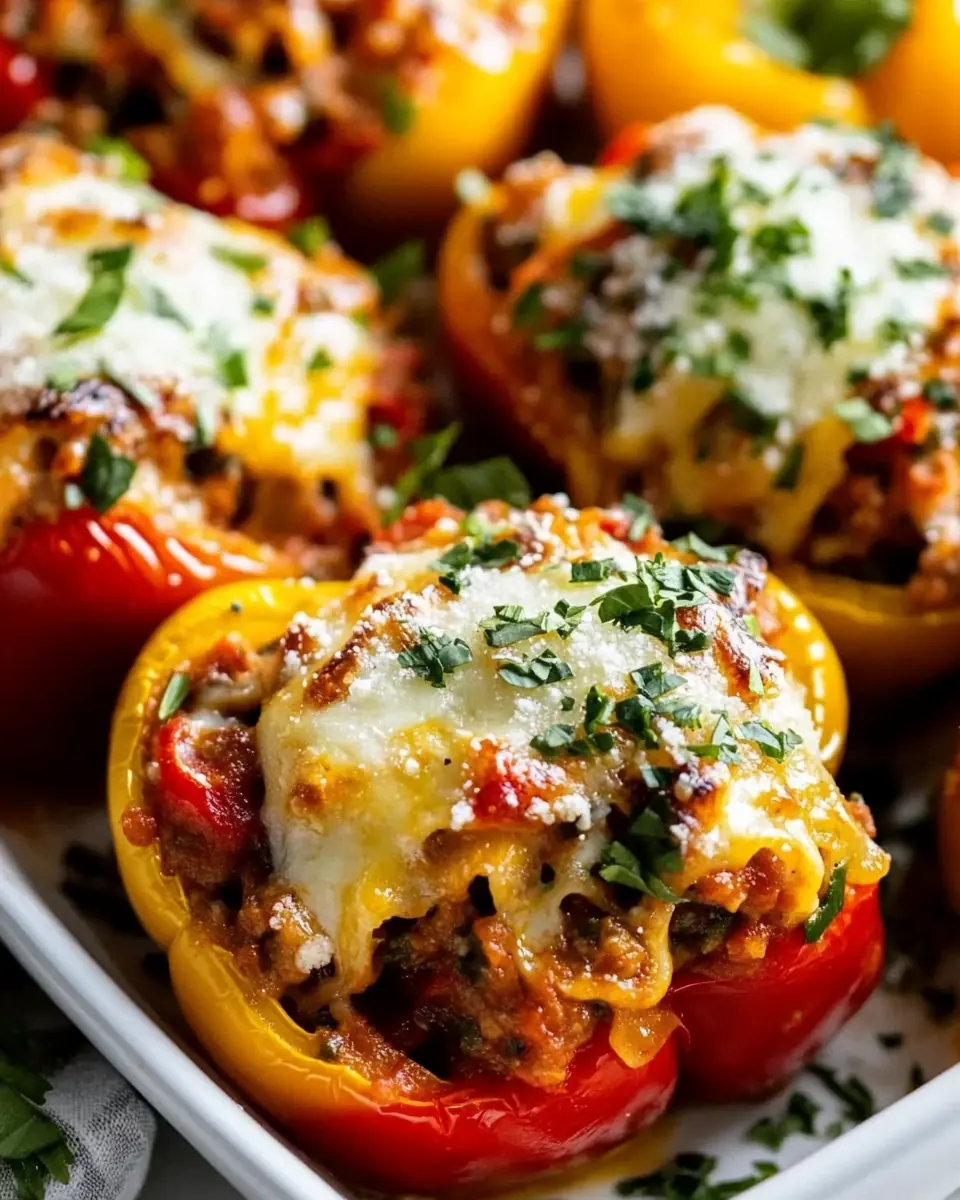
These ingredients were chosen to create a small format lasagna that fits comfortably inside roasted bell peppers. The key players are the creamy ricotta cheese, the saucy pasta filling made with savory sausage and marinara, and generous melting mozzarella cheese. Together they provide a balance of savory, creamy, and roasted notes that keep each bite lively.
- 8 large bell peppers sliced in half through the stem, seeds and ribs removed: Sliced in half and hollowed to create edible vessels for the filling; provides structure and a fresh, slightly sweet flavor that complements the rich lasagna components. Roast or bake until tender to meld textures between pepper and filling.
- 6 oz . mafalda pasta small lasagna noodles: Boiled until al dente and chopped or broken into smaller pieces to mimic lasagna noodles; adds hearty pasta texture and soaks up sauce flavors within the stuffed peppers. Choose mafalda for its ruffled edges that hold sauce well.
- 16 oz . mild Italian sausage: Cooked and crumbled as the primary savory protein that imparts rich, spiced flavor; browning develops caramelized notes and renders fat that enhances the sauce. Pick mild Italian sausage for a balanced seasoning that won't overpower other components.
- 1 small onion diced: Diced and sautéed to build aromatic foundation and provide subtle sweetness; softens and melds with sausage and garlic to create a cohesive flavor base. Adjust cooking time to avoid browning too much if preferring a milder onion profile.
- 2 large garlic cloves minced: Minced and sautéed briefly to release pungent aroma and savory depth; helps tie together meat and sauce while preventing raw garlic bite. Add toward the end of onion cooking to preserve bright garlic flavor.
- 2 c. your favorite marinara sauce I recommend Trader Joe’s Arrabiata Sauce, which has a little kick to it: Poured over or mixed into the filling to provide acidity, seasoning, and saucy cohesion; marinara brings a tomato-forward brightness and balances the richness of cheeses and meat. Use preferred jarred sauce for convenience or a homemade version for control over seasoning.
- 1 tsp . dried Italian herb mix: Sprinkled in with the filling to add a herby Mediterranean profile that complements tomato and cheese; dried mix provides consistent flavor without needing fresh herbs. Use measured amount to avoid overpowering the mixture.
- 1/4 tsp . black pepper divided: Divided between the filling and topping to season and balance overall taste; adds subtle heat and depth when incorporated throughout the dish. Reserve portion to adjust final seasoning after baking if needed.
- 12 oz . shredded mozzarella cheese divided: Shredded and split between filling and topping to deliver gooey, melty texture and mild creaminess; browns and stretches when baked to create classic lasagna mouthfeel. Reserve some for a golden gratin finish on top of each pepper half.
- 8 oz . ricotta cheese: Spoonable and creamy, folded into the pasta mixture to lend a rich, smooth texture and mild tang similar to traditional lasagna layers. Mix with other cheeses and seasoning to create a cohesive, creamy filling.
- 1/2 c. grated Parmesan cheese: Grated and mixed into the filling to contribute sharp, nutty umami and help bind cheeses together; adds depth of flavor that enhances tomato and meat components. Use within the mixture and sprinkle as needed for savory punch.
- 1/2 tsp . kosher salt: Measured into the cheese mixture to season and balance flavors while preventing blandness; kosher salt enhances all other ingredients and brings cohesion to the filling. Adjust slightly based on saltiness of other cheeses and sauce.
- 1 to 2 oz. Parmesan cheese wedge: Stowed as an optional finishing element to grate over each stuffed pepper for concentrated savory, salty cheese flavor; a wedge allows fresh grating for brighter Parmesan presence. Use sparingly to avoid overwhelming the dish with saltiness.
- chopped fresh parsley: Chopped and sprinkled as a fresh garnish to add color, herbaceous brightness, and a slight grassy note that contrasts the rich, baked filling. Add just before serving to preserve vibrant appearance and flavor.
How to Make Lasagna Stuffed Peppers
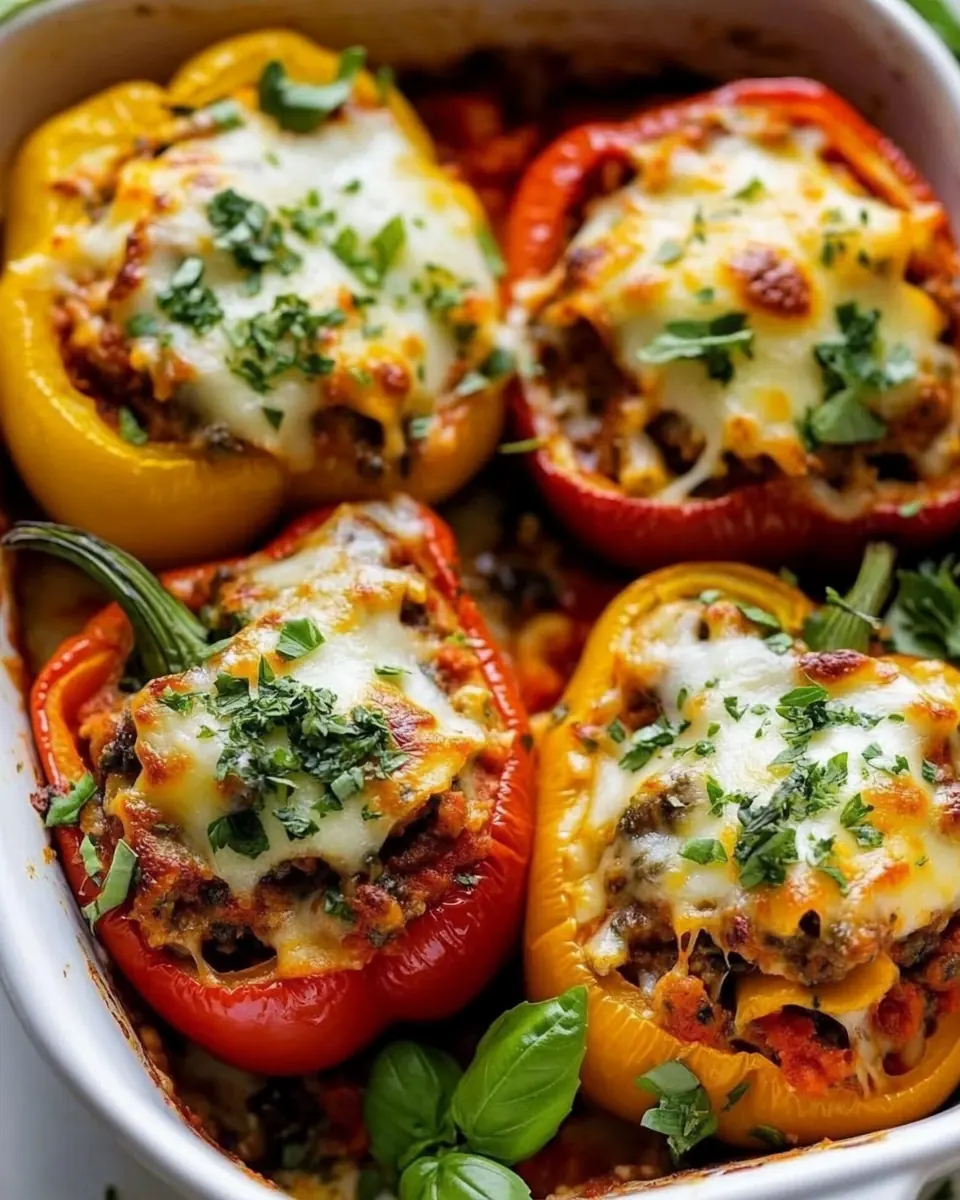
These steps guide you through roasting, filling, and finishing each pepper so the textures and flavors come together. Follow the sequence and pay attention to visual and aromatic cues for best results.
- Preheat oven to 350° F.: Warm, oven-centered air creates a predictable environment for roasting; you should feel steady heat when you open the door and the metal pan will be warm to the touch. The reason this matters is that peppers roast evenly when the oven temperature is stable. A common mistake is skipping preheat, which leads to uneven softening. If your oven runs hot, consider lowering the temperature by a few degrees to avoid overbrowning.
- Place halved peppers on a large rimmed pan, cut side up. Roast for 30 minutes, or just until nicely softened. Remove from oven. Leave oven at 350° F.: As the peppers roast, you will smell their natural sugars intensify and notice their skins begin to wrinkle. The visual cue to stop roasting is when the flesh gives slightly to gentle pressure but still holds shape. The why is simple, the peppers need to be pliable enough to hold filling but not so soft they collapse. A typical error is overroasting, which results in mushy shells that tear when filled, so check them a few minutes before the time is up.
- While peppers are roasting, cook mafalda pasta in salted water to just al dente. Drain and set aside.: The pot will sound lively as the pasta boils and you should taste a noodle, looking for a slight resistance in the center. Cooking to just al dente ensures the pasta soaks up sauce flavors without turning gluey in the oven. Oversalting the water or overcooking the pasta are common slip ups; keep an eye on the clock and taste early.
- Also, heat a large skillet over medium heat. Add sausage and let it brown, breaking it up into bite-size pieces with a spatula. When sausage is about half-way browned, add onion and garlic. Once sausage is browned and onion is softened, drain any excess oil from pan. Stir in marinara sauce, Italian herb mix, and 1/8 teaspoon of the black pepper. Fold in cooked pasta. Once thoroughly heated, turn off heat.: As the sausage renders, you will hear gentle sizzling and smell toasted spices; browning creates Maillard flavors that are essential. Adding the onion and garlic mid-brown helps preserve their sweetness and aroma. Draining excess oil keeps the filling from becoming greasy, and folding in the mafalda pasta lets the sauce coat each piece. A typical mistake is crowded pans that steam instead of brown, reducing flavor complexity.
- In a small bowl, combine ricotta cheese, grated Parmesan, kosher salt, and remaining 1/8 teaspoon black pepper.: When you mix the ricotta cheese with grated Parmesan cheese , the texture becomes silky and slightly grainy in a pleasant way, and the salt helps release the cheeses' flavor. The reason this step matters is that a seasoned ricotta base prevents the entire filling from tasting flat. Avoid overmixing, which can make the ricotta watery; fold gently just until unified.
- Divide ricotta cheese mixture evenly into the bottoms of each of the roasted pepper halves, spreading just a bit. Top ricotta mixture with a layer of pasta/marinara mixture. Aim to use about half of the mixture, snuggling it into the nooks and crannies of the peppers. Then divide 4 ounces of the shredded mozzarella cheese over the top of the pasta/marinara mixture. Divide remaining pasta/marinara mixture over the mozzarella cheese. Top with remaining 2 cups of mozzarella, dividing evenly among all the pepper halves. Tent very loosely with a large piece of foil, taking care to not let the foil touch the cheese – this will help any exposed noodles to not get hard and crunchy. Bake for 20 minutes. Remove foil and place baking sheet about 8" under broiler and broil until cheese is bubbly and golden and a bit blistered. Remove peppers from oven and let rest 5 minutes before serving. With a zester/grater, grate fresh Parmesan cheese over the top and sprinkle with chopped fresh parsley, if desired.: The ricotta will feel cool and creamy as you spoon it into the warm pepper cups, offering a contrast in temperature and mouthfeel that is delightful. Spreading a thin layer creates a moisture barrier and a creamy base for the pasta. Don’t pile it too high or the pepper won’t have room for the pasta filling.
- Top ricotta mixture with a layer of pasta marinara mixture. Aim to use about half of the mixture, snuggling it into the nooks and crannies of the peppers: As you add the saucy mafalda pasta , press it lightly so it settles against the pepper walls. You should see sauce shining on the pasta surfaces, and the peppers will start to look satisfyingly full. This technique ensures each bite has balanced cheese and sauce. The common pitfall is overfilling which causes leaking and uneven baking.
- Then divide 4 ounces of the shredded mozzarella cheese over the top of the pasta marinara mixture: Sprinkling this first layer of mozzarella cheese creates a molten barrier that helps the next layer of pasta meld into a cohesive interior. The cheese will begin to soften quickly from the residual heat, becoming supple and glossy. Be careful not to add too much early, which can lead to uneven melting later in the oven.
- Divide remaining pasta marinara mixture over the mozzarella cheese: Adding the second portion of the saucy pasta completes the internal layering and ensures sauciness throughout. You will see steam rise as the warm mixture settles; this trapped steam helps the peppers and pasta finish cooking. Watch for sogginess, excessive liquid can make the peppers collapse, so drain the pasta well earlier.
- Top with remaining 2 cups of mozzarella, dividing evenly among all the pepper halves: A generous top layer of mozzarella cheese will bubble and stretch when melted, offering that classic browned, gooey finish. The visual cue to look for is even coverage and uniform thickness over each pepper. A frequent misstep is uneven cheese distribution which causes some peppers to brown too quickly while others stay pale.
- Tent very loosely with a large piece of foil, taking care to not let the foil touch the cheese, bake for 20 minutes: Tenting traps gentle heat to finish melting and prevents the exposed pasta from drying out, while keeping foil off the cheese avoids sticking and tearing. You will hear a low oven hum and see the cheese begin to settle. Removing the foil too early can lead to the top drying and losing creaminess.
- Remove foil and place baking sheet about 8 inches under broiler and broil until cheese is bubbly and golden and a bit blistered: Under the broiler the mozzarella cheese will quickly transform, bubbling and developing golden blisters, and you will smell a toasty, dairy aroma. This high heat finish adds caramelized notes and visual appeal. Stay attentive because broiling happens fast and can go from perfect to burnt in seconds.
- Remove peppers from oven and let rest 5 minutes before serving: Resting lets internal steam settle so the filling firms slightly, making them easier to serve. You will notice the cheese settle into glossy ribbons and the sauce calm. Cutting into them immediately could cause loose filling and hot splatters, so patience is the best safeguard.
- With a zester grater, grate fresh Parmesan cheese over the top and sprinkle with chopped fresh parsley, if desired: Freshly grated Parmesan cheese adds a final salty brightness while chopped parsley contributes a fresh, green contrast. The aroma will be bright and inviting. Avoid using pre grated cheese for this final step if you want the maximum flavor lift.
Change It Up
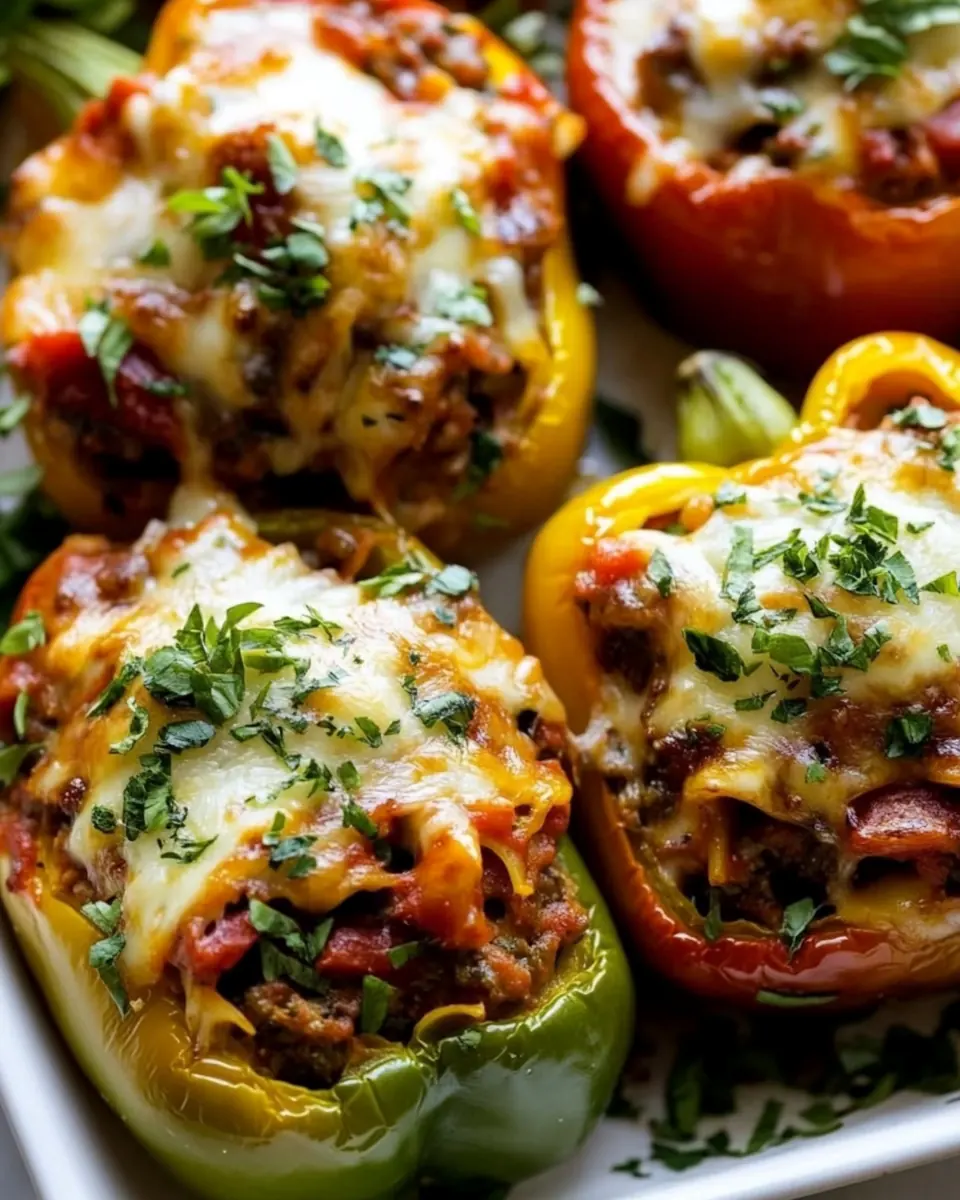
If you want to tweak the recipe, small swaps can shift the personality of the dish without changing the technique. Below are practical variations and ideas to customize texture, heat, and presentation for different occasions.
- Swap the sausage type: Use a spicy Italian sausage for more heat or a milder variety to let the marinara and cheeses shine; cooking time remains the same but flavor intensity will shift.
- Try different pasta shapes: If you cannot find mafalda pasta, choose a short, ridged pasta that traps sauce similarly; cooking to just al dente is still key.
- Make it cheesier: Add an extra half cup of shredded mozzarella cheese on top for a stretchier finish, but keep an eye during broiling so it does not burn.
- Use a bright marinara: Choosing a sauce with a touch of chili flakes will add lift and contrast to the creamy ricotta cheese layer without extra work.
- Presentation tip: After broiling, grate fresh Parmesan cheese and scatter chopped parsley for a professional plated look that also adds fresh flavor.
What to Serve Alongside Lasagna Stuffed Peppers
Lasagna Stuffed Peppers pair beautifully with simple sides that complement the rich, cheesy interior. Think light, crisp elements to balance the savory warmth of the peppers and provide textural contrast.
- Simple green salad: A salad of mixed greens dressed lightly with olive oil and lemon helps cut through the cheese and refresh the palate between bites.
- Crusty bread: Warm bread is handy for sopping up any leftover sauce on the plate, and it makes the meal feel more communal for family style dining.
- Roasted vegetables: Seasonal roasted veggies like zucchini or cherry tomatoes add color and a roasted sweetness that echoes the peppers.
- Occasion pairing: For a cozy weeknight dinner, serve with a chilled sparkling water and a simple salad; for a casual weekend gathering, offer a platter of extra grated Parmesan cheese and herbs for guests to top their peppers.
- Storage tips: Leftovers keep well refrigerated up to three days; reheat gently in a 325 F oven until warmed through to preserve texture.
- Seasonal note: In fall when bell peppers are abundant, this recipe feels particularly at home, but it also works year round with good quality peppers.
FAQ
Conclusion
These Lasagna Stuffed Peppers are a smart remix of classic lasagna flavors tucked into vibrant roasted pepper cups, giving you creamy cheese, saucy pasta, and savory sausage in every bite. Give them a try when you want a comforting, practical meal that looks and tastes special without demanding a full day in the kitchen. I hope you enjoy the layered textures and the ease of assembly as much as I do, and that they become a reliable favorite for dinners both simple and celebratory.
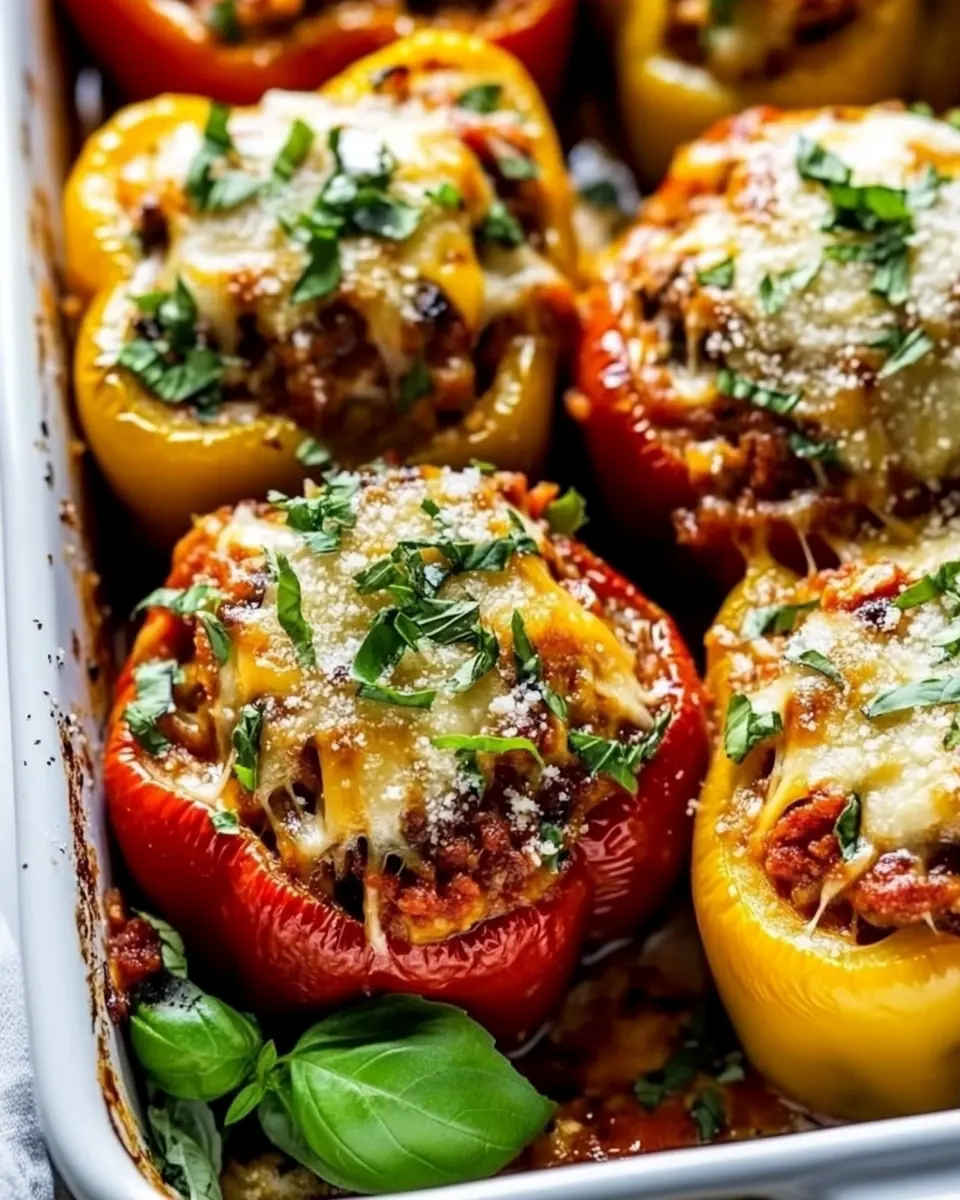
Lasagna Stuffed Peppers
Ingredients
Equipment
Method
- Preheat oven to 350° F.: Warm, oven-centered air creates a predictable environment for roasting; you should feel steady heat when you open the door and the metal pan will be warm to the touch. The reason this matters is that peppers roast evenly when the oven temperature is stable. A common mistake is skipping preheat, which leads to uneven softening. If your oven runs hot, consider lowering the temperature by a few degrees to avoid overbrowning.
- Place halved peppers on a large rimmed pan, cut side up. Roast for 30 minutes, or just until nicely softened. Remove from oven. Leave oven at 350° F.: As the peppers roast, you will smell their natural sugars intensify and notice their skins begin to wrinkle. The visual cue to stop roasting is when the flesh gives slightly to gentle pressure but still holds shape. The why is simple, the peppers need to be pliable enough to hold filling but not so soft they collapse. A typical error is overroasting, which results in mushy shells that tear when filled, so check them a few minutes before the time is up.
- While peppers are roasting, cook mafalda pasta in salted water to just al dente. Drain and set aside.: The pot will sound lively as the pasta boils and you should taste a noodle, looking for a slight resistance in the center. Cooking to just al dente ensures the pasta soaks up sauce flavors without turning gluey in the oven. Oversalting the water or overcooking the pasta are common slip ups; keep an eye on the clock and taste early.
- Also, heat a large skillet over medium heat. Add sausage and let it brown, breaking it up into bite-size pieces with a spatula. When sausage is about half-way browned, add onion and garlic. Once sausage is browned and onion is softened, drain any excess oil from pan. Stir in marinara sauce, Italian herb mix, and 1/8 teaspoon of the black pepper. Fold in cooked pasta. Once thoroughly heated, turn off heat.: As the sausage renders, you will hear gentle sizzling and smell toasted spices; browning creates Maillard flavors that are essential. Adding the onion and garlic mid-brown helps preserve their sweetness and aroma. Draining excess oil keeps the filling from becoming greasy, and folding in the mafalda pasta lets the sauce coat each piece. A typical mistake is crowded pans that steam instead of brown, reducing flavor complexity.
- In a small bowl, combine ricotta cheese, grated Parmesan, kosher salt, and remaining 1/8 teaspoon black pepper.: When you mix the ricotta cheese with grated Parmesan cheese , the texture becomes silky and slightly grainy in a pleasant way, and the salt helps release the cheeses' flavor. The reason this step matters is that a seasoned ricotta base prevents the entire filling from tasting flat. Avoid overmixing, which can make the ricotta watery; fold gently just until unified.
- Divide ricotta cheese mixture evenly into the bottoms of each of the roasted pepper halves, spreading just a bit. Top ricotta mixture with a layer of pasta/marinara mixture. Aim to use about half of the mixture, snuggling it into the nooks and crannies of the peppers. Then divide 4 ounces of the shredded mozzarella cheese over the top of the pasta/marinara mixture. Divide remaining pasta/marinara mixture over the mozzarella cheese. Top with remaining 2 cups of mozzarella, dividing evenly among all the pepper halves. Tent very loosely with a large piece of foil, taking care to not let the foil touch the cheese – this will help any exposed noodles to not get hard and crunchy. Bake for 20 minutes. Remove foil and place baking sheet about 8" under broiler and broil until cheese is bubbly and golden and a bit blistered. Remove peppers from oven and let rest 5 minutes before serving. With a zester/grater, grate fresh Parmesan cheese over the top and sprinkle with chopped fresh parsley, if desired.: The ricotta will feel cool and creamy as you spoon it into the warm pepper cups, offering a contrast in temperature and mouthfeel that is delightful. Spreading a thin layer creates a moisture barrier and a creamy base for the pasta. Don’t pile it too high or the pepper won’t have room for the pasta filling.
- Top ricotta mixture with a layer of pasta marinara mixture. Aim to use about half of the mixture, snuggling it into the nooks and crannies of the peppers: As you add the saucy mafalda pasta , press it lightly so it settles against the pepper walls. You should see sauce shining on the pasta surfaces, and the peppers will start to look satisfyingly full. This technique ensures each bite has balanced cheese and sauce. The common pitfall is overfilling which causes leaking and uneven baking.
- Then divide 4 ounces of the shredded mozzarella cheese over the top of the pasta marinara mixture: Sprinkling this first layer of mozzarella cheese creates a molten barrier that helps the next layer of pasta meld into a cohesive interior. The cheese will begin to soften quickly from the residual heat, becoming supple and glossy. Be careful not to add too much early, which can lead to uneven melting later in the oven.
- Divide remaining pasta marinara mixture over the mozzarella cheese: Adding the second portion of the saucy pasta completes the internal layering and ensures sauciness throughout. You will see steam rise as the warm mixture settles; this trapped steam helps the peppers and pasta finish cooking. Watch for sogginess, excessive liquid can make the peppers collapse, so drain the pasta well earlier.
- Top with remaining 2 cups of mozzarella, dividing evenly among all the pepper halves: A generous top layer of mozzarella cheese will bubble and stretch when melted, offering that classic browned, gooey finish. The visual cue to look for is even coverage and uniform thickness over each pepper. A frequent misstep is uneven cheese distribution which causes some peppers to brown too quickly while others stay pale.
- Tent very loosely with a large piece of foil, taking care to not let the foil touch the cheese, bake for 20 minutes: Tenting traps gentle heat to finish melting and prevents the exposed pasta from drying out, while keeping foil off the cheese avoids sticking and tearing. You will hear a low oven hum and see the cheese begin to settle. Removing the foil too early can lead to the top drying and losing creaminess.
- Remove foil and place baking sheet about 8 inches under broiler and broil until cheese is bubbly and golden and a bit blistered: Under the broiler the mozzarella cheese will quickly transform, bubbling and developing golden blisters, and you will smell a toasty, dairy aroma. This high heat finish adds caramelized notes and visual appeal. Stay attentive because broiling happens fast and can go from perfect to burnt in seconds.
- Remove peppers from oven and let rest 5 minutes before serving: Resting lets internal steam settle so the filling firms slightly, making them easier to serve. You will notice the cheese settle into glossy ribbons and the sauce calm. Cutting into them immediately could cause loose filling and hot splatters, so patience is the best safeguard.
- With a zester grater, grate fresh Parmesan cheese over the top and sprinkle with chopped fresh parsley, if desired: Freshly grated Parmesan cheese adds a final salty brightness while chopped parsley contributes a fresh, green contrast. The aroma will be bright and inviting. Avoid using pre grated cheese for this final step if you want the maximum flavor lift.
Notes
- Swap the sausage type: Use a spicy Italian sausage for more heat or a milder variety to let the marinara and cheeses shine; cooking time remains the same but flavor intensity will shift.
- Try different pasta shapes: If you cannot find mafalda pasta, choose a short, ridged pasta that traps sauce similarly; cooking to just al dente is still key.
- Make it cheesier: Add an extra half cup of shredded mozzarella cheese on top for a stretchier finish, but keep an eye during broiling so it does not burn.
- Use a bright marinara: Choosing a sauce with a touch of chili flakes will add lift and contrast to the creamy ricotta cheese layer without extra work.
- Presentation tip: After broiling, grate fresh Parmesan cheese and scatter chopped parsley for a professional plated look that also adds fresh flavor.