Mashed Potatoes with Parsnips and Horseradish
Mashed Potatoes with Parsnips and Horseradish is one of those comforting recipes I return to whenever I want something warming but a little unexpected at the table.
Years ago, I learned to love this mash when a friend passed along a bowl at a holiday potluck, and the horseradish bite cut through the richness in the best possible way. I still remember the gentle steam rising as I spooned it onto my plate, the creamy mouthfeel paired with a bright, peppery finish. Since then, I tinker — a touch more cream, or a bit less horseradish if guests prefer mild flavors — but the core combination of tender potatoes, sweet parsnips, and punchy horseradish remains unchanged.
I usually make this when I want a side that feels both classic and a little elevated, the kind that stands up to roasted mains and festive spreads alike. It is forgiving, so even if you are juggling other dishes, it will behave and come together in a snap. The textures are important to me: silky yet substantial, never gluey, and the aroma of warm butter and fresh pepper always draws everyone in. Over the years I have learned little timing tricks that keep the parsnips from turning mushy and the potatoes from becoming gummy, and I share those techniques below so you can get the same pleasing result at home.
Recipe Snapshot
25 mins
10 mins
15 mins
Easy
250 kcal
American
Gluten-Free, Low FODMAP
Side Dishes
Steamer, Pot, Potato masher, Warmed serving bowl
Why This Mashed Potatoes with Parsnips and Horseradish Is a Winner
Comfort with a Twist
What hooks me first about Mashed Potatoes with Parsnips and Horseradish is how familiar comfort meets a bright, unexpected edge. The creamy texture gives that cozy hug we all crave, while the horseradish injects a lively snap. I love serving it when I want something that feels homey yet not ordinary.
Balanced Sweet and Savory
The pairing of starchy potatoes with slightly sweet parsnips creates a nuanced backbone. I find the parsnips add depth without overpowering, so the dish tastes layered even with minimal seasoning. This balance makes it great for richer mains because it refreshes the palate between bites.
Reliable and Forgiving Technique
I appreciate recipes that allow a bit of flexibility, and this mash does exactly that. Whether your potatoes are slightly larger or your parsnips vary in sweetness, the method tolerates small differences and still rewards you with a smooth result. That reliability is why I reach for it during busy gatherings.
Holiday Ready but Everyday Friendly
This recipe shines at celebratory meals, and yet it is simple enough for a weeknight. I often make a double batch for Thanksgiving, and I am equally happy serving it with a weeknight roast. The horseradish keeps it festive, while the rest of the ingredients keep it approachable.
Simple Ingredients, Big Flavor
One of the best parts is how few components you need to get great results. With just butter, cream, salt, pepper, and prepared horseradish, the flavors are crisp and distinct. I like that you do not have to chase rare pantry items to make an impressive side.
Mashed Potatoes with Parsnips and Horseradish Ingredients
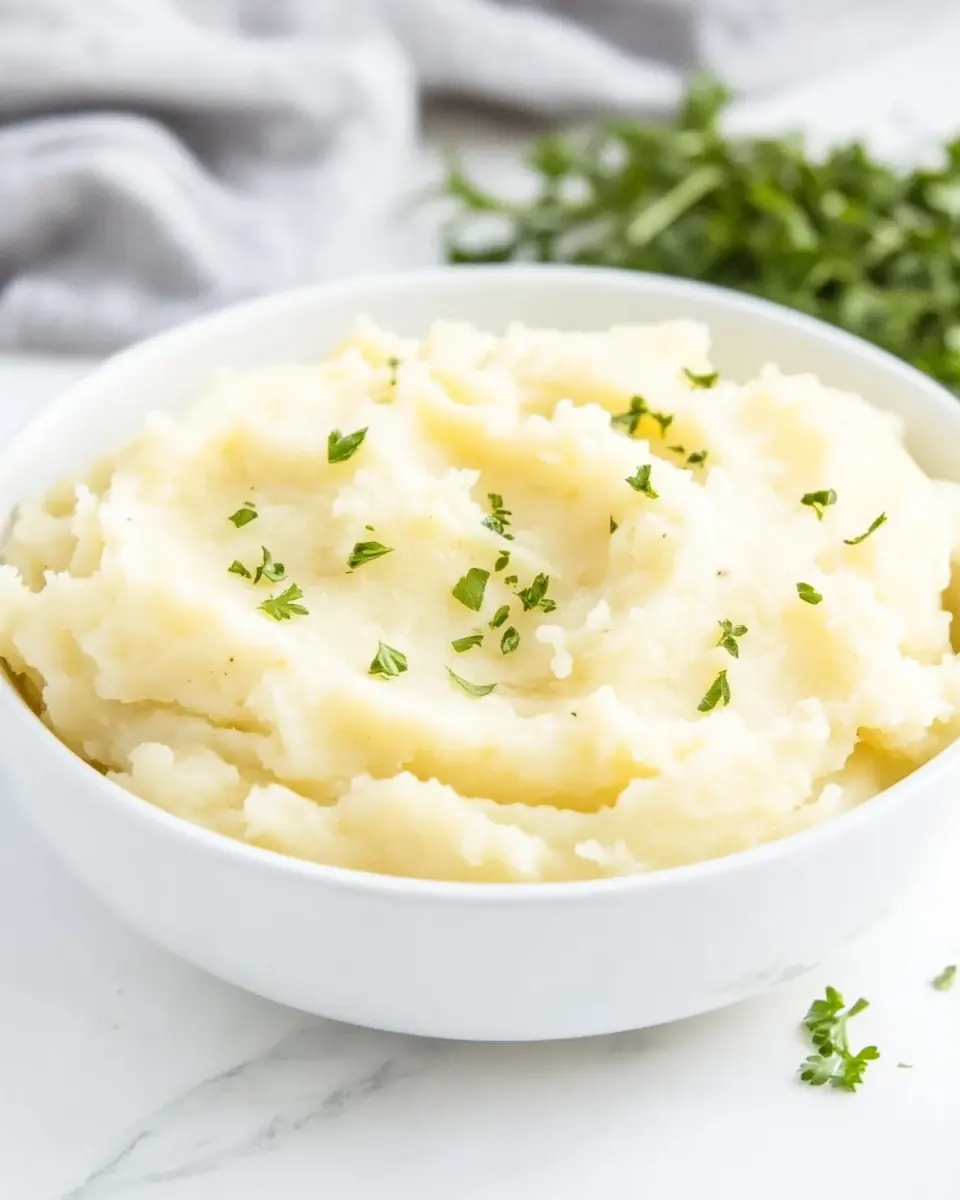
I view these ingredients as a small ensemble where each player has a clear role. The starchy potatoes provide body, the sweet parsnips add nuance, and the horseradish brings lift. Butter and heavy whipping cream supply richness and silkiness, while salt and pepper sharpen the flavors.
- 1 pound gold potatoes (or other medium starch content potatoes), peeled and sliced into 1/4 inch thick rounds: Provide a creamy, starchy base that becomes fluffy when boiled and mashed; contributes body and a neutral canvas to carry other flavors. Peel and slice to ensure even cooking, then simmer until tender before draining and mashing with butter and cream for smooth texture.
- 1 pound parsnips, peeled and sliced into 1/4 inch thick rounds: Add a subtly sweet, earthy flavor and a slightly firmer texture that complements the potatoes; balances richness and adds depth. Peel and slice to match potato thickness so both vegetables cook evenly, then mash together to incorporate the parsnip's natural sweetness into the dish.
- 4 tablespoons unsalted butter, softened at room temperature: Impart a rich, silky mouthfeel and help bind the mashed vegetables while adding buttery flavor; softened butter mixes more uniformly into warm potatoes and parsnips. Use at room temperature to create a smooth emulsion with the cream and mashed vegetables, and adjust amount for desired richness.
- 1 2 tablespoons prepared horseradish (according to heat and flavor preference): Introduce a sharp, pungent heat that lifts and brightens the creamy mash; amount can be adjusted to taste for subtle warmth or more pronounced bite. Use prepared horseradish sparingly at first, then taste and add more to achieve the preferred level of piquancy without overpowering other flavors.
- 1 1/2 teaspoons sea salt: Enhance and balance overall flavor by bringing out the natural sweetness of the potatoes and parsnips while seasoning the mash uniformly. Dissolve into hot mashed vegetables so the salt is evenly distributed, and adjust slightly to taste after mixing in butter and cream.
- 1/8 teaspoon freshly ground black pepper: Provide a mild background heat and subtle complexity that rounds out the dish's flavor profile without dominating it. Grind fresh for best aroma and add sparingly; stir into the finished mash and taste to ensure a pleasant, balanced peppery note.
- 1/3 cup heavy whipping cream, plus more as needed: Contribute a lush, creamy texture and help achieve a smooth, luxurious consistency when combined with butter and mashed vegetables. Warm slightly before adding to prevent cooling the mash, then incorporate gradually until reaching the desired thickness, adding more if a looser consistency is wanted.
The Method for Mashed Potatoes with Parsnips and Horseradish
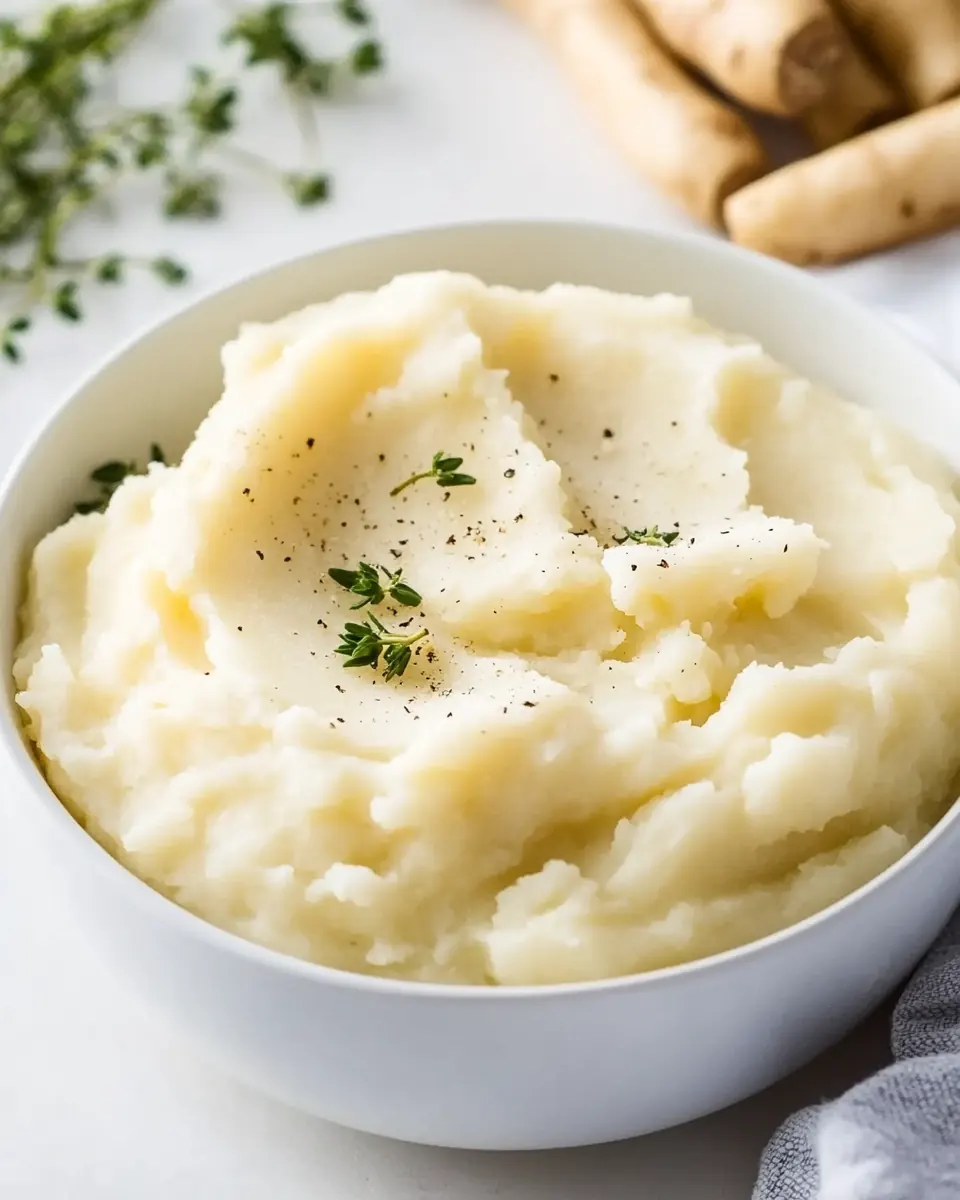
This technique is straightforward and built to produce a silky mash with distinct flavors. I walk you through steaming, seasoning, and finishing so each component shines. Keep your tools ready, and taste as you go.
- Place the sliced potatoes and parsnips in a steamer (put the parsnips in first where they'll be closer to the hot steam with the potatoes on top since the parsnips require a little longer cooking time). Place the steamer on top of a pot of boiling water and cover with the lid. Steam for about 15 minutes or until the vegetables are tender when pierced with a fork.: The aroma here is mild sweet starch and earthy parsnip notes that turn tender as steam softens the fibers, creating a gentle hiss from the pot as bubbles rise. The reason to put the parsnips closer to the steam is they are denser and need a touch more time to become fork tender, so this layering ensures even doneness without overcooking the potatoes . You will notice the surface of the slices becoming translucent and the edges losing their raw firmness, a visual cue they are ready to test with a fork. A common mistake is crowding the basket, which traps steam unevenly and yields inconsistent textures, so leave space for circulation. If steam escapes too rapidly, lower the heat slightly and keep the lid secure to maintain consistent cooking. To troubleshoot, test the largest slices first, since smaller pieces will finish sooner.
- Drain the pot and place the veggies in it along with the butter, salt, pepper and horseradish. Mash with a potato masher then add the cream and continue mashing until smooth, adding more cream until desired consistency is reached. Add more salt and pepper to taste. Transfer to a warmed serving bowl and serve immediately.: You will hear a steady rolling boil below and feel a warm draft of steam when lifting the lid, so use caution. A tight-fitting lid traps steam and cooks efficiently, producing a moist heat that softens the vegetables evenly. This method protects delicate starch structure in the potatoes , preventing excess water absorption that can lead to gluey texture. Be mindful not to let the pot go dry, because then the steaming action will stop and uneven spots can develop. If your pot is too small, steam will escape and cooking time will increase, so choose cookware that fits the steamer snugly. Keep the heat medium high to sustain steam without violent boiling.
- Steam for about 15 minutes or until the vegetables are tender when pierced with a fork: As steaming proceeds, the scent shifts from raw starch to mellow, sweet aromatics; the fork should slide through the flesh with little resistance. The timing is approximate because vegetable size and stove intensity vary, which is why the fork test matters more than strictly following minutes. Once tender, remove the basket promptly to prevent over softening, which makes the texture mushy. A frequent error is assuming all pieces cook identically; always check both parsnips and potatoes to confirm even tenderness. If you find some pieces are still firm, return them to steam for short intervals rather than prolonging the entire cooking time.
- Drain the pot and place the veggies in it along with the butter salt pepper and horseradish: The moment you add butter to the hot vegetables they begin to melt and release a rounded, buttery aroma that signals richness building in the dish. Combining seasoning at this stage ensures flavors meld into the warm vegetables rather than sitting on top; salt dissolves and the horseradish disperses its pungent lift evenly. Visually, the softened pieces glisten as the butter coats them, creating a creamy base for mashing. Avoid adding cold dairy now because it can cool the mixture and prevent full incorporation. One common misstep is skimping on seasoning early, which makes it hard to correct later, so add conservatively and taste as you proceed.
- Mash with a potato masher then add the cream and continue mashing until smooth adding more cream until desired consistency is reached: At first the mash will be coarse, with little steam bursts releasing a warm, savory perfume; as you press and turn the masher, the texture becomes silkier and the mass begins to hold together. Adding heavy whipping cream in stages helps you control the final body so the mash is not too loose. The mechanical action of mashing breaks cell walls and releases starch, which is why gentle pressure yields a creamier result than excessive force that can make it gummy. If you crave ultra smoothness, use a ricer at this point, but take care not to overwork the mixture. A frequent pitfall is adding all the cream at once, which can make the mash too thin; add gradually and stop when you reach the texture you prefer.
- Add more salt and pepper to taste Transfer to a warmed serving bowl and serve immediately: Finishing seasoning is about balance, so fresh grinds of black pepper and a little extra sea salt will sharpen the profile that the butter and cream have rounded out. Serve in a warmed bowl to keep the mash at an ideal temperature and preserve the silky mouthfeel, because cold serving dishes can draw heat away and thicken the mixture. The final presentation should look pillowy with a glossy surface from the melted butter . A common oversight is letting the mash sit too long before serving, which causes it to cool and firm up; if you must hold it, cover and keep warm in a low oven for a short time.
Variations to Try
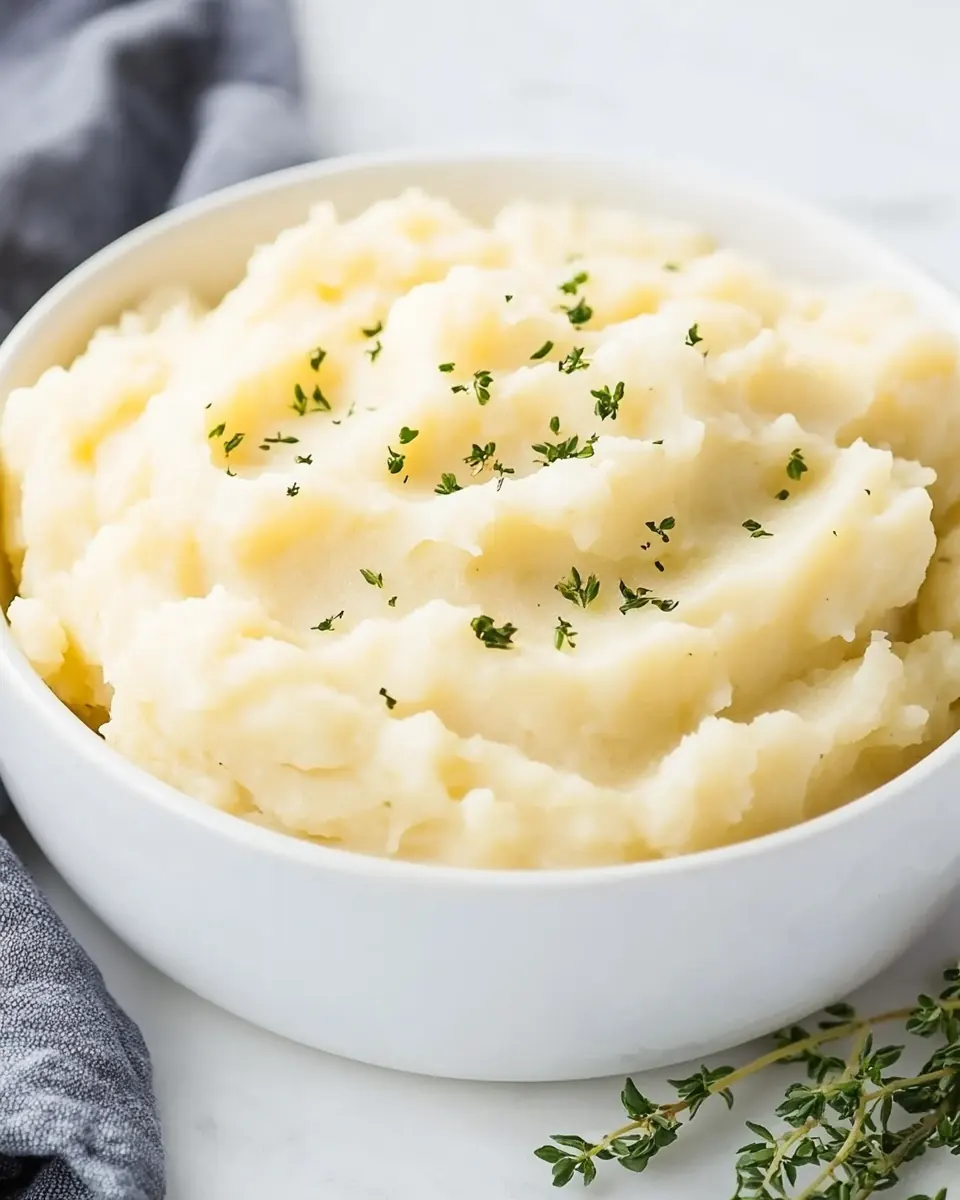
I like experimenting within the recipe’s simple framework to suit moods and menus. Below are ideas that respect the original flavors while offering different textures or profiles. Each tip begins with a bolded lead phrase for quick scanning.
- Make it extra creamy: Warm the heavy whipping cream slightly and fold in an extra tablespoon or two of softened butter at the end for a lusher mouthfeel that keeps well for short holding periods.
- Dial the heat: If you want a milder finish, start with one teaspoon of prepared horseradish and taste before adding more, because heat can amplify after a few minutes off the stove.
- Keep it rustic: For a chunkier texture, mash less vigorously so small tender bits of potato and parsnip remain, offering pleasant variation in each bite.
- Adjust for salt: Taste the mash after combining the butter and initial cream, then add the remaining salt gradually; it is easier to add than to fix an oversalted dish.
- Prep ahead: Steam and mash the vegetables, then cool and refrigerate. When ready to serve, warm gently with additional warmed heavy whipping cream to revive the silky texture.
Perfect Pairings for Mashed Potatoes with Parsnips and Horseradish
This mash is versatile enough to pair with a range of mains and occasions, from quiet weeknight dinners to festive gatherings. Below I outline serving ideas, side companions, and storage notes in a list so you can plan the whole plate.
- Roast meats or mains: Serve alongside roasted beef or poultry to provide a creamy counterpoint; the horseradish complements savory roasts especially well.
- Vegetarian mains: Pair with roasted root vegetables or a mushroom-based main for a satisfying meatless dinner that still feels substantial.
- Holiday spreads: This dish works beautifully for Thanksgiving gatherings, offering a slightly elevated alternative to plain mashed potatoes that still appeals to a crowd.
- Storage tips: Cool to room temperature, store in an airtight container in the refrigerator for up to three days, and rewarm gently with a splash of warmed heavy whipping cream to restore silkiness.
- Serving style: Spoon into a warmed bowl for family style service, or pipe into shapes for a more composed presentation; finish with a small pat of softened butter to keep the surface glossy.
- Seasonal pairings: In fall and winter, pair with braised greens and oven roasted root vegetables to echo the cozy, earthy palate of the mash.
FAQ
Conclusion
This mash stands out because it balances creamy comfort with a bright, peppery lift from prepared horseradish. It is easy to make, forgiving in technique, and versatile for both weeknight meals and holiday spreads. Give it a try the next time you want a side that feels familiar but a little more interesting, and enjoy how the sweet parsnips and punchy horseradish transform classic mashed potatoes into something you will be excited to serve.
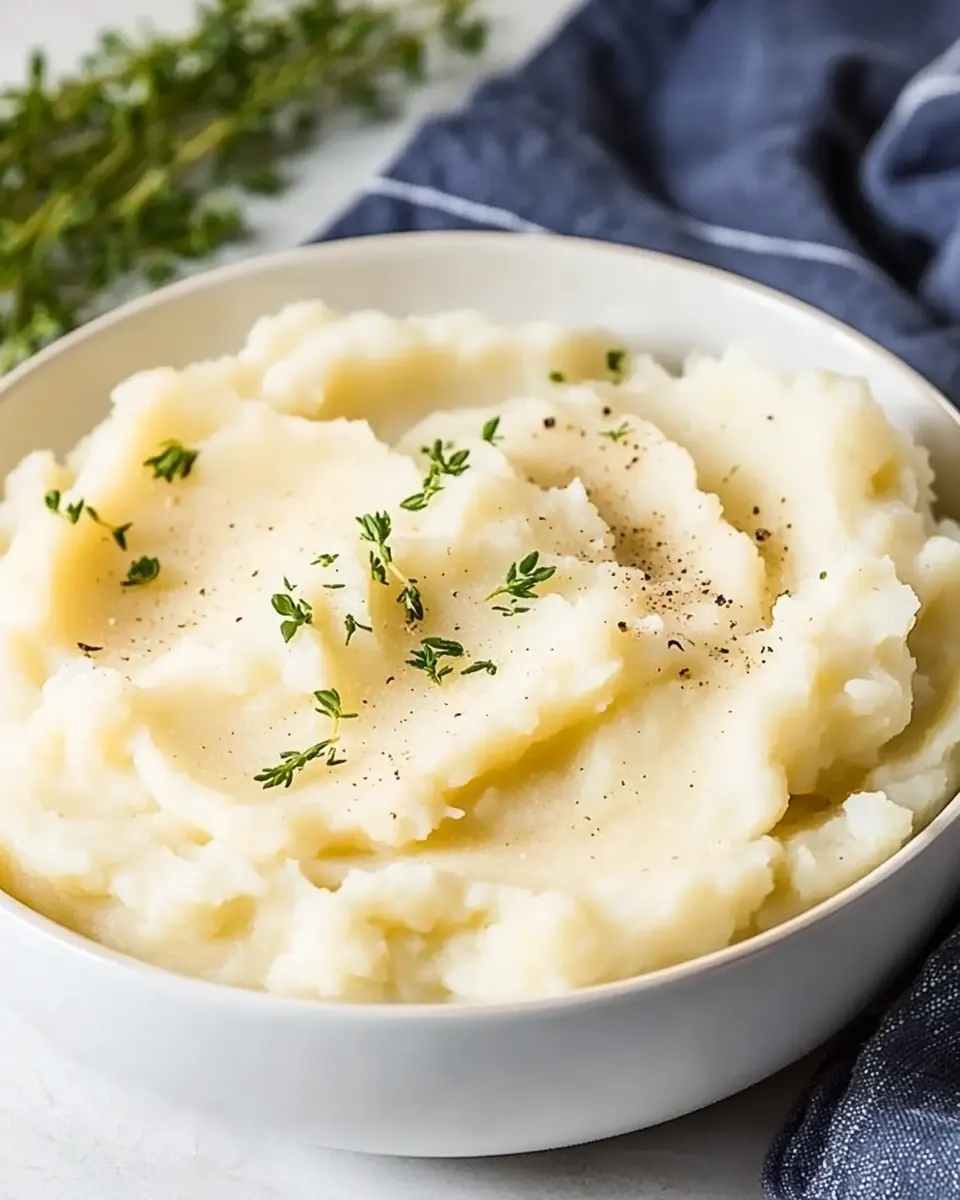
Mashed Potatoes with Parsnips and Horseradish
Ingredients
Equipment
Method
- Place the sliced potatoes and parsnips in a steamer (put the parsnips in first where they'll be closer to the hot steam with the potatoes on top since the parsnips require a little longer cooking time). Place the steamer on top of a pot of boiling water and cover with the lid. Steam for about 15 minutes or until the vegetables are tender when pierced with a fork.: The aroma here is mild sweet starch and earthy parsnip notes that turn tender as steam softens the fibers, creating a gentle hiss from the pot as bubbles rise. The reason to put the parsnips closer to the steam is they are denser and need a touch more time to become fork tender, so this layering ensures even doneness without overcooking the potatoes . You will notice the surface of the slices becoming translucent and the edges losing their raw firmness, a visual cue they are ready to test with a fork. A common mistake is crowding the basket, which traps steam unevenly and yields inconsistent textures, so leave space for circulation. If steam escapes too rapidly, lower the heat slightly and keep the lid secure to maintain consistent cooking. To troubleshoot, test the largest slices first, since smaller pieces will finish sooner.
- Drain the pot and place the veggies in it along with the butter, salt, pepper and horseradish. Mash with a potato masher then add the cream and continue mashing until smooth, adding more cream until desired consistency is reached. Add more salt and pepper to taste. Transfer to a warmed serving bowl and serve immediately.: You will hear a steady rolling boil below and feel a warm draft of steam when lifting the lid, so use caution. A tight-fitting lid traps steam and cooks efficiently, producing a moist heat that softens the vegetables evenly. This method protects delicate starch structure in the potatoes , preventing excess water absorption that can lead to gluey texture. Be mindful not to let the pot go dry, because then the steaming action will stop and uneven spots can develop. If your pot is too small, steam will escape and cooking time will increase, so choose cookware that fits the steamer snugly. Keep the heat medium high to sustain steam without violent boiling.
- Steam for about 15 minutes or until the vegetables are tender when pierced with a fork: As steaming proceeds, the scent shifts from raw starch to mellow, sweet aromatics; the fork should slide through the flesh with little resistance. The timing is approximate because vegetable size and stove intensity vary, which is why the fork test matters more than strictly following minutes. Once tender, remove the basket promptly to prevent over softening, which makes the texture mushy. A frequent error is assuming all pieces cook identically; always check both parsnips and potatoes to confirm even tenderness. If you find some pieces are still firm, return them to steam for short intervals rather than prolonging the entire cooking time.
- Drain the pot and place the veggies in it along with the butter salt pepper and horseradish: The moment you add butter to the hot vegetables they begin to melt and release a rounded, buttery aroma that signals richness building in the dish. Combining seasoning at this stage ensures flavors meld into the warm vegetables rather than sitting on top; salt dissolves and the horseradish disperses its pungent lift evenly. Visually, the softened pieces glisten as the butter coats them, creating a creamy base for mashing. Avoid adding cold dairy now because it can cool the mixture and prevent full incorporation. One common misstep is skimping on seasoning early, which makes it hard to correct later, so add conservatively and taste as you proceed.
- Mash with a potato masher then add the cream and continue mashing until smooth adding more cream until desired consistency is reached: At first the mash will be coarse, with little steam bursts releasing a warm, savory perfume; as you press and turn the masher, the texture becomes silkier and the mass begins to hold together. Adding heavy whipping cream in stages helps you control the final body so the mash is not too loose. The mechanical action of mashing breaks cell walls and releases starch, which is why gentle pressure yields a creamier result than excessive force that can make it gummy. If you crave ultra smoothness, use a ricer at this point, but take care not to overwork the mixture. A frequent pitfall is adding all the cream at once, which can make the mash too thin; add gradually and stop when you reach the texture you prefer.
- Add more salt and pepper to taste Transfer to a warmed serving bowl and serve immediately: Finishing seasoning is about balance, so fresh grinds of black pepper and a little extra sea salt will sharpen the profile that the butter and cream have rounded out. Serve in a warmed bowl to keep the mash at an ideal temperature and preserve the silky mouthfeel, because cold serving dishes can draw heat away and thicken the mixture. The final presentation should look pillowy with a glossy surface from the melted butter . A common oversight is letting the mash sit too long before serving, which causes it to cool and firm up; if you must hold it, cover and keep warm in a low oven for a short time.
Notes
- Make it extra creamy: Warm the heavy whipping cream slightly and fold in an extra tablespoon or two of softened butter at the end for a lusher mouthfeel that keeps well for short holding periods.
- Dial the heat: If you want a milder finish, start with one teaspoon of prepared horseradish and taste before adding more, because heat can amplify after a few minutes off the stove.
- Keep it rustic: For a chunkier texture, mash less vigorously so small tender bits of potato and parsnip remain, offering pleasant variation in each bite.
- Adjust for salt: Taste the mash after combining the butter and initial cream, then add the remaining salt gradually; it is easier to add than to fix an oversalted dish.
- Prep ahead: Steam and mash the vegetables, then cool and refrigerate. When ready to serve, warm gently with additional warmed heavy whipping cream to revive the silky texture.