Havarti Dill Corn Cakes
Havarti Dill Corn Cakes came into my kitchen the day I decided to turn a bag of summer corn into something playful and a little fancy for a weekend brunch with friends.
I remember pulling a skillet out, hearing it click into place on the stove, and thinking how small comforts like sizzling batter can change an ordinary morning. I was short on time but long on flavor, so I leaned on a familiar trio: cornmeal, Havarti cheese, and fresh dill. Each bite felt bright and slightly tangy, the kind of snack that sparks conversation and demands a second helping.
We passed around plates heaped with the warm cakes, topped with a cool dollop of creme fraiche, and someone declared them the best hors d’oeuvres they’d had all summer. That moment stuck with me because these cakes are equal parts comfort and clever, easy enough for a weeknight yet impressive for guests. They remind me that humble pantry staples can be elevated with small touches, like coarsely chopped corn kernels for texture or a scattering of chopped green onions for freshness.
Recipe Snapshot
20 mins
10 mins
10 mins
Easy
150 kcal
American
Gluten-Free, Low FODMAP
Appetizers
Griddle or Skillet, Mixing Bowl, Spatula, Measuring Cups, Food Processor
What’s Great About This Havarti Dill Corn Cakes
They are comfort food with personality
I love how Havarti Dill Corn Cakes tastes both familiar and a little unexpected. The base of cornmeal gives that warm, nutty backbone while the Havarti cheese melts into creamy pockets. For guests who want something cozy but interesting, these cakes deliver every time.
Quick and forgiving to make
One thing I always appreciate is a recipe that forgives little timing slips. These cakes come together in under 30 minutes, and the batter is forgiving if you overmix slightly. The texture still turns out tender, and if the griddle is a touch too hot you’ll still rescue crisp edges without sacrificing the soft interior.
Versatile for serving styles
I enjoy serving them as mini hors d oeuvre with a dab of creme fraiche, or as fuller cakes alongside a salad for a light lunch. The bright hit of chopped dill and green onions keeps them feeling fresh, so they work across occasions from casual brunch to more formal gatherings.
Great use of summer corn
When sweet corn is at its peak, it deserves to be showcased. Blitzing the kernels slightly preserves bite and releases sweet juices that mingle with the batter. The result is pockets of juicy corn that contrast beautifully with the golden exterior.
Kid friendly and crowd pleasing
These cakes are easy to pick up, not too messy, and have a mellow cheesy flavor that kids tend to like. I find they disappear fast at parties, which is always a good sign. You can scale the recipe up without extra fuss, making them a reliable choice when feeding a group.
What’s In This Havarti Dill Corn Cakes

The philosophy behind these ingredients is simple: balance texture, moisture, and bright herbaceous notes. The dry components provide structure, the wet ingredients bind and tenderize, and the fresh elements lift the overall flavor. Key players are the cornmeal for rustic texture, the Havarti cheese for creamy melt, and the fresh dill and green onions for brightness.
- 1 cup fine or medium ground cornmeal: Provide a coarse, slightly gritty texture and hearty corn flavor essential for the cakes; combine with the flour and leavening to form the dry base and absorb moisture from the wet ingredients, giving structure while remaining tender when cooked.
- 1/2 cup all-purpose flour: Tenderize the batter and balance the cornmeal’s texture; blend with the cornmeal to create a cohesive dough, helping cakes hold together and giving a soft crumb when cooked.
- 1 teaspoon salt: Season the batter to enhance and balance flavors throughout; dissolve into the wet ingredients so each corn cake has a consistent savory backbone without overpowering the other components.
- 1/4 teaspoon freshly ground black pepper: Add a mild heat and aromatic complexity to the mixture; measure finely and mix into the batter so the pepper lifts the other flavors without becoming dominant.
- 3/4 teaspoon baking soda: Lighten the cakes by providing chemical leavening; activate with the acidic component in the buttermilk to create bubbles that make the corn cakes tender and slightly airy.
- 3/4 cup buttermilk: Provide acidity and moisture while reacting with baking soda to leaven the batter; pour into the dry ingredients to create a tangy, tender batter that contributes to the cakes’ soft interior.
- 2 large eggs: Bind and enrich the batter while contributing structure and lift; whisk into the wet ingredients so the eggs provide moisture, viscosity, and help the cakes set as they cook.
- 2 tablespoons melted butter: Add richness and a silky mouthfeel while carrying flavor; melt and stir into the batter to incorporate fat that improves texture and helps cakes brown evenly in the pan.
- 1 cup corn kernels, coarsely chopped in a food processor: Contribute fresh, sweet corn flavor and a burst of texture; pulse to coarsely chop so kernels distribute throughout the batter and offer pops of juiciness in each bite.
- 1 cup Havarti cheese or similar: Impart creamy, buttery, and slightly tangy notes while melting into the warm cakes; grate or chop to mix evenly into the batter so the cheese binds and adds savory depth.
- 2 tablespoons chopped fresh dill: Provide bright, herbaceous freshness and a subtle anise-like note; chop finely and fold into the batter to distribute a clean, aromatic contrast to the rich cheese and corn.
- 1/4 cup chopped green onions: Add mild oniony sharpness and crisp green color; chop and mix into the batter for a fresh bite and visual contrast that complements the dill and cheese.
- Creme fraiche, or sour cream for serving: Offer a cool, tangy finishing condiment that complements the rich cakes; spoon beside or atop the served corn cakes to add creaminess and a slightly acidic counterpoint.
- Sprigs of fresh dill for garnish: Provide an attractive, herbaceous finish and subtle aroma; place sprigs atop plated cakes for visual appeal and a hint of fresh dill fragrance with each serving.
How to Prepare Havarti Dill Corn Cakes
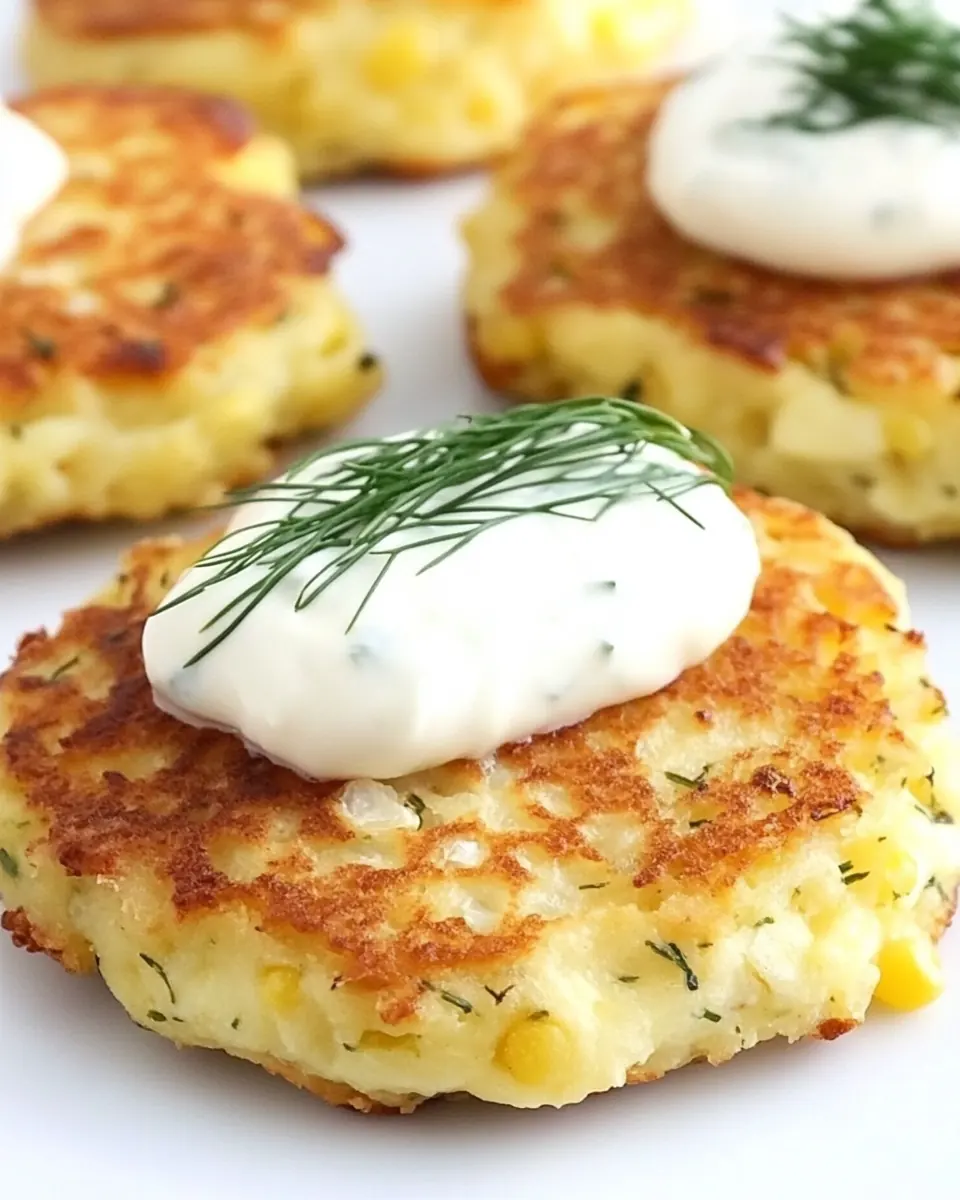
These directions are straightforward, but I like to give you sensory cues so you know you are on track. Work steadily, listen for sizzles, and watch for golden color on the cakes.
- Combine the cornmeal, flour, baking soda, salt and pepper in a large mixing bowl. Add the buttermilk, eggs and butter and beat just until combined. Stir in the corn, cheese, dill, and green onions. Heat a griddle to medium-high heat and lightly spray with cooking oil. Scoop heaping tablespoons onto the griddle (1/4 cup for full-sized corn cakes) and cook on each side until golden brown. If serving as hors d'oeuvres, arrange the mini corn cakes on a serving platter with a dollop of creme fraiche and a sprig of fresh dill. Makes about 32 mini corn cakes.: You will notice the dry mixture has a uniform, pale yellow appearance and a faint corn aroma. Sifting by hand with a whisk helps blend the leavening evenly so the cakes rise predictably. A common mistake is to skip thorough mixing, which can leave pockets of baking soda that taste bitter, so whisk until the color is consistent.
- Add the buttermilk, eggs and butter and beat just until combined: After adding the liquids the batter should smell slightly tangy from the buttermilk and look glossy from the melted butter . Use a spatula or whisk to fold until the mixture comes together, leaving a few small streaks of flour is fine. Overbeating causes gluten development and a tough texture, so stop once the batter is cohesive and slightly lumpy.
- Stir in the corn, cheese, dill, and green onions: When you fold in the chopped corn kernels , shredded Havarti cheese , fresh dill , and sliced green onions , you will see bursts of yellow and green. The cheese will distribute into pockets that melt during cooking. Mix gently to avoid breaking down the corn too much; otherwise the batter can become watery.
- Heat a griddle to medium-high heat and lightly spray with cooking oil: The griddle should feel hot to the touch from about 4 inches above, and a drop of water should sizzle and evaporate quickly on contact. Light oil ensures a nonstick surface and helps form a golden crust. If the surface is too cool the cakes will absorb oil and become greasy, so wait until it reaches the proper heat.
- Scoop heaping tablespoons onto the griddle (1/4 cup for full-sized corn cakes): As the batter hits the hot surface you should hear a clear sizzle, and the edges will set almost immediately. The cakes spread slightly and begin to bubble on top. Use a measuring spoon or 1/4 cup for consistency. A usual slip is crowding the griddle, which lowers the temperature and prevents browning, so leave space around each cake.
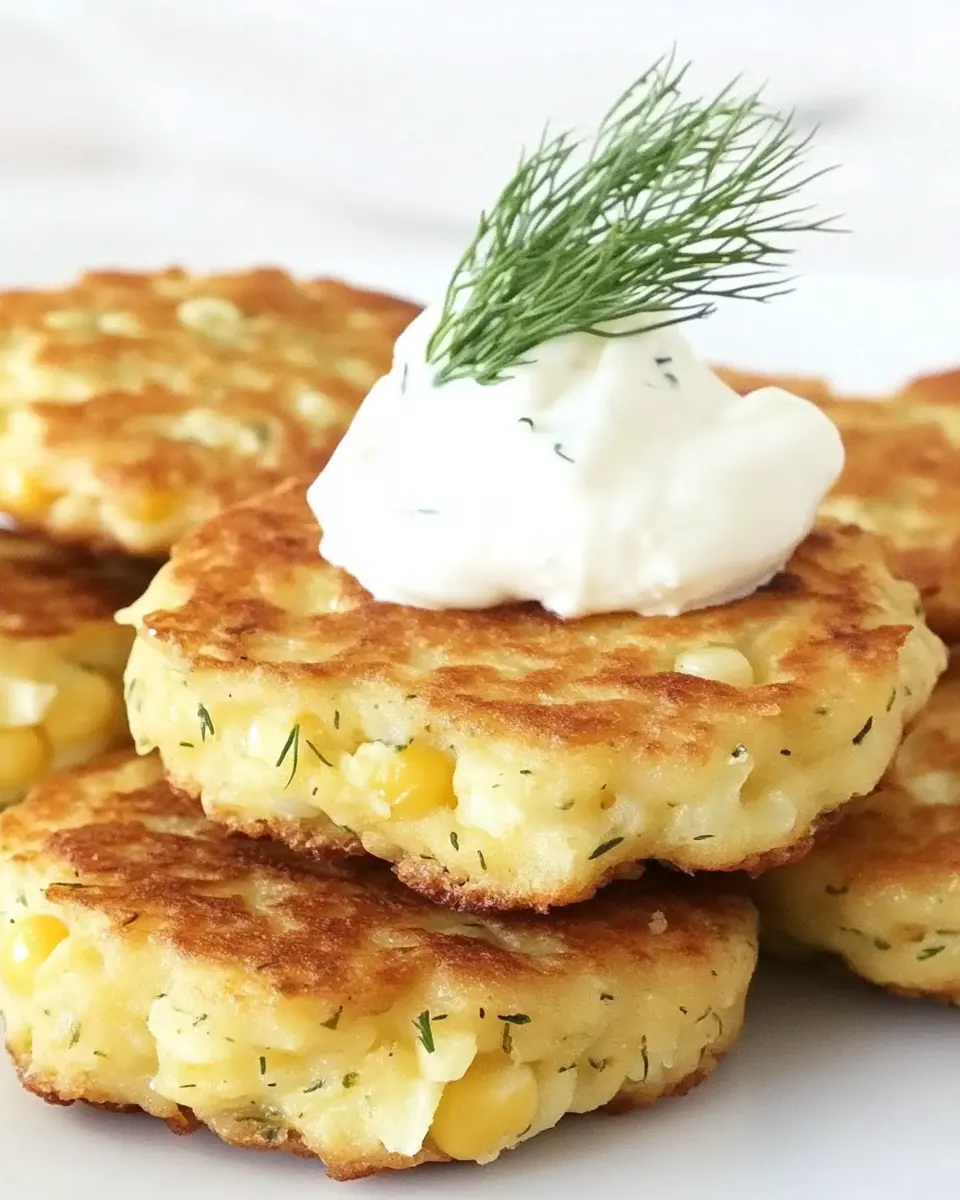
- Cook on each side until golden brown: Watch for a deep golden color and a firm edge before flipping, about a few minutes per side depending on your heat. When you lift a corner the underside should be crisp and set. The aroma at this stage is nutty with a hint of caramelized Havarti cheese . If you flip too early the cake may fall apart, so be patient and use a thin spatula to lift cleanly.
- If serving as hors d'oeuvres, arrange the mini corn cakes on a serving platter with a dollop of creme fraiche and a sprig of fresh dill: The contrast of warm cakes and cool creme fraiche is pleasing to both the eye and the palate. Place a tiny dab of cream on each mini cake and top with a delicate sprig of dill for aroma. A common mistake is overgarnishing, which obscures the cake; keep the garnish modest for best presentation.
Recipe Variations about Havarti Dill Corn Cakes
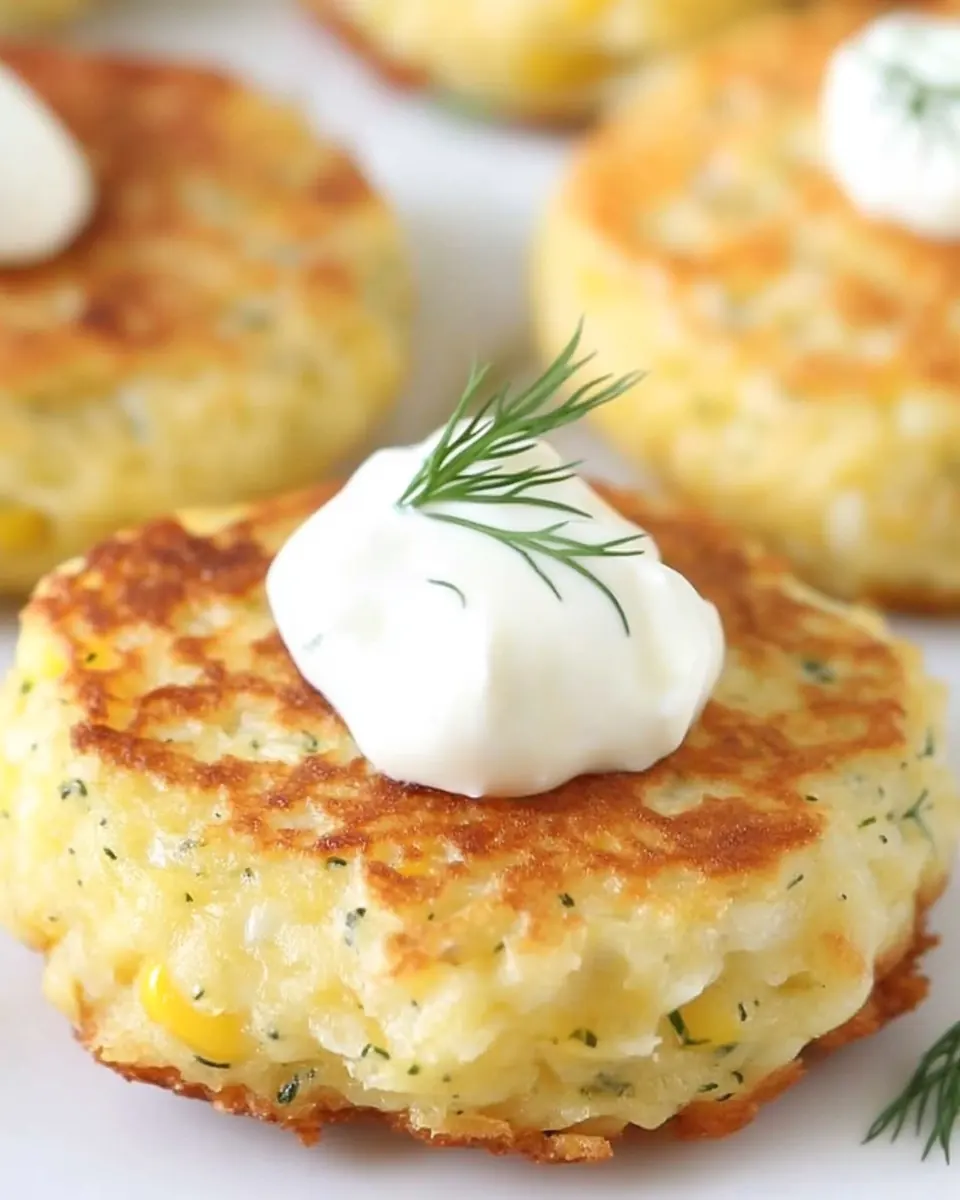
These variations help you adapt the recipe to different occasions while staying true to the original flavor. Pick an idea that fits your mood and the ingredients you have on hand.
- Make them mini for parties: Scoop smaller portions to create bite sized hors d oeuvre that are easy to eat and perfect for passing around. Mini cakes cook faster, so keep a close eye to avoid overbrowning.
- Swap the cheese thoughtfully: If you cannot find Havarti cheese, choose a similarly mild, meltable cheese. Keep the salt level in mind, and taste the batter if your substitute is saltier.
- Double the batch for gatherings: These cakes scale well, and doubling the batter allows you to feed a crowd with minimal extra work. Use multiple skillets or keep cooked cakes warm on a low oven tray to preserve texture.
- Make ahead for convenience: You can mix the dry ingredients the night before and combine with the wet elements the next day. Keep the batter refrigerated briefly and bring it to near room temperature before cooking for best results.
- Garnish simply: A small dollop of creme fraiche and a sprig of dill keeps the presentation elegant without masking the delicate flavors of the cakes.
Serving Options for Havarti Dill Corn Cakes
These cakes are flexible enough to work as snacks, starters, or a light main. Below are serving suggestions that suit various occasions, from casual lunches to celebratory brunches.
- Brunch plate: Serve two or three full sized cakes with a lemony green salad and a dollop of creme fraiche for a bright, balanced meal.
- Party platter: Arrange mini cakes on a large board with small spoons of creme fraiche so guests can top them as they like, garnished with sprigs of dill.
- Light lunch: Pair a couple of the cakes with a bowl of chilled tomato or cucumber soup for a refreshing midday option that stays light but satisfying.
- Seasonal pairing: These feel especially right in summer when fresh corn is at its peak, and they pair well with bright, herb forward sides like a simple green salad.
- Storage tips: Store cooked cakes in an airtight container for up to two days in the refrigerator. Reheat gently on a skillet to restore crispness rather than microwaving, which can make them soggy.
FAQ
Conclusion
Havarti Dill Corn Cakes stand out because they combine crunchy edges, tender interiors, and the creamy melt of Havarti with fresh herb brightness. They are quick to prepare, adaptable for gatherings, and fun to serve either as full sized cakes or bite sized hors d oeuvre. Give them a try the next time you have sweet corn on hand, and enjoy how a few simple ingredients can make an impression. Invite friends or family, set a warm skillet on the table, and let these cakes do the conversational heavy lifting.
Havarti Dill Corn Cakes
Ingredients
Equipment
Method
- Combine the cornmeal, flour, baking soda, salt and pepper in a large mixing bowl. Add the buttermilk, eggs and butter and beat just until combined. Stir in the corn, cheese, dill, and green onions. Heat a griddle to medium-high heat and lightly spray with cooking oil. Scoop heaping tablespoons onto the griddle (1/4 cup for full-sized corn cakes) and cook on each side until golden brown. If serving as hors d'oeuvres, arrange the mini corn cakes on a serving platter with a dollop of creme fraiche and a sprig of fresh dill. Makes about 32 mini corn cakes.: You will notice the dry mixture has a uniform, pale yellow appearance and a faint corn aroma. Sifting by hand with a whisk helps blend the leavening evenly so the cakes rise predictably. A common mistake is to skip thorough mixing, which can leave pockets of baking soda that taste bitter, so whisk until the color is consistent.
- Add the buttermilk, eggs and butter and beat just until combined: After adding the liquids the batter should smell slightly tangy from the buttermilk and look glossy from the melted butter . Use a spatula or whisk to fold until the mixture comes together, leaving a few small streaks of flour is fine. Overbeating causes gluten development and a tough texture, so stop once the batter is cohesive and slightly lumpy.
- Stir in the corn, cheese, dill, and green onions: When you fold in the chopped corn kernels , shredded Havarti cheese , fresh dill , and sliced green onions , you will see bursts of yellow and green. The cheese will distribute into pockets that melt during cooking. Mix gently to avoid breaking down the corn too much; otherwise the batter can become watery.
- Heat a griddle to medium-high heat and lightly spray with cooking oil: The griddle should feel hot to the touch from about 4 inches above, and a drop of water should sizzle and evaporate quickly on contact. Light oil ensures a nonstick surface and helps form a golden crust. If the surface is too cool the cakes will absorb oil and become greasy, so wait until it reaches the proper heat.
- Scoop heaping tablespoons onto the griddle (1/4 cup for full-sized corn cakes): As the batter hits the hot surface you should hear a clear sizzle, and the edges will set almost immediately. The cakes spread slightly and begin to bubble on top. Use a measuring spoon or 1/4 cup for consistency. A usual slip is crowding the griddle, which lowers the temperature and prevents browning, so leave space around each cake.
- Cook on each side until golden brown: Watch for a deep golden color and a firm edge before flipping, about a few minutes per side depending on your heat. When you lift a corner the underside should be crisp and set. The aroma at this stage is nutty with a hint of caramelized Havarti cheese . If you flip too early the cake may fall apart, so be patient and use a thin spatula to lift cleanly.
- If serving as hors d'oeuvres, arrange the mini corn cakes on a serving platter with a dollop of creme fraiche and a sprig of fresh dill: The contrast of warm cakes and cool creme fraiche is pleasing to both the eye and the palate. Place a tiny dab of cream on each mini cake and top with a delicate sprig of dill for aroma. A common mistake is overgarnishing, which obscures the cake; keep the garnish modest for best presentation.
Notes
- Make them mini for parties: Scoop smaller portions to create bite sized hors d oeuvre that are easy to eat and perfect for passing around. Mini cakes cook faster, so keep a close eye to avoid overbrowning.
- Swap the cheese thoughtfully: If you cannot find Havarti cheese, choose a similarly mild, meltable cheese. Keep the salt level in mind, and taste the batter if your substitute is saltier.
- Double the batch for gatherings: These cakes scale well, and doubling the batter allows you to feed a crowd with minimal extra work. Use multiple skillets or keep cooked cakes warm on a low oven tray to preserve texture.
- Make ahead for convenience: You can mix the dry ingredients the night before and combine with the wet elements the next day. Keep the batter refrigerated briefly and bring it to near room temperature before cooking for best results.
- Garnish simply: A small dollop of creme fraiche and a sprig of dill keeps the presentation elegant without masking the delicate flavors of the cakes.