Triple Ginger Snap Cookies
Triple Ginger Snap Cookies came into my life on a rainy autumn afternoon when I was craving something warm, spicy, and a little nostalgic.
I remember standing at the counter, sleeves rolled up, as the bright scent of fresh ginger filled the kitchen. The combination of molasses and dark brown sugar felt like a cozy sweater in dessert form, and the little pops of crystallized ginger gave each bite a pleasant surprise. Over the years I have tweaked the balance of spices and texture until the cookies had that perfect snap with a chewy center that made everyone ask for the recipe.
Baking these Triple Ginger Snap Cookies is one of those rituals that makes a regular afternoon feel celebratory. The dough benefits from a rest in the fridge, which deepens the flavors and firms it up so shaping is effortless. When the first tray comes out of the oven, the house smells like a spice shop, and I find myself waiting for that first crunch, which is always worth the patience.
Recipe Snapshot
2 hr 25 mins
120 mins
25 mins
Hard
150 kcal
American
Gluten-Free, Low FODMAP
Desserts
Skillet, Large bowl, Whisk, Baking sheets, Parchment paper, Wire rack
Why This Triple Ginger Snap Cookies Hits Different
Bold, layered ginger flavor
I love how Triple Ginger Snap Cookies use three forms of ginger to create depth. Ground ginger builds the cinnamon kissed backbone, fresh grated ginger adds a bright, zesty note, and crystallized ginger delivers those chewy, candied bursts. Together they make each bite interesting, and I always notice guests pausing to identify the layers.
Perfect balance of snap and chew
The process of browning butter and chilling the dough is what gives these cookies their texture. The exterior crisps while the centers remain tender, and that contrast keeps me coming back for another cookie. I like telling friends that patience in the fridge is the secret to texture, and they usually agree after the first bite.
Make ahead and shareability
These cookies are forgiving to prep ahead. The dough keeps well chilled, and the finished cookies remain fresh for days in an airtight container. I often make a double batch for holiday gatherings because they travel well and look gorgeous in a tin. I appreciate recipes that let me bake a bit now and enjoy later without losing flavor.
Friendly for bakers of all levels
This recipe is approachable yet impressive. I’ve taught neighbors to make it and they were surprised by how professional the results tasted with simple techniques. The instructions are straightforward, so even a baker who is still learning will produce a batch that tastes like it came from a bakery.
Warm, seasonal appeal
There is a reason I reach for this cookie in cooler months. The blend of molly and spices creates that warming hug you want in fall and winter. These cookies pair well with afternoon tea or as a sweet finish to a holiday meal, and I always feel like they set a cozy tone for whatever gathering I bring them to.
Ingredients to Make Triple Ginger Snap Cookies
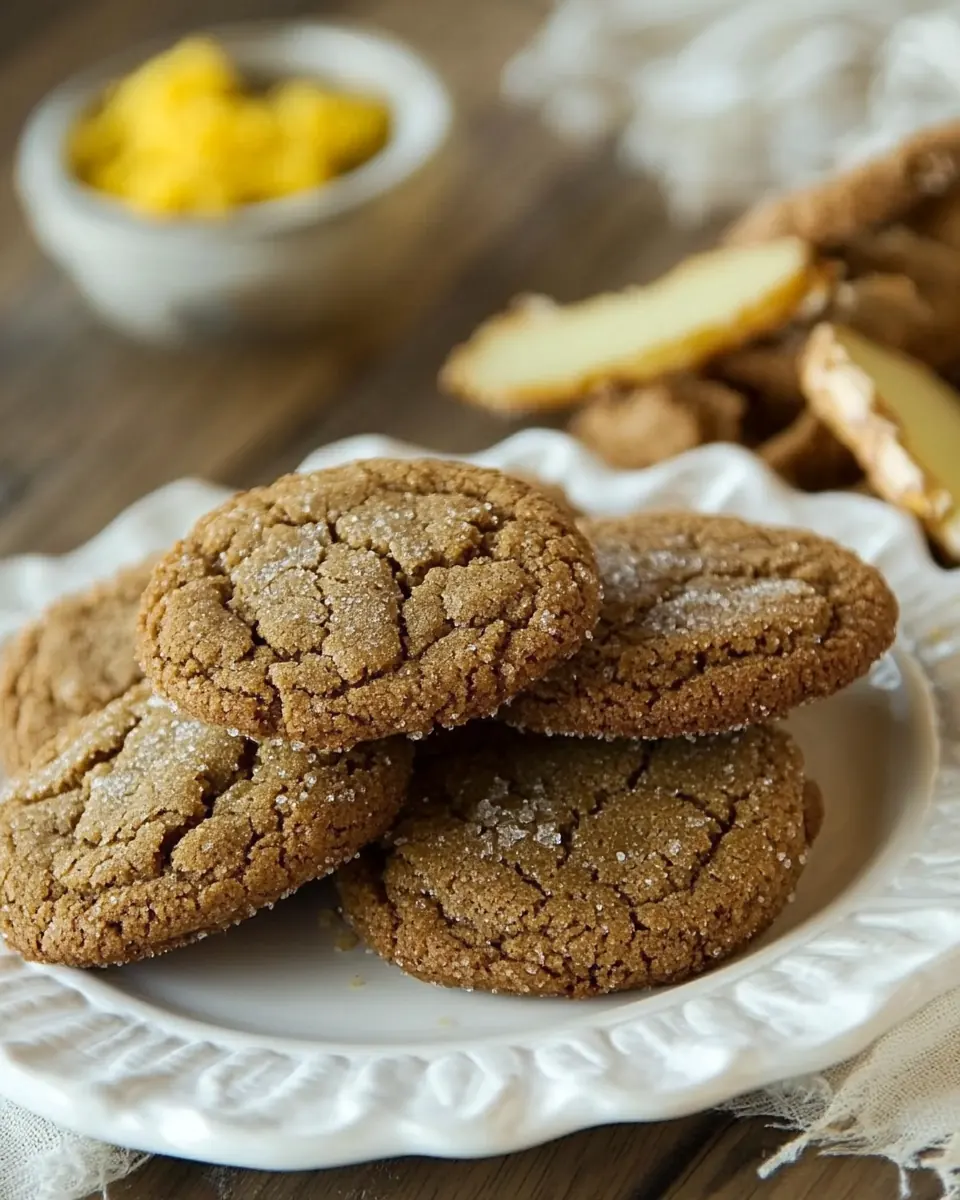
These ingredients are chosen to work in harmony so each cookie has structure, spice, and chew. The dry players provide stability and lift, the sugars and molasses contribute deep, caramelized sweetness, and the trio of ginger forms the aromatic identity. The result is a cookie that is crisp at the edge, a little tender inside, and punched through with bright and candied heat.
- 2 1/2 cups all-purpose flour: Provides structure and bulk to the cookies; combines with leavening to form the dough and develop gluten when mixed, giving chew and shape after baking.
- 2 teaspoons baking soda: Leavens the dough by reacting with acidic ingredients and heat; helps cookies spread properly and become tender without heavy rising.
- 1/2 teaspoon salt: Balances flavor and strengthens gluten slightly; enhances overall taste and controls yeast-like reactions to maintain texture.
- 12 tablespoons (1 1/2 sticks) unsalted butter: Adds richness, moisture, and tender crumb to the cookies; creaming with sugar incorporates air for lightness and helps distribute fat evenly.
- 2 tablespoons ground ginger: Delivers warm, pungent spice and primary ginger flavor; blends into the dry mix to infuse the dough with aromatic heat.
- 1/2 teaspoon ground cinnamon: Introduces warm, sweet spice notes that complement ginger; enhances depth and rounds the cookie’s spiced profile.
- 1 1/4 cups dark brown sugar: Sweetens and contributes moistness and caramel-like flavor; helps create chewiness and a deeper, molasses-forward taste.
- 1/4 cup molasses: Provides concentrated, deep-sweet flavor and color; binds with sugars to add moisture and a robust gingerbread character.
- 2 tablespoons finely grated fresh ginger (from 2-3 inch piece): Adds bright, fresh, spicy ginger heat and moisture; grated form disperses aromatic oils for an immediate sharp ginger punch.
- 1 large egg plus 1 large egg yolk: Binds and enriches the dough while adding tenderness; yolk increases richness and egg protein helps structure and set during baking.
- 1/3 cup finely chopped crystalized ginger: Contributes chewy bursts of intense sweet-ginger flavor and texture contrast; distributes spicy candied pieces throughout the cookie.
- granulated sugar, for rolling: Creates an exterior crispness and slight sparkle; rolling dough in sugar before baking adds a sweet, crunchy coating.
Directions for Triple Ginger Snap Cookies
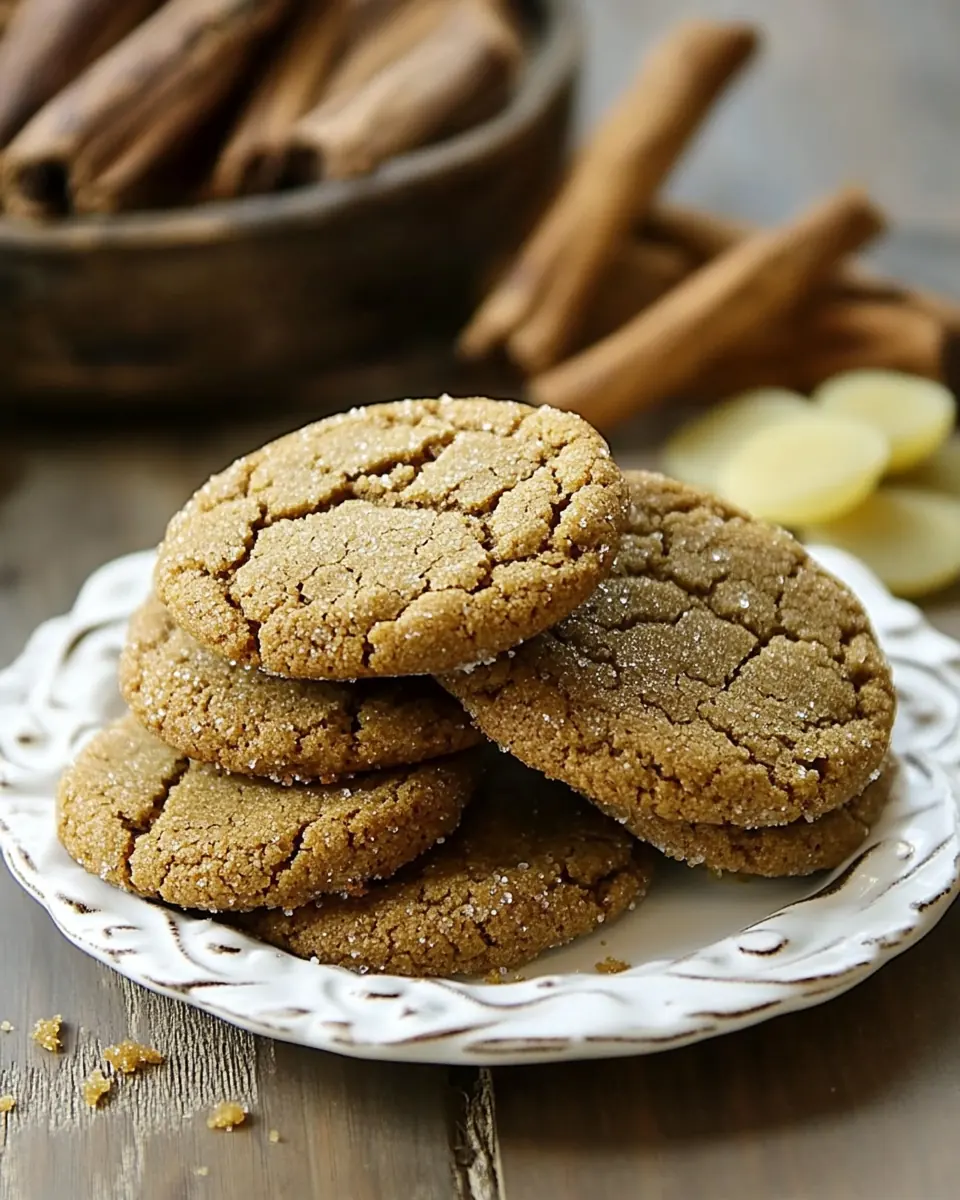
I like to walk through the technique slowly so the sensory cues guide you. These steps focus on timing and texture so your batch turns out reliably. Pay attention to visual signals and small adjustments, and remember that the dough benefits from chilling before shaping.
- In a bowl, whisk together flour, baking soda, and salt; set aside.: As you mix these dry ingredients you should notice the flour taking on a uniform pale color and a light, powdery texture, which tells you the leavening is well distributed; this matters because even dispersion of baking soda prevents uneven rise and irregular cracking, and a common mistake is not taking the time to whisk which can leave pockets of leavener that create odd lumps in the dough.
- Melt butter in a skillet set over medium heat. Once melted, lower heat and continue to cook, swirling frequently, until foaming subsides and butter is just beginning to turn golden brown, about 2 to 4 minutes. Transfer melted butter to large bowl and whisk in ground ginger and cinnamon. Let cool for about 2 minutes, then whisk in brown sugar, molasses, and fresh ginger. Add egg and yolk and whisk to combine. Add flour mixture and stir until just incorporated. Mix in crystallized ginger. Cover with plastic wrap and refrigerate until firm, about 1 to 2 hours.: When the unsalted butter melts, it will foam and then the milk solids will begin to sizzle and turn a warm golden brown, releasing a toasty, nutty scent that deepens the cookie flavor; this browning step develops aromatic compounds that a plain melted fat cannot offer, and a typical error is leaving it on too high heat which will burn the butter, yielding a bitter note.
- Preheat oven to 300 degrees F; position oven racks to upper-middle and lower-middle positions. Line 2 baking sheets with parchment paper (or use silicone baking mats). Place granulated sugar in shallow dish or bowl. Spoon dough by heaping teasponfuls; shape into 1-inch balls, then roll in sugar to coat. Arrange balls on prepared baking sheets, leaving 1 to 2 inches of space between them.: You will hear a gentle sputter as water evaporates, and you should see flecks of amber forming on the pan bottom, a visual cue that the Maillard reaction is underway; this technique concentrates flavor, and neglecting to watch closely at this point can mean missing the golden stage where the best flavor lives.
- Bake for 15 minutes, then rotate baking sheets (top to bottom and front to bake) and bake for an additional 9 to 12 minutes, or until cookies on lower tray just begin to darken around edges. Transfer to wire rack and cool completely before serving. Repeat with remaining dough. Cookies will keep, stored at room temperature in an airtight container, for up to 2 weeks.: The warm fat will bloom the powdered spices, releasing fragrant oils and a richer aroma; this step magnifies the spice profile in every bite, and the common mistake is adding spices to a cold fat where they remain muted rather than aromatic.
- Let cool for about 2 minutes, then whisk in brown sugar, molasses, and fresh ginger.: As the mixture cools slightly the sugars dissolve more evenly and the molasses integrates to create a glossy, thick batter; the fresh ginger will give bursts of citrusy heat, and if you add the egg while the mixture is too hot you risk cooking it, so temperature awareness is important.
- Add egg and yolk and whisk to combine.: You will see the mixture lighten and become smoother as the egg emulsifies the sugars and fats, creating a cohesive dough; this binding step promotes uniform texture, and a common pitfall is not fully incorporating the eggs which can leave streaks and inconsistent bake.
- Add flour mixture and stir until just incorporated.: The dough will shift from glossy to a thick, slightly sticky mass, and you want to avoid overmixing which develops gluten and yields tougher cookies, so stop when you no longer see dry streaks and the mixture holds together.
- Mix in crystallized ginger.: The chopped crystallized ginger should be folded in so that you notice little pockets of amber throughout the dough, which will melt slightly in the oven to provide chewy sweetness; a mistake here is adding too much and overwhelming the texture balance.
- Cover with plastic wrap and refrigerate until firm, about 1 to 2 hours.: Chilling solidifies the fats and allows flavors to meld, resulting in a dough that is easier to portion and produces a better snap when baked, and skipping this rest will often yield cookies that spread too thin during baking.
- Preheat oven to 300 degrees F; position oven racks to upper middle and lower middle positions.: The even, moderate oven temp encourages a slow bake that crisp up edges while keeping centers tender, and double rack positioning ensures even heat distribution; many bakers err by using too hot an oven which browns the edges before the center sets.
- Line 2 baking sheets with parchment paper (or use silicone baking mats).: The liner provides a nonstick surface that promotes even browning and easy release, and you want to avoid greasing the sheet because that can cause excess spreading; a common oversight is crowding the sheets which prevents even airflow and causes uneven bakes.
- Place granulated sugar in shallow dish or bowl.: Rolling the dough balls in granulated sugar gives a sparkly, slightly crunchy exterior, and using a shallow dish helps coat evenly and efficiently; forgetting this step means missing that signature glint and texture contrast.
- Spoon dough by heaping teasponfuls; shape into 1 inch balls, then roll in sugar to coat.: You will feel the dough firm up from chilling and the balls should be slightly tacky, the sugar will cling and form a thin shell that caramelizes at the edge, and overpacking the dough into balls can create dense centers so keep them light and rounded.
- Arrange balls on prepared baking sheets, leaving 1 to 2 inches of space between them.: Give the cookies room because they will spread modestly, and spacing ensures they bake into neat rounds instead of merging; placing them too close is a frequent mistake that sabotages appearance and even baking.
- Bake for 15 minutes, then rotate baking sheets (top to bottom and front to back) and bake for an additional 9 to 12 minutes, or until cookies on lower tray just begin to darken around edges.: Listen for a faint crackle at the surface and watch for amber edges as indicators of doneness; rotation promotes uniform color and texture, and failing to rotate can leave one tray underdone while the other overbakes.
- Transfer to wire rack and cool completely before serving.: As the cookies cool they firm and the interior sets to the right chewiness while the edges remain crisp, and moving them too soon can cause them to fall apart; rushing this cool down is a common error that affects final texture.
- Repeat with remaining dough.: Keep the unbaked dough chilled between batches so each tray bakes consistently, and a typical mistake is letting the dough warm up which changes spread and texture from batch to batch.
- Cookies will keep, stored at room temperature in an airtight container, for up to 2 weeks.: Proper storage preserves crisp edges and chewier centers, and placing a slice of bread in the container can help retain softness, while storing in a damp place can cause them to go stale faster.
Ways to Adapt This Recipe
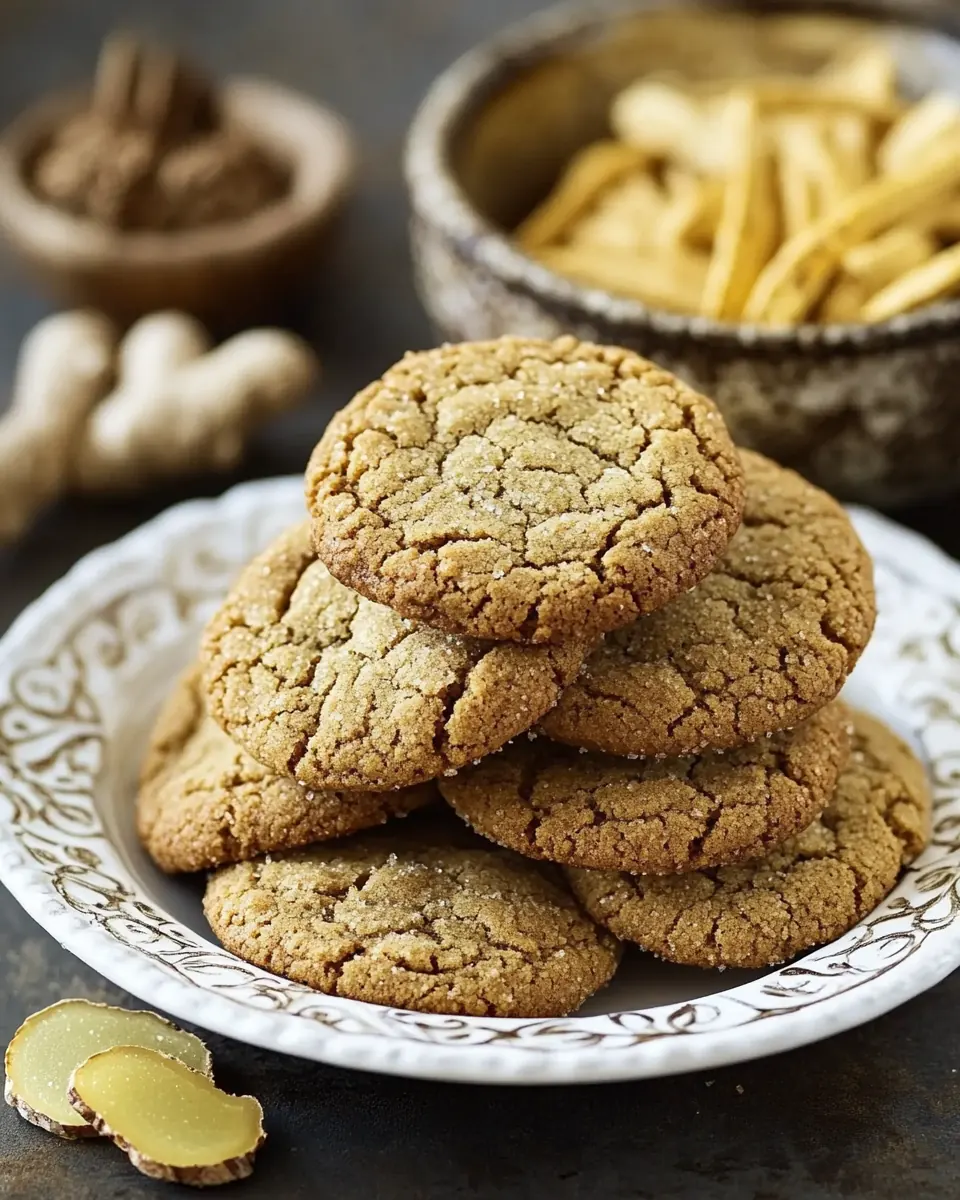
There are several small adjustments you can make to tailor these cookies to preference, without compromising the core identity. Below I outline adaptable tips that respect the original flavor focus while offering options for texture and intensity.
- Swap sugars carefully — Use a mix of light and dark brown sugar to slightly mellow the molasses intensity while preserving moisture, but avoid replacing all of the brown sugar with white since you will lose depth.
- Control chew by chilling time — For chewier centers, chill the dough for the shorter end of the recommended time, and for crisper cookies, extend chill time and flatten balls slightly before baking.
- Adjust fresh ginger intensity — If you prefer a subtler fresh heat, reduce the grated fresh ginger by half; conversely, increase it for a brighter, sharper bite that cuts through the sweetness.
- Make ahead advantage — The dough freezes well; scoop and freeze balls on a tray, then transfer to a bag so you can bake straight from frozen adding a couple of extra minutes to the bake time.
- Enhance the sugar crust — Use a mix of granulated and coarse sugar for a more dramatic, sparkling crust and a slightly crunchier first bite.
Serving Suggestions
These cookies are versatile and welcome at many occasions, and presentation nudges can elevate them from casual snack to thoughtful dessert. Below are serving ideas, pairings, and storage thoughts to help you serve them with confidence.
- Afternoon tea pairing: Serve a stack of Triple Ginger Snap Cookies alongside a pot of hot tea, the spice notes pairing especially well with black teas or chai blends, creating a relaxing afternoon ritual.
- Holiday cookie tray: Arrange them on a platter with other spiced cookies for a seasonal dessert spread at gatherings and potlucks, where their distinctive flavor will stand out among milder treats.
- Gift in a tin: Layer the cookies between parchment when gifting, as they travel well and stay fresh; include a note about best storage to help recipients enjoy them at peak texture.
- Storage tips: Keep in an airtight container at room temperature for up to two weeks, or freeze baked cookies for longer storage; place a slice of bread in the container to help maintain a softer interior if desired.
- Occasion ideas: Ideal for fall gatherings, tea time, or as a cozy treat after dinner, these cookies work well during festive seasons when warming spices are welcome.
FAQ
Conclusion
What makes these Triple Ginger Snap Cookies special is the layered ginger approach paired with browned butter and molasses for deep, cozy flavor. I encourage you to try them because the technique rewards your patience with an aromatic, textured cookie that feels both homemade and refined. Bake a batch, share with friends, and notice how the spice notes evolve as the cookies rest and cool, making each bite a little richer than the last.
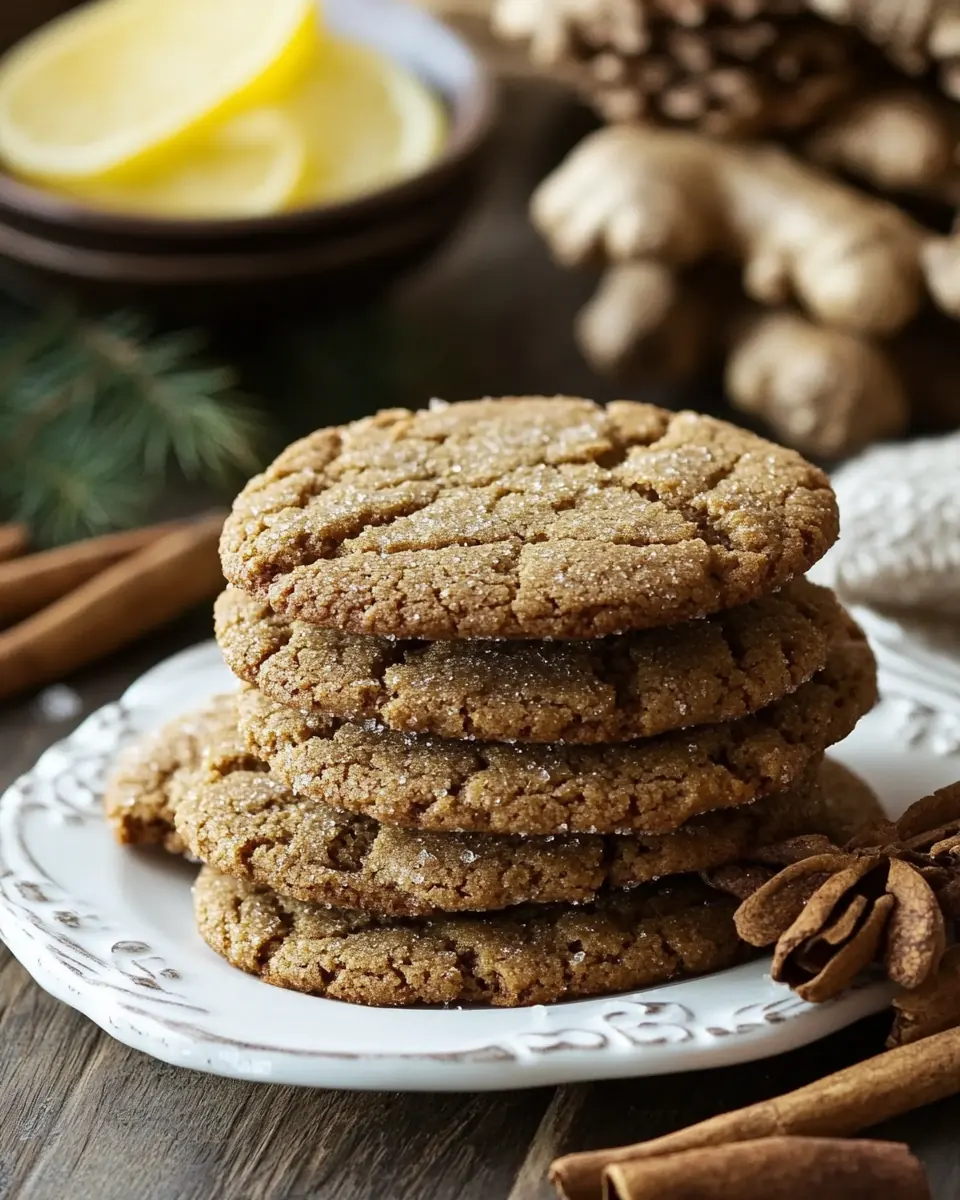
Triple Ginger Snap Cookies
Ingredients
Equipment
Method
- In a bowl, whisk together flour, baking soda, and salt; set aside.: As you mix these dry ingredients you should notice the flour taking on a uniform pale color and a light, powdery texture, which tells you the leavening is well distributed; this matters because even dispersion of baking soda prevents uneven rise and irregular cracking, and a common mistake is not taking the time to whisk which can leave pockets of leavener that create odd lumps in the dough.
- Melt butter in a skillet set over medium heat. Once melted, lower heat and continue to cook, swirling frequently, until foaming subsides and butter is just beginning to turn golden brown, about 2 to 4 minutes. Transfer melted butter to large bowl and whisk in ground ginger and cinnamon. Let cool for about 2 minutes, then whisk in brown sugar, molasses, and fresh ginger. Add egg and yolk and whisk to combine. Add flour mixture and stir until just incorporated. Mix in crystallized ginger. Cover with plastic wrap and refrigerate until firm, about 1 to 2 hours.: When the unsalted butter melts, it will foam and then the milk solids will begin to sizzle and turn a warm golden brown, releasing a toasty, nutty scent that deepens the cookie flavor; this browning step develops aromatic compounds that a plain melted fat cannot offer, and a typical error is leaving it on too high heat which will burn the butter, yielding a bitter note.
- Preheat oven to 300 degrees F; position oven racks to upper-middle and lower-middle positions. Line 2 baking sheets with parchment paper (or use silicone baking mats). Place granulated sugar in shallow dish or bowl. Spoon dough by heaping teasponfuls; shape into 1-inch balls, then roll in sugar to coat. Arrange balls on prepared baking sheets, leaving 1 to 2 inches of space between them.: You will hear a gentle sputter as water evaporates, and you should see flecks of amber forming on the pan bottom, a visual cue that the Maillard reaction is underway; this technique concentrates flavor, and neglecting to watch closely at this point can mean missing the golden stage where the best flavor lives.
- Bake for 15 minutes, then rotate baking sheets (top to bottom and front to bake) and bake for an additional 9 to 12 minutes, or until cookies on lower tray just begin to darken around edges. Transfer to wire rack and cool completely before serving. Repeat with remaining dough. Cookies will keep, stored at room temperature in an airtight container, for up to 2 weeks.: The warm fat will bloom the powdered spices, releasing fragrant oils and a richer aroma; this step magnifies the spice profile in every bite, and the common mistake is adding spices to a cold fat where they remain muted rather than aromatic.
- Let cool for about 2 minutes, then whisk in brown sugar, molasses, and fresh ginger.: As the mixture cools slightly the sugars dissolve more evenly and the molasses integrates to create a glossy, thick batter; the fresh ginger will give bursts of citrusy heat, and if you add the egg while the mixture is too hot you risk cooking it, so temperature awareness is important.
- Add egg and yolk and whisk to combine.: You will see the mixture lighten and become smoother as the egg emulsifies the sugars and fats, creating a cohesive dough; this binding step promotes uniform texture, and a common pitfall is not fully incorporating the eggs which can leave streaks and inconsistent bake.
- Add flour mixture and stir until just incorporated.: The dough will shift from glossy to a thick, slightly sticky mass, and you want to avoid overmixing which develops gluten and yields tougher cookies, so stop when you no longer see dry streaks and the mixture holds together.
- Mix in crystallized ginger.: The chopped crystallized ginger should be folded in so that you notice little pockets of amber throughout the dough, which will melt slightly in the oven to provide chewy sweetness; a mistake here is adding too much and overwhelming the texture balance.
- Cover with plastic wrap and refrigerate until firm, about 1 to 2 hours.: Chilling solidifies the fats and allows flavors to meld, resulting in a dough that is easier to portion and produces a better snap when baked, and skipping this rest will often yield cookies that spread too thin during baking.
- Preheat oven to 300 degrees F; position oven racks to upper middle and lower middle positions.: The even, moderate oven temp encourages a slow bake that crisp up edges while keeping centers tender, and double rack positioning ensures even heat distribution; many bakers err by using too hot an oven which browns the edges before the center sets.
- Line 2 baking sheets with parchment paper (or use silicone baking mats).: The liner provides a nonstick surface that promotes even browning and easy release, and you want to avoid greasing the sheet because that can cause excess spreading; a common oversight is crowding the sheets which prevents even airflow and causes uneven bakes.
- Place granulated sugar in shallow dish or bowl.: Rolling the dough balls in granulated sugar gives a sparkly, slightly crunchy exterior, and using a shallow dish helps coat evenly and efficiently; forgetting this step means missing that signature glint and texture contrast.
- Spoon dough by heaping teasponfuls; shape into 1 inch balls, then roll in sugar to coat.: You will feel the dough firm up from chilling and the balls should be slightly tacky, the sugar will cling and form a thin shell that caramelizes at the edge, and overpacking the dough into balls can create dense centers so keep them light and rounded.
- Arrange balls on prepared baking sheets, leaving 1 to 2 inches of space between them.: Give the cookies room because they will spread modestly, and spacing ensures they bake into neat rounds instead of merging; placing them too close is a frequent mistake that sabotages appearance and even baking.
- Bake for 15 minutes, then rotate baking sheets (top to bottom and front to back) and bake for an additional 9 to 12 minutes, or until cookies on lower tray just begin to darken around edges.: Listen for a faint crackle at the surface and watch for amber edges as indicators of doneness; rotation promotes uniform color and texture, and failing to rotate can leave one tray underdone while the other overbakes.
- Transfer to wire rack and cool completely before serving.: As the cookies cool they firm and the interior sets to the right chewiness while the edges remain crisp, and moving them too soon can cause them to fall apart; rushing this cool down is a common error that affects final texture.
- Repeat with remaining dough.: Keep the unbaked dough chilled between batches so each tray bakes consistently, and a typical mistake is letting the dough warm up which changes spread and texture from batch to batch.
- Cookies will keep, stored at room temperature in an airtight container, for up to 2 weeks.: Proper storage preserves crisp edges and chewier centers, and placing a slice of bread in the container can help retain softness, while storing in a damp place can cause them to go stale faster.
Notes
- Swap sugars carefully — Use a mix of light and dark brown sugar to slightly mellow the molasses intensity while preserving moisture, but avoid replacing all of the brown sugar with white since you will lose depth.
- Control chew by chilling time — For chewier centers, chill the dough for the shorter end of the recommended time, and for crisper cookies, extend chill time and flatten balls slightly before baking.
- Adjust fresh ginger intensity — If you prefer a subtler fresh heat, reduce the grated fresh ginger by half; conversely, increase it for a brighter, sharper bite that cuts through the sweetness.
- Make ahead advantage — The dough freezes well; scoop and freeze balls on a tray, then transfer to a bag so you can bake straight from frozen adding a couple of extra minutes to the bake time.
- Enhance the sugar crust — Use a mix of granulated and coarse sugar for a more dramatic, sparkling crust and a slightly crunchier first bite.