Strawberry Custard Bars
Strawberry Custard Bars have been a part of my spring baking rotation for years, and the first time I made them I remember the kitchen filling with a warm, sweet aroma that felt like a memory arriving early. I was juggling a busy afternoon, a radio program playing softly, and a bowl of freshly diced strawberries that I could not stop sampling. The combination of a tender crust, jewel like strawberry pieces, and a creamy custard filling felt unexpectedly comforting, like a dessert version of a favorite sweater.
Over time I learned small, practical habits that make these bars reliably good every time. I learned to chill the bars long enough so the custard firms up properly, and to reserve a few whole strawberry slices for garnishing so the finished bars look as inviting as they taste. I bring them to potlucks and family gatherings because they travel well and please people who want something fruity but still creamy. Each batch has its own little story, and I usually sneak a warm corner while no one is looking.
Recipe Snapshot
1 hr 5 mins
10 mins
55 mins
Medium
280 kcal
American
Gluten-Free, Low FODMAP
Desserts
8×8-inch baking pan, Aluminum foil, Wire rack, Mixing bowl, Spatula, Whisk, Pastry cutter or forks
Why You Need This Strawberry Custard Bars
1. Bright, fresh fruit focus
I love how the star of this recipe is the strawberry. When the berries are ripe, their natural sweetness and fragrant aroma shine through, cutting through the richness of the custard so each bite feels balanced and lively. I often choose fruit with a glossy sheen and firm texture, because they hold up during baking and release just the right amount of juice.
2. Textural contrast that sings
The contrast between the slightly crumbly crust and the smooth, silky custard is what keeps me coming back. The crust provides structure and a faint buttery snap, while the custard offers a spoonable softness. Together with the pieces of strawberry, the layers create an enjoyable mouthfeel that makes each forkful interesting.
3. Simple pantry friendly ingredients
One of my favorite aspects is how accessible the ingredients are. You likely already have all purpose flour, granulated sugar, eggs, and heavy whipping cream on hand. That means spontaneity is possible, and I can whisk these up without a special grocery run. The simplicity is honest and satisfying.
4. Flexible and forgiving technique
I appreciate that this recipe forgives small mistakes. Slightly uneven chopping of strawberry will not ruin the bars, and gentle whisking keeps the custard from getting tough. If the top begins to color too quickly, tenting with foil saves the day, which makes this an approachable dessert for bakers of varying skill levels.
5. Crowd pleaser with easy transport
These bars are a natural for gatherings. They slice neatly after chilling and can be stored in an airtight container in the fridge for several days. I like that they arrive looking polished, especially when I add fresh strawberry slices on top just before serving.
Everything You Need for Strawberry Custard Bars
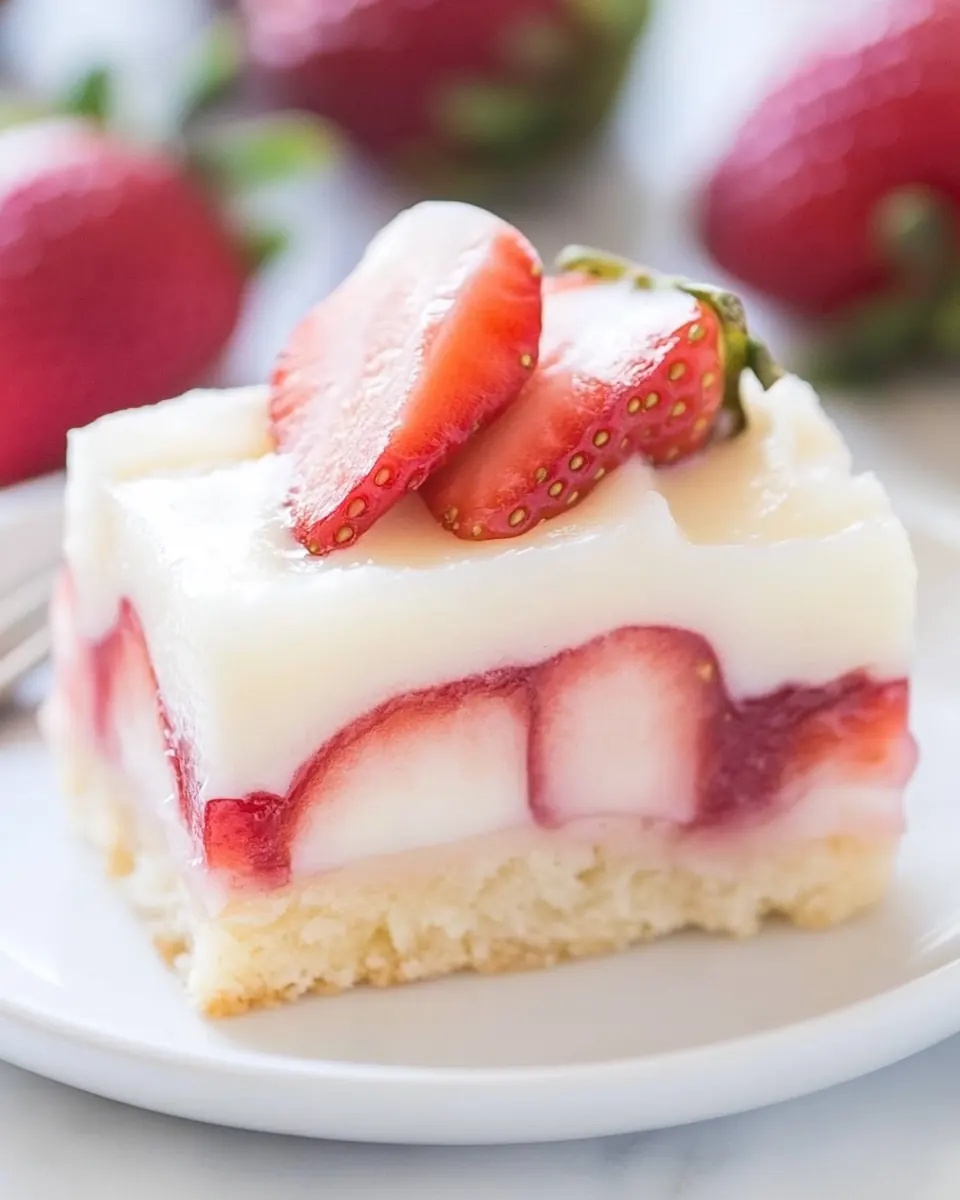
These ingredients weave together to produce a dessert that is both structured and tender. The crust is the foundation, the strawberry pieces bring brightness and texture, and the custard layer binds everything with a creamy, silky body. Each component plays a key role in the final balance, so using the listed items as written yields the best results.
- 1 cup all-purpose flour: Provide structure and body to the bar crust, forming the base when combined with butter and sugar; helps create a tender crumb by contributing gluten and absorbing moisture. Measure accurately for proper dough consistency and even baking results.
- 1/2 cup cold unsalted butter: Cut into small cold pieces and incorporated into the flour to create a flaky, tender crust by coating flour proteins with fat; chilling keeps the dough from becoming greasy and prevents excess spread. Use unsalted to better control overall seasoning and texture.
- 2 tablespoons granulated sugar: Add light sweetness and help tenderize the crust by interacting with the butter and flour; assists in browning for a slightly caramelized flavor. Sprinkle evenly into the dough mix to balance the crust’s taste without overpowering the filling.
- 1/2 teaspoons salt, or to taste: Enhance overall flavor balance by bringing out sweetness and suppressing bitterness; strengthens gluten slightly when mixed so use the stated amount to avoid overly tough texture. Adjust sparingly if using salted butter to maintain proper seasoning.
- 1 pound fresh strawberries, diced into small pieces (reserve about 5 whole strawberries for garnishing): Provide fresh fruity flavor, natural sweetness, and moisture to the custard layer, while contributing texture and visual appeal when diced; reserve whole berries for garnish to enhance presentation. Choose ripe strawberries for best flavor and evenly dice to ensure consistent distribution.
- 2 large eggs: Bind the custard filling and help thicken it through protein coagulation during baking, creating a smooth, set texture; contribute richness and help integrate other ingredients. Beat gently to avoid incorporating too much air which can cause cracks in the baked custard.
- 1 cup granulated sugar: Sweeten the custard and balance the tartness of strawberries while also aiding in setting by affecting the custard’s freezing and baking point; dissolves into the eggs and cream for a cohesive taste. Adjust slightly if berries are especially sweet or tart.
- 1/2 cup heavy whipping cream: Contribute richness, creaminess, and a smooth mouthfeel to the custard while helping it set to a silky consistency when baked; adds fat that improves flavor and texture. Use heavy whipping cream for stability and a luxurious finish.
- 1 teaspoon vanilla extract: Provide aromatic depth and enhance the perceived sweetness of the filling with a warm, familiar flavor; small amounts intensify the custard’s overall taste. Add during mixing to distribute flavor evenly throughout the custard.
- 1/3 cup all-purpose flour: Thicken the custard and stabilize the filling by absorbing moisture and helping it set to a sliceable consistency; combines with eggs and cream to create body. Sift or whisk in to prevent lumps and ensure a smooth texture.
- about 3/4 of one 8-ounce container whipped topping, I used fat-free; homemade whipped cream may be substituted: Add light, airy sweetness and a creamy topping contrast to the denser custard, offering a fluffy mouthfeel and visual appeal when spread or piped; use as-advised for portion control. Substitute homemade whipped cream for better flavor if preferred.
- strawberry slices, for garnishing: Provide fresh garnish and an attractive finishing touch that reinforces the strawberry flavor and adds a pleasant texture contrast; slice and arrange on top just before serving to prevent moisture from softening the topping. Use evenly sized slices for a uniform presentation.
How to Make Strawberry Custard Bars
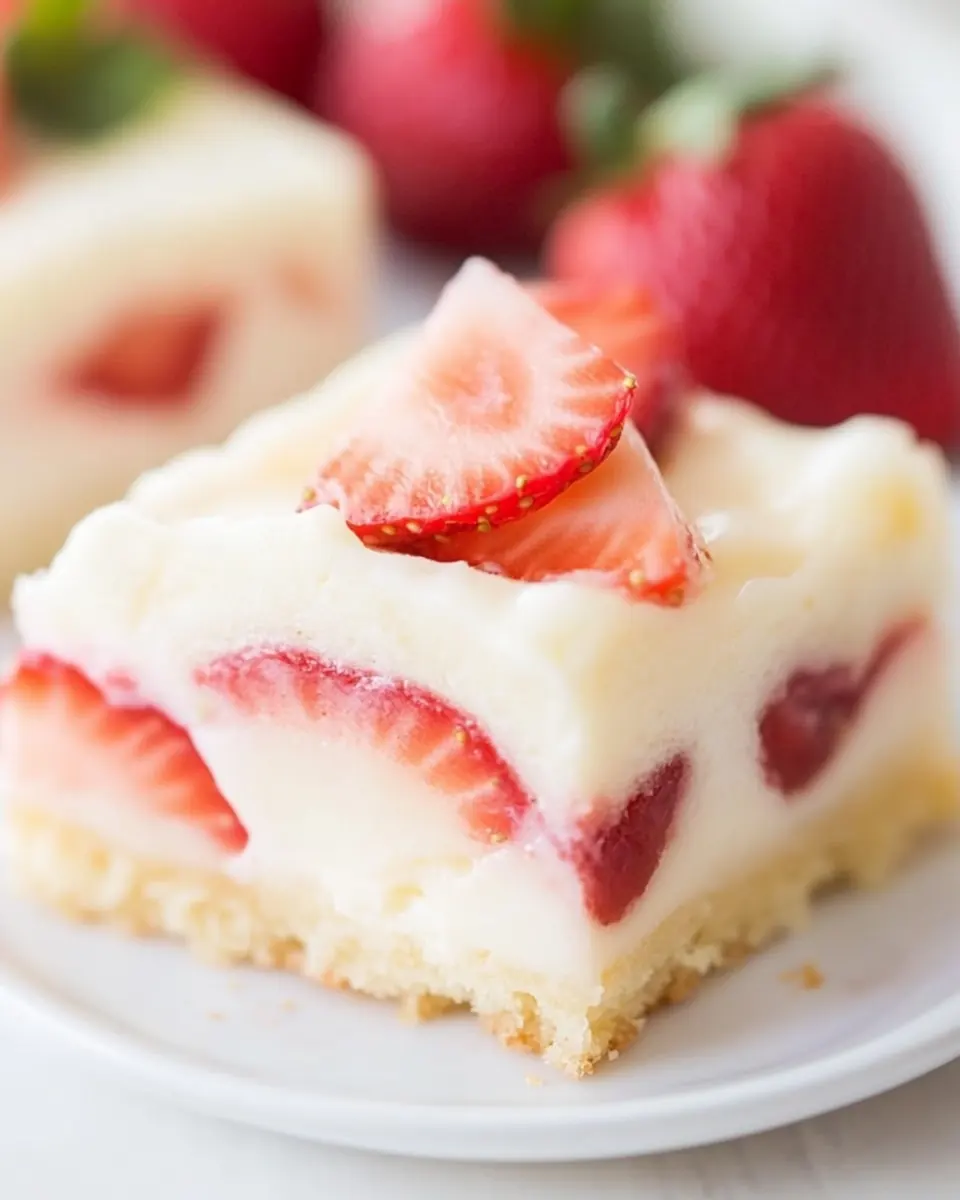
These directions map out the process from crust to chilled, garnished bars. I find working methodically, preparing the crust first and allowing it to cool slightly before adding fruit and custard, makes the assembly calm and dependable.
- Preheat oven to 350 F. Line an 8×8-inch baking pan with aluminum foil; set aside.: The moment you set your oven to 350 F , you will notice a faint mechanical hum and the warmth beginning to build in the kitchen, which signals the start of the baking ritual. This steady, moderate temperature is chosen so the crust gets a light bake without the custard overbrowning later on. A preheated oven ensures even heat distribution, producing a consistent golden crust. One common mistake is not allowing the oven to reach the full temperature before baking, leading to underbaked or uneven crust; always wait for the oven indicator or thermometer confirmation.
- To a large mixing bowl, add the flour, butter, sugar, salt, and using two forks or a pastry cutter, cut the butter into the dry ingredients until the mixture resembles coarse crumbs.: As you work the cold butter into the flour , you will see pieces shrinking into small, pea sized bits and feel the texture transform into coarse crumbs; this visual cue is important because those butter pockets melt during baking and create the desired tender, slightly flaky crust. Mixing with two forks gives you tactile feedback, while a pastry cutter speeds the job; avoid overworking the mixture because melted or over broken butter can lead to a greasy, dense base. A common pitfall is letting the butter warm up, which prevents the crumbly texture from forming.
- Turn mixture out into prepared pan and hard-pack with a spatula to form an even, smooth, crust layer.: Pressing the crumb mixture into the foil lined pan produces a compact, uniform surface that will hold the custard and strawberry filling. You should hear a firm, gentle scraping sound as the spatula evens the layer and see a smooth matte surface when it is compacted. This packing step helps prevent cracks and ensures the bars slice cleanly. If the crust is packed unevenly, you might get thin spots that overbake, so aim for consistent pressure across the pan.
- Bake for 10 minutes. Remove pan from oven and set on a wire rack to cool. While crust bakes, dice the strawberries.: As the crust bakes, subtle aromas of butter and toasted flour begin to develop, and you will observe the color shifting to a pale golden tone. This brief initial bake stabilizes the crust so it does not become soggy when the filling is added. Pulling it too soon can leave it fragile and prone to collapsing under the custard, while overbaking makes it overly firm. Keep a close eye on the color change during this short bake.
- After crust has cooled for about 5 minutes, evenly top with strawberries; set aside.: Cooling the crust on a wire rack allows air to circulate under the pan, preventing steam from softening the base. The sound of settling air is subtle, but you will notice the crust firming. Dicing the strawberry while the crust cools ensures the fruit is fresh and evenly sized for even distribution. A common mistake is cutting the fruit too large, which can create pockets of excess juice and cause the custard to set unevenly.
- To a large mixing bowl (the same one used for the crust is fine, just wipe it out with a paper towel), add the eggs, sugar, cream, vanilla, and whisk vigorously for about 1 minute to combine.: The slight warmth left in the crust helps the strawberry adhere without making them lose too much juice, and evenly distributing the fruit creates consistent flavor in each bar. Look for a neat, even layer of ruby colored pieces that glisten slightly from their own juices. If you pile the fruit unevenly, some sections may sink or create soggy areas, so take time to spread them evenly.
- Add the flour and stir to combine; don’t overmix.: As you whisk the eggs , granulated sugar , and heavy whipping cream , the mixture will lighten in color and develop a slightly foamy surface, signaling proper incorporation. The vigorous motion traps tiny air bubbles that contribute to a silky custard texture. Using the same bowl is economical and reduces dishes, but ensure no large flour clumps remain from the crust. Over or under whisking can affect texture, so aim for a smooth, homogenous liquid.
- Evenly pour filling mixture over the strawberries.: When you add the second portion of flour to the custard base, it helps thicken and stabilize the mixture so the filling sets without feeling cakey. Stir until fully integrated and the batter looks smooth, with no visible streaks of dry flour . Overmixing can develop gluten and make the custard tougher, while undermixing leaves flour pockets that will bake unevenly; stop as soon as it is uniform.
- Bake for about 40 to 45 minutes or until top is lightly golden brown and custard is set. Tip – In the last 10 to 15 minutes of baking, if the top is already looking fairly browned, tent the pan with a sheet of foil (loosely drape a sheet of foil over the pan) to prevent additional browning.: Pouring slowly across the surface will help the custard flow gently between the fruit pieces, creating an even layer without displacing the strawberry too much. You should see the filling settle and slightly submerge the fruit while still allowing the vibrant red to peek through. If you pour in one spot aggressively, the fruit can shift, causing an uneven texture, so rotate the pan as needed for a uniform pour.
- Allow bars to cool uncovered on a wire rack for about 1 hour. Cover and refrigerate for 4 hours (or overnight), or until chilled.: During this longer bake, the kitchen fills with the rich scent of baked custard, and small, gentle bubbles may appear at the edges. The custard is ready when it is set but still yields a faint jiggle in the center like a gently wobbling pudding. If the top begins to brown too quickly, tent the pan with foil in the last 10 to 15 minutes to prevent overcoloring, which can lead to a flavor that is too toasty and dry. Undercooking will leave the center loose, so allow full time for a firm set.
- Evenly spread the whipped topping over the top and garnish with strawberry slices. Serve immediately.: Cooling first at room temperature helps the residual heat dissipate gradually, preventing condensation from making the top soggy. The texture transforms as the custard chills and firms, turning from warm and soft to sliceable and creamy. Refrigerating thoroughly is essential, because serving them too early will result in runny pieces that do not hold shape. Avoid skipping the chill stage for best results.
- Evenly spread the whipped topping over the top and garnish with strawberry slices: Applying the whipped topping just before serving keeps it airy and fresh, and arranging the reserved strawberry slices adds visual appeal and a final burst of freshness. Use gentle spreading motions to avoid digging into the custard below. A common misstep is adding the topping too early, which can lead to weeping and loss of texture; wait until ready to serve.
Ways to Adapt This Recipe
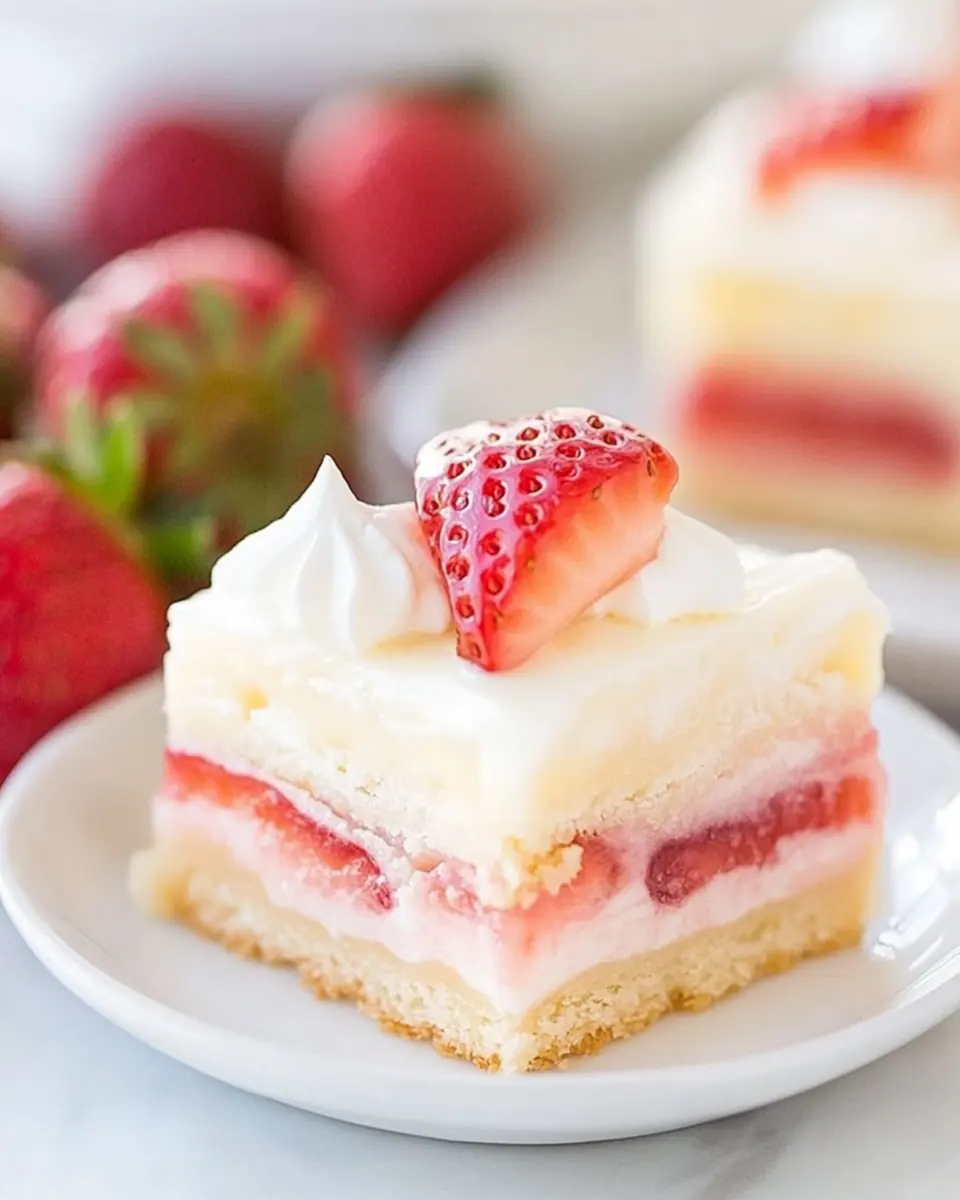
You can adapt these bars for different occasions and preferences without changing the heart of the recipe. Below are ideas that keep the structure intact while offering practical ways to tweak texture, sweetness, and presentation.
- Swap whipped topping for stabilized homemade whipped cream If you prefer fresh cream, whip heavy cream to soft peaks with a little sugar and a touch of cream of tartar to help stabilize it; note that homemade cream may soften after the first day, so serve sooner rather than later.
- Use slightly underripe strawberries for more structure Firmer, less sweet strawberry will hold their shape better during baking and release less juice, which can help prevent a soggy crust in wetter fruit seasons.
- Make the crust ahead and freeze Prepare and freeze the packed crust layer, covered tightly, then bake from frozen adding a few extra minutes; this is a good time saver for planned gatherings.
- Adjust sugar to taste If your strawberry are exceptionally sweet, reduce the custard granulated sugar slightly to keep the dessert balanced and bright.
- Reserve whole strawberry slices for garnish Keeping some pretty slices aside ensures the finished bars look polished and fresh right before serving, elevating presentation with minimal effort.
What Complements This Strawberry Custard Bars
These bars are versatile and can fit into many menus. They work well as a light dessert after a spring lunch, a sweet addition to a brunch spread, or a chilled treat for warm weather gatherings. Below are serving ideas, pairings, and storage suggestions to help you present them beautifully.
- Serve chilled with a cup of coffee or tea The creamy custard pairs well with a warm beverage, making these bars a lovely choice for afternoon gatherings or a relaxed brunch.
- Bring them to potlucks or picnics Their firm chilled texture transports well in an airtight container, and they make a colorful addition to dessert tables.
- Pair with fresh fruit salads A bowl of light, citrusy fruit salad complements the richness of the custard without competing for attention.
- Plate individual slices for dinner parties Add a few decorative strawberry slices and a dollop of whipped topping for a composed dessert course.
- Storage tip Keep the bars in an airtight container in the refrigerator for up to five days, and add fresh garnish just before serving to preserve appearance and texture.
- Seasonal pairing They shine in spring when strawberry are at peak flavor, but they also work well during early summer gatherings.
FAQ
Conclusion
These Strawberry Custard Bars stand out because they pair a tender, buttery crust with bright, fresh strawberries and a smooth, creamy custard, resulting in a dessert that is both comforting and elegant. Give them a try for your next spring gathering or when you want a make ahead treat that looks polished and tastes fresh. I hope this recipe becomes one of your reliable go to desserts, bringing simple ingredients together for a sweet, memorable finish.
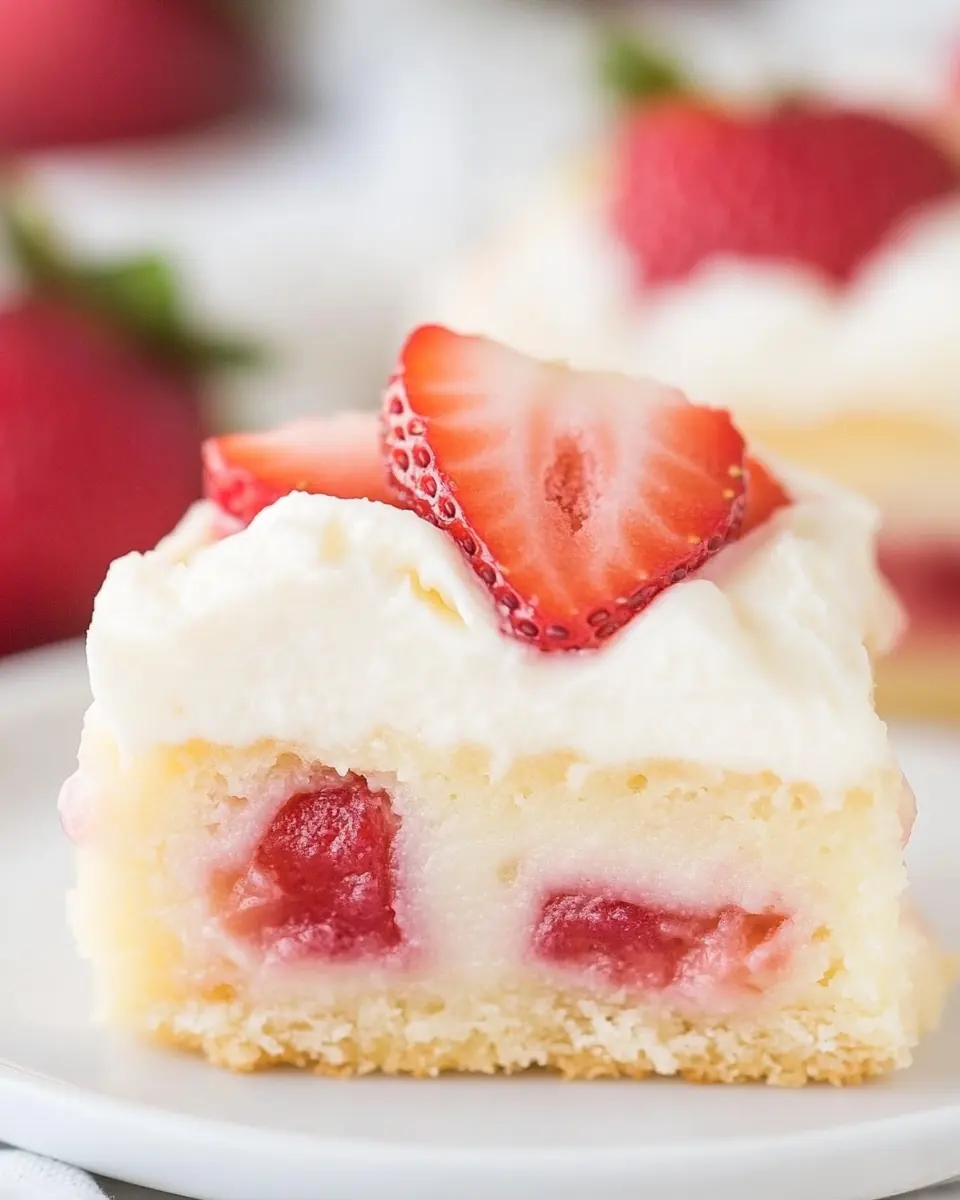
Strawberry Custard Bars
Ingredients
Equipment
Method
- Preheat oven to 350 F. Line an 8×8-inch baking pan with aluminum foil; set aside.: The moment you set your oven to 350 F , you will notice a faint mechanical hum and the warmth beginning to build in the kitchen, which signals the start of the baking ritual. This steady, moderate temperature is chosen so the crust gets a light bake without the custard overbrowning later on. A preheated oven ensures even heat distribution, producing a consistent golden crust. One common mistake is not allowing the oven to reach the full temperature before baking, leading to underbaked or uneven crust; always wait for the oven indicator or thermometer confirmation.
- To a large mixing bowl, add the flour, butter, sugar, salt, and using two forks or a pastry cutter, cut the butter into the dry ingredients until the mixture resembles coarse crumbs.: As you work the cold butter into the flour , you will see pieces shrinking into small, pea sized bits and feel the texture transform into coarse crumbs; this visual cue is important because those butter pockets melt during baking and create the desired tender, slightly flaky crust. Mixing with two forks gives you tactile feedback, while a pastry cutter speeds the job; avoid overworking the mixture because melted or over broken butter can lead to a greasy, dense base. A common pitfall is letting the butter warm up, which prevents the crumbly texture from forming.
- Turn mixture out into prepared pan and hard-pack with a spatula to form an even, smooth, crust layer.: Pressing the crumb mixture into the foil lined pan produces a compact, uniform surface that will hold the custard and strawberry filling. You should hear a firm, gentle scraping sound as the spatula evens the layer and see a smooth matte surface when it is compacted. This packing step helps prevent cracks and ensures the bars slice cleanly. If the crust is packed unevenly, you might get thin spots that overbake, so aim for consistent pressure across the pan.
- Bake for 10 minutes. Remove pan from oven and set on a wire rack to cool. While crust bakes, dice the strawberries.: As the crust bakes, subtle aromas of butter and toasted flour begin to develop, and you will observe the color shifting to a pale golden tone. This brief initial bake stabilizes the crust so it does not become soggy when the filling is added. Pulling it too soon can leave it fragile and prone to collapsing under the custard, while overbaking makes it overly firm. Keep a close eye on the color change during this short bake.
- After crust has cooled for about 5 minutes, evenly top with strawberries; set aside.: Cooling the crust on a wire rack allows air to circulate under the pan, preventing steam from softening the base. The sound of settling air is subtle, but you will notice the crust firming. Dicing the strawberry while the crust cools ensures the fruit is fresh and evenly sized for even distribution. A common mistake is cutting the fruit too large, which can create pockets of excess juice and cause the custard to set unevenly.
- To a large mixing bowl (the same one used for the crust is fine, just wipe it out with a paper towel), add the eggs, sugar, cream, vanilla, and whisk vigorously for about 1 minute to combine.: The slight warmth left in the crust helps the strawberry adhere without making them lose too much juice, and evenly distributing the fruit creates consistent flavor in each bar. Look for a neat, even layer of ruby colored pieces that glisten slightly from their own juices. If you pile the fruit unevenly, some sections may sink or create soggy areas, so take time to spread them evenly.
- Add the flour and stir to combine; don’t overmix.: As you whisk the eggs , granulated sugar , and heavy whipping cream , the mixture will lighten in color and develop a slightly foamy surface, signaling proper incorporation. The vigorous motion traps tiny air bubbles that contribute to a silky custard texture. Using the same bowl is economical and reduces dishes, but ensure no large flour clumps remain from the crust. Over or under whisking can affect texture, so aim for a smooth, homogenous liquid.
- Evenly pour filling mixture over the strawberries.: When you add the second portion of flour to the custard base, it helps thicken and stabilize the mixture so the filling sets without feeling cakey. Stir until fully integrated and the batter looks smooth, with no visible streaks of dry flour . Overmixing can develop gluten and make the custard tougher, while undermixing leaves flour pockets that will bake unevenly; stop as soon as it is uniform.
- Bake for about 40 to 45 minutes or until top is lightly golden brown and custard is set. Tip – In the last 10 to 15 minutes of baking, if the top is already looking fairly browned, tent the pan with a sheet of foil (loosely drape a sheet of foil over the pan) to prevent additional browning.: Pouring slowly across the surface will help the custard flow gently between the fruit pieces, creating an even layer without displacing the strawberry too much. You should see the filling settle and slightly submerge the fruit while still allowing the vibrant red to peek through. If you pour in one spot aggressively, the fruit can shift, causing an uneven texture, so rotate the pan as needed for a uniform pour.
- Allow bars to cool uncovered on a wire rack for about 1 hour. Cover and refrigerate for 4 hours (or overnight), or until chilled.: During this longer bake, the kitchen fills with the rich scent of baked custard, and small, gentle bubbles may appear at the edges. The custard is ready when it is set but still yields a faint jiggle in the center like a gently wobbling pudding. If the top begins to brown too quickly, tent the pan with foil in the last 10 to 15 minutes to prevent overcoloring, which can lead to a flavor that is too toasty and dry. Undercooking will leave the center loose, so allow full time for a firm set.
- Evenly spread the whipped topping over the top and garnish with strawberry slices. Serve immediately.: Cooling first at room temperature helps the residual heat dissipate gradually, preventing condensation from making the top soggy. The texture transforms as the custard chills and firms, turning from warm and soft to sliceable and creamy. Refrigerating thoroughly is essential, because serving them too early will result in runny pieces that do not hold shape. Avoid skipping the chill stage for best results.
- Evenly spread the whipped topping over the top and garnish with strawberry slices: Applying the whipped topping just before serving keeps it airy and fresh, and arranging the reserved strawberry slices adds visual appeal and a final burst of freshness. Use gentle spreading motions to avoid digging into the custard below. A common misstep is adding the topping too early, which can lead to weeping and loss of texture; wait until ready to serve.
Notes
- Swap whipped topping for stabilized homemade whipped cream If you prefer fresh cream, whip heavy cream to soft peaks with a little sugar and a touch of cream of tartar to help stabilize it; note that homemade cream may soften after the first day, so serve sooner rather than later.
- Use slightly underripe strawberries for more structure Firmer, less sweet strawberry will hold their shape better during baking and release less juice, which can help prevent a soggy crust in wetter fruit seasons.
- Make the crust ahead and freeze Prepare and freeze the packed crust layer, covered tightly, then bake from frozen adding a few extra minutes; this is a good time saver for planned gatherings.
- Adjust sugar to taste If your strawberry are exceptionally sweet, reduce the custard granulated sugar slightly to keep the dessert balanced and bright.
- Reserve whole strawberry slices for garnish Keeping some pretty slices aside ensures the finished bars look polished and fresh right before serving, elevating presentation with minimal effort.