Slow Cooker 3 Envelope Pot Roast
Slow Cooker 3 Envelope Pot Roast is one of those cozy, slow cooked dinners I turn to when I want something comforting without fuss. The first time I made this dish I was juggling a busy evening, and the idea of tossing a roast and a few seasoning packets into a cooker felt almost too easy, but what came out was rich, savory, and unexpectedly tender. I remember lifting the lid and being met with a warm, herby aroma that immediately made the house feel like home.
Over the years I refined how I treat the roast before it goes into the pot, learning that a little patience and the right balance of liquid make all the difference. I love how the simple combination of an Italian packet, a Ranch packet, and a brown gravy packet layers flavor in ways that feel much more gourmet than the steps suggest. Each bite brings a mix of savory gravy, bright herb notes, and that melt in your mouth beef texture that only long, slow cooking can provide.
When I serve Slow Cooker 3 Envelope Pot Roast to friends they always ask how something so hands off can be so deeply flavored. I tell them the secret is low heat, time, and a bit of trust. There is a ritual to it that I’ve come to appreciate, from trimming any excess fat to letting the meat rest before shredding, and it rewards patience with a fall apart roast that soaks up every drop of the gravy. I find myself returning to this recipe on chilly nights, when I want nourishment and simplicity wrapped into one bowl.
Recipe Snapshot
10 hr 15 mins
15 mins
600 mins
Hard
350 kcal
American
Keto, Paleo
Dinner
Slow Cooker, Forks or shredding tools
The Magic of This Slow Cooker 3 Envelope Pot Roast
Comfort without complexity
I adore how Slow Cooker 3 Envelope Pot Roast delivers full fledged comfort with almost no babysitting. I can prep in minutes, walk away, and come back to a pot of tender, flavorful beef that tastes like I worked all afternoon. For busy weeknights or lazy weekends it is pure relief.
Layered, familiar flavors
The trio of seasoning packets brings distinct notes that complement one another. The Italian dressing mix offers herbs and a hint of acidity, the Ranch dressing mix adds creamy, tangy savory notes, and the brown gravy mix makes a glossy, savory sauce. Together they create a balance that feels classic and reliably crowd pleasing, and I love how each packet contributes without overwhelming the natural beef taste.
Hands off, dependable results
Using a slow cooker means consistent results even if life gets hectic. I’ve had days when I started the roast in the morning and lost track of time, and it still came out perfectly tender. The long, low simmer breaks down connective tissue in the pot roast, producing a silky mouthfeel that you can depend on every time.
Versatile serving options
I serve this roast shredded over many things depending on the mood. It shines over creamy mashed potatoes, fluffy rice, or eggy grits. The sauce clings beautifully to starchy sides, turning simple accompaniments into a plate worth savoring. That kind of versatility makes it a weeknight hero and a weekend crowd pleaser.
Low cost, high satisfaction
There is joy in feeding a family without breaking the bank, and Slow Cooker 3 Envelope Pot Roast does that in spades. A modestly priced roast becomes a generous meal, and you get leftovers that reheat deliciously or transform into sandwiches and bowls the next day. I always appreciate recipes that stretch my budget while delivering on taste.
Ingredients for Slow Cooker 3 Envelope Pot Roast
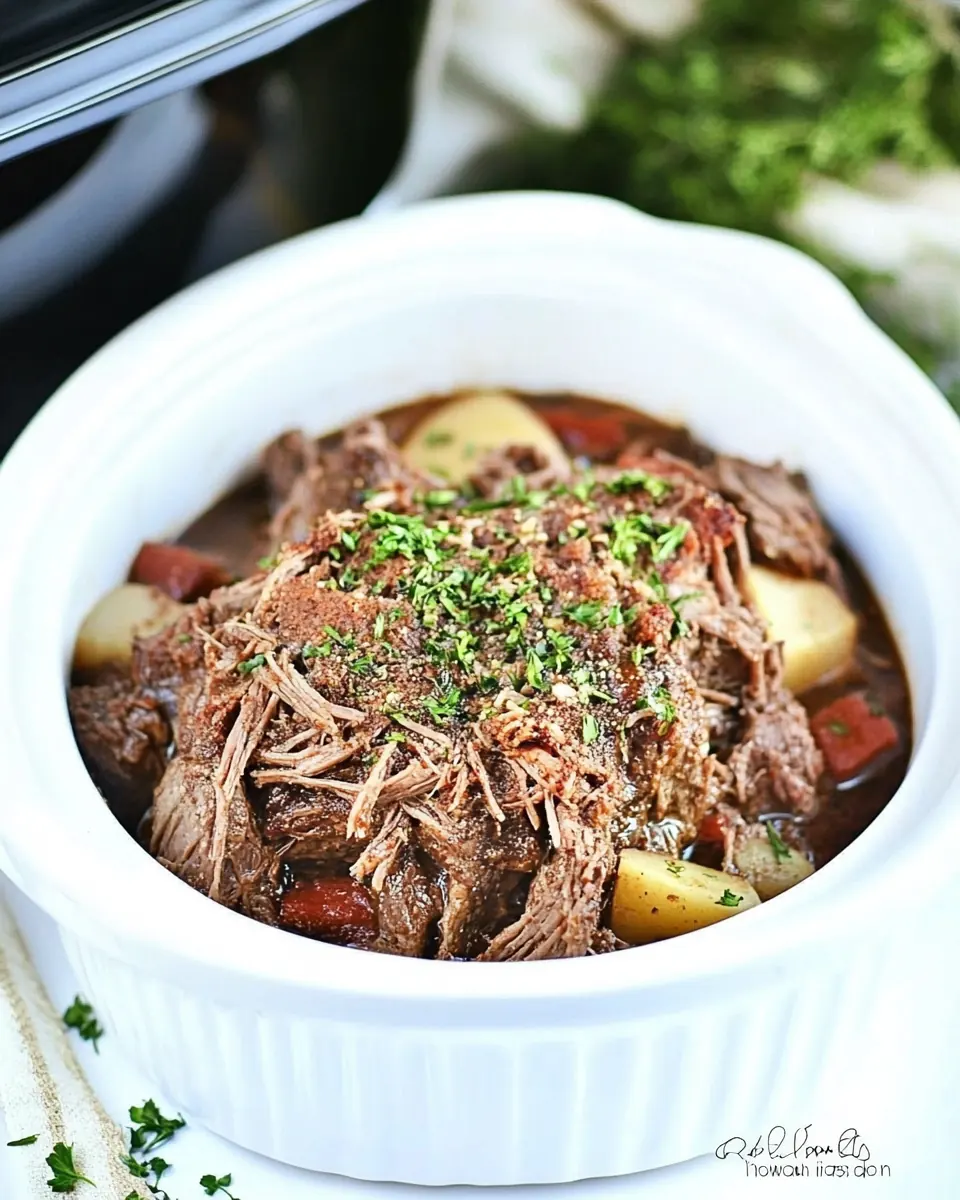
I choose ingredients that work together to coax deep flavor from simple components. This recipe relies on a few strong players: the pot roast provides richness and body, the seasoning packets deliver concentrated flavor and savory balance, and a little water creates the braising environment the meat needs. Together they transform humble elements into a hearty, comforting dish.
- 1 (3 lb) pot roast (Blade or Chuck Roast): Season and tenderize the roast by infusing savory flavors as it slowly cooks; place the pot roast fat-side up to baste and retain moisture for several hours. Allow connective tissues to break down for fork-tender meat and use pan juices for a rich sauce or gravy.
- 1 (0.6-oz) package Italian dressing mix: Enhance flavor with a zesty, herb-forward blend that seasons meat and vegetables evenly; sprinkle the Italian dressing mix over the roast to introduce garlic, oregano, and parmesan notes. Use it to balance richness and add aromatic depth during the slow cooking process.
- 1 (1-oz) package Ranch dressing mix: Add tangy, creamy seasoning that contributes buttermilk, onion, and herb notes to complement the savory profile; scatter the Ranch dressing mix to build layers of flavor without extra fat. Combine with other mixes and liquid to create a cohesive, well-rounded seasoning base for the roast.
- 1 (0.87-oz) package Brown Gravy mix: Thicken and enrich cooking juices into a glossy sauce by dissolving the brown gravy mix into the reserved liquid; whisk in toward the end of cooking to achieve a smooth, savory gravy. Adjust thickness and seasoning to coat slices of pot roast for serving.
- 1/2 cup water: Provide cooking liquid that helps dissolve dry mixes and maintain moisture during low-and-slow cooking; pour half a cup around the roast to create steam and aid in gravy formation. Use the water amount as specified to prevent diluting flavors while enabling proper sauce consistency.
Recipe Steps for Slow Cooker 3 Envelope Pot Roast
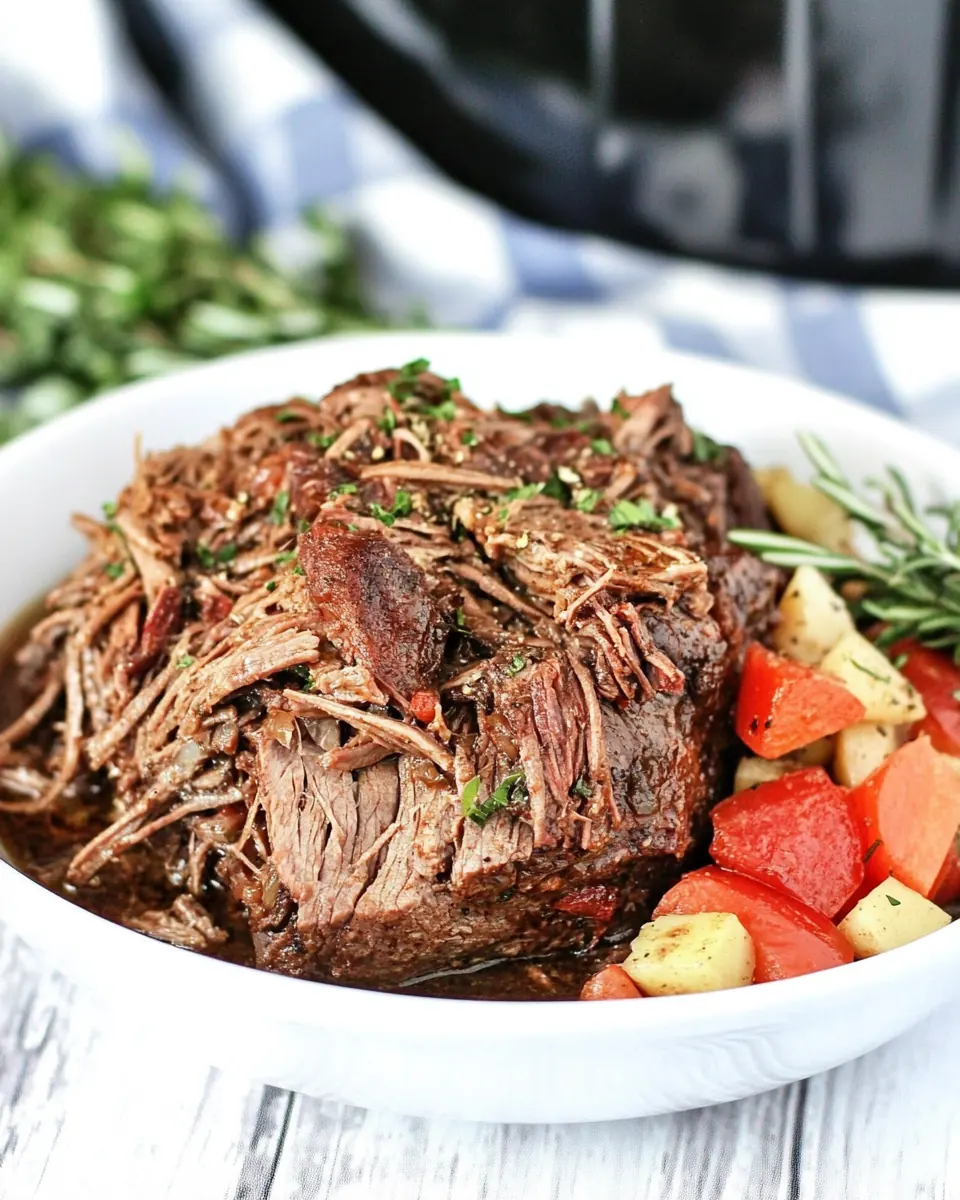
This is a very relaxed, hands off style of cooking that rewards patience. I like to set up everything nearby, so once the pot roast hits the cooker I can walk away confident it will transform into something rich and tender. Below I expand each original direction into detailed, sensory steps to guide you through the process.
- Place pot roast in slow cooker. Sprinkle with seasoning packets and pour 1/2 cup water over roast.: You will feel the weight of the meat when you lift it, and the initial visual cue is its raw, glossy surface. Use a gentle pat with a paper towel to remove excess moisture if needed so seasonings adhere, and arrange the pot roast in the basin center where heat circulates evenly. As you position it notice any large silver skin or loose fat you might trim to avoid overly greasy sauce. A common mistake is crowding the pot with additions, which reduces even cooking, so give the roast space and keep it mostly centered.
- Cover and cook on LOW for 8 to 10 hours. Shred and serve over cheese grits, noodles, rice or mashed potatoes.: When the dry packets hit the meat you will hear a soft, dry dusting sound and see the powders settle into crevices. The fragrance of dried herbs and savory mixes will rise immediately, hinting at the final profile. Pour the water over the top so the powders dissolve into the liquid and avoid leaving them dry on the surface, which can lead to gritty spots. If you skip dissolving the powders you might get uneven flavor pockets, so make sure the water helps the mixes bloom into a cohesive sauce.
- Cover and cook on LOW for 8 to 10 hours.: As the cooker warms you will notice a gentle steam release and a deepening aroma of roasted beef and herbs. Low, slow heat breaks down collagen into gelatin, which creates that silky mouthfeel, and the long gentle simmer keeps the meat from tightening up. A frequent error is switching to HIGH too early, which can dry or toughen the exterior while not allowing full breakdown; trust the low heat for tender results. During cooking you might hear occasional bubbling and see faint steam, both good signs the braise is progressing.
- Shred and serve over cheese grits, noodles, rice or mashed potatoes.: When you lift the lid the scent will be rich and savory, and the meat should yield easily to tongs or forks. Use two forks or meat claws to shred; you want long, moist strands that catch the gravy. The texture should be silky and the sauce glossy, coating each shred. One thing to avoid is shredding while the roast is too hot straight from the cooker; letting it rest five to ten minutes concentrates juices and makes handling easier. Serve the shredded beef spooned over a bed of your chosen starch so the gravy soaks in, creating a comforting, cohesive plate.
Substitutions and Tips
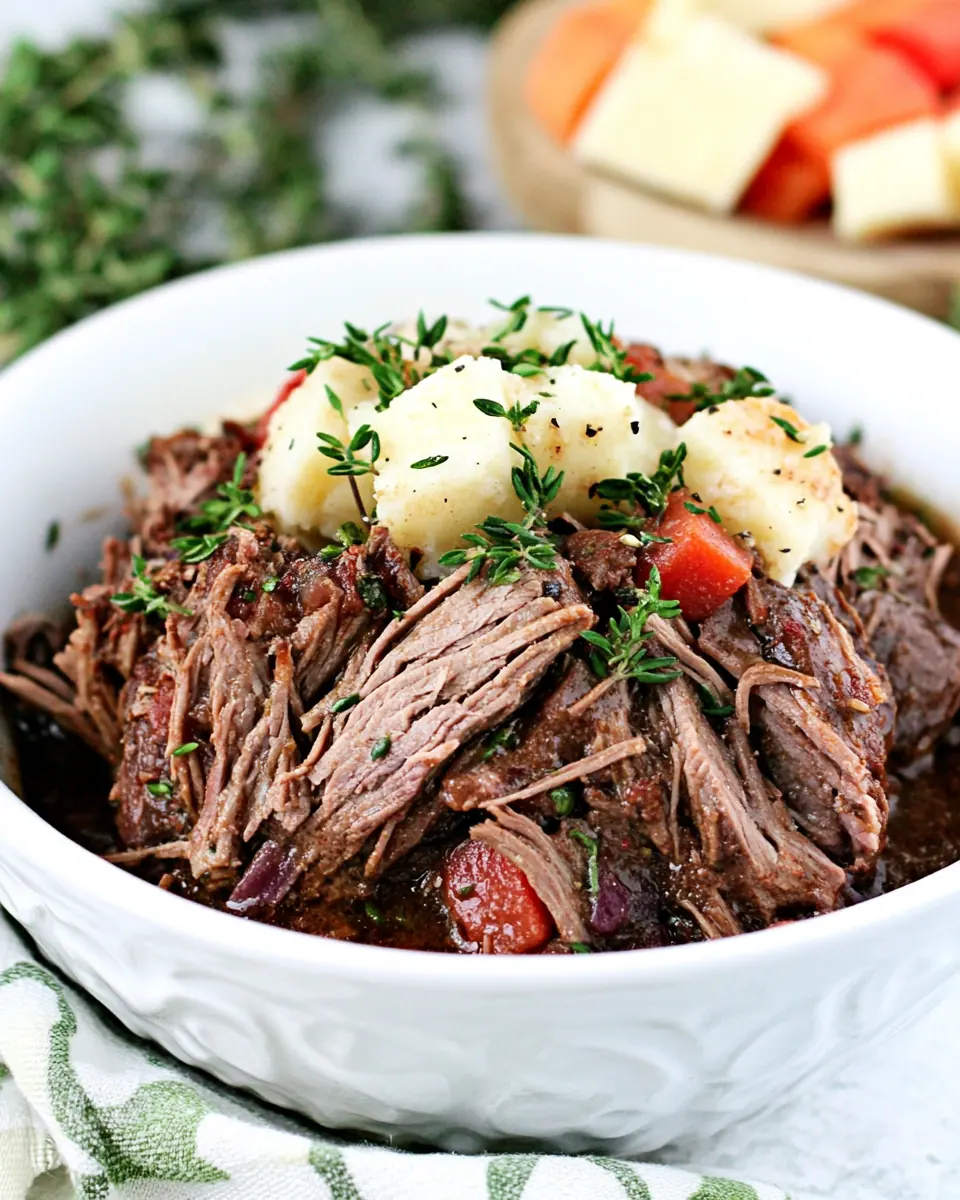
I like to think of substitutions as a way to adapt this recipe to what you have on hand while preserving its comforting soul. Below are practical, specific tips and variations that keep the spirit of the dish intact. Each item starts with a short highlighted action then expands into a useful note.
- Use different starches: If you do not want grits or mashed potatoes, try the roast over steamed rice or buttered noodles; the sauce clings beautifully and each choice changes the mouthfeel in a pleasing way.
- Adjust the liquid carefully: The recipe uses a small amount of water because the roast releases juices while cooking; if you add more liquid you risk diluting flavors, so add sparingly and only if the cooker looks dry.
- Packet distribution trick: To avoid clumps, mix the three seasoning packets into the half cup of water before pouring over the meat so the powders dissolve evenly and the flavors meld uniformly across the roast.
- Rest before shredding: Let the roast sit for five to ten minutes after cooking to let juices redistribute; shredding immediately can cause excess loss of flavorful juices onto the cutting board or plate.
- Leftover uses: Shredded roast makes excellent sandwiches, tacos, or a protein topping for baked potatoes; refrigerate leftovers in an airtight container with sauce to keep meat moist when reheating.
Serving This Slow Cooker 3 Envelope Pot Roast
This roast is a very flexible centerpiece that works for casual weeknights and cozy gatherings. Think about the texture contrasts and complementary sides when you serve it, and choose starchy bases that catch the gravy. Below are detailed serving ideas and storage notes in list form so you can mix and match depending on occasion and appetite.
- Classic mashed potatoes: Spoon generous portions of shredded beef and gravy over buttery mashed potatoes to absorb the sauce and create a comforting balance of creamy and savory textures.
- Buttered noodles: Toss warm egg noodles with a little butter and pile the shredded roast on top so the sauce clings to each strand, a family friendly and easy dinner option.
- Steamed rice: Serve the roast over plain steamed rice for a simpler, lighter base that showcases the gravy and herbs without adding competing flavors.
- Cheese grits: For a Southern twist, serve the shredded roast over creamy cheese grits so the velvety texture pairs with the meat for a cozy bowl perfect for colder months.
- Sandwiches and sliders: Pile warmed shredded roast into rolls with a little extra sauce for juicy sandwiches that reheat well and travel easily for packed lunches or casual parties.
- Meal planning and storage: Cool leftovers to room temperature within two hours and refrigerate in an airtight container for up to four days, or freeze in portions for up to three months to preserve flavor and texture.
- Occasions: This roast is ideal for family dinners, potlucks, or a lazy Sunday when you want something effortless yet satisfying; it also works well for winter gatherings where warming, hearty food is appreciated.
FAQ
Conclusion
This recipe shines because it converts a simple pot roast and three seasoning packets into a deeply flavored, effortless meal that feels like home. Give it a try on a busy day and let the slow cooker do the work, you’ll be rewarded with tender, shreddable meat and a glossy gravy that pairs well with many sides. I hope this becomes one of your go to weeknight staples, bringing warmth and ease to your table whenever you need a satisfying, low effort dinner.
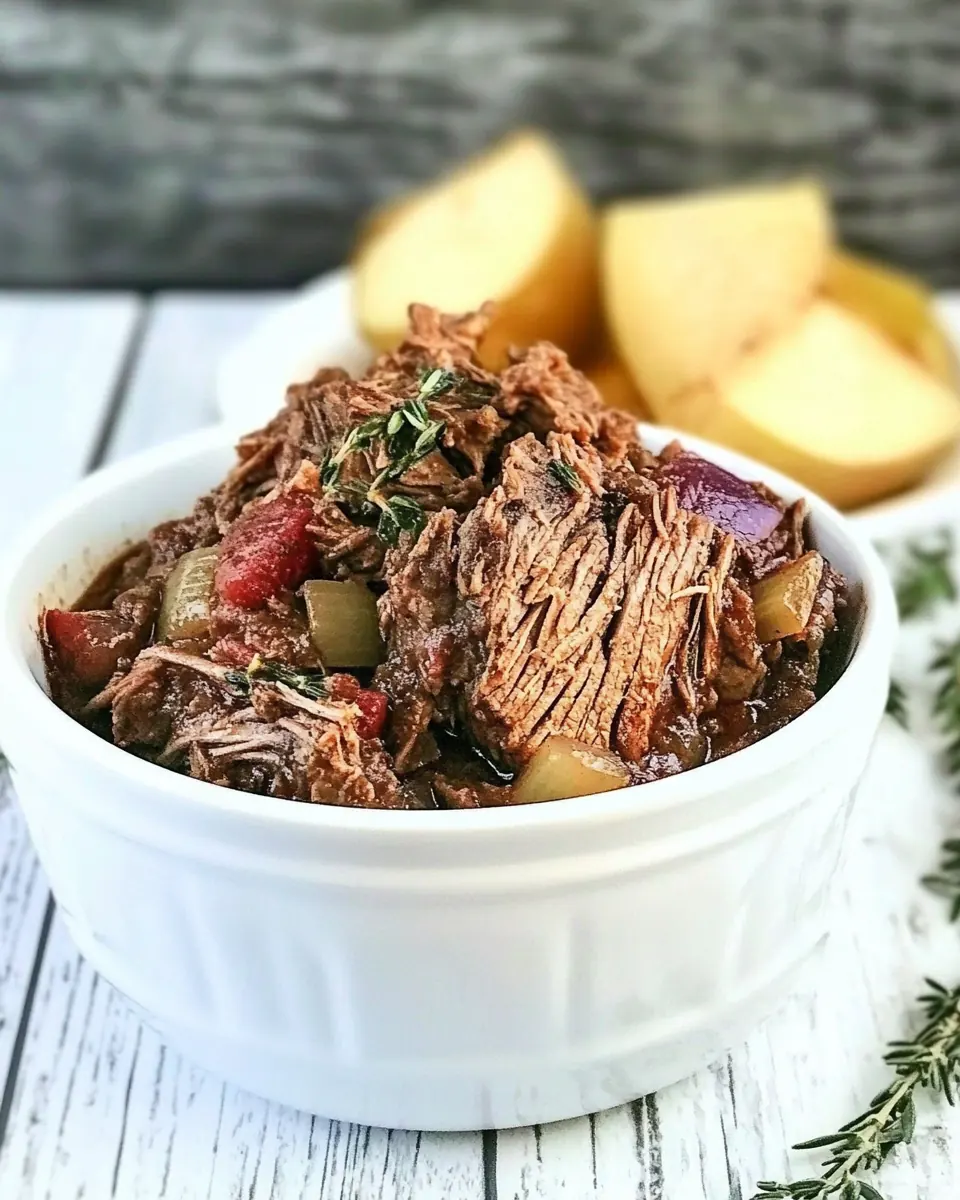
Slow Cooker 3 Envelope Pot Roast
Ingredients
Equipment
Method
- Place pot roast in slow cooker. Sprinkle with seasoning packets and pour 1/2 cup water over roast.: You will feel the weight of the meat when you lift it, and the initial visual cue is its raw, glossy surface. Use a gentle pat with a paper towel to remove excess moisture if needed so seasonings adhere, and arrange the pot roast in the basin center where heat circulates evenly. As you position it notice any large silver skin or loose fat you might trim to avoid overly greasy sauce. A common mistake is crowding the pot with additions, which reduces even cooking, so give the roast space and keep it mostly centered.
- Cover and cook on LOW for 8 to 10 hours. Shred and serve over cheese grits, noodles, rice or mashed potatoes.: When the dry packets hit the meat you will hear a soft, dry dusting sound and see the powders settle into crevices. The fragrance of dried herbs and savory mixes will rise immediately, hinting at the final profile. Pour the water over the top so the powders dissolve into the liquid and avoid leaving them dry on the surface, which can lead to gritty spots. If you skip dissolving the powders you might get uneven flavor pockets, so make sure the water helps the mixes bloom into a cohesive sauce.
- Cover and cook on LOW for 8 to 10 hours.: As the cooker warms you will notice a gentle steam release and a deepening aroma of roasted beef and herbs. Low, slow heat breaks down collagen into gelatin, which creates that silky mouthfeel, and the long gentle simmer keeps the meat from tightening up. A frequent error is switching to HIGH too early, which can dry or toughen the exterior while not allowing full breakdown; trust the low heat for tender results. During cooking you might hear occasional bubbling and see faint steam, both good signs the braise is progressing.
- Shred and serve over cheese grits, noodles, rice or mashed potatoes.: When you lift the lid the scent will be rich and savory, and the meat should yield easily to tongs or forks. Use two forks or meat claws to shred; you want long, moist strands that catch the gravy. The texture should be silky and the sauce glossy, coating each shred. One thing to avoid is shredding while the roast is too hot straight from the cooker; letting it rest five to ten minutes concentrates juices and makes handling easier. Serve the shredded beef spooned over a bed of your chosen starch so the gravy soaks in, creating a comforting, cohesive plate.
Notes
- Use different starches: If you do not want grits or mashed potatoes, try the roast over steamed rice or buttered noodles; the sauce clings beautifully and each choice changes the mouthfeel in a pleasing way.
- Adjust the liquid carefully: The recipe uses a small amount of water because the roast releases juices while cooking; if you add more liquid you risk diluting flavors, so add sparingly and only if the cooker looks dry.
- Packet distribution trick: To avoid clumps, mix the three seasoning packets into the half cup of water before pouring over the meat so the powders dissolve evenly and the flavors meld uniformly across the roast.
- Rest before shredding: Let the roast sit for five to ten minutes after cooking to let juices redistribute; shredding immediately can cause excess loss of flavorful juices onto the cutting board or plate.
- Leftover uses: Shredded roast makes excellent sandwiches, tacos, or a protein topping for baked potatoes; refrigerate leftovers in an airtight container with sauce to keep meat moist when reheating.