Peanut Mango Chicken Stir Fry
Peanut Mango Chicken Stir Fry is the kind of dish that turns a hectic weeknight into a small celebration at the dinner table. The first time I made this, I was racing the clock after a long day, but the bright mango and nutty peanut sauce felt like a reward, and the whole family leaned in for seconds. I remember the moment the mango hit the hot pan, a faint caramelizing sweet aroma rising, and I knew dinner had just become interesting.
There is something deeply satisfying about balancing sweet fruit with savory chicken and crunchy broccoli. I often prepare the sauce ahead because it keeps waiting stress at bay. When I pull the skillet out, the kitchen fills with warmth and a promise of comforting textures. Over time I learned little tricks, like slightly caramelizing the mango to add complexity, and saving some crushed peanuts for the final scatter so every bite has that playful crunch.
Recipe Snapshot
25 mins
10 mins
15 mins
Medium
450 kcal
American
Gluten-Free, Low FODMAP
Dinner
Blender, Skillet, Spatula, Measuring cups
The Beauty of This Peanut Mango Chicken Stir Fry
A balanced flavor profile that sings
I love how Peanut Mango Chicken Stir Fry brings together sweet, salty, and nutty notes in a single pan. The mango brightens the sauce, while the peanut butter gives it body and a creamy mouthfeel. This contrast makes every forkful exciting and keeps people coming back for another bite.
Speed that fits weeknight life
We can get a full, satisfying meal on the table in under 30 minutes. Because the ingredients cook quickly, this recipe is perfect when time is tight. I find that prepping the sauce and cutting the chicken and broccoli while a pot of rice cooks saves precious minutes, and the payoff is a homecooked dinner that feels anything but rushed.
Texture play keeps it interesting
The crunchy broccoli and crushed peanuts contrast with the tender chicken and smooth sauce. That combination of soft, crisp, and creamy is what makes the dish memorable. I always leave a few peanuts to sprinkle at the end so the contrast is fresh and bright each bite.
Flexible and forgiving
I’ve learned that this recipe adapts easily. Use what you have and the core idea still works. Frozen mango or broccoli can step in, and the sauce is forgiving if you need to thin or thicken it. That flexibility means you’re less likely to get stalled midcook, and more likely to enjoy the process.
All ages love it
From picky eaters to adventurous food lovers, this pan usually wins everyone over. The flavors are bold but approachable. I find it’s an ideal family meal that doesn’t require complicated plating or rare ingredients, which makes it a regular in my weeknight rotation.
What You Need for Peanut Mango Chicken Stir Fry
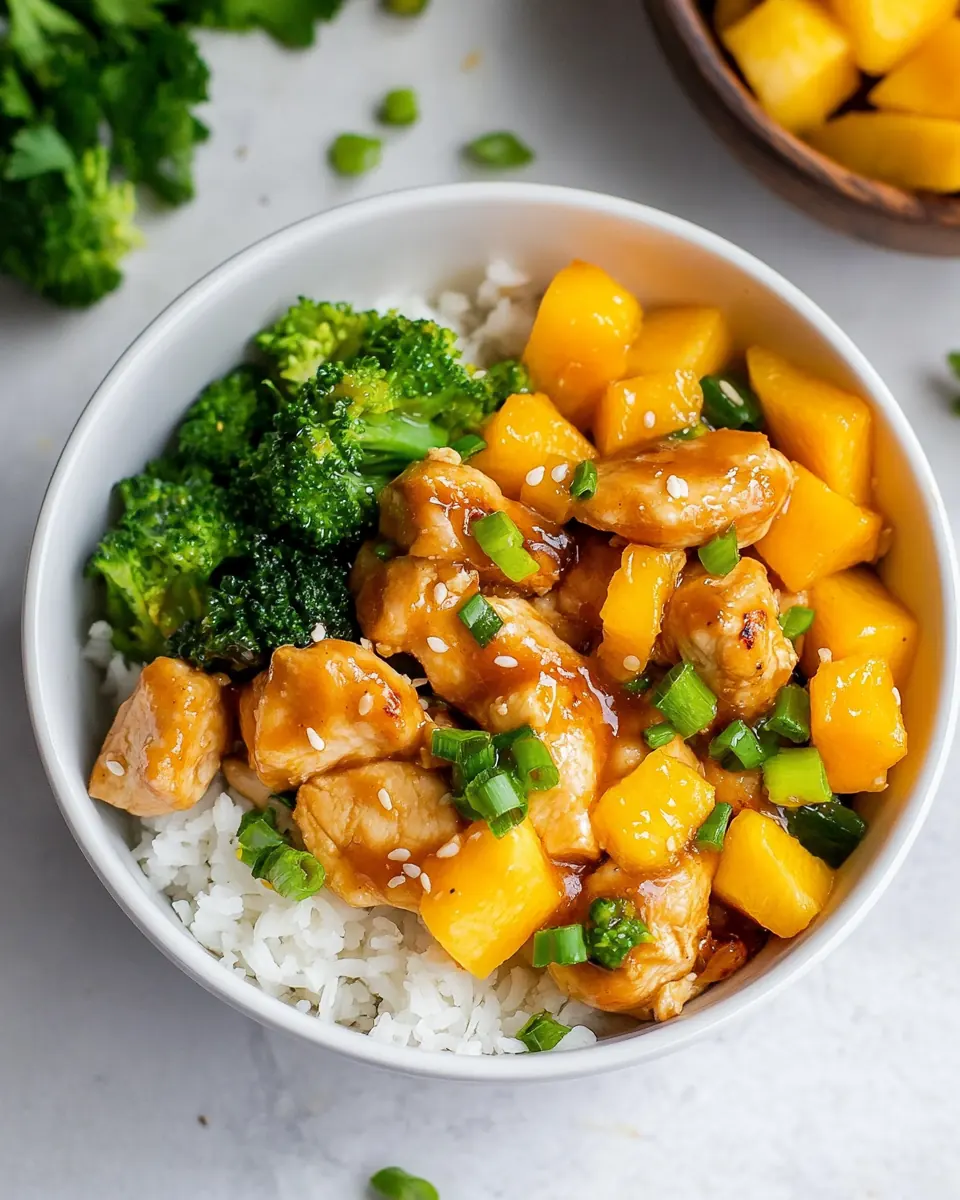
The philosophy here is simple: bright fruit, hearty protein, and a silky peanut sauce combine to make a satisfying whole. Key players are the chicken, which provides savory backbone, the mango for sweetness and acidity, and the peanut butter for richness. Together they create a layered flavor that holds up well over rice.
- 1 1/2 lb chicken breast tenderloins (breast will work as well), cut into bite-sized pieces (or desired protein): Slice and cook until golden and fully cooked; provides the primary lean protein and soaks up the sauce flavors, giving the stir fry substance and heartiness. Cut into bite–sized pieces for quick, even cooking and easy serving alongside vegetables and mango. Season lightly before cooking to enhance its natural flavor and ensure a tender texture.
- 4 c broccoli florets: Steam or quickly stir-fry until just tender-crisp; supplies a nutritious, crunchy green vegetable and vibrant color to balance the dish. Break into evenly sized florets to ensure consistent cooking and a pleasant mouthfeel. Retains some firmness to contrast the soft mango and tender chicken.
- 2 c cubed mango: Cube and add near the end of cooking to retain juiciness; contributes a sweet, tropical burst of flavor and soft texture contrast that complements savory and nutty elements. Use ripe but firm mango to avoid excessive mushiness while ensuring bright sweetness. Adds natural sweetness that reduces the need for excess sugar in the sauce.
- 1/2 small red onion, julienned: Julienne and lightly sauté or add raw for a mild sharpness and subtle crunch; brings a hint of sweetness and color contrast that enhances the overall flavor profile. Cut thin to distribute flavor evenly throughout the stir fry without overpowering other ingredients. Can be softened slightly in the pan to mellow its bite if preferred.
- crushed peanuts and fresh cilantro for serving: Crush and sprinkle and garnish with chopped cilantro to add texture, extra peanut flavor, and a fresh herbal note; provides a finishing crunch and bright aroma. Use as a final topping to preserve crunchiness and visual appeal. Fresh cilantro leaves scattered on top lend a citrusy, green lift to each bite.
- 2/3 c peanut butter, natural, creamy: Whisk and warm into the sauce to create a rich, creamy, nutty base that binds other flavors and adds body to the stir fry. Use natural, creamy peanut butter for a smooth texture and authentic peanut flavor that melds with soy and vinegar. Adjust quantity to balance thickness and intensity of nuttiness.
- 1/2 ripe mango: Slice or mash and incorporate into the sauce or as garnish to heighten mango flavor and contribute additional natural sweetness and fruitiness. Use a ripe mango for pronounced aroma and smooth blending into the sauce. Adds depth and continuity with the cubed mango pieces in the dish.
- 1/4 c soy sauce/tamari, tamari for gluten free: Pour and mix into the sauce for savory umami and saltiness; choose tamari for a gluten–free option to maintain flavor without gluten. Balance the salty edge with sweet and acidic components to create a rounded sauce. Helps tenderize proteins slightly and ties together the peanut and mango elements.
- 1 – 2 garlic clove, minced: Mince and sauté briefly to release aromatic pungency; supplies foundational savory depth and a subtle spiciness that complements the peanut and mango. Add early in the cooking process to infuse oil and other ingredients with garlicky flavor. Adjust amount for desired pungency without overwhelming delicate mango notes.
- 1/4 – 1/2 tsp crushed red pepper: Sprinkle to taste to introduce heat and a lingering spice; crushed red pepper gives a bright, chili bite that balances the sweetness of mango and maple. Start with the lower amount and increase for more pronounced heat, mixing into the sauce for even distribution. Enhances complexity without masking other flavors.
- 1 T maple syrup or honey: Drizzle and stir into the sauce to add natural sweetness and a hint of caramel complexity; maple syrup or honey helps balance salt and acidity while glazing the chicken and vegetables. Use modestly to avoid cloying sweetness and to let mango’s fruitiness shine. Helps create a glossy finish and sticky coating.
- 1/3 – 1/2 c water, depending on desired thickness: Add gradually to achieve the desired sauce consistency while maintaining flavor intensity; water thins the peanut-based sauce for pourability and coating ability. Start with the lower amount and increase until the sauce reaches a smooth, clingy texture that coats chicken and veggies evenly. Ensures the sauce isn’t overly thick or pasty.
- 1 tsp rice vinegar: Measure and whisk into the sauce for bright acidity and subtle tang that cuts through richness; rice vinegar lifts flavors and enhances overall balance. Incorporate sparingly to avoid overt sourness, adjusting to taste to harmonize with sweet and salty components. Finishes the sauce with a gentle, clean acidic note.
How to Cook Peanut Mango Chicken Stir Fry
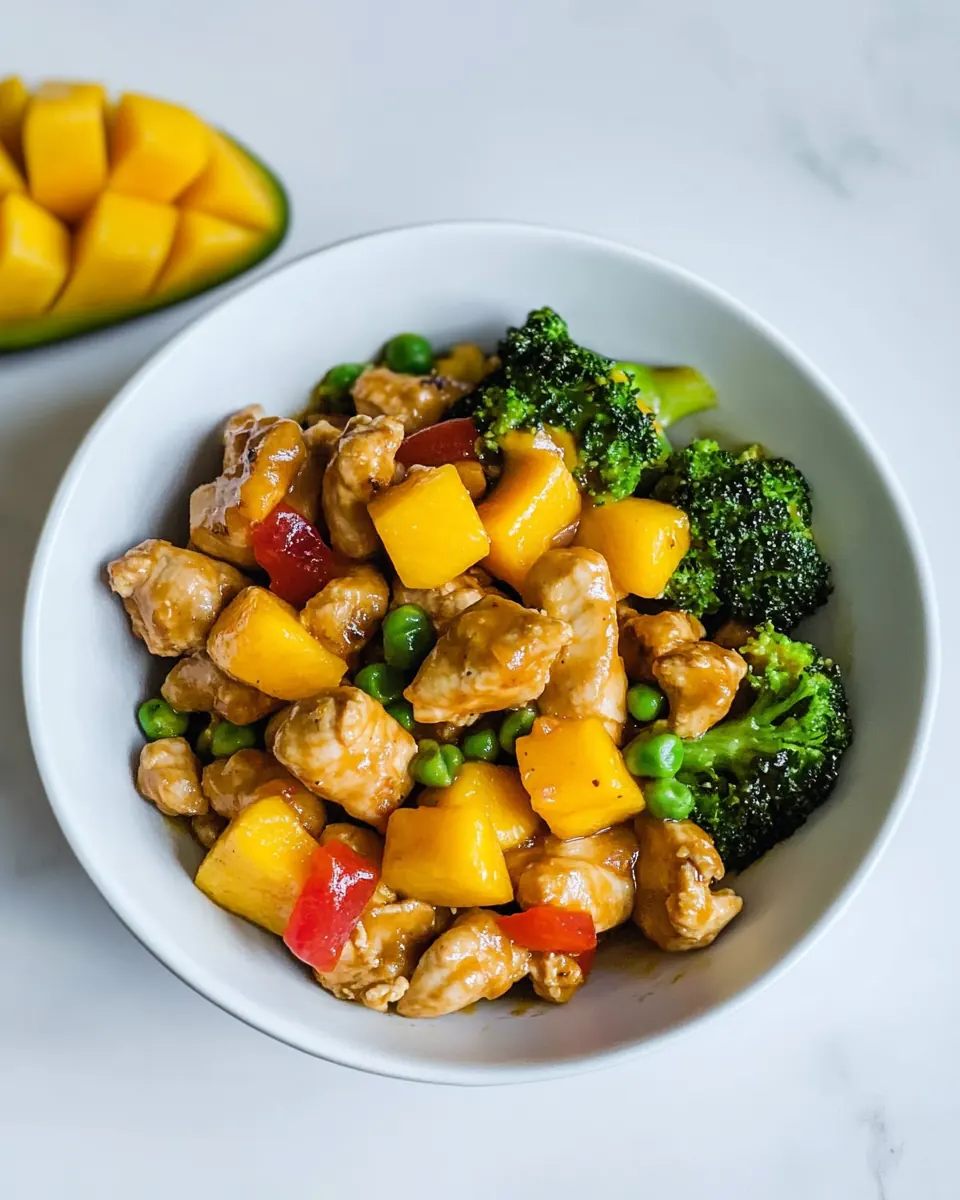
This recipe moves quickly, so set up your mise en place first and have the sauce ready. Once the pan heats up, things progress in rapid bursts, and that rhythm yields the best browning and texture. Keep a close ear for the sizzle and trust visual cues more than a timer.
- In a blender, combine 1/2 mango for the sauce and 1-2 tablespoon water. Blend on high until smooth. Add all other ingredients for the sauce into the blender and blend until smooth, adding water slowly to get desired thickness. I like mine pretty thick.: As the blender whirls, you should hear a steady, high pitch hum and see the mango break down into a glossy puree, the peanut butter folding into it to create a velvety texture. The color will be a warm golden hue, flecked with tiny peanut specks. This step matters because a smooth sauce coats the chicken and vegetables evenly, preventing clumps of nut butter and ensuring balanced flavor. A common mistake is adding too much water too quickly, which thins the sauce and dilutes flavor, so stop and scrape the sides with a spatula if things stick. Taste and adjust salt and heat, remembering you can always add more but not take away. If the sauce seems too flat, a little extra rice vinegar brightens it instantly.
- Heat 1 tablespoon desired cooking oil over medium-high heat in skillet.: The oil should shimmer and move easily across the pan when it's ready, not smoke. You may hear a faint ripple as it spreads, and the surface will look glossy. Heating properly creates an immediate contact sear on the chicken , locking in juices and building fond for flavor. If you add protein to a pan that is not hot enough, it will steam and fail to brown, so wait for that shimmer and a very light wisp of smoke. Avoid using too little oil, which can cause sticking, or too much, which will fry rather than sear.
- Add in chicken and cook, stirring frequently until cooked through and there is no pink.: As the chicken hits the pan you should hear an assertive sizzle and see the edges turn a golden tan within moments. Stirring often ensures even cooking and prevents one side from overbrowning. The internal texture should be tender and slightly springy, with juices running clear when cut through. The why is simple: proper browning intensifies savory flavor and creates a satisfying texture contrast to the sauce. A frequent pitfall is overcrowding the pan which cools the surface, so if your skillet looks too full brown in batches rather than crowding everything together.
- Remove chicken from skillet and set aside for later.: The chicken resting off heat will continue to carry residual warmth and finish gently, preserving juiciness. When you slide it onto a plate, you'll notice the aroma concentrates, and the fond left behind will flavor the next vegetables. Leaving the chicken in the pan while cooking vegetables can lead to overcooking, so pause here. A mistake people make is skipping this step and ending up with dry meat, so give it a moment off the heat to keep it tender.
- Add more oil if needed, and add onion. Cook until translucent.: The onion should soften and turn translucent, exuding a slight sweet aroma as its sugars begin to warm. Listen for a gentle hiss rather than a crackle, and stir so no edges go bitter brown. This step builds a sweet savory base that complements the fruity sauce. If you rush and blast the heat, the onion can brown too quickly and become bitter, so regulate the heat and watch closely.
- Add in broccoli and cook until tender.: When the broccoli hits the pan, it may sputter slightly if moist, then settle into a bright green as it cooks. The florets should become fork tender yet still vibrant, with a slight snap when bitten. This texture contrast matters because limp vegetables make the whole dish feel heavy. Overcooking is the most common error here, so test florets early; they should be tender but not mushy.
- Add chicken and mango into the skillet. Cook until mango starts to very lightly brown.: Reintroducing the chicken brings its savory scent back, and adding the cubed mango adds a burst of sweet juice that can sizzle and caramelize. Watch for the mango edges to take on a soft golden tint and let that light browning add depth. That caramelization adds complexity to the sweetness and prevents a flat fruit taste. A typical oversight is stirring too vigorously, which prevents the mango from ever touching the hot surface long enough to caramelize, so allow it brief contact.
- Turn heat to low and add desired amount of sauce to the chicken and veggies and stir to coat well.: Lowering the heat keeps the sauce from breaking while it melds with the pan juices. You should see the sauce glossy and clinging to each piece, pooling slightly then receding back into a shiny coat. This slow melding integrates flavors, softens the peanut butter , and keeps the texture silky. If the heat is too high the sauce can separate or scorch, so keep it gentle. Watch the thickness and add small splashes of water if it becomes too stiff.
- Allow to simmer for about 5 minutes.: During this gentle simmer you will smell the mango sweetness and savory soy deepen and the sauce will thicken slightly, coating the spoon. This resting simmer lets flavors concentrate and ensures everything is warmed through. The trick is to simmer, not boil, because a rolling boil can toughen the chicken and overreduce the sauce. If you notice the sauce reducing too fast, lower the heat and add a splash of water.
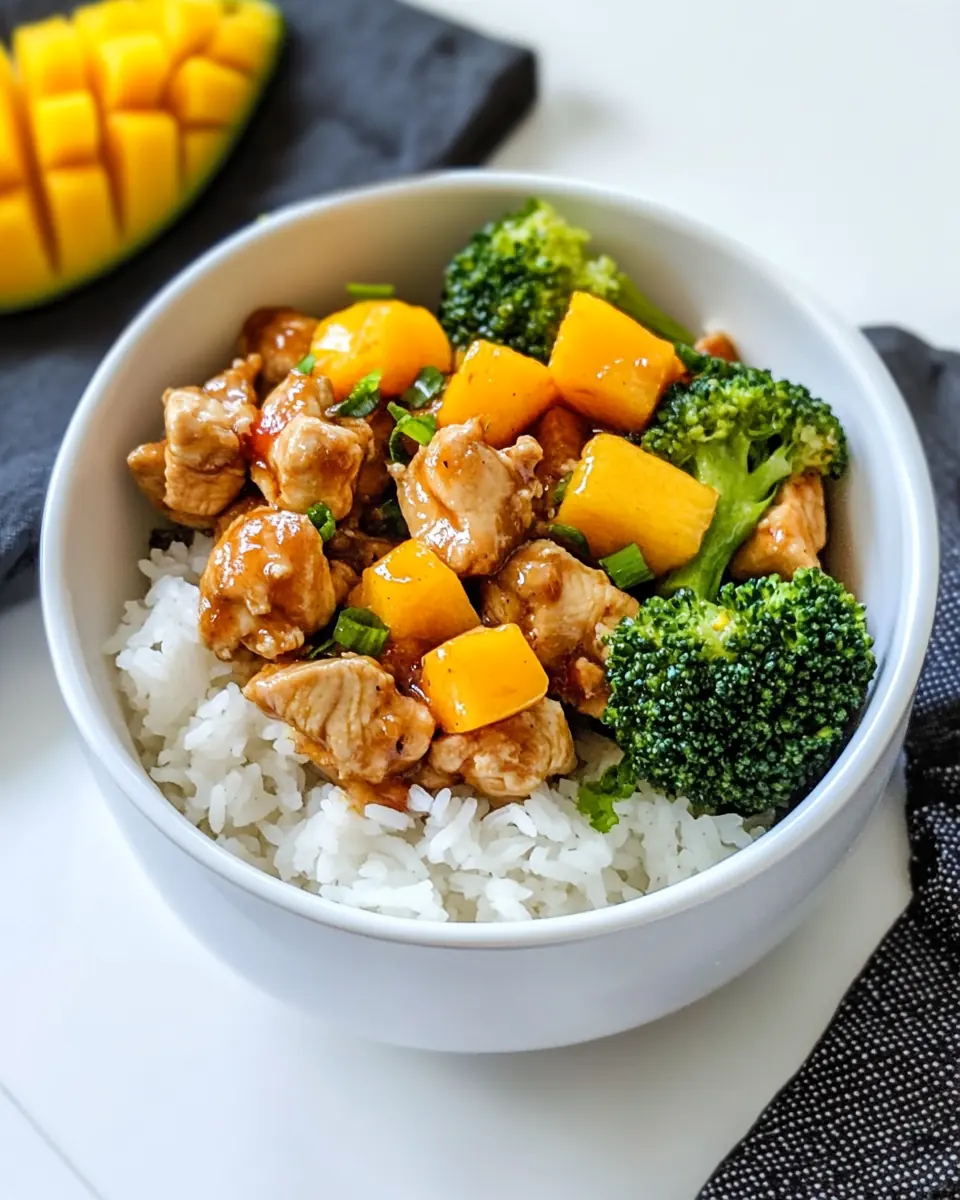
- Pour over your favorite rice and garnish with chopped peanuts and fresh cilantro.: Serving over hot rice creates a bed that soaks up the sauce, and the final scatter of crushed peanuts introduces crunch while the cilantro gives a herbaceous lift. You should see glossy sauce pooling slightly around the rice grains, and each forkful should combine textures. A common misstep is adding garnishes too early which can wilt cilantro and soften peanuts; save them for the end for maximum impact.
- Refrigerate leftovers.: Cooling leftovers promptly and storing in an airtight container preserves flavor and food safety. The texture will change slightly in the fridge, with the sauce firming up, so reheat gently with a splash of water to restore consistency. Avoid overheating in a microwave without stirring, which can create hot spots and dry out the chicken .
Recipe Variations about Peanut Mango Chicken Stir Fry
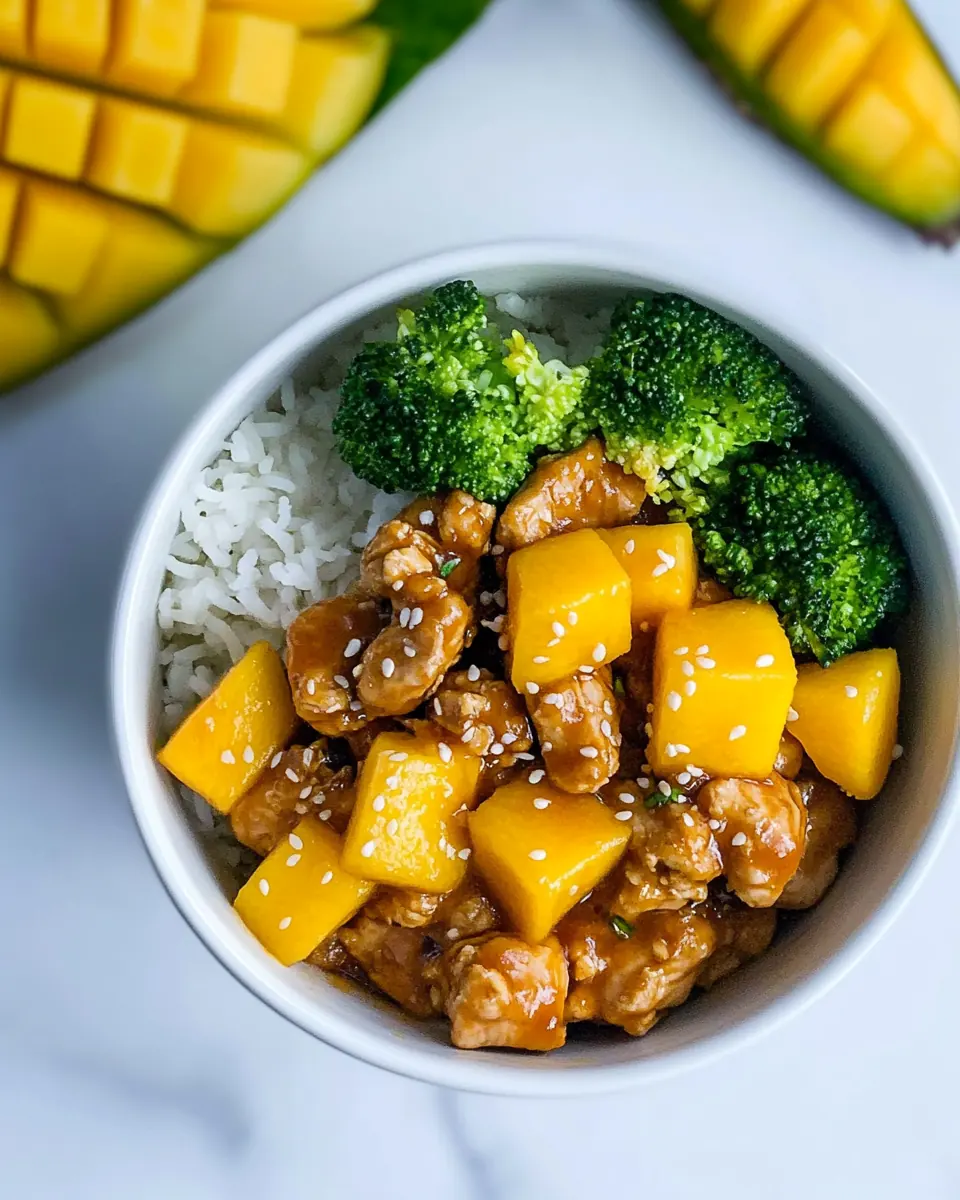
This recipe is versatile, so small swaps can tailor it to your pantry or taste. Below are practical variations and ideas to change texture, spice level, or prep time without losing the dish identity.
- Add a diced red pepper: Stir in a diced red pepper with the onion for extra sweetness and color, the crunch complements the broccoli and echoes the mango’s brightness.
- Use frozen mango or broccoli: Frozen produce saves prep time and still yields good texture when added straight to the pan; thaw only if the pieces are large to avoid excess water in the skillet.
- Make the sauce ahead: Blend and store the sauce in the fridge for up to three days to speed weeknight assembly, and thin with a little warm water before using if it firms up.
- Swap maple for honey: Honey offers a slightly different floral note, and it dissolves quickly into the sauce, especially useful if your mango is less sweet.
- Add orange zest: A small amount of orange zest in the sauce brings a citrus lift that pairs beautifully with the mango and brightens the whole pan.
Pairing Suggestions for Peanut Mango Chicken Stir Fry
Serve this recipe with simple sides and think about occasion and texture contrasts. The dish fits casual weeknight dinners and relaxed gatherings alike, and it stores well for lunches. Below are thoughtful pairings and serving ideas to elevate the meal.
- Serve over steamed rice: Plain white or jasmine rice soaks up the sauce and keeps the focus on the flavorful pan components.
- For a lighter base use cauliflower rice: A low carb option that still captures the sauce and complements the texture of the broccoli and chicken.
- Make it a family meal: Place the pan on the table with bowls of crushed peanuts and cilantro so everyone can customize their plate, which works well for casual dinners.
- Pack for lunches: Store in airtight containers with rice separate if possible, then reheat gently with a splash of water so the sauce regains its silky texture.
- Seasonal idea for summer: The mango’s peak season makes this an ideal warm weather dinner, served with a simple green salad to keep the meal bright and fresh.
- Occasion suggestion: This is great for weeknight dinners, casual get togethers, or anytime you want to feed a small crowd without fuss.
- Storage tips: Refrigerate leftovers within two hours and consume within three days, reheating gently to avoid drying the chicken.
- Serving style: Serve family style or plated for a slightly dressier presentation, sprinkling peanuts last so they remain crunchy.
- Make ahead prep: Chop vegetables and blend the sauce earlier in the day to streamline evening cooking and reduce active time.
- Presentation tip: Spoon the pan over rice in shallow bowls and finish with a bright wedge of lime if desired for a citrus pop, though lime is optional.
FAQ
Conclusion
Peanut Mango Chicken Stir Fry stands out because it balances sweet, savory, and nutty flavors while delivering lively textures in each bite. I encourage you to try it the next time you want a quick yet memorable dinner that feels both comforting and bright. It’s approachable, forgiving, and perfect for busy evenings when you still want something special on the table.
Peanut Mango Chicken Stir Fry
Ingredients
Equipment
Method
- In a blender, combine 1/2 mango for the sauce and 1-2 tablespoon water. Blend on high until smooth. Add all other ingredients for the sauce into the blender and blend until smooth, adding water slowly to get desired thickness. I like mine pretty thick.: As the blender whirls, you should hear a steady, high pitch hum and see the mango break down into a glossy puree, the peanut butter folding into it to create a velvety texture. The color will be a warm golden hue, flecked with tiny peanut specks. This step matters because a smooth sauce coats the chicken and vegetables evenly, preventing clumps of nut butter and ensuring balanced flavor. A common mistake is adding too much water too quickly, which thins the sauce and dilutes flavor, so stop and scrape the sides with a spatula if things stick. Taste and adjust salt and heat, remembering you can always add more but not take away. If the sauce seems too flat, a little extra rice vinegar brightens it instantly.
- Heat 1 tablespoon desired cooking oil over medium-high heat in skillet.: The oil should shimmer and move easily across the pan when it's ready, not smoke. You may hear a faint ripple as it spreads, and the surface will look glossy. Heating properly creates an immediate contact sear on the chicken , locking in juices and building fond for flavor. If you add protein to a pan that is not hot enough, it will steam and fail to brown, so wait for that shimmer and a very light wisp of smoke. Avoid using too little oil, which can cause sticking, or too much, which will fry rather than sear.
- Add in chicken and cook, stirring frequently until cooked through and there is no pink.: As the chicken hits the pan you should hear an assertive sizzle and see the edges turn a golden tan within moments. Stirring often ensures even cooking and prevents one side from overbrowning. The internal texture should be tender and slightly springy, with juices running clear when cut through. The why is simple: proper browning intensifies savory flavor and creates a satisfying texture contrast to the sauce. A frequent pitfall is overcrowding the pan which cools the surface, so if your skillet looks too full brown in batches rather than crowding everything together.
- Remove chicken from skillet and set aside for later.: The chicken resting off heat will continue to carry residual warmth and finish gently, preserving juiciness. When you slide it onto a plate, you'll notice the aroma concentrates, and the fond left behind will flavor the next vegetables. Leaving the chicken in the pan while cooking vegetables can lead to overcooking, so pause here. A mistake people make is skipping this step and ending up with dry meat, so give it a moment off the heat to keep it tender.
- Add more oil if needed, and add onion. Cook until translucent.: The onion should soften and turn translucent, exuding a slight sweet aroma as its sugars begin to warm. Listen for a gentle hiss rather than a crackle, and stir so no edges go bitter brown. This step builds a sweet savory base that complements the fruity sauce. If you rush and blast the heat, the onion can brown too quickly and become bitter, so regulate the heat and watch closely.
- Add in broccoli and cook until tender.: When the broccoli hits the pan, it may sputter slightly if moist, then settle into a bright green as it cooks. The florets should become fork tender yet still vibrant, with a slight snap when bitten. This texture contrast matters because limp vegetables make the whole dish feel heavy. Overcooking is the most common error here, so test florets early; they should be tender but not mushy.
- Add chicken and mango into the skillet. Cook until mango starts to very lightly brown.: Reintroducing the chicken brings its savory scent back, and adding the cubed mango adds a burst of sweet juice that can sizzle and caramelize. Watch for the mango edges to take on a soft golden tint and let that light browning add depth. That caramelization adds complexity to the sweetness and prevents a flat fruit taste. A typical oversight is stirring too vigorously, which prevents the mango from ever touching the hot surface long enough to caramelize, so allow it brief contact.
- Turn heat to low and add desired amount of sauce to the chicken and veggies and stir to coat well.: Lowering the heat keeps the sauce from breaking while it melds with the pan juices. You should see the sauce glossy and clinging to each piece, pooling slightly then receding back into a shiny coat. This slow melding integrates flavors, softens the peanut butter , and keeps the texture silky. If the heat is too high the sauce can separate or scorch, so keep it gentle. Watch the thickness and add small splashes of water if it becomes too stiff.
- Allow to simmer for about 5 minutes.: During this gentle simmer you will smell the mango sweetness and savory soy deepen and the sauce will thicken slightly, coating the spoon. This resting simmer lets flavors concentrate and ensures everything is warmed through. The trick is to simmer, not boil, because a rolling boil can toughen the chicken and overreduce the sauce. If you notice the sauce reducing too fast, lower the heat and add a splash of water.
- Pour over your favorite rice and garnish with chopped peanuts and fresh cilantro.: Serving over hot rice creates a bed that soaks up the sauce, and the final scatter of crushed peanuts introduces crunch while the cilantro gives a herbaceous lift. You should see glossy sauce pooling slightly around the rice grains, and each forkful should combine textures. A common misstep is adding garnishes too early which can wilt cilantro and soften peanuts; save them for the end for maximum impact.
- Refrigerate leftovers.: Cooling leftovers promptly and storing in an airtight container preserves flavor and food safety. The texture will change slightly in the fridge, with the sauce firming up, so reheat gently with a splash of water to restore consistency. Avoid overheating in a microwave without stirring, which can create hot spots and dry out the chicken .
Notes
- Add a diced red pepper: Stir in a diced red pepper with the onion for extra sweetness and color, the crunch complements the broccoli and echoes the mango’s brightness.
- Use frozen mango or broccoli: Frozen produce saves prep time and still yields good texture when added straight to the pan; thaw only if the pieces are large to avoid excess water in the skillet.
- Make the sauce ahead: Blend and store the sauce in the fridge for up to three days to speed weeknight assembly, and thin with a little warm water before using if it firms up.
- Swap maple for honey: Honey offers a slightly different floral note, and it dissolves quickly into the sauce, especially useful if your mango is less sweet.
- Add orange zest: A small amount of orange zest in the sauce brings a citrus lift that pairs beautifully with the mango and brightens the whole pan.