Pretzel Bites with Cheddar Sauce
Pretzel Bites with Cheddar Sauce have been my go to for game nights and impromptu gatherings, a snack that always brings everyone to the counter for a warm, buttery bite and a creamy dip.
I first fell for these little twists on a chilly evening when a friend stopped by with a record player and a crowd of hungry neighbors. I wanted something shareable, playful, and comforting, so I experimented with a dough that feels sturdy but still yields a pillowy interior, and a cheese sauce that is smooth and tangy enough to stand up to the salted crust. That night the kitchen hummed with conversation, the oven gave off a toasty scent, and the bites vanished faster than I could plate them. Now whenever I hear the oven click on, I know people will gather.
Over the years I refined the method to make the process approachable, from proofing the yeast in just the right warmth, to the quick baking soda bath that gives the bites their signature color and snap. The sauce is simple, and it elevates these from bar snack to centerpiece. I love how the combinations of textures and temperatures work together, and I enjoy the little traditions that evolved around serving them, like using a pizza cutter to portion the ropes and letting guests dunk to their heart’s content. Whether you’re hosting a crowd, looking for a fun weekend bake, or making a cozy snack for family movie night, these are the kind of bites that create a favorite memory.
Recipe Snapshot
48 mins
35 mins
13 mins
Medium
250 kcal
American
Gluten-Free, Low FODMAP
Appetizers
Stand Mixer, Dough Hook, Large Pot, Slotted Spoon, Baking Sheets, Parchment Paper, Medium Saucepan
Why This Pretzel Bites with Cheddar Sauce Works
They are irresistibly shareable
I always notice how quickly people lean in when Pretzel Bites with Cheddar Sauce come out of the oven. The size makes them perfect for passing around, and the crisp, salted exterior paired with the warm, cheddar sauce invites communal dipping. I love that they turn a simple gathering into something tactile and social.
Textural contrast is the star
The chemistry between the chewy interior of the pretzel dough and the crunchy, salted crust creates a delightful contrast. The quick soda bath before baking gives a glossy, slightly firm surface, while the inside stays soft. That interplay keeps every bite interesting, and I find it keeps guests coming back for another.
The cheese sauce balances flavor and comfort
Making a homemade cheddar sauce brings a depth that jarred dips rarely match. The milk and butter form a velvety base, while the grated cheddar melts into a smooth, savory sauce with a hint of mustard and pepper. I appreciate that this sauce is both indulgent and reliably easy to pull together on the stovetop.
Flexible and forgiving technique
One reason I cook these often is their forgiving nature. The dough tolerates small timing or hydration differences, and if the oven varies a little, you still end up with excellent bites. I often tell friends that a few extra minutes to knead or a touch more flour will not ruin the final result, which makes them a great recipe for bakers of all levels.
Perfect for customization
While I usually stick to the classic combo, the basic method adapts well. Swap in different cheeses for the sauce or shape the dough into longer sticks for dunking. I find this adaptability keeps the recipe fresh and encourages creativity in the kitchen.
Recipe Ingredients for Pretzel Bites with Cheddar Sauce
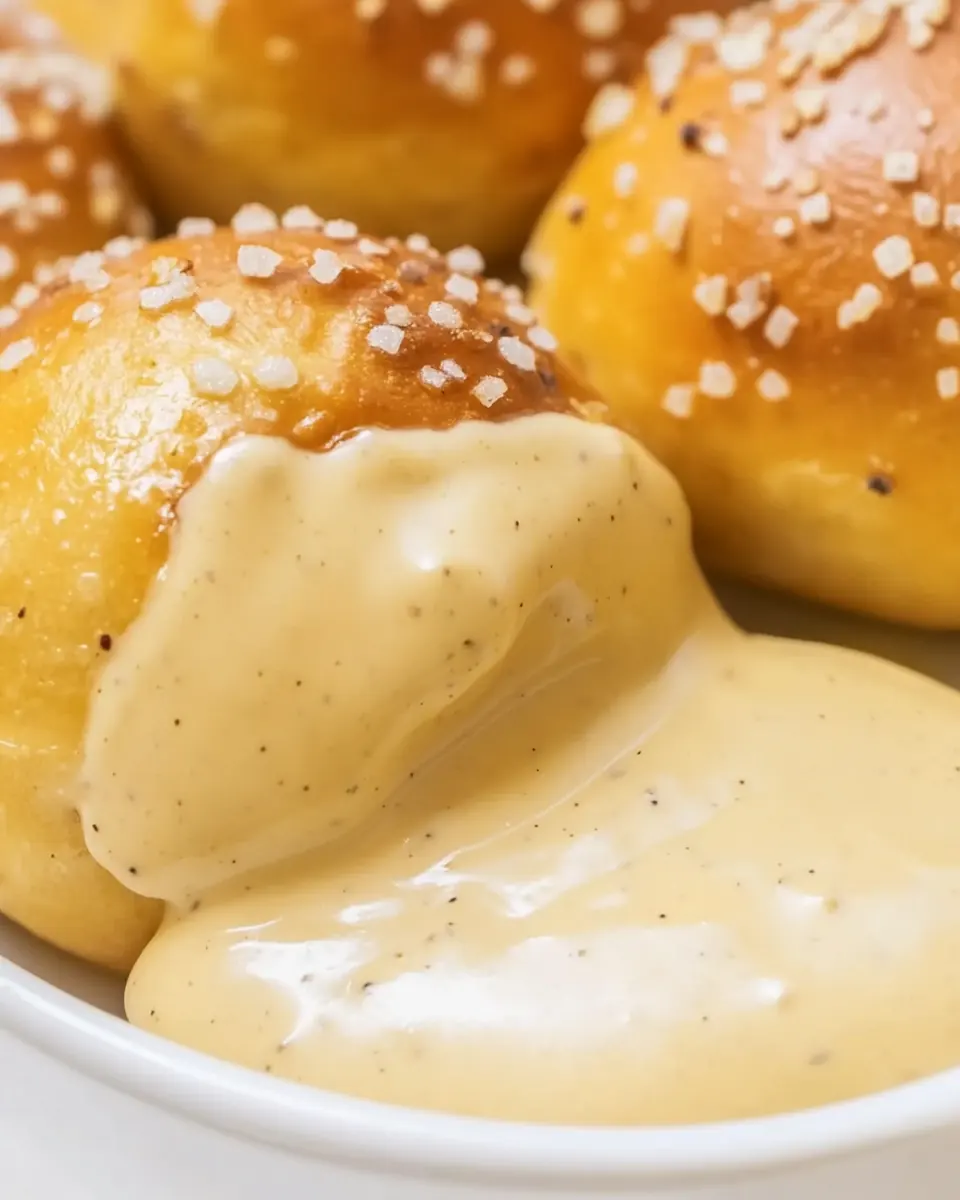
These ingredients are chosen to deliver a satisfyingly chewy pretzel with a rich, velvety cheddar sauce. The dough relies on a balance of warm water, yeast, and flour to create structure, while the baking soda bath and egg wash give the exterior its classic color and texture. The sauce uses a simple roux of butter and flour plus milk and grated cheddar to create a creamy finish that complements the salty bites.
- 1 1/2 cups water (lukewarm): Provide lukewarm liquid to activate the yeast and hydrate the dough; temperature should be warm to the touch but not hot to avoid killing yeast. Ensure measured volume for proper dough consistency and predictable rising times during proofing.
- 2 1/4 teaspoons instant rise yeast (1/4-ounce packet): Leaven the dough by producing carbon dioxide quickly for a reliable rise; sprinkle into lukewarm water so it dissolves and begins fermenting. Use the specified packet amount to match the recipe's rise expectations and avoid overproofing.
- 2 tablespoons butter (melted): Add richness and tenderize the dough while contributing to flavor; melt before measuring for accurate volume and even incorporation. Use as part of the fat balance to improve crumb softness and extend freshness.
- 1 tablespoon brown sugar: Sweeten slightly to feed the yeast and enhance browning of the crust; dissolve into the liquid so yeast has accessible sugars for fermentation. Keep to the specified amount to balance flavor without making dough overly sweet.
- 1 teaspoon salt: Enhance overall flavor and regulate gluten development and yeast activity; mix into the flour beforehand to distribute evenly. Adhere to the measurement to maintain proper seasoning and dough behavior during kneading.
- 3 cups flour (plus up to 1 more cup if dough is still sticky): Build structure and bulk for the pretzel dough while providing gluten-forming proteins; measure by spooning and leveling for accuracy. Add up to the extra cup only if the dough remains sticky, maintaining the recipe's texture balance.
- 1/2 cup baking soda: Create an alkaline bath for pretzels that produces the characteristic brown, glossy crust and distinct flavor; dissolve in boiling water before briefly dipping shaped dough pieces. Use the stated amount to ensure the correct surface reaction without overly altering taste.
- 1 egg (beaten): Glaze the pretzel bites to promote browning and help coarse salt adhere; beat before brushing on so it spreads evenly. Apply after the baking soda bath and prior to sprinkling salt for best appearance and texture.
- 1/2 tablespoon water: Thin the beaten egg for glazing so it brushes smoothly and covers evenly; mix with the egg to achieve a uniform wash. Use minimal water to adjust consistency without diluting color or adhesion.
- coarse salt (for sprinkling): Provide crunchy, salty topping that enhances texture and pretzel authenticity; sprinkle just before baking so crystals remain visible. Choose coarse salt to avoid dissolving quickly and to deliver bursts of flavor.
- 1/4 cup salted butter: Enrich and finish the cheddar sauce with buttery flavor and smooth mouthfeel; melt into the roux to form a glossy base. Use salted butter to contribute seasoning, adjusting other salt additions accordingly.
- 1/4 cup flour: Thicken the cheddar sauce by forming a roux when cooked with butter; whisk constantly to avoid lumps and achieve a smooth texture. Measure precisely to ensure the sauce reaches the proper consistency for coating or dipping.
- 2 1/4 cups whole milk: Contribute creaminess and body to the sauce while providing a neutral dairy base; heat gently to prevent scalding and skin formation. Measure carefully to balance thickness from the roux and melted cheese for a silky sauce.
- 2 cups mild cheddar cheese (grated): Deliver sharp, cheesy flavor and melt into the sauce for smoothness and depth; grate freshly for even melting and consistent texture. Add gradually to the warmed milk-roux mixture while stirring to avoid clumping.
- 1/4 teaspoon salt: Season the cheese sauce subtly to enhance overall flavor without overpowering cheddar; add to taste while considering salted butter and other sodium sources. Use the small amount to fine-tune balance and highlight the cheese.
- 1/4 teaspoon ground mustard powder: Boost savory complexity and brighten cheddar flavor with a touch of mustard heat; mix into the sauce to distribute evenly without creating pockets of spice. Use the powdered form for even incorporation and stable flavor.
- 1/4 teaspoon pepper: Add gentle heat and balance the savory profile of the sauce; whisk into the finished mixture to evenly distribute. Keep to a small pinch to complement cheddar without dominating the flavor.
Pretzel Bites with Cheddar Sauce Instructions
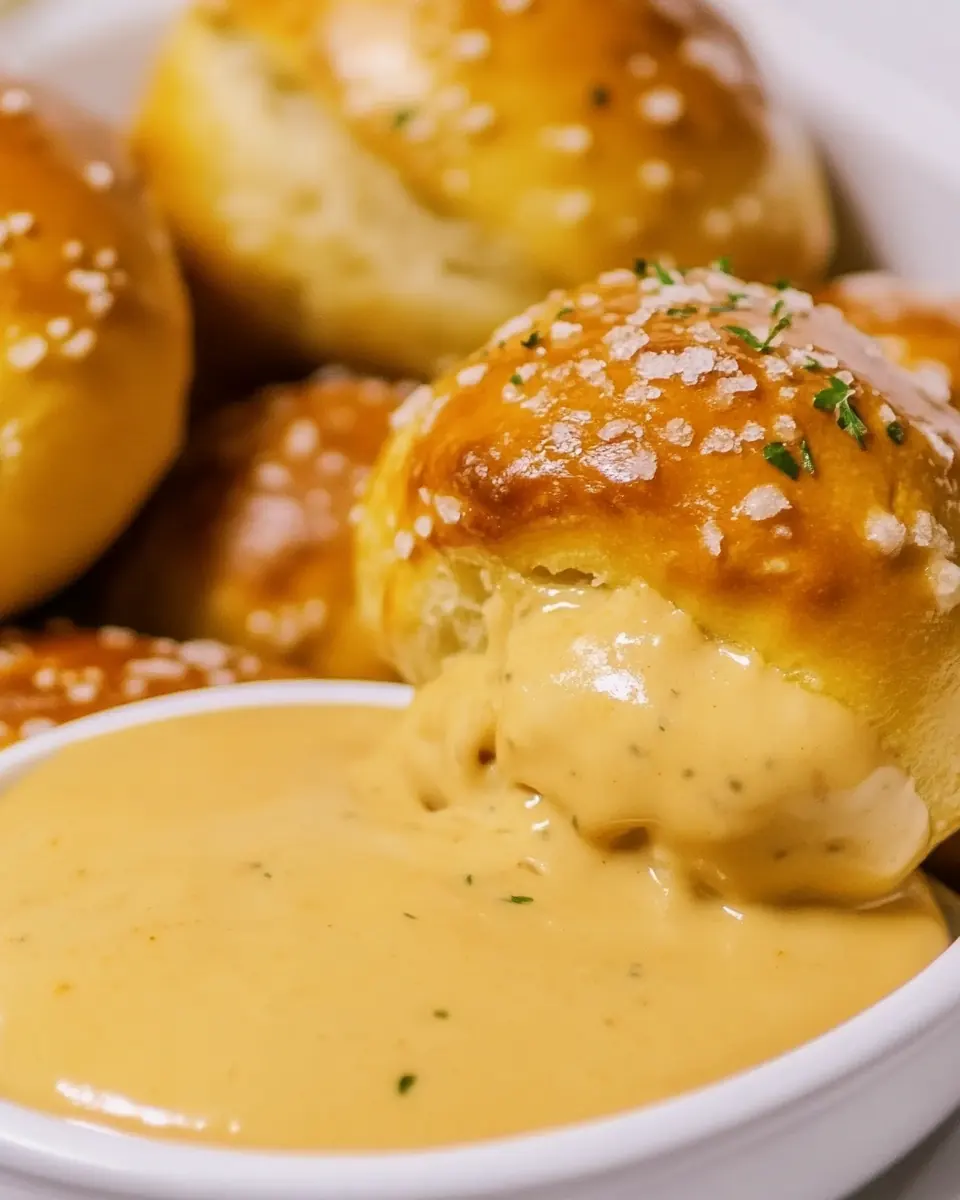
I like to keep the rhythm steady when making Pretzel Bites with Cheddar Sauce. Start by assembling your ingredients and tools so the process moves without pause, then follow the steps in order to build structure in the dough and a smooth, glossy sauce. The directions below are detailed so you can sense when things are right, and know how to fix common hiccups.
- In the bowl of a stand mixer, add warm water and instant yeast. Whisk together.: Right away you will notice a slight yeasty scent and a faint steam if the water is perfectly lukewarm, which signals active yeast ready to work. This step matters because it jumpstarts fermentation, encouraging a consistent rise and airy crumb. A common mistake is using water that is too hot, which will kill the yeast, or too cold, which slows activity. If you see no tiny bubbles or foam within about five to ten minutes, the yeast may be inactive, so consider swapping the packet. Keep the bowl draft free and at room temperature to help the yeast bloom evenly.
- Add the butter, brown sugar, and salt to the yeast mixture. Whisk until combined.: As you whisk, the mixture will turn slightly glossy and sweeter from the brown sugar dissolving into the warm water . The melted butter adds fat that will soften the dough, and the salt balances the sweetness while regulating yeast action. This combination builds flavor and texture, and properly mixing prevents pockets of salt that could locally inhibit the yeast. Avoid adding hot melted butter directly onto the yeast, which can reduce activity; let the butter cool just a touch before combining.
- Fit the dough hook on the mixer and turn on low speed. Slowly add in 3 cups of flour, 1/2 cup at a time, until the mixture is combined and pulling away from the sides.: As you add the flour , you will hear the mixture change from sloshy to a thicker, more cohesive mass, and it will start to clear the sides of the bowl. This is the gluten forming and structure building. Working slowly ensures even hydration and prevents a dry, floury texture. A typical pitfall is dumping all the flour at once, which can create uneven pockets and overwork the dough. Watch for the dough to clean the bowl and feel slightly tacky but not wet.
- If the dough is still sticky, add flour an additional 1/4 cup at a time until no longer sticky and the dough bounces back when poked with your finger.: The tactile bounce back is your cue that gluten has developed properly and the dough has elasticity. Adding flour gradually prevents it from becoming too dense. A sticky dough can be hard to shape, while an overly dry dough yields tough bites, so add the extra flour in measured increments and test by pressing lightly. If it takes too much flour to reach the right feel, you may have overworked the dough or mismeasured; start again with careful weighing next time.
- Place the dough onto a lightly floured surface. Knead by hand for 2 minutes and then shape into a ball. Place in a large mixing bowl that has been lightly coated with cooking spray. Cover and let rest for 10 minutes.: Kneading by hand for a short time smooths the surface and aligns the gluten strands, making shaping easier. The dough should feel pliable and slightly warm from friction. Resting allows relaxation so the dough becomes more extensible when shaping. Avoid leaving it uncovered, which forms a dry skin, and do not skip the rest, as skipping can make the ropes tear when rolling out.
- While your dough is resting, bring a large pot of water and baking soda to a boil. Cut dough into six equal pieces. Roll each piece into 1-inch-long ropes. Cut each rope into 1 1/2-inch bites.: The boiling soda bath needs to be ready when you finish shaping, since the bath gives the crust its character. The ropes should feel uniform and slightly springy. A pizza cutter is handy to get neat, even bites. Work efficiently so the dough does not dry out; if it becomes sticky while shaping, dust lightly with flour .
- Preheat the oven to 425°F and line two baking sheets with parchment paper.: As the oven comes to temperature you will sense a faint, clean heat, and preheating to the correct degree ensures even color development. Lining sheets with parchment prevents sticking and makes transfer easy. A common misstep is not fully preheating, which can cause uneven browning and longer bake time. If your oven runs hot or cold, use an oven thermometer for accuracy.
- Add each piece of cut dough into the boiling water (work in batches) and let cook for 20 seconds. Remove from the water with a slotted spoon and place pretzel bites on the baking sheets evenly spaced about an inch apart.: When the bites hit the soda water they will hiss softly and feel slightly firmer after the bath; this is the alkaline reaction working on the surface. The brief time in the bath is enough to develop the crust without over softening the interior. Use a slotted spoon to drain well so excess liquid does not steam the oven. Overcrowding the pot or leaving them too long will make the bites too dense or cause a gummy exterior.
- In a small bowl, combine egg and water. Beat together. Brush beaten egg wash over each pretzel bite and then sprinkle with coarse salt.: The egg wash creates the glossy, golden finish and helps the coarse salt stick. Brush evenly so each bite gets a thin coating, and apply the salt immediately so it adheres. Too much wash pools and can create soggy spots, so use sparingly. If you forget the wash, the bites will still taste good but will be paler and less shiny.
- Place the baking sheet in the oven and let bake for 12 to 15 minutes, or until golden brown.: During baking you will notice the aroma of toasting dough and butter; the surface should develop a deep golden brown with slight blisters. This color indicates proper Maillard reaction and flavor development. Rotate the sheets halfway if your oven has hot spots. A common error is removing them too early, leaving a pale exterior and doughy interior; aim for a confident golden hue.
- In a medium saucepan over medium-low, heat the butter. Once the butter is melted, add flour and whisk together until no lumps remain.: The melted butter sizzling gently signals the start of a roux, and whisking the flour in creates a smooth base for the sauce. Cook until the raw flour smell is gone, about one to two minutes, which prevents a chalky sauce. Stir continuously to avoid scorching; if browning occurs, lower the heat and scrape gently to combine.
- Turn heat to medium and slowly whisk in milk. Let cook over medium heat whisking often for about 5 minutes. The mixture will thicken as it cooks.: As you add the warm milk , the mixture will first loosen then gradually thicken into a velvety béchamel like texture. Whisking breaks up any lumps and promotes a silky finish. This step is critical because the sauce needs body to carry the cheddar . A rushed addition of cold milk can form lumps; if lumps appear, remove from heat and whisk vigorously or strain.
- Add cheese, salt, pepper, and ground mustard. Whisk to combine until smooth. Season with additional salt and pepper to taste.: As the grated cheddar melts in you will see the sauce turn glossy and smell richly of dairy and warm cheese. The mustard powder lifts the flavor, while the salt and pepper balance the richness. Keep heat moderate so the cheese melts smoothly without separating. If the sauce appears oily or grainy, reduce heat and whisk, or add a splash more milk to re emulsify.
Ways to Adapt This Recipe
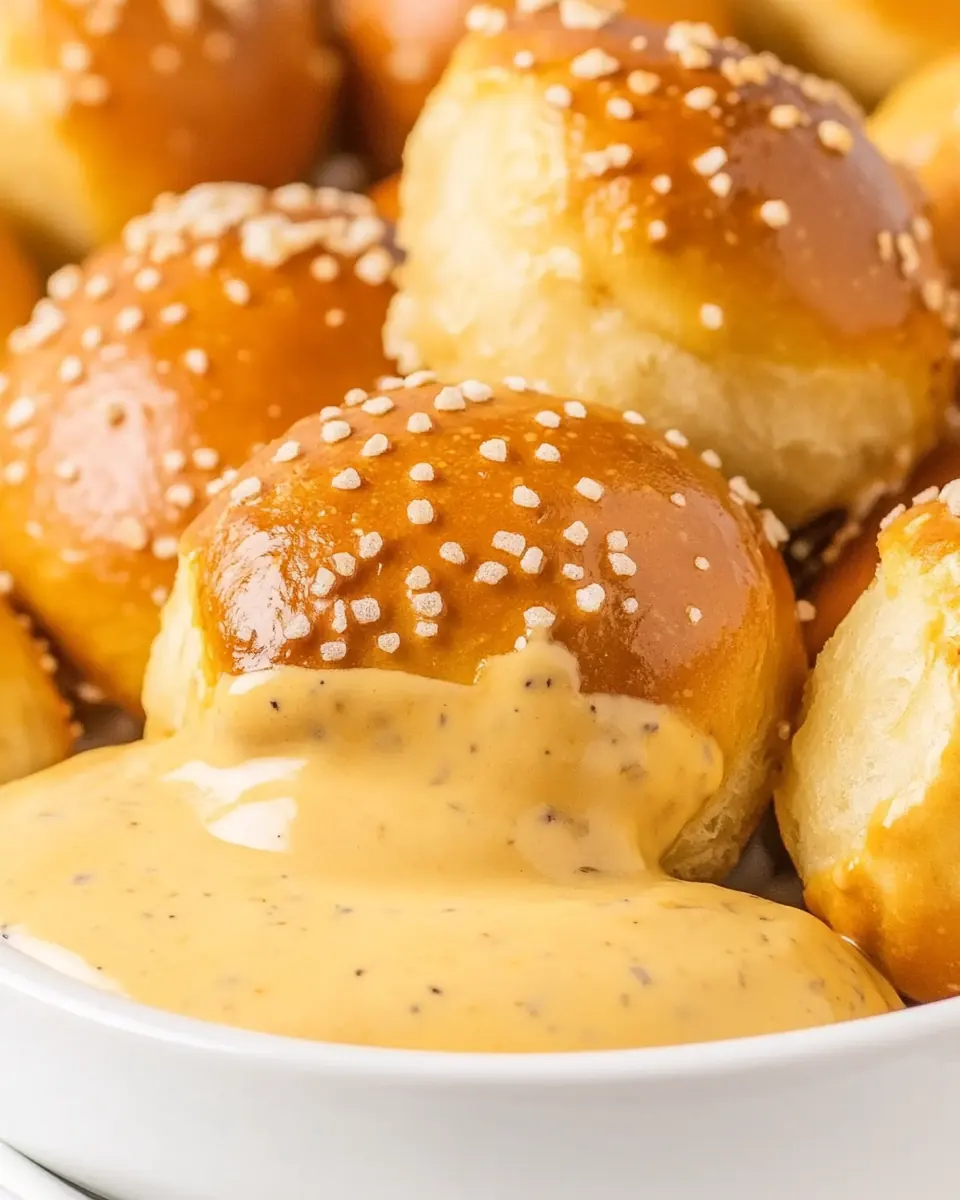
These adaptation ideas make Pretzel Bites with Cheddar Sauce more flexible for different occasions and preferences. Below are practical tips you can use to tweak texture, flavor, and ease of preparation without changing the core method.
- Use different cheeses: Try swapping some or all of the grated cheddar with a slightly sharper or milder cheese to adjust flavor intensity; combining cheeses can add complexity but be mindful of melt properties to keep the sauce smooth.
- Make ahead the dough: Refrigerate the shaped dough for up to 24 hours after the initial rest to develop flavor slowly; bring it back to room temperature before boiling to ensure even baking.
- Adjust salt level: If you prefer less sodium, skip the coarse salt topping or use a lighter sprinkle and taste the sauce before adding more salt, since both the butter and cheddar contribute saltiness.
- Use a pizza cutter for speed: To portion the ropes uniformly, a pizza cutter creates clean, even bites and speeds up prep, helping maintain consistent baking results across the tray.
- Keep sauce silky: Grate the cheddar fresh and melt gently over moderate heat to prevent oil separation; if the sauce seems grainy, lower the heat and whisk in a tablespoon of warm milk at a time until smooth.
- Cook in batches: If hosting a crowd, bake multiple trays sequentially and keep finished bites warm in a low oven to preserve texture while you finish the remaining batches.
Serving Ideas for Pretzel Bites with Cheddar Sauce
Serving these is half the fun. I like to present them hot with the sauce warm, and let guests assemble their own plates. Here are detailed ideas for occasions, pairings, and storage so you can make the most of every batch.
- Casual game night: Arrange the hot pretzel bites on a large board with a bowl of warm cheddar sauce in the center so guests can dunk and snack while playing.
- Party platter: Pair the bites with small bowls of additional dips that do not include ingredients outside the recipe, keeping the cheddar sauce as the star, and space them on a cloth lined tray for easy grabbing.
- Family movie night: Serve warm on a sheet tray with napkins and individual ramekins of sauce, encouraging everyone to share and pass around for a cozy, communal feeling.
- Weekend brunch: Add the bites to a savory spread with simple sides like a crisp salad or roasted vegetables, offering the cheese sauce on the side so it stays warm and thick.
- Storage tips: Keep baked bites in an airtight container at room temperature for up to one day, or refrigerate for up to three days. Reheat in a 350°F oven until warm to restore some crispness, and warm the sauce gently on the stovetop, whisking in a splash of milk if needed.
- Seasonal pairings: In colder months, serve alongside a warm bowl of soup for a hearty combo, and in warmer months, present with light, crisp salads so the richness stays balanced.
FAQ
Conclusion
What makes this recipe special is the combination of a classic pretzel texture with a homemade, silky cheddar sauce that invites sharing and conversation. The method is approachable and forgiving, making it ideal for both beginners and experienced bakers who want a satisfying, crowd pleasing snack. Try it for your next gathering, game night, or cozy evening in, and watch how quickly the platter empties. With just a bit of attention to the dough feel and sauce technique, you can create a memorable snack that becomes a regular request in your home.
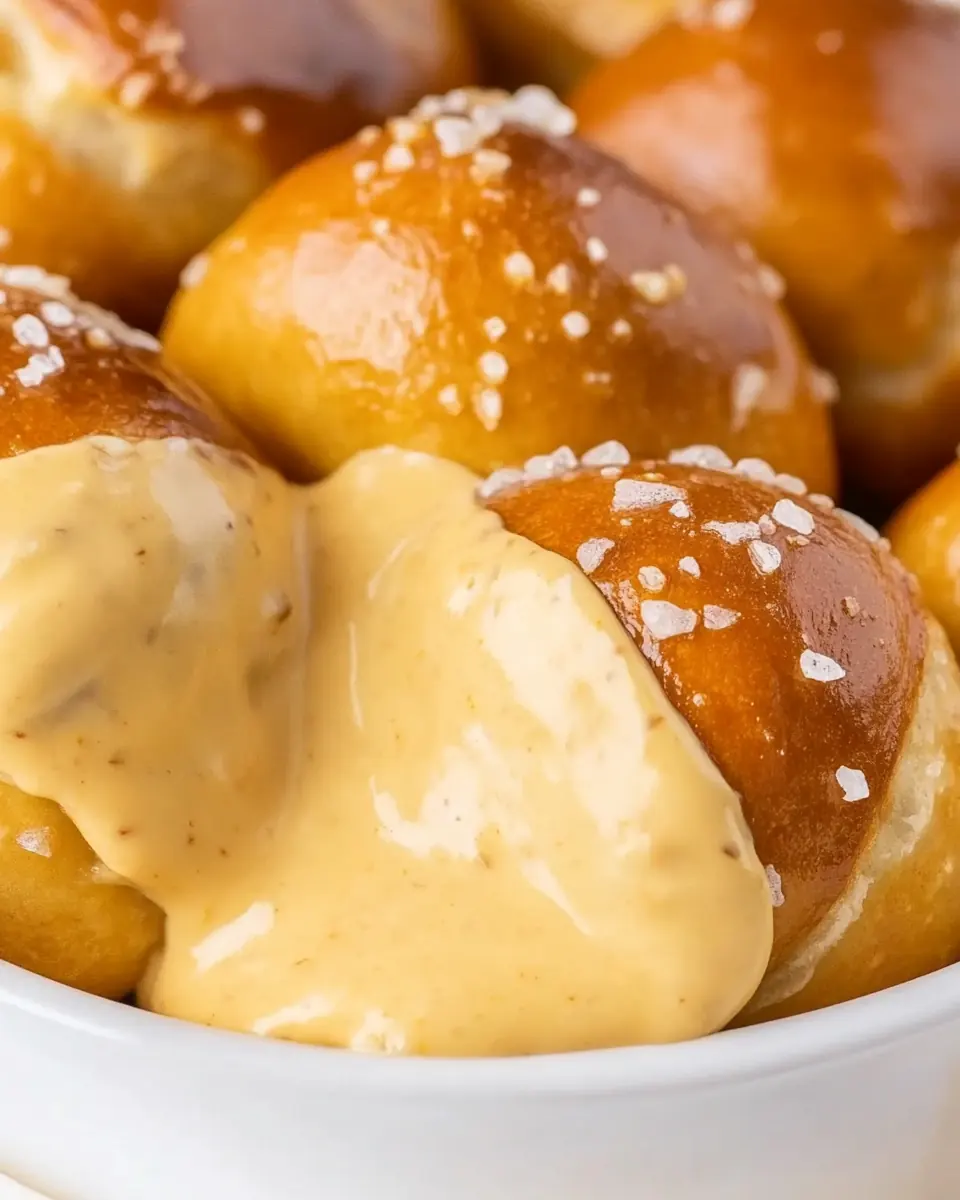
Pretzel Bites with Cheddar Sauce
Ingredients
Equipment
Method
- In the bowl of a stand mixer, add warm water and instant yeast. Whisk together.: Right away you will notice a slight yeasty scent and a faint steam if the water is perfectly lukewarm, which signals active yeast ready to work. This step matters because it jumpstarts fermentation, encouraging a consistent rise and airy crumb. A common mistake is using water that is too hot, which will kill the yeast, or too cold, which slows activity. If you see no tiny bubbles or foam within about five to ten minutes, the yeast may be inactive, so consider swapping the packet. Keep the bowl draft free and at room temperature to help the yeast bloom evenly.
- Add the butter, brown sugar, and salt to the yeast mixture. Whisk until combined.: As you whisk, the mixture will turn slightly glossy and sweeter from the brown sugar dissolving into the warm water . The melted butter adds fat that will soften the dough, and the salt balances the sweetness while regulating yeast action. This combination builds flavor and texture, and properly mixing prevents pockets of salt that could locally inhibit the yeast. Avoid adding hot melted butter directly onto the yeast, which can reduce activity; let the butter cool just a touch before combining.
- Fit the dough hook on the mixer and turn on low speed. Slowly add in 3 cups of flour, 1/2 cup at a time, until the mixture is combined and pulling away from the sides.: As you add the flour , you will hear the mixture change from sloshy to a thicker, more cohesive mass, and it will start to clear the sides of the bowl. This is the gluten forming and structure building. Working slowly ensures even hydration and prevents a dry, floury texture. A typical pitfall is dumping all the flour at once, which can create uneven pockets and overwork the dough. Watch for the dough to clean the bowl and feel slightly tacky but not wet.
- If the dough is still sticky, add flour an additional 1/4 cup at a time until no longer sticky and the dough bounces back when poked with your finger.: The tactile bounce back is your cue that gluten has developed properly and the dough has elasticity. Adding flour gradually prevents it from becoming too dense. A sticky dough can be hard to shape, while an overly dry dough yields tough bites, so add the extra flour in measured increments and test by pressing lightly. If it takes too much flour to reach the right feel, you may have overworked the dough or mismeasured; start again with careful weighing next time.
- Place the dough onto a lightly floured surface. Knead by hand for 2 minutes and then shape into a ball. Place in a large mixing bowl that has been lightly coated with cooking spray. Cover and let rest for 10 minutes.: Kneading by hand for a short time smooths the surface and aligns the gluten strands, making shaping easier. The dough should feel pliable and slightly warm from friction. Resting allows relaxation so the dough becomes more extensible when shaping. Avoid leaving it uncovered, which forms a dry skin, and do not skip the rest, as skipping can make the ropes tear when rolling out.
- While your dough is resting, bring a large pot of water and baking soda to a boil. Cut dough into six equal pieces. Roll each piece into 1-inch-long ropes. Cut each rope into 1 1/2-inch bites.: The boiling soda bath needs to be ready when you finish shaping, since the bath gives the crust its character. The ropes should feel uniform and slightly springy. A pizza cutter is handy to get neat, even bites. Work efficiently so the dough does not dry out; if it becomes sticky while shaping, dust lightly with flour .
- Preheat the oven to 425°F and line two baking sheets with parchment paper.: As the oven comes to temperature you will sense a faint, clean heat, and preheating to the correct degree ensures even color development. Lining sheets with parchment prevents sticking and makes transfer easy. A common misstep is not fully preheating, which can cause uneven browning and longer bake time. If your oven runs hot or cold, use an oven thermometer for accuracy.
- Add each piece of cut dough into the boiling water (work in batches) and let cook for 20 seconds. Remove from the water with a slotted spoon and place pretzel bites on the baking sheets evenly spaced about an inch apart.: When the bites hit the soda water they will hiss softly and feel slightly firmer after the bath; this is the alkaline reaction working on the surface. The brief time in the bath is enough to develop the crust without over softening the interior. Use a slotted spoon to drain well so excess liquid does not steam the oven. Overcrowding the pot or leaving them too long will make the bites too dense or cause a gummy exterior.
- In a small bowl, combine egg and water. Beat together. Brush beaten egg wash over each pretzel bite and then sprinkle with coarse salt.: The egg wash creates the glossy, golden finish and helps the coarse salt stick. Brush evenly so each bite gets a thin coating, and apply the salt immediately so it adheres. Too much wash pools and can create soggy spots, so use sparingly. If you forget the wash, the bites will still taste good but will be paler and less shiny.
- Place the baking sheet in the oven and let bake for 12 to 15 minutes, or until golden brown.: During baking you will notice the aroma of toasting dough and butter; the surface should develop a deep golden brown with slight blisters. This color indicates proper Maillard reaction and flavor development. Rotate the sheets halfway if your oven has hot spots. A common error is removing them too early, leaving a pale exterior and doughy interior; aim for a confident golden hue.
- In a medium saucepan over medium-low, heat the butter. Once the butter is melted, add flour and whisk together until no lumps remain.: The melted butter sizzling gently signals the start of a roux, and whisking the flour in creates a smooth base for the sauce. Cook until the raw flour smell is gone, about one to two minutes, which prevents a chalky sauce. Stir continuously to avoid scorching; if browning occurs, lower the heat and scrape gently to combine.
- Turn heat to medium and slowly whisk in milk. Let cook over medium heat whisking often for about 5 minutes. The mixture will thicken as it cooks.: As you add the warm milk , the mixture will first loosen then gradually thicken into a velvety béchamel like texture. Whisking breaks up any lumps and promotes a silky finish. This step is critical because the sauce needs body to carry the cheddar . A rushed addition of cold milk can form lumps; if lumps appear, remove from heat and whisk vigorously or strain.
- Add cheese, salt, pepper, and ground mustard. Whisk to combine until smooth. Season with additional salt and pepper to taste.: As the grated cheddar melts in you will see the sauce turn glossy and smell richly of dairy and warm cheese. The mustard powder lifts the flavor, while the salt and pepper balance the richness. Keep heat moderate so the cheese melts smoothly without separating. If the sauce appears oily or grainy, reduce heat and whisk, or add a splash more milk to re emulsify.
Notes
- Use different cheeses: Try swapping some or all of the grated cheddar with a slightly sharper or milder cheese to adjust flavor intensity; combining cheeses can add complexity but be mindful of melt properties to keep the sauce smooth.
- Make ahead the dough: Refrigerate the shaped dough for up to 24 hours after the initial rest to develop flavor slowly; bring it back to room temperature before boiling to ensure even baking.
- Adjust salt level: If you prefer less sodium, skip the coarse salt topping or use a lighter sprinkle and taste the sauce before adding more salt, since both the butter and cheddar contribute saltiness.
- Use a pizza cutter for speed: To portion the ropes uniformly, a pizza cutter creates clean, even bites and speeds up prep, helping maintain consistent baking results across the tray.
- Keep sauce silky: Grate the cheddar fresh and melt gently over moderate heat to prevent oil separation; if the sauce seems grainy, lower the heat and whisk in a tablespoon of warm milk at a time until smooth.
- Cook in batches: If hosting a crowd, bake multiple trays sequentially and keep finished bites warm in a low oven to preserve texture while you finish the remaining batches.