Tzatziki Sauce
Tzatziki Sauce is the kind of condiment I reach for when I want something refreshingly simple yet deeply satisfying, and it has quietly become my go to for weeknight dinners and casual gatherings alike.
I remember the first time I made Tzatziki Sauce from scratch, standing at the counter with a bowl of tangy yogurt and a mound of cucumbers, feeling like I was assembling a tiny flavor symphony. The kitchen smelled faintly of lemon and garlic, and I found myself sampling tiny spoonfuls as the sauce came together, each bite cooler and brighter than the last. That ritual of tasting as you go made the process feel personal, like tuning an instrument until it sings.
Over time I’ve learned small habits that make a big difference, like salting the cucumbers to keep the sauce from becoming watery, and letting everything rest in the fridge so flavors can marry. When I bring out a bowl of Tzatziki Sauce, people always comment on the silkiness and the fresh herb lift. It pairs with so many things, yet it never feels generic. It’s both humble and celebratory, which is the reason I keep a jar ready most summers.
Whether you’re spooning it over grilled vegetables, serving it with flatbread, or using it as a cooling counterpoint to spicy dishes, the rhythm of making Tzatziki Sauce is comforting. You’ll find that once you taste the bright lemon, the punch of garlic, and the cool cucumber against creamy yogurt, it becomes a staple you return to again and again.
Recipe Snapshot
30 mins
30 mins
0 mins
Medium
150 kcal
Mediterranean
Keto, Gluten-Free
Appetizers
Colander, Food Processor, Paper Towel, Fine Sieve or Cheesecloth
The Magic of This Tzatziki Sauce
Freshness that sings
I love how Tzatziki Sauce relies on a handful of vibrant ingredients to deliver a really bright result. The combination of Greek Yogurt, lemon, and crisp cucumber creates a light, clean flavor that complements heavy dishes without competing.
Texture mastery
The silky thickness from strained yogurt and the restrained crunch of well drained cucumber give the sauce a wonderful mouthfeel. I find that texture matters as much as flavor, and this recipe nails both.
Versatility at the table
I often use Tzatziki Sauce as a dip, a spread, or a dressing. It brightens grilled vegetables, anchors sandwiches, and refreshes spicy plates. That flexibility is why it lives in my fridge during the warm months.
Easy to make, easy to tweak
Because the base is so simple, you can easily adjust acidity, garlic level, or herb amounts to your taste. I like a touch more dill on weekends and a little extra lemon when serving with richer foods.
Lasts well with care
With a quick drain and stir each time you use it, Tzatziki Sauce keeps in the refrigerator for several days, which makes it a practical choice when I want something ready to go for quick meals.
Recipe Ingredients for Tzatziki Sauce
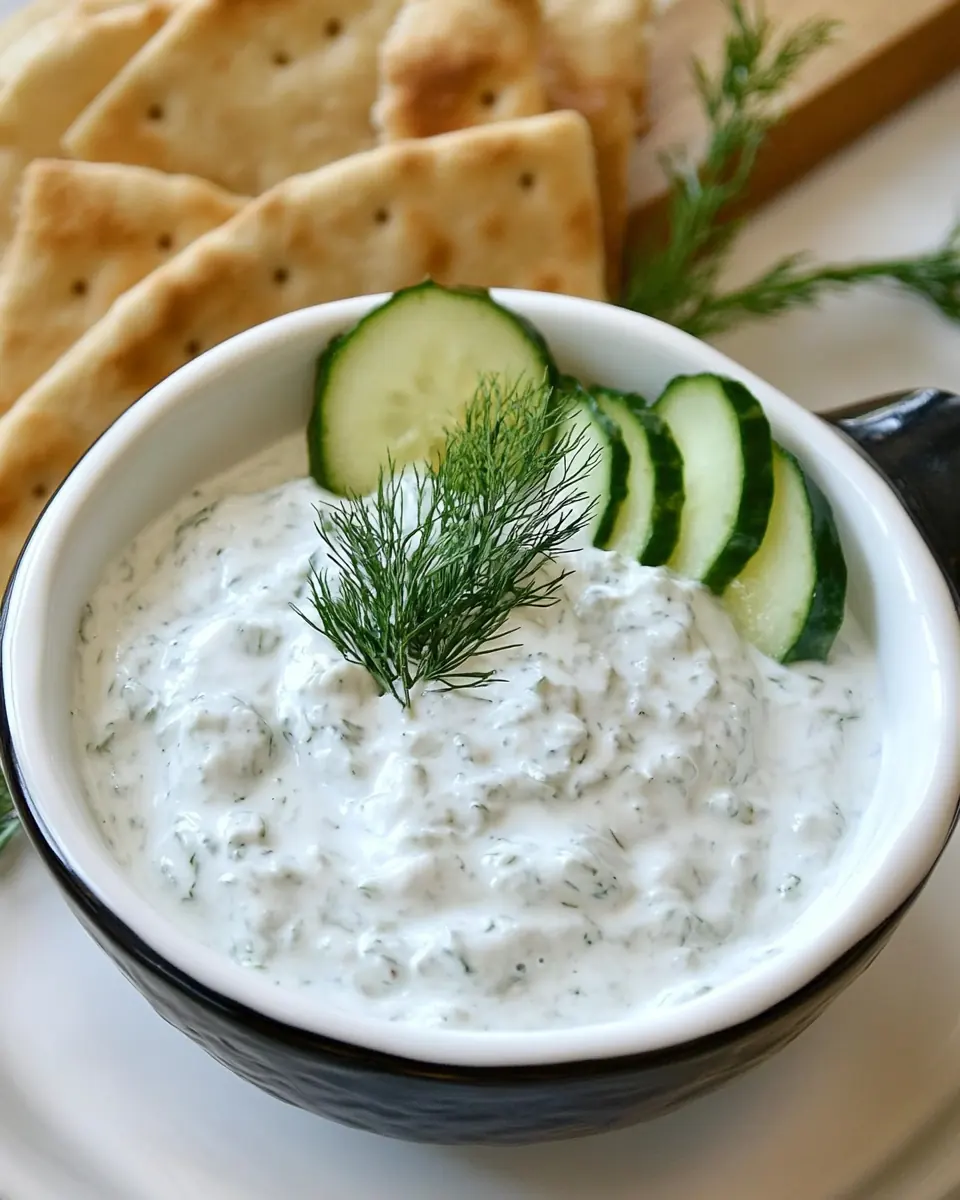
These ingredients are deliberately simple, each one playing a clear role. The thick Greek Yogurt forms the creamy backbone, the cucumber provides cooling freshness and texture, garlic adds savory bite, and dill brings an herby lift. Together they create a balanced sauce that is bright, creamy, and full of personality.
- 3 cup s Greek Yogurt (or regular plain yogurt, strained through a filter for several hours): Provide tangy creaminess and body to the sauce, offering a thick, cooling base that balances acidity; use Greek yogurt for a firmer texture or strain regular plain yogurt for several hours to achieve similar thickness. Add slowly and taste as you go to maintain desired consistency and avoid overpowering other flavors.
- juice of one lemon (about 3 T): Brighten and add fresh acidity to the sauce, cutting through the richness of the yogurt; approximately three tablespoons of lemon juice is a good starting point for balanced brightness. Adjust amount to taste to ensure the final sauce is lively but not overly sour.
- 1 garlic clove, chopped: Lend pungent, savory depth and aromatic bite when minced finely; garlic also contributes complexity and a subtle heat that complements cucumber and dill. Incorporate a small clove initially and increase cautiously to avoid dominating the delicate yogurt base.
- 2 medium cucumbers, seeded and diced: Introduce crisp, watery texture and cool vegetal flavor after seeding and dicing, providing essential freshness and body to the sauce; proper seeding prevents excess moisture. Salt and drain or squeeze diced cucumbers to remove extra liquid so the sauce maintains a thick consistency.
- about 1 T kosher salt for salting cucumbers: Draw out excess moisture from the cucumbers and season them before combining, helping preserve sauce texture and intensify cucumber flavor; about one tablespoon of kosher salt is recommended for salting. Rinse or pat cucumbers dry after salting if needed to avoid over-salting the final sauce.
- 1 T finely chopped fresh dill (see notes): Add fragrant, herbaceous brightness and a classic Mediterranean flavor that pairs naturally with yogurt and cucumber; finely chop to release oils and distribute flavor evenly. Tuck the dill into the sauce near the end of mixing to preserve its fresh aroma.
- Kosher salt and fresh ground black pepper to taste: Season and adjust overall flavor balance with salt and freshly ground black pepper to taste; use sparingly at first and taste, as earlier salting steps may have already contributed sodium. Finish by tasting the sauce and adding increments of seasoning until flavors are harmonious.
Making Tzatziki Sauce
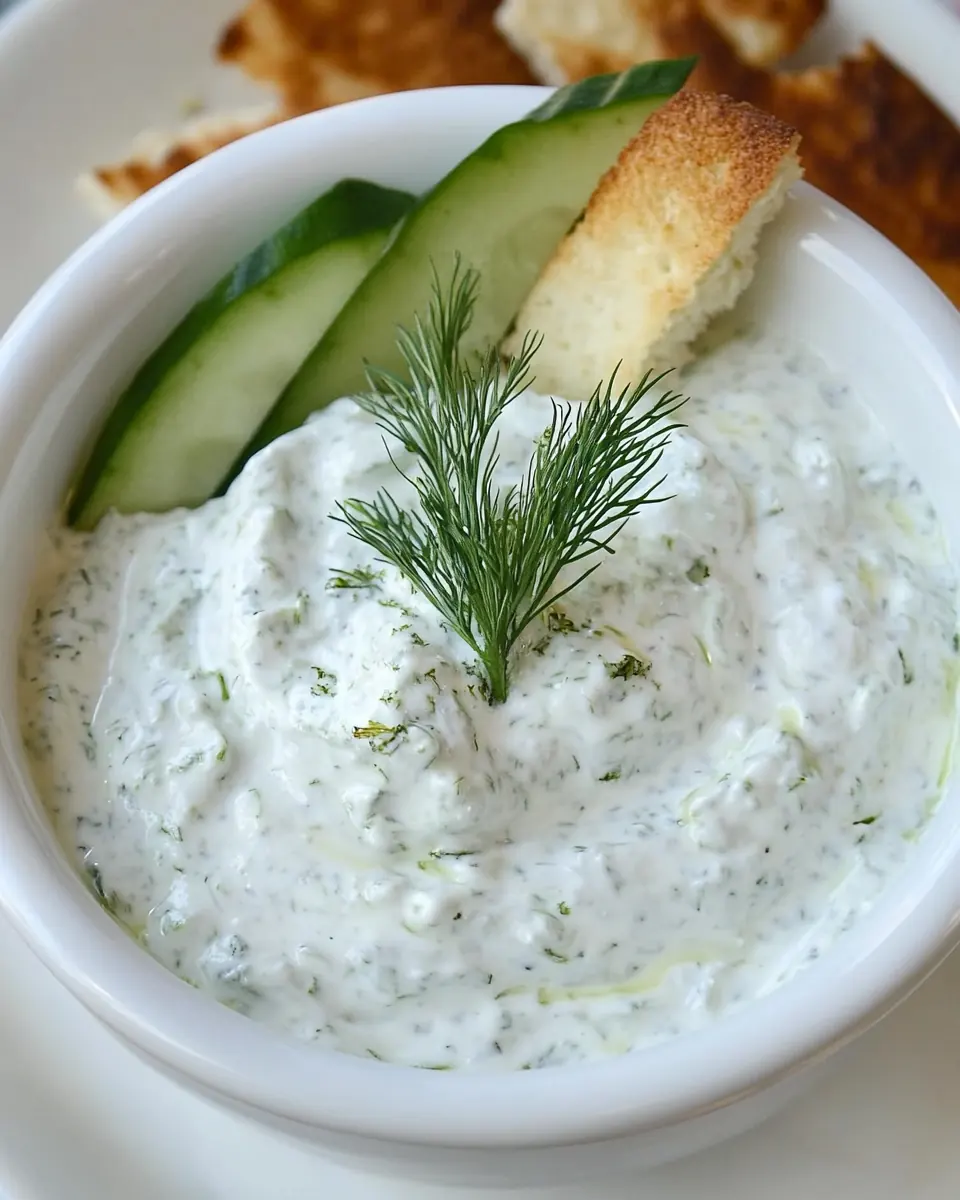
This recipe is a calm, methodical process. You will do a little prepping, let the ingredients mingle, and then finalize the seasoning. The steps are straightforward, and patience during resting makes all the difference.
- If you don't have Greek yogurt, strain plain yogurt for several hours until it thickens. (See photos above for how to do that.): The first sensory clue you notice while straining is a thicker, creamier texture forming in the bowl, and a faint, slightly tangy aroma that becomes more concentrated. Straining is essential because it removes watery whey and yields a silkier mouthfeel, which helps the sauce coat bread and vegetables instead of running off. A common mistake is rushing this step by using unstrained plain yogurt, which results in a thin, watery sauce that lacks body. If you skip straining, the final texture will be loose and the flavor diluted, so give yourself those extra hours in the fridge for a concentrated, luscious base.
- Peel cucumbers, then cut in half lengthwise and take a small spoon and scrape out seeds. Discard seeds. (If you use the small seedless or European cucumbers with fewer seeds, you can skip this step.): As you scrape the seeds, you will see clear, watery gel and the pale seeds lift away, leaving firmer cucumber flesh, which looks brighter and more vivid. Removing seeds reduces extra moisture and prevents a soggy final sauce, and it keeps the texture pleasant and slightly crisp. A pitfall here is leaving the seeds in, which can make the sauce feel slimy and overly wet, so be deliberate and thorough with the spoon to ensure you remove most of the moisture filled center.
- Slice cucumbers, then put in a colander, sprinkle on 1 T salt, and let stand for 30 minutes to draw out water. Drain well and wipe dry with paper towel.: During this resting period you will notice small pools of liquid collecting below the cucumbers, and the sliced pieces will look slightly translucent as they release moisture. This salting concentrates flavor and prevents dilution of the yogurt , which is crucial for a creamy, stable sauce. One common error is not pressing or draining afterward, leaving excess brine in the cucumber, so make sure to drain thoroughly and pat dry to remove most of that salty liquid before combining with the other ingredients.
- In food processor with steel blade, add cucumbers, garlic, lemon juice, dill, and a few grinds of black pepper. Process until well blended, then stir this mixture into the yogurt. Taste before adding any extra salt, then salt if needed.: When you press the cucumber pieces, they will yield little bursts of water and feel lighter in your hand, which signals they are ready. Drying ensures the sauce remains thick and not runny, preserving the textural contrast between creamy yogurt and crisp cucumber . People sometimes skip drying and wind up with a thin sauce, so take a minute to blot well, especially if you strained the yogurt for maximum creaminess.
- Place in refrigerator for at least two hours before serving so flavors can blend. (This resting time is very important.): Once you run the processor you will hear a steady whirr and smell the bright citrus and sharp garlic emerge, signaling the flavors are melding. Processing until well blended creates a uniform base that distributes the herb and garlic notes evenly. Avoid over processing into a puree if you prefer some cucumber texture; over blending will produce a smoother, less interesting mouthfeel. A common oversight is pulsing too long, so aim for a few short pulses unless you want a completely smooth texture.
- When you're ready to serve, season Tzatziki to taste with salt and fresh-ground black pepper.: When you fold the cucumber mixture into the yogurt , the colors will marry, and the aroma becomes fresher and more layered. Stirring by hand preserves some texture, while fully incorporating ensures every bite has balanced flavor. The 'why' here is that folding integrates moisture gradually so the yogurt remains thick, rather than suddenly thinning out. Avoid dumping everything in at once and over stirring, which can break down the texture; gentle, steady incorporation is best.
- This will keep for a few days or more in the refrigerator, but you will need to drain off any water and stir each time you use it.: As you taste the sauce you will notice how the acidity of the lemon and the savor of the garlic play against the creamy yogurt , and you can decide if a touch more salt or pepper will round it out. Seasoning at the end is important because the earlier salting of the cucumbers may have already contributed a fair amount of salt. A misstep is adding salt blindly, which can make the sauce too salty; always taste and adjust incrementally, balancing brightness and seasoning carefully.
- Place in refrigerator for at least two hours before serving so flavors can blend.: During chilling, the flavors mellow and meld, and the sauce will smell more rounded and harmonious when you open the container. Resting deepens the connection between the herbal, citrus, and dairy notes, leading to a more cohesive taste. The common error is serving immediately, which leaves the flavors blunt and underdeveloped; patience here yields a more integrated sauce.
- When you're ready to serve, season Tzatziki to taste with salt and fresh-ground black pepper.: Right before serving, the final aroma becomes lively again as the cold sauce meets room air, and a last-minute seasoning brightens it. Finishing touches let you correct any slight under seasoning and present the sauce at its best. A typical mistake is over seasoning at this point; add small amounts and taste since chilling can mute flavors slightly, but you want the balance to feel natural and fresh.
- This will keep for a few days or more in the refrigerator, but you will need to drain off any water and stir each time you use it.: As it sits, you may observe a thin liquid layer form on top, which is normal and easy to manage by draining and giving the sauce a quick stir to reincorporate solids. This preserves texture and flavor between uses. Neglecting to drain and stir will lead to a watery, separated serving each time, so routinely toss that excess for the best experience.
Helpful Notes about Tzatziki Sauce
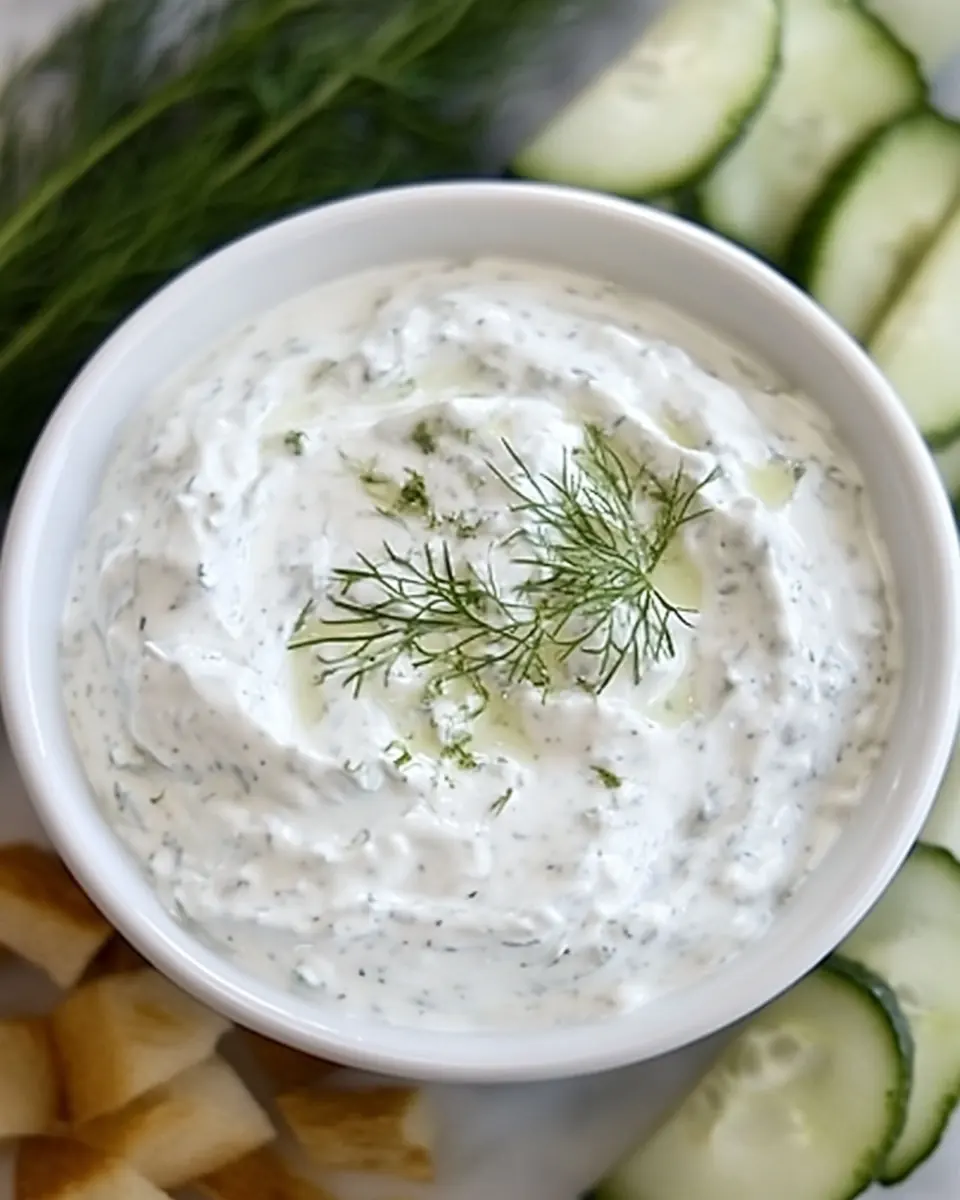
Here are practical notes I use every time I make Tzatziki Sauce. They cover texture, timing, and seasoning, and they are the small tricks that give the sauce a reliably excellent result.
- Straining time matters, if you are using plain yogurt, strain it for several hours or overnight in a fine sieve or cheesecloth to remove whey and concentrate flavor and texture.
- Salt the cucumbers, sprinkle about 1 tablespoon of kosher salt over the sliced cucumbers and let them sit for 30 minutes, then drain and blot to remove excess water for a non watery final sauce.
- Garlic intensity, add garlic gradually and taste as you go, since raw garlic can overpower the bright flavors; finely chopping or crushing helps it meld without harsh bites.
- Chill for depth, refrigerate the sauce for at least two hours so the flavors harmonize; overnight resting will yield an even more integrated result.
- Storage care, keep the sauce in an airtight container and if liquid separates, pour off the excess and stir to recombine before serving to maintain the creamy texture.
Perfect Pairings for Tzatziki Sauce
Tzatziki Sauce is wonderfully flexible at the table. It acts as a cooling complement to spiced mains, a fresh dip for raw vegetables, and a bright spread for sandwiches and wraps. Below I list pairing ideas, occasions, and storage suggestions in practical detail.
- Grilled vegetables, serve spoonfuls alongside charred zucchini, eggplant, or bell peppers for a cooling contrast that highlights the grill’s smoky notes.
- Flatbreads and pita, warm pita or flatbread brushed lightly with olive oil pairs beautifully with chilled Tzatziki Sauce as a casual appetizer or snack for guests.
- Mezedes and appetizers, include it on a small plates spread with olives, roasted peppers, and cheeses for a Mediterranean inspired starter that invites sharing.
- Sandwich spread, use as a creamy layer in wraps or sandwiches to add moisture and brightness without heaviness, especially with roasted vegetables or grilled proteins.
- Occasions, great for summer barbecues, casual lunches, Ramadan iftar spreads, and light dinners when you want something cooling and restorative.
- Storage tips, keep refrigerated in an airtight container for several days, and if liquid accumulates, drain and stir before each use to restore texture and flavor.
- Seasonal pairings, shines in warm months when cucumbers are at their sweetest, and works well with spring herbs and summer produce to make bright, seasonal plates.
FAQ
Conclusion
Tzatziki Sauce stands out for its perfect balance of cooling cucumber, tangy yogurt, bright lemon, and aromatic dill, giving a creamy yet refreshing finish to many dishes. I encourage you to try it because the simple steps and short resting time reward you with a versatile condiment that transforms everything from flatbreads to grilled vegetables. Make a batch, let it chill, and enjoy how a few fresh ingredients elevate your meals with minimal effort.
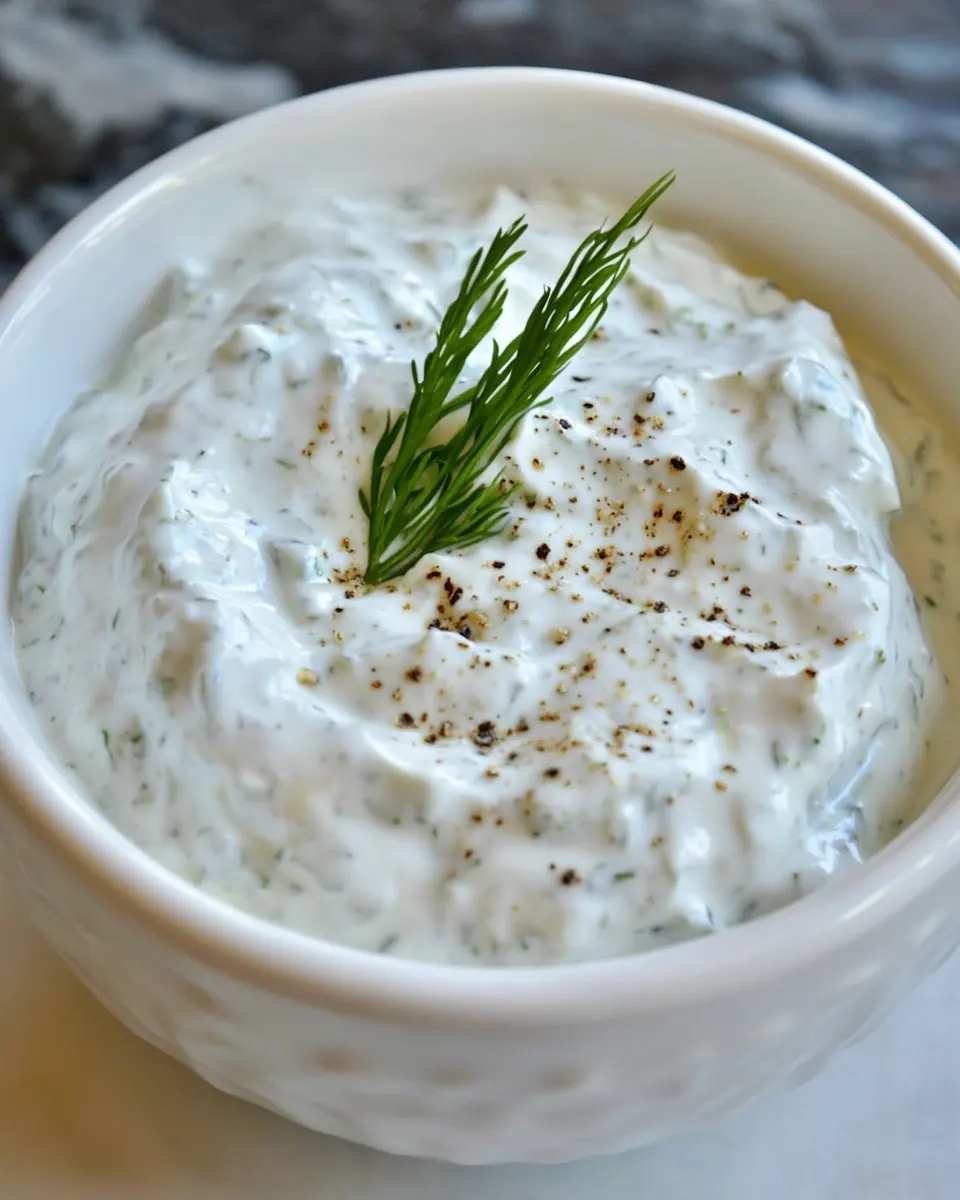
Tzatziki Sauce
Ingredients
Equipment
Method
- If you don't have Greek yogurt, strain plain yogurt for several hours until it thickens. (See photos above for how to do that.): The first sensory clue you notice while straining is a thicker, creamier texture forming in the bowl, and a faint, slightly tangy aroma that becomes more concentrated. Straining is essential because it removes watery whey and yields a silkier mouthfeel, which helps the sauce coat bread and vegetables instead of running off. A common mistake is rushing this step by using unstrained plain yogurt, which results in a thin, watery sauce that lacks body. If you skip straining, the final texture will be loose and the flavor diluted, so give yourself those extra hours in the fridge for a concentrated, luscious base.
- Peel cucumbers, then cut in half lengthwise and take a small spoon and scrape out seeds. Discard seeds. (If you use the small seedless or European cucumbers with fewer seeds, you can skip this step.): As you scrape the seeds, you will see clear, watery gel and the pale seeds lift away, leaving firmer cucumber flesh, which looks brighter and more vivid. Removing seeds reduces extra moisture and prevents a soggy final sauce, and it keeps the texture pleasant and slightly crisp. A pitfall here is leaving the seeds in, which can make the sauce feel slimy and overly wet, so be deliberate and thorough with the spoon to ensure you remove most of the moisture filled center.
- Slice cucumbers, then put in a colander, sprinkle on 1 T salt, and let stand for 30 minutes to draw out water. Drain well and wipe dry with paper towel.: During this resting period you will notice small pools of liquid collecting below the cucumbers, and the sliced pieces will look slightly translucent as they release moisture. This salting concentrates flavor and prevents dilution of the yogurt , which is crucial for a creamy, stable sauce. One common error is not pressing or draining afterward, leaving excess brine in the cucumber, so make sure to drain thoroughly and pat dry to remove most of that salty liquid before combining with the other ingredients.
- In food processor with steel blade, add cucumbers, garlic, lemon juice, dill, and a few grinds of black pepper. Process until well blended, then stir this mixture into the yogurt. Taste before adding any extra salt, then salt if needed.: When you press the cucumber pieces, they will yield little bursts of water and feel lighter in your hand, which signals they are ready. Drying ensures the sauce remains thick and not runny, preserving the textural contrast between creamy yogurt and crisp cucumber . People sometimes skip drying and wind up with a thin sauce, so take a minute to blot well, especially if you strained the yogurt for maximum creaminess.
- Place in refrigerator for at least two hours before serving so flavors can blend. (This resting time is very important.): Once you run the processor you will hear a steady whirr and smell the bright citrus and sharp garlic emerge, signaling the flavors are melding. Processing until well blended creates a uniform base that distributes the herb and garlic notes evenly. Avoid over processing into a puree if you prefer some cucumber texture; over blending will produce a smoother, less interesting mouthfeel. A common oversight is pulsing too long, so aim for a few short pulses unless you want a completely smooth texture.
- When you're ready to serve, season Tzatziki to taste with salt and fresh-ground black pepper.: When you fold the cucumber mixture into the yogurt , the colors will marry, and the aroma becomes fresher and more layered. Stirring by hand preserves some texture, while fully incorporating ensures every bite has balanced flavor. The 'why' here is that folding integrates moisture gradually so the yogurt remains thick, rather than suddenly thinning out. Avoid dumping everything in at once and over stirring, which can break down the texture; gentle, steady incorporation is best.
- This will keep for a few days or more in the refrigerator, but you will need to drain off any water and stir each time you use it.: As you taste the sauce you will notice how the acidity of the lemon and the savor of the garlic play against the creamy yogurt , and you can decide if a touch more salt or pepper will round it out. Seasoning at the end is important because the earlier salting of the cucumbers may have already contributed a fair amount of salt. A misstep is adding salt blindly, which can make the sauce too salty; always taste and adjust incrementally, balancing brightness and seasoning carefully.
- Place in refrigerator for at least two hours before serving so flavors can blend.: During chilling, the flavors mellow and meld, and the sauce will smell more rounded and harmonious when you open the container. Resting deepens the connection between the herbal, citrus, and dairy notes, leading to a more cohesive taste. The common error is serving immediately, which leaves the flavors blunt and underdeveloped; patience here yields a more integrated sauce.
- When you're ready to serve, season Tzatziki to taste with salt and fresh-ground black pepper.: Right before serving, the final aroma becomes lively again as the cold sauce meets room air, and a last-minute seasoning brightens it. Finishing touches let you correct any slight under seasoning and present the sauce at its best. A typical mistake is over seasoning at this point; add small amounts and taste since chilling can mute flavors slightly, but you want the balance to feel natural and fresh.
- This will keep for a few days or more in the refrigerator, but you will need to drain off any water and stir each time you use it.: As it sits, you may observe a thin liquid layer form on top, which is normal and easy to manage by draining and giving the sauce a quick stir to reincorporate solids. This preserves texture and flavor between uses. Neglecting to drain and stir will lead to a watery, separated serving each time, so routinely toss that excess for the best experience.
Notes
- Straining time matters, if you are using plain yogurt, strain it for several hours or overnight in a fine sieve or cheesecloth to remove whey and concentrate flavor and texture.
- Salt the cucumbers, sprinkle about 1 tablespoon of kosher salt over the sliced cucumbers and let them sit for 30 minutes, then drain and blot to remove excess water for a non watery final sauce.
- Garlic intensity, add garlic gradually and taste as you go, since raw garlic can overpower the bright flavors; finely chopping or crushing helps it meld without harsh bites.
- Chill for depth, refrigerate the sauce for at least two hours so the flavors harmonize; overnight resting will yield an even more integrated result.
- Storage care, keep the sauce in an airtight container and if liquid separates, pour off the excess and stir to recombine before serving to maintain the creamy texture.