Hungarian Goulash
Hungarian Goulash has always been the kind of meal that warms more than the body, it settles into conversation and memory. The first time I made it I was chasing a childhood recollection of slow cooked, paprika scented stew my grandmother used to bring out on frosty evenings, and that scent filled my kitchen within minutes.
I remember stirring a pot while the rain tapped the windows, watching beef brown and the onions soften into ribbons of gold. The way the paprika bloomed when it hit the hot fat made me smile, and that aroma became the signal that the house would soon be full of friends. Over time I nudged the recipe, but never too much, because its simplicity is the point.
When I serve Hungarian Goulash I like bowls that steam at the table, with chunks of potatoes and carrots peeking through a rich, paprika colored broth. Guests always lean in for that first spoonful and comment on the warmth and savory depth. For me, it is comfort without fuss, a dish you can relax into while you talk about the day or linger over a long weekend night.
Recipe Snapshot
1 hr 28 mins
10 mins
78 mins
Medium
350 kcal
Hungarian
Gluten-Free, Paleo
Dinner
Large soup pot, Wooden spoon
Why This Hungarian Goulash Is So Good
It is deeply comforting
I find that Hungarian Goulash hits a comfort zone other dishes rarely do. The combination of slow simmered beef and soft potatoes creates a bowl that feels like a warm blanket, yet it never becomes heavy. When I need food that soothes without weighing me down, this is my go to.
Packed with flavor from minimal fuss
I love that a few pantry staples, especially good sweet paprika, transform the pot. You do not need long lists of spices, just quality paprika, a bit of salt and pepper, and patience. The technique of blooming the paprika off heat is a trick I always use to avoid bitterness and to coax out its sweet, smoky character.
Flexible and family friendly
We often need meals that please different appetites, and this goulash does exactly that. The tender beef and familiar carrots make it approachable for kids, while adults appreciate the depth of the broth. You can stretch it across a week of leftovers or serve it fresh for a cozy dinner.
Great for make ahead and one pot cooking
I frequently make it a day ahead because the flavors marry overnight and taste even better. It is forgiving to reheat and shines as an easy one pot meal when life is busy. I also love that cleanup is simple, so more time stays for the people around the table.
Textural balance
The contrast between the soft potatoes, the tender beef, and the occasional bite of onion is what keeps the bowl interesting. I always aim for pieces that hold their shape but yield under a fork, that way each mouthful has variety and comfort.
Key Ingredients for Hungarian Goulash
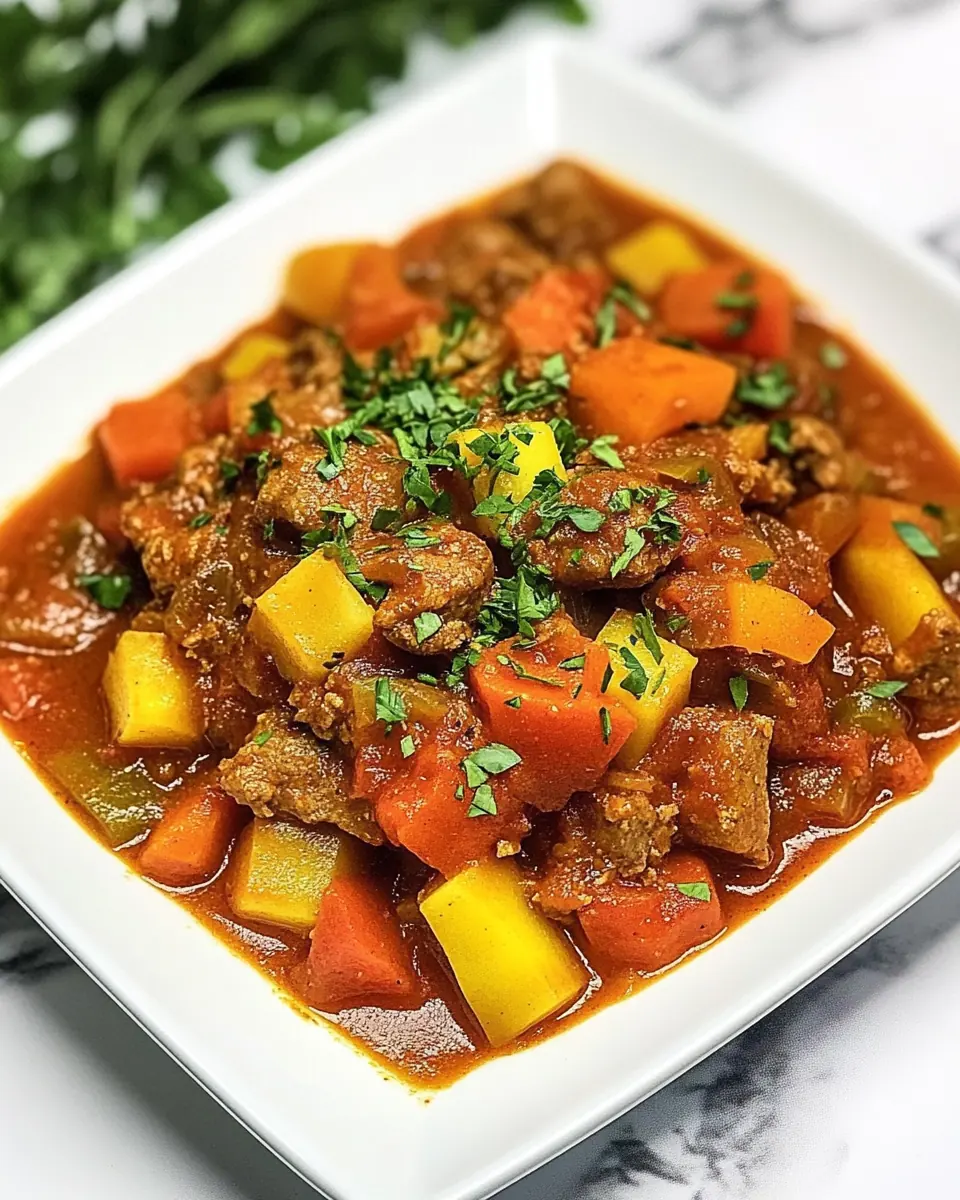
These ingredients are straightforward and purposeful, each playing a role in the final harmony. I treat the beef as the backbone, the paprika as the personality, and the root vegetables as the texture and heartiness. Together they create a stew that is both rustic and layered, where a short list of components produces a deeply satisfying result.
- 3 tablespoons butter: Melted in the pot to provide a rich cooking fat and help sauté the aromatics, contributing a silky mouthfeel to the stew. Enhances browning of the beef and carries the paprika flavor throughout the dish. Balances the acidity of tomatoes and helps create a glossy sauce.
- 1 large onion chopped: Chopped to release sweet, savory flavors when softened and to form the aromatic base of the goulash. Adds body and texture to the stew while caramelizing slightly to deepen the overall flavor. Works with garlic and paprika to build the dish's classic profile.
- 1 pound stewing beef cubed: Cubed and seared to develop a flavorful browned crust that anchors the stew with hearty meatiness. Provides substantial texture and protein while slow-simmering to become fork-tender and infuse the broth. Absorbs spices and aromatics, enhancing the overall savory depth.
- 3 cloves garlic chopped: Chopped and added early to bloom aromatic compounds and complement the onion, intensifying the savory aroma. Contributes a sharp, pungent undertone that mellows with cooking and blends with paprika. Helps round out the savory backbone of the stew.
- 3 tablespoons paprika: Sprinkled and toasted briefly to release its smoky, sweet qualities and define the characteristic flavor of Hungarian goulash. Serves as the primary seasoning that gives the stew its signature color and depth. Balances the richness of the beef and the sweetness of the vegetables.
- 1 teaspoon salt: Measured and added to season the stew, enhancing other flavors and controlling overall taste balance. Helps bring out the natural savory notes of the meat and vegetables without overwhelming the paprika. Should be adjusted to personal preference during simmering.
- 1/2 teaspoon pepper: Ground and included to add mild heat and a subtle aromatic bite that complements salt and paprika. Works to round out the seasoning profile and provide a gentle contrast to sweeter ingredients. Can be moderated to suit heat sensitivity.
- 2 cups beef broth: Poured in to create the braising liquid that tenderizes the beef and merges flavors into a cohesive broth. Provides a savory, beefy base that dilutes and distributes seasonings while controlling consistency. Can be adjusted to achieve the desired sauce thickness.
- 1 15 ounce can diced tomatoes: Added from the can to contribute acidity, body, and bright tomato flavor that complements paprika and beef. Supplies moisture and chunky texture while balancing richness with slight tanginess. Helps form the saucy component of the goulash.
- 2 carrots diced: Diced and incorporated to add natural sweetness, color, and a tender bite after simmering. Helps thicken the stew slightly as the starches release and contributes to the overall vegetable component. Pairs well with potatoes to create a hearty meal.
- 2 large potatoes cut into small cubes: Cut into small cubes and simmered until tender to provide starchy body and absorb the savory broth. Adds comforting substance and helps thicken the sauce as some starch is released. Complements the meat and carrots for a balanced, filling stew.
How to Prepare Hungarian Goulash
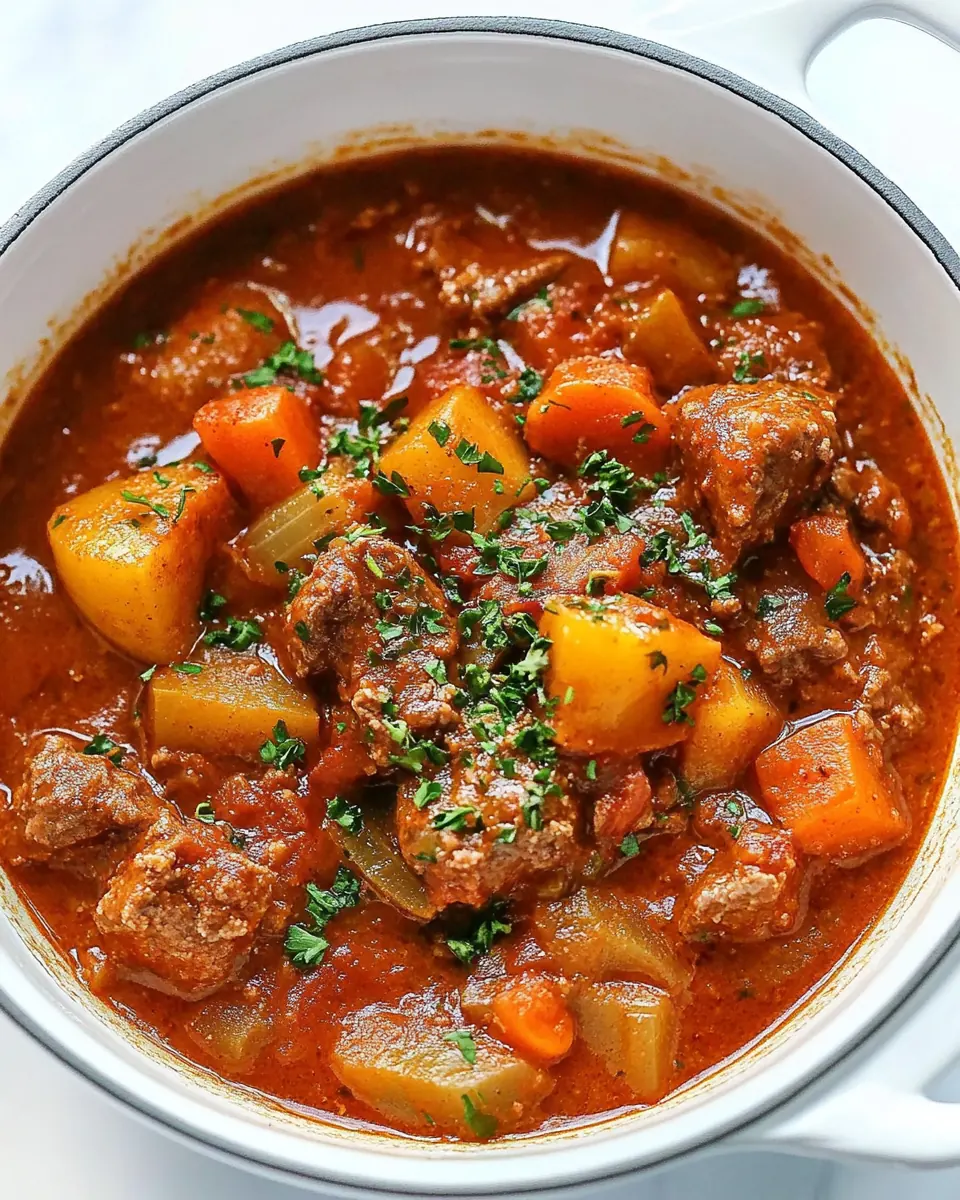
I like to approach the cooking with a relaxed rhythm, giving each stage the attention it needs. These steps guide you through scent, sound, and visual cues so you know you are on track. Keep your tools ready and taste as you go so the pot becomes a conversation rather than a rush.
- In a large soup pot, over medium high heat, melt your butter and saute your chopped onion. Once the onion begins to brown, add the beef to the pot and cook for about 8 minutes, the beef should start browning. Add the garlic to the pot just before the beef browns and saute with the onion and beef.: The sizzling of the butter and the softening of the onion are your first cues, a sweet aroma rising as the edges turn translucent and then golden. Listen for a gentle sizzle that indicates the heat is right, not a furious roar which would brown them too fast. The why here is simple, this step builds a savory foundation; properly softened onion releases sugars that harmonize with the paprika later. A common issue is turning the heat up too high, which causes rapid browning and loss of the delicate sweet notes, so keep it steady and stir occasionally to ensure even cooking.
- Remove the pot from heat and add your paprika, salt, and pepper. Toss to coat and pour in your beef broth and canned tomatoes. Return the pot to the stove over high heat and bring to a boil. Once it is boiling reduce the heat, cover and simmer for 30 minutes.: You will hear a louder sizzle when the beef hits the hot pan, and small brown bits will cling to the bottom creating rich fond. Browning amplifies savory flavor through Maillard reactions, which deepen the eventual broth. Pay attention to color, you want brown all over without an overcooked crust, and avoid moving the meat constantly, let it sear in place for a minute before turning. Overcrowding the pot cools the surface and causes steaming instead of browning, so brown in batches if needed to avoid that mistake.
- Add in your carrots and potatoes, increase the heat to medium low and gently boil for another 30-40 minutes, until your carrots, potatoes and meat are tender and cooked through.: The garlic will give off a fragrant, nutty scent almost immediately, lifting the savory mix. Because garlic burns faster than onion, adding it toward the end preserves its sweet, aromatic quality rather than a bitter char. Its inclusion enhances the depth, making the stew smell homey and layered. Watch closely and stir frequently for only a minute or two, as letting it blacken will introduce harsh bitterness that is difficult to correct.
- Serve hot and add additional salt and pepper to taste.: With the pot off the flame, sprinkle in the paprika so it gently releases its oils into the warm fat without scorching. This off heat step keeps the spice from turning bitter and allows its color to bloom, enriching the broth visually and aromatically. Salt and pepper blend into the mixture at this stage to start seasoning the base. If you skip removing from heat, the paprika can burn instantly, leaving a charred taste, so take that moment to pause and stir thoroughly.
- Toss to coat and pour in your beef broth and canned tomatoes.: You will see the pan deglaze as the liquid lifts the fond, turning the bottom from sticky brown to a simmering, flavorful base. The aroma shifts as the broth and tomatoes mingle with the browned bits, promising depth and body. Stir gently to combine, scraping the browned bits so they dissolve into the liquid. Add just enough broth to create a balanced consistency, because too much will dilute the flavor and too little can lead to scorching during simmering.
- Return the pot to the stove over high heat and bring to a boil.: The pot will bubble vigorously as it reaches a boil, the surface rolling and sending steam into the air. Boiling accelerates the melding of flavors, but it should be a brief stage to reach a simmer, as extended boiling toughens the beef . Once you see a full, active boil, lower the heat to maintain a gentle simmer; this ensures connective tissues break down tenderly. A frequent mistake is leaving it at a rolling boil, which can over reduce the liquid and toughen the meat, so adjust promptly.
- Once it is boiling reduce the heat, cover and simmer for 30 minutes.: At this point the pot will whisper with small bubbles, and the kitchen will fill with a rich, meaty perfume. The covered simmer lets the beef relax and the connective tissue to soften into gelatin, enriching the broth. I use this time to peek occasionally, stirring to prevent sticking and checking the liquid level. Avoid lifting the lid too often which prolongs the time to tender; patience yields a silkier mouthfeel and deeper flavor.
- Add in your carrots and potatoes, increase the heat to medium low and gently boil for another 30-40 minutes, until your carrots, potatoes and meat are tender and cooked through.: When the roots join the pot, the stew becomes heartier and the aroma brightens with sweet vegetable notes. The gentle boil should produce consistent small bubbles, and you can test doneness by piercing the largest potato cube with a fork; it should glide through. These vegetables absorb flavor and slightly thicken the broth as they release starch. Avoid overcooking which will cause the potatoes to disintegrate, instead aim for tender but intact pieces for pleasing texture contrast.
- Serve hot and add additional salt and pepper to taste.: At serving time steam will rise and the color will be a warm, paprika kissed red. Taste a spoonful and adjust seasoning with more salt or pepper if needed, balancing brightness and savor. Serving hot ensures the mouthfeel is comforting and the flavors are at their most expressive. A common finishing error is under seasoning, so a final taste test is key to bring everything into balance before it reaches the bowl.
Recipe Notes about Hungarian Goulash
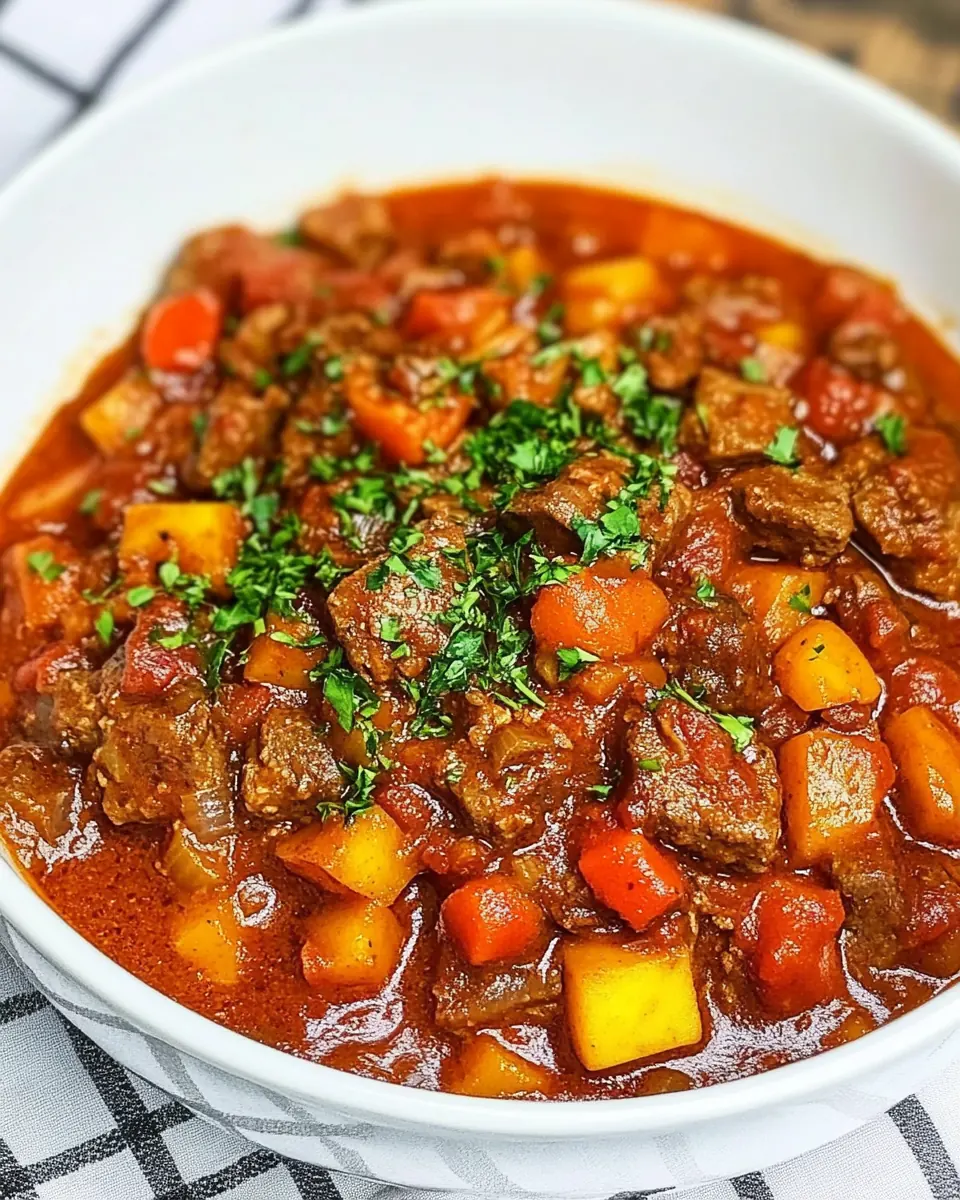
I like to share notes that make the cooking flow more smoothly, and help you avoid the bumps I learned from trial. These tips expand on technique, seasoning, and timing so you get a reliably delicious pot every time.
- Bloom paprika off heat: Always stir the paprika into warm fat with the pot off the heat to prevent a burnt flavor, the spice will release its oils and color into the stew.
- Control the sear: Give the beef room in the pot to brown properly, doing it in batches if the pan is crowded preserves browning and adds depth to the broth.
- Adjust seasoning at the end: Salt early to build flavor, but do a final seasoning at serving time because the broth concentrates as it cooks and may need adjustment.
- Make ahead for better flavor: This stew often tastes better the next day as the flavors meld, reheat gently to preserve texture and avoid over reducing the liquid.
- Watch vegetable size: Cut carrots and potatoes similar in size to ensure even cooking, and add them later in the process so they retain shape.
Serving Ideas for Hungarian Goulash
This stew is versatile and comforting, fitting both casual family dinners and relaxed weekend meals. It pairs well with simple sides that complement the paprika rich broth, and it travels well for leftovers or potluck sharing. Below are serving suggestions, occasions, and storage tips to help you present this dish beautifully.
- Hearty dinner bowls: Serve the goulash in deep bowls with a ladle of broth, allowing the tender beef and soft potatoes to shine; garnish with a sprinkle of extra paprika if desired.
- With crusty bread: Pair with thick slices of crusty bread for soaking up the flavorful broth, this makes the meal feel rustic and satisfying for a chilly evening.
- Family gatherings: Bring a large pot to a family table where everyone can help themselves, the dish scales easily and keeps well in a warmer.
- Weeknight comfort: For an easy weeknight dinner serve with a small green side salad on the side to add a fresh contrast to the stew’s richness.
- Storage tips: Cool to room temperature then refrigerate in an airtight container for up to three days; reheat gently on the stove over low heat to preserve texture.
- Seasonal pairing: This is a winter friendly bowl, perfect for cold weather when you want something filling and warming that lingers on the palate.
FAQ
Conclusion
This Hungarian Goulash stands out for its warm paprika character, tender beef, and comforting mix of root vegetables, all coming together in a single, soulful pot. Give it a try on a chilly evening and let the slow simmer coax out deep, homey flavors that are simple yet memorable. Serve it when you want a no fuss, gratifying meal that invites conversation and repeats.
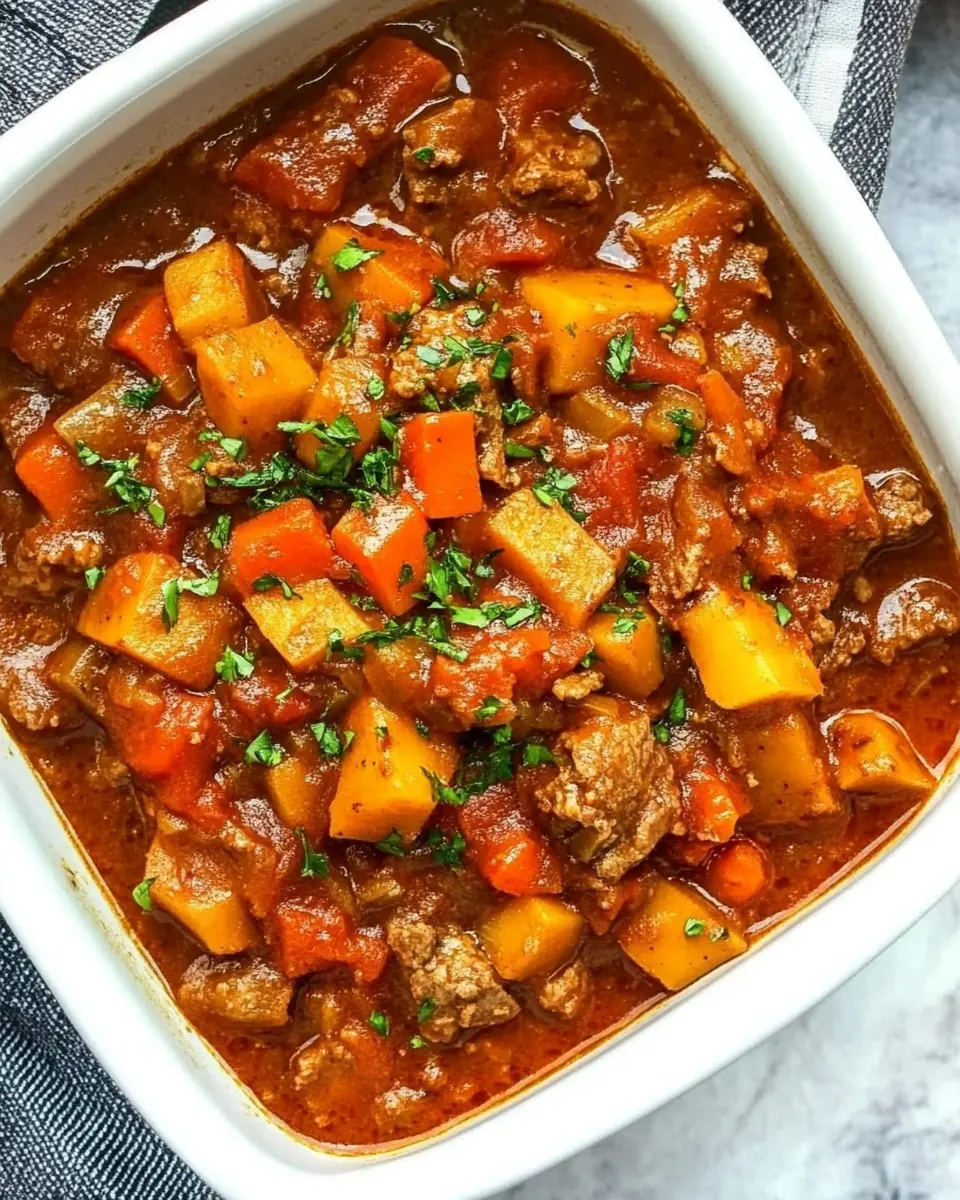
Hungarian Goulash
Ingredients
Equipment
Method
- In a large soup pot, over medium high heat, melt your butter and saute your chopped onion. Once the onion begins to brown, add the beef to the pot and cook for about 8 minutes, the beef should start browning. Add the garlic to the pot just before the beef browns and saute with the onion and beef.: The sizzling of the butter and the softening of the onion are your first cues, a sweet aroma rising as the edges turn translucent and then golden. Listen for a gentle sizzle that indicates the heat is right, not a furious roar which would brown them too fast. The why here is simple, this step builds a savory foundation; properly softened onion releases sugars that harmonize with the paprika later. A common issue is turning the heat up too high, which causes rapid browning and loss of the delicate sweet notes, so keep it steady and stir occasionally to ensure even cooking.
- Remove the pot from heat and add your paprika, salt, and pepper. Toss to coat and pour in your beef broth and canned tomatoes. Return the pot to the stove over high heat and bring to a boil. Once it is boiling reduce the heat, cover and simmer for 30 minutes.: You will hear a louder sizzle when the beef hits the hot pan, and small brown bits will cling to the bottom creating rich fond. Browning amplifies savory flavor through Maillard reactions, which deepen the eventual broth. Pay attention to color, you want brown all over without an overcooked crust, and avoid moving the meat constantly, let it sear in place for a minute before turning. Overcrowding the pot cools the surface and causes steaming instead of browning, so brown in batches if needed to avoid that mistake.
- Add in your carrots and potatoes, increase the heat to medium low and gently boil for another 30-40 minutes, until your carrots, potatoes and meat are tender and cooked through.: The garlic will give off a fragrant, nutty scent almost immediately, lifting the savory mix. Because garlic burns faster than onion, adding it toward the end preserves its sweet, aromatic quality rather than a bitter char. Its inclusion enhances the depth, making the stew smell homey and layered. Watch closely and stir frequently for only a minute or two, as letting it blacken will introduce harsh bitterness that is difficult to correct.
- Serve hot and add additional salt and pepper to taste.: With the pot off the flame, sprinkle in the paprika so it gently releases its oils into the warm fat without scorching. This off heat step keeps the spice from turning bitter and allows its color to bloom, enriching the broth visually and aromatically. Salt and pepper blend into the mixture at this stage to start seasoning the base. If you skip removing from heat, the paprika can burn instantly, leaving a charred taste, so take that moment to pause and stir thoroughly.
- Toss to coat and pour in your beef broth and canned tomatoes.: You will see the pan deglaze as the liquid lifts the fond, turning the bottom from sticky brown to a simmering, flavorful base. The aroma shifts as the broth and tomatoes mingle with the browned bits, promising depth and body. Stir gently to combine, scraping the browned bits so they dissolve into the liquid. Add just enough broth to create a balanced consistency, because too much will dilute the flavor and too little can lead to scorching during simmering.
- Return the pot to the stove over high heat and bring to a boil.: The pot will bubble vigorously as it reaches a boil, the surface rolling and sending steam into the air. Boiling accelerates the melding of flavors, but it should be a brief stage to reach a simmer, as extended boiling toughens the beef . Once you see a full, active boil, lower the heat to maintain a gentle simmer; this ensures connective tissues break down tenderly. A frequent mistake is leaving it at a rolling boil, which can over reduce the liquid and toughen the meat, so adjust promptly.
- Once it is boiling reduce the heat, cover and simmer for 30 minutes.: At this point the pot will whisper with small bubbles, and the kitchen will fill with a rich, meaty perfume. The covered simmer lets the beef relax and the connective tissue to soften into gelatin, enriching the broth. I use this time to peek occasionally, stirring to prevent sticking and checking the liquid level. Avoid lifting the lid too often which prolongs the time to tender; patience yields a silkier mouthfeel and deeper flavor.
- Add in your carrots and potatoes, increase the heat to medium low and gently boil for another 30-40 minutes, until your carrots, potatoes and meat are tender and cooked through.: When the roots join the pot, the stew becomes heartier and the aroma brightens with sweet vegetable notes. The gentle boil should produce consistent small bubbles, and you can test doneness by piercing the largest potato cube with a fork; it should glide through. These vegetables absorb flavor and slightly thicken the broth as they release starch. Avoid overcooking which will cause the potatoes to disintegrate, instead aim for tender but intact pieces for pleasing texture contrast.
- Serve hot and add additional salt and pepper to taste.: At serving time steam will rise and the color will be a warm, paprika kissed red. Taste a spoonful and adjust seasoning with more salt or pepper if needed, balancing brightness and savor. Serving hot ensures the mouthfeel is comforting and the flavors are at their most expressive. A common finishing error is under seasoning, so a final taste test is key to bring everything into balance before it reaches the bowl.
Notes
- Bloom paprika off heat: Always stir the paprika into warm fat with the pot off the heat to prevent a burnt flavor, the spice will release its oils and color into the stew.
- Control the sear: Give the beef room in the pot to brown properly, doing it in batches if the pan is crowded preserves browning and adds depth to the broth.
- Adjust seasoning at the end: Salt early to build flavor, but do a final seasoning at serving time because the broth concentrates as it cooks and may need adjustment.
- Make ahead for better flavor: This stew often tastes better the next day as the flavors meld, reheat gently to preserve texture and avoid over reducing the liquid.
- Watch vegetable size: Cut carrots and potatoes similar in size to ensure even cooking, and add them later in the process so they retain shape.