Kid Friendly Herb Baked Salmon with Lemon
Kid Friendly Herb Baked Salmon with Lemon is one of those meals I reach for when I want something that feels special yet stays simple enough for a busy weeknight. The first time I made this dish for my nieces, I remember the skeptical faces around the table, then the quiet that fell as they tasted the salmon, forkful by forkful. That gentle, bright lemon note and the soft, flaky texture turned hesitation into enthusiastic bites, and the whole table ended up trading compliments instead of complaining. I love meals that build memories like that, where the kitchen becomes the part of the house that quietly earns applause.
Over the years I learned to trust a handful of quality ingredients, and this recipe is proof you do not need to overcomplicate to impress. The combination of fresh herbs and a touch of butter gives the fish a comforting, buttery mouthfeel that kids seem to accept easily, while the lemon cuts through with a clean lift that adults appreciate. I often pair it with simple sides that add color and texture, so the plate feels balanced and approachable. You can taste the care here without sacrificing speed or sanity.
Sometimes I make this when friends swing by unexpectedly, because the steps are forgiving and the results feel restaurant level. Once, on a rainy spring afternoon, I served this to a mom group and watched how quickly everyone asked for the recipe. That kind of quiet victory, where the food does the persuading, is why I return to Kid Friendly Herb Baked Salmon with Lemon again and again. It fits busy calendars, picky eaters, and that craving for something bright and homey all at once.
Recipe Snapshot
40 mins
20 mins
20 mins
Medium
350 kcal
American
Gluten-Free, Paleo
Dinner
12-inch nonstick oven-going skillet, Small bowl, Zester, Fork
Why This Kid Friendly Herb Baked Salmon with Lemon Works
Balanced flavors kids actually eat
One reason I keep coming back to Kid Friendly Herb Baked Salmon with Lemon is its straightforward, friendly flavor profile. The gentle herbs and a whisper of lemon make the fish taste fresh without being overwhelming. I find that kids respond well to the buttery texture and mild herb notes, which means fewer complaints and more satisfied plates.
Quick and reliable technique
I adore recipes that deliver consistent results, and this one does just that. With a few clear steps you get a golden sear, a quick oven finish, and flaky, tender salmon every time. For busy families, that reliability is a huge win, because you can plan and trust the outcome without constant babysitting.
Versatile enough for many meals
Whether you need an easy weeknight dinner, a light spring lunch, or a family-friendly Sunday meal, this fish adapts. I like that it partners beautifully with simple sides like rice pilaf and steamed asparagus, and the pineapple on the side adds a sweet, refreshing contrast. That versatility keeps the recipe in my rotation across seasons.
Nutrition that feels good
Salmon brings protein and beneficial fats, and when paired with fiber rich sides like asparagus and rice pilaf, it becomes a balanced plate. I often think of meals as fuel, and this dish gives steady energy without weighing you down. Parents appreciate the wholesome components, and kids often enjoy the approachable presentation.
Kid friendly presentation
Finally, the way this meal comes together visually helps with picky eaters. A nicely plated fillet with a bright lemon wedge, a neat scoop of rice, and a vibrant spear of asparagus feels inviting. I’ve found that a little care in plating makes kids more curious to try new flavors.
What to Gather for Kid Friendly Herb Baked Salmon with Lemon
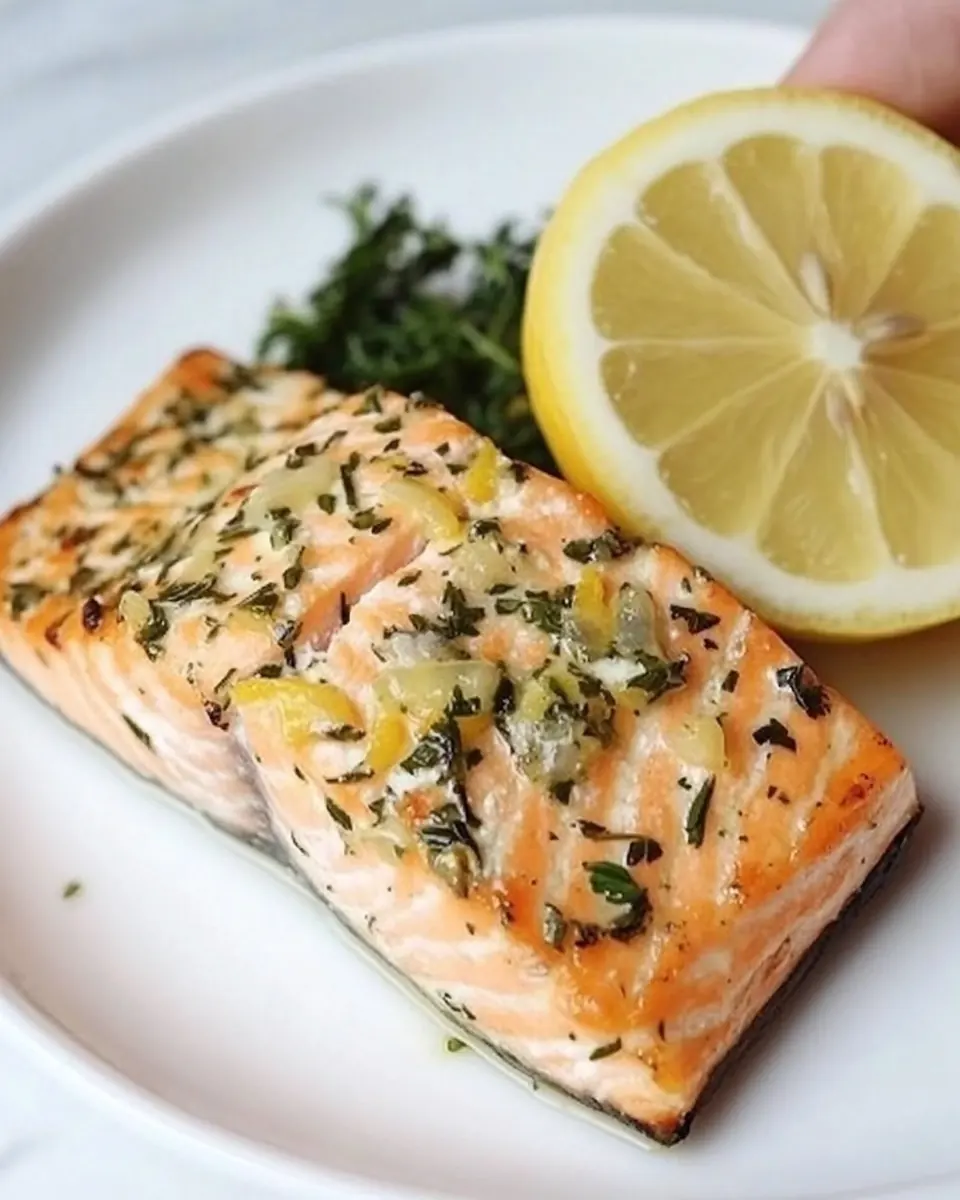
The ingredients for Kid Friendly Herb Baked Salmon with Lemon are intentionally few and complementary. I focus on fresh, bright players that enhance the natural flavor of the fish, while simple pantry staples add seasoning and richness. The key players are the salmon for protein and texture, the lemon for acidity and lift, and herbs and butter to round everything out, with rice, asparagus, and pineapple providing color and balance.
- 12 ounces salmon: Provide rich, flaky protein and healthy omega-3s while serving as the main element of the dish; bake until just opaque for tender texture and mild flavor that appeals to kids.
- 1 medium lemon: Add bright citrus acidity and aroma by slicing and squeezing over the cooked salmon; use zest for extra fragrance and balance the herbs for a fresh finish.
- 1 sprigs dill: Offer a light, anise-like fresh herb aroma when chopped and sprinkled over the salmon; use the fronds for garnish to add color and a mild, kid-friendly herbal note.
- 1/2 teaspoon tarragon, dried, ground: Contribute a subtle, savory-licorice undertone that complements dill and lemon; sprinkle sparingly to avoid overpowering delicate fish flavors.
- 1/2 teaspoon salt: Enhance overall taste by bringing out natural flavors and seasoning the salmon and vegetables; measure carefully to maintain a balanced, kid-friendly saltiness.
- 1/2 teaspoon black pepper, ground: Provide gentle heat and earthy depth to season the fish and sides; ground pepper brightens flavors without overwhelming young palates when used moderately.
- 2 tablespoons butter, unsalted: Add creamy richness and help baste the salmon while baking; melt over the fillet to create a silky finish and to meld the herbs and lemon.
- 2 cups rice pilaf: Serve as a comforting, mild-flavored carbohydrate side that pairs well with salmon; prepare according to package or homemade method to provide a kid-friendly base.
- 1 pound asparagus: Offer tender-crisp green vegetable contrast and nutritional vitamins when roasted or steamed alongside the fish; trim and cook until bright green and slightly crisp for best texture.
- 2 cups pineapple: Bring sweet, juicy freshness as a palate-cleansing side or dessert component; serve chilled or lightly warmed to complement the savory salmon and round out the meal.
Kid Friendly Herb Baked Salmon with Lemon Instructions
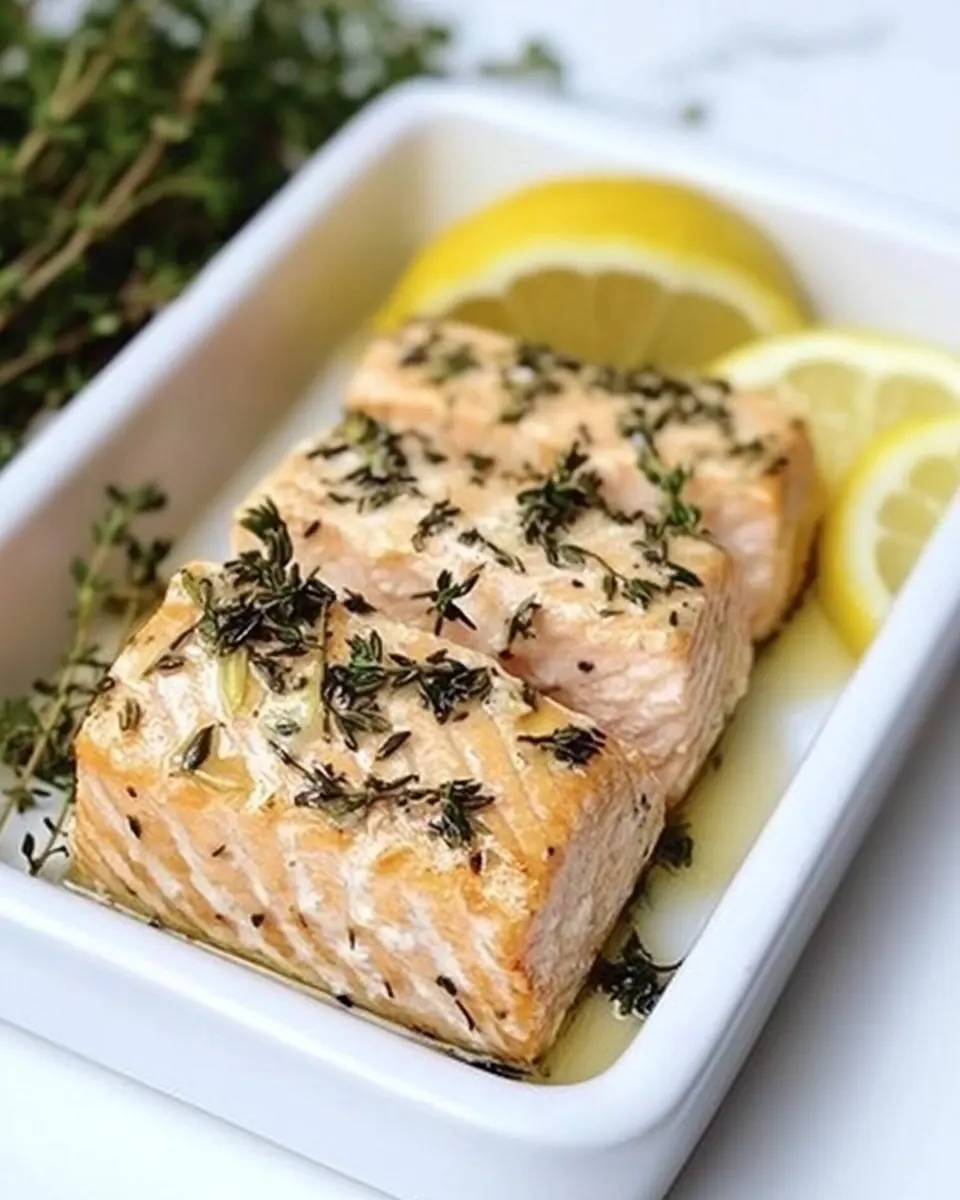
This recipe moves quickly, so I like to have everything prepped before I heat the pan. That means the lemon zested and juiced, herbs measured, and sides ready to start while the fish finishes in the oven. The oven finish gives an even cook and prevents overcooking the center.
- Preheat oven to 350 degrees F. Rinse fish; pat dry. Zest 1 teaspoon of peel from lemon; set aside. Cut lemon in half; juice half the lemon.: The kitchen fills with a bright citrus scent as you zest and squeeze the lemon , a clear sign that fresh aromatics are coming into play. Zesting releases essential oils that cling to the salmon , giving faint fragrance when the fish is hot. Patting the fillet dry is essential so the surface sears properly, creating slight caramelization and an appealing texture. If the fish is too wet it will steam instead of sear, so take your time here. A common mistake is skipping the dry step, which yields a dull exterior and less flavor contrast.
- In a small bowl combine the lemon peel, herbs, salt, and pepper; stir to combine. Spread evenly over the salmon.: The aroma of dried tarragon and fresh dill mingling with the citrus oils will be noticeable and bright, and that scent will transfer directly to the fish. Spreading the mixture rather than piling it ensures every bite has balanced seasoning, so you get consistent flavor across the fillet. Use a gentle pressing motion to help the zest and herbs adhere to the fish surface. One thing to watch for is uneven distribution, which causes some bites to be bland and others too strong.
- Heat butter in a 12-inch nonstick oven-going skillet over medium heat. Add salmon, herb side down. Cook for 3 minutes or until golden brown.: As the butter melts and foams, you will smell a nutty, savory note that signals the right pan temperature. Placing the fillet herb side down first locks in the herb oils and helps form a golden crust. You should hear a gentle sizzle, and after about three minutes the underside becomes lightly bronzed and fragrant. This sear contributes texture and depth of flavor that carries through the bake. Avoid moving the fish early, which can tear the flesh and prevent proper browning.
- Flip salmon; drizzle with lemon juice. Place pan in oven and bake for 3 to 7 minutes or until fish flakes easily when tested with a fork.: The kitchen brightens with warm lemon vapor as the juice hits the hot pan, enhancing aroma and adding acidity to balance the buttery sear. The oven finish gently cooks the center so the fillet stays tender and moist, rather than drying out. You will see the flesh turn opaque from the edges inward, and a fork should separate the layers with minimal resistance when it is done. Overbaking leads to a dry texture, so check at the earlier end if your fillet is thin. A frequent error is relying solely on time rather than visual cues.
- While salmon is baking, prepare the rice according to package directions.: The steam rising from the pot has a comforting, nutty rice aroma that complements the citrus in the pan. Preparing the rice pilaf while the fish finishes allows everything to come together hot and ready, so the pan juices can be spooned over the rice at service. Keep the heat gentle so the pilaf stays fluffy rather than gummy. A common pitfall is boiling too vigorously, which can overcook or stick the rice.
- Saute or steam asparagus.: The bright green color and grassy, slightly sweet scent of the asparagus should be vivid when done, and the texture should be tender crisp. Quick sauté with a touch of the reserved pan juices or a light steam preserves color and snap. Listen for a faint sizzle when sautéing, and look for the tips to soften slightly while the stalks remain firm. Overcooking makes them soft and dull, losing the pleasant contrast to the fish.
- Transfer salmon to serving plates; drizzle with pan juices.: Lifting the fillet releases an immediate waft of butter, herb, and citrus aroma that makes the dish feel complete. Drizzling the reserved pan juices enhances richness and ties the plate together, adding glossy, savory notes. Use a gentle lift to keep the fillet intact, and spoon the juices along the top so each bite benefits. Be mindful not to drown the fish, as too much liquid can make it soggy rather than succulent.
- Serve salmon with rice pilaf, asparagus and pineapple.: The final plate combines warm, flaky salmon with the fluffy rice pilaf , the bright snap of asparagus , and the juicy sweetness of pineapple . The contrast of textures and temperatures makes each forkful interesting. Arrange components so children can pick and choose, which often helps with picky eaters. A misstep here is serving everything at mismatched temperatures, which can dull flavors, so aim to have the sides ready as the fish finishes.
Customization Ideas
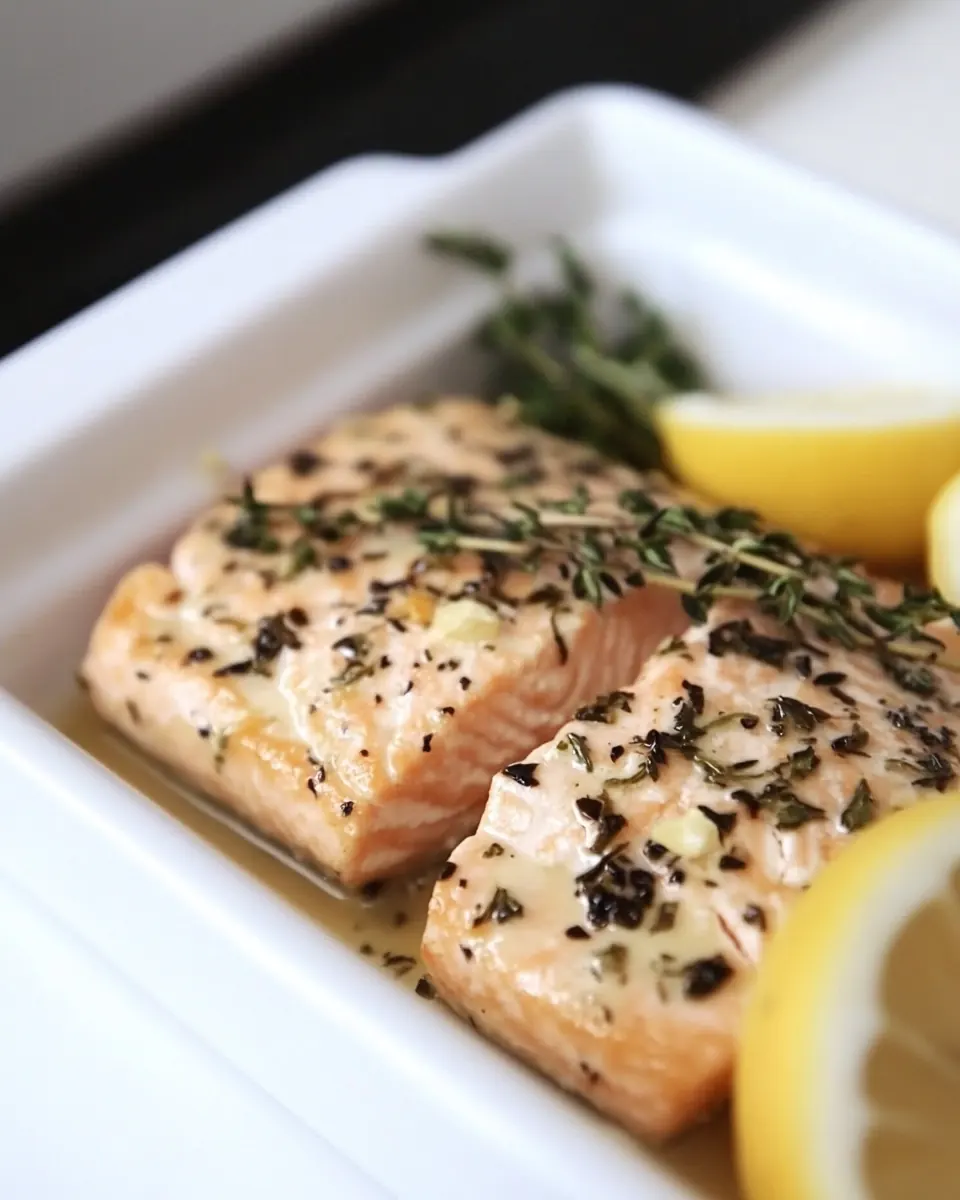
This recipe welcomes simple adjustments to fit tastes and pantry availability. Below are practical, kid friendly ideas that keep the dish approachable while offering flavor variety.
- Swap fresh dill for parsley: If you do not have dill, finely chopped parsley provides a bright, herbaceous note without changing the dish’s essential character.
- Use olive oil instead of butter: For a lighter finish, replace butter with a mild olive oil, which still allows a nice sear and reduces saturated fat.
- Mild seasoning for picky eaters: Use only salt and a touch of lemon for a very simple, kid friendly version that highlights the natural taste of the salmon.
- Warm pineapple option: Gently sauté the pineapple for a minute to create a caramelized edge that pairs well with buttery fish.
- Make it a one pan meal: If your skillet is large enough, nestle trimmed asparagus alongside the salmon and bake together to simplify cleanup.
How to Enjoy Kid Friendly Herb Baked Salmon with Lemon
This dish is adaptable to many occasions, from a cozy weeknight to a relaxed spring lunch. Think about temperature contrasts, plating that invites picky eaters, and side choices that round out nutrition and texture. Below are ideas to help you serve the meal with confidence.
- Family weeknight dinner: Plate a modest fillet of salmon with a scoop of rice pilaf and a few spears of asparagus for a balanced, simple meal.
- Spring lunch or light supper: Serve the fish with a lighter portion of the rice pilaf and an extra wedge of lemon for squeezing, keeping the plate bright and refreshing.
- Kid friendly plating: Arrange the pineapple in a small separate bowl so children can choose sweet bites between savory ones, increasing acceptance of new flavors.
- Occasion pairing: For a casual gathering, double the quantities and serve family style with extra asparagus and a large bowl of rice pilaf so everyone can graze and assemble their plate.
- Storage tips: Cool leftovers quickly, store in an airtight container in the fridge, and eat within two days. Reheat gently to avoid drying the salmon, a short oven warm at low temperature works best.
- Seasonal pairing: In spring, pair with tender green vegetables and extra citrus; in warmer months lean into chilled sides like a simple cucumber salad to complement the warm fish.
FAQ
Conclusion
This recipe stands out because it pairs simple technique with bright, family friendly flavors that please both kids and adults. I encourage you to give it a try on a weeknight when you want a nourishing, fuss free meal that still feels thoughtfully prepared. It’s humble, reliable, and quick to come together, and I find it becomes a favorite once people taste how buttery, lemony, and balanced the plate can be.
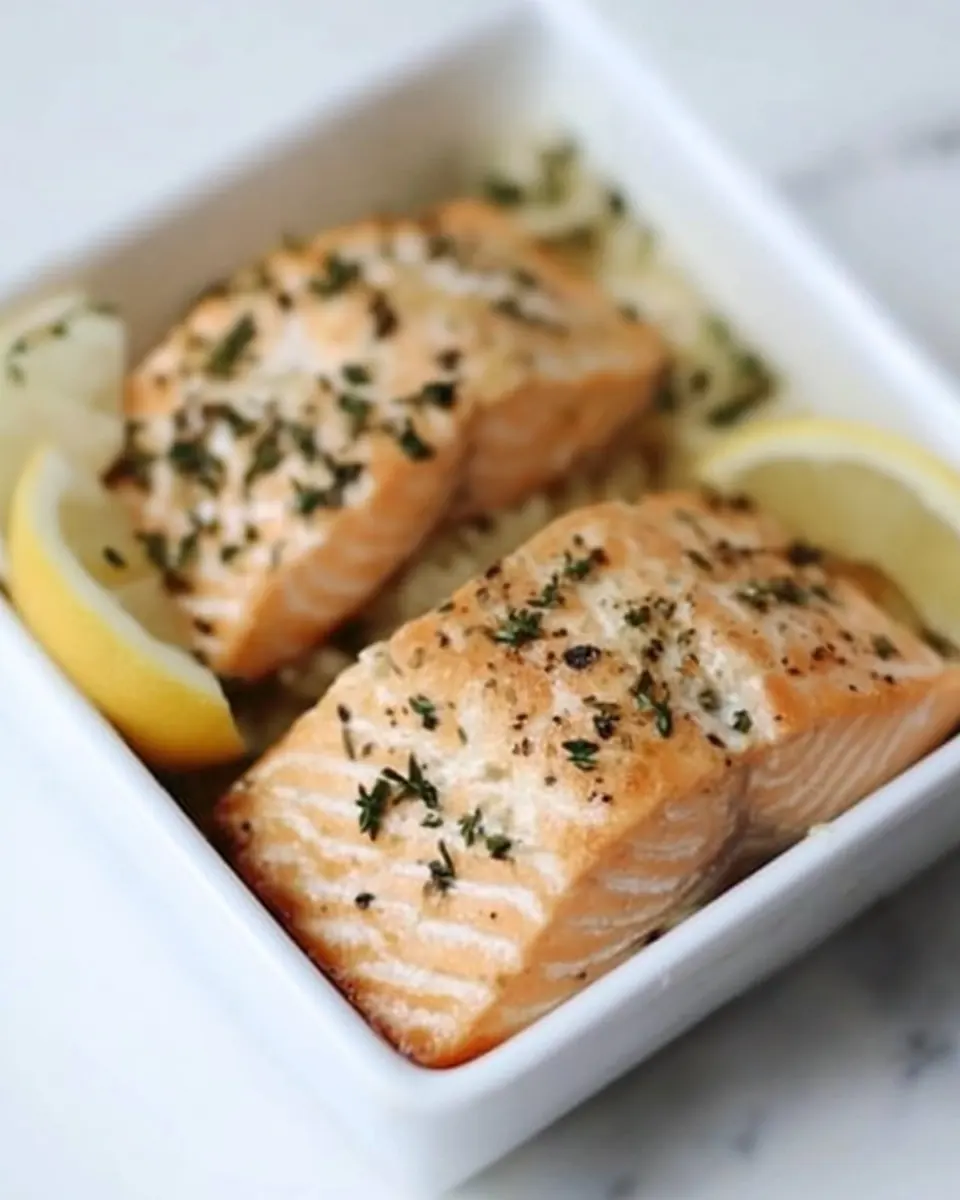
Kid Friendly Herb Baked Salmon with Lemon
Ingredients
Equipment
Method
- Preheat oven to 350 degrees F. Rinse fish; pat dry. Zest 1 teaspoon of peel from lemon; set aside. Cut lemon in half; juice half the lemon.: The kitchen fills with a bright citrus scent as you zest and squeeze the lemon , a clear sign that fresh aromatics are coming into play. Zesting releases essential oils that cling to the salmon , giving faint fragrance when the fish is hot. Patting the fillet dry is essential so the surface sears properly, creating slight caramelization and an appealing texture. If the fish is too wet it will steam instead of sear, so take your time here. A common mistake is skipping the dry step, which yields a dull exterior and less flavor contrast.
- In a small bowl combine the lemon peel, herbs, salt, and pepper; stir to combine. Spread evenly over the salmon.: The aroma of dried tarragon and fresh dill mingling with the citrus oils will be noticeable and bright, and that scent will transfer directly to the fish. Spreading the mixture rather than piling it ensures every bite has balanced seasoning, so you get consistent flavor across the fillet. Use a gentle pressing motion to help the zest and herbs adhere to the fish surface. One thing to watch for is uneven distribution, which causes some bites to be bland and others too strong.
- Heat butter in a 12-inch nonstick oven-going skillet over medium heat. Add salmon, herb side down. Cook for 3 minutes or until golden brown.: As the butter melts and foams, you will smell a nutty, savory note that signals the right pan temperature. Placing the fillet herb side down first locks in the herb oils and helps form a golden crust. You should hear a gentle sizzle, and after about three minutes the underside becomes lightly bronzed and fragrant. This sear contributes texture and depth of flavor that carries through the bake. Avoid moving the fish early, which can tear the flesh and prevent proper browning.
- Flip salmon; drizzle with lemon juice. Place pan in oven and bake for 3 to 7 minutes or until fish flakes easily when tested with a fork.: The kitchen brightens with warm lemon vapor as the juice hits the hot pan, enhancing aroma and adding acidity to balance the buttery sear. The oven finish gently cooks the center so the fillet stays tender and moist, rather than drying out. You will see the flesh turn opaque from the edges inward, and a fork should separate the layers with minimal resistance when it is done. Overbaking leads to a dry texture, so check at the earlier end if your fillet is thin. A frequent error is relying solely on time rather than visual cues.
- While salmon is baking, prepare the rice according to package directions.: The steam rising from the pot has a comforting, nutty rice aroma that complements the citrus in the pan. Preparing the rice pilaf while the fish finishes allows everything to come together hot and ready, so the pan juices can be spooned over the rice at service. Keep the heat gentle so the pilaf stays fluffy rather than gummy. A common pitfall is boiling too vigorously, which can overcook or stick the rice.
- Saute or steam asparagus.: The bright green color and grassy, slightly sweet scent of the asparagus should be vivid when done, and the texture should be tender crisp. Quick sauté with a touch of the reserved pan juices or a light steam preserves color and snap. Listen for a faint sizzle when sautéing, and look for the tips to soften slightly while the stalks remain firm. Overcooking makes them soft and dull, losing the pleasant contrast to the fish.
- Transfer salmon to serving plates; drizzle with pan juices.: Lifting the fillet releases an immediate waft of butter, herb, and citrus aroma that makes the dish feel complete. Drizzling the reserved pan juices enhances richness and ties the plate together, adding glossy, savory notes. Use a gentle lift to keep the fillet intact, and spoon the juices along the top so each bite benefits. Be mindful not to drown the fish, as too much liquid can make it soggy rather than succulent.
- Serve salmon with rice pilaf, asparagus and pineapple.: The final plate combines warm, flaky salmon with the fluffy rice pilaf , the bright snap of asparagus , and the juicy sweetness of pineapple . The contrast of textures and temperatures makes each forkful interesting. Arrange components so children can pick and choose, which often helps with picky eaters. A misstep here is serving everything at mismatched temperatures, which can dull flavors, so aim to have the sides ready as the fish finishes.
Notes
- Swap fresh dill for parsley: If you do not have dill, finely chopped parsley provides a bright, herbaceous note without changing the dish’s essential character.
- Use olive oil instead of butter: For a lighter finish, replace butter with a mild olive oil, which still allows a nice sear and reduces saturated fat.
- Mild seasoning for picky eaters: Use only salt and a touch of lemon for a very simple, kid friendly version that highlights the natural taste of the salmon.
- Warm pineapple option: Gently sauté the pineapple for a minute to create a caramelized edge that pairs well with buttery fish.
- Make it a one pan meal: If your skillet is large enough, nestle trimmed asparagus alongside the salmon and bake together to simplify cleanup.