Low Sugar Pumpkin Apple Crumble
Low Sugar Pumpkin Apple Crumble is the kind of recipe I reach for when the air turns crisp and I want something warm, nostalgic, and a little lighter than the typical dessert. The first time I made this I was chasing the flavor of fall without the sugar hangover, and it quickly became a seasonal staple in my kitchen. I love how the soft butternut squash or pumpkin pairs with tart apples, and how the crumbly topping gives a satisfying contrast to the tender fruit beneath.
That evening I was short on time and even shorter on sugar, so I swapped traditional sugar for a golden monkfruit sweetener and leaned on texture instead of sweetness. The house smelled of cinnamon and warm spice, and I remember thinking that a good crumble can feel like a cozy hug on a plate. Over the years I have adjusted the topping to be more toasty and less sweet, and friends always ask for the recipe when they drop by.
What I love most is how forgiving this dish is, which makes it perfect for casual get togethers or a quiet dessert after a weeknight meal. You can make it ahead and reheat gently, and it still retains that crunchy top and soft interior. Once you try this version of Low Sugar Pumpkin Apple Crumble, you’ll understand why I keep coming back to it in the cooler months.
Recipe Snapshot
45 mins
15 mins
30 mins
Medium
200 kcal
American
Gluten-Free, Vegan
Desserts
Large non-stick frying pan, Food processor or mini-processor, Casserole dish, Pastry blender or fork, Metal grater
What’s Great About This Low Sugar Pumpkin Apple Crumble
Comfort without excess sugar
I wanted a dessert that felt like indulgence, but without the heavy sweetness. Low Sugar Pumpkin Apple Crumble achieves that balance by letting the natural sugars of the apples and pumpkin shine. The result is a dish that comforts without cloying, so you can enjoy seconds and still feel good about it.
Texture driven, not sugar driven
We focus on the contrast between a tender fruit base and a crunchy topping. The toasted crumbs provide a nutty chew while the fruit beneath steams and softens. I often think of this recipe as a texture party, and the lighter sweetener gives it structure without overpowering the other elements.
Flexible and forgiving
Over time I’ve learned that this crumble adapts easily to what you have on hand. Use butternut squash or pumpkin, adjust the spices slightly, and it still sings. That flexibility makes it a great choice for casual dinners or holiday spreads where you want reliable results without fuss.
Seasonal, cozy aroma
The combination of cinnamon and pumpkin pie spice awakens that instant fall feeling. It’s a simple spice profile, yet it transforms humble ingredients into something aromatic and memorable. I love the way it fills the kitchen, making people gather around the oven while it bakes.
Health minded but indulgent enough
This crumble respects your health goals while preserving the pleasure of a baked dessert. By trimming added sugar and using whole grain elements like ground oatmeal in the topping, you get a recipe that satisfies cravings and keeps things balanced. I appreciate having desserts that align with both taste and intention.
Ingredient List for Low Sugar Pumpkin Apple Crumble
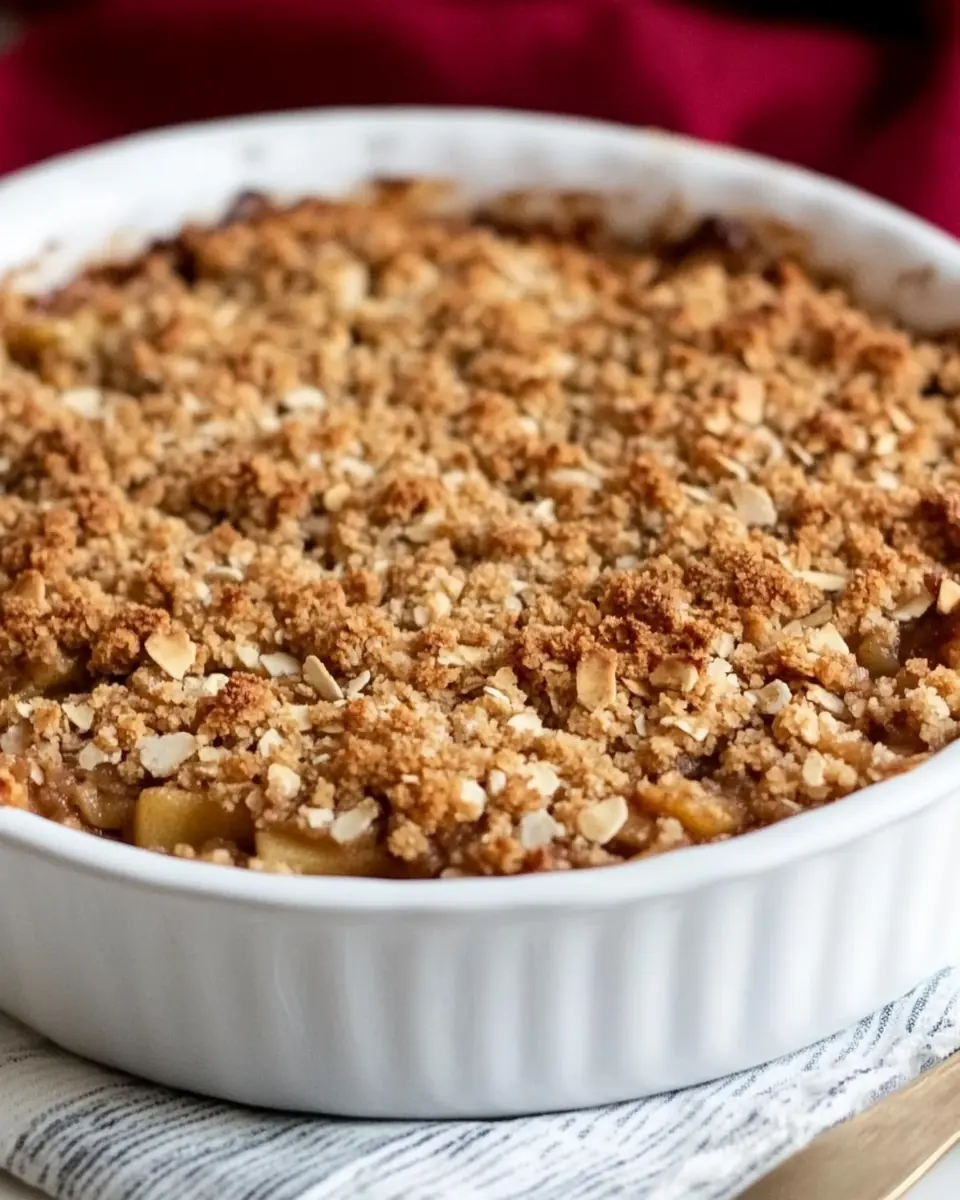
These ingredients are chosen to balance natural sweetness, warm spice, and a crunchy topping that browns beautifully in the oven. The key players are the soft, slightly sweet butternut squash or pumpkin, tart apples to provide brightness, and a crumble layer built from almond meal and ground oatmeal for texture. The monkfruit sweetener keeps the sugar low while still enhancing flavor.
- 1 lb . butternut squash (or pumpkin) cubes (see notes): Roasted or stewed to provide a silky, naturally sweet base that mimics pumpkin filling; cubes offer body and moist texture while absorbing spices and sweetener for depth. Works as the main vegetable element, supplying beta-carotene and seasonal flavor when mashed or left in chunks.
- 4 apples, chopped (see notes): Chopped and simmered or baked to add tartness, natural sweetness, and tender apple pieces that balance pumpkin’s richness; contributes pleasant texture contrast and fruity aroma. Select firmer varieties to hold shape and prevent turning to complete puree.
- 1 T butter (or use coconut oil for vegan/dairy-free version): Melted to add richness and help sauté or caramelize the squash and apples for deeper flavor; provides mouthfeel and helps bind the filling. Swap for coconut oil for a vegan or dairy–free version while maintaining fat content and texture.
- 1/3 cup + 1 T Golden Monkfruit Sweetener (see notes): Dissolved to sweeten the filling with minimal glycemic impact, enhancing natural fruit flavors without refined sugar; measure precisely for balanced sweetness. Golden monkfruit brings bulk and caramel-like notes similar to brown sugar in low-sugar desserts.
- 1 tsp . ground cinnamon: Sprinkled to infuse warm, aromatic sweetness that complements both squash and apples; adds familiar pie-like flavor and enhances overall depth. Cinnamon also brings subtle warmth and pairs well with monkfruit and butter.
- 1/4 tsp . pumpkin pie spice (or use a bit more cinnamon): Added sparingly to introduce complex, aromatic spice notes reminiscent of classic pumpkin pie; can be increased slightly if a more robust spice profile is desired. Blending with cinnamon creates layered warmth without overwhelming the fruit flavors.
Recipe Steps for Low Sugar Pumpkin Apple Crumble
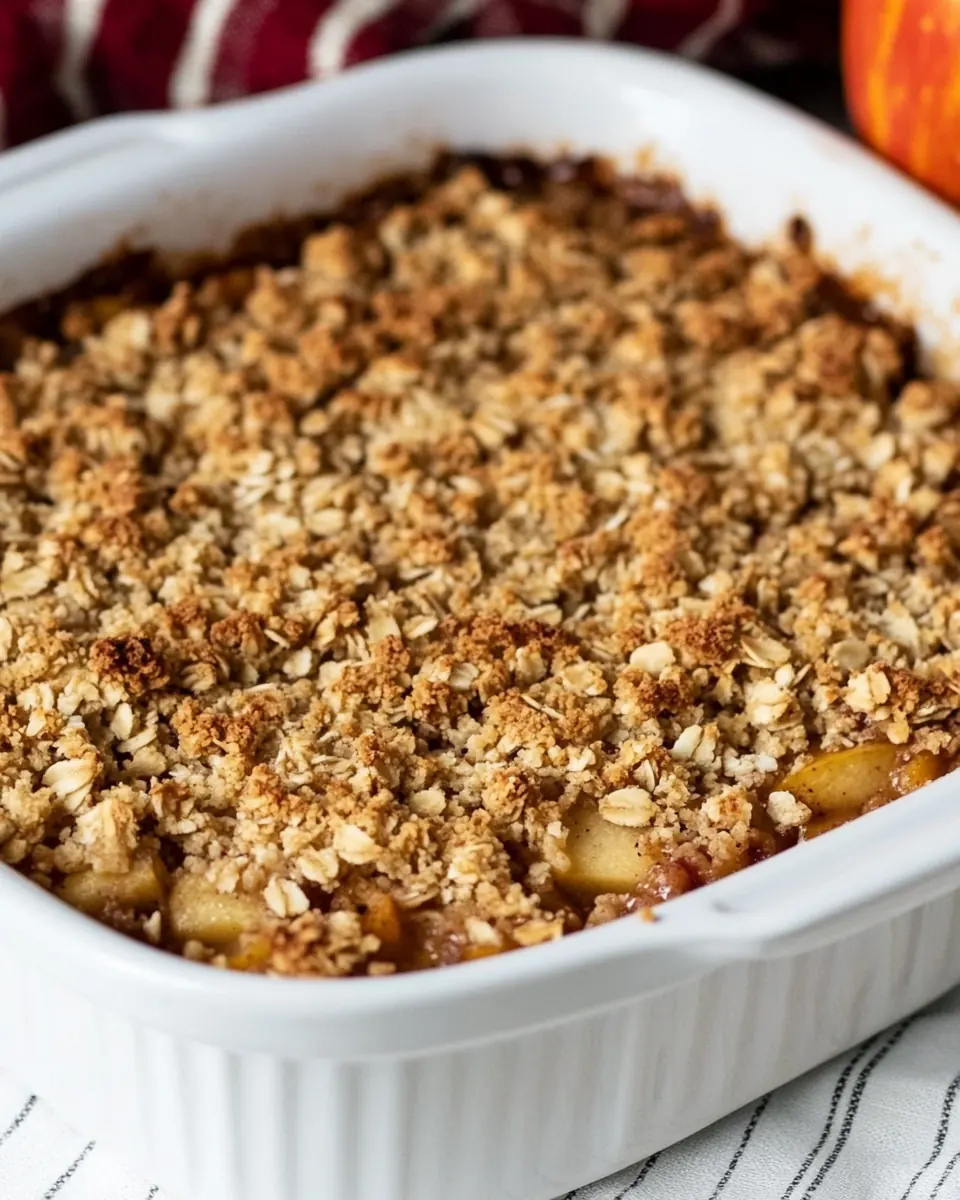
I keep the steps straightforward and conversational because this recipe rewards attention and patience. As you move through the process, notice aromas, textures, and visual cues that indicate readiness. Baking transforms the fragrant mixture into a comforting dessert that is worth the wait.
- Preheat oven to 400 F/200 C. Spray a large glass or crockery casserole dish with non-stick spray.: As the oven warms you'll smell a faint toasty scent that tells you it's reaching temperature. This preheating step ensures the crumble starts baking immediately and the top can crisp while the filling warms through. If you skip preheating you risk uneven baking, with a soggy center and underbaked topping. A common mistake is not confirming the actual oven temperature, so use an oven thermometer if your oven runs hot or cold.
- Cut butternut squash into same-size cubes about 1/2 inch square.: When you cut the butternut squash into uniform 1/2 inch cubes, they cook evenly and achieve a tender but intact texture. You should hear a soft scrape of the knife against the board, and the cubes will display bright orange interiors. Uneven pieces lead to some pieces becoming mushy while others stay firm, so take the extra minutes to match sizes carefully—this is where consistent texture is made.
- Melt 1 T butter in large non-stick frying pan and start to cook squash over low heat while you cut up apples.: As the butter melts it will foam slightly and release a warm, nutty aroma; add the squash and listen for a gentle sizzle. Cooking on low lets the squash soften without browning too early, preserving a silky inside. A common error is turning the heat too high, which can brown the edges before the center softens, so keep the flame low and stir occasionally to promote even softening.
- As you peel and cut each apple into small pieces, add it to frying pan, then add sweetener, cinnamon, and pumpkin pie spice. Cook the mixture until squash is fairly soft, about 10 minutes.: Adding the chopped apples progressively lets them start steaming and melding with the squash, while the monkfruit sweetener and spices begin to bloom and perfume the pan. You should notice a fragrant steam rising and a gentle clinking as pieces hit the hot pan. If apples are added all at once they can lower the pan temperature and slow cooking, so pace your prep to keep a steady simmer.
- While mixture cooks, buzz the oatmeal in the food processor or mini-processor until it's in smallish crumbs.: As the fruit cooks you will see the edges soften and the mixture release a glossy sheen from the melted butter and juices. Stirring occasionally reveals tender centers and soft skins. The sound will be muted as moisture increases, and the aroma becomes warm and spiced. Avoid overcooking to mush, which removes textural contrast; aim for tender but slightly structured pieces.
- Then combine almond meal, ground oatmeal, and sweetener in a plastic bowl.: Processing oatmeal into crumbs gives a rustic, slightly toasty texture to the topping and helps it bind with almond meal. You'll hear a rhythmic pulse from the processor and see coarse crumbs form, not flour. Overprocessing into fine powder will change the topping's bite, so pulse until you get small, sandy pieces.
- Remove butter from freezer and using the large side of a metal grater, grate pieces of butter until you have 1/4 cup, as measured by the markings on the side of the butter wrapper.: Mixing these dry components sets the stage for a topping that browns and holds together. You should feel the mix shift under your fingers, and the sweetener will be distributed visually. A common mistake is uneven mixing, which leads to pockets of sweetness or dryness, so stir thoroughly until the color is uniform.
- Then use a pastry blender or fork to combine the mixture until the butter is well distributed and the mixture looks crumbly.: Cold grated butter creates small bits that melt in the oven, producing flaky pockets in the crumble. The grated pieces should be cold and slightly firm to the touch, and you might hear a faint rasp as the butter meets metal. If the butter warms up, chill it again; warm butter will incorporate too smoothly and deprive the topping of flakiness.
- Pour cooked squash/apple mixture into the bottom of casserole dish. Spread the crumble mixture over the top of apple/squash mixture in an even layer.: Working quickly, distribute the grated butter into the dry mix until you have coarse crumbs. You should feel coarse granules and see little yellow flecks of butter throughout. The visual cue is a crumbly, sandy texture rather than a paste. Overworking will melt the butter into the mix and result in a denser topping, so stop when coarse crumbs form.
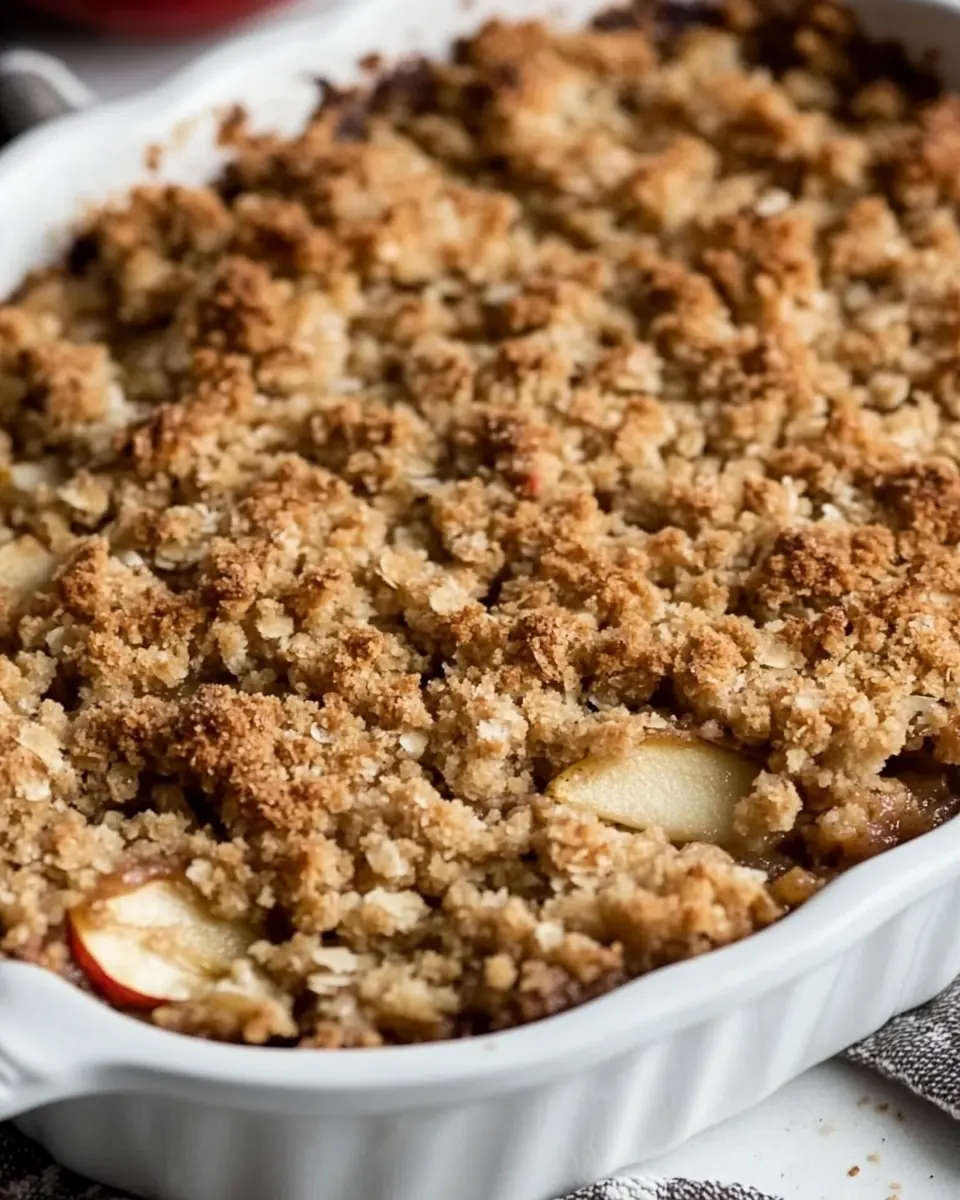
- Bake 30 minutes, or until the mixture is slightly bubbling and lightly browned on top.: As you transfer the warm fruit, steam will rise and the filling will glisten, signaling it's ready for the topping. Spread the crumble evenly so it browns uniformly in the oven, pressing gently only if needed to close gaps. An uneven layer can lead to burnt edges or underbaked spots, so take a moment to level the surface carefully.
- Serve hot.: During baking the kitchen will fill with warm spicy aromas, and the topping will transform from raw crumbs to a golden, crunchy crust. Watch for bubbling edges and a light golden color on the crumble as cues that it's ready. Opening the oven too often can drop the temperature and extend baking time, so rely on visual cues and the suggested bake window instead of frequent checks.
- Serve hot.: The final sensory reward is the steam and aroma released when you open the dish, coupled with the contrast of warm filling and crisp topping. Serve immediately for the best textural experience, as the topping will soften over time. If left too long the crumble will lose its crispness, so plan to serve soon after baking to capture that ideal contrast.
Substitutions and Tips
This section expands on small swaps and practical tips that keep the dish accessible and reliable. Each tip begins with a highlighted phrase to draw your eye, and the list dives deep so you can adapt the recipe confidently.
- Swap for pumpkin If you only have canned pumpkin, note that texture differs from cubed butternut squash. Canned pumpkin will be softer and more uniform, so reduce stovetop cooking by a few minutes and keep the crumble topping slightly thicker to maintain textural contrast.
- Use coconut oil for dairy free Replacing the 1 T butter with melted coconut oil works well in the fruit stage, and using chilled coconut oil for the topping yields a similar flakiness when grated and blended. Flavor will shift subtly, so use this when you want a hint of tropical richness.
- Measure monkfruit carefully Golden monkfruit sweetener behaves differently than sugar. Start with the recipe amount and taste the cooked filling before baking; you can always add a touch more if you prefer it sweeter, but you cannot remove excess sweetness once added.
- Chill the topping briefly After combining crumbs, pop the bowl into the fridge for 10 minutes if your kitchen is warm. This helps the butter firm up and improves the topping’s ability to create distinct crunchy pockets while baking.
- Choose tart apples For the best balance, pick slightly tart apples that hold their shape like Granny Smith or Pink Lady. Sweeter apples can make the filling too soft and reduce the contrast with the topping.
- Prep ahead You can make the fruit mixture one day ahead and refrigerate it, then top and bake when ready. Reheat the filling briefly before adding the topping so the bake time stays consistent and the crumble crisps properly.
What Complements This Low Sugar Pumpkin Apple Crumble
This crumble pairs well with simple accompaniments and suits a range of occasions from cozy weeknight desserts to holiday spreads. Think about contrasts and complementary textures, and serve warm for the best experience.
- Light whipped topping A dollop of lightly sweetened whipped topping adds creaminess without overwhelming the low sugar profile, and it melts slightly into the warm filling for a silky mouthfeel.
- Warm tea or coffee Herbal or black tea and a cup of coffee complement the spicy aromas, making the crumble ideal for an afternoon treat or a relaxed after dinner finish.
- Holiday dessert table Bring this to a Thanksgiving spread as a lower sugar alternative; it sits well alongside richer pies and provides variety on the dessert table.
- Storage tips Store leftovers covered in the fridge for up to three days. Reheat in a 325 F oven until warm to revive the topping; avoid microwaving if you want to keep the crisp texture.
- Seasonal pairing This is quintessentially a fall recipe, pairing well with cool weather gatherings and cozy nights in, making it a reliable option throughout the season.
- Serving style Serve in the baking dish for a casual family-style dessert, or spoon individual portions into ramekins for a more polished presentation.
FAQ
Conclusion
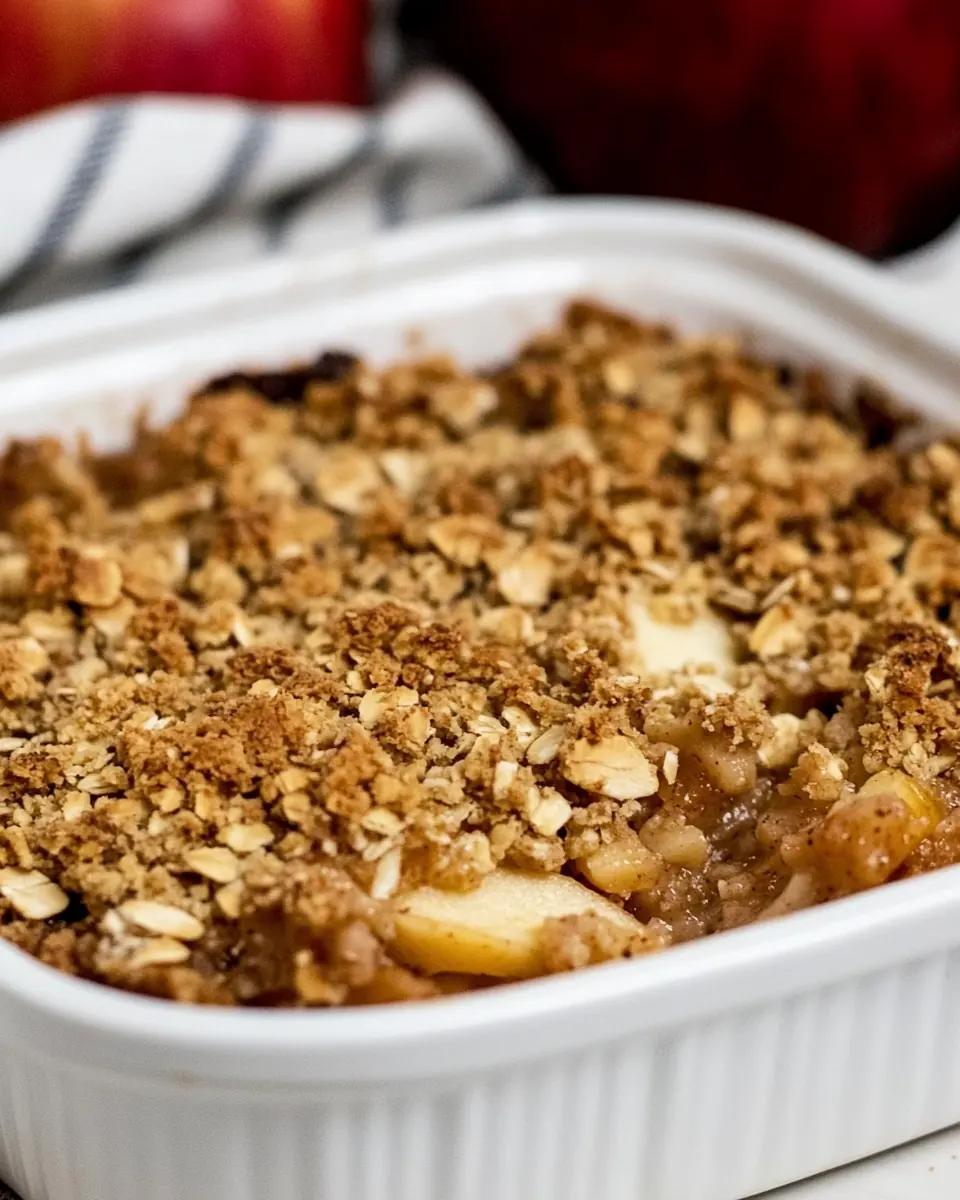
Low Sugar Pumpkin Apple Crumble stands out because it balances warm fall spices, tender pumpkin or butternut squash, and tart apples with a crunchy, lightly sweetened topping. Give it a try if you crave cozy autumn flavor without heavy sweetness, and you might find it becomes a seasonal favorite. The recipe is forgiving and adaptable, so gather your ingredients, enjoy the process, and share the comfort it brings with friends or family.
Low Sugar Pumpkin Apple Crumble
Ingredients
Equipment
Method
- Preheat oven to 400 F/200 C. Spray a large glass or crockery casserole dish with non-stick spray.: As the oven warms you'll smell a faint toasty scent that tells you it's reaching temperature. This preheating step ensures the crumble starts baking immediately and the top can crisp while the filling warms through. If you skip preheating you risk uneven baking, with a soggy center and underbaked topping. A common mistake is not confirming the actual oven temperature, so use an oven thermometer if your oven runs hot or cold.
- Cut butternut squash into same-size cubes about 1/2 inch square.: When you cut the butternut squash into uniform 1/2 inch cubes, they cook evenly and achieve a tender but intact texture. You should hear a soft scrape of the knife against the board, and the cubes will display bright orange interiors. Uneven pieces lead to some pieces becoming mushy while others stay firm, so take the extra minutes to match sizes carefully—this is where consistent texture is made.
- Melt 1 T butter in large non-stick frying pan and start to cook squash over low heat while you cut up apples.: As the butter melts it will foam slightly and release a warm, nutty aroma; add the squash and listen for a gentle sizzle. Cooking on low lets the squash soften without browning too early, preserving a silky inside. A common error is turning the heat too high, which can brown the edges before the center softens, so keep the flame low and stir occasionally to promote even softening.
- As you peel and cut each apple into small pieces, add it to frying pan, then add sweetener, cinnamon, and pumpkin pie spice. Cook the mixture until squash is fairly soft, about 10 minutes.: Adding the chopped apples progressively lets them start steaming and melding with the squash, while the monkfruit sweetener and spices begin to bloom and perfume the pan. You should notice a fragrant steam rising and a gentle clinking as pieces hit the hot pan. If apples are added all at once they can lower the pan temperature and slow cooking, so pace your prep to keep a steady simmer.
- While mixture cooks, buzz the oatmeal in the food processor or mini-processor until it's in smallish crumbs.: As the fruit cooks you will see the edges soften and the mixture release a glossy sheen from the melted butter and juices. Stirring occasionally reveals tender centers and soft skins. The sound will be muted as moisture increases, and the aroma becomes warm and spiced. Avoid overcooking to mush, which removes textural contrast; aim for tender but slightly structured pieces.
- Then combine almond meal, ground oatmeal, and sweetener in a plastic bowl.: Processing oatmeal into crumbs gives a rustic, slightly toasty texture to the topping and helps it bind with almond meal. You'll hear a rhythmic pulse from the processor and see coarse crumbs form, not flour. Overprocessing into fine powder will change the topping's bite, so pulse until you get small, sandy pieces.
- Remove butter from freezer and using the large side of a metal grater, grate pieces of butter until you have 1/4 cup, as measured by the markings on the side of the butter wrapper.: Mixing these dry components sets the stage for a topping that browns and holds together. You should feel the mix shift under your fingers, and the sweetener will be distributed visually. A common mistake is uneven mixing, which leads to pockets of sweetness or dryness, so stir thoroughly until the color is uniform.
- Then use a pastry blender or fork to combine the mixture until the butter is well distributed and the mixture looks crumbly.: Cold grated butter creates small bits that melt in the oven, producing flaky pockets in the crumble. The grated pieces should be cold and slightly firm to the touch, and you might hear a faint rasp as the butter meets metal. If the butter warms up, chill it again; warm butter will incorporate too smoothly and deprive the topping of flakiness.
- Pour cooked squash/apple mixture into the bottom of casserole dish. Spread the crumble mixture over the top of apple/squash mixture in an even layer.: Working quickly, distribute the grated butter into the dry mix until you have coarse crumbs. You should feel coarse granules and see little yellow flecks of butter throughout. The visual cue is a crumbly, sandy texture rather than a paste. Overworking will melt the butter into the mix and result in a denser topping, so stop when coarse crumbs form.
- Bake 30 minutes, or until the mixture is slightly bubbling and lightly browned on top.: As you transfer the warm fruit, steam will rise and the filling will glisten, signaling it's ready for the topping. Spread the crumble evenly so it browns uniformly in the oven, pressing gently only if needed to close gaps. An uneven layer can lead to burnt edges or underbaked spots, so take a moment to level the surface carefully.
- Serve hot.: During baking the kitchen will fill with warm spicy aromas, and the topping will transform from raw crumbs to a golden, crunchy crust. Watch for bubbling edges and a light golden color on the crumble as cues that it's ready. Opening the oven too often can drop the temperature and extend baking time, so rely on visual cues and the suggested bake window instead of frequent checks.
- Serve hot.: The final sensory reward is the steam and aroma released when you open the dish, coupled with the contrast of warm filling and crisp topping. Serve immediately for the best textural experience, as the topping will soften over time. If left too long the crumble will lose its crispness, so plan to serve soon after baking to capture that ideal contrast.
Notes
- Swap for pumpkin If you only have canned pumpkin, note that texture differs from cubed butternut squash. Canned pumpkin will be softer and more uniform, so reduce stovetop cooking by a few minutes and keep the crumble topping slightly thicker to maintain textural contrast.
- Use coconut oil for dairy free Replacing the 1 T butter with melted coconut oil works well in the fruit stage, and using chilled coconut oil for the topping yields a similar flakiness when grated and blended. Flavor will shift subtly, so use this when you want a hint of tropical richness.
- Measure monkfruit carefully Golden monkfruit sweetener behaves differently than sugar. Start with the recipe amount and taste the cooked filling before baking; you can always add a touch more if you prefer it sweeter, but you cannot remove excess sweetness once added.
- Chill the topping briefly After combining crumbs, pop the bowl into the fridge for 10 minutes if your kitchen is warm. This helps the butter firm up and improves the topping's ability to create distinct crunchy pockets while baking.
- Choose tart apples For the best balance, pick slightly tart apples that hold their shape like Granny Smith or Pink Lady. Sweeter apples can make the filling too soft and reduce the contrast with the topping.
- Prep ahead You can make the fruit mixture one day ahead and refrigerate it, then top and bake when ready. Reheat the filling briefly before adding the topping so the bake time stays consistent and the crumble crisps properly.