Indian Basmati Rice
Indian Basmati Rice is the kind of recipe I reach for when I want something pure, fragrant, and utterly dependable.
Some of my fondest kitchen memories involve the ritual of cooking Indian Basmati Rice while other dishes simmer away. I remember the first time I learned to rinse and soak basmati rice properly, watching the cloudy water clear and feeling a quiet satisfaction when the grains separated perfectly after steaming. That moment taught me to respect simple techniques that make a huge difference.
Over the years, I have adapted this method for busy weeknights and relaxed weekend dinners alike. I love how a little touch of turmeric or a drizzle of spiced ghee can transform plain rice into something celebratory without fuss. When guests come over, I often make a pot of this rice because it pairs beautifully with bold main dishes, and it never steals the spotlight. At the same time, when I am feeding kids, I skip the tempering and keep it mild, yet the texture remains comforting and light.
Recipe Snapshot
20 mins
5 mins
15 mins
Medium
200 kcal
Indian
Gluten-Free, Low FODMAP
Dinner
Large bowl, Fine mesh strainer, Large pan, Small frying pan, Rubber spatula
Why You’ll Love This Indian Basmati Rice
Fragrant and Light Every Time
I adore how Indian Basmati Rice cooks up fluffy with distinct, separate grains. The soaking and parboiling steps coax out excess starch, so you get that delicate, airy texture rather than a sticky mass. I find this especially helpful when serving with saucy curries, because the rice absorbs flavors without becoming heavy.
Quick to Make, Big Impact
We often need quick solutions on weeknights, and this recipe delivers in about 20 minutes of active time. The technique is efficient, and I appreciate that a couple of simple steps yield a dish that feels elevated. If I am short on time, I rely on the basic version and still get a crowd pleasing result.
Versatile for Many Plates
You can dress Indian Basmati Rice up or down. I like to keep it plain when serving delicate dals, and I add turmeric and tempered spices when I want color and complexity. That flexibility makes it indispensable in my repertoire, because I can tune the flavors to match any main dish or dietary preference.
Techniques That Improve Texture
The rinse soak and drain routine is a small investment with a big payoff. I learned that gentle rinsing releases surface starch, while soaking hydrates the grains for even cooking. When you strain the cooked rice and flood it briefly with colored water, it lights up the plate and adds visual interest without changing the fundamental feel.
Comfort With a Touch of Elegance
I love serving this rice because it adds a note of refinement without fuss. A simple pour of hot spiced oil or ghee with fragrant seeds transforms the bowl into something special. I keep that step optional for family meals, but it becomes my secret flourish for guests.
What You’ll Need for Indian Basmati Rice
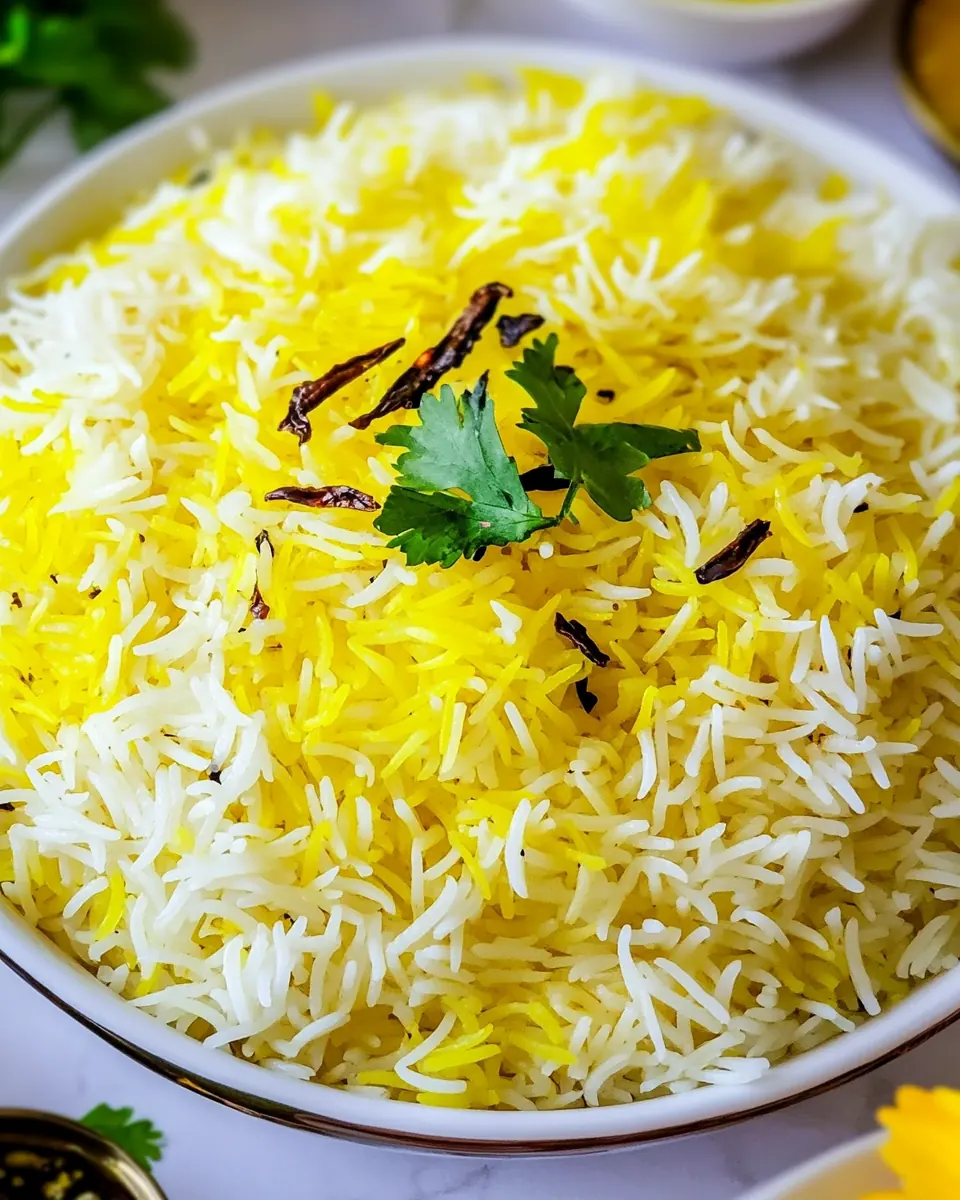
These ingredients are intentionally straightforward. The philosophy here is minimalism with purpose. The basmati rice is the protagonist, while salt, water, and a hint of turmeric support aroma and color. Optional players like ghee, curry leaves, and seeds add bursts of toasty, savory complexity when you want a more festive dish.
- 1 cup basmati rice: Rinse thoroughly and soak briefly to remove surface starch and shorten cooking time; yields separate, fluffy grains when drained and cooked properly. Handle gently to avoid breaking fragile long grains and achieve the classic aromatic texture of basmati rice.
- boiling water: Add boiling liquid to precisely control the cooking temperature and initiate even steaming; provides the hot medium needed to rehydrate and cook the rice efficiently. Maintain a gentle simmer after adding to prevent vigorous boiling that can make grains sticky.
- 2 teaspoons salt: Dissolve into the cooking water to season the rice throughout; balances and enhances the natural aroma of the basmati during cooking. Adjust quantity to taste or dietary needs to control overall saltiness of the finished dish.
- 1 tablespoon boiling water: Use a small amount of very hot water to bloom spices or loosen toward the end of cooking; helps distribute concentrated flavors without cooling the pot. Pour carefully to avoid disrupting rice structure while integrating any residual seasoning.
- 1/8 teaspoon turmeric: Sprinkle into the cooking liquid for subtle color and mild earthy flavor; contributes warmth and an appealing golden hue to the rice. Use sparingly to avoid overpowering the delicate fragrance of basmati.
- 1 tablespoon ghee/oil (Note 1) (optional): Heat briefly to coat the rice or for tempering spices; provides richness and a silky mouthfeel while helping to toast seeds or aromatics. Omit for a lighter dish or replace with a neutral oil for a different flavor profile.
- 3 curry leaves (Note 1) (optional): Tear or bruise and fry gently to release aromatic oils during tempering; imparts a subtle savory, herbal note that complements rice. Add early in the hot fat to infuse the oil and the entire dish with delicate fragrance.
- 1/2 teaspoon black mustard seeds (Note 1) (optional): Crackle in hot fat to release a nutty, pungent flavor during tempering; contributes textural pops and a characteristic sharpness to the seasoning. Use moderation to keep balance with other spices and to avoid bitterness from overcooking.
- 1/2 teaspoon cumin seeds (Note 1) (optional): Toast briefly to release warm, earthy tones and a slightly sweet aroma; enhances the overall spice complexity when combined with mustard and cumin. Grind or leave whole depending on desired texture and intensity in the finished rice.
- 1/2 teaspoon fennel seeds (Note 1) (optional): Lightly toast to bring forward a sweet, licorice-like warmth and aromatic lift; pairs well with cumin and mustard in a traditional tempering. Use whole for subtle background flavor or grind slightly for more pronounced presence.
Instructions for Indian Basmati Rice
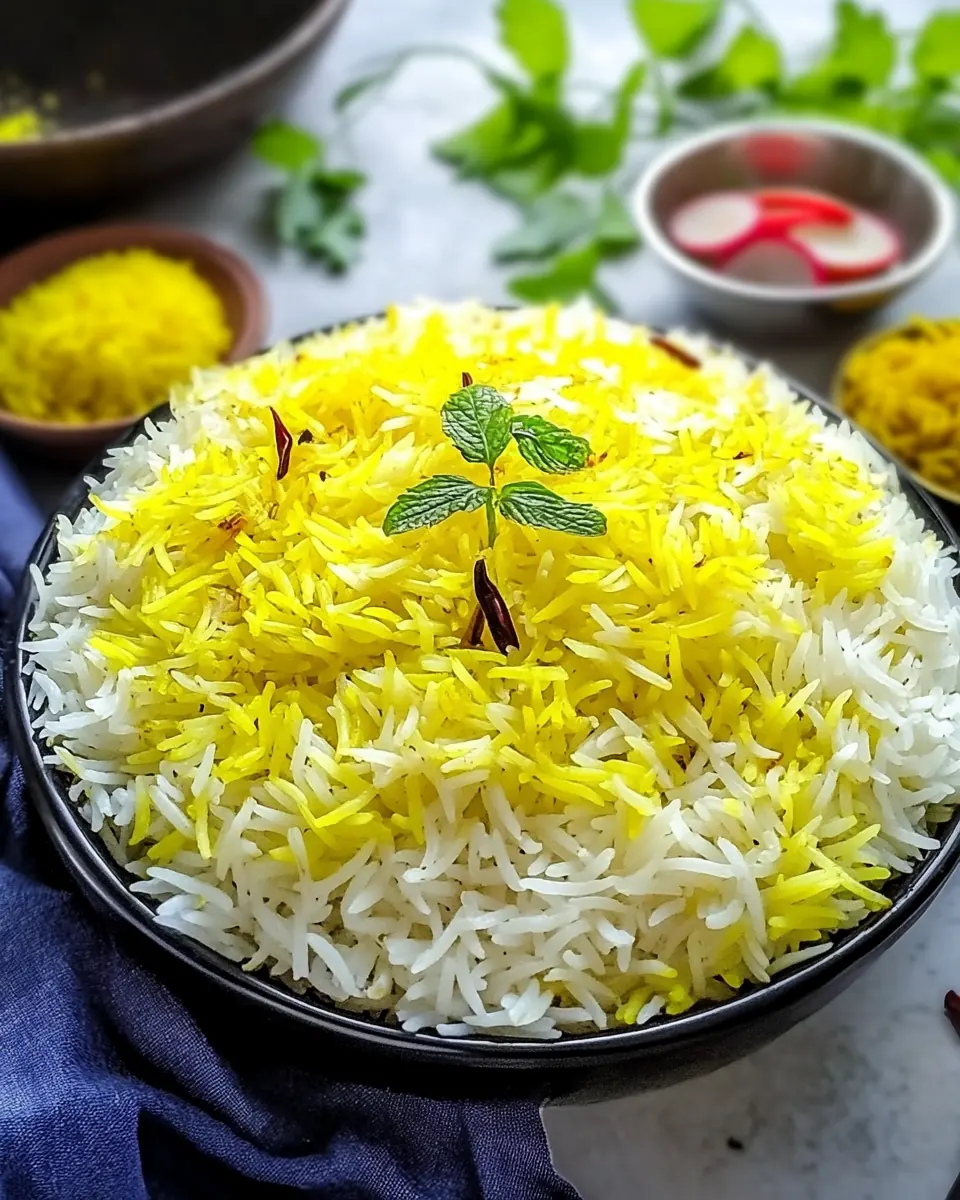
I like to keep the instructions conversational and reassuring because rice can feel intimidating until you see how predictable these steps are. Below I’ve expanded each direction into vivid, sensory rich guidance so you can follow along and know what success smells and looks like.
- Place the rice in a large bowl and add enough cold water to cover by 2-3 inches. Use your hand to gently turn the rice over, swishing it to release any excess starch. Carefully pour off the water, leaving the rice in the bowl. Repeat three times.: As you swish the basmati rice with your fingers the water will cloud with starch, then begin to run clearer after each rinse, and that visual cue is satisfying and crucial. You should feel the grains slide past your palm, and the action removes the powdery coating that would otherwise make the rice glue together. Pouring off the milky water might splash a bit, so go slow and steady with the bowl tilted. The goal here is a translucent rinse, not perfectly glass clear, which signals sufficient starch removal. A common mistake is scrubbing the rice vigorously which can fracture delicate grains, so be gentle. This gentle turning preserves the long grain integrity and prevents breakage, which keeps the cooked rice elegant and separate.
- Cover the rice again and leave it to soak for 30 minutes. Then use a fine-mesh strainer to drain the rice.: During the soak the grains absorb water and plump up, which shortens the actual cooking time and helps achieve even tenderness. You will notice the individual kernels swell slightly and feel heavier in the bowl. After thirty minutes the rice should be pliant but still firm to the bite before cooking. Using a fine mesh strainer ensures you remove excess water without losing grains, and it helps the rice move quickly into the boiling pot. Avoid skipping the soak, as underhydrated grains tend to cook unevenly and can remain hard at the center. Soaking also reduces the likelihood of broken grains while stirring later, preserving the signature long, separate threads of basmati rice .
- Bring a large pan of water to a boil, add the salt and the drained rice. Bring back to a simmer and cook for 10-12 minutes until the rice is tender. Start checking at 8 minutes.: As the pot returns to a rolling boil you will hear a lively, bubbling sound and see the rice moving gently, which tells you the water is doing its work. Once it calms to a simmer the surface will have soft ripples and the grains will begin to look translucent along the edges. At about eight minutes pierce a grain to check for doneness, because basmati rice should be tender with a slight bite, not mushy. The smell will be lightly nutty and clean. Overcooking will make the grains burst and lose their structure, while undercooking leaves them chalky. If you see the water becoming cloudy and very thick, that suggests too much starch remains; in that case, pour into a strainer and rinse briefly with hot water to stop cooking without gummy results.
- When the rice is cooked, use a fine-mesh strainer to drain the rice – pour the cooked rice and remaining water carefully into the strainer and allow the excess water to drain.: Pouring into a strainer releases the hot pot liquid quickly and you will hear a cascade of boiling water drain away, leaving the rice sitting airy and steaming. The steam rising from the rice smells faintly sweet and clean, and letting it drain removes surplus moisture that would otherwise make the texture heavy. Shake the strainer gently to encourage excess water to escape, but avoid rough handling that can break grains. A frequent error is leaving the rice in the boiling pot to finish off the water without draining, which can lead to clumps. Straining preserves the distinct separated grains we all love in Indian Basmati Rice .
- Mix the turmeric with the boiling water, and while the rice is still in the strainer, pour the mixture over the top. It will stain some rice yellow.: The heated turmeric solution will release a warm golden color on contact, and you will see dramatic ribbons of yellow staining some grains, which adds visual charm. Because you pour while the rice is still in the strainer, the colored water courses through and highlights a scattering of grains rather than dyeing every kernel uniformly. The aroma is faintly earthy, and the technique is more decorative than flavor altering. Avoid using too much liquid here, or the rice will rehydrate and clump. If the color seems uneven, that is intentional, and it creates a pretty contrast when you serve the rice.
- Use a rubber spatula to gently turn the rice and distribute the colored grains. You aren't going to color all of the rice, just some of the grains.: The motion should be lifting and folding, not mashing, so that the fragile, steamed grains stay intact and the colored pieces disperse artistically. You will notice a soft rustling sound and the occasional steam puff as you fold, and the finished bowl takes on a mosaic of faint yellow and white. This gentle handling helps keep the texture light and airy. A mistake here is aggressive stirring, which crushes the grains and spoils the delicate presentation.
- Transfer to a serving bowl.: As you bowl the rice the aroma will fill the kitchen with warm, nutty notes, and the grains will settle into a fluffy mound that holds its shape. Use a wide, shallow bowl to showcase the mixed colors and to make it easy for guests to serve themselves. If the rice sits a few minutes, it will steam and relax into an even loftier texture. Cover with a light cloth only if you need to keep it warm briefly, because trapping too much steam can make the surface sticky. One common slip is piling rice into a narrow container, which compresses the grains and ruins the presentation.
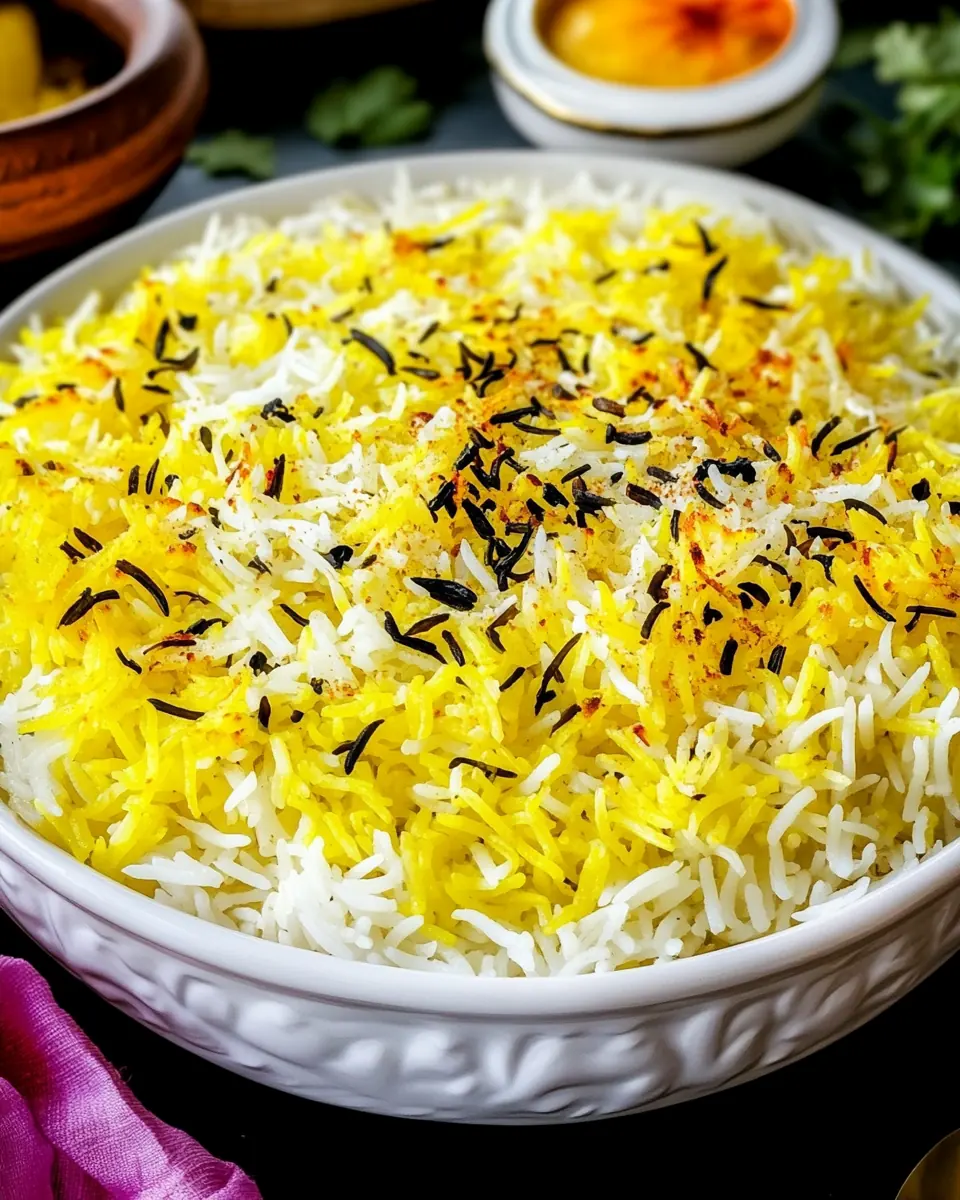
- Heat the ghee/oil in a small frying pan over medium heat. Once the oil is shimmering, add the curry leaves and the mustard, cumin, and fennel seeds. Remove the pan from the heat and pour over the rice.: As the ghee or oil warms you will see it shimmer and hear a faint sizzle when the first seeds hit the surface, and the seeds will pop and perfume the oil with toasty, nutty aromas. The curry leaves will crisp and release a citrusy, savory fragrance. Removing the pan from the heat at the right moment prevents the seeds and leaves from charring, which would become bitter. Pouring this sizzling oil over the waiting rice adds glossy sheen and an immediate aromatic lift. If you are serving children or prefer a subtler profile, skip this final tempering step, because while it is bright and enticing, it is optional for the core texture and structure of the dish.
How to Switch It Up
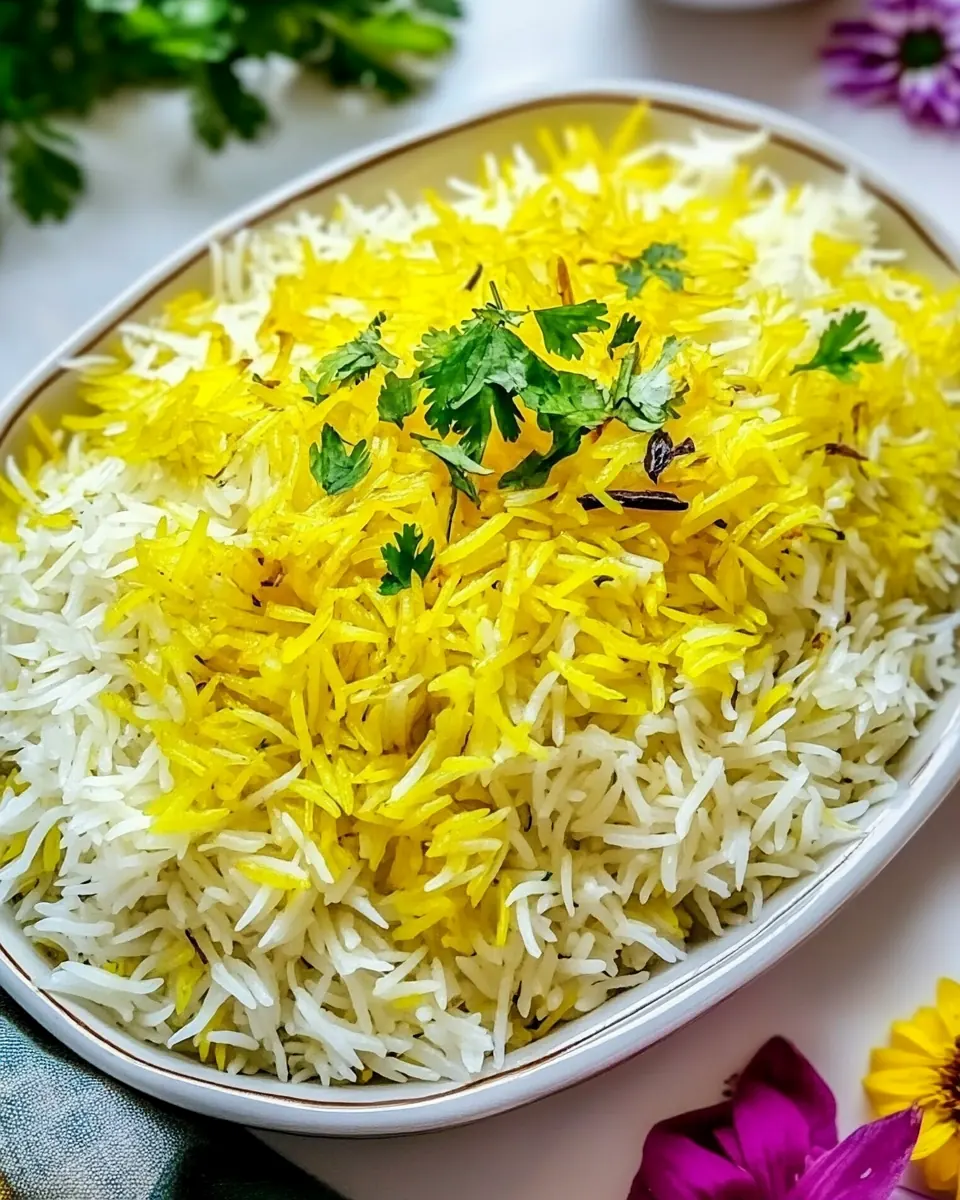
I like offering variations to keep this simple staple interesting without complicating the technique. Below are practical, flavorful ideas that honor the original method while letting you tailor the rice to the occasion or mood.
- Make it mild for kids by skipping the tempered seeds and curry leaves, keeping the rice purely aromatic and gentle for young palates.
- Add color and warmth by increasing the turmeric just slightly, but do so sparingly to avoid overpowering the delicate basmati fragrance.
- Use oil if you prefer a lighter finish instead of ghee, which preserves the crisp of the seeds while reducing richness.
- Serve plain for formal meals and reserve the tempered topping for casual family dinners where bold aroma is welcome.
- Toast the seeds briefly in a dry pan first if you want an extra layer of nutty depth before finishing them in hot fat.
What to Pair With Indian Basmati Rice
This rice is a wonderful chameleon at the table, and it pairs easily with many dishes. I often choose accompaniments that either contrast in texture or complement with bold flavors. Here are thoughtful pairing ideas and serving tips to make the rice shine.
- Classic curry pairing: Serve the rice alongside saucy dals or vegetable curries for a balanced meal where the rice soaks up fragrant gravies.
- Grilled vegetables: Pair with charred seasonal vegetables to add smoky notes and textural contrast to the fluffy grains.
- Festive occasions: For family gatherings and celebrations, use the tempered ghee and seeds to give the rice a special finish and aroma.
- Weeknight simplicity: Keep it plain and serve with a quick stir fry or simple spiced lentils for an easy weeknight dinner.
- Storage tips: Cool leftovers quickly and refrigerate in an airtight container for up to four days, reheating gently with a splash of water to revive the grains.
- Occasion suggestions: Perfect for everyday dinners, Ramadan iftar spreads, or potluck gatherings where a neutral, fragrant bed for many mains is needed.
FAQ
Conclusion
What makes this recipe special is its simplicity paired with techniques that produce reliably fluffy, aromatic rice. The combination of rinsing, soaking, brief parboil, and an optional tempering step gives you a versatile side that works with everyday meals and celebratory plates alike. I encourage you to give it a try, experimenting with or without the tempered spices so you can discover which version your family prefers. Keep the method handy, because once you master these steps, you will have a dependable, elegant foundation for many dishes.
Indian Basmati Rice
Ingredients
Equipment
Method
- Place the rice in a large bowl and add enough cold water to cover by 2-3 inches. Use your hand to gently turn the rice over, swishing it to release any excess starch. Carefully pour off the water, leaving the rice in the bowl. Repeat three times.: As you swish the basmati rice with your fingers the water will cloud with starch, then begin to run clearer after each rinse, and that visual cue is satisfying and crucial. You should feel the grains slide past your palm, and the action removes the powdery coating that would otherwise make the rice glue together. Pouring off the milky water might splash a bit, so go slow and steady with the bowl tilted. The goal here is a translucent rinse, not perfectly glass clear, which signals sufficient starch removal. A common mistake is scrubbing the rice vigorously which can fracture delicate grains, so be gentle. This gentle turning preserves the long grain integrity and prevents breakage, which keeps the cooked rice elegant and separate.
- Cover the rice again and leave it to soak for 30 minutes. Then use a fine-mesh strainer to drain the rice.: During the soak the grains absorb water and plump up, which shortens the actual cooking time and helps achieve even tenderness. You will notice the individual kernels swell slightly and feel heavier in the bowl. After thirty minutes the rice should be pliant but still firm to the bite before cooking. Using a fine mesh strainer ensures you remove excess water without losing grains, and it helps the rice move quickly into the boiling pot. Avoid skipping the soak, as underhydrated grains tend to cook unevenly and can remain hard at the center. Soaking also reduces the likelihood of broken grains while stirring later, preserving the signature long, separate threads of basmati rice .
- Bring a large pan of water to a boil, add the salt and the drained rice. Bring back to a simmer and cook for 10-12 minutes until the rice is tender. Start checking at 8 minutes.: As the pot returns to a rolling boil you will hear a lively, bubbling sound and see the rice moving gently, which tells you the water is doing its work. Once it calms to a simmer the surface will have soft ripples and the grains will begin to look translucent along the edges. At about eight minutes pierce a grain to check for doneness, because basmati rice should be tender with a slight bite, not mushy. The smell will be lightly nutty and clean. Overcooking will make the grains burst and lose their structure, while undercooking leaves them chalky. If you see the water becoming cloudy and very thick, that suggests too much starch remains; in that case, pour into a strainer and rinse briefly with hot water to stop cooking without gummy results.
- When the rice is cooked, use a fine-mesh strainer to drain the rice - pour the cooked rice and remaining water carefully into the strainer and allow the excess water to drain.: Pouring into a strainer releases the hot pot liquid quickly and you will hear a cascade of boiling water drain away, leaving the rice sitting airy and steaming. The steam rising from the rice smells faintly sweet and clean, and letting it drain removes surplus moisture that would otherwise make the texture heavy. Shake the strainer gently to encourage excess water to escape, but avoid rough handling that can break grains. A frequent error is leaving the rice in the boiling pot to finish off the water without draining, which can lead to clumps. Straining preserves the distinct separated grains we all love in Indian Basmati Rice .
- Mix the turmeric with the boiling water, and while the rice is still in the strainer, pour the mixture over the top. It will stain some rice yellow.: The heated turmeric solution will release a warm golden color on contact, and you will see dramatic ribbons of yellow staining some grains, which adds visual charm. Because you pour while the rice is still in the strainer, the colored water courses through and highlights a scattering of grains rather than dyeing every kernel uniformly. The aroma is faintly earthy, and the technique is more decorative than flavor altering. Avoid using too much liquid here, or the rice will rehydrate and clump. If the color seems uneven, that is intentional, and it creates a pretty contrast when you serve the rice.
- Use a rubber spatula to gently turn the rice and distribute the colored grains. You aren't going to color all of the rice, just some of the grains.: The motion should be lifting and folding, not mashing, so that the fragile, steamed grains stay intact and the colored pieces disperse artistically. You will notice a soft rustling sound and the occasional steam puff as you fold, and the finished bowl takes on a mosaic of faint yellow and white. This gentle handling helps keep the texture light and airy. A mistake here is aggressive stirring, which crushes the grains and spoils the delicate presentation.
- Transfer to a serving bowl.: As you bowl the rice the aroma will fill the kitchen with warm, nutty notes, and the grains will settle into a fluffy mound that holds its shape. Use a wide, shallow bowl to showcase the mixed colors and to make it easy for guests to serve themselves. If the rice sits a few minutes, it will steam and relax into an even loftier texture. Cover with a light cloth only if you need to keep it warm briefly, because trapping too much steam can make the surface sticky. One common slip is piling rice into a narrow container, which compresses the grains and ruins the presentation.
- Heat the ghee/oil in a small frying pan over medium heat. Once the oil is shimmering, add the curry leaves and the mustard, cumin, and fennel seeds. Remove the pan from the heat and pour over the rice.: As the ghee or oil warms you will see it shimmer and hear a faint sizzle when the first seeds hit the surface, and the seeds will pop and perfume the oil with toasty, nutty aromas. The curry leaves will crisp and release a citrusy, savory fragrance. Removing the pan from the heat at the right moment prevents the seeds and leaves from charring, which would become bitter. Pouring this sizzling oil over the waiting rice adds glossy sheen and an immediate aromatic lift. If you are serving children or prefer a subtler profile, skip this final tempering step, because while it is bright and enticing, it is optional for the core texture and structure of the dish.
Notes
- Make it mild for kids by skipping the tempered seeds and curry leaves, keeping the rice purely aromatic and gentle for young palates.
- Add color and warmth by increasing the turmeric just slightly, but do so sparingly to avoid overpowering the delicate basmati fragrance.
- Use oil if you prefer a lighter finish instead of ghee, which preserves the crisp of the seeds while reducing richness.
- Serve plain for formal meals and reserve the tempered topping for casual family dinners where bold aroma is welcome.
- Toast the seeds briefly in a dry pan first if you want an extra layer of nutty depth before finishing them in hot fat.