Sautéed Green Beans
Sautéed Green Beans have been my quick rescue on busy weeknights when I want something green, bright, and cooked faster than I can decide on a main. I first learned this technique years ago from a neighbor who showed me how a little steam and a quick finish in butter can make plain green beans sing. The first time I tried it, I remember the sharp hiss of bubbling water hitting the skillet and how the aroma of warm butter lifted everything in the kitchen. That moment turned simple produce into a side I reached for again and again.
There are nights when I want to keep things simple and nights when I want to impress without a fuss, and Sautéed Green Beans sits comfortably in both camps. I often make a double batch, because they reheat well, and I love how a sprinkle of freshly cracked pepper adds a little edge. Over the seasons I have tweaked the timing and the finishing touch so the beans stay tender yet crisp, and every family member has their own tiny preference for just how bright the bean should be. I like mine with a little more bite, while others prefer them softer, and that flexibility is part of their charm.
When guests come over and I need a reliable side that feels homey and honest, I turn to Sautéed Green Beans. They pair with everything and somehow make the whole meal feel complete. I enjoy the ritual of trimming the ends, the quick steam that softens the fibers, and the final, buttery toss that brings everything together. Try them once as written, then make them your own.
Recipe Snapshot
20 mins
10 mins
10 mins
Easy
150 kcal
American
Gluten-Free, Vegan
Side Dishes
Skillet, Lid, Tongs
The Magic of This Sautéed Green Beans
Real speed without sacrificing texture
I love how Sautéed Green Beans takes almost no time yet rewards you with a perfect tender crisp bite. The brief steam step softens the beans just enough, and the quick sauté keeps their bright color and slight snap. For busy evenings, this method is a lifesaver, letting you focus on the main dish while still serving something fresh and vibrant.
Minimal ingredients, maximum flavor
With only a few pantry staples like butter and simple seasonings, the natural flavor of the green beans shines. I find that modest seasoning lets the vegetable speak, while a finishing toss in warm butter adds a silky mouthfeel that feels indulgent without being heavy. It proves that sometimes simplicity is the most elegant choice.
Flexible and forgiving
One of the reasons I keep this recipe in rotation is how forgiving it is. You can tweak the cook time by a minute or two to suit your preference and still end up with a great side. If you prefer a softer bean, a little extra covered steam will do the trick, and if you like crunch, pull them off the heat sooner. That adaptability makes it easy to pair with a wide range of mains.
Great for weeknight dinners and gatherings
I often bring Sautéed Green Beans to potlucks because they travel well and reheat nicely. They feel homey enough for family dinners, yet refined enough to balance richer mains at a dinner party. The simple presentation also leaves space for other flavors on the plate, so it complements rather than competes.
Easy to scale and season
Lastly, this recipe scales up smoothly when you need to feed a crowd. The cooking steps remain the same, and seasoning adjustments are straightforward. I like to keep a sea salt grinder and cracked pepper nearby, and occasionally I change the seasoning to give the beans a little regional flair.
Sautéed Green Beans Ingredients
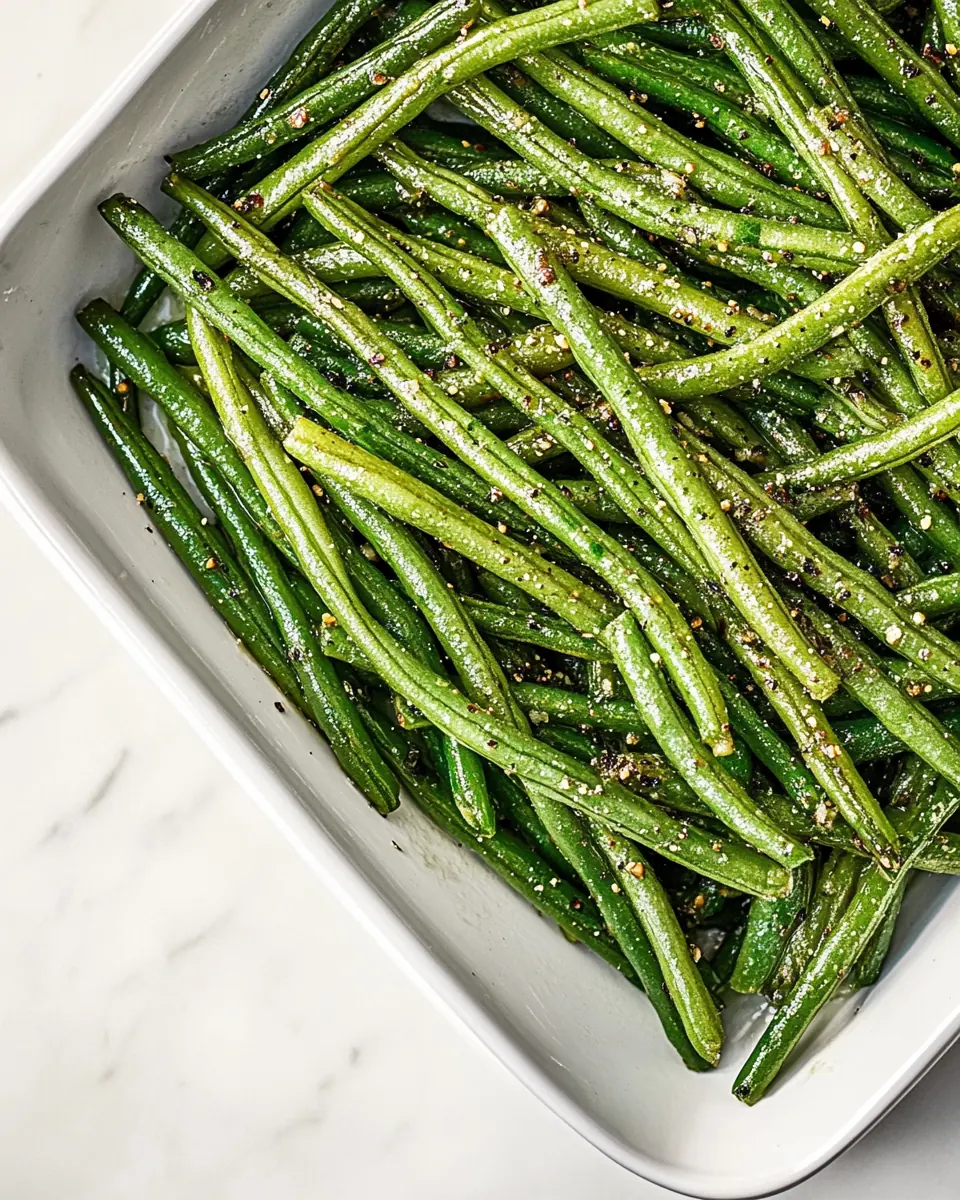
I believe in a short, focused ingredient list that highlights the produce and lets technique do the rest. These ingredients work together to create a balance of clean vegetable flavor, a softening steam step, and a shiny, savory finish from the butter. The seasonings are simple, intended to enhance rather than mask the natural character of the green beans.
- 1 pound green beans ends trimmed: Provide moisture and a steaming medium to help tenderize and cook the green beans evenly; use the specified amount to create gentle steam without making the pan soggy. Combine with butter for flavor infusion and monitor evaporation so beans retain a slight crispness. Adjust cooking time based on bean size to achieve tender-crisp texture.
- 1/3 cup water: Create steam to soften the green beans quickly while preserving color and nutrients; measure carefully so pan liquids don’t dilute flavor. Add early in cooking and let reduce so the beans finish with concentrated taste and glossy appearance.
- 2 tablespoons butter: Melt to coat the green beans and provide a rich, silky mouthfeel while aiding browning and flavor development; add when pan is hot enough to sizzle but not burn. Use the exact amount to balance richness without overwhelming the bean’s natural freshness.
- 1/2 teaspoon onion powder: Lend a mild onion flavor in powdered form that blends easily into butter and cooking water; sprinkle evenly to avoid concentrated pockets of flavor. Enhance savory depth without altering texture, and adjust slightly if using fresh onion instead.
- 1/2 teaspoon garlic powder: Impart a subtle garlic aroma and savory undertone in powdered form that dissolves into the cooking liquid; distribute uniformly for consistent seasoning. Complement butter and onion powder to build layered savory notes without adding moisture.
- Salt & pepper to taste: Season to taste to enhance overall flavor balance; add gradually and taste as you cook to avoid over-salting. Use black pepper to provide a gentle heat and brightness that lifts the buttery, garlicky profile.
Making Sautéed Green Beans
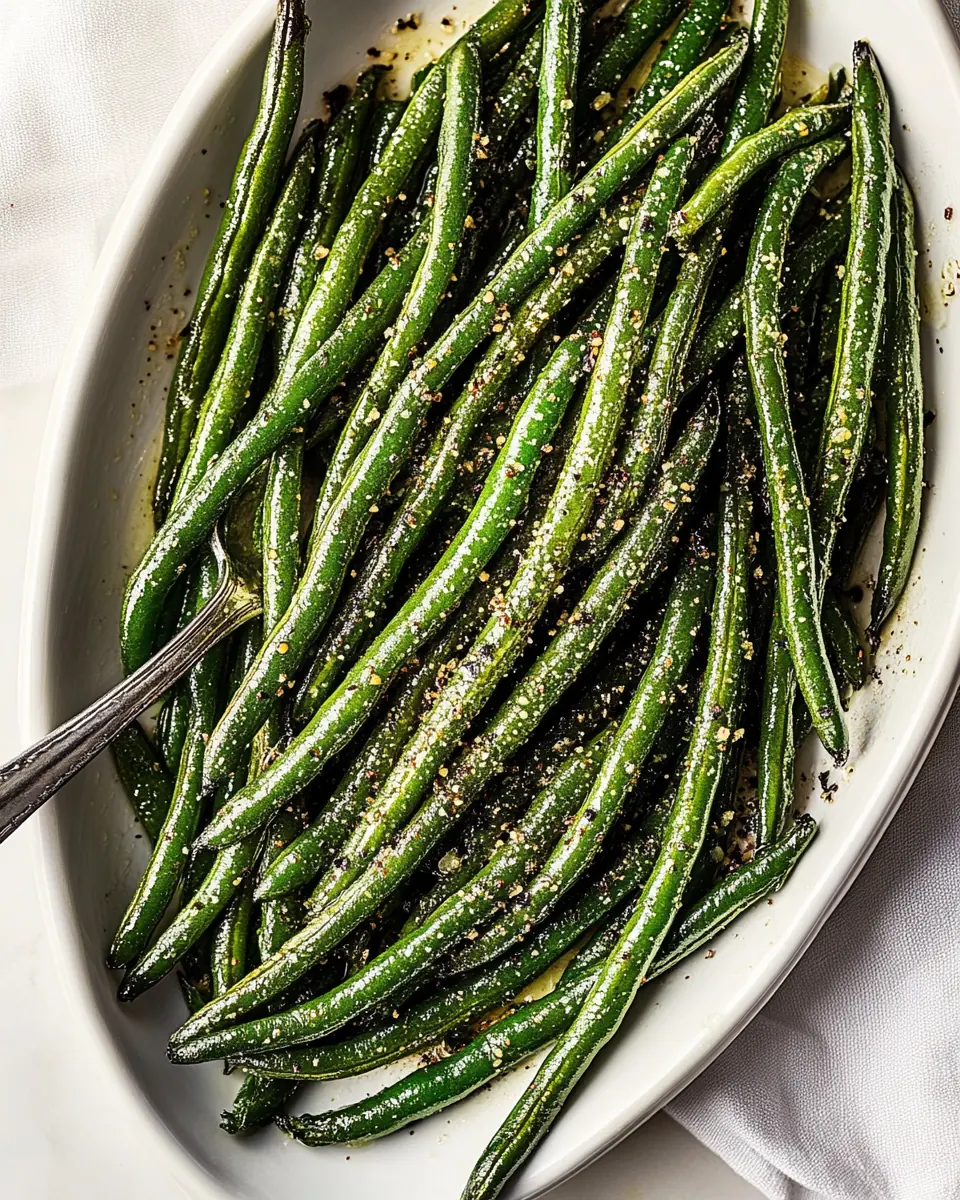
These directions transform those few ingredients into a vibrant side. I usually move through the steps deliberately, paying attention to the sounds and sights so I stop at the right moment. Below, I expand each step into sensory rich guidance so you get consistent results.
- Add the water to a skillet and bring it to a boil over medium-high heat.: You will hear the water begin to chatter and form steady bubbles before the beans go in. The small volume of water will heat quickly, so standby with the beans and a lid. This initial boiling point is important because it creates enough steam to gently cook the green beans without leaching their flavor. A common mistake is using too much water which leads to soft, waterlogged beans instead of a tender crisp texture.
- Once the water is bubbling, add the beans and cover the skillet. Cook for 4-5 minutes (they will be tender-crisp). If the beans are too crisp for your liking, cook them for a couple more minutes.: Look for vigorous but not violent bubbling as you drop the beans in, and immediately cover to trap the steam. You will notice the steam fog the lid and the beans will brighten in color within moments. This trapped steam softens the interior fibers while keeping the exterior vibrant. Avoid leaving the lid off during this short period because the steam will escape and the beans will cook unevenly.
- Drain the water from the skillet.: As the covered skillet works, listen for a soft rolling sound and peek occasionally to check firmness with a fork or a taste. After about four to five minutes you should find a satisfying tender crisp bite, with a slight resistance when you chew. If you prefer a softer bean, add one or two additional minutes, but be careful not to overdo it, as prolonged steam will dull the color and make them mushy.
- Return the skillet (with the beans in it) to the stove over medium heat.: Carefully tilt the skillet to pour off the hot water, or use a colander to drain. You will see the beans glisten as the water goes away, and the smell will be subtly vegetal and clean. Removing excess water prevents the final sauté from becoming soggy and allows the butter to coat the beans evenly. A common error is to let the beans sit in the drained water which cools them and dilutes the flavor.
- Add the butter to the skillet, then sprinkle in the onion powder and garlic powder, season generously with salt & pepper, and toss for about a minute until the beans are well coated (use tongs or two spoons). Serve immediately.: Placing the skillet back on medium heat warms the pan so the butter melts and clings to the beans, creating a light sear and toasty notes. You should start to hear a gentle sizzle as any residual moisture leaves the surface. This step intensifies flavor through gentle caramelization and gives a more complex aroma. Avoid turning the heat too high, which can burn the butter and leave a bitter taste.
- Add the butter to the skillet then sprinkle in the onion powder and garlic powder season generously with salt & pepper and toss for about a minute until the beans are well coated use tongs or two spoons Serve immediately: When the butter melts it will foam slightly and release a warm, nutty smell that carries the seasonings across the beans. Tossing for about a minute allows the powders to bloom in the hot fat and cling to the surface creating an even coating and glossy finish. You will hear a soft, cloth like shuffle as you toss the beans, and their surface will gleam. The why is simple, the hot fat draws out flavor and binds seasonings to the vegetable. Trouble to watch for is over tossing which can bruise the beans or smash them with heavy tools; use gentle motions and serve while warm for best texture.
How to Switch It Up
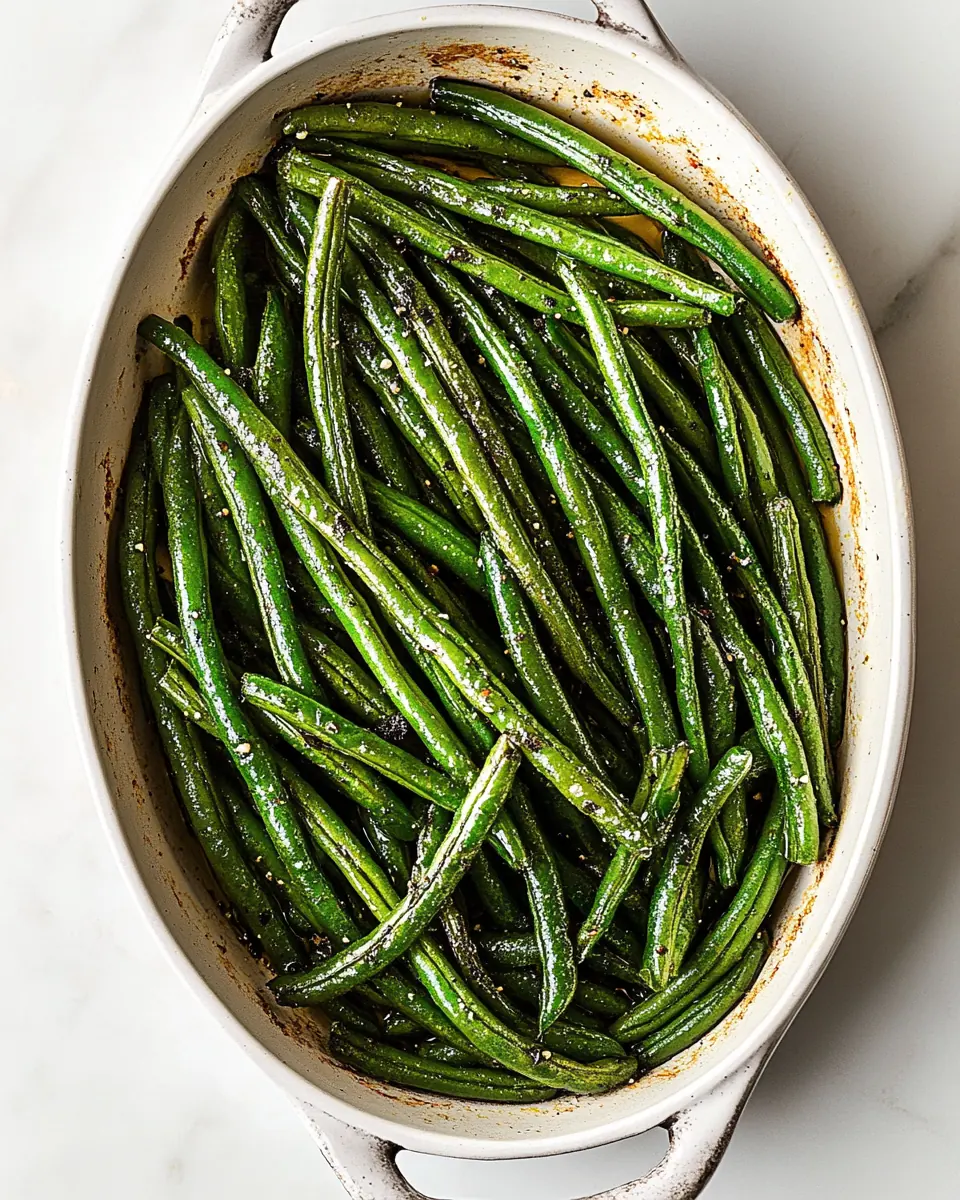
This short intro gives ideas to vary the recipe without changing the core steps. Each tip starts with a bolded phrase to spotlight the change, and then explains how it alters the final flavor or presentation. Use these to make the dish fit different meals or moods.
- Use a flavored finishing salt to add a subtle additional layer of taste, sprinkle lightly right after tossing so the salt adheres to the warm butter and beans.
- Swap seasoning blends by trying a regional mix, apply sparingly at the end so it complements rather than overwhelms the fresh green beans.
- Double the batch when feeding a group, cook in two batches to avoid crowding the skillet which can steam rather than sauté the beans.
- Finish with citrus zest adding a small amount of lemon or orange zest right before serving brightens the dish and cuts through the richness of the butter.
- Toast spices first briefly in the warm skillet before adding the beans to deepen the aroma, but be careful as ground spices can burn quickly.
How to Serve Sautéed Green Beans
These beans are a dependable side for many meals. Below are several serving ideas, storage notes, and occasion pairings to help you present them confidently. Each list item focuses on practical, easy to execute suggestions that complement the simple nature of the recipe.
- Classic weeknight dinner pair the Sautéed Green Beans with roasted or pan seared proteins for a balanced plate, serve hot straight from the skillet.
- Holiday table offer them as a lighter vegetable option on a festive spread, their bright color and simple seasoning make them crowd friendly.
- Potluck friendly transport them in a covered dish and reheat briefly in a skillet to refresh the butter gloss and heat through before serving.
- Lunch sides add them to bowls with grains and a protein for a quick midday meal, their crisp texture provides a pleasant contrast.
- Storage tips cool to room temperature then refrigerate in an airtight container up to three days, reheat gently to avoid overcooking.
- Seasonal pairing highlight them in spring menus when fresh beans are sweetest, they complement lighter mains and fresh herbs well.
FAQ
Conclusion
Sautéed Green Beans stand out for their simplicity, reliable texture, and bright, buttery flavor. They require minimal ingredients and a short technique that preserves color and delivers a tender crisp bite, making them an ideal side for many meals. I encourage you to try this method and notice how the quick steam plus a warm butter finish transforms ordinary beans into something you will reach for again. It is an easy way to add a fresh, homey vegetable to your table any night of the week.
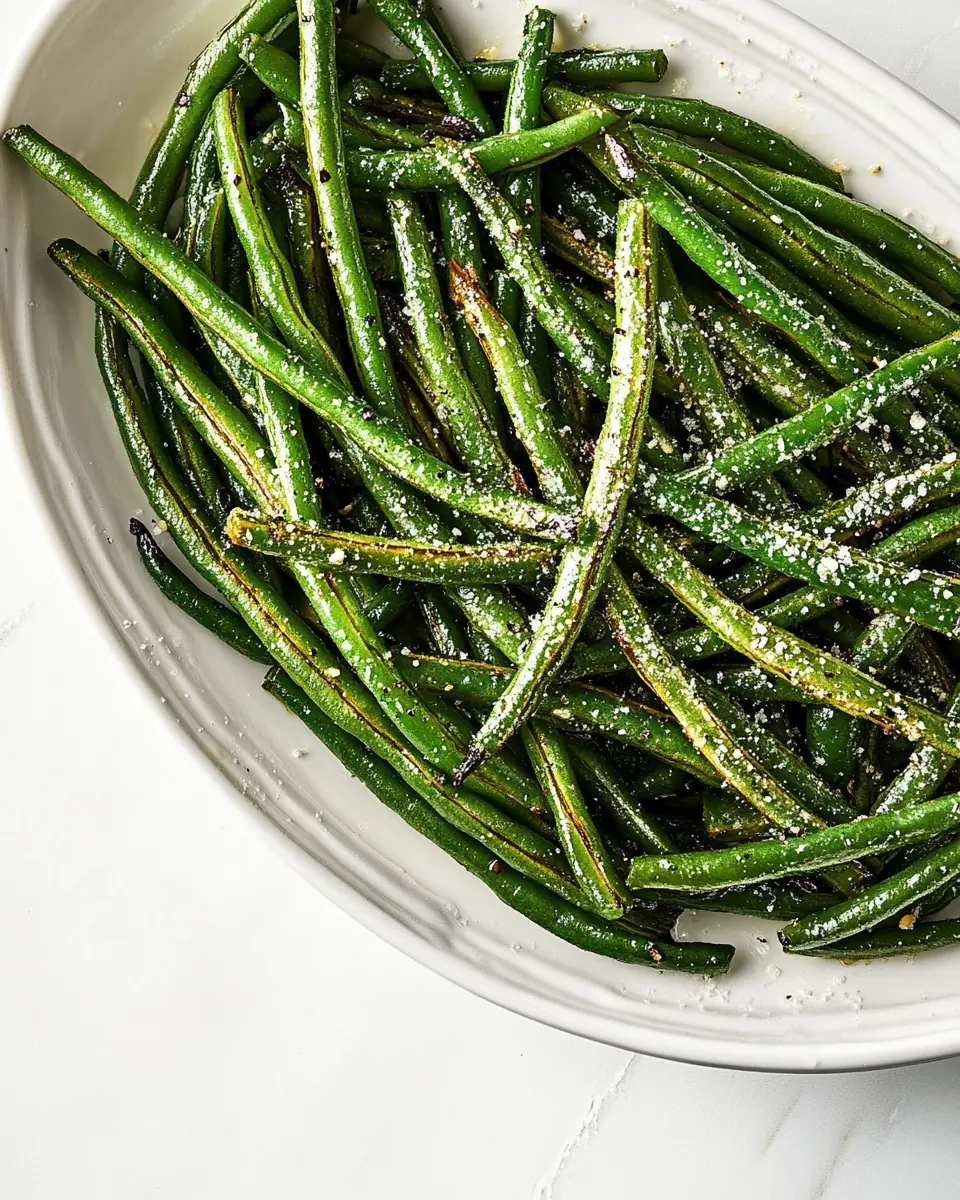
Sautéed Green Beans
Ingredients
Equipment
Method
- Add the water to a skillet and bring it to a boil over medium-high heat.: You will hear the water begin to chatter and form steady bubbles before the beans go in. The small volume of water will heat quickly, so standby with the beans and a lid. This initial boiling point is important because it creates enough steam to gently cook the green beans without leaching their flavor. A common mistake is using too much water which leads to soft, waterlogged beans instead of a tender crisp texture.
- Once the water is bubbling, add the beans and cover the skillet. Cook for 4-5 minutes (they will be tender-crisp). If the beans are too crisp for your liking, cook them for a couple more minutes.: Look for vigorous but not violent bubbling as you drop the beans in, and immediately cover to trap the steam. You will notice the steam fog the lid and the beans will brighten in color within moments. This trapped steam softens the interior fibers while keeping the exterior vibrant. Avoid leaving the lid off during this short period because the steam will escape and the beans will cook unevenly.
- Drain the water from the skillet.: As the covered skillet works, listen for a soft rolling sound and peek occasionally to check firmness with a fork or a taste. After about four to five minutes you should find a satisfying tender crisp bite, with a slight resistance when you chew. If you prefer a softer bean, add one or two additional minutes, but be careful not to overdo it, as prolonged steam will dull the color and make them mushy.
- Return the skillet (with the beans in it) to the stove over medium heat.: Carefully tilt the skillet to pour off the hot water, or use a colander to drain. You will see the beans glisten as the water goes away, and the smell will be subtly vegetal and clean. Removing excess water prevents the final sauté from becoming soggy and allows the butter to coat the beans evenly. A common error is to let the beans sit in the drained water which cools them and dilutes the flavor.
- Add the butter to the skillet, then sprinkle in the onion powder and garlic powder, season generously with salt & pepper, and toss for about a minute until the beans are well coated (use tongs or two spoons). Serve immediately.: Placing the skillet back on medium heat warms the pan so the butter melts and clings to the beans, creating a light sear and toasty notes. You should start to hear a gentle sizzle as any residual moisture leaves the surface. This step intensifies flavor through gentle caramelization and gives a more complex aroma. Avoid turning the heat too high, which can burn the butter and leave a bitter taste.
- Add the butter to the skillet then sprinkle in the onion powder and garlic powder season generously with salt & pepper and toss for about a minute until the beans are well coated use tongs or two spoons Serve immediately: When the butter melts it will foam slightly and release a warm, nutty smell that carries the seasonings across the beans. Tossing for about a minute allows the powders to bloom in the hot fat and cling to the surface creating an even coating and glossy finish. You will hear a soft, cloth like shuffle as you toss the beans, and their surface will gleam. The why is simple, the hot fat draws out flavor and binds seasonings to the vegetable. Trouble to watch for is over tossing which can bruise the beans or smash them with heavy tools; use gentle motions and serve while warm for best texture.
Notes
- Use a flavored finishing salt to add a subtle additional layer of taste, sprinkle lightly right after tossing so the salt adheres to the warm butter and beans.
- Swap seasoning blends by trying a regional mix, apply sparingly at the end so it complements rather than overwhelms the fresh green beans.
- Double the batch when feeding a group, cook in two batches to avoid crowding the skillet which can steam rather than sauté the beans.
- Finish with citrus zest adding a small amount of lemon or orange zest right before serving brightens the dish and cuts through the richness of the butter.
- Toast spices first briefly in the warm skillet before adding the beans to deepen the aroma, but be careful as ground spices can burn quickly.