Peanut Butter Waffle Sandwiches
Peanut Butter Waffle Sandwiches have been my go to for quick fun breakfasts and easy lunchbox surprises since I first discovered that biscuit dough crisped in a waffle iron turns into a pillowy, golden pocket that holds melty peanut butter like a dream. The first time I made them, I was running late for a weekend farmers market and only had a can of biscuits, a jar of peanut butter, and a battered waffle maker that still worked perfectly. They came together in minutes, and the warm, nutty aroma filled the kitchen while the edges crisped up into irresistible little sandwiches.
I love how flexible Peanut Butter Waffle Sandwiches are. Some mornings I smear the peanut butter thick and go for a gooey center, other times I add a spoonful of jam or a drizzle of honey for contrast. When I pack them for lunch I cool them completely so they travel well, and when I serve them right away I cut them into strips for dunking in syrup. Each bite balances soft biscuit interior with crunchy edges, which feels playful and comforting at once.
Over the years I learned a few simple tricks that make these tiny sandwiches consistently excellent. Sealing the edges properly keeps the filling from leaking into the waffle iron, and adjusting the cooking time to your machine prevents overbrowning. I also experimented with reheating methods and found that a quick toast restores crispness beautifully. Whether you want an easy weekend treat, a kid friendly lunch, or a last minute snack, these sandwiches always deliver a warm, satisfying experience.
Recipe Snapshot
20 mins
5 mins
15 mins
Easy
200 kcal
American
Gluten-Free, Vegan
Breakfast
Waffle maker, Can opener, Knife
What’s Great About This Peanut Butter Waffle Sandwiches
They are ridiculously fast
I love that Peanut Butter Waffle Sandwiches are ready almost instantly. From can to plate you spend minimal time, and that speed makes them perfect for busy mornings when you still want something home cooked. I often make a batch while packing backpacks, and the whole family ends up eating together rather than rushing out the door.
Texture contrast is the hero
What makes these stand out is the contrast between the soft, pillowy interior of the cooked biscuits and the crisp, golden edges. The sound of the waffle iron closing and the sight of bubbling dough turning golden is oddly satisfying, and it elevates a simple peanut butter sandwich into something special. I find the little crunchy rims make dipping into syrup or spreading extra peanut butter more fun.
Kid approved and pack friendly
These sandwiches travel well when cooled, and they reheat nicely which makes them a staple for lunchboxes. I’ve sent them on picnics and to after school activities, and they’ve always come back with clean plates. The portability and ability to freeze them for later are huge wins in my kitchen.
Customizable comfort food
You can keep the recipe minimal or add a touch of sweetness with jam or honey. I appreciate that the base technique lets you improvise without breaking the recipe. If you want a crispier result, a quick toast brings back crunch; if you want soft and gooey, serve them right away.
Sensible ingredients, big payoff
The ingredient list is short and approachable. Using canned biscuits and pantry peanut butter means you can make these any time. That simplicity is why I keep this recipe in my quick repertoire, it’s comfort food without fuss.
What You’ll Need for Peanut Butter Waffle Sandwiches
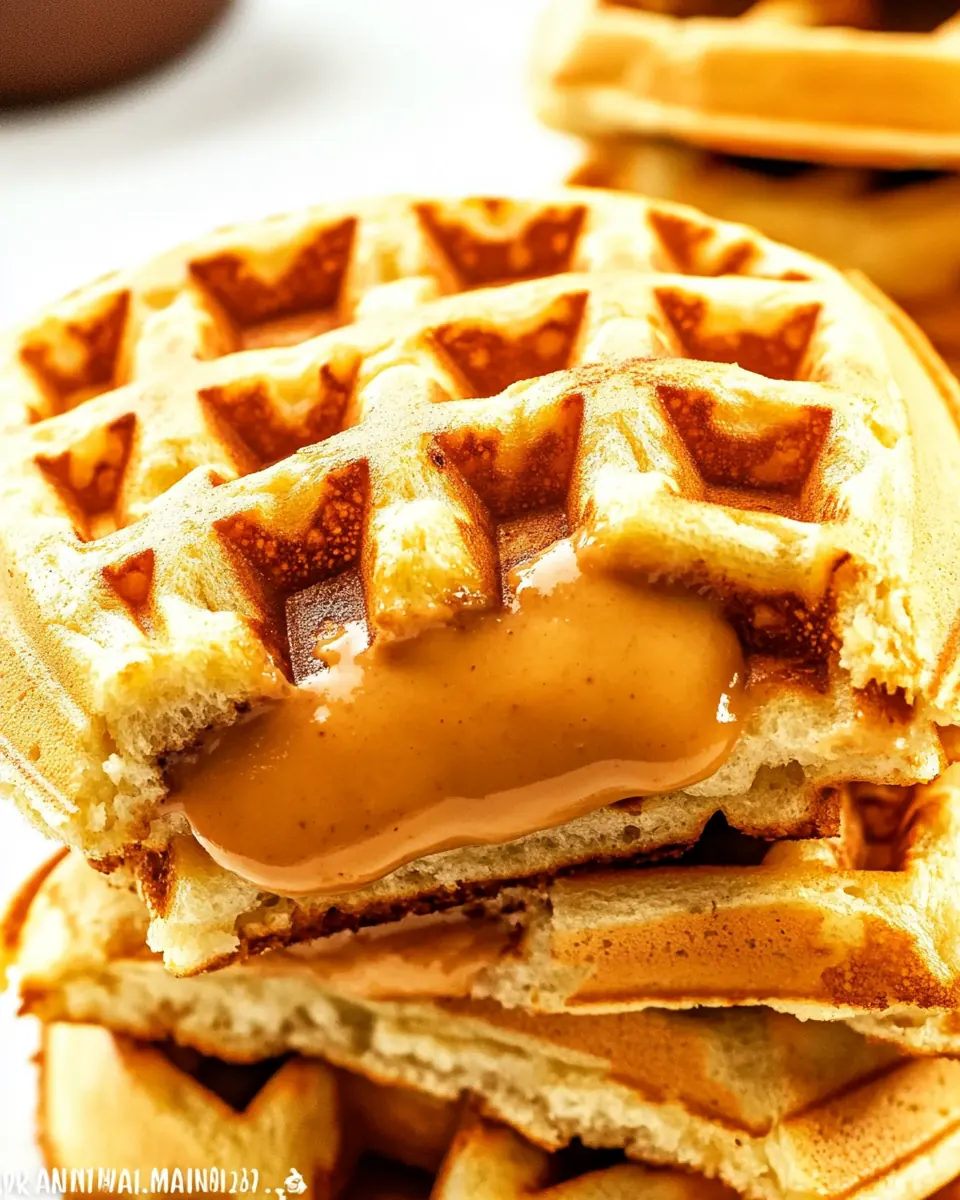
These ingredients come together to make a playful, nostalgic treat. The key players are the canned biscuits, which provide structure and that delightful golden exterior, and the pantry peanut butter, which brings creamy, nutty richness. Optional items like jelly, honey, and syrup let you tailor the sweetness and serving style without changing the core technique.
- 1 can Pillsbury Grands Biscuits 8 biscuits, NOT the “flakey” kind: Provides a ready-made dough base that fluffs and browns when baked or pressed, creating the waffle-like sandwich exterior; use the non-"flakey" variety for a more uniform, bread-like texture that holds fillings.
- 8 tablespoons Peanut Butter: Adds creamy, nutty richness and protein that binds to the biscuit interior, offering both flavor and moisture; spread evenly to ensure balanced taste in every bite.
- Jelly or honey (optional): Offers optional sweetness and a contrasting fruity or floral note that complements the peanut butter, allowing customization of flavor and added moisture when desired.
- Syrup for serving (optional): Supplies optional extra sweetness and a classic breakfast syrup finish for drizzling at serving, enhancing overall sweetness and mouthfeel if preferred.
Making This Peanut Butter Waffle Sandwiches
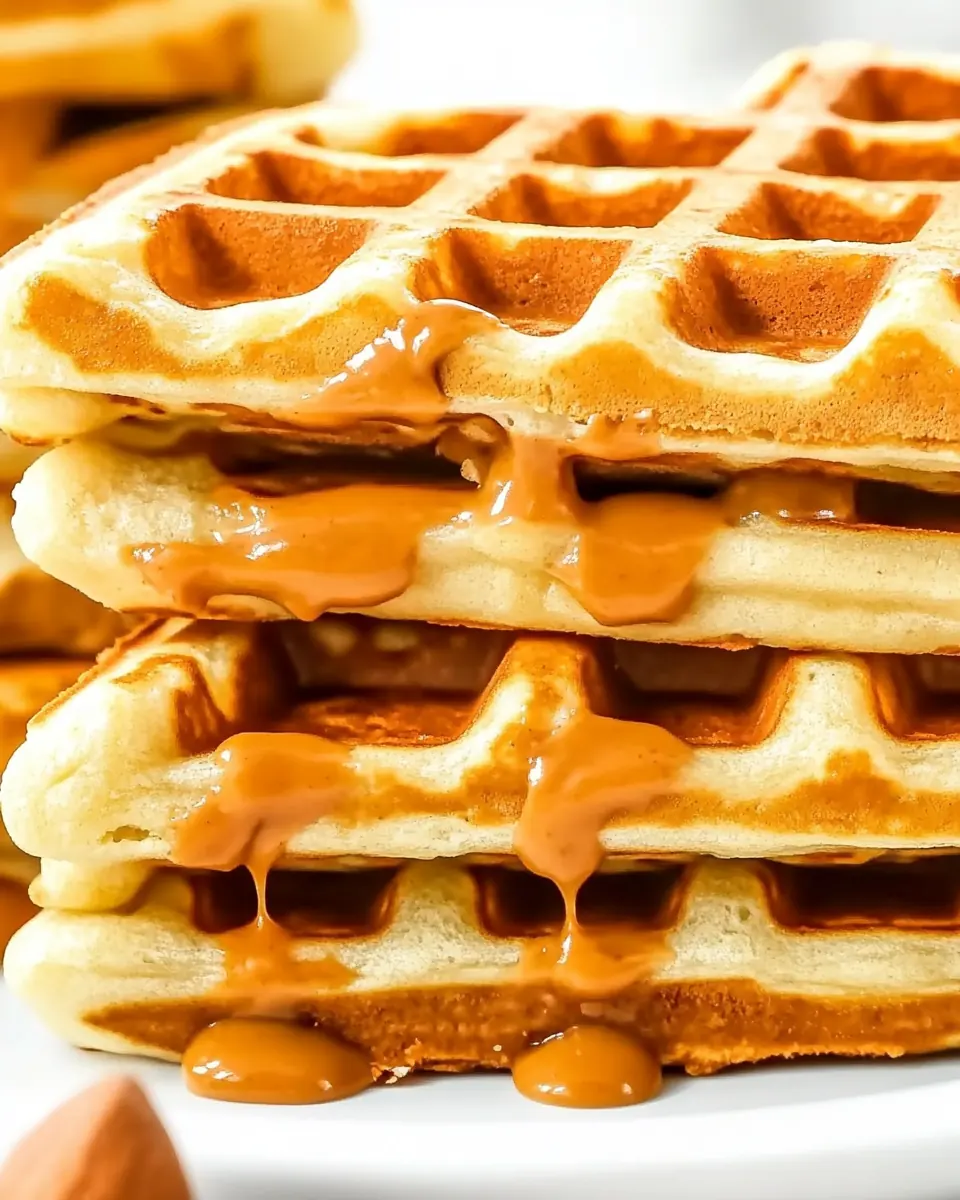
These instructions are conversational and guide you through each decision so you get consistent results. I walk you through heating the waffle iron, assembling and sealing each sandwich, and reading the visual cues so you know when they are perfectly golden. Pay attention to sealing and timing, and you will avoid mess and get reliably crisp exteriors with a soft interior.
- Preheat your waffle maker to medium-high.: The room fills with the faint electrical hum and a faint warm scent as the surface heats, which is your cue that the iron is nearly ready. A medium-high setting gives the right balance between quick browning and thorough cooking, so the dough cooks through without burning. One common mistake is starting on too high heat, which can char the outside while leaving the center dough undercooked. If your waffle iron runs hot, dial back slightly and test with one sandwich to dial in timing.
- Open the can of biscuits and cut each biscuit in half like you’re making a sandwich. Place about 2 teaspoons of peanut butter on one side of the raw biscuit dough. If desired, top with some jam or honey. Place the top raw half of the biscuit on top and pinch the edges to seal. (The sealing is important or peanut butter will leak all over your waffle maker!): When you open the can, you often hear a soft hiss and see plump rounds of dough, which is oddly comforting. Cutting each biscuit in half creates two thin discs that cook evenly and fit well in standard waffle molds. Use a gentle twisting motion with a knife so the dough does not tear. A typical error is pressing too hard and compressing the dough which can make a dense finished texture; handle the dough lightly for a fluffy result.
- Depending on the size of your waffle maker, cook one sandwich at a time. (My waffle maker is a standard round size and I make one in the center.) Cook about 1-2 minutes until golden. Time will vary depending on your waffle maker, so just watch the first few and see how long they take.: The creamy peanut butter should sit slightly centered so when you top it with the other half it spreads without reaching the edges. You will notice the rich smell of nuts and the glossy surface of the spread, which signals a proper amount. Overfilling is a frequent problem, leading to leakage and a sticky waffle iron; stick to a modest portion and you will get a clean seal.
- Cool slightly (or completely) before serving. These can be cut into strips and dipped in syrup or you can even just serve them as a sandwich for lunch.: A small spoonful of jelly or a drizzle of honey adds bright sweetness that contrasts with the peanut butter . Keep the addition minimal so the filling remains contained while cooking. Too much jam causes juices to escape and caramelize on the iron, making cleanup harder and the sandwich soggy; use a light hand for the best balance.
- Store in an airtight container for up to 3 days or freeze for up to one month. To reheat, simply microwave until warm. You can also toast them to make them crunchy. Or just place a frozen sandwich in a lunch box the night before and it’ll be defrosted by lunch the next day!: You will feel the dough layers join together as you press the rim, creating a compact pocket for the filling. A good pinch prevents the peanut butter from leaking and protects the waffle iron from messy drips. If you don’t seal generously, expect filling to ooze out during cooking, which is the most common issue at this stage; press firmly and crimp slightly for insurance.
- Depending on the size of your waffle maker, cook one sandwich at a time.: Drop the sealed sandwich into the center of the preheated iron and close the lid. The initial contact releases a soft sizzle and you can often hear a gentle crackle as steam escapes, indicating moisture is evaporating. If you crowd the iron, the sandwiches will steam instead of crisp, resulting in a limp texture; cook in single layers if your iron is small for consistent browning.
- Cook about 1 to 2 minutes until golden.: Watch the first one closely, because color and timing vary by waffle iron. You want a golden brown edge and an overall even color, which signals that the interior has set and the filling is warm. A common pitfall is undercooking which leaves dough pale and doughy inside, so adjust by small increments and test with one sandwich before doing a full batch.
- Time will vary depending on your waffle maker, so just watch the first few and see how long they take.: The sound and sight are your best indicators, not the clock alone. Look for steady bubbling to slow and a deepening color, and you will learn how your appliance behaves. Many cooks make the mistake of following a fixed time and then ending up with inconsistent results, so treat the first one as your calibration sample.
- Cool slightly or completely before serving.: Cooling firms the dough interior and makes handling easier, especially if you plan to pack them. When warm, the filling is melty and soft, offering a different experience than cooled sandwiches which are sturdier and portable. Cutting into them too early can cause the filling to spill, so allow a brief rest if you want neat slices for dipping.
- These can be cut into strips and dipped in syrup or you can even just serve them as a sandwich for lunch.: Cutting reveals the cross section of crisp edge and pillowy dough with molten peanut butter inside, and dipping brings extra sweetness and moisture. For transport, choose to cool fully and wrap individually. An error people make is dunking piping hot pieces which can lead to sticky fingers and dripping; let them cool for a minute or two before serving.
- Store in an airtight container for up to 3 days or freeze for up to one month.: Proper storage preserves texture and flavor, and frozen sandwiches reheat well from frozen or thawed. For reheating, a microwave quickly warms the center while a toaster or oven restores crisp edges. A common storage mistake is leaving them uncovered which causes them to dry out, so always seal tightly before refrigerating or freezing.
- To reheat, simply microwave until warm.: The microwave quickly warms the interior, creating a gooey center, while a brief toast afterwards can bring back surface crunch. If you reheat straight from frozen, allow a little extra time and check frequently to avoid overheating. Overheating can make the dough tough and the filling overly runny, so aim for gentle warming.
- You can also toast them to make them crunchy.: A toaster oven or skillet adds back crispness and gives a satisfying crunch to the exterior. When toasting, watch closely as they can brown faster the second time around. A mistake is leaving them unattended which risks burning the edges, so remain nearby and check them early.
- Or just place a frozen sandwich in a lunch box the night before and it’ll be defrosted by lunch the next day!: This easy trick means you have a ready to eat sandwich without reheating, and the slight chill can be pleasant in warmer weather. Packing it well prevents condensation, which can make the exterior soggy; use a paper towel or airtight wrap to absorb moisture if needed.
Recipe Variations about Peanut Butter Waffle Sandwiches
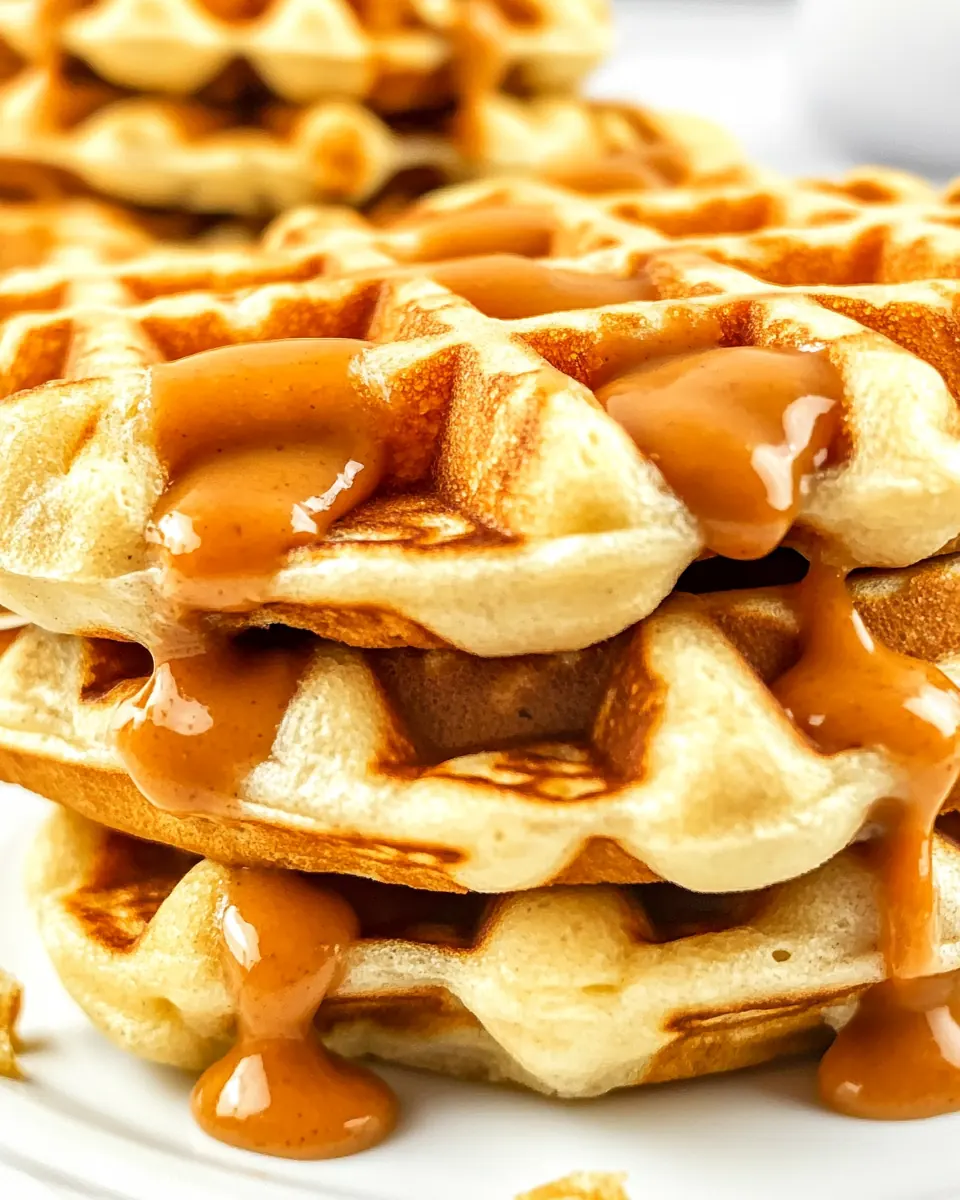
These variations let you tweak texture and flavor while keeping the recipe approachable. I often experiment and share the best changes I discovered so you can pick the one that fits your mood.
- Classic PB and jam: Add a teaspoon of jelly to the peanut butter for a timeless flavor combo that gets warm and slightly jammy when cooked.
- Honey kiss: Swap jam for a light drizzle of honey for a floral sweetness that pairs beautifully with the nutty filling.
- Dipper style: Cut cooked sandwiches into strips and serve with a small bowl of syrup for dunking, great for brunch or kid friendly snack plates.
- Make ahead freezer packs: Freeze individually on a tray, then transfer to a bag for easy grab and reheat on busy mornings.
- Toast finish: After microwaving, pop them into a toaster oven briefly to bring back a crisp exterior if they softened in storage.
Perfect Matches for Peanut Butter Waffle Sandwiches
These serving ideas help you choose sides and occasions that suit Peanut Butter Waffle Sandwiches. I include storage notes and pairing suggestions so you can create a complete meal instantly.
- Breakfast or brunch pairing: Serve with fresh fruit and a small cup of yogurt for a balanced plate that feels indulgent yet simple.
- Lunchbox idea: Pack cooled sandwiches with carrot sticks and a little container of syrup for dipping, which kids love for school or outings.
- Snack or after school: Offer warm strips with a bowl of syrup or extra peanut butter for dunking, a hands on treat that satisfies hunger quickly.
- Make ahead and freeze: Store in airtight bags for up to one month, then microwave or toast to reheat; this makes weekday mornings effortless.
- Occasions: Great for casual gatherings, weekend brunches, or a comforting Ramadan breakfast when you want something quick and filling.
- Seasonal notes: These work all year because pantry staples like biscuits and peanut butter are available anytime, making them an evergreen option for busy households.
FAQ
Conclusion
Peanut Butter Waffle Sandwiches shine because they turn pantry staples into a warm, playful meal that is both quick and comforting. Give them a try the next time you want an easy breakfast or a portable lunch that feels homemade. You will likely find yourself making them again and again because they’re forgiving, fast, and endlessly adaptable.
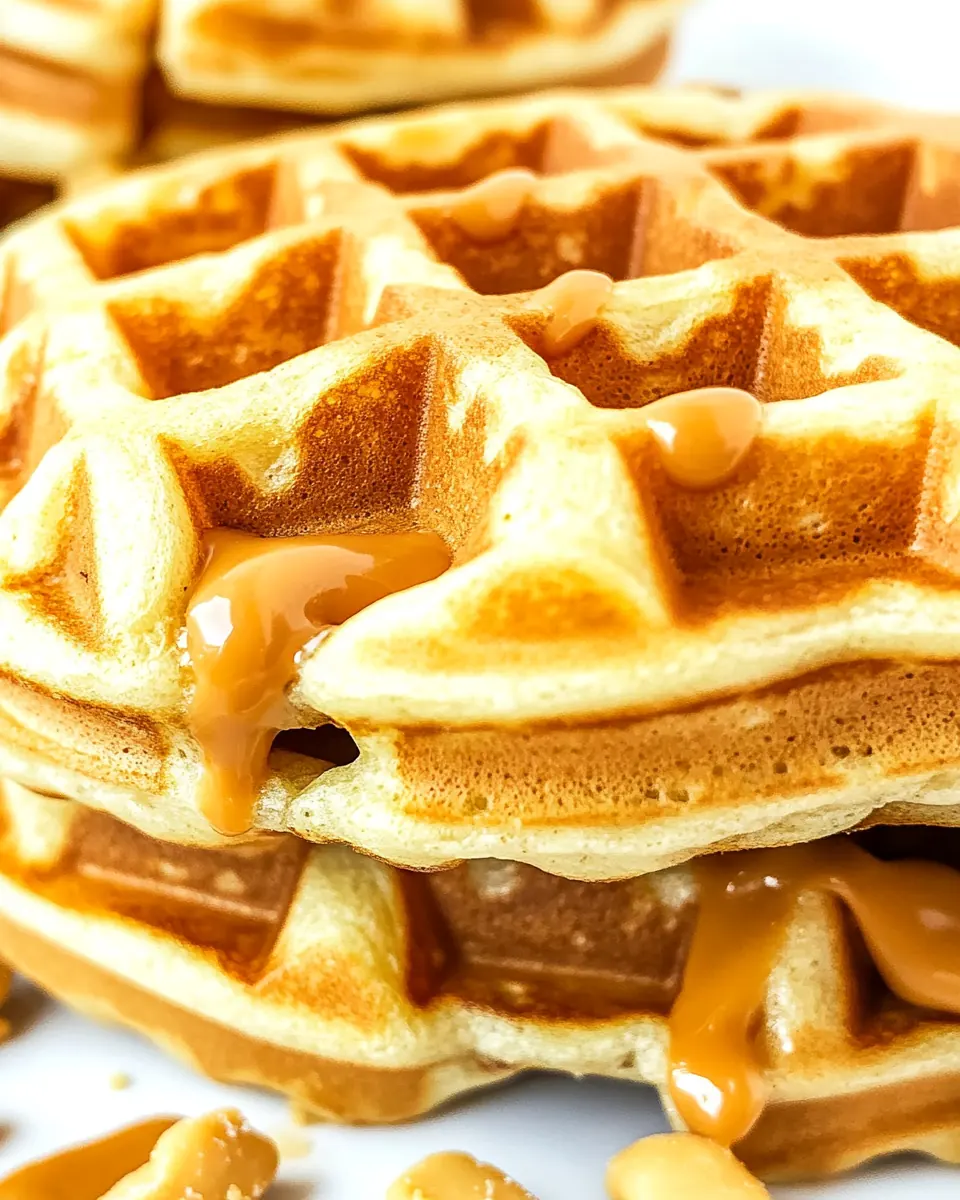
Peanut Butter Waffle Sandwiches
Ingredients
Equipment
Method
- Preheat your waffle maker to medium-high.: The room fills with the faint electrical hum and a faint warm scent as the surface heats, which is your cue that the iron is nearly ready. A medium-high setting gives the right balance between quick browning and thorough cooking, so the dough cooks through without burning. One common mistake is starting on too high heat, which can char the outside while leaving the center dough undercooked. If your waffle iron runs hot, dial back slightly and test with one sandwich to dial in timing.
- Open the can of biscuits and cut each biscuit in half like you’re making a sandwich. Place about 2 teaspoons of peanut butter on one side of the raw biscuit dough. If desired, top with some jam or honey. Place the top raw half of the biscuit on top and pinch the edges to seal. (The sealing is important or peanut butter will leak all over your waffle maker!): When you open the can, you often hear a soft hiss and see plump rounds of dough, which is oddly comforting. Cutting each biscuit in half creates two thin discs that cook evenly and fit well in standard waffle molds. Use a gentle twisting motion with a knife so the dough does not tear. A typical error is pressing too hard and compressing the dough which can make a dense finished texture; handle the dough lightly for a fluffy result.
- Depending on the size of your waffle maker, cook one sandwich at a time. (My waffle maker is a standard round size and I make one in the center.) Cook about 1-2 minutes until golden. Time will vary depending on your waffle maker, so just watch the first few and see how long they take.: The creamy peanut butter should sit slightly centered so when you top it with the other half it spreads without reaching the edges. You will notice the rich smell of nuts and the glossy surface of the spread, which signals a proper amount. Overfilling is a frequent problem, leading to leakage and a sticky waffle iron; stick to a modest portion and you will get a clean seal.
- Cool slightly (or completely) before serving. These can be cut into strips and dipped in syrup or you can even just serve them as a sandwich for lunch.: A small spoonful of jelly or a drizzle of honey adds bright sweetness that contrasts with the peanut butter . Keep the addition minimal so the filling remains contained while cooking. Too much jam causes juices to escape and caramelize on the iron, making cleanup harder and the sandwich soggy; use a light hand for the best balance.
- Store in an airtight container for up to 3 days or freeze for up to one month. To reheat, simply microwave until warm. You can also toast them to make them crunchy. Or just place a frozen sandwich in a lunch box the night before and it’ll be defrosted by lunch the next day!: You will feel the dough layers join together as you press the rim, creating a compact pocket for the filling. A good pinch prevents the peanut butter from leaking and protects the waffle iron from messy drips. If you don’t seal generously, expect filling to ooze out during cooking, which is the most common issue at this stage; press firmly and crimp slightly for insurance.
- Depending on the size of your waffle maker, cook one sandwich at a time.: Drop the sealed sandwich into the center of the preheated iron and close the lid. The initial contact releases a soft sizzle and you can often hear a gentle crackle as steam escapes, indicating moisture is evaporating. If you crowd the iron, the sandwiches will steam instead of crisp, resulting in a limp texture; cook in single layers if your iron is small for consistent browning.
- Cook about 1 to 2 minutes until golden.: Watch the first one closely, because color and timing vary by waffle iron. You want a golden brown edge and an overall even color, which signals that the interior has set and the filling is warm. A common pitfall is undercooking which leaves dough pale and doughy inside, so adjust by small increments and test with one sandwich before doing a full batch.
- Time will vary depending on your waffle maker, so just watch the first few and see how long they take.: The sound and sight are your best indicators, not the clock alone. Look for steady bubbling to slow and a deepening color, and you will learn how your appliance behaves. Many cooks make the mistake of following a fixed time and then ending up with inconsistent results, so treat the first one as your calibration sample.
- Cool slightly or completely before serving.: Cooling firms the dough interior and makes handling easier, especially if you plan to pack them. When warm, the filling is melty and soft, offering a different experience than cooled sandwiches which are sturdier and portable. Cutting into them too early can cause the filling to spill, so allow a brief rest if you want neat slices for dipping.
- These can be cut into strips and dipped in syrup or you can even just serve them as a sandwich for lunch.: Cutting reveals the cross section of crisp edge and pillowy dough with molten peanut butter inside, and dipping brings extra sweetness and moisture. For transport, choose to cool fully and wrap individually. An error people make is dunking piping hot pieces which can lead to sticky fingers and dripping; let them cool for a minute or two before serving.
- Store in an airtight container for up to 3 days or freeze for up to one month.: Proper storage preserves texture and flavor, and frozen sandwiches reheat well from frozen or thawed. For reheating, a microwave quickly warms the center while a toaster or oven restores crisp edges. A common storage mistake is leaving them uncovered which causes them to dry out, so always seal tightly before refrigerating or freezing.
- To reheat, simply microwave until warm.: The microwave quickly warms the interior, creating a gooey center, while a brief toast afterwards can bring back surface crunch. If you reheat straight from frozen, allow a little extra time and check frequently to avoid overheating. Overheating can make the dough tough and the filling overly runny, so aim for gentle warming.
- You can also toast them to make them crunchy.: A toaster oven or skillet adds back crispness and gives a satisfying crunch to the exterior. When toasting, watch closely as they can brown faster the second time around. A mistake is leaving them unattended which risks burning the edges, so remain nearby and check them early.
- Or just place a frozen sandwich in a lunch box the night before and it’ll be defrosted by lunch the next day!: This easy trick means you have a ready to eat sandwich without reheating, and the slight chill can be pleasant in warmer weather. Packing it well prevents condensation, which can make the exterior soggy; use a paper towel or airtight wrap to absorb moisture if needed.
Notes
- Classic PB and jam: Add a teaspoon of jelly to the peanut butter for a timeless flavor combo that gets warm and slightly jammy when cooked.
- Honey kiss: Swap jam for a light drizzle of honey for a floral sweetness that pairs beautifully with the nutty filling.
- Dipper style: Cut cooked sandwiches into strips and serve with a small bowl of syrup for dunking, great for brunch or kid friendly snack plates.
- Make ahead freezer packs: Freeze individually on a tray, then transfer to a bag for easy grab and reheat on busy mornings.
- Toast finish: After microwaving, pop them into a toaster oven briefly to bring back a crisp exterior if they softened in storage.