Citrus Risotto
Citrus Risotto is one of those dishes I reach for when I want comfort with a lively twist. The first time I made it I was chasing sunshine on a gray afternoon, and the bright zip of citrus cut through the creamy rice in the most satisfying way. I remember standing at the stove, spoon in hand, feeling the steam warm my face as the aroma of butter and citrus rose up, promising a bowl that was both indulgent and refreshingly light.
Over the years I have adjusted tiny details to coax the best texture from the rice and to preserve the delicate citrus notes. I like how the sharpness of the grapefruit and the lime plays against the plush, silky body of the risotto, creating a balance that keeps each spoonful interesting. When guests come over I often serve this because it feels special yet approachable, a recipe that invites conversation while it finishes on the stove. It has become my go to when I want a simple dinner that still impresses, and I always tuck away lessons learned from each batch for the next time.
Recipe Snapshot
45 mins
15 mins
30 mins
Medium
400 kcal
Italian
Gluten-Free, Vegan
Dinner
Medium saucepan, Paring knife, Wooden spoon
Why Try This Citrus Risotto
Bright contrast in every bite
I love how Citrus Risotto offers lively citrus notes that cut through the dish’s inherent creaminess. The grapefruit and lime give a clean acidity that refreshes the palate, so each spoonful feels renewed. I find that this contrast keeps the dish from feeling too heavy, making it perfect for spring evenings when you want something satisfying without weighing you down.
Silky texture that feels luxurious
The hallmark of a great risotto is its texture, and this recipe hits that mark. Using the right rice and adding stock gradually creates a velvety, cohesive consistency. I always notice how the rice clings together just enough to mound gently in a bowl, which makes it feel comforting and elegant at the same time.
Simple technique, impressive outcome
One of the reasons I recommend this recipe is the straightforward method. It relies on patience more than fuss, and the payoff is huge. Stirring, monitoring heat, and tasting along the way are small, meditative actions that lead to a restaurant quality finish. I enjoy the ritual of stirring because it gives you control over the final creaminess.
Versatile serving options
Citrus Risotto pairs beautifully with many mains. I often serve it beside seared fish or roasted vegetables, and sometimes with simply seasoned shrimp. Its bright profile is adaptable, so I can make it for a weeknight or an elevated dinner without changing the core recipe.
Fresh ingredient focus
This risotto showcases a handful of high quality ingredients. The citrus and the finishing mascarpone are small in number but large in impact. I appreciate recipes that let each component shine, and this dish rewards fresh produce and properly warmed stock with layers of flavor that feel natural and honest.
Ingredients to Make Citrus Risotto
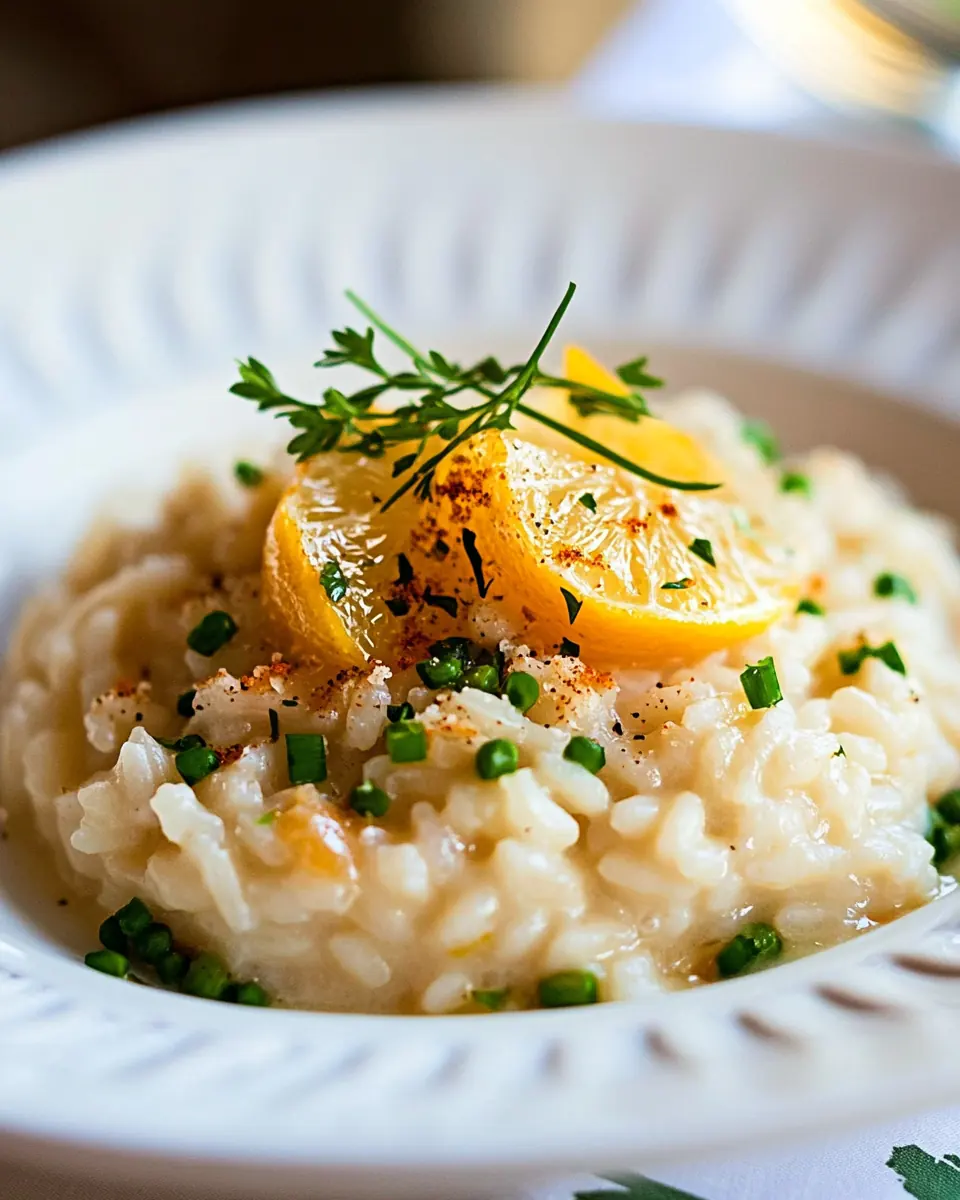
The philosophy here is restraint, letting a few bright, high quality ingredients interact. The key players are the citrus which provides acidity and aromatic oils, the rice for its starch that creates silkiness, the warm stock to carry flavor, and the mascarpone for a creamy finish. Each ingredient has a clear role, and together they produce a comforting yet lively dish.
- 1 grapefruit, (you'll need about 3/4 cup of sections, along with any juice): Provide bright, tangy citrus flavor and juicy segments; reserve about 3/4 cup of sections along with any juice to fold into the risotto near the end for freshness and acidity. Use the zest and remaining juice as needed to boost brightness and balance the dish's creaminess. Handle gently to keep segments intact and strain any excess seeds or membranes. Combine with the finished risotto just before serving to preserve the vibrant texture and flavor.
- 1 lime: Contribute sharp, acidic brightness; juice and zest can be added sparingly to lift the overall flavor profile without overpowering the citrus notes from the grapefruit. Use thinly sliced zest or a small amount of juice to add complexity and balance the richness from butter and mascarpone. Add gradually and taste to avoid excessive tartness. Store unused lime refrigerated and use within a few days for best flavor.
- 2 tablespoons butter, salted or unsalted: Add richness and a silky mouthfeel; melt at the beginning to sauté the onion and toast the rice or finish at the end to enrich the cooked risotto. Use salted butter for seasoning or unsalted to control salt levels precisely, adjusting later with the salt ingredient. Allow butter to brown slightly if desired for a nuttier flavor, but avoid burning. Incorporate gradually to achieve a glossy, cohesive texture in the finished dish.
- 1/2 cup (60 g) finely diced yellow onion: Provide a sweet, aromatic base when finely diced and softened; sauté in butter until translucent to form the foundational flavor layer for the risotto. Finely dicing ensures even cooking and blends into the rice, releasing subtle sweetness that complements citrus notes. Cook gently over medium heat to avoid browning and maintain a delicate flavor. Adjust quantity if a milder or stronger onion presence is preferred.
- salt: Season and enhance all flavors; add gradually while cooking the risotto to balance acidity and richness from citrus and dairy components. Use sparingly at first and taste as you go, especially if using low-sodium stock or salted butter. Sprinkle during the cooking process and again at the end if needed to fine-tune seasoning. Remember that salt levels concentrate as the liquid reduces, so adjust cautiously.
- 2 cups (390 g) arborio or carnaroli rice, (see headnote): Provide creamy, starchy body and absorbent texture; toast the arborio or carnaroli rice briefly in fat before adding stock so each grain releases starch slowly, creating a creamy risotto. Use the specified quantity to achieve the intended yield and texture; carnaroli tends to hold shape better while arborio gives a slightly creamier result. Stir gently and add warm stock gradually to coax out starch without breaking grains. Finish when grains are al dente with a slight bite and a creamy surrounding sauce.
- 3 1/2 to 5 cups (850-1200 ml) chicken stock, (if using store-bought stock, get low-sodium): Bind and cook the risotto to the proper creamy consistency; keep stock warm and add in increments so the rice releases starch evenly and absorbs liquid at a controlled rate. Use low-sodium store–bought stock if preferred to better manage final seasoning, and adjust quantity between 3 1/2 and 5 cups depending on desired creaminess and rice absorption. Skim any foam and taste intermittently to balance seasoning and acidity. Reserve a small amount for adjusting final texture if the risotto becomes too thick.
- 1/4 cup (65 g) mascarpone: Enrich and add luxurious creaminess; stir in mascarpone at the end off the heat to create a velvety finish and slightly mellow the citrus tang. Use the specified amount to smooth the texture and bind the risotto without making it overly heavy, adjusting seasoning after incorporation. Incorporate gently until fully melted and glossy, then serve immediately for best texture. Keep refrigerated until just before use and bring to near-room temperature for easier blending.
How to Prepare Citrus Risotto
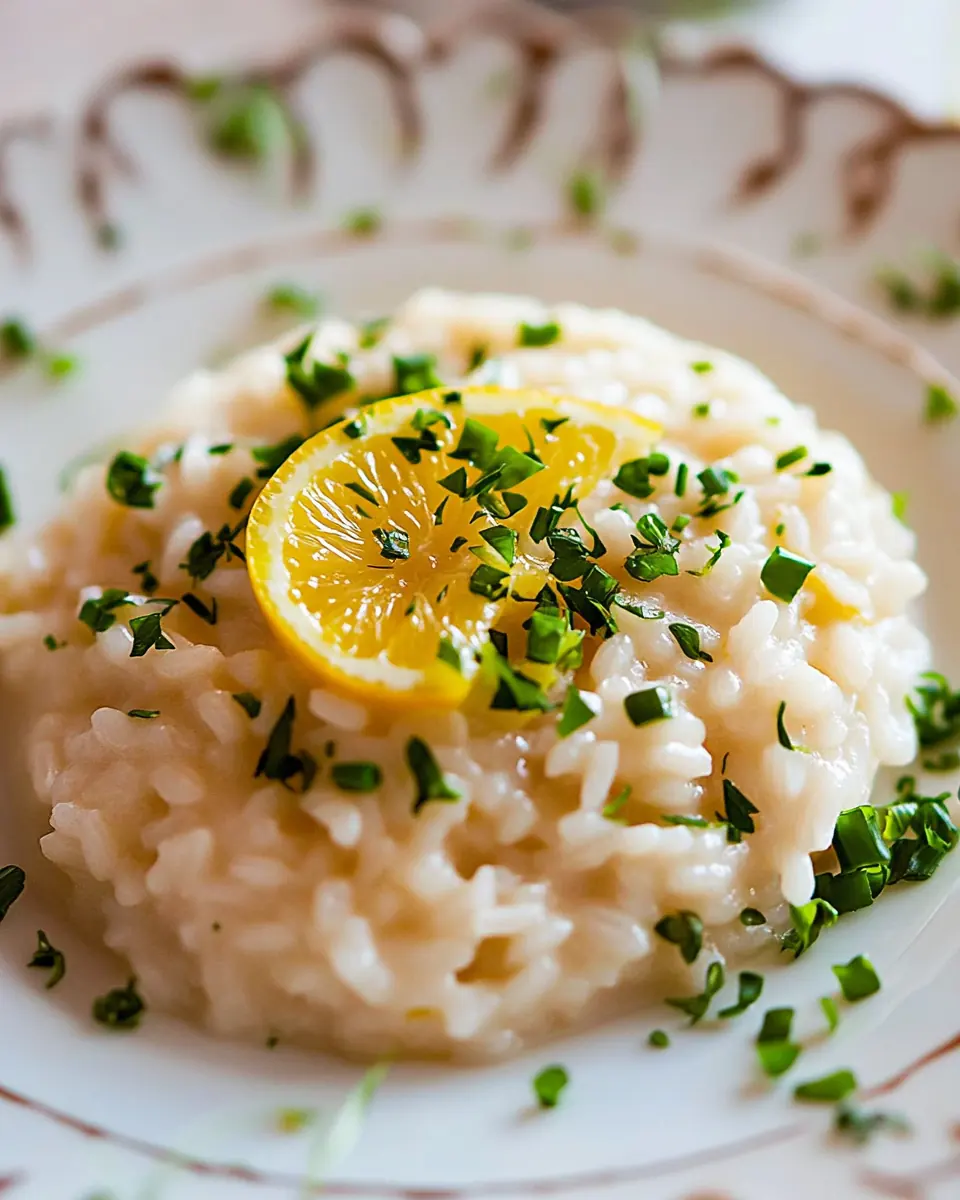
Get comfortable, because risotto rewards attentive, steady cooking. Keep your stock warm, have a wooden spoon ready, and taste as you go. The steps below expand on each action so you can rely on sensory cues rather than exact times alone.
- Lop the ends off the grapefruit and the lime. Use a paring knife to remove the skin and cut the segments out over a bowl, being sure to save any citrus juices as well. If there are any tough bits of membrane attached to any citrus segments, remove them with a knife. Squeeze the membranes over the bowl after sectioning to extract as much juice as possible.: The moment your hands work with the fruit the kitchen fills with zesty aroma, a clear sign you are extracting quality flavor. As you pare the skin watch for the white pith, removing it to avoid bitterness. Sectioning over a bowl captures the juices and fragments, which will later dissolve into the risotto and lift the whole dish. A common mistake is cutting too close to the flesh and losing precious segments, so take steady strokes with your paring knife. If the fruit resists, let it sit at room temperature for a few minutes to loosen the juices.
- Heat the butter over low-to-medium heat in a medium saucepan (4-6 quarts/liters.) Add the onions, season with a pinch of salt, and cook, stirring frequently, until the onions are translucent, about 5 minutes. Add the rice and stir until the rice is coated with butter and shiny. While you are cooking the onions and rice, heat the stock in a saucepan and keep warm while you continue making the recipe.: You will notice a gentle sizzle as the butter melts and the diced onion softens, releasing a sweet aroma that signals the base is building. Coating each grain of rice with butter makes them glossy, which helps them toast lightly and begin to release starch. Keep the heat modest to avoid browning the onion; you want translucence not color. A frequent error is turning the heat too high, which causes uneven cooking and a toasty flavor that can clash with the citrus. Keeping the stock warm allows steady absorption later, so keep a low simmer in its pot.
- Stir about 2 cups (500 ml) of the stock into the rice. Keep the heat at a gentle simmer and as the first amount of stock gets absorbed, while stirring occasionally, add another 1 cup (250 ml) or so, stirring as needed, to keep the rice cooking and absorbing the liquid evenly. Continue to add more stock, about 1/2 cup (125 ml) or so at a time, seasoning the risotto with salt when the rice is very close to being fully cooked. At that point, add the citrus sections and juice to the risotto, crumbling them roughly as you add them to the risotto. Gently cook the risotto, continuing to stir occasionally until the rice is no longer firm. It's hard to say exactly how much stock the rice will absorb, but it's done when the rice is soft and velvety, and no longer tastes raw. I used the full 5 cups of stock but yours may require less.: You will hear a soft whisper of bubbling as the grains absorb liquid, and the pot will take on a creamy sheen as starch is coaxed out. Tasting along the way is crucial, because the final texture depends on the rice variety and your heat. When the center has the slightest tooth, you are approaching doneness. Add salt sparingly since the stock may already carry sodium. A typical trap is pouring too much stock at once which prevents the rice from releasing starch properly, yielding a thin result. Adding the citrus toward the end keeps its freshness intact, and crumbling the segments lets juices mingle without large chunks interrupting the texture.
- Remove from heat and stir in the mascarpone. Divide into soup bowls, mounding the risotto in the center of the dish. Serve with shrimp, fish, or vegetables, as desired.: Off the heat the risotto relaxes, and stirring in the mascarpone creates a glossy finish that rounds flavors gently. The aroma should be a pleasant bridge of buttery, citrusy perfume. Mounding in bowls shows off the risotto's body and invites steam to continue softening it just a touch. A common slip is overheating while adding the mascarpone which can separate fats, so always remove the pot from direct heat. Let the risotto rest a minute before serving, this stabilizes the texture and enhances the eating experience.
Tips for Success
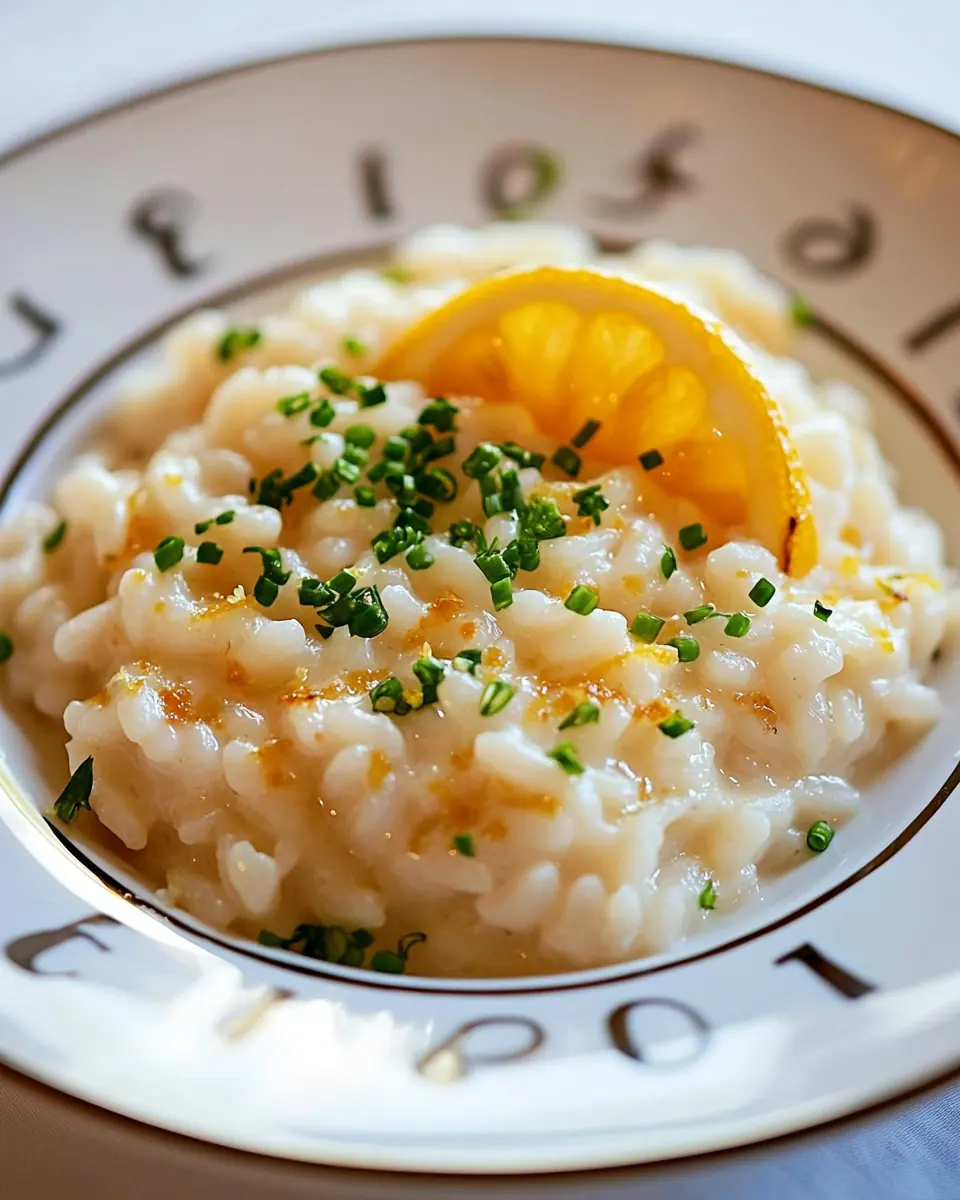
These tips will help you achieve a creamy, bright Citrus Risotto every time. Focus on temperature control, attentive stirring, and quality of ingredients. Below are practical pointers I use in my kitchen to get reliable results.
- Warm your stock before using: Cold stock cools the rice and interrupts the cooking rhythm, so keep it simmering gently in a separate pot.
- Choose the right rice: Arborio or Carnaroli will release the starch needed for creaminess while still holding shape.
- Measure gradually: Add liquid in small increments to control texture, preventing a soupy outcome and ensuring a velvety finish.
- Mind the heat: Keep the pan at a steady gentle simmer; high heat will cook unevenly and can scorch the base.
- Finish off the heat: Stir in the mascarpone off heat to avoid separation and to keep the texture glossy and cohesive.
- Season late and taste often: Season toward the end since the stock concentration can vary, and tasting ensures balanced seasoning.
Perfect Matches for Citrus Risotto
This risotto pairs beautifully with a range of accompaniments and suits several occasions. Think light proteins and seasonal produce to complement the citrus notes. Below are ideas for menus, storage, and serving contexts to help you plan a meal around the dish.
- Serve with simply seared fish: A lightly seasoned fillet is a classic match that echoes the risotto’s brightness without overpowering it.
- Pair with sautéed vegetables: Tender spring vegetables work well, offering texture contrast and fresh flavors.
- Perfect for special dinners: The dish feels elegant enough for a celebratory meal, yet approachable for weeknight entertaining.
- Lunch or light dinner: Its balance of creaminess and citrus makes it suitable for a midday meal that is satisfying but not heavy.
- Storage guidance: Cool quickly and refrigerate in an airtight container for up to two days, reheat gently with a splash of warm stock to restore creaminess.
- Seasonal pairing: In spring, bright herbs or peas complement the citrus; in cooler months, roasted root vegetables add a cozy contrast.
FAQ
Conclusion
Citrus Risotto stands out because it marries luxurious creaminess with bright, refreshing citrus for a dish that feels both comforting and lively. I encourage you to try it because the technique is deeply satisfying and the result is a bowl that feels special without being fussy. Take your time with the stock and the stirring, taste as you go, and let the grapefruit and lime brighten each spoonful. Share it with friends or enjoy it solo, and notice how the simple ingredients transform into something memorable.
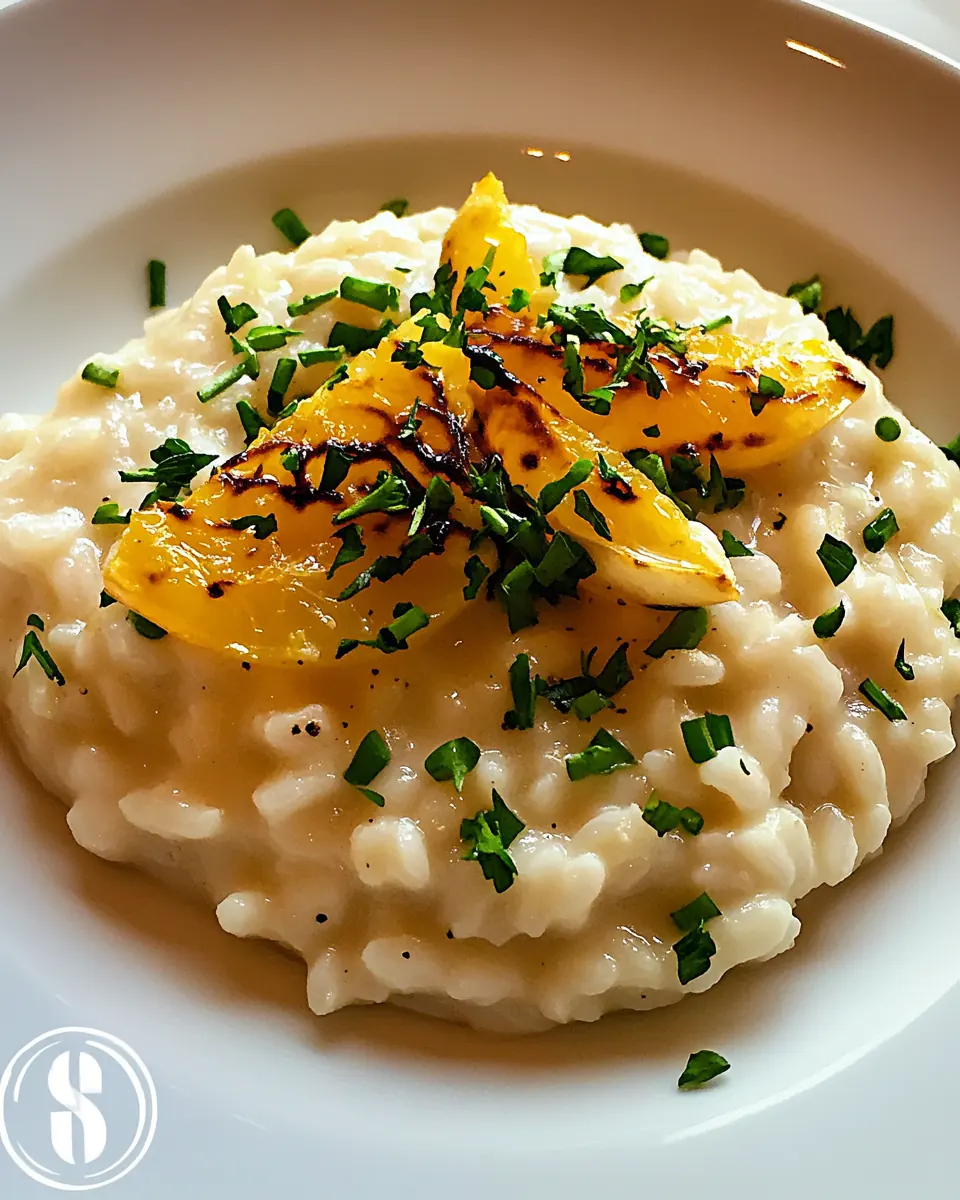
Citrus Risotto
Ingredients
Equipment
Method
- Lop the ends off the grapefruit and the lime. Use a paring knife to remove the skin and cut the segments out over a bowl, being sure to save any citrus juices as well. If there are any tough bits of membrane attached to any citrus segments, remove them with a knife. Squeeze the membranes over the bowl after sectioning to extract as much juice as possible.: The moment your hands work with the fruit the kitchen fills with zesty aroma, a clear sign you are extracting quality flavor. As you pare the skin watch for the white pith, removing it to avoid bitterness. Sectioning over a bowl captures the juices and fragments, which will later dissolve into the risotto and lift the whole dish. A common mistake is cutting too close to the flesh and losing precious segments, so take steady strokes with your paring knife. If the fruit resists, let it sit at room temperature for a few minutes to loosen the juices.
- Heat the butter over low-to-medium heat in a medium saucepan (4-6 quarts/liters.) Add the onions, season with a pinch of salt, and cook, stirring frequently, until the onions are translucent, about 5 minutes. Add the rice and stir until the rice is coated with butter and shiny. While you are cooking the onions and rice, heat the stock in a saucepan and keep warm while you continue making the recipe.: You will notice a gentle sizzle as the butter melts and the diced onion softens, releasing a sweet aroma that signals the base is building. Coating each grain of rice with butter makes them glossy, which helps them toast lightly and begin to release starch. Keep the heat modest to avoid browning the onion; you want translucence not color. A frequent error is turning the heat too high, which causes uneven cooking and a toasty flavor that can clash with the citrus. Keeping the stock warm allows steady absorption later, so keep a low simmer in its pot.
- Stir about 2 cups (500 ml) of the stock into the rice. Keep the heat at a gentle simmer and as the first amount of stock gets absorbed, while stirring occasionally, add another 1 cup (250 ml) or so, stirring as needed, to keep the rice cooking and absorbing the liquid evenly. Continue to add more stock, about 1/2 cup (125 ml) or so at a time, seasoning the risotto with salt when the rice is very close to being fully cooked. At that point, add the citrus sections and juice to the risotto, crumbling them roughly as you add them to the risotto. Gently cook the risotto, continuing to stir occasionally until the rice is no longer firm. It's hard to say exactly how much stock the rice will absorb, but it's done when the rice is soft and velvety, and no longer tastes raw. I used the full 5 cups of stock but yours may require less.: You will hear a soft whisper of bubbling as the grains absorb liquid, and the pot will take on a creamy sheen as starch is coaxed out. Tasting along the way is crucial, because the final texture depends on the rice variety and your heat. When the center has the slightest tooth, you are approaching doneness. Add salt sparingly since the stock may already carry sodium. A typical trap is pouring too much stock at once which prevents the rice from releasing starch properly, yielding a thin result. Adding the citrus toward the end keeps its freshness intact, and crumbling the segments lets juices mingle without large chunks interrupting the texture.
- Remove from heat and stir in the mascarpone. Divide into soup bowls, mounding the risotto in the center of the dish. Serve with shrimp, fish, or vegetables, as desired.: Off the heat the risotto relaxes, and stirring in the mascarpone creates a glossy finish that rounds flavors gently. The aroma should be a pleasant bridge of buttery, citrusy perfume. Mounding in bowls shows off the risotto's body and invites steam to continue softening it just a touch. A common slip is overheating while adding the mascarpone which can separate fats, so always remove the pot from direct heat. Let the risotto rest a minute before serving, this stabilizes the texture and enhances the eating experience.
Notes
- Warm your stock before using: Cold stock cools the rice and interrupts the cooking rhythm, so keep it simmering gently in a separate pot.
- Choose the right rice: Arborio or Carnaroli will release the starch needed for creaminess while still holding shape.
- Measure gradually: Add liquid in small increments to control texture, preventing a soupy outcome and ensuring a velvety finish.
- Mind the heat: Keep the pan at a steady gentle simmer; high heat will cook unevenly and can scorch the base.
- Finish off the heat: Stir in the mascarpone off heat to avoid separation and to keep the texture glossy and cohesive.
- Season late and taste often: Season toward the end since the stock concentration can vary, and tasting ensures balanced seasoning.