Veggie Lasagna Soup
Veggie Lasagna Soup is one of those recipes I reach for when I want something warm, comforting, and a little nostalgic without turning on the oven for an hour.
Years ago I turned lasagna into soup on a cold evening when I had leftover jarred tomatoes and a craving for something cheesy yet light. I remember standing over a steaming pot, the kitchen filling with an herbal, tomato aroma that felt like a hug. The first spoonful brought together the sweetness of sauteed onion, the earthiness of carrots, and the soft bite of broken lasagna pasta pieces swimming in a savory broth. It felt indulgent, but also surprisingly simple.
I love how this bowl lets you customize each spoonful, pairing a creamy dollop of cheese with a burst of fresh parsley and tender ribbons of spinach. It’s a great weeknight fallback when you want something fuss free that still impresses. Over time I learned small tricks, like adding a pinch of sugar to balance bright tomatoes, or breaking pasta into smaller pieces so it cooks evenly and nestles into each serving.
When friends come over, I often serve this in shallow bowls so everyone can pile on the cheese topping. It’s an easy way to bring lasagna flavors to the table without the assembly, and it warms up in minutes for leftovers. This recipe has become my go to when I need cozy food that feels both familiar and fresh.
Recipe Snapshot
35 mins
10 mins
25 mins
Medium
300 kcal
Italian
Gluten-Free, Vegan
Soups
Large pot, Small bowl
What You’ll Enjoy About This Veggie Lasagna Soup
Comfort without the fuss
I adore Veggie Lasagna Soup because it captures that warm lasagna feeling, while saving you from layered baking. The broth carries all the flavor, so you still get a rich, creamy mouthfeel without the long bake time. I find this perfect for busy nights when I want something homey with minimal cleanup.
Vegetable forward and flexible
We get so much from simple vegetables here. The combination of onion, carrots, and zucchini builds depth and texture, so every spoonful has variety. I love that you can lean on beans for added heartiness and keep it vegetarian, or adjust the vegetables based on what’s in the fridge.
Cheesy top for instant indulgence
The ricotta and shredded mozzarella topping gives you that melty lasagna satisfaction. A spoonful of the cheese mixture adds creaminess and a tangy counterpoint to the tomatoes. I always feel like I’m indulging even when the base is vegetable heavy.
Weeknight friendly timing
This recipe comes together quickly, which is a huge win for weeknights. From saute to simmer, you’ll have a steaming pot on the table in under an hour. I appreciate recipes that respect evening time and still deliver on flavor.
Great for leftovers and make ahead
I’ve made big batches to enjoy for days. The flavors deepen overnight, and reheating is as simple as simmering gently. When I’m prepping for a busy week, I make a double batch and portion it for easy lunches that taste even better the next day.
What You’ll Need for Veggie Lasagna Soup
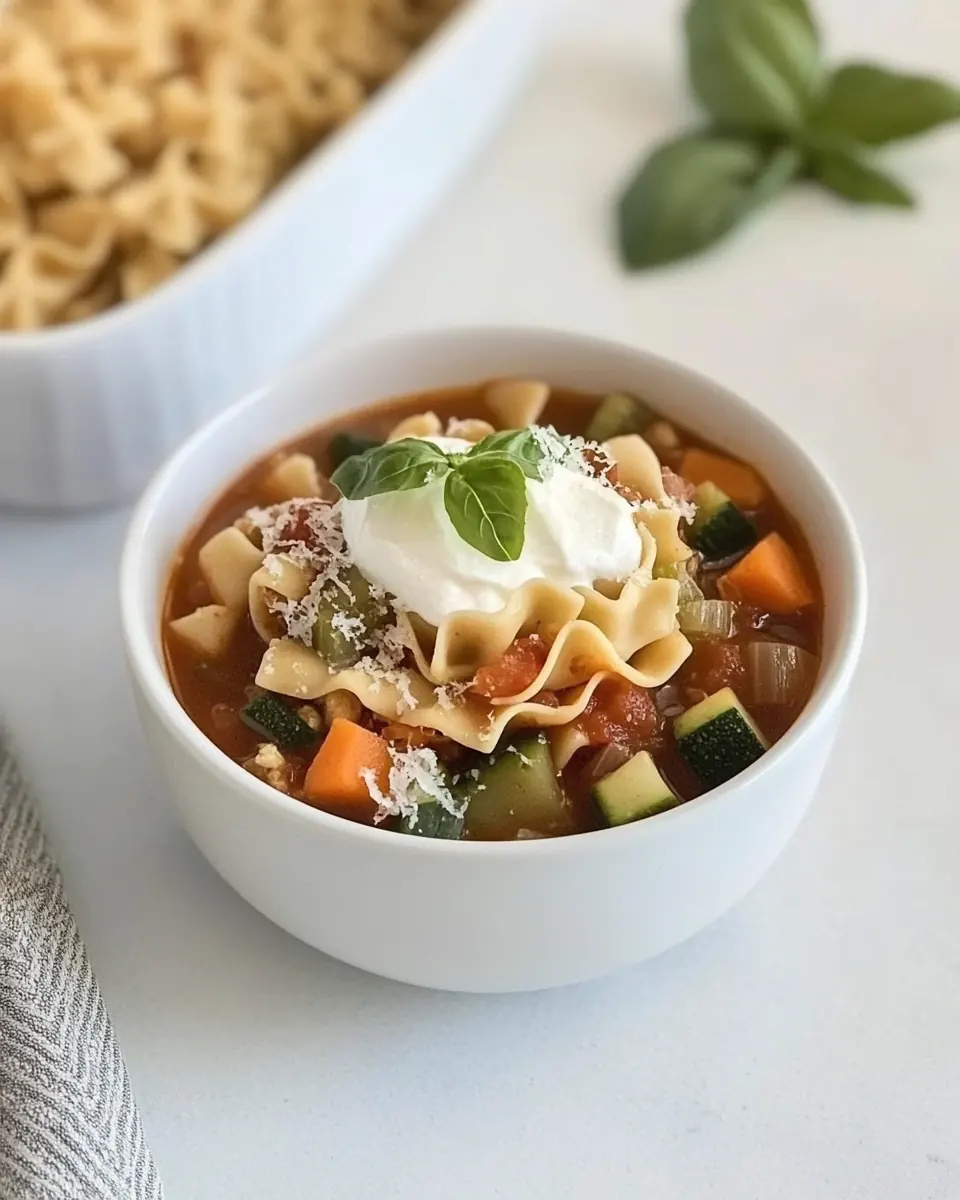
This ingredient list is built around a simple philosophy, I use sturdy vegetables and pantry staples to layer flavor. The key players are the aromatic onion and carrots for a savory base, the crushed tomatoes for acidity and body, and the combo of ricotta cheese, mozzarella, and Parmesan to recreate lasagna in spoonable form. Together they balance freshness, creaminess, and comforting starch.
- 2 tablespoons olive oil: Heat gently to provide a cooking medium and carry flavors during sautéing of aromatics and vegetables, adding a fruity richness to the soup base. Use measured amount to avoid greasiness while ensuring vegetables soften and release their juices. Choose extra-virgin for brighter flavor or regular olive oil for a neutral profile.
- 1/2 medium yellow onion (diced, about 1 cup): Soften finely to create aromatic sweetness and foundational savory depth when sautéed, contributing bulk and texture to the mirepoix. Dice to about 1 cup so pieces cook evenly and meld with carrots and zucchini in the broth. Cook until translucent to release natural sugars without browning too much.
- 2 medium carrots (diced, about 1 cup): Add diced to contribute natural sweetness, body, and a tender bite that complements the onion and zucchini, forming part of the classic base flavor profile. Cut into similar-size pieces to ensure even cooking and allow carrots to release their subtle sweetness. Cook until just tender to maintain slight texture in the soup.
- 1 tablespoon Italian seasoning: Season broadly to infuse dried Mediterranean herbs like oregano, basil, and thyme, lending an herby, savory backbone that mimics lasagna flavors. Sprinkle early in sautéing to bloom the herbs in oil and distribute aroma throughout the soup. Adjust quantity modestly for a balanced herb presence.
- 3 medium garlic cloves (minced): Mince finely to provide aromatic sharpness and savory punch that brightens the entire pot, releasing essential oils when sautéed. Add after initial onions and carrots so garlic flavors don't burn and become bitter. Use fresh cloves for best fragrance and depth.
- 4 cups low-sodium vegetable broth: Pour in as the primary cooking liquid to build the soup's body and control salt level, while keeping flavors light with low sodium. Use specified volume for desired consistency and to cook pasta and vegetables evenly. Warm slightly before adding to maintain simmer and reduce chill.
- 15 ounces crushed tomatoes (1 can): Stir in crushed tomatoes to supply acidity, umami, and the classic tomato base that transforms the broth into a lasagna-like sauce. Use canned tomatoes for consistency and to thicken the soup while adding rich tomato flavor. Crush further by stirring if chunk size needs adjusting.
- 15 ounces small white beans (aka navy beans, drained and rinsed): Rinse and drain to contribute creamy texture, protein, and a gentle beaniness that boosts heartiness without overpowering the lasagna flavors. Add to the pot to warm through and slightly break down, enriching the broth with starch and body. Choose canned navy beans for tenderness and mild taste.
- 1/2 teaspoon kosher salt (+ more to taste): Season lightly to enhance overall flavor and help balance acidity from tomatoes, while allowing for additional adjustment to taste at the end. Add as directed to control sodium during cooking, remembering that cheeses will also add salt. Taste and add more if needed after other components are combined.
- 1/4 teaspoon freshly ground black pepper (+ more to taste): Season modestly to provide warm, slightly biting background spice that complements herbs and cheese, enhancing the soup's complexity. Grind fresh for the most vibrant flavor and add incrementally to avoid overpeppering. Adjust at the end for final seasoning.
- 1 small zucchini (diced, about 1 cup): Dice to contribute mild, slightly sweet zucchini flavor and tender texture that cooks quickly and absorbs surrounding flavors. Cut into about 1 cup of similar-size pieces so zucchini becomes tender without disintegrating. Add later in cooking to preserve some bite and color.
- 4 ounces lasagna pasta (about a quarter of a box, broken into approx. 1-inch pieces): Break into small pieces to simulate lasagna noodles in soup form, providing chewy pasta texture and starch that slightly thickens the broth. Use roughly 1-inch pieces so they resemble lasagna noodles yet cook through in the soup. Add at correct time to avoid overcooking and becoming mushy.
- 1 teaspoon sugar (, to cut acidity) (optional): Add sparingly to balance tomato acidity and brighten flavors without adding sweetness, only if tomatoes taste too sharp. Stir in a teaspoon and taste before adding more to keep the flavor profile balanced and natural. Optional use depends on acidity of canned tomatoes.
- 2 cups baby spinach (lightly chopped): Chop lightly to fold in leafy brightness, color, and a tender green component that wilts quickly into the hot broth, adding nutrition. Add toward the end of cooking so spinach retains vibrant color and fresh flavor. Toss gently to incorporate without overcooking.
- 1/2 cup fresh parsley (chopped + more for garnish): Chop fresh to provide bright herbal lift, freshness, and a slightly peppery finish that complements cheeses and tomato base. Stir in near the end to preserve aroma and color and use some for garnish to reinforce herbaceous notes. Fresh parsley ties together other savory elements.
- 1 cup ricotta cheese: Spoon in to add creamy richness and a mild tang that recreates the ricotta filling sensation from classic lasagna, enriching spoonfuls and adding silkiness. Dollop into bowls or swirl into the hot soup so creaminess warms and melds without fully melting away. Use whole-milk ricotta for best texture.
- 1/2 cup shredded mozzarella: Sprinkle shredded to give melty, gooey cheese pull and salty richness that mimics lasagna topping, enhancing mouthfeel and flavor. Layer over individual bowls or stir lightly so mozzarella softens and creates comforting creaminess. Choose part-skim or whole milk depending on desired richness.
- 1/4 cup grated Parmesan: Grate finely to contribute sharp, nutty umami and savory depth that brightens the dish and complements the ricotta and mozzarella. Stir in or sprinkle on each serving for concentrated salty, cheesy flavor. A light dusting also adds an appealing aroma and finish.
- 1/4 teaspoon kosher salt: Season gently to adjust the ricotta mixture or final dish, providing precise control over saltiness when combined with other salty components. Use small incremental amounts to avoid over-salting, especially since cheeses and broth contribute sodium. Taste as you go for balance.
- 1/8 teaspoon freshly ground black pepper: Season delicately to add a subtle background heat and aromatic lift to ricotta or finished bowls, helping round flavors. Use fresh grind for brightness and add conservatively to avoid overpowering delicate cheese and herb notes. Adjust to taste at the end.
Recipe Steps for Veggie Lasagna Soup
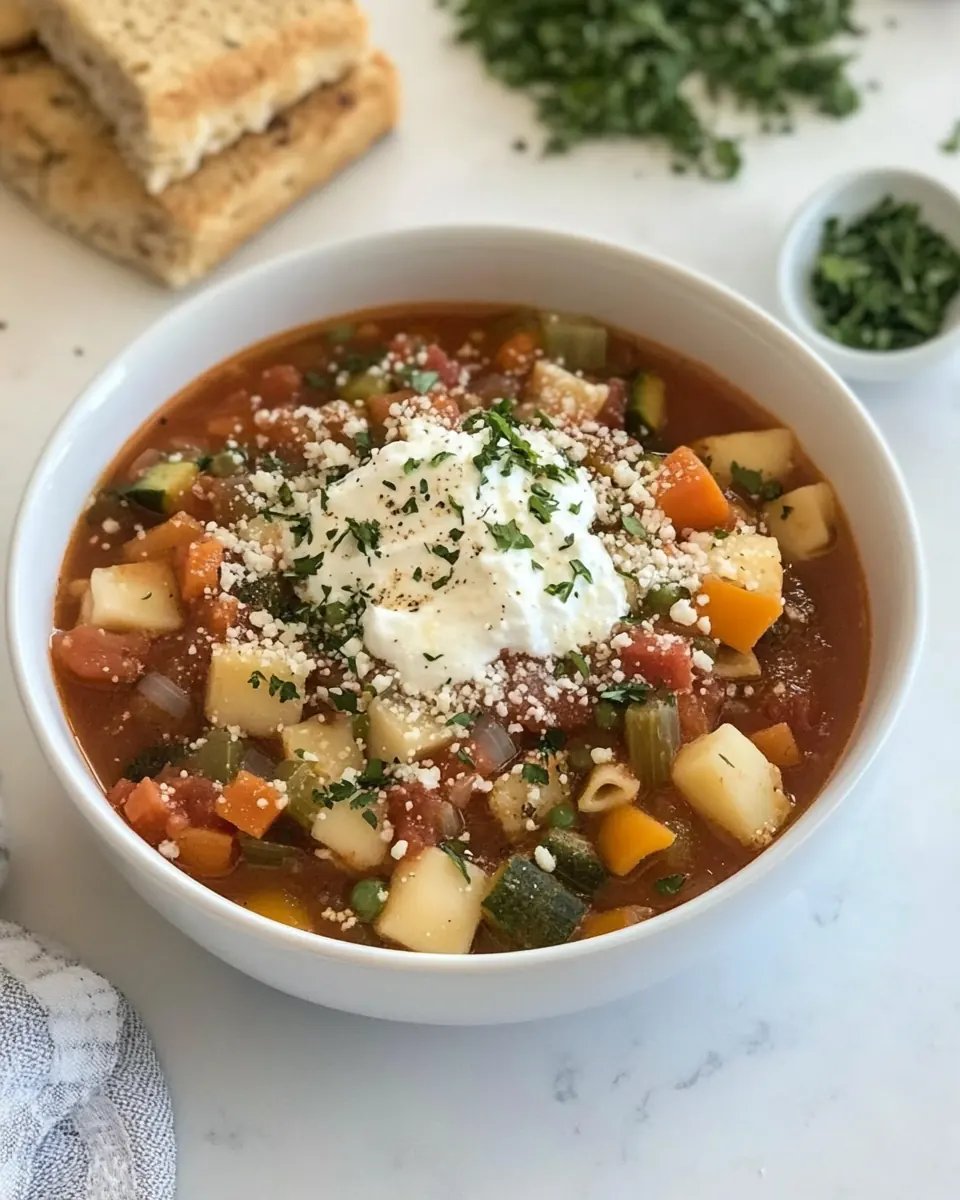
I like to think of the cooking as a small rhythm, where gentle sauteing develops the base and a steady simmer brings everything together. Follow these steps, and you will end up with a soup that smells like home and eats like lasagna in a bowl.
- Set a large pot over medium-low heat and add the olive oil. When hot, add the onion, carrots, and Italian seasoning. Cook, stirring occasionally, until the onion and carrots are tender but not browned, about 8 minutes.: You will notice the oil shimmer slightly when it is hot enough, that is the cue to add the aromatics. The oil acts as a heat conductor and helps the onion and carrots release their flavors into the pan. Cook gently so the vegetables soften and become sweet rather than brown, stirring occasionally to prevent sticking. If you go too hot, the edges will caramelize too quickly, which can create bitter notes, so lower the heat if you see darkening.
- Add the garlic and cook, stirring frequently, for another minute.: As the minced garlic hits the warm oil, it will release an intoxicating perfume, bright and savory. Stir continuously so the garlic softens and infuses the oil without burning, which would turn it bitter. You should hear a soft sizzle but not aggressive popping. If you smell sharp, burnt notes, remove the pot from heat briefly to cool.
- Add the vegetable broth, crushed tomatoes, beans, 1/2 teaspoon salt, and 1/4 teaspoon pepper. Bring to a boil, and add the zucchini and pasta. Reduce to a simmer. Stir and continue to simmer until the pasta is cooked through, 15-20 minutes, continuing to stir occasionally to help keep the pasta from sticking together.: When you combine the vegetable broth and crushed tomatoes , the kitchen fills with a warm tomato aroma that deepens as it simmers. Adding the drained beans gives the liquid body, and the broken lasagna pasta will swell as it cooks, releasing a comforting starchiness into the broth. Bring the pot to a gentle boil so the pasta starts cooking evenly, then immediately lower to a simmer to avoid violent boiling that can roughen the pasta texture. Stir occasionally to prevent the pasta from clumping, and watch the pot so it does not boil over, which is a common mishap at this stage.
- While the soup simmers, make the cheese topping. In a small bowl, mix together the ricotta, mozzarella, Parmesan, 1/4 teaspoon salt, and 1/8 teaspoon pepper. Set aside.: The act of combining the ricotta cheese , mozzarella , and Parmesan creates a creamy, cohesive topping that will contrast the broth. Mix until smooth and slightly lax so it dollops easily on the soup. The cheeses offer fat and tang which soften the tomato acidity. If the mixture feels too loose, a quick chill firms it up, but avoid adding extra liquid which would dilute the texture.
- Add the spinach and parsley to the soup, then taste it and, if it's too acidic for your tastes, add the sugar. I almost always add sugar (or honey) personally to mellow out any acidity from the tomatoes, but I wanted to make this ingredient optional in case you don't want to use the added sugar or your particular canned tomatoes are not too acidic.: As you stir in the chopped spinach and parsley , the pot brightens visually and the herbs release fresh green aroma. The spinach will wilt quickly, creating silky flecks throughout the broth. Taste at this point for acidity from the crushed tomatoes . If it feels sharp, add the optional 1 teaspoon sugar a little at a time until the edge rounds out. Beware of adding too much sugar which can push the profile toward sweet rather than balanced.
- Taste again and add more salt and pepper if desired.: Final seasoning ties the whole bowl together. The right amount of kosher salt and freshly ground black pepper will elevate the natural flavors and the cheeses. Taste small spoonfuls, adjusting incrementally, because you can always add more but you cannot easily remove excess salt. If the soup seems flat, a touch more salt often brightens everything.
- Scoop lasagna soup into bowls and top with a generous spoonful of the cheese topping. Sprinkle with more parsley if desired, and serve.: Serve while steaming hot so the topping softens and slightly melts into the broth, creating a luscious contrast of textures. The cheese will offer creamy ribbons against the tomato base, and a final sprinkle of parsley brightens the presentation. A common mistake is letting the soup sit too long before serving, which allows the pasta to absorb too much liquid, so ladle immediately for best texture.
Tips and Variations
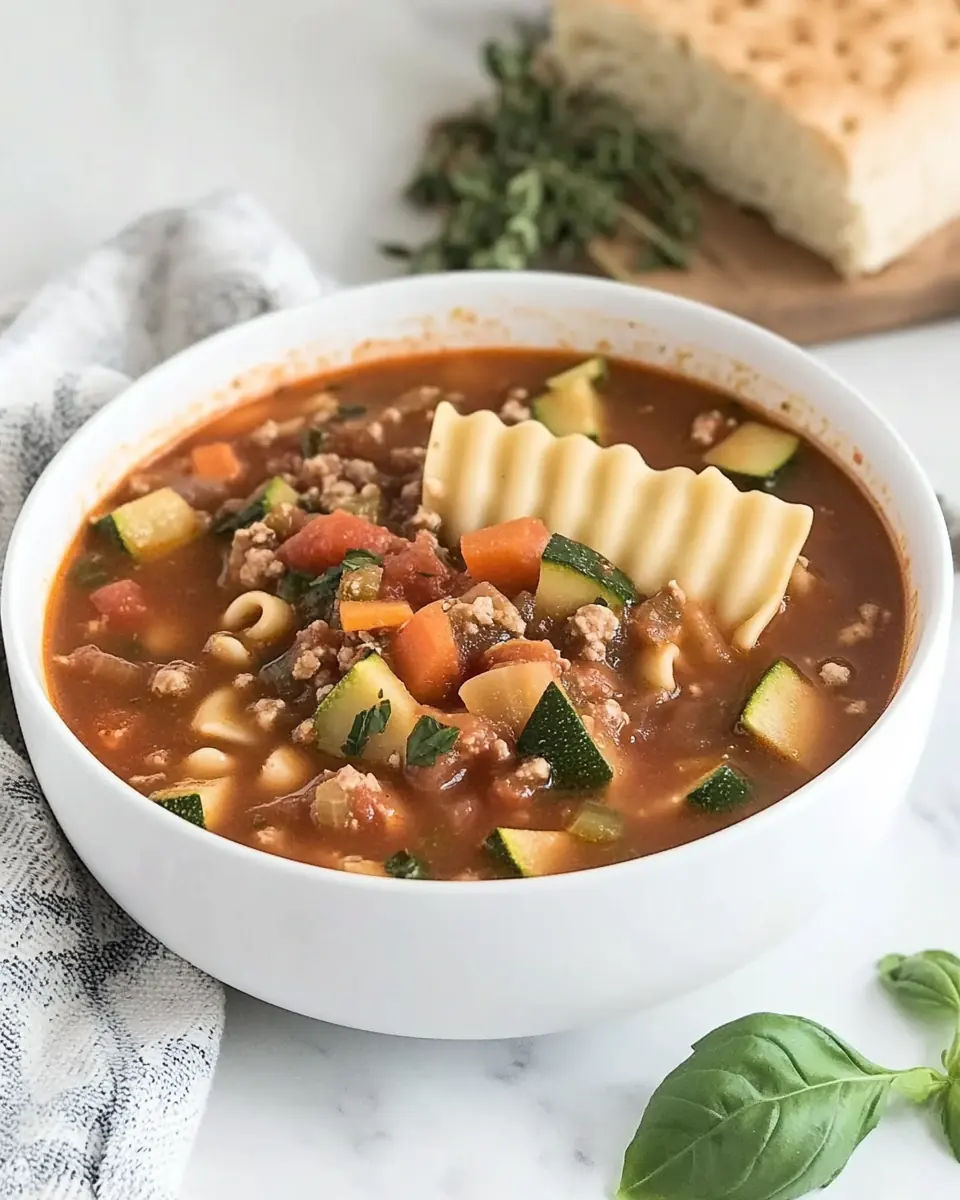
I like to think of tips as tiny adjustments that dramatically improve results. Below are practical ideas and variations I use to tweak texture, flavor, and make this recipe fit different needs.
- Make it vegan: Swap the ricotta cheese, mozzarella, and Parmesan for vegan alternatives or almond ricotta and nutritional yeast as suggested, mixing until the topping holds together like a creamy spread.
- Gluten free option: Replace the lasagna pasta with your favorite gluten free pasta broken into similar sized pieces, and cook to package timing for best texture.
- Add heartiness: Stir in the drained beans as the recipe suggests for protein and creaminess, and ensure they are well rinsed to avoid canning liquid thinning the broth.
- Balance acidity: If the crushed tomatoes are bright, add the optional 1 teaspoon sugar a pinch at a time until acidity softens without making the soup noticeably sweet.
- Adjust herb intensity: Fresh parsley added at the end brightens the bowl; add more if you prefer a greener finish, or reserve half for garnish for visual contrast.
- Cheese topping texture: If the ricotta cheese topping is too loose, chill briefly or fold in a little extra Parmesan to firm it, avoiding added liquids that would thin the mixture.
How to Serve Veggie Lasagna Soup
This soup is wonderfully adaptable, so serving can be simple or dressed up depending on the occasion. Below are detailed ideas for presentation, pairings, and storage so every bowl feels intentional.
- Family style bowls: Ladle steaming soup into shallow bowls and spoon a generous dollop of the cheese mixture on top so each guest can swirl it through their serving.
- Casual weeknight dinner: Serve with warm bread for dunking and a small side salad for crunch, keeping the meal balanced and easy to assemble after a busy day.
- Meal prep and leftovers: Store in airtight containers in the refrigerator for up to three days, reheating gently on the stovetop so the pasta doesn’t over soften; add a splash of broth if it thickens too much.
- Occasion friendly: This is great for cozy dinners in winter or a casual gathering, because it feels both comforting and presentable when served with fresh parsley and extra grated Parmesan.
- Serving sizes: Because the recipe yields six, it works well for small family meals or to portion for lunches; reheat individual portions over low heat and top with the cheese mixture when hot.
- Seasonal pairing: In colder months, an arugula side salad dressed with lemon offers a peppery contrast, while in transitional seasons a simple green salad keeps the bowl bright.
FAQ
Conclusion
This Veggie Lasagna Soup is special because it captures the cozy, layered flavors of lasagna in a spoonable, weeknight friendly format. Give it a try if you want a comforting meal that comes together quickly and highlights vegetables and melty cheese. It’s great for dinners when you want something warming and satisfying with minimal fuss, and it stores well for easy leftovers.
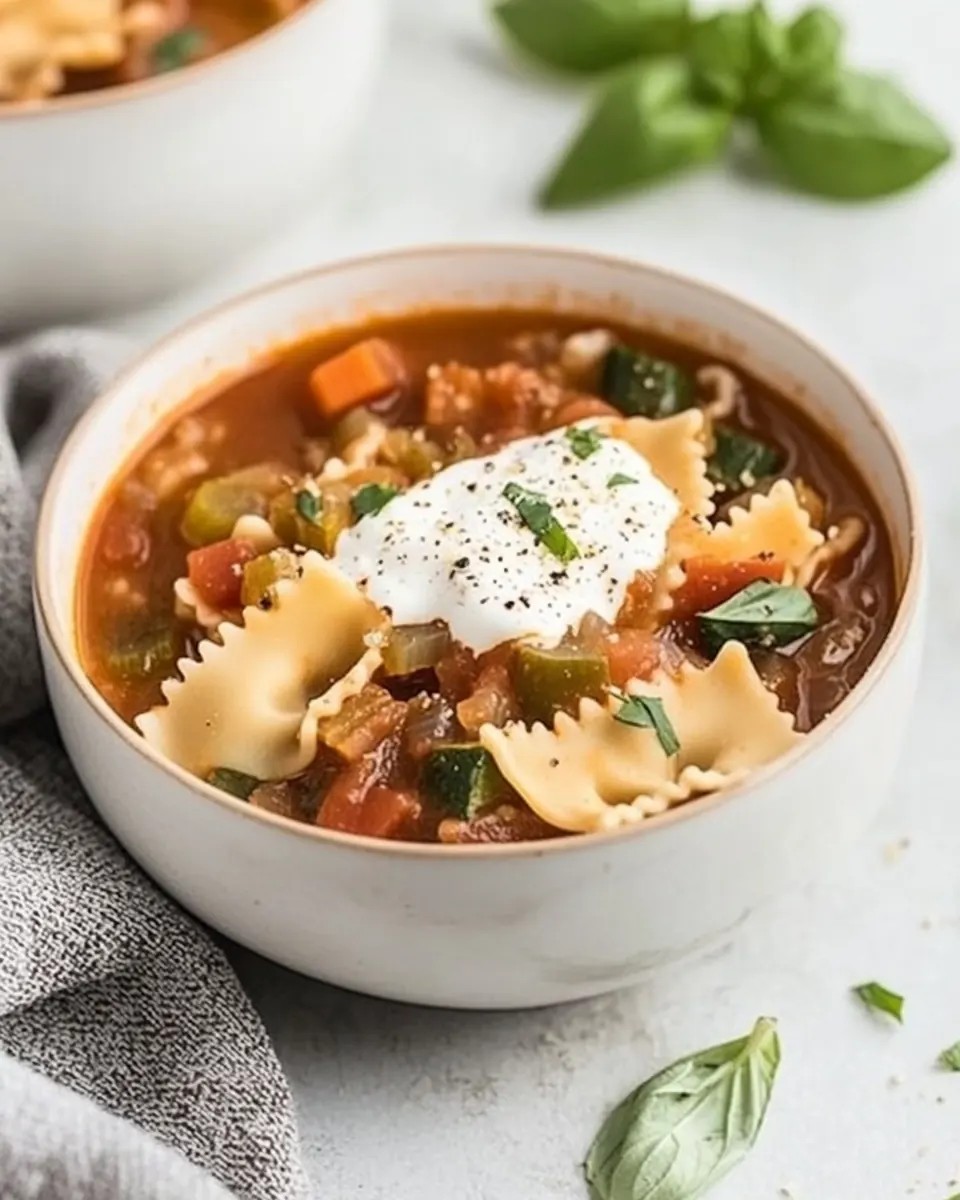
Veggie Lasagna Soup
Ingredients
Equipment
Method
- Set a large pot over medium-low heat and add the olive oil. When hot, add the onion, carrots, and Italian seasoning. Cook, stirring occasionally, until the onion and carrots are tender but not browned, about 8 minutes.: You will notice the oil shimmer slightly when it is hot enough, that is the cue to add the aromatics. The oil acts as a heat conductor and helps the onion and carrots release their flavors into the pan. Cook gently so the vegetables soften and become sweet rather than brown, stirring occasionally to prevent sticking. If you go too hot, the edges will caramelize too quickly, which can create bitter notes, so lower the heat if you see darkening.
- Add the garlic and cook, stirring frequently, for another minute.: As the minced garlic hits the warm oil, it will release an intoxicating perfume, bright and savory. Stir continuously so the garlic softens and infuses the oil without burning, which would turn it bitter. You should hear a soft sizzle but not aggressive popping. If you smell sharp, burnt notes, remove the pot from heat briefly to cool.
- Add the vegetable broth, crushed tomatoes, beans, 1/2 teaspoon salt, and 1/4 teaspoon pepper. Bring to a boil, and add the zucchini and pasta. Reduce to a simmer. Stir and continue to simmer until the pasta is cooked through, 15-20 minutes, continuing to stir occasionally to help keep the pasta from sticking together.: When you combine the vegetable broth and crushed tomatoes , the kitchen fills with a warm tomato aroma that deepens as it simmers. Adding the drained beans gives the liquid body, and the broken lasagna pasta will swell as it cooks, releasing a comforting starchiness into the broth. Bring the pot to a gentle boil so the pasta starts cooking evenly, then immediately lower to a simmer to avoid violent boiling that can roughen the pasta texture. Stir occasionally to prevent the pasta from clumping, and watch the pot so it does not boil over, which is a common mishap at this stage.
- While the soup simmers, make the cheese topping. In a small bowl, mix together the ricotta, mozzarella, Parmesan, 1/4 teaspoon salt, and 1/8 teaspoon pepper. Set aside.: The act of combining the ricotta cheese , mozzarella , and Parmesan creates a creamy, cohesive topping that will contrast the broth. Mix until smooth and slightly lax so it dollops easily on the soup. The cheeses offer fat and tang which soften the tomato acidity. If the mixture feels too loose, a quick chill firms it up, but avoid adding extra liquid which would dilute the texture.
- Add the spinach and parsley to the soup, then taste it and, if it's too acidic for your tastes, add the sugar. I almost always add sugar (or honey) personally to mellow out any acidity from the tomatoes, but I wanted to make this ingredient optional in case you don't want to use the added sugar or your particular canned tomatoes are not too acidic.: As you stir in the chopped spinach and parsley , the pot brightens visually and the herbs release fresh green aroma. The spinach will wilt quickly, creating silky flecks throughout the broth. Taste at this point for acidity from the crushed tomatoes . If it feels sharp, add the optional 1 teaspoon sugar a little at a time until the edge rounds out. Beware of adding too much sugar which can push the profile toward sweet rather than balanced.
- Taste again and add more salt and pepper if desired.: Final seasoning ties the whole bowl together. The right amount of kosher salt and freshly ground black pepper will elevate the natural flavors and the cheeses. Taste small spoonfuls, adjusting incrementally, because you can always add more but you cannot easily remove excess salt. If the soup seems flat, a touch more salt often brightens everything.
- Scoop lasagna soup into bowls and top with a generous spoonful of the cheese topping. Sprinkle with more parsley if desired, and serve.: Serve while steaming hot so the topping softens and slightly melts into the broth, creating a luscious contrast of textures. The cheese will offer creamy ribbons against the tomato base, and a final sprinkle of parsley brightens the presentation. A common mistake is letting the soup sit too long before serving, which allows the pasta to absorb too much liquid, so ladle immediately for best texture.
Notes
- Make it vegan: Swap the ricotta cheese, mozzarella, and Parmesan for vegan alternatives or almond ricotta and nutritional yeast as suggested, mixing until the topping holds together like a creamy spread.
- Gluten free option: Replace the lasagna pasta with your favorite gluten free pasta broken into similar sized pieces, and cook to package timing for best texture.
- Add heartiness: Stir in the drained beans as the recipe suggests for protein and creaminess, and ensure they are well rinsed to avoid canning liquid thinning the broth.
- Balance acidity: If the crushed tomatoes are bright, add the optional 1 teaspoon sugar a pinch at a time until acidity softens without making the soup noticeably sweet.
- Adjust herb intensity: Fresh parsley added at the end brightens the bowl; add more if you prefer a greener finish, or reserve half for garnish for visual contrast.
- Cheese topping texture: If the ricotta cheese topping is too loose, chill briefly or fold in a little extra Parmesan to firm it, avoiding added liquids that would thin the mixture.