Lemon Blueberry Cupcakes
Lemon Blueberry Cupcakes have been one of my favorite weekend projects ever since I first baked them for a spring brunch years ago. The memory of warm cupcakes cooling on a wire rack while the kitchen smelled like bright citrus and sweet berries is as vivid now as the day I made them. I remember nervously testing the batter, worried the blueberries would sink or the lemon would be too timid, and then being surprised by the perfect balance of tang and sweetness when I took that first bite.
I still reach for this recipe when I need something cheerful to bring to a neighbor, or when I want an afternoon escape that is equal parts therapy and treat. The texture is tender and a little crumbly in the best way, the crumbs cling to the frosting, and the pops of blueberry feel almost like little treasures buried inside. Over time I learned small tricks that help the cupcakes bake evenly and the frosting pipe beautifully, and those refinements made these my go to when friends ask for something homemade.
Recipe Snapshot
45 mins
25 mins
20 mins
Medium
210 kcal
American
Gluten-Free, Low FODMAP
Desserts
12 cup muffin tin, paper liners, mixing bowls, handheld electric mixer or stand mixer with paddle attachment, rubber spatula, wire rack
Why This Lemon Blueberry Cupcakes Shines
Bright Flavor That Feels Fresh
I love how Lemon Blueberry Cupcakes bring a crisp citrus note without being overly tart. The combination of fresh lemon juice, grated lemon zest, and optional lemon extract builds layers of lemony flavor. The blueberries add a juicy burst, and together they create a lively contrast that keeps each bite interesting.
Texture That Multiplies Enjoyment
These cupcakes deliver a tender crumb with just enough structure to hold frosting. The use of all purpose flour, full fat sour cream, and a touch of butter yields a moist interior that resists drying out, even if you make them a day ahead. I appreciate how the crumb gives a delicate mouthfeel that makes the frosting feel luxurious rather than cloying.
Versatile and Reliable for Gatherings
I often make a double batch because these travel well and look pretty on any spread. You can freeze unfrosted cupcakes for quick breakfasts or last minute desserts. The recipe scales nicely, and because the ingredients are familiar pantry staples, you can usually pull it together with minimal advance planning.
Beginner Friendly, Yet Impressive
Even if you are not a confident baker, these cupcakes are forgiving. The methods rely on simple mixing sequences and clear visual cues, so you learn to trust feel and sight. I like to coach friends through the steps, and they always leave feeling proud because the result looks bakery level.
Customization Without Compromise
Whether you add a few extra berries on top, tweak the frosting brightness, or swap in frozen blueberries when fresh are scarce, this recipe keeps its integrity. The structure and flavor balance tolerate small changes, so you can personalize without risking the final dessert.
What’s In This Lemon Blueberry Cupcakes
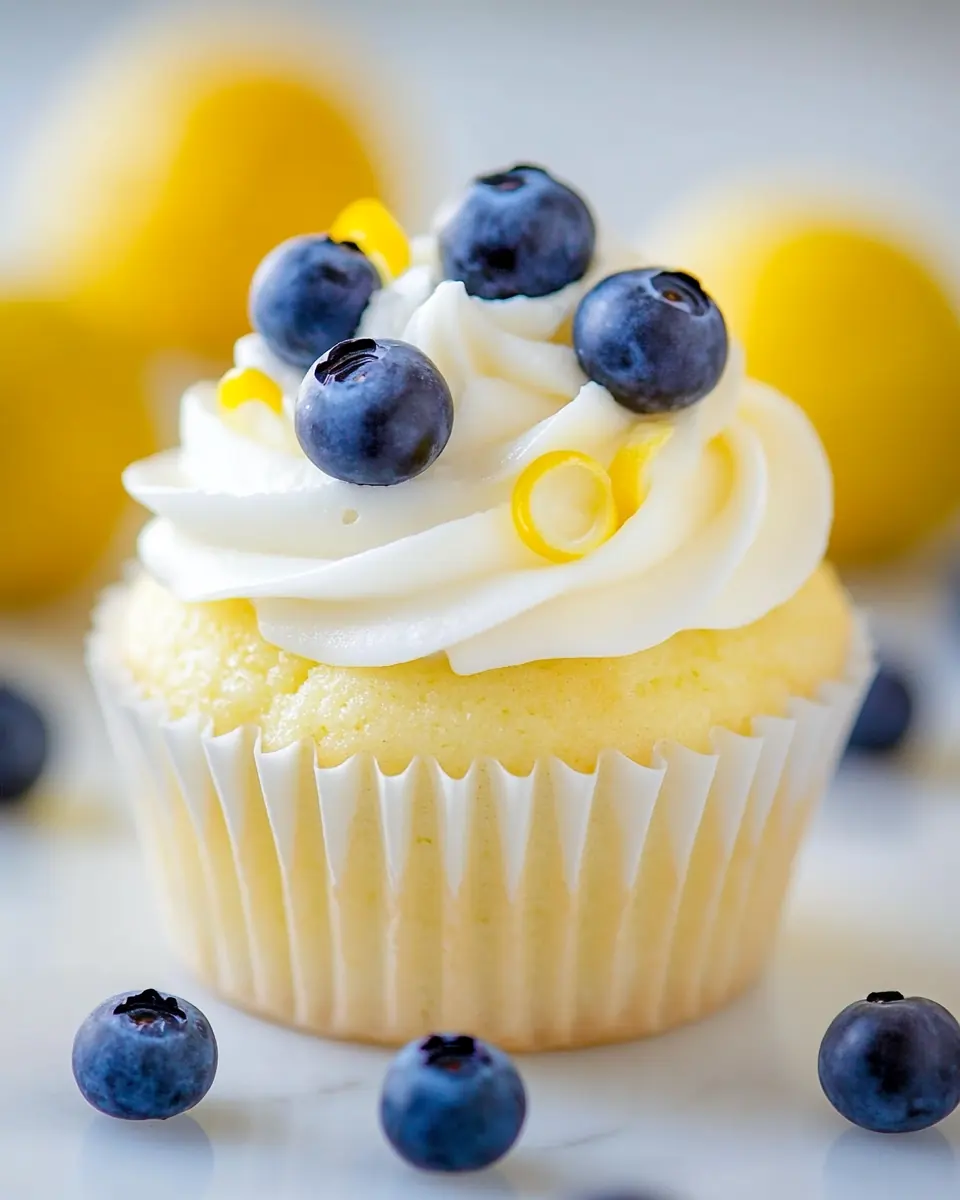
I think of these ingredients as a small ensemble where each player has a clear job. The dry ingredients create structure, the dairy and butter bring tenderness and richness, and the lemon elements provide lift and brightness. The blueberries contribute texture and fresh fruit flavor while the frosting rounds everything out with creamy tang.
- 1 and 3/4 cups plus 2 tablespoons all-purpose flour, divided: Measure for the bulk of the cupcake structure, providing gluten and starch that form the cake’s crumb; divided quantity allows part to be used for coating berries to prevent sinking and the rest for the batter for proper texture.
- 1 teaspoon baking powder: Leaven to help the cupcakes rise by producing carbon dioxide when combined with batter, contributing lightness and an even crumb when properly measured.
- 1/2 teaspoon baking soda: React with acidic components to create additional lift and tenderness in the cupcakes; balances leavening with baking powder for optimal rise.
- 1/2 teaspoons salt: Season the batter to enhance overall flavor balance; a small amount rounds out sweetness and accentuates the lemon and blueberry notes.
- 1/2 cup full-fat sour cream: Tenderize and add moisture to the cupcakes while contributing slight tang that complements the lemon; helps create a moist, tender crumb.
- 1/2 cup whole milk: Adjust batter consistency and add richness; whole milk contributes fat and protein that improve texture and mouthfeel.
- 3 tablespoons fresh lemon juice, divided: Provide bright acidity and lemon flavor, helping activate baking soda and enhancing overall citrus character; divided use allows for both batter and frosting flavoring.
- 3/4 cup fresh or frozen blueberries, if using frozen do not thaw first: Add bursts of fruity flavor and moisture; using frozen directly helps prevent bleeding into batter, while fresh berries provide a juicier, fresher bite.
- 1/2 cup (1 stick) unsalted butter, at room temperature: Cream with sugar to incorporate air for a lighter texture and add rich butter flavor that forms the base of the cupcake’s fat component.
- 3/4 cup granulated sugar: Sweeten and help aerate when creamed with butter, contributing to structure and tenderness while balancing the lemon’s acidity.
- 1/2 teaspoon lemon extract (, but really amps up the lemon flavor) (optional): Concentrate lemon flavor without extra liquid; optional but intensifies citrus notes in the batter for a brighter overall taste.
- 1 large egg plus one egg yolk, at room temperature: Bind and enrich the batter, adding structure and tenderness; using an extra yolk increases richness and yield for a moister cupcake.
- 2 teaspoons finely grated lemon zest: Infuse concentrated citrus fragrance and flavor for a pronounced lemon profile; fine grating distributes essential oils evenly through the batter.
- 1/2 cup (1 stick) unsalted butter, very soft: Soften and aerate further when creamed or blended into batter, providing a light, tender texture and additional buttery flavor.
- (1) 8 ounce block full-fat cream cheese, very soft: Stabilize and enrich frostings with tangy creaminess; very soft full-fat cream cheese creates smooth, silky frosting when whipped.
- 4 cups confectioners' sugar: Sweeten and structure frostings; a large amount of confectioners' sugar provides stability, sweetness, and the right consistency for piping.
- 1 and 1/2 tablespoons fresh lemon juice: Add clean, bright lemon acidity to the frosting for balance against the sweetness; measured amount prevents overly thin frosting.
- 1/4 teaspoon vanilla extract: Enhance overall flavor complexity and warmth in the frosting; vanilla adds depth and rounds out the citrus and dairy notes.
- 1/4 teaspoon lemon extract (, but really amps up the lemon flavor) (optional): Boost lemon aroma and flavor in the frosting without extra acidity; optional addition concentrates citrus character.
- 1/2 teaspoon finely grated lemon zest: Provide subtle fresh lemon fragrance and a textural contrast in the frosting; finely grated zest disperses aromatic oils evenly.
- 1 teaspoon freshly grated lemon zest (optional): Offer an extra hit of lemon aroma as a finishing touch; optional grated zest on top brings visual appeal and boosted citrus scent.
- 1/2 cup fresh blueberries (optional): Garnish with fresh blueberries for color, flavor, and a fresh burst of fruit that complements the lemony cupcakes and cream cheese frosting.
The Process for Making Lemon Blueberry Cupcakes
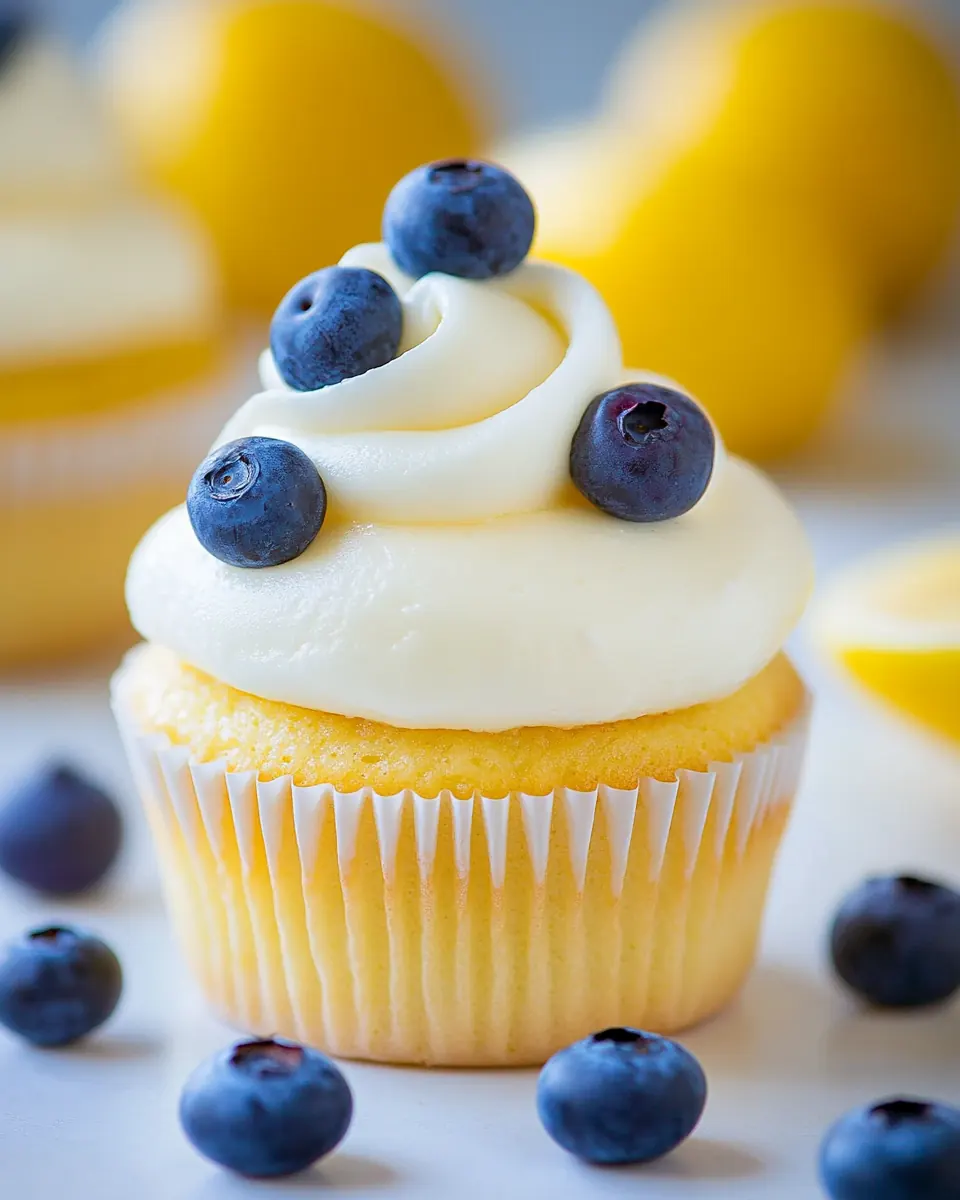
These directions guide you through steps that are straightforward but rewarding, so take your time and enjoy the sensory feedback. I will walk you through the mixing sequence, how to treat the blueberries, baking cues, and finishing with a silky frosting. Listen for small clues like the batter thickness and watch for even browning to know you are on track.
- Preheat oven to 350 degrees (F). Line a 12 cup muffin tin with paper liners and set aside.: The kitchen immediately warms with a subtle toasted scent that hints at the transformation to come, and the sound of the oven clicking on is oddly reassuring. Getting the oven to a full steady 350 degrees ensures even rise and consistent bake times, so always allow a few minutes for the temperature to stabilize before sliding the tin in. If the oven is too cool, cupcakes will bake longer and may be dense, while an oven that runs hot can brown the tops before the centers set. A common mistake is skipping liners or not arranging them before filling, which makes portioning messy and slows preparation. I like to line the tin first to visualize how many cupcakes I will fill and to keep the batter from sticking to the pan edges.
- In a medium bowl combine 1 and 3/4 cups of the flour, baking powder, baking soda, and salt; set aside. In a separate bowl combine the sour cream, milk, and 2 tablespoons of the lemon juice; whisk well to combine and set aside. Place blueberries in a small bowl; add remaining lemon juice and toss to coat the berries; add remaining flour and toss to coat the berries in the flour; set aside.: The dry mixture smells faintly of grain and baking powder, a neutral base waiting for flavor. The lemon and dairy mixture will look silky, with tiny bubbles where the lemon reacts to the dairy, which slightly tenderizes the batter. Tossing blueberries in a little flour keeps them suspended in the batter rather than sinking to the bottom, which helps each cupcake get fruit in every bite. When you coat berries in flour, you may see a dusting that seems excessive at first but disappears once folded in. Avoid overmixing the sour cream into the dry ingredients later, because that can make the crumb tough; gentle folding preserves a tender texture.
- In a large bowl using a handheld electric mixer, or in the bowl of a stand mixer fitted with the paddle attachment, beat the butter on medium speed until smooth and creamy, about 30 seconds. Add in the granulated sugar and lemon extract (if using) and beat until well combined. Add in the egg and egg yolk and mix well. Reduce the mixer speed to low. Add in 1/2 of the flour mixture and mix until just combined (this should take about 5 seconds). Add 1/2 of the sour cream mixture and mix until just combined. Repeat with remaining flour and sour cream mix, being sure to mix on low until just combined. Using a rubber spatula, fold in the floured blueberries (and any excess flour in the bowl) and lemon zest.: As you cream butter and sugar , you will notice the mixture lighten and become ribbon like when the beaters are lifted, which traps air and helps the cupcakes rise. Adding eggs integrates moisture and protein that strengthen the structure. Alternating dry and wet ingredients prevents overworking gluten, so the crumb stays tender; you want to stop mixing as soon as you do not see streaks of flour. When folding in the floured blueberries be gentle and use a spatula to avoid bursting the berries, which would tint the batter blue and concentrate juices. A typical pitfall here is overmixing once the flour is added, which develops gluten and yields a chewy cupcake rather than a delicate one. Watch the batter texture; it should be thick but scoopable, dotted with berry and flecks of lemon zest.
- Spoon the batter into the prepared muffin cups, filling them 3/4 of the way full. Bake for 16-20 minutes, or until a toothpick inserted in the center comes out clean. Allow cupcakes to cool in the pan for 5 minutes before transferring them to a wire rack to cool completely. Once cupcakes are cool, frost and decorate. The cupcakes may also be frozen, unfrosted and stored in a freezer safe bag, for up to 2 months.: As you portion batter into liners, you will hear a soft steady plop and see domes forming as the oven heat does its work. The tops should turn a soft golden hue and spring back slightly when pressed. Insert a toothpick near the center within the recommended time frame to avoid overbaking, which dries the crumb. Letting cupcakes rest briefly in the pan makes them easier to remove without breaking, but transferring them to a wire rack cools them evenly so condensation does not collect under the liner. Avoid frosting warm cupcakes, or the frosting will melt into the crumb. If you plan to freeze, make sure they are completely cool and wrap tightly to prevent freezer burn. A common mistake is opening the oven too often during the bake, which can cause uneven rise.
- In a medium bowl using a handheld electric mixer, or in the bowl of a stand mixer fitted with the paddle attachment, beat the butter and cream cheese on medium speed until smooth and creamy. Reduce the speed to low and gradually add in the powdered sugar and lemon juice, beating until light and fluffy, about 2 minutes. Add in the vanilla extract, lemon extract (if using) and lemon zest; beat smooth. If the consistency appears too thick, add a teaspoon of milk or heavy cream, but only if necessary. The frosting should be creamy and spreadable, but also thick enough to hold its shape. Pipe or spread the frosting on top of each cooled cupcake.: The cream cheese and butter should blend into a silky paste before the sugar goes in, which prevents lumps. Adding confectioners' sugar gradually helps it incorporate smoothly without a cloud of sugar in your kitchen. The frosting should taste bright from the lemon juice and zest, with a balanced sweetness. If it becomes too loose, chill it briefly until it firms up; if it is too stiff, a teaspoon of milk will loosen it without making it runny. Avoid overbeating after the sugar is added, as this can aerate the frosting too much and cause it to break or weep. A handy test is to lift a spoonful and see if it holds a soft peak.
- Top each frosted cupcake with a pinch of lemon zest and extra blueberries, optional but pretty!: The final garnish adds texture and an aromatic lift that signals the flavors inside. Fresh blueberries on top provide a cold burst against warm cake and creamy frosting, while a little lemon zest brightens the aroma when you lean in. Keep the decoration simple to avoid overloading the cupcake, and place blueberries gently so they do not sink into the frosting. One mistake I see is adding too many berries, which can make serving messy and the presentation heavy. A light sprinkle keeps the look elegant and the bite balanced.
Substitutions and Tips

Here are practical notes I return to whenever I make these cupcakes. They cover small swaps and technique reminders that preserve texture and flavor. Use them as a checklist when you bake to avoid common pitfalls and to achieve consistent results.
- Use room temperature dairy: Allow butter, cream cheese, and eggs to sit at room temperature for about 30 minutes so they combine smoothly and create a tender crumb.
- Frozen versus fresh berries: Frozen blueberries can be used straight from the freezer, but do not thaw them. Toss them in a little flour so they are evenly distributed and do not bleed too much color into the batter.
- Adjust lemon intensity: If you prefer a milder lemon profile, omit the optional lemon extract and rely on freshly grated lemon zest and lemon juice for brightness.
- Frosting consistency fix: If the frosting is too tight, add a teaspoon of whole milk at a time until it reaches the desired spreadable texture; if it is too loose, chill briefly and rewhip.
- Make ahead strategy: Bake cupcakes and freeze unfrosted for up to two months. Thaw in the fridge overnight before frosting for best results.
- Measure flour correctly: Spoon all purpose flour into the measuring cup and level off with a knife instead of scooping directly from the bag, which can compact the flour and lead to dense cupcakes.
What Complements This Lemon Blueberry Cupcakes
These cupcakes pair well with a range of light accompaniments and occasions. I like serving them with a warm beverage for brunch or as a portable dessert for picnics. They are versatile enough to suit casual gatherings and festive celebrations.
- Brunch Pairing: Serve Lemon Blueberry Cupcakes alongside a pot of tea or a carafe of coffee for a relaxed mid morning meal where the citrus notes cut through the richness of other dishes.
- Picnic Friendly: Pack cupcakes in a shallow box with parchment between layers to protect the frosting, making them ideal for outdoor lunches or park gatherings where handheld dessert is preferred.
- Special Occasion Dessert: These cupcakes work well for birthdays or showers; arrange them on a tiered stand with extra blueberries and lemon zest for an elegant display.
- Storage Suggestions: Keep frosted cupcakes refrigerated in an airtight container for up to three days, or freeze unfrosted cupcakes for up to two months and frost after thawing.
- Seasonal Notes: They are especially lovely in spring when lemons and berries feel bright and seasonal, but the recipe is flexible enough to be enjoyed year round.
- Serving Size Guidance: This recipe yields about 15 cupcakes, which works well as a treat for a small party or to split across a week of snacks.
FAQ
Conclusion
What makes these cupcakes special is their bright interplay of lemon and blueberry combined with a tender, moist crumb and a creamy frosting that complements rather than overwhelms. They feel celebratory yet approachable, whether you are making them for a casual brunch or a special get together. Give them a try when you want a dessert that looks lovely on a platter and delivers consistent results. I hope you enjoy the process of making them as much as I do, and that they become a reliable favorite you return to whenever you want a sunny, satisfying baked treat.
Lemon Blueberry Cupcakes
Ingredients
Equipment
Method
- Preheat oven to 350 degrees (F). Line a 12 cup muffin tin with paper liners and set aside.: The kitchen immediately warms with a subtle toasted scent that hints at the transformation to come, and the sound of the oven clicking on is oddly reassuring. Getting the oven to a full steady 350 degrees ensures even rise and consistent bake times, so always allow a few minutes for the temperature to stabilize before sliding the tin in. If the oven is too cool, cupcakes will bake longer and may be dense, while an oven that runs hot can brown the tops before the centers set. A common mistake is skipping liners or not arranging them before filling, which makes portioning messy and slows preparation. I like to line the tin first to visualize how many cupcakes I will fill and to keep the batter from sticking to the pan edges.
- In a medium bowl combine 1 and 3/4 cups of the flour, baking powder, baking soda, and salt; set aside. In a separate bowl combine the sour cream, milk, and 2 tablespoons of the lemon juice; whisk well to combine and set aside. Place blueberries in a small bowl; add remaining lemon juice and toss to coat the berries; add remaining flour and toss to coat the berries in the flour; set aside.: The dry mixture smells faintly of grain and baking powder, a neutral base waiting for flavor. The lemon and dairy mixture will look silky, with tiny bubbles where the lemon reacts to the dairy, which slightly tenderizes the batter. Tossing blueberries in a little flour keeps them suspended in the batter rather than sinking to the bottom, which helps each cupcake get fruit in every bite. When you coat berries in flour, you may see a dusting that seems excessive at first but disappears once folded in. Avoid overmixing the sour cream into the dry ingredients later, because that can make the crumb tough; gentle folding preserves a tender texture.
- In a large bowl using a handheld electric mixer, or in the bowl of a stand mixer fitted with the paddle attachment, beat the butter on medium speed until smooth and creamy, about 30 seconds. Add in the granulated sugar and lemon extract (if using) and beat until well combined. Add in the egg and egg yolk and mix well. Reduce the mixer speed to low. Add in 1/2 of the flour mixture and mix until just combined (this should take about 5 seconds). Add 1/2 of the sour cream mixture and mix until just combined. Repeat with remaining flour and sour cream mix, being sure to mix on low until just combined. Using a rubber spatula, fold in the floured blueberries (and any excess flour in the bowl) and lemon zest.: As you cream butter and sugar , you will notice the mixture lighten and become ribbon like when the beaters are lifted, which traps air and helps the cupcakes rise. Adding eggs integrates moisture and protein that strengthen the structure. Alternating dry and wet ingredients prevents overworking gluten, so the crumb stays tender; you want to stop mixing as soon as you do not see streaks of flour. When folding in the floured blueberries be gentle and use a spatula to avoid bursting the berries, which would tint the batter blue and concentrate juices. A typical pitfall here is overmixing once the flour is added, which develops gluten and yields a chewy cupcake rather than a delicate one. Watch the batter texture; it should be thick but scoopable, dotted with berry and flecks of lemon zest.
- Spoon the batter into the prepared muffin cups, filling them 3/4 of the way full. Bake for 16-20 minutes, or until a toothpick inserted in the center comes out clean. Allow cupcakes to cool in the pan for 5 minutes before transferring them to a wire rack to cool completely. Once cupcakes are cool, frost and decorate. The cupcakes may also be frozen, unfrosted and stored in a freezer safe bag, for up to 2 months.: As you portion batter into liners, you will hear a soft steady plop and see domes forming as the oven heat does its work. The tops should turn a soft golden hue and spring back slightly when pressed. Insert a toothpick near the center within the recommended time frame to avoid overbaking, which dries the crumb. Letting cupcakes rest briefly in the pan makes them easier to remove without breaking, but transferring them to a wire rack cools them evenly so condensation does not collect under the liner. Avoid frosting warm cupcakes, or the frosting will melt into the crumb. If you plan to freeze, make sure they are completely cool and wrap tightly to prevent freezer burn. A common mistake is opening the oven too often during the bake, which can cause uneven rise.
- In a medium bowl using a handheld electric mixer, or in the bowl of a stand mixer fitted with the paddle attachment, beat the butter and cream cheese on medium speed until smooth and creamy. Reduce the speed to low and gradually add in the powdered sugar and lemon juice, beating until light and fluffy, about 2 minutes. Add in the vanilla extract, lemon extract (if using) and lemon zest; beat smooth. If the consistency appears too thick, add a teaspoon of milk or heavy cream, but only if necessary. The frosting should be creamy and spreadable, but also thick enough to hold its shape. Pipe or spread the frosting on top of each cooled cupcake.: The cream cheese and butter should blend into a silky paste before the sugar goes in, which prevents lumps. Adding confectioners' sugar gradually helps it incorporate smoothly without a cloud of sugar in your kitchen. The frosting should taste bright from the lemon juice and zest, with a balanced sweetness. If it becomes too loose, chill it briefly until it firms up; if it is too stiff, a teaspoon of milk will loosen it without making it runny. Avoid overbeating after the sugar is added, as this can aerate the frosting too much and cause it to break or weep. A handy test is to lift a spoonful and see if it holds a soft peak.
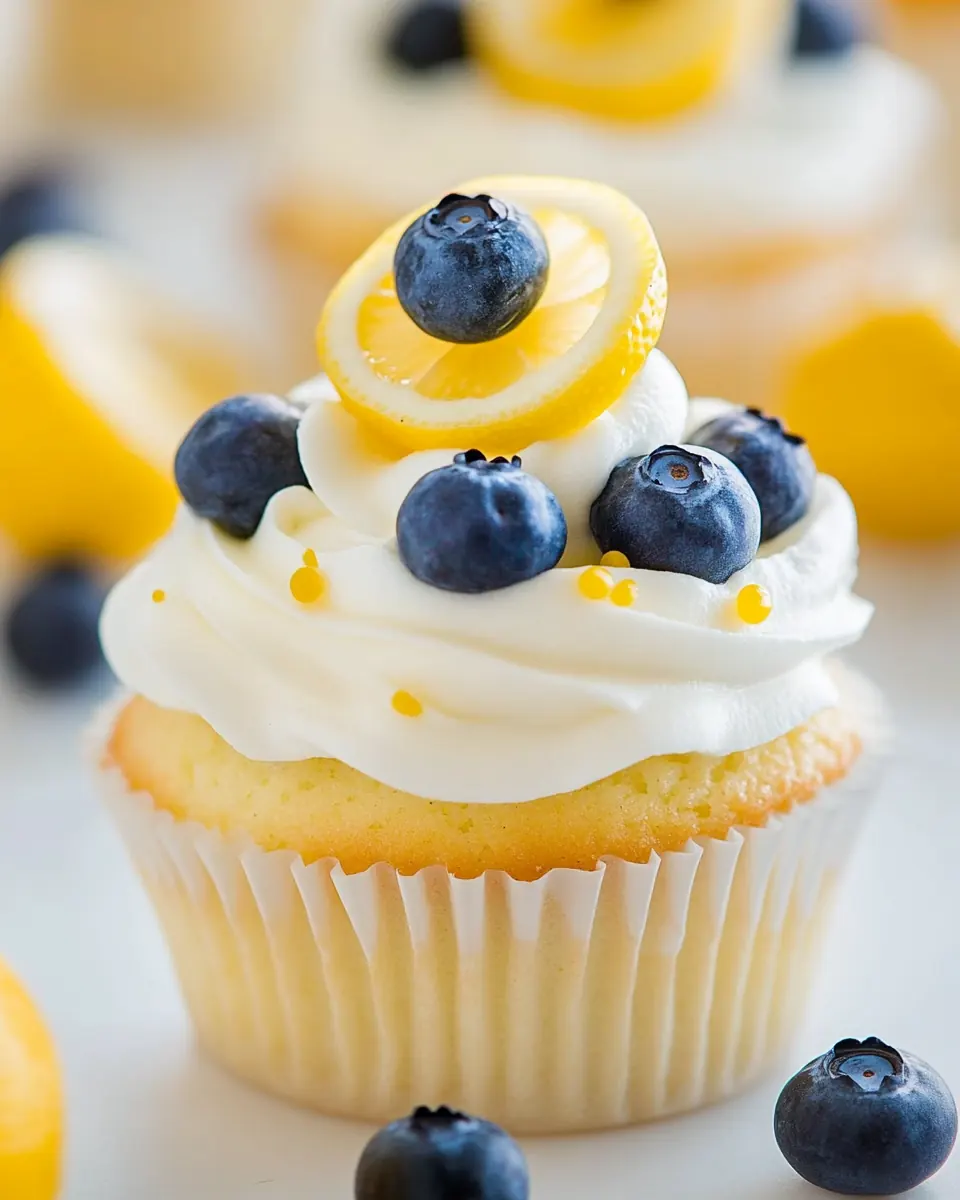
- Top each frosted cupcake with a pinch of lemon zest and extra blueberries, optional but pretty!: The final garnish adds texture and an aromatic lift that signals the flavors inside. Fresh blueberries on top provide a cold burst against warm cake and creamy frosting, while a little lemon zest brightens the aroma when you lean in. Keep the decoration simple to avoid overloading the cupcake, and place blueberries gently so they do not sink into the frosting. One mistake I see is adding too many berries, which can make serving messy and the presentation heavy. A light sprinkle keeps the look elegant and the bite balanced.
Notes
- Use room temperature dairy: Allow butter, cream cheese, and eggs to sit at room temperature for about 30 minutes so they combine smoothly and create a tender crumb.
- Frozen versus fresh berries: Frozen blueberries can be used straight from the freezer, but do not thaw them. Toss them in a little flour so they are evenly distributed and do not bleed too much color into the batter.
- Adjust lemon intensity: If you prefer a milder lemon profile, omit the optional lemon extract and rely on freshly grated lemon zest and lemon juice for brightness.
- Frosting consistency fix: If the frosting is too tight, add a teaspoon of whole milk at a time until it reaches the desired spreadable texture; if it is too loose, chill briefly and rewhip.
- Make ahead strategy: Bake cupcakes and freeze unfrosted for up to two months. Thaw in the fridge overnight before frosting for best results.
- Measure flour correctly: Spoon all purpose flour into the measuring cup and level off with a knife instead of scooping directly from the bag, which can compact the flour and lead to dense cupcakes.