Mashed Potatoes
Mashed Potatoes have been my go to comfort food whenever the week has worn me down and the pantry needs a little love. I remember standing at my grandmother’s sink, hands cold from washing potatoes, while she told stories as she peeled and poked each tuber, saying the secret was patience and respect for simple things.
Now I make Mashed Potatoes when guests arrive unexpectedly, when the calendar is full, or when I want something that feels like a warm hug on a plate. The ritual, from scrubbing the skins to the final flourish of chives, always slows me down in the best way. I like to let small details guide the result, and I find that a few careful moves make the creamiest, most satisfying bowl.
Hands on, slightly messy, and utterly forgiving, Mashed Potatoes teach you how texture and timing matter. I’ve learned to listen for the gentle whisper of boiling water, and I watch for the fork to slide through the potato like butter. These moments are part of the joy. Over the years I’ve developed a few little habits that keep the potatoes fluffy and never gluey, and I’ll share those here as we go through the recipe.
Recipe Snapshot
45 mins
15 mins
30 mins
Medium
200 kcal
American
Gluten-Free, Low FODMAP
Side Dishes
Electric Hand Mixer, Deep Stainless Sauce Pan with Lid
What’s Great About This Mashed Potatoes
Comfort in simplicity
I adore how Mashed Potatoes take humble ingredients and become a centerpiece. The texture alone turns basic pantry items into a luxurious mouthfeel, and I find that everyone at the table relaxes when they see a steaming bowl of these.
Reliable technique
Once you master a couple of techniques, this dish is consistently successful. I use a hands on approach with a Deep Stainless Sauce Pan with Lid and an Electric Hand Mixer, and that combination always yields smooth, even results. The method protects the starch structure, so you get creamy results without gumming.
Fast but impressive
What I love is how quickly you can transform potatoes into something elegant. From start to finish, you’ll have a side that pairs with weeknight meals or holiday tables, and you don’t need complicated skills to impress your guests.
Flexible to taste
These mashed potatoes welcome personalization. I like to add extra butter for richness, while sometimes I stir in a touch of dairy for silkiness. You can easily dial the texture from rustic to ultra smooth based on how long you whip and how much liquid you add.
Kid friendly and crowd pleasing
I keep returning to this recipe because it wins over picky eaters and foodies alike. It’s simple to scale up, and it travels well to potlucks, making it a dependable dish whenever I need something everyone will enjoy.
Essential Ingredients for Mashed Potatoes
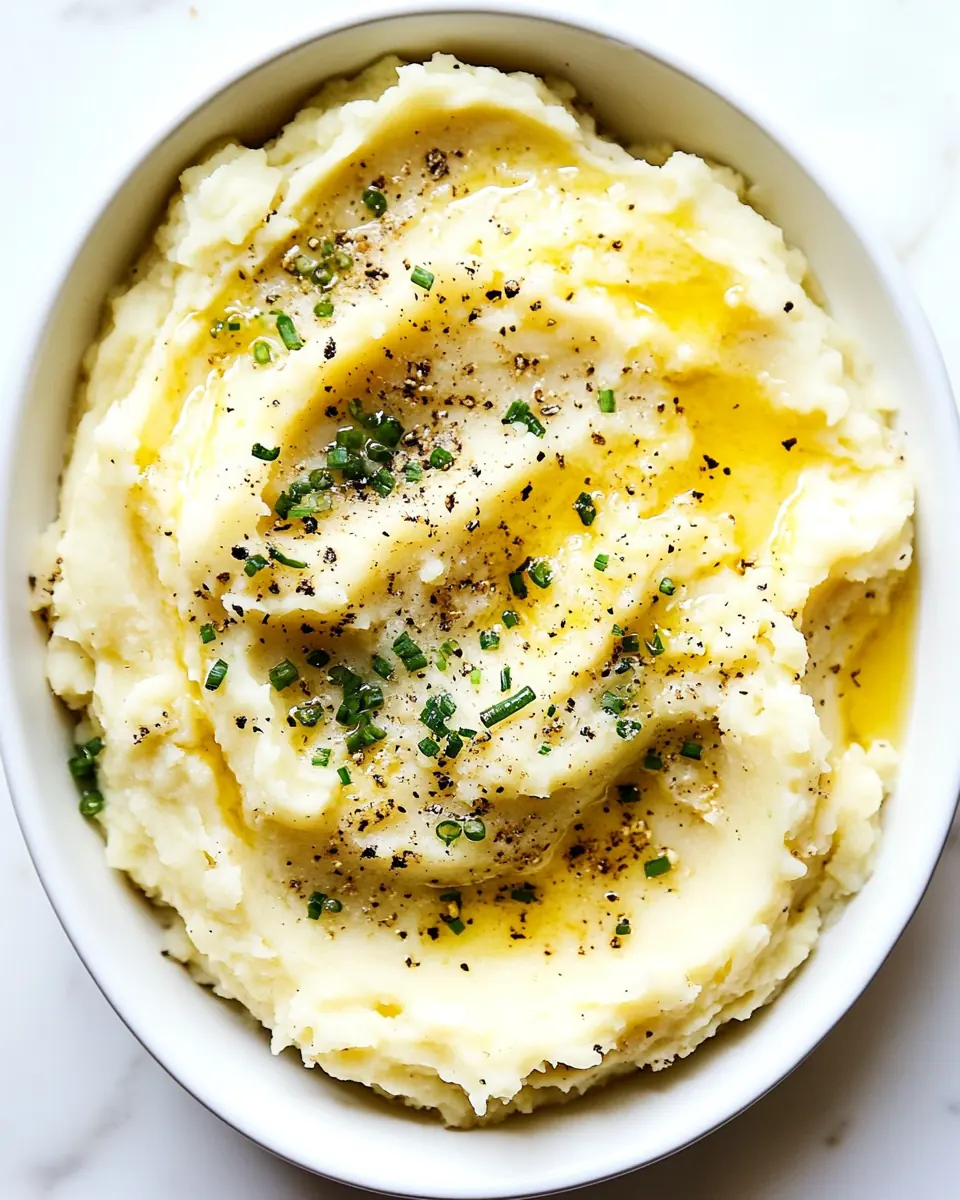
These ingredients work together like a small, trusted orchestra. Each player has a clear role, and when balanced correctly, they produce creamy, fluffy mashed potatoes. The potatoes form the structure, the butter brings richness and helps prevent gumminess, the dairy loosens the texture and adds silk, and salt and pepper sharpen the flavor. Chives lift the finished dish with a fresh, oniony note.
- 2 1/2 pounds Yukon gold potatoes: Peel and cube to ensure even cooking; provides the starchy, creamy base for the mash and absorbs flavors from butter and dairy. Boil until fork-tender, then drain well to avoid watery potatoes before mashing for a smooth texture.
- 1 teaspoon kosher salt, divided: Season during boiling and finishing to enhance the potatoes' natural flavor; dividing allows salting the cooking water and adjusting final seasoning for balance. Use kosher salt for clean, less intense salinity that dissolves easily.
- 4 tablespoons butter, cut into chunks: Cut into chunks and add while mashing to create rich, buttery pockets that enrich mouthfeel and flavor; use unsalted or salted butter according to taste. Soften slightly before mixing so it blends smoothly into warm potatoes without separating.
- cup half-and-half, or cream, or milk: Warm slightly before adding to help loosen the mash and achieve desired creaminess; choose half-and-half, cream, or milk depending on how rich and silky you want the potatoes. Add gradually while mashing to control consistency and avoid overly runny results.
- 1/2 teaspoon black pepper, freshly ground: Grind freshly to provide a bright, sharp counterpoint to the rich, creamy potatoes and butter; use sparingly and taste as you go to maintain a balanced finish. Acts as the primary peppery seasoning, enhancing aroma and complexity.
- chives, minced: Mince finely and sprinkle across the finished dish to add a mild onion-like freshness and color contrast; use as a garnish to lift the richness of the mash. Fold in lightly or scatter on top for a subtle herbal note without overpowering.
Making Mashed Potatoes
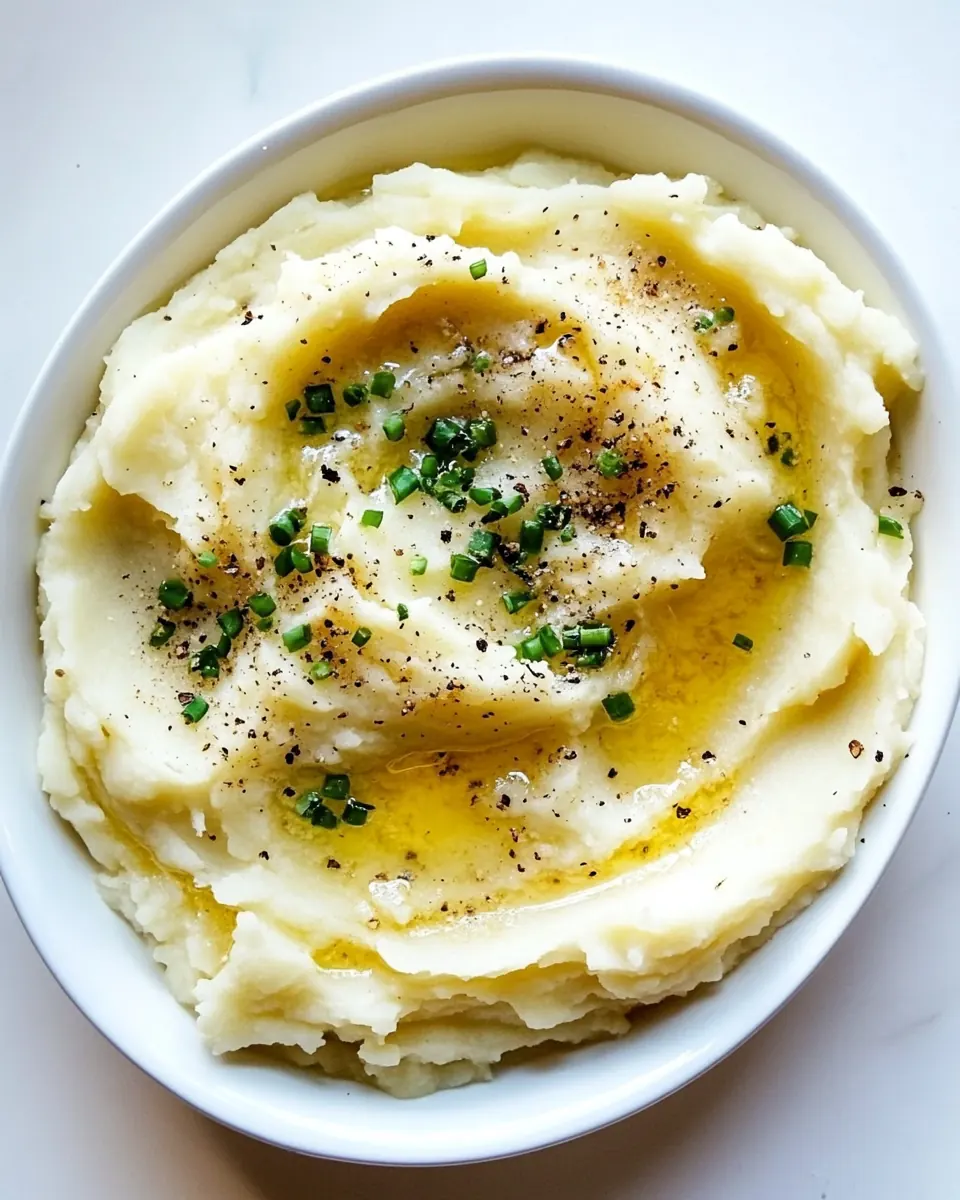
I like to keep the mood relaxed when making Mashed Potatoes. This is a hands on recipe that rewards attention more than speed. The following steps guide you through attentive cooking, sensory checks, and small tricks to ensure a superior texture.
- Scrub the potatoes clean and add to a deep pot. Completely cover the potatoes with water, about 1/2 inch above the potatoes. Bring the potatoes to a boil and add 1/2 teaspoon of kosher salt. Boil the potatoes for 20 to 30 minutes or until they are very easily pierced with a fork and the skin pulls away from the potato where cut.: The sound of water against the potatoes is comforting, and scrubbing removes dirt while leaving the flavorful skins intact. You should see the skins brighten as you clean them, and the potatoes should feel firm and free of soft spots. Use a vegetable brush and cold water for the best result. A common mistake is rushing this step, which can leave grit behind and a sandy texture in the mash. The why here is simple, cleaned skins help preserve flavor and reduce waste, and they also save time since you won’t need to peel. If any potato has bruises, cut them away with a paring knife before boiling, and avoid using warm water for the initial scrub to keep the potatoes from becoming soft too early.
- Drain the potatoes, and while still hot, use a paper towel to wipe the skin away from the potatoes, then add back to the warm pot.: When the potatoes sit evenly under water, they cook uniformly, which is crucial for even doneness. You should hear a gentle pour and see the water level settle a little over the potatoes. If the water is too low, the tops can dry and cook differently; if it is too high, you waste energy. A typical error is underfilling the pot, which causes uneven cooking and a mix of overcooked and undercooked pieces. The goal is to maintain steady boiling without frantic splashing, so choose a pot that leaves enough room for the water to circulate without spilling.
- Gently smash the hot potatoes with the tines of a hand mixer and add the butter to the potatoes. Cover with a lid for the butter to melt, about 3-4 minutes.: The water will move from still to churning, producing a steady rolling boil. Adding salt at this stage seasons the potatoes internally. You will notice the aroma lift slightly when salt dissolves into boiling water. A frequent misstep is adding too much salt too late, which can make the center of the potato taste flat. The reason to salinate now is to infuse flavor during the cook, ensuring the interior is seasoned the same as the surface. Keep an eye on the boil so it does not become aggressive, which can break the potatoes apart.
- Add the half-and-half or other liquid dairy to the pot and set it in the kitchen sink so the potatoes don't fly around the kitchen while whipping. Cream the potatoes with the hand mixer until smooth, rotating the pot counterclockwise as you mix. Don't over-mix the potatoes. Add the remaining 1/2 teaspoon of kosher salt and black pepper to taste, and add more dairy to get the consistency you like best.: The sound of active bubbling will soften into a gentler simmer as the boiling continues. Test doneness by inserting a fork near the center, you should feel minimal resistance and see the fork glide through. The skin should slightly separate at a fresh cut, signaling full tenderness. A common error is undercooking, which leads to lumpy mash; overcooking can waterlog them. The why is crucial, fully cooked potatoes break down easily and absorb butter and dairy smoothly, creating a silky texture rather than rough chunks.
- Add more butter if you'd like, and garnish with minced chives, or green onions, or serve plain.: Draining removes cooking water that would otherwise dilute flavor and texture. The sound of water draining out and the hiss as steam escapes are cues that the potatoes retained heat. Wiping the skins off while the potatoes are hot helps retain the potato flesh and makes for a cleaner, fluffier mash. Be careful not to overhandle them, which can force too much moisture out. This step matters because returning the potatoes to the warm pot dries off surface moisture, priming them to absorb butter and dairy rather than becoming soggy.
- Gently smash the hot potatoes with the tines of a hand mixer and add the butter to the potatoes: As you mash, you will hear a soft mechanical hum and feel the resistance lessen as lumps break down. The butter will begin to melt into small gold puddles, releasing a rich aroma. Melting the butter into hot potatoes first coats starch granules, protecting them against overworking and gumminess. A common mistake is using a high powered speed immediately, which can whip air into the potatoes and create a gluey texture. Instead, start slow and use short pulses to combine, preserving a creamy body.
- Cover with a lid for the butter to melt, about 3 to 4 minutes: The lid traps warmth and steam, letting the butter melt gently into the potato matrix. You will notice the butter melt quietly, seeping into crevices, and the kitchen will smell richer. This rest helps the butter integrate without frantic mixing, preserving texture. People often skip the rest and try to rush in more dairy, which can cool the pot and change the mouthfeel. Allowing this brief pause ensures the melted butter does its work coating starches and enhancing flavor.
- Add the half and half or other liquid dairy to the pot and set it in the kitchen sink so the potatoes don't fly around the kitchen while whipping: When you pour warm dairy, you should see it ribbon into the potatoes, smoothing the surface. The sound of the mixer will change from a grinding hum to a gentler whirl as the mass becomes silky. Stabilizing the pot in the sink prevents tipping and gives you room to control the mixer. A typical pitfall is adding cold dairy which can cool the potatoes and inhibit smooth mixing; warm the dairy slightly to keep the temperature steady.
- Cream the potatoes with the hand mixer until smooth, rotating the pot counterclockwise as you mix: As you work, the mash will transform from coarse bits to a glossy, cohesive mass. Rotating the pot helps the mixer reach all areas and creates even texture. Listen for the motor to maintain a steady rhythm rather than straining, which indicates a balanced load. A common error is overmixing, which releases too much starch and produces a gummy mouthfeel. Stop when the texture looks uniformly smooth and still has body, not glossy like batter.
- Don't over-mix the potatoes: Pay attention to the feel and look, stopping when the surface becomes cohesive but not elastic. The smell should be buttery and warm, not wet or pasty. Overworked potatoes become sticky and gluey, which kills the pleasant pillowy quality. The reason to avoid excessive mixing is that mechanical action frees starch and creates a dense texture that is hard to recover from. If you detect gumminess, add a touch more warm dairy and fold gently to recover some creaminess.
- Add the remaining 1/2 teaspoon of kosher salt and black pepper to taste, and add more dairy to get the consistency you like best: Seasoning at the end lets you fine tune balance. Taste a warm spoonful and adjust; the salt should brighten the flavor while the pepper adds a soft heat. If the mash seems too thick, add dairy in small amounts until you reach the desired silkiness. A frequent oversight is over-salting early, which is hard to correct. Always season incrementally and taste frequently to reach harmony.
- Add more butter if you'd like, and garnish with minced chives, or green onions, or serve plain: The final garnish brings aroma and color, and the extra butter lends sheen and richness. Chives provide a fresh, mild onion note that contrasts the comforting starch. If serving immediately, keep the pot covered to retain warmth and texture. A common mistake is preparing the garnish too early and losing its brightness; add it just before serving for the best impact. The reason for finishing with chives is to introduce a clean lift that prevents the dish from feeling one dimensional.
Tips for Success
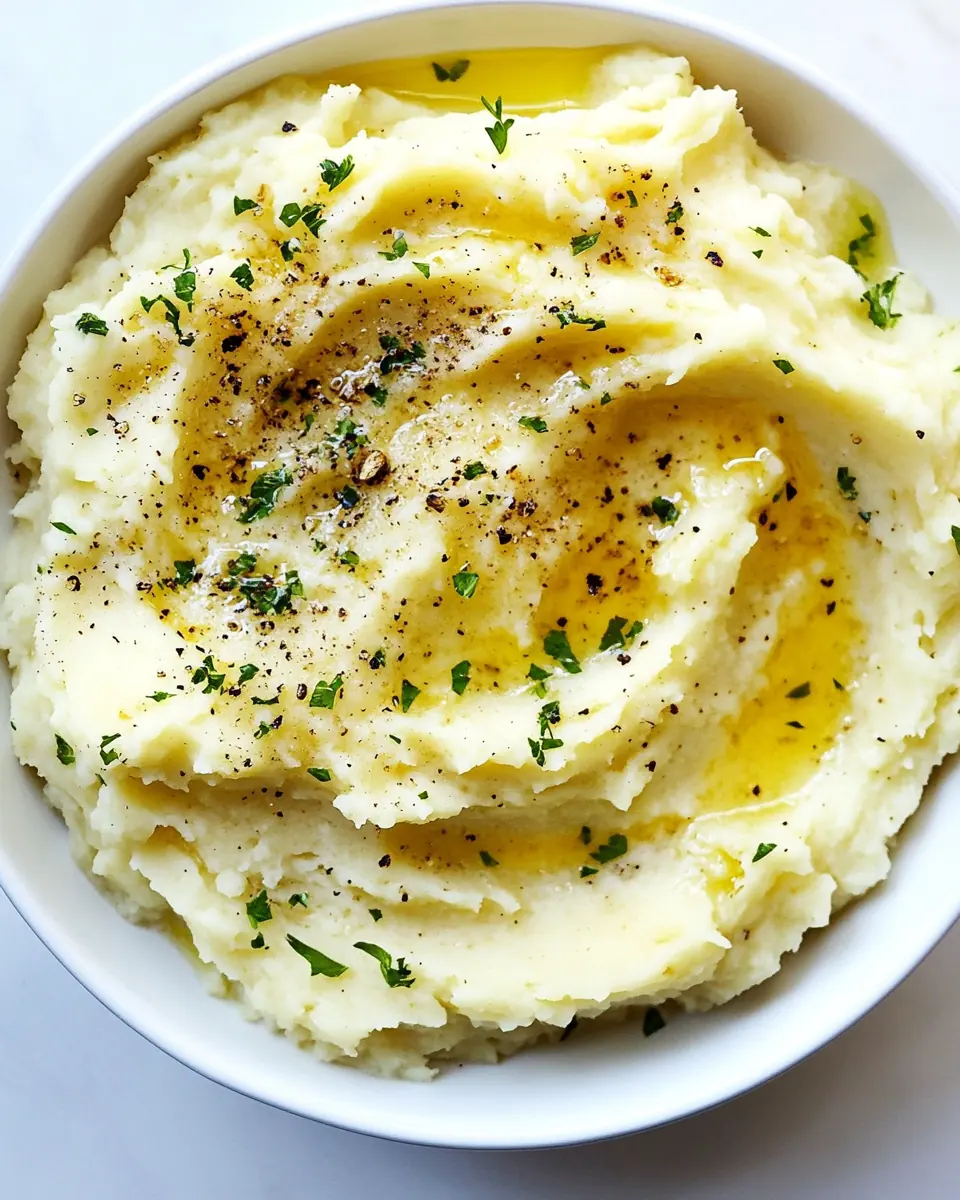
These tips will help you make consistent, fluffy Mashed Potatoes every time. I share practical adjustments and little habits that make a big difference, whether you are cooking for a quiet night or a full table.
- Warm your dairy by gently heating half and half, cream, or milk to just below simmering so it blends smoothly without cooling the potatoes.
- Cut potatoes evenly into similar sized chunks to ensure even cooking, preventing a mix of mushy and undercooked pieces.
- Add butter early so it can coat the starches, creating a barrier that keeps the mash from becoming gummy when mixed.
- Use short mixer bursts to combine, this reduces the chance of releasing excess starch which leads to gluey texture.
- Keep the pot warm by returning the drained potatoes to the warm pot, this helps the butter melt evenly and keeps the mash hot for serving.
- Garnish at the last moment with minced chives for a fresh, bright bite and a pop of color right before serving.
What to Serve With Mashed Potatoes
Mashed Potatoes pairs well with many mains and sides, making it a versatile star at both weeknight dinners and festive tables. I like to plan the plate so flavors and textures complement each other, and portioning makes a big difference in presentation. Below are thoughtful pairings, serving styles, and storage notes to help you plan meals around this dish.
- Classic roast or braised mains, such as roasted vegetables or slow braised beef, offer hearty protein and savory juices that mingle beautifully with the creamy potatoes.
- Vegetarian mains like grilled mushrooms or a hearty lentil stew match the potatoes’ richness while keeping the plate plant forward and satisfying.
- Light seasonal sides such as a crisp green salad or steamed green beans bring a fresh contrast to the potatoes’ creaminess, balancing mouthfeel and temperature.
- Occasions include weeknight dinners for easy comfort, holiday spreads for large gatherings, or cozy winter meals when you want something soothing and warm.
- Serving styles vary from family style in a warm bowl for passing, to plated portions with a pat of butter and a sprinkle of chives for elegant entertaining.
- Storage tips suggest refrigerating in an airtight container for up to four days, and reheating gently with a splash of warm dairy to restore creaminess.
- Make ahead by preparing through the mashing stage, then rewarming slowly in a covered dish with added butter or dairy just before serving to refresh texture.
- Seasonal pairings favor roasted root vegetables and braised greens in winter, lighter green salads in spring, and grilled items in summer for a balanced plate.
- Portion guidance is about 1/2 to 3/4 cup per person for sides, and larger for hearty eaters or when served as a main component of a meal.
- Presentation tips include scooping with a warm spoon, creating a shallow well for melted butter, and finishing with a scatter of fresh chives for color and aroma.
FAQ
Conclusion
Mashed Potatoes stand out because they turn a few simple ingredients into a comforting, memorable side with minimal fuss. This recipe gives you a reliable method to produce creamy, fluffy results that suit both everyday dinners and special gatherings. Give it a try and make the small technique tweaks that feel right to you, whether that is adding a touch more butter or finishing with fresh chives. Once you find your preferred balance, these mashed potatoes become a dependable favorite that brings warmth and satisfaction to any meal.
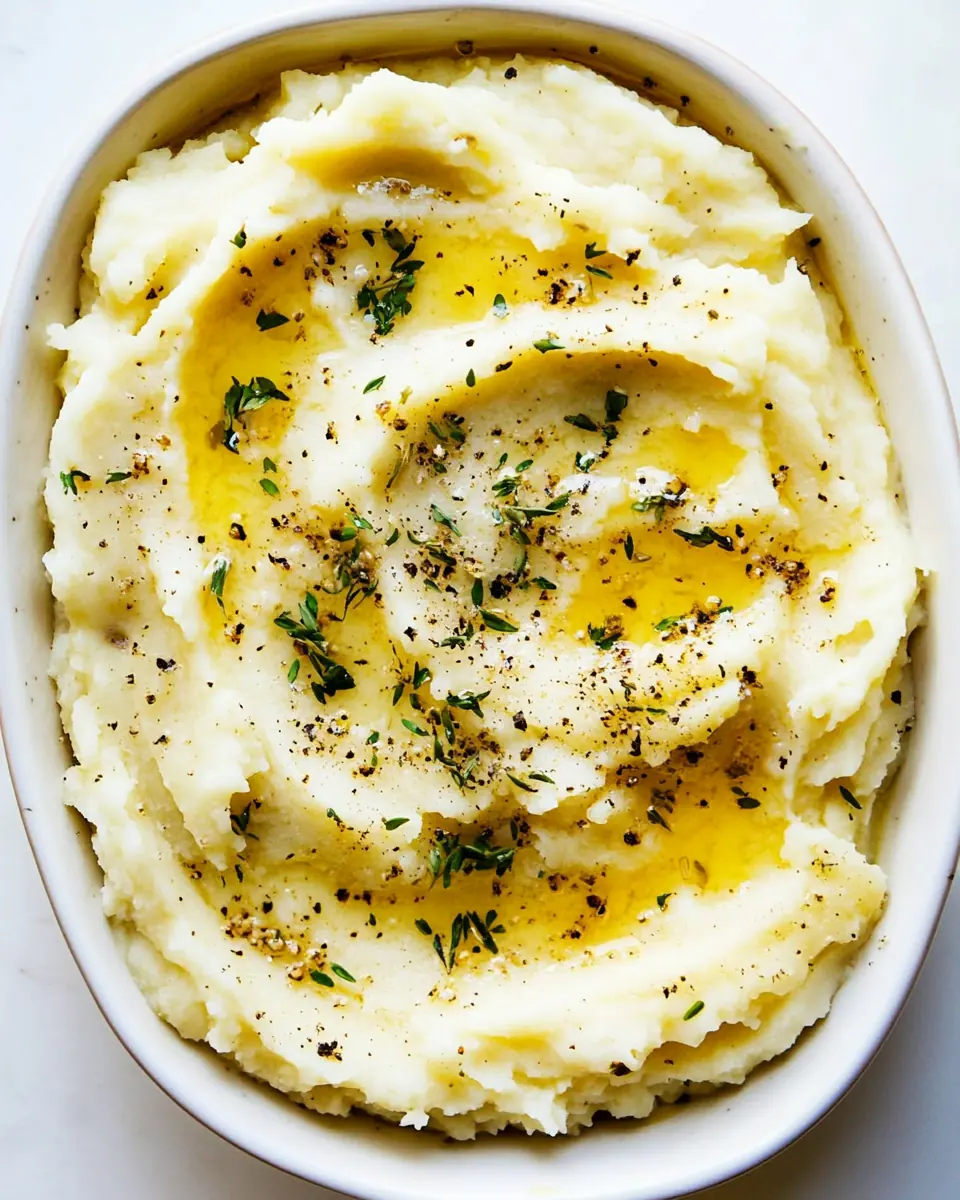
Mashed Potatoes
Ingredients
Equipment
Method
- Scrub the potatoes clean and add to a deep pot. Completely cover the potatoes with water, about 1/2 inch above the potatoes. Bring the potatoes to a boil and add 1/2 teaspoon of kosher salt. Boil the potatoes for 20 to 30 minutes or until they are very easily pierced with a fork and the skin pulls away from the potato where cut.: The sound of water against the potatoes is comforting, and scrubbing removes dirt while leaving the flavorful skins intact. You should see the skins brighten as you clean them, and the potatoes should feel firm and free of soft spots. Use a vegetable brush and cold water for the best result. A common mistake is rushing this step, which can leave grit behind and a sandy texture in the mash. The why here is simple, cleaned skins help preserve flavor and reduce waste, and they also save time since you won’t need to peel. If any potato has bruises, cut them away with a paring knife before boiling, and avoid using warm water for the initial scrub to keep the potatoes from becoming soft too early.
- Drain the potatoes, and while still hot, use a paper towel to wipe the skin away from the potatoes, then add back to the warm pot.: When the potatoes sit evenly under water, they cook uniformly, which is crucial for even doneness. You should hear a gentle pour and see the water level settle a little over the potatoes. If the water is too low, the tops can dry and cook differently; if it is too high, you waste energy. A typical error is underfilling the pot, which causes uneven cooking and a mix of overcooked and undercooked pieces. The goal is to maintain steady boiling without frantic splashing, so choose a pot that leaves enough room for the water to circulate without spilling.
- Gently smash the hot potatoes with the tines of a hand mixer and add the butter to the potatoes. Cover with a lid for the butter to melt, about 3-4 minutes.: The water will move from still to churning, producing a steady rolling boil. Adding salt at this stage seasons the potatoes internally. You will notice the aroma lift slightly when salt dissolves into boiling water. A frequent misstep is adding too much salt too late, which can make the center of the potato taste flat. The reason to salinate now is to infuse flavor during the cook, ensuring the interior is seasoned the same as the surface. Keep an eye on the boil so it does not become aggressive, which can break the potatoes apart.
- Add the half-and-half or other liquid dairy to the pot and set it in the kitchen sink so the potatoes don't fly around the kitchen while whipping. Cream the potatoes with the hand mixer until smooth, rotating the pot counterclockwise as you mix. Don't over-mix the potatoes. Add the remaining 1/2 teaspoon of kosher salt and black pepper to taste, and add more dairy to get the consistency you like best.: The sound of active bubbling will soften into a gentler simmer as the boiling continues. Test doneness by inserting a fork near the center, you should feel minimal resistance and see the fork glide through. The skin should slightly separate at a fresh cut, signaling full tenderness. A common error is undercooking, which leads to lumpy mash; overcooking can waterlog them. The why is crucial, fully cooked potatoes break down easily and absorb butter and dairy smoothly, creating a silky texture rather than rough chunks.
- Add more butter if you'd like, and garnish with minced chives, or green onions, or serve plain.: Draining removes cooking water that would otherwise dilute flavor and texture. The sound of water draining out and the hiss as steam escapes are cues that the potatoes retained heat. Wiping the skins off while the potatoes are hot helps retain the potato flesh and makes for a cleaner, fluffier mash. Be careful not to overhandle them, which can force too much moisture out. This step matters because returning the potatoes to the warm pot dries off surface moisture, priming them to absorb butter and dairy rather than becoming soggy.
- Gently smash the hot potatoes with the tines of a hand mixer and add the butter to the potatoes: As you mash, you will hear a soft mechanical hum and feel the resistance lessen as lumps break down. The butter will begin to melt into small gold puddles, releasing a rich aroma. Melting the butter into hot potatoes first coats starch granules, protecting them against overworking and gumminess. A common mistake is using a high powered speed immediately, which can whip air into the potatoes and create a gluey texture. Instead, start slow and use short pulses to combine, preserving a creamy body.
- Cover with a lid for the butter to melt, about 3 to 4 minutes: The lid traps warmth and steam, letting the butter melt gently into the potato matrix. You will notice the butter melt quietly, seeping into crevices, and the kitchen will smell richer. This rest helps the butter integrate without frantic mixing, preserving texture. People often skip the rest and try to rush in more dairy, which can cool the pot and change the mouthfeel. Allowing this brief pause ensures the melted butter does its work coating starches and enhancing flavor.
- Add the half and half or other liquid dairy to the pot and set it in the kitchen sink so the potatoes don't fly around the kitchen while whipping: When you pour warm dairy, you should see it ribbon into the potatoes, smoothing the surface. The sound of the mixer will change from a grinding hum to a gentler whirl as the mass becomes silky. Stabilizing the pot in the sink prevents tipping and gives you room to control the mixer. A typical pitfall is adding cold dairy which can cool the potatoes and inhibit smooth mixing; warm the dairy slightly to keep the temperature steady.
- Cream the potatoes with the hand mixer until smooth, rotating the pot counterclockwise as you mix: As you work, the mash will transform from coarse bits to a glossy, cohesive mass. Rotating the pot helps the mixer reach all areas and creates even texture. Listen for the motor to maintain a steady rhythm rather than straining, which indicates a balanced load. A common error is overmixing, which releases too much starch and produces a gummy mouthfeel. Stop when the texture looks uniformly smooth and still has body, not glossy like batter.
- Don't over-mix the potatoes: Pay attention to the feel and look, stopping when the surface becomes cohesive but not elastic. The smell should be buttery and warm, not wet or pasty. Overworked potatoes become sticky and gluey, which kills the pleasant pillowy quality. The reason to avoid excessive mixing is that mechanical action frees starch and creates a dense texture that is hard to recover from. If you detect gumminess, add a touch more warm dairy and fold gently to recover some creaminess.
- Add the remaining 1/2 teaspoon of kosher salt and black pepper to taste, and add more dairy to get the consistency you like best: Seasoning at the end lets you fine tune balance. Taste a warm spoonful and adjust; the salt should brighten the flavor while the pepper adds a soft heat. If the mash seems too thick, add dairy in small amounts until you reach the desired silkiness. A frequent oversight is over-salting early, which is hard to correct. Always season incrementally and taste frequently to reach harmony.
- Add more butter if you'd like, and garnish with minced chives, or green onions, or serve plain: The final garnish brings aroma and color, and the extra butter lends sheen and richness. Chives provide a fresh, mild onion note that contrasts the comforting starch. If serving immediately, keep the pot covered to retain warmth and texture. A common mistake is preparing the garnish too early and losing its brightness; add it just before serving for the best impact. The reason for finishing with chives is to introduce a clean lift that prevents the dish from feeling one dimensional.
Notes
- Warm your dairy by gently heating half and half, cream, or milk to just below simmering so it blends smoothly without cooling the potatoes.
- Cut potatoes evenly into similar sized chunks to ensure even cooking, preventing a mix of mushy and undercooked pieces.
- Add butter early so it can coat the starches, creating a barrier that keeps the mash from becoming gummy when mixed.
- Use short mixer bursts to combine, this reduces the chance of releasing excess starch which leads to gluey texture.
- Keep the pot warm by returning the drained potatoes to the warm pot, this helps the butter melt evenly and keeps the mash hot for serving.
- Garnish at the last moment with minced chives for a fresh, bright bite and a pop of color right before serving.