Peppermint Bark
Peppermint Bark has been my go to festive treat for years, a simple candy that always steals the show at holiday gatherings. I first made it on a snowy afternoon when I wanted something quick to share with neighbors, and the combination of glossy chocolate layers and crunchy candy cane always felt like wrapping a little bit of cheer into every bite.
That first batch taught me a lot about timing and texture, and I still remember the satisfying snap as I broke a piece off the sheet pan. Over time I learned small tricks to keep the layers tidy and the peppermint bright, and now I make it whenever I need a fast, impressive gift that travels well. I enjoy personalizing the bark by adjusting the peppermint intensity, and friends always ask for the recipe at parties.
Recipe Snapshot
16 mins
15 mins
1 mins
Medium
200 kcal
American
Keto, Gluten-Free
Desserts
Kitchen Scale(optional), Baking Sheet, Rolling Pin
Why This Peppermint Bark Hits Different
Bright contrast of flavors
I adore how Peppermint Bark marries the creamy sweetness of white chocolate with the deeper notes of semisweet chocolate, while the crushed candy canes cut through with sharp, minty crunch. That contrast makes each bite memorable, and I find it keeps people reaching for one more piece.
Speed and simplicity
What really sells me on this recipe is how quickly it comes together. With a microwave and a few tools, you can produce something that looks artisanal without fuss. I often make it when I need an easy last minute hostess gift.
Customizable and forgiving
I love that the recipe is flexible. You can tweak the peppermint level, choose different chocolate ratios, or cut shapes for a festive touch. The technique is tolerant of small timing variations, so it is great for cooks of all skill levels.
Perfect for gifting and decorating
Everyone loves receiving Peppermint Bark in pretty cellophane bags with a ribbon. It stores well, so I can make batches ahead, and decorating with crushed candy canes makes it look special without extra effort.
Seasonal nostalgia
For me, this candy is tied to holiday memories, and that emotional connection makes it more than just a sweet. I find making it becomes part of the celebration; it is simple, festive, and always welcomed at gatherings.
Ingredients Overview for Peppermint Bark
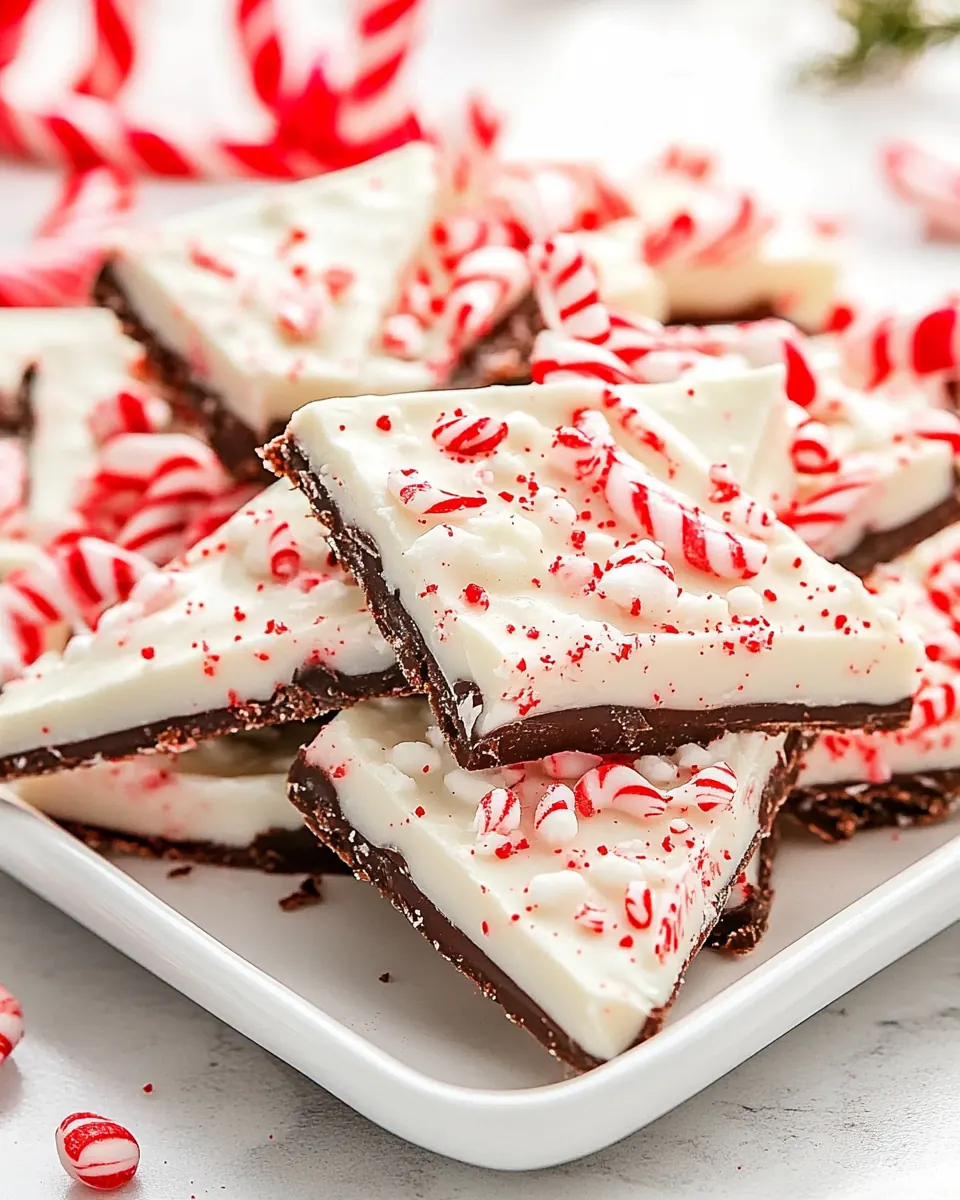
These ingredients are intentionally minimal, each playing a clear role. The two chocolates create the visual and flavor layers, the coconut oil helps with shine and melt, the peppermint extract provides the cooling note, and the candy canes add crunch and color. Together they balance texture, taste, and presentation.
- 12 ounces white chocolate 340 grams: Melts smoothly to form the sweet, creamy base layer of the bark and provides a pale contrast to dark chocolate; temper gently to avoid graininess and achieve a glossy finish. Can be thinned slightly with a small amount of coconut oil to improve pourability and set with a firm snap when cooled. Pairs well with peppermint for classic flavored bark and helps suspend crushed candy pieces for texture.
- 3/4 teaspoon coconut oil 4 grams, divided: Helps thin and gloss the melted chocolates for a smoother, shinier finish while preventing seizing; use divided amounts to adjust consistency between layers. Contributes a subtle hint of coconut fat that improves mouthfeel and aids in achieving a clean break when the bark is chilled.
- 1/2 teaspoon peppermint extract 2 grams, divided: Imparts a concentrated peppermint flavor to the bark and should be divided so both chocolate layers receive a subtle mint note; add sparingly to avoid overpowering the chocolate. Choose pure peppermint extract for bright, clean flavor and stir thoroughly into the warm melted chocolate to evenly distribute the aroma.
- 6 ounces semisweet chocolate 170 grams: Provides the rich, slightly bitter counterpart to the white chocolate and forms the darker layer of the bark; melts and spreads easily when gently warmed. Balances sweetness and pairs well with peppermint and crushed candy canes for a classic contrast in color and flavor.
- 3 candy canes 84 grams: Crushed to add crunchy texture, festive appearance, and a cooling peppermint bite throughout the bark; sprinkle while chocolate is still tacky so pieces adhere securely. Can be pulsed to varied sizes for both visual interest and different textural experiences in each bite.
Peppermint Bark Instructions
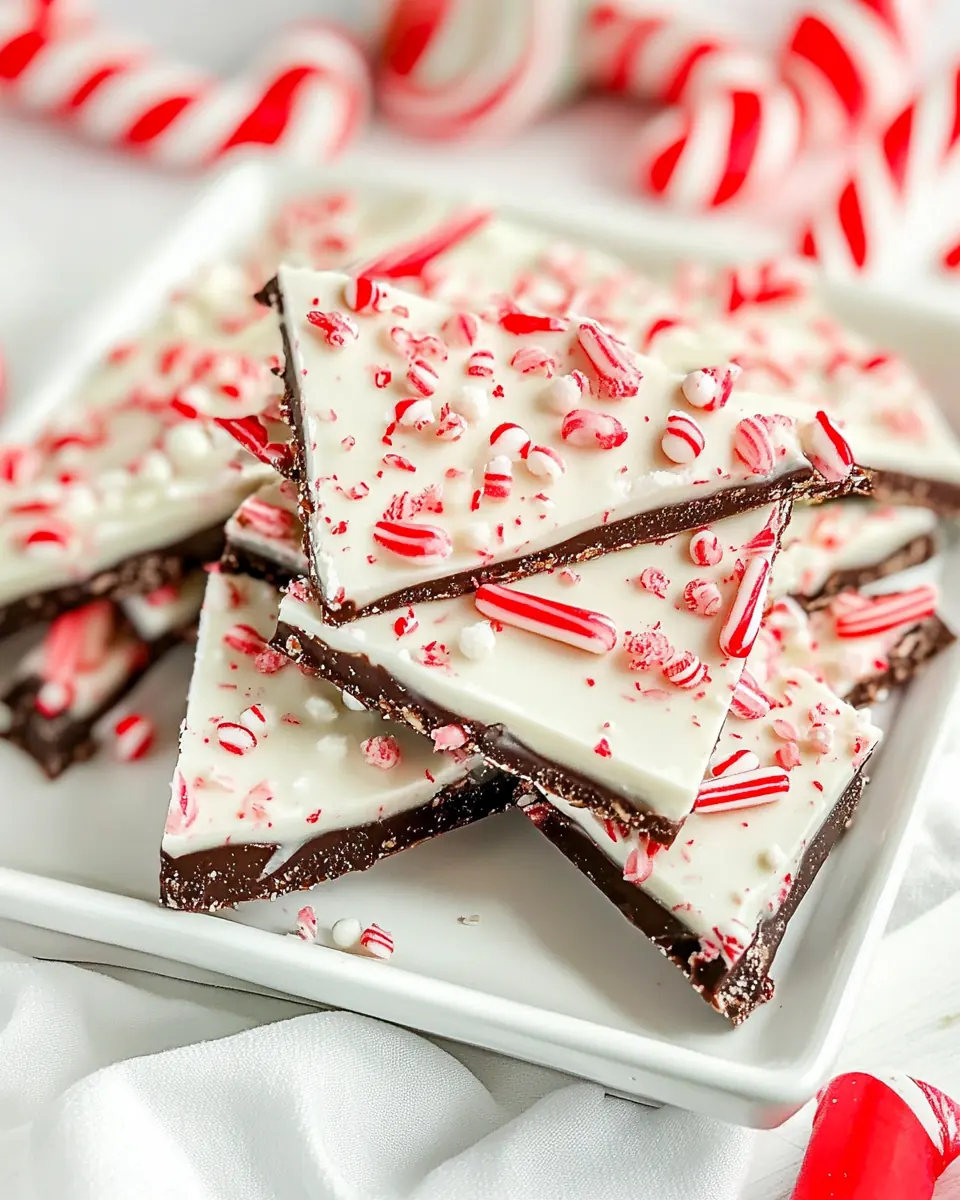
I like to keep the process calm and methodical so each layer sets cleanly and the final bark has neat lines. Gather everything first and work in short sessions, chilling between pours. A chilled countertop and patience are your allies here.
- Line a small baking sheet with parchment paper. Set aside.: The moment you lay down the parchment paper you protect the finished bark and make removal effortless. Run your fingers along the edges to ensure no wrinkles remain, because wrinkles will imprint on the chocolate surface. You should feel the smoothness under your palm, and the paper should lie flat without tearing. One common mistake is using waxed paper which will stick; always use parchment. Another tip is to trim paper so it sits evenly inside the pan, which prevents uneven thickness when you pour chocolate.
- Place the white chocolate and 1/2 teaspoon of coconut oil in a microwave-safe bowl and heat, stirring every 30 seconds until melted. Stir in 1/4 teaspoon peppermint extract.: As the white chocolate softens in short bursts in the microwave, you will notice it go from opaque chunks to glossy silk; the stirring motion is what smooths it into a lustrous pool. Aim for gentle warmth, pausing to scrape the sides so nothing overheats. The aroma will shift to a sweet, milky note with a faint coconut whisper, and adding the peppermint extract brightens the scent. Avoid overheating which causes grainy texture; if it looks dull or clumpy, let it cool a bit and stir until smooth.
- Pour 1/2 of the white chocolate mixture into the prepared baking dish, and smooth into an even layer with a spatula.: When you pour, listen for the soft glug as the melted white chocolate spreads, and use a small offset spatula to coax it into an even blanket. Aim for consistency so the final bark snaps uniformly. Visual cues include a glossy, mirror like surface and even thickness to the eye. A typical error is pouring too quickly which traps air bubbles; tap the pan gently on the counter to release them.
- Place in the refrigerator for 10-15 minutes or until almost completely set.: Chilling firms the layer without making it rock solid, which helps layers adhere. You want it tacky, not brittle, so when you press a fingertip lightly it should leave an impression but not stick. The air in the fridge will chill the surface first, so monitor it closely. If it sets fully, the next layer may not bond well; avoid over chilling by checking early.
- Place the semi-sweet chocolate and remaining 1/4 teaspoon coconut oil in a heat-proof bowl, and heat, stirring every 30 seconds until melted. Stir in 1/4 teaspoon of peppermint extract.: As the semisweet chocolate melts, it will darken and take on a glossy sheen, emitting a warm, cocoa forward aroma. Stirring ensures even heat distribution and a smooth melt. Adding the small amount of coconut oil tames viscosity so you can spread it thin. Watch closely to avoid scorching which will give a bitter smell and dull finish.
- Pour the semi-sweet chocolate over the white chocolate and smooth into an even thin layer.: Pour in a steady ribbon and use your spatula to create a thin, uniform coat; the contrast should be clear between the white base and the dark middle. The surface will look like a silky sheet and will slightly sink into the chilled white layer, which helps adhesion. If you see streaks or lumps, stop and gently stir the chocolate; lumps mean uneven melting. One trap is spreading too aggressively which can remix the layers.
- Refrigerate for another 10-15 minutes or until almost set.: This pause lets the middle layer cool enough so the top white re pour will sit without sinking in. The chocolate should feel cool to the touch but still yield slightly under pressure. Over chilling makes layers separate later, so aim for that tacky stage again. A common slip is leaving it until fully hard, which reduces layer bonding when the final white is added.
- While the chocolate is setting up, crush the candy canes by placing them in a Ziplock bag and using a rolling pin to break them up.: Crushing releases sharp peppermint aroma and creates varied textures, from dust to pebble like shards. You will hear the satisfying crack and see fragments scatter across the bag, and this visual is part of the fun. Keep some larger chunks for dramatic appearance. Avoid pulverizing everything into powder, which can sink into the chocolate rather than sit on top.
- Re-melt the remaining white chocolate if needed. Pour over the semi-sweet chocolate and smooth into an even layer. Top with a generous sprinkle of the crushed candy canes.: The final white chocolate layer should be glossy and pourable; as you spread it, you will notice the candy cane pieces glitter on contact and the peppermint scent intensifies. Pressing a few pieces gently helps them adhere. If the white has thickened, rewarm in short bursts. A mistake is waiting too long, which causes pieces to sink; act while the white is still soft.
- Refrigerate for at least another 30 minutes or until the bark is completely set.: This longer chill ensures the layers bond and the bark snaps cleanly. The smell will mellow to a composed chocolate mint bouquet, and the surface will transition from glossy to firm. Remove once fully set to avoid condensation when returning to room temperature. Don't rush this step; insufficient chill leads to messy cutting.
- Once set, remove from the pan and peel off the parchment paper. Slice or break into pieces as small or as large as you'd like.: As you lift the parchment, you should hear a crisp snap, and the edges will look clean. Use a sharp knife warmed in hot water for neat slices, or break with your hands for rustic pieces. If the chocolate sticks, chill a bit longer. Cutting when too warm results in smearing and soft edges.
Pro Tips and Tweaks
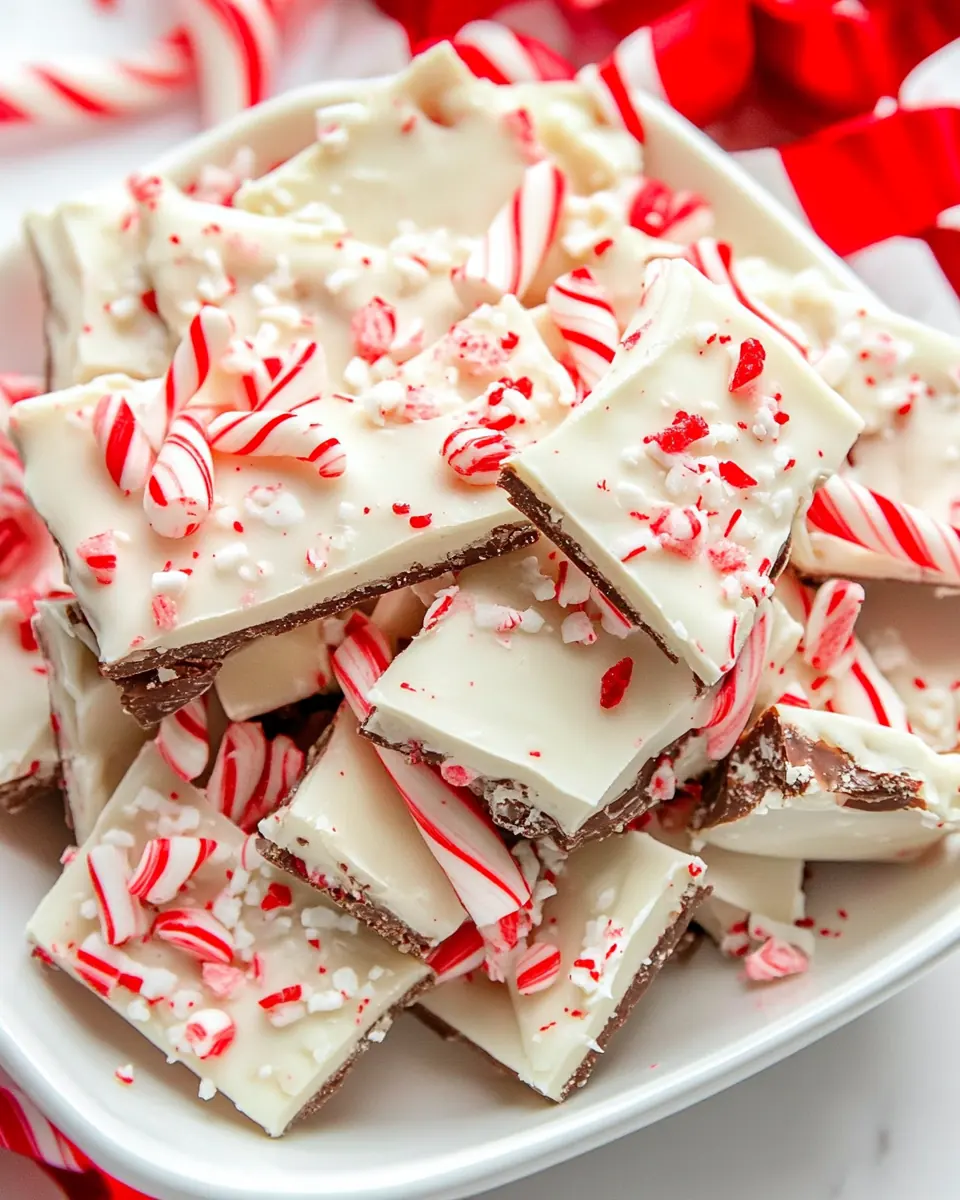
I like to treat small chocolate projects with the same attention I give more complex desserts. These tips will help you get a glossy finish, tidy layers, and the best texture from your Peppermint Bark.
- Measure precisely: Weigh or accurately measure the chocolates and coconut oil to maintain correct melt and setting behavior.
- Temper awareness: You do not need full tempering for this bark, but avoid overheating, especially the white chocolate, to prevent grainy texture and bloom.
- Layer patience: Chill to tacky between pours, which ensures layers bond and prevents separation when the bark is sliced.
- Even spreading: Use an offset spatula and light taps on the counter to release air bubbles and achieve a smooth surface.
- Decor control: Add most candy cane pieces immediately after pouring the top layer so they adhere before the white sets.
- Storage: Keep in an airtight container in a cool place, ideally between 60 and 68 degrees Fahrenheit, to prevent condensation and sugar bloom.
- Presentation option: Use cookie cutters on slightly firm bark to create festive shapes for gifting or party platters.
What Complements This Peppermint Bark
Peppermint Bark is a sweet, festive treat that pairs well with calming beverages and seasonal treats. When serving, think about contrast in texture and temperature, and present it in ways that highlight its visual appeal.
- Serving style: Arrange pieces on a platter with a sprinkling of extra crushed candy canes for a holiday look.
- Occasions: Ideal for holiday parties, cookie exchanges, hostess gifts, or as table favors during festive dinners and gatherings.
- Pairings: Serve alongside mild teas or decaffeinated coffees to balance sweetness, and avoid strong bitter drinks that clash with the peppermint.
- Storage tips: Store in an airtight container at cool room temperature or refrigerate for longer keeping, separating layers with parchment to prevent sticking.
- Gift prep: Place pieces in clear bags, tie with ribbon, and add a small label describing flavors for an elegant homemade gift.
- Seasonal note: This candy shines in winter and at holiday gatherings, and is especially popular around Christmas when peppermint flavors are expected and appreciated.
FAQ
Conclusion
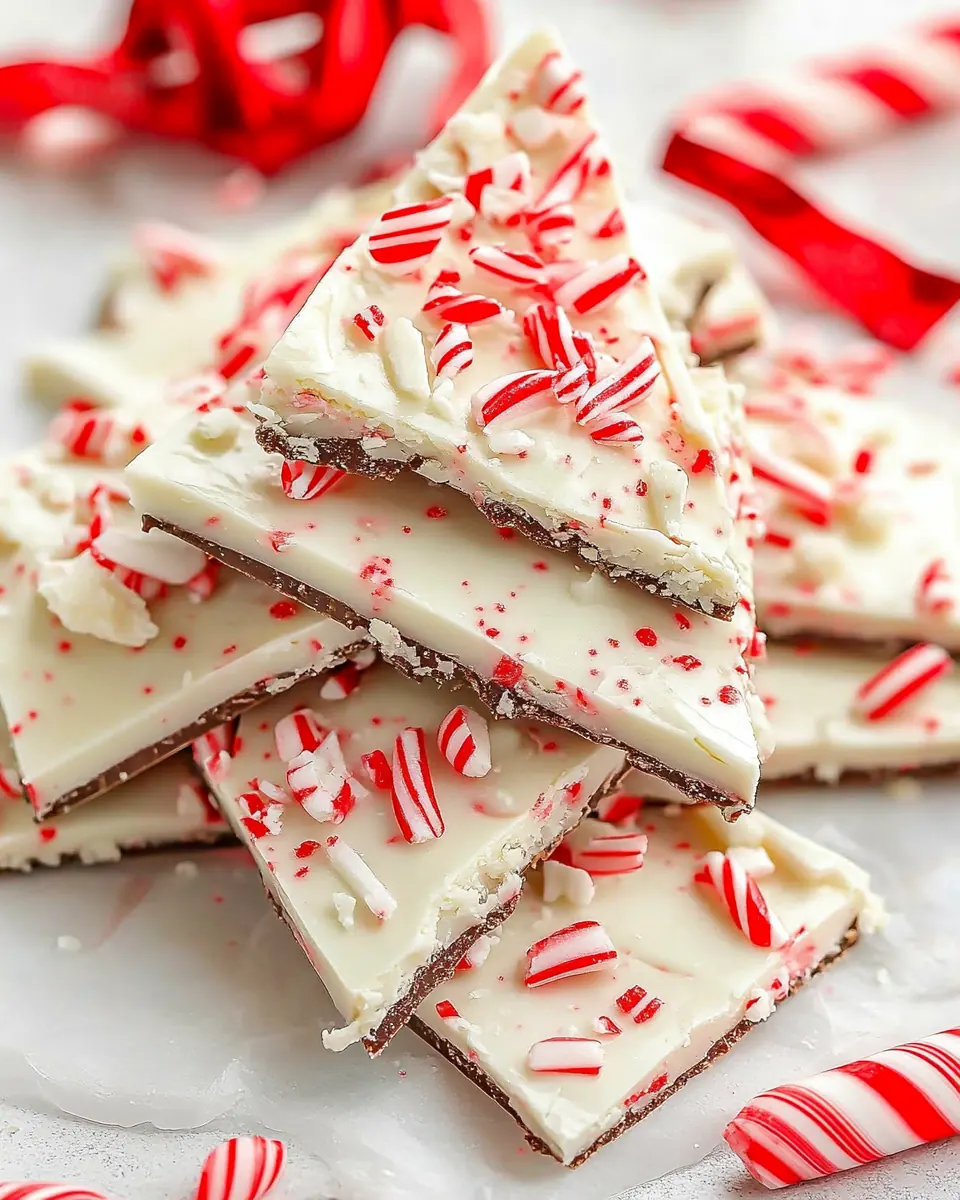
Peppermint Bark stands out because it combines simple ingredients into a festive, crunchy, and minty treat that always feels special. Give it a try the next time you need a quick homemade gift or a sweet to bring to a gathering, and you will appreciate how effortless it is to make something that looks beautiful and tastes balanced. I hope this recipe becomes one of your go to holiday treats, one that you make again and again for friends and family.
Peppermint Bark
Ingredients
Equipment
Method
- Line a small baking sheet with parchment paper. Set aside.: The moment you lay down the parchment paper you protect the finished bark and make removal effortless. Run your fingers along the edges to ensure no wrinkles remain, because wrinkles will imprint on the chocolate surface. You should feel the smoothness under your palm, and the paper should lie flat without tearing. One common mistake is using waxed paper which will stick; always use parchment. Another tip is to trim paper so it sits evenly inside the pan, which prevents uneven thickness when you pour chocolate.
- Place the white chocolate and 1/2 teaspoon of coconut oil in a microwave-safe bowl and heat, stirring every 30 seconds until melted. Stir in 1/4 teaspoon peppermint extract.: As the white chocolate softens in short bursts in the microwave, you will notice it go from opaque chunks to glossy silk; the stirring motion is what smooths it into a lustrous pool. Aim for gentle warmth, pausing to scrape the sides so nothing overheats. The aroma will shift to a sweet, milky note with a faint coconut whisper, and adding the peppermint extract brightens the scent. Avoid overheating which causes grainy texture; if it looks dull or clumpy, let it cool a bit and stir until smooth.
- Pour 1/2 of the white chocolate mixture into the prepared baking dish, and smooth into an even layer with a spatula.: When you pour, listen for the soft glug as the melted white chocolate spreads, and use a small offset spatula to coax it into an even blanket. Aim for consistency so the final bark snaps uniformly. Visual cues include a glossy, mirror like surface and even thickness to the eye. A typical error is pouring too quickly which traps air bubbles; tap the pan gently on the counter to release them.
- Place in the refrigerator for 10-15 minutes or until almost completely set.: Chilling firms the layer without making it rock solid, which helps layers adhere. You want it tacky, not brittle, so when you press a fingertip lightly it should leave an impression but not stick. The air in the fridge will chill the surface first, so monitor it closely. If it sets fully, the next layer may not bond well; avoid over chilling by checking early.
- Place the semi-sweet chocolate and remaining 1/4 teaspoon coconut oil in a heat-proof bowl, and heat, stirring every 30 seconds until melted. Stir in 1/4 teaspoon of peppermint extract.: As the semisweet chocolate melts, it will darken and take on a glossy sheen, emitting a warm, cocoa forward aroma. Stirring ensures even heat distribution and a smooth melt. Adding the small amount of coconut oil tames viscosity so you can spread it thin. Watch closely to avoid scorching which will give a bitter smell and dull finish.
- Pour the semi-sweet chocolate over the white chocolate and smooth into an even thin layer.: Pour in a steady ribbon and use your spatula to create a thin, uniform coat; the contrast should be clear between the white base and the dark middle. The surface will look like a silky sheet and will slightly sink into the chilled white layer, which helps adhesion. If you see streaks or lumps, stop and gently stir the chocolate; lumps mean uneven melting. One trap is spreading too aggressively which can remix the layers.
- Refrigerate for another 10-15 minutes or until almost set.: This pause lets the middle layer cool enough so the top white re pour will sit without sinking in. The chocolate should feel cool to the touch but still yield slightly under pressure. Over chilling makes layers separate later, so aim for that tacky stage again. A common slip is leaving it until fully hard, which reduces layer bonding when the final white is added.
- While the chocolate is setting up, crush the candy canes by placing them in a Ziplock bag and using a rolling pin to break them up.: Crushing releases sharp peppermint aroma and creates varied textures, from dust to pebble like shards. You will hear the satisfying crack and see fragments scatter across the bag, and this visual is part of the fun. Keep some larger chunks for dramatic appearance. Avoid pulverizing everything into powder, which can sink into the chocolate rather than sit on top.
- Re-melt the remaining white chocolate if needed. Pour over the semi-sweet chocolate and smooth into an even layer. Top with a generous sprinkle of the crushed candy canes.: The final white chocolate layer should be glossy and pourable; as you spread it, you will notice the candy cane pieces glitter on contact and the peppermint scent intensifies. Pressing a few pieces gently helps them adhere. If the white has thickened, rewarm in short bursts. A mistake is waiting too long, which causes pieces to sink; act while the white is still soft.
- Refrigerate for at least another 30 minutes or until the bark is completely set.: This longer chill ensures the layers bond and the bark snaps cleanly. The smell will mellow to a composed chocolate mint bouquet, and the surface will transition from glossy to firm. Remove once fully set to avoid condensation when returning to room temperature. Don't rush this step; insufficient chill leads to messy cutting.
- Once set, remove from the pan and peel off the parchment paper. Slice or break into pieces as small or as large as you'd like.: As you lift the parchment, you should hear a crisp snap, and the edges will look clean. Use a sharp knife warmed in hot water for neat slices, or break with your hands for rustic pieces. If the chocolate sticks, chill a bit longer. Cutting when too warm results in smearing and soft edges.
Notes
- Measure precisely: Weigh or accurately measure the chocolates and coconut oil to maintain correct melt and setting behavior.
- Temper awareness: You do not need full tempering for this bark, but avoid overheating, especially the white chocolate, to prevent grainy texture and bloom.
- Layer patience: Chill to tacky between pours, which ensures layers bond and prevents separation when the bark is sliced.
- Even spreading: Use an offset spatula and light taps on the counter to release air bubbles and achieve a smooth surface.
- Decor control: Add most candy cane pieces immediately after pouring the top layer so they adhere before the white sets.
- Storage: Keep in an airtight container in a cool place, ideally between 60 and 68 degrees Fahrenheit, to prevent condensation and sugar bloom.
- Presentation option: Use cookie cutters on slightly firm bark to create festive shapes for gifting or party platters.