Meatball Recipe
Meatball Recipe has been a quiet weekday lifesaver in my kitchen, the kind of dish I reach for when I want something that feels homemade without asking for a dozen hands. The first time I made these meatballs, I was juggling a hectic evening and a grocery bag that had only basics, yet the final tray that came out of the oven felt surprisingly celebratory. I remember the aroma that filled the hallway as the oven did its work, drawing neighbors to the door with casual curiosity. That moment of simple comfort is why I keep this recipe within arm reach.
Over time I tweaked small things, paying attention to texture and balance, until the recipe felt like an old friend. I love that these meatballs are versatile, easy to portion, and dependable for a crowd or a quiet dinner for two. When I serve them, people often ask for the secret, and my answer is always about technique and small details, not a mystery ingredient. There is real joy in turning modest groceries into something both satisfying and shareable.
Recipe Snapshot
35 mins
20 mins
15 mins
Easy
200 kcal
American
Gluten-Free, Low FODMAP
Dinner
Oven, Baking sheet, Parchment paper, Mixing bowl, Instant read thermometer
Why This Meatball Recipe Stands Out
Comforting and Familiar
I find that Meatball Recipe lands in that sweet spot between nostalgic and practical. These meatballs have a gentle texture from the soaking of the breadcrumbs in milk, which keeps them tender even after baking. When I bite into one, I notice a soft interior that contrasts with the lightly browned exterior, and that contrast is what keeps me coming back.
Speed Without Sacrifice
We often need dinner fast, and this recipe answers that call. From mixing to the oven is a brisk process, yet you do not sacrifice flavor. I appreciate recipes that respect time, and these meatballs are proof that efficient cooking can still be deeply satisfying.
Built for Versatility
One of the things I love most is how adaptable this recipe is. Serve these meatballs with pasta, tuck them into sandwiches, or present them as a party appetizer. The simple seasoning allows for easy pairing with sauces or sides, and that flexibility has saved many last minute gatherings.
Lean and Balanced
Using ground turkey keeps the meatballs lighter, while the Parmesan cheese and parsley provide depth without heaviness. I appreciate a recipe that tastes indulgent but leaves you feeling good afterwards, and these meatballs hit that note for me.
Reliable Technique
There is real value in a method that yields consistent results. The breadcrumbs absorbing milk, gentle mixing, and uniform shaping are small steps that add up to dependable texture and doneness. When I teach this to friends, they always leave confident they can recreate it.
Meatball Recipe Shopping List
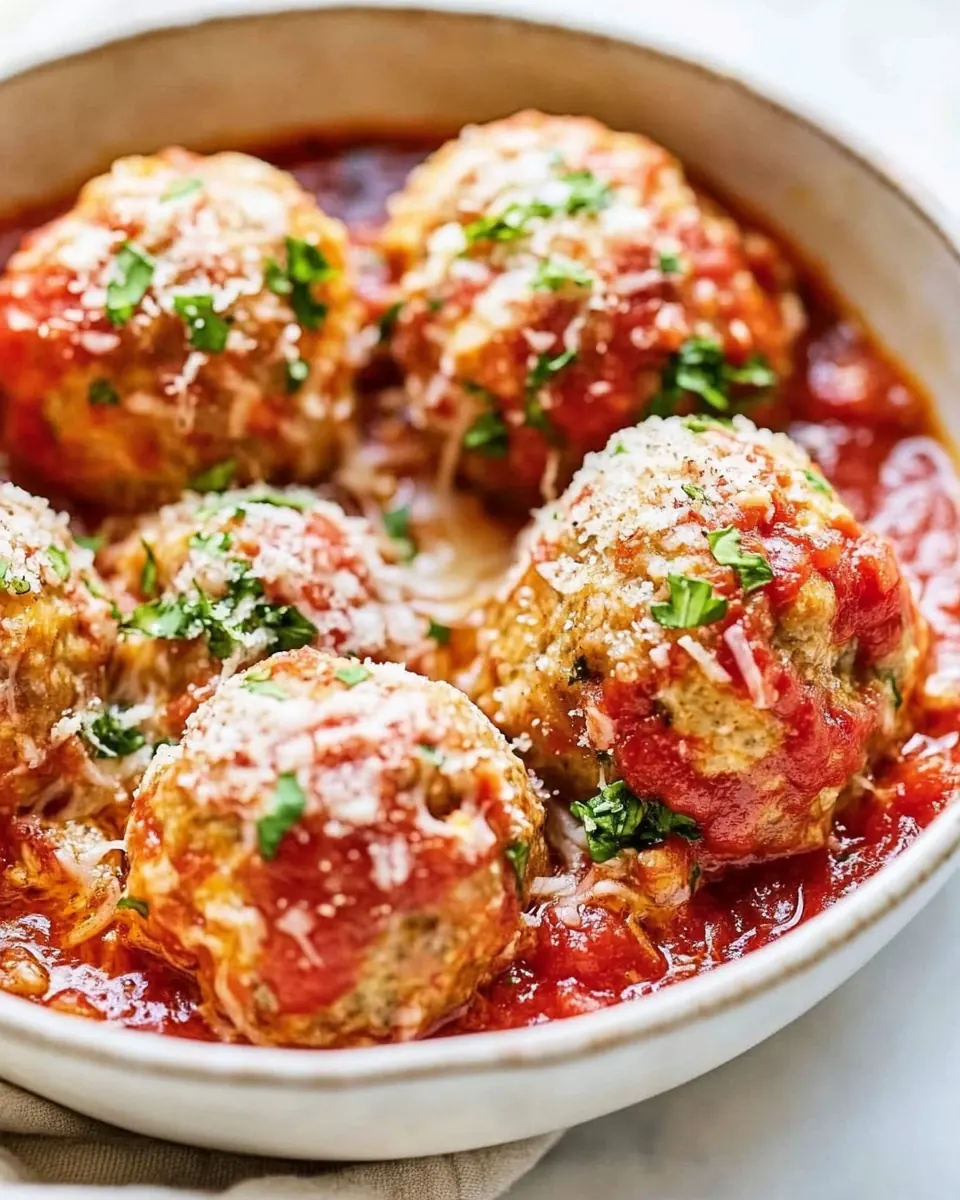
These ingredients are chosen to work together in harmony, aiming for tender, flavorful meatballs with a simple ingredient list. The key players are the ground turkey for lean body, breadcrumbs and milk for moisture, and aromatics like onion and garlic to lift the profile. Small accents like Parmesan cheese and parsley add umami and freshness, keeping each bite interesting without competing.
- 1/2 cup plain breadcrumbs: Adds light texture and helps bind meatball mixture while absorbing moisture; breadcrumbs provide structure so meatballs hold shape during cooking. Use plain breadcrumbs for neutral flavor and even browning without altering seasoning profiles.
- 1/4 cup whole milk: Moistens and softens breadcrumbs to create a cohesive mixture; milk contributes tenderness and helps proteins bind for a uniform crumb. Whole milk adds a bit of fat for richer mouthfeel and improved juiciness in finished meatballs.
- 1 pound lean ground turkey: Provides the primary protein and lean base for the meatballs, delivering savory flavor and structure when combined with binders. Lean ground turkey keeps fat content lower while still forming dense, sliceable meatballs when mixed properly.
- 1 large egg: Adds moisture and acts as a key binder to hold ingredients together while contributing slight richness and lift. One large egg helps set the meatball during cooking by coagulating proteins and improving overall texture.
- 1/4 cup grated Parmesan cheese: Contributes salty, umami-rich savory notes and a hint of nuttiness that enhances overall flavor depth. Grated Parmesan also aids slight binding and adds a dry, granular component for balanced moisture control.
- 1/4 cup finely chopped fresh parsley: Offers fresh herbaceous brightness and a green, slightly peppery flavor that lightens the meat mixture. Finely chopped parsley distributes evenly to impart consistent freshness in every bite.
- 1/4 cup finely diced yellow onion: Provides aromatic sweetness and a subtle savory bite that complements the meat and herbs; finely dicing ensures even cooking without large onion pieces. Yellow onion balances flavors and releases moisture to keep meatballs tender.
- 2 cloves garlic minced: Delivers pungent, savory aroma and a sharp flavor that lifts the overall profile of the meatballs; mincing ensures even distribution. Garlic browns slightly during cooking to add warm, roasted notes without overpowering other ingredients.
- 1 teaspoon kosher salt: Seasonings the mixture for balanced taste; kosher salt enhances natural flavors and aids protein extraction to improve binding. Use measured salt to avoid over-seasoning, adjusting slightly for reduced-sodium preferences.
- 1/2 teaspoon ground black pepper: Adds mild heat and sharp aromatic bite to round out the seasoning profile while enhancing perceived flavor complexity. Ground black pepper provides subtle warmth that pairs well with herbs and cheese without dominating the palate.
How to Assemble Meatball Recipe
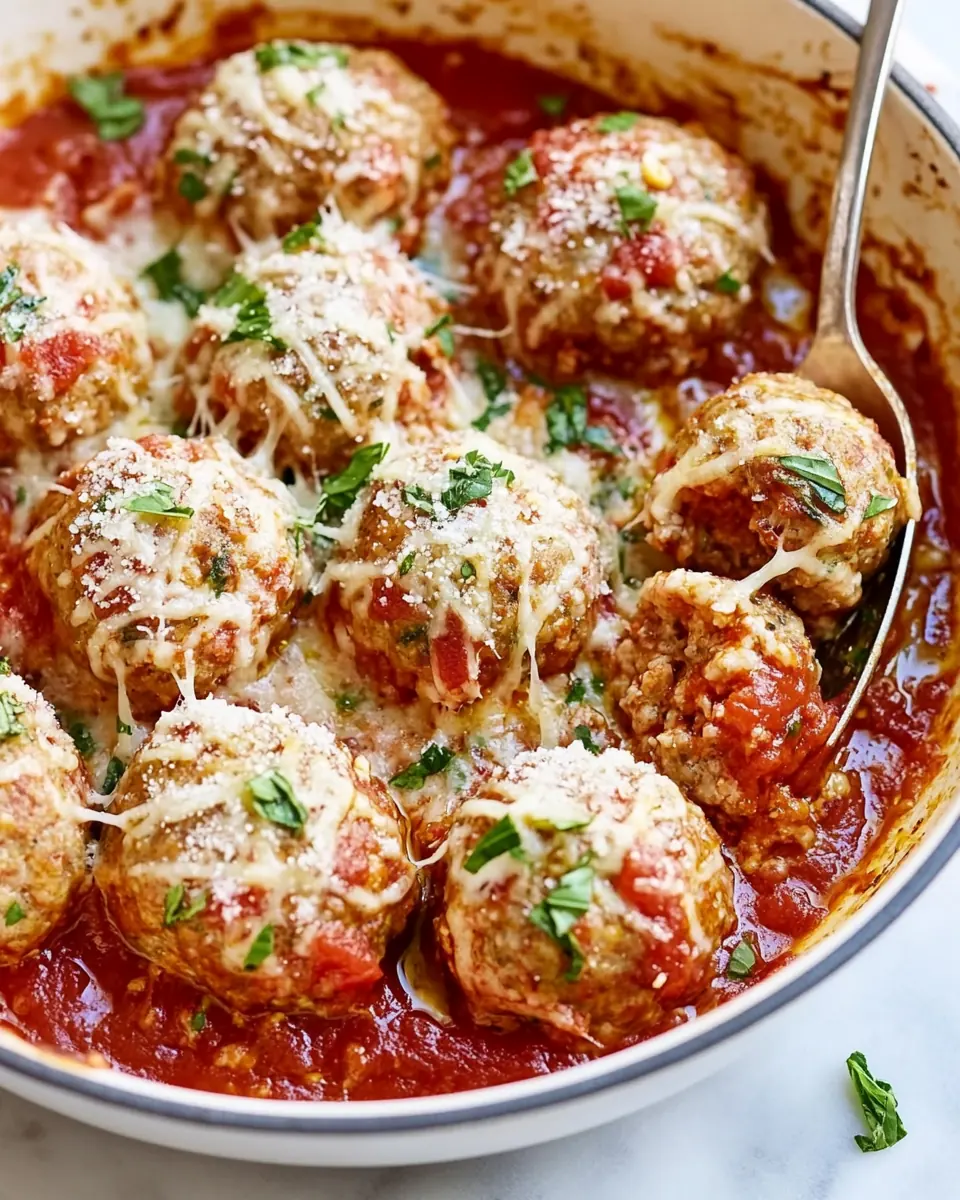
Putting these meatballs together is straightforward and rewarding. I like to move through mise en place with a calm rhythm, noticing textures and aromas as I go. The following steps will guide you from mixing to a perfectly baked tray of meatballs.
- Preheat the oven to 400°F and line a baking sheet with parchment paper.: As the oven warms up, you will notice the quiet hum that foreshadows the smell of baking to come. A properly preheated oven ensures the meatballs start cooking immediately, creating a slight exterior set that helps them hold shape. If you skip preheating, meatballs can spread and cook unevenly, so resist the urge to rush this part. Using parchment keeps cleanup easy and prevents sticking, and when the oven reaches 400°F , you should feel a gentle wave of warmth when you open the door.
- In a bowl, combine breadcrumbs and milk; let stand for 5 minutes until breadcrumbs absorb the milk.: You will see the breadcrumbs swell as they soak up the milk , becoming a cohesive panade that will tenderize the meat. The texture should shift from dry and flaky to soft and paste like, which is crucial for a moist interior. If the panade seems too wet, the mixture will be harder to shape, but if it is too dry, the meatballs risk becoming crumbly. Letting it rest for about 5 minutes gives the breadcrumbs enough time to fully hydrate and deliver consistent texture.
- Add ground turkey, egg, Parmesan, parsley, onion, garlic, salt, and pepper to the breadcrumb mixture. Mix until just combined, avoiding overworking the meat.: As you fold these components together, pay attention to the visual cue of uniform color without streaks of egg or clumps of Parmesan cheese . The aroma will start to build, with garlic and onion giving the mixture a savory lift. Mixing too vigorously can make the texture tough, so use gentle motions to combine everything evenly. One common mistake is compressing the mixture too much, which results in dense meatballs rather than tender ones.
- Form the mixture into 1 1/2-inch meatballs and place on the prepared baking sheet.: As you shape each meatball, take note of the feel in your hands, the slight tackiness that indicates proper binder action. Rolling them to about 1 1/2-inch ensures even cooking and a pleasing bite size. Place them with a bit of space between each so air circulates and the exterior can lightly brown. If you pack them too tightly on the sheet, steam will form and you will lose that gentle browning effect, so leave a little breathing room.
- Bake in the preheated oven for 15 minutes, or until the meatballs are cooked through and reach an internal temperature of 165°F.: While they bake, you may hear a faint crackle as the edges set and the surface begins to color. The scent in your kitchen will grow richer, and juices will settle as proteins firm. An instant read thermometer is the best way to confirm doneness, aiming for 165°F internally. Take care not to overbake, which can dry them out; conversely, underbaking leaves them unsafe to eat. A common misstep is relying solely on color, which can be misleading with lean meats like ground turkey .
- Serve with your choice of sauce and enjoy!: The final presentation is where you personalize the dish, and the tender, savory meatballs pair beautifully with many sauces. As you plate, notice the steam rising and the textural contrast between the soft center and the lightly browned exterior. If the meatballs cool too long before serving, they can firm up, so aim to serve them while warm for the best mouthfeel. A typical mistake is waiting too long to serve, which dulls the aromas that make them so appealing.
Helpful Hints
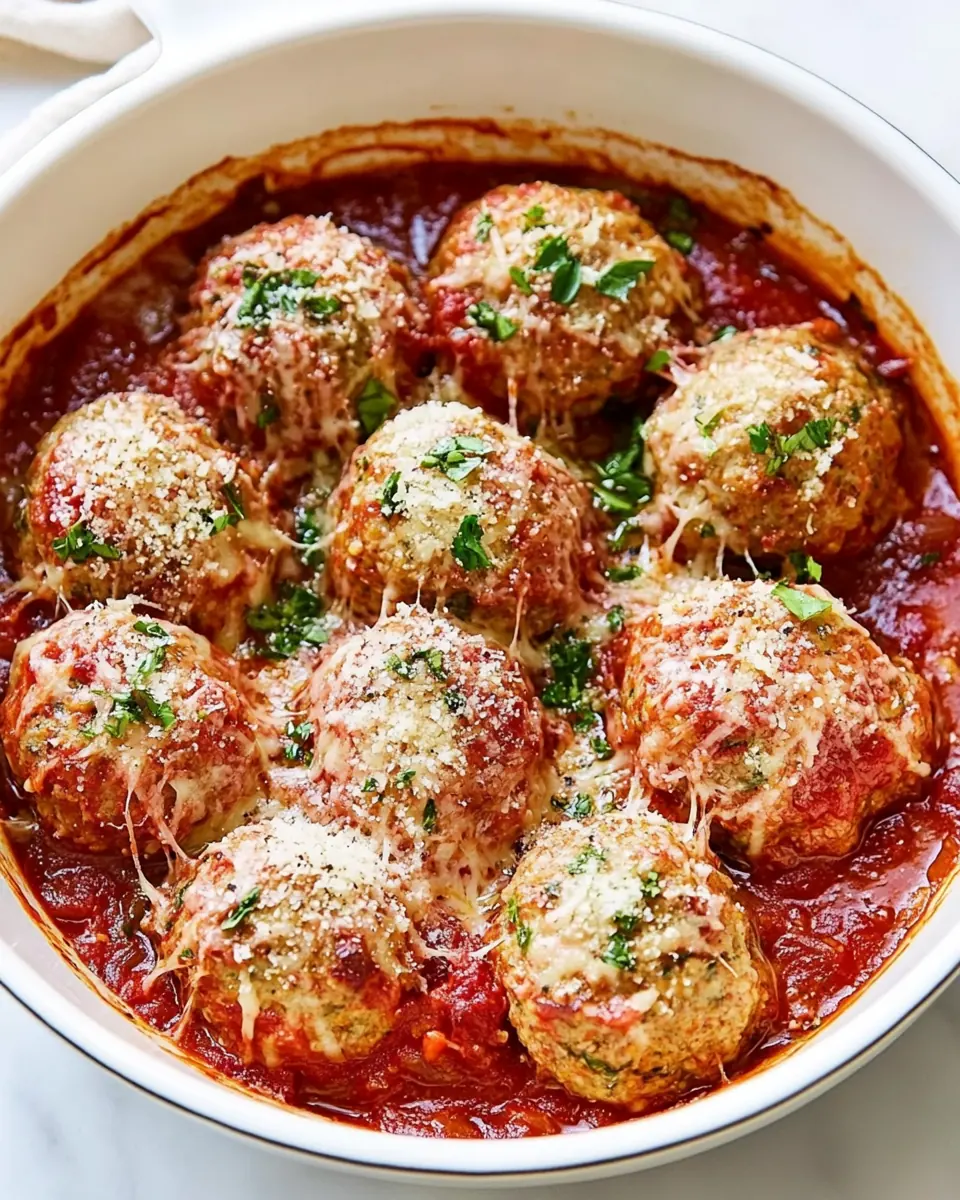
I like to think of these tips as the little chef secrets that make weeknight cooking feel accomplished. Below are practical hints that I use every time I make this dish, kept focused and actionable so you can reproduce great results consistently.
- Check doneness with a thermometer — An instant read thermometer takes the guesswork out of baking, ensuring each meatball reaches a safe 165°F without overcooking.
- Keep sizes consistent — Use a small cookie scoop or measure by eye to keep all meatballs uniform, which helps them cook evenly and present beautifully.
- Gently combine ingredients — Fold the mixture until ingredients are evenly distributed, but stop as soon as the color looks uniform to avoid a dense texture.
- Let the panade rest — Allow the breadcrumbs to soak up the milk for about 5 minutes before mixing, so the interior stays tender and moist.
- Space them on the baking sheet — Give each meatball room so air circulates, which promotes light browning and prevents steaming.
Great Combinations for Meatball Recipe
These serving ideas will help you plan meals around the meatballs for various occasions, from casual family dinners to small gatherings. Below are thoughtful pairings and storage notes presented in list form so you can pick what works best for your situation.
- Classic pasta dinner — Serve warm meatballs over cooked pasta with a simple tomato based sauce, adding a sprinkle of extra Parmesan cheese for finish. This is a cozy option for family dinners and weeknights when you want something filling.
- Sandwiches and subs — Tuck meatballs into crusty rolls with sauce and a bit more Parmesan cheese, turning them into satisfying handhelds for casual lunches or game day snacks.
- Party platter — Arrange meatballs on a platter with toothpicks and a dipping sauce on the side for gatherings, making them easy to serve as appetizers for guests.
- Meal prep and storage — Cool meatballs completely before transferring to airtight containers, then refrigerate for up to three days or freeze for up to three months. Reheat gently to preserve texture.
- Seasonal serving — These meatballs are equally welcome at cozy winter dinners and lighter spring gatherings thanks to their adaptable flavor profile and lean protein base.
FAQ
Conclusion
These meatballs stand out because they combine simple ingredients and careful technique to deliver reliably tender, flavorful results. Give them a try when you want a comforting yet straightforward meal that scales easily for a crowd or a quiet dinner. The balance of moisture from the breadcrumb and milk panade, the savory lift of Parmesan and garlic, and the uncomplicated baking method make this an approachable recipe you will return to often. I hope you enjoy making and sharing these meatballs as much as I do.
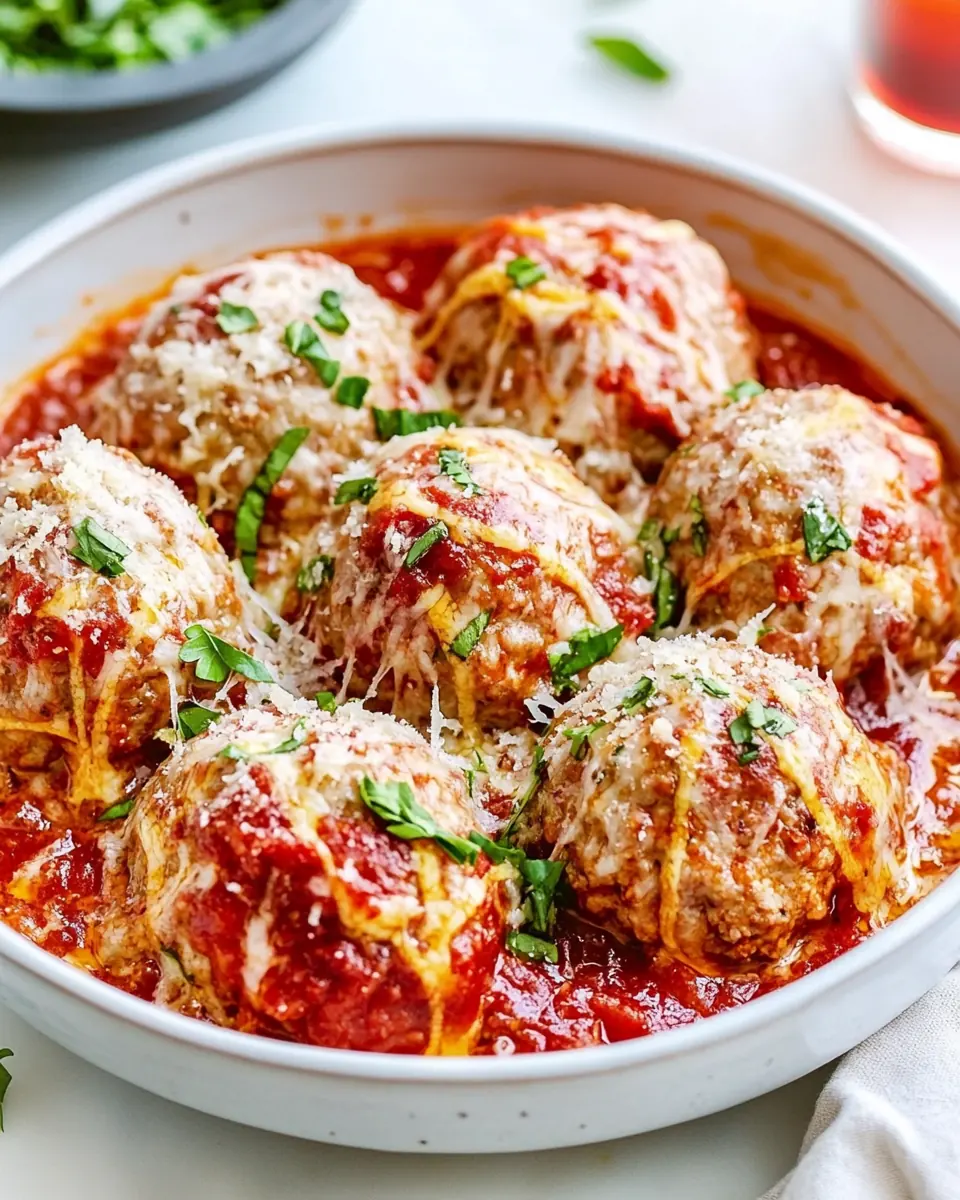
Meatball Recipe
Ingredients
Equipment
Method
- Preheat the oven to 400°F and line a baking sheet with parchment paper.: As the oven warms up, you will notice the quiet hum that foreshadows the smell of baking to come. A properly preheated oven ensures the meatballs start cooking immediately, creating a slight exterior set that helps them hold shape. If you skip preheating, meatballs can spread and cook unevenly, so resist the urge to rush this part. Using parchment keeps cleanup easy and prevents sticking, and when the oven reaches 400°F , you should feel a gentle wave of warmth when you open the door.
- In a bowl, combine breadcrumbs and milk; let stand for 5 minutes until breadcrumbs absorb the milk.: You will see the breadcrumbs swell as they soak up the milk , becoming a cohesive panade that will tenderize the meat. The texture should shift from dry and flaky to soft and paste like, which is crucial for a moist interior. If the panade seems too wet, the mixture will be harder to shape, but if it is too dry, the meatballs risk becoming crumbly. Letting it rest for about 5 minutes gives the breadcrumbs enough time to fully hydrate and deliver consistent texture.
- Add ground turkey, egg, Parmesan, parsley, onion, garlic, salt, and pepper to the breadcrumb mixture. Mix until just combined, avoiding overworking the meat.: As you fold these components together, pay attention to the visual cue of uniform color without streaks of egg or clumps of Parmesan cheese . The aroma will start to build, with garlic and onion giving the mixture a savory lift. Mixing too vigorously can make the texture tough, so use gentle motions to combine everything evenly. One common mistake is compressing the mixture too much, which results in dense meatballs rather than tender ones.
- Form the mixture into 1 1/2-inch meatballs and place on the prepared baking sheet.: As you shape each meatball, take note of the feel in your hands, the slight tackiness that indicates proper binder action. Rolling them to about 1 1/2-inch ensures even cooking and a pleasing bite size. Place them with a bit of space between each so air circulates and the exterior can lightly brown. If you pack them too tightly on the sheet, steam will form and you will lose that gentle browning effect, so leave a little breathing room.
- Bake in the preheated oven for 15 minutes, or until the meatballs are cooked through and reach an internal temperature of 165°F.: While they bake, you may hear a faint crackle as the edges set and the surface begins to color. The scent in your kitchen will grow richer, and juices will settle as proteins firm. An instant read thermometer is the best way to confirm doneness, aiming for 165°F internally. Take care not to overbake, which can dry them out; conversely, underbaking leaves them unsafe to eat. A common misstep is relying solely on color, which can be misleading with lean meats like ground turkey .
- Serve with your choice of sauce and enjoy!: The final presentation is where you personalize the dish, and the tender, savory meatballs pair beautifully with many sauces. As you plate, notice the steam rising and the textural contrast between the soft center and the lightly browned exterior. If the meatballs cool too long before serving, they can firm up, so aim to serve them while warm for the best mouthfeel. A typical mistake is waiting too long to serve, which dulls the aromas that make them so appealing.
Notes
- Check doneness with a thermometer — An instant read thermometer takes the guesswork out of baking, ensuring each meatball reaches a safe 165°F without overcooking.
- Keep sizes consistent — Use a small cookie scoop or measure by eye to keep all meatballs uniform, which helps them cook evenly and present beautifully.
- Gently combine ingredients — Fold the mixture until ingredients are evenly distributed, but stop as soon as the color looks uniform to avoid a dense texture.
- Let the panade rest — Allow the breadcrumbs to soak up the milk for about 5 minutes before mixing, so the interior stays tender and moist.
- Space them on the baking sheet — Give each meatball room so air circulates, which promotes light browning and prevents steaming.