Valentines Day Cake
Valentines Day Cake has been my go to for turning an ordinary evening into something that feels intentionally warm and celebratory.
I remember the first time I baked this Valentines Day Cake for a close friend who was feeling under the weather. Carrying the cake across town felt like handing over a little package of care. The house filled with a comforting sweet aroma while the crumb turned tender and light. I sat with a slice and a cup of tea, and we talked for hours, which convinced me the best gifts are often homemade and edible.
Over the years I tweaked small things, like coaxing more brightness from the strawberries on top, and smoothing the frosting until it looked almost satin. Each iteration taught me something practical, like how the batter behaves at different mixing speeds, or why resting the layers on a rack matters for assembly. There is a softness to the crumb and a gentle tang from the cream cheese frosting folded with strawberry preserves that always prompts smiles.
Recipe Snapshot
1 hr 5 mins
30 mins
35 mins
Medium
350 kcal
American
Gluten-Free, Low FODMAP
Desserts
Mixing bowl, Electric mixer, 9 inch round cake pans, Wire rack, Serrated knife
What Sets This Valentines Day Cake Apart
1. A cake that feels personal
I love how the Valentines Day Cake reads like a hand delivered note. When I bring this cake over, people immediately sense the effort without needing a speech. The simple combination of a tender cake and a fruit kissed frosting feels intimate and thoughtful.
2. Texture and balance
This recipe balances a soft, airy crumb with a creamy, slightly tangy frosting. I pay attention to mixing just until combined, because overworking flour toughens the crumb. The result is a slice that melts on the tongue, while the frosting adds a smooth, slightly bright contrast.
3. Versatile celebration cake
You can make this for a small gathering, or scale it up easily. I often adapt it for birthdays or anniversaries because the flavors are approachable and crowd pleasing. The presentation with fresh strawberries feels festive without being over the top.
4. Straightforward technique
I appreciate recipes that don’t hide behind complicated steps. The mixing, baking, and frosting here are straightforward, which makes it a good project for cooks who want a reliable result. I always remind people that careful measuring and room temperature butter and eggs are the small details that add up to consistency.
5. Crowd friendly and forgiving
The cake is forgiving if you follow simple safeguards, like not overbaking and letting layers cool properly before frosting. I’ve taught friends to bake this and they come away with a beautiful cake the first try, which is why I trust it for important moments.
Essential Ingredients for Valentines Day Cake
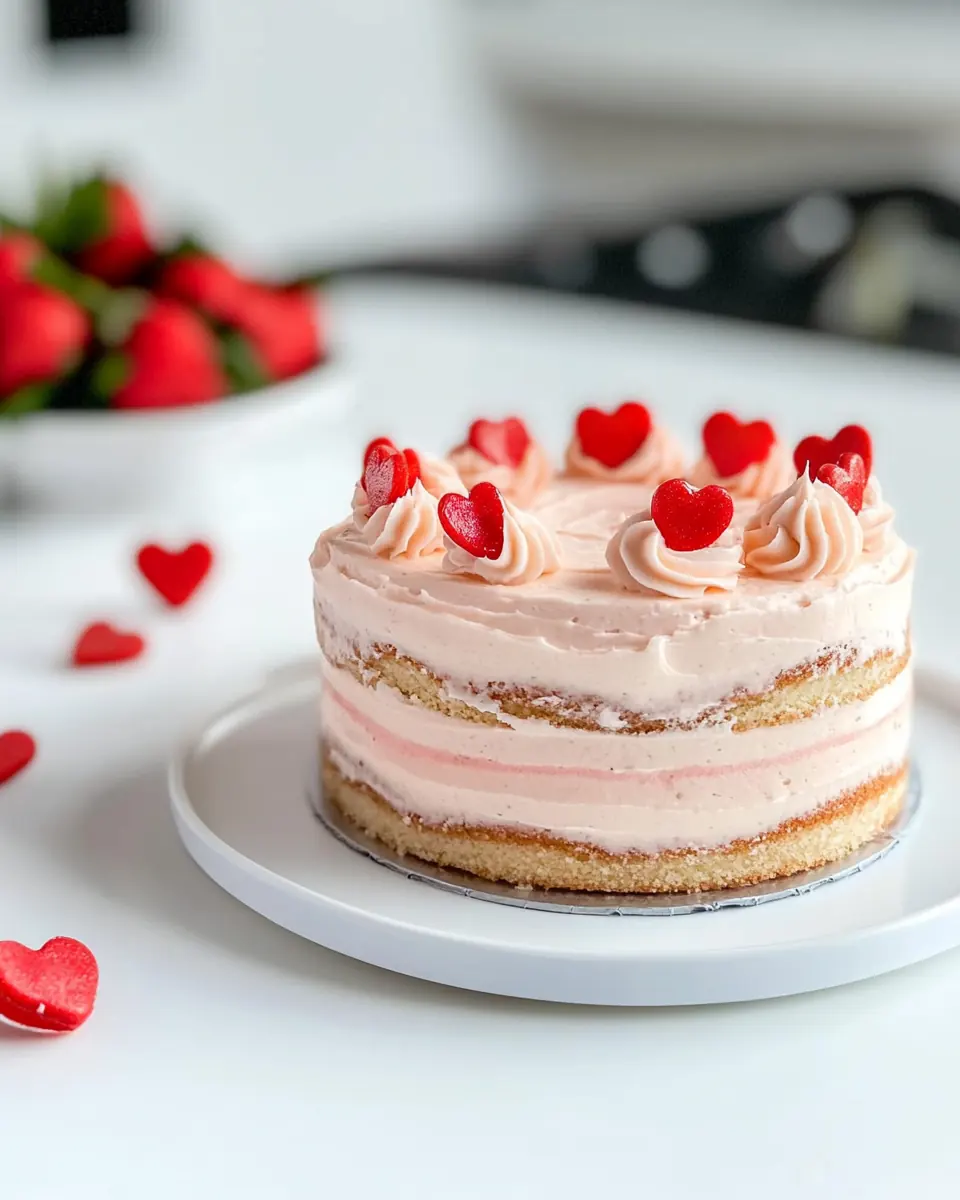
These ingredients are intentionally simple, built around a few reliable players. The combination of all purpose flour, granulated sugar, and leavening creates a tender structure, while dairy and eggs bring richness and moisture. For the frosting, the interplay between cream cheese and powdered sugar makes a silky, slightly tangy coating that pairs beautifully with a bright strawberry preserves layer. Each ingredient carries a clear role, and together they produce a balanced, celebratory cake.
- 2 cups all-purpose flour: Provides structure and body to the cake batter, forming the gluten framework when mixed with liquids. Contributes to the cake's crumb and texture, allowing it to hold leavening gases for a tender crumb. Ensures even moisture distribution and browning during baking.
- 1 1/2 cups granulated sugar: Adds sweetness and helps with creaming for volume and tenderness when beaten with butter. Assists in browning through caramelization and enhances flavor complexity throughout the cake. Helps stabilize the crumb and contributes to overall moistness.
- 1/2 cup unsalted butter softened: Contributes richness and moisture while aiding in aeration when creamed with sugar. Adds flavor and helps create a tender, fine crumb by coating flour proteins and limiting gluten development. Supports emulsion of liquids for a smooth batter.
- 3 large eggs: Provides structure, richness, and additional leavening through trapped air when beaten. Enhances moisture, tenderness, and protein content that helps set the cake as it bakes. Adds emulsification properties to improve batter stability and texture.
- 1 tablespoon vanilla extract: Adds aromatic flavor and enhances the cake's overall taste profile with warm vanilla notes. Helps round out sweetness and complements other flavors like butter and strawberry. Contributes to a more balanced and appealing scent during baking.
- 1 cup whole milk: Supplies liquid to hydrate dry ingredients and dissolve sugar, aiding gluten formation and batter consistency. Contributes to tenderness and a moist crumb, and helps distribute fat and leavening agents evenly. Helps control batter thickness for proper rise and texture.
- 2 teaspoons baking powder: Leverages chemical action to help the cake rise by producing carbon dioxide when mixed and heated. Works with eggs and beaten butter to create lift and a light crumb. Balances density and ensures proper texture when used in correct proportions.
- 1/4 teaspoons salt: Balances sweetness and enhances flavor while strengthening gluten regulation to prevent over-rising. Helps control yeastiness and brings out other flavors in the cake with a slight savory contrast. Aids in overall batter stability and taste balance.
- 8 ounces cream cheese softened: Creates a smooth, tangy base for the frosting with rich dairy richness and slight acidity. Contributes to creamy texture and flavor complexity while helping the frosting set with stability. Works well when softened to blend smoothly with butter and sugar.
- 1/2 cup unsalted butter softened: Adds additional fat and creaminess to the frosting, providing a silky mouthfeel and spreadable consistency. Helps stabilize the cream cheese for a smoother, richer icing that holds shape. Assists in aeration when whipped for lightness.
- 4 cups powdered sugar: Sweetens and thickens the frosting to a stable, pipeable consistency while providing a silky texture. Helps counterbalance cream cheese acidity and allows for smooth spreading and decorative piping. Dissolves into fat for a cohesive, glossy finish.
- 1 teaspoon vanilla extract for frosting: Enhances frosting with concentrated vanilla aroma to complement the cream cheese and butter flavors. Adds depth and a pleasant aftertaste that elevates the overall sweetness profile. Blends easily to provide consistent flavor throughout the frosting.
- 1/2 cup strawberry preserves: Offers concentrated fruit flavor and sweetness to complement the frosting and cake layers with a bright, jammy note. Provides moisture and a fruity contrast when spread between layers or swirled into frosting. Adds a visually appealing color and concentrated strawberry taste.
- Fresh strawberries for garnish: Provides fresh, natural garnish that adds color, texture, and bright fruity flavor to finish the cake. Enhances presentation with vibrant red hues and offers a refreshing contrast to sweet frosting. Complements the strawberry preserves and balances richness.
Preparation Steps for Valentines Day Cake
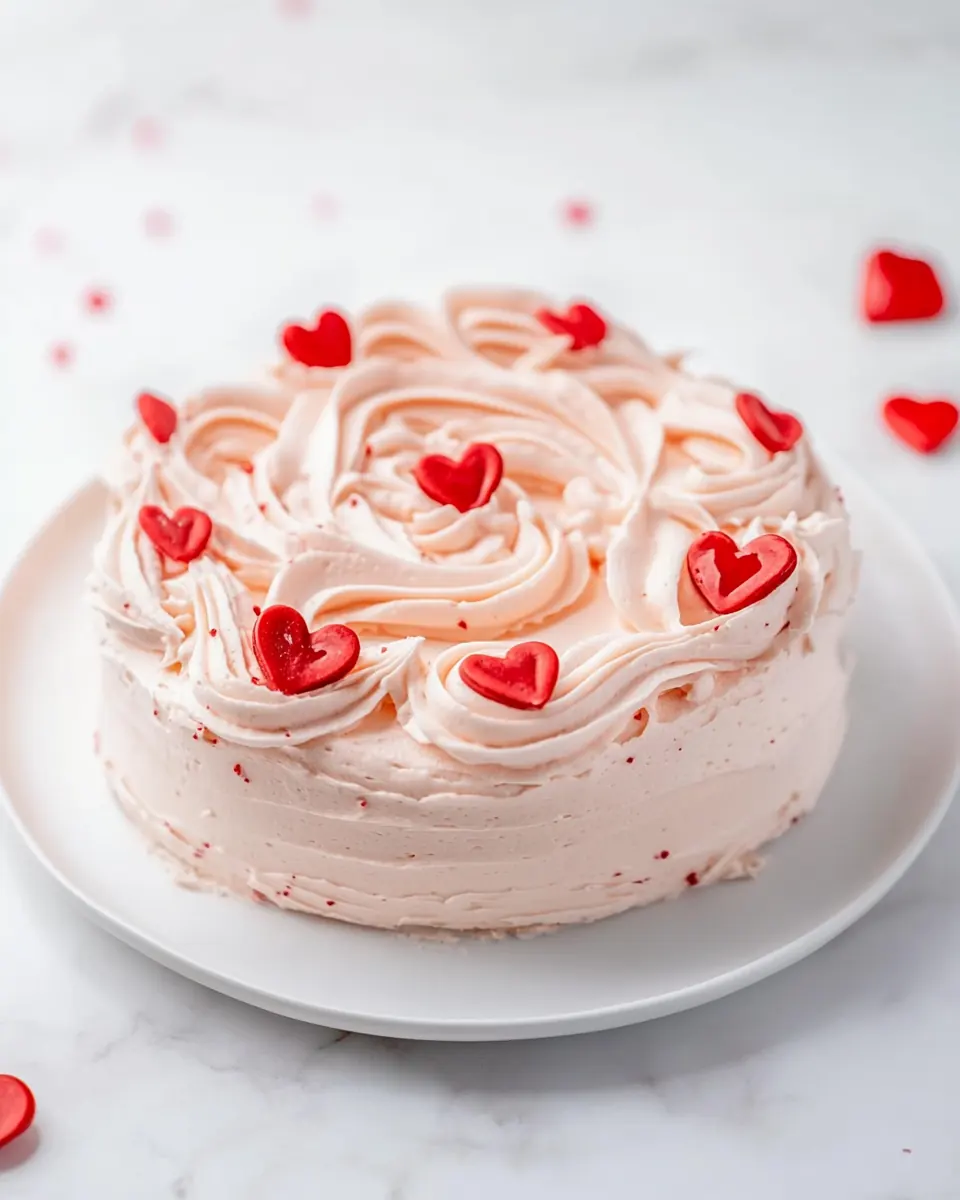
Baking this cake is comforting and methodical, and I like to move through each step with attention rather than rush. Follow the sequence and pay attention to visual and tactile cues, because they tell you when the batter, bake, and frosting are ready. I often clear the counter in advance to have everything at hand and to avoid interruptions.
- Preheat oven to 350°F. Grease and flour two 9-inch round cake pans.: You will smell a faint warmth as the oven comes up to temperature and the pans will feel evenly warm to the touch when ready, which helps the batter start baking uniformly. Greasing and flouring creates a thin release layer so the cake lifts from the pan without tearing, and you can test it by tapping the pan to ensure the coating is even. A common mistake is skipping the flour step after greasing, which can cause sticking, or using too much grease, which creates greasy edges. If your oven runs hot, use an oven thermometer to confirm the actual temperature, because a hotter oven browns the exterior too quickly and leaves the center underbaked.
- In a large mixing bowl, cream together the sugar and butter until light and fluffy. Beat in the eggs one at a time, then stir in vanilla extract.: You should notice the texture change as the butter and granulated sugar become paler and aerated, almost like whipped cream, and the sound of the mixer will become smoother and quieter as air is incorporated. Adding the eggs one at a time maintains an emulsion so the batter stays smooth rather than separating, and stirring in the vanilla brings fragrant warmth. If you rush and add eggs too quickly, the mixture can look curdled, which is often fixed by mixing slowly and scraping the bowl to re emulsify. Be careful not to overbeat after adding flour , since that can tighten the crumb.
- Combine flour, baking powder, and salt in a separate bowl. Gradually add to the creamed mixture alternately with the flour mix and the milk, starting and ending with the flour mixture.: You will see the batter return to a thicker, ribbon like texture as you fold in the dry flour , and the milk loosens the mixture into a glossy, pourable batter. Alternating prevents the batter from becoming too stiff and ensures even distribution of the leavening. The batter should be smooth and homogenous without streaks of dry flour . A typical error is dumping all the liquid in at once, which can separate the batter; instead, add gradually and scrape the bowl between additions to maintain an even mix.
- Divide the batter evenly between the prepared pans. Bake for 30 to 35 minutes, or until a toothpick inserted into the center comes out clean. Allow the cakes to cool in the pans for 10 minutes, then transfer to wire racks to cool completely.: As the cake bakes, the kitchen will fill with a warm, sweet aroma and the tops will take on a pale golden tone. The cakes should spring back slightly when touched and the toothpick test should confirm doneness, ensuring a tender but fully set crumb. Letting them rest in the pans for a short period helps the structure to stabilize so the layers release cleanly. A common pitfall is removing them immediately while too hot, which can cause the layers to crack, so be patient and use the rack to cool completely before frosting.
- For the frosting, beat together the cream cheese and butter until smooth. Gradually beat in powdered sugar and vanilla extract until the frosting is fluffy. Fold in the strawberry preserves.: The frosting will become glossy and cloud like as you beat, with a subtle tang from the cream cheese balancing the sweetness of the powdered sugar. When you fold in the strawberry preserves , you should see swirls of pink, and the aroma will gain a bright, fruity note. Overbeating can make the frosting too loose, and adding sugar too fast leads to a grainy texture, so add the sugar in batches and stop as soon as the frosting holds soft peaks. If the frosting looks runny after adding preserves, chill briefly to firm up before spreading.
- Place one cake layer on a serving plate. Spread with a layer of frosting. Top with the second cake layer and spread frosting over the top and sides of the cake. Garnish with fresh strawberries.: When assembling, the cake should feel stable under your hands and the frosting will spread with a smooth, satiny finish if the layers are completely cool. The aroma of fresh strawberries and the sheen of the frosting make the cake visually inviting. If your layers are slightly domed, level them with a serrated knife for neat stacking. A common mistake is frosting warm cakes, which melts the frosting and makes it slide; always ensure the cake is fully cool before applying frosting.
Pro Tips and Tweaks
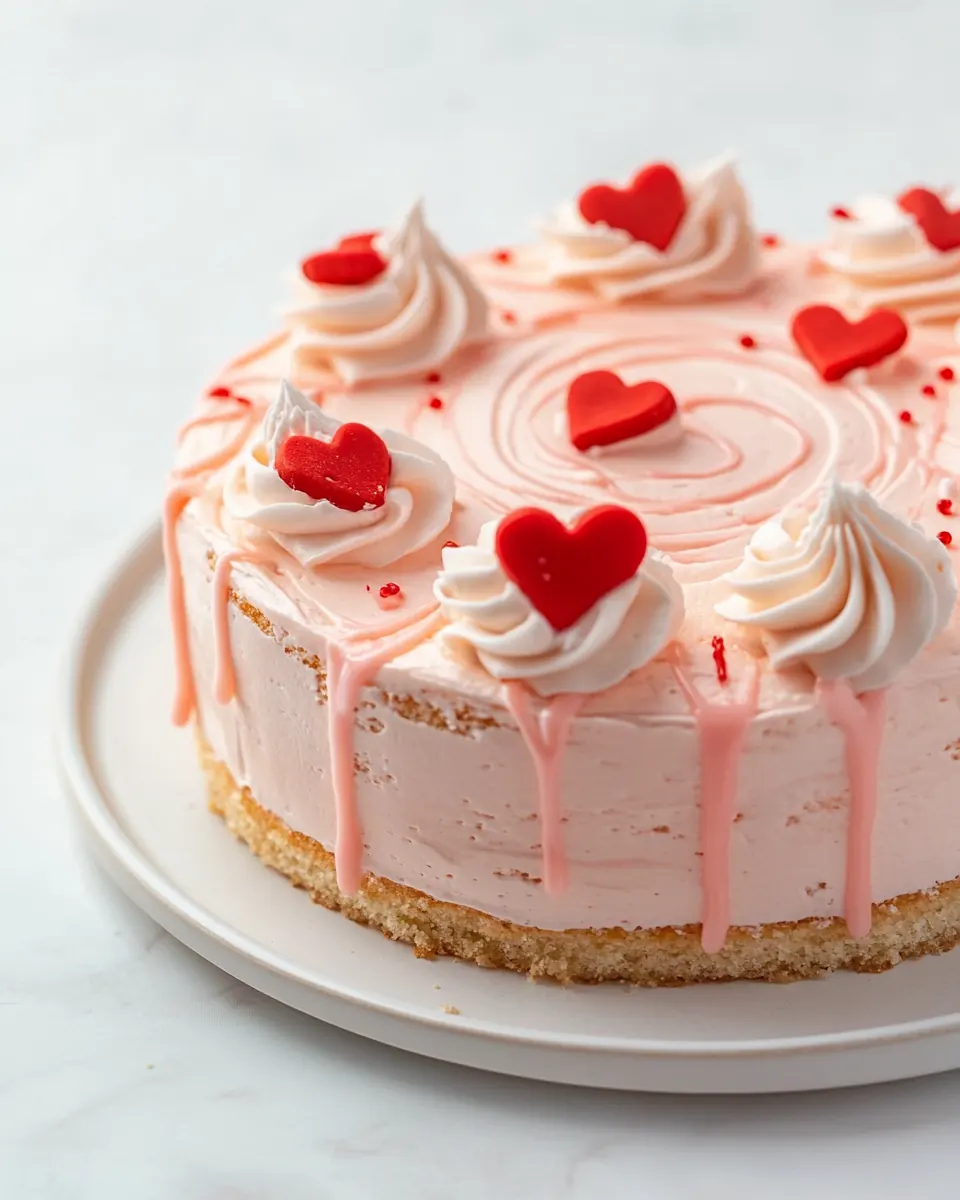
I like to think of these tips as small investments that pay off in a much better final cake. They help with consistency, appearance, and flavor depth. Read them before you start so you can move confidently through each stage.
- Temperature control Make sure your butter and eggs are at room temperature so they incorporate smoothly, which helps trap air and yields a lighter crumb.
- Sift powdered sugar Sifting the powdered sugar before adding it to the frosting prevents lumps and gives a silky texture, especially important for the cream cheese based frosting.
- Layer leveling If the cake domes, use a serrated knife to level each layer so the final cake stacks evenly and the frosting layers look professional.
- Chill briefly if needed If the frosting becomes too soft after adding strawberry preserves, chill it for 10 to 15 minutes to firm up before spreading for cleaner edges.
- Fresh garnish timing Add fresh strawberries just before serving to keep them vibrant and avoid excess moisture from causing the frosting to weep.
What to Serve With Valentines Day Cake
This cake pairs well with light accompaniments that do not compete with its sweet and slightly tangy profile. For occasions, it works beautifully for intimate dinners, afternoon tea, birthdays, and special holidays like Valentines Day. I often plan simple beverages and small sides to complement without overpowering.
- Light tea or coffee Serve with a mild brewed tea or a gentle coffee that supports the cake’s sweetness without overshadowing the strawberry notes.
- Fresh fruit platter A selection of seasonal berries enhances the strawberry preserves and adds a refreshing counterpoint for each bite.
- Whipped cream A dollop of lightly sweetened whipped cream pairs nicely if you want an extra creamy element that remains airy.
- Small scoop of vanilla gelato For a warm evening gathering, a small scoop of vanilla gelato offers a cool contrast and adds a luxurious mouthfeel.
- Occasion tips For intimate dinners or anniversaries, present one slice per person with a fresh berry garnish and a single decorative mint leaf for color contrast.
- Storage advice Keep leftover slices refrigerated in an airtight container for up to three days, and allow them to come to room temperature for 20 to 30 minutes before serving to recover some softness.
FAQ
Conclusion
This cake stands out because it balances a soft, tender crumb with a bright, creamy strawberry cream cheese frosting that feels thoughtful and celebratory. Give it a try if you want a dessert that looks special but is approachable to make, and invite someone you care about to enjoy the first slice with you. Baking it is a small act that rewards with warm aromas, pleasant textures, and a finish that invites shared moments.
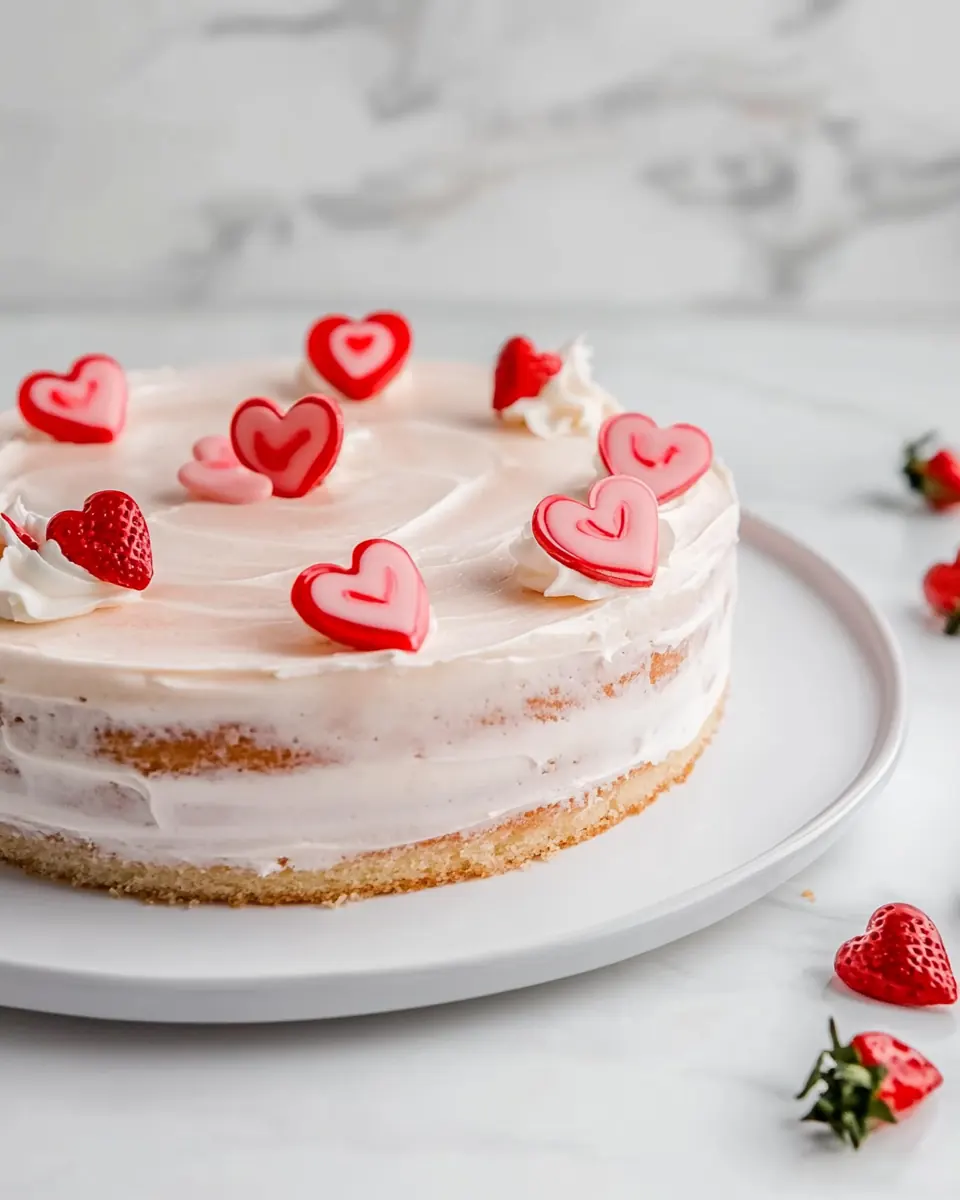
Valentines Day Cake
Ingredients
Equipment
Method
- Preheat oven to 350°F. Grease and flour two 9-inch round cake pans.: You will smell a faint warmth as the oven comes up to temperature and the pans will feel evenly warm to the touch when ready, which helps the batter start baking uniformly. Greasing and flouring creates a thin release layer so the cake lifts from the pan without tearing, and you can test it by tapping the pan to ensure the coating is even. A common mistake is skipping the flour step after greasing, which can cause sticking, or using too much grease, which creates greasy edges. If your oven runs hot, use an oven thermometer to confirm the actual temperature, because a hotter oven browns the exterior too quickly and leaves the center underbaked.
- In a large mixing bowl, cream together the sugar and butter until light and fluffy. Beat in the eggs one at a time, then stir in vanilla extract.: You should notice the texture change as the butter and granulated sugar become paler and aerated, almost like whipped cream, and the sound of the mixer will become smoother and quieter as air is incorporated. Adding the eggs one at a time maintains an emulsion so the batter stays smooth rather than separating, and stirring in the vanilla brings fragrant warmth. If you rush and add eggs too quickly, the mixture can look curdled, which is often fixed by mixing slowly and scraping the bowl to re emulsify. Be careful not to overbeat after adding flour , since that can tighten the crumb.
- Combine flour, baking powder, and salt in a separate bowl. Gradually add to the creamed mixture alternately with the flour mix and the milk, starting and ending with the flour mixture.: You will see the batter return to a thicker, ribbon like texture as you fold in the dry flour , and the milk loosens the mixture into a glossy, pourable batter. Alternating prevents the batter from becoming too stiff and ensures even distribution of the leavening. The batter should be smooth and homogenous without streaks of dry flour . A typical error is dumping all the liquid in at once, which can separate the batter; instead, add gradually and scrape the bowl between additions to maintain an even mix.
- Divide the batter evenly between the prepared pans. Bake for 30 to 35 minutes, or until a toothpick inserted into the center comes out clean. Allow the cakes to cool in the pans for 10 minutes, then transfer to wire racks to cool completely.: As the cake bakes, the kitchen will fill with a warm, sweet aroma and the tops will take on a pale golden tone. The cakes should spring back slightly when touched and the toothpick test should confirm doneness, ensuring a tender but fully set crumb. Letting them rest in the pans for a short period helps the structure to stabilize so the layers release cleanly. A common pitfall is removing them immediately while too hot, which can cause the layers to crack, so be patient and use the rack to cool completely before frosting.
- For the frosting, beat together the cream cheese and butter until smooth. Gradually beat in powdered sugar and vanilla extract until the frosting is fluffy. Fold in the strawberry preserves.: The frosting will become glossy and cloud like as you beat, with a subtle tang from the cream cheese balancing the sweetness of the powdered sugar. When you fold in the strawberry preserves , you should see swirls of pink, and the aroma will gain a bright, fruity note. Overbeating can make the frosting too loose, and adding sugar too fast leads to a grainy texture, so add the sugar in batches and stop as soon as the frosting holds soft peaks. If the frosting looks runny after adding preserves, chill briefly to firm up before spreading.
- Place one cake layer on a serving plate. Spread with a layer of frosting. Top with the second cake layer and spread frosting over the top and sides of the cake. Garnish with fresh strawberries.: When assembling, the cake should feel stable under your hands and the frosting will spread with a smooth, satiny finish if the layers are completely cool. The aroma of fresh strawberries and the sheen of the frosting make the cake visually inviting. If your layers are slightly domed, level them with a serrated knife for neat stacking. A common mistake is frosting warm cakes, which melts the frosting and makes it slide; always ensure the cake is fully cool before applying frosting.
Notes
- Temperature control Make sure your butter and eggs are at room temperature so they incorporate smoothly, which helps trap air and yields a lighter crumb.
- Sift powdered sugar Sifting the powdered sugar before adding it to the frosting prevents lumps and gives a silky texture, especially important for the cream cheese based frosting.
- Layer leveling If the cake domes, use a serrated knife to level each layer so the final cake stacks evenly and the frosting layers look professional.
- Chill briefly if needed If the frosting becomes too soft after adding strawberry preserves, chill it for 10 to 15 minutes to firm up before spreading for cleaner edges.
- Fresh garnish timing Add fresh strawberries just before serving to keep them vibrant and avoid excess moisture from causing the frosting to weep.