Top Round Roast
Top Round Roast has always been the centerpiece of my coziest winter dinners, the kind that fills the house with deep, savory aromas that make everyone pause what they are doing.
I first learned to love Top Round Roast on a blustery evening when I was trying to stretch a modest grocery budget into something special. The meat was simple, the seasoning modest, and yet the result felt celebratory. I remember standing at the oven door, bowl in hand, rubbing a fragrant blend of dried herbs into the dark, lean surface. The smell of oregano and thyme blooming in the heat felt almost like an invitation to slow down and enjoy the moment. That night we ate slowly, talking more than usual, savoring each slice of beef with plain roasted potatoes and a bowl of greens.
Over the years I perfected a few rituals around roasting this cut: a quick blast of high heat to build a savory crust, a patient lower temperature to coax tenderness, and the holy rest under foil that rewards you with juicier slices. When friends ask for an easy roast that feeds a group without fuss, I always point them to my reliable approach with Top Round Roast. It is lean, hearty, and forgiving when you follow a few simple cues. This recipe turns a humble roast into something you can be proud to serve, and it keeps well for sandwiches the next day, which is another reason I keep this roast in my rotation.
Recipe Snapshot
1 hr 5 mins
5 mins
60 mins
Medium
350 kcal
American
Keto, Paleo
Dinner
Roasting pan, Rack, Instant read thermometer, Mixing bowl
Why This Top Round Roast Works
Lean, flavorful, and wallet friendly
I love how Top Round Roast gives you hearty, beefy flavor without the high price tag of premium cuts. Its lean profile makes it a practical choice when I want to feed a crowd, and with the right roast and rest technique, it yields tender slices that still have character.
Simple seasoning, big payoff
In my kitchen I rely on pantry herbs like oregano, thyme, and Rosemary to amplify the natural beef flavor. This recipe proves that you do not need complicated marinades to make the meat sing. A balanced rub of dried herbs, salt, and black pepper creates a savory crust that complements the roast rather than masking it.
Reliable technique for consistent results
I appreciate a method that works on weeknights and special occasions alike. Starting at a high temperature caramelizes the exterior, locking in flavor, while lowering the oven to finish cooking ensures an evenly cooked interior. Resting the roast before slicing is a non negotiable step in my routine, and it is what transforms a good roast into a great one.
Feeds a crowd and keeps well
When I host, the ability to serve a main that scales easily is invaluable. This roast is perfect for serving twelve, and leftovers become sandwiches, salads, or quick reheated dinners. That flexibility makes it a dependable choice in my meal planning, and it reduces the stress of entertaining.
Clear cues and forgiving timing
I value recipes that teach you what to look for. This roast provides visual and thermal cues I can trust, like a browned crust and a target internal temperature that leaves the meat medium after carryover cooking. Those simple guidelines help even inexperienced cooks feel confident at the oven door.
Essential Ingredients for Top Round Roast
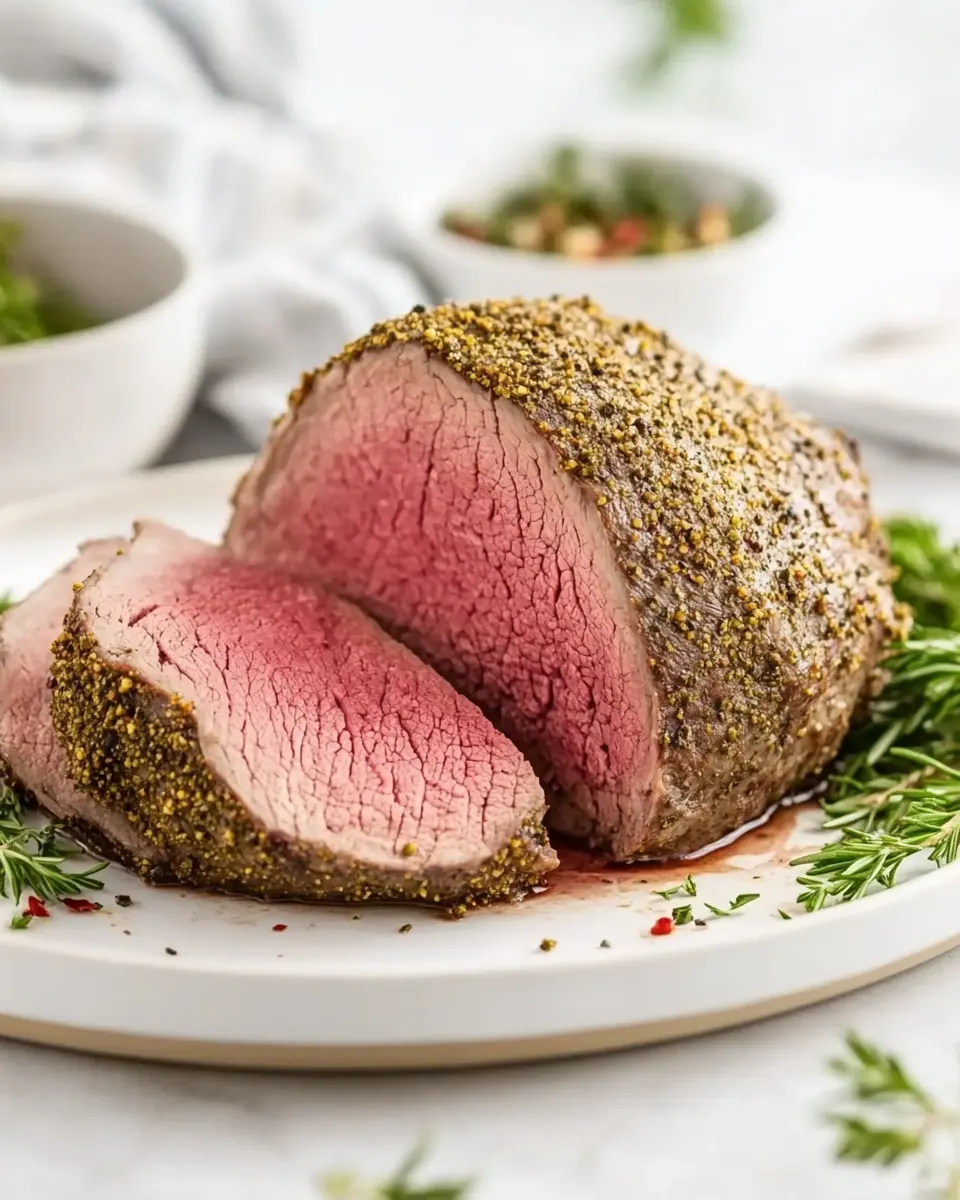
These ingredients are intentionally straightforward. The philosophy here is to highlight the natural beef flavor with a few supporting players that add herbal brightness and seasoning. The top round roast is the star, while the dried herbs and spices create a savory crust that enhances each slice without overpowering it.
- 4 pounds top round roast: Provide the primary protein for the roast, offering a lean, flavorful cut that benefits from long, slow cooking to become tender. Handle with care to maintain texture and avoid overcooking; rest after roasting to redistribute juices. Pairs well with robust herbs and coarse seasoning for a classic roast flavor.
- 4 teaspoons oreganodried: Season generously to impart earthy, slightly bitter herb notes that complement beef without overpowering it. Use dried oregano in combination with other herbs to build a Mediterranean-inspired aromatic crust during roasting. Sprinkle evenly for balanced seasoning across the roast surface.
- 4 teaspoons thymedried: Add warm, slightly floral herb aroma that brightens the savory profile of the meat and blends well with other dried herbs. Use thyme to contribute subtle depth and complexity to the roast’s crust. Distribute evenly so the herb flavor infuses during cooking.
- 2 teaspoons Rosemarydried: Contribute a piney, resinous fragrance and sharp herbal character that enhances the savory richness of the top round. Use dried rosemary sparingly to avoid overpowering; crush lightly to release oils before applying. Integrates well into a rub for an aromatic, savory finish.
- 2 teaspoons saltcoarse: Provide essential seasoning and texture contrast with a pronounced salty flavor important for seasoning the roast thoroughly. Use coarse salt to help form a crust and to draw out moisture slightly for better browning. Adjust amount as needed for dietary preferences, and apply evenly.
- 1 teaspoon black pepper: Deliver pungent, warm spice notes that enhance the roast’s savory profile and provide mild heat and depth. Grind fresh if possible for best aroma, and distribute across the meat to balance flavors. Complements herbs and helps amplify the overall seasoning.
- 1 teaspoon mustard powder: Introduce a sharp, tangy warmth that brightens and deepens the seasoning blend, enhancing the beefy flavor without adding moisture. Use mustard powder as part of a dry rub to provide subtle complexity and a hint of heat. Mix well with other spices for cohesive flavor.
Putting Together Top Round Roast
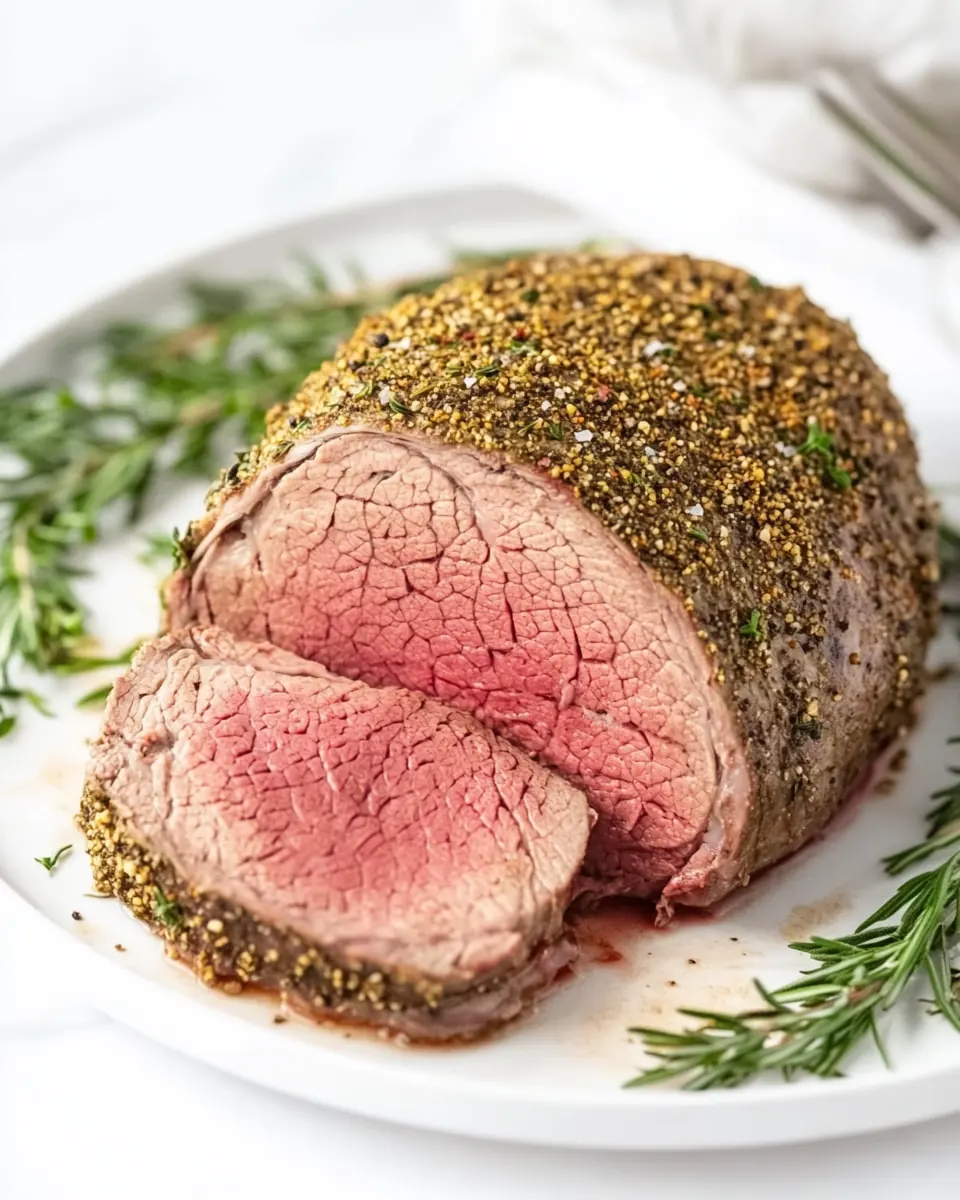
This roast is approachable, and the method is about timing, temperature, and paying attention to sensory cues. Below I expand each provided direction into full, sensory rich steps so you know what to watch and why each action matters.
- Preheat oven to 220 C/450°F.: As the oven ramps up you should notice a dry, warming scent in the kitchen, and the hot environment is critical for creating an immediate sear on the roast surface. This high temperature encourages the Maillard reaction, which forms a brown, flavorful crust that seals in savory juices. A common mistake is placing a cold roast into a lukewarm oven; that prevents proper crust development and can lead to uneven cooking. While waiting for the oven to reach temperature, set aside your herbs and make sure the rack is centered so heat circulates evenly.
- Combine the oregano, thyme, Rosemary, salt, black pepper, and mustard powder in a bowl then rub evenly on the top round roast.: When you smell the bowl of dried herbs combined with salt and mustard powder , you will notice the aromatic oils begin to mingle, promising a complex crust. Rubbing the mixture into the meat forces the seasonings into the surface, which promotes even flavor distribution and helps the crust adhere. The friction of rubbing warms the spices slightly, releasing their scent. One mistake people make is applying the rub too late; seasoning benefits from a brief period on the meat before it hits the heat. If the roast seems wet, pat it dry first to help the rub stick.
- Place the roast in a shallow roasting pan fitted with a rack.: Lifting the roast on a rack allows hot air to circulate under the meat so it cooks evenly, and juices drip away to prevent steaming the bottom. Using a shallow pan helps the heat reach the roast surface directly, which supports consistent browning. You should hear almost no sizzling at this point, but you will see the roast positioned to receive consistent heat. Avoid laying the roast directly in a deep pool of juices, which can inhibit that precious crust formation.
- Roast for 15 minutes, then reduce the oven temperature to 180 C/350°F. Roast for around 50 minutes, or until the beef reaches an internal temperature of 140°F.: The initial 15 minutes at high heat jumpstarts browning, and you will see the surface darken and crisp. After lowering the temperature, the roast cooks more gently toward the center, avoiding a tough exterior with an undercooked interior. Pay attention to the visual cues, the crust should be deeply colored, and you may hear faint sizzling as fat and seasonings concentrate. Use an instant read thermometer to aim for 140°F for medium after carryover. A frequent error is skipping the lower temperature phase, which can cause an over browned outside while undercooking inside. Also, rely on temperature rather than time alone, because ovens vary.
- Remove the roast from the oven and tent it loosely with foil. Let the meat rest for 10-15 minutes before carving against the grain.: Resting is where the juices redistribute back into the meat, turning a good roast into a juicy one. Tented foil keeps the roast warm while preventing excessive steaming, and during this pause you will smell intensified roasted aromatics. When you slice, cutting against the grain shortens the muscle fibers and yields tender bites. One mistake is slicing too soon, which lets the juices pour onto the cutting board, leaving the meat dry. Listen for the subtle settling sounds as the roast cools slightly, and carve with a sharp knife for clean slices.
Tips and Variations
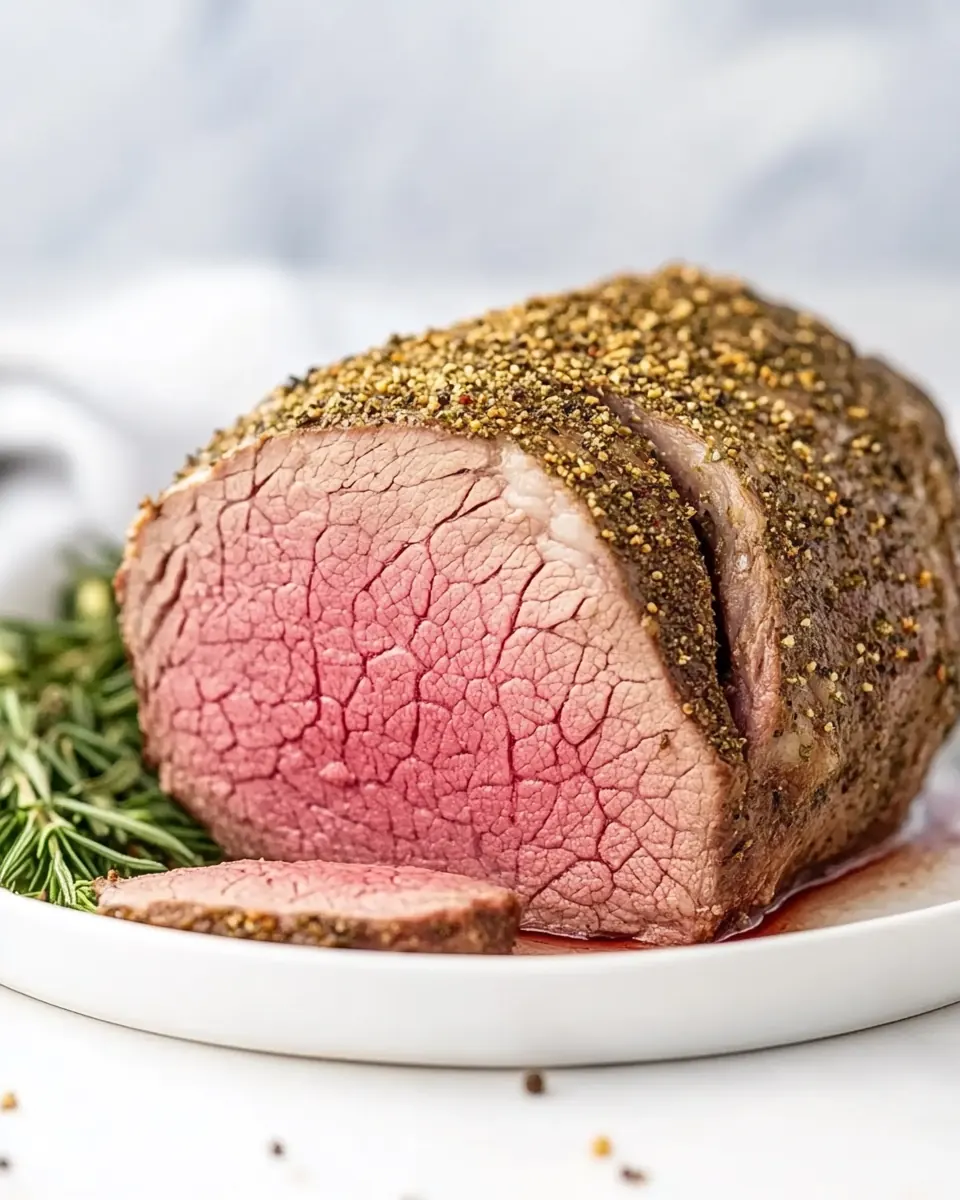
I like to offer practical tweaks that keep the roast simple while letting you adapt to what you have on hand. Below are detailed tips and variations you can use to get consistent results, store leftovers, and troubleshoot common issues.
- Adjust seasoning for larger roasts Use the notes guideline to increase cook time by about 15 minutes per extra pound, but also scale the rub proportionally so every inch of surface receives the same seasoning intensity.
- Watch carryover cooking Remove the roast a few degrees below your target because the internal temperature will climb while resting. This avoids overcooked, dry slices, which is the most frequent problem when people rely on oven time rather than temperature.
- Store leftovers properly Cool sliced roast before wrapping tightly and refrigerate for up to three days, or freeze for up to three months. Label containers with the date to keep track and avoid freezer burn when reheating later.
- Enhance the crust For a deeper crust, pat the roast dry and apply the rub an hour ahead in the fridge; the dry surface helps the exterior brown more efficiently during the initial high heat stage.
- Use a roasting rack Elevate the roast so hot air circulates underneath, ensuring even browning and preventing the bottom from stewing in juices.
How to Enjoy Top Round Roast
This roast is versatile for many occasions, from a snug family dinner to a larger holiday gathering. Below I detail serving ideas, pairing suggestions, and storage guidance so you can get the most out of each roast.
- Serve warm with roasted vegetables Plate slices of Top Round Roast alongside roasted root vegetables for a classic winter meal, the roasted sweetness complements the savory beef.
- Make sandwiches with leftovers Thinly slice chilled roast and pile on crusty bread with a smear of mustard for an easy, satisfying lunch or picnic option.
- Offer thin slices at room temperature For buffet style service, allow the meat to rest to room temperature before arranging on a platter so guests can enjoy optimal flavor without the meat drying from reheating.
- Pack holiday or gathering platters Use the roast as the centerpiece for a casual holiday spread, surrounding it with simple sides and letting guests help themselves to slices.
- Storage and reheating Refrigerate sliced roast in an airtight container for up to three days. Reheat gently in a low oven or slice cold into salads and sandwiches to preserve tenderness.
- Seasonal pairing This roast shines in winter months when robust, warming flavors are welcome. Pair with braised greens, roasted squash, or a bright grain salad to balance the meat.
FAQ
Conclusion
What makes this roast special is its balance of simple seasoning and reliable technique, which turns an economical cut into a satisfying centerpiece. Try it because it rewards attention to temperature and resting with tender, flavorful slices that are perfect for feeding a group or turning into delicious leftovers. I hope you enjoy the process as much as the results, from the first fragrant rub to the moment everyone reaches for another slice.
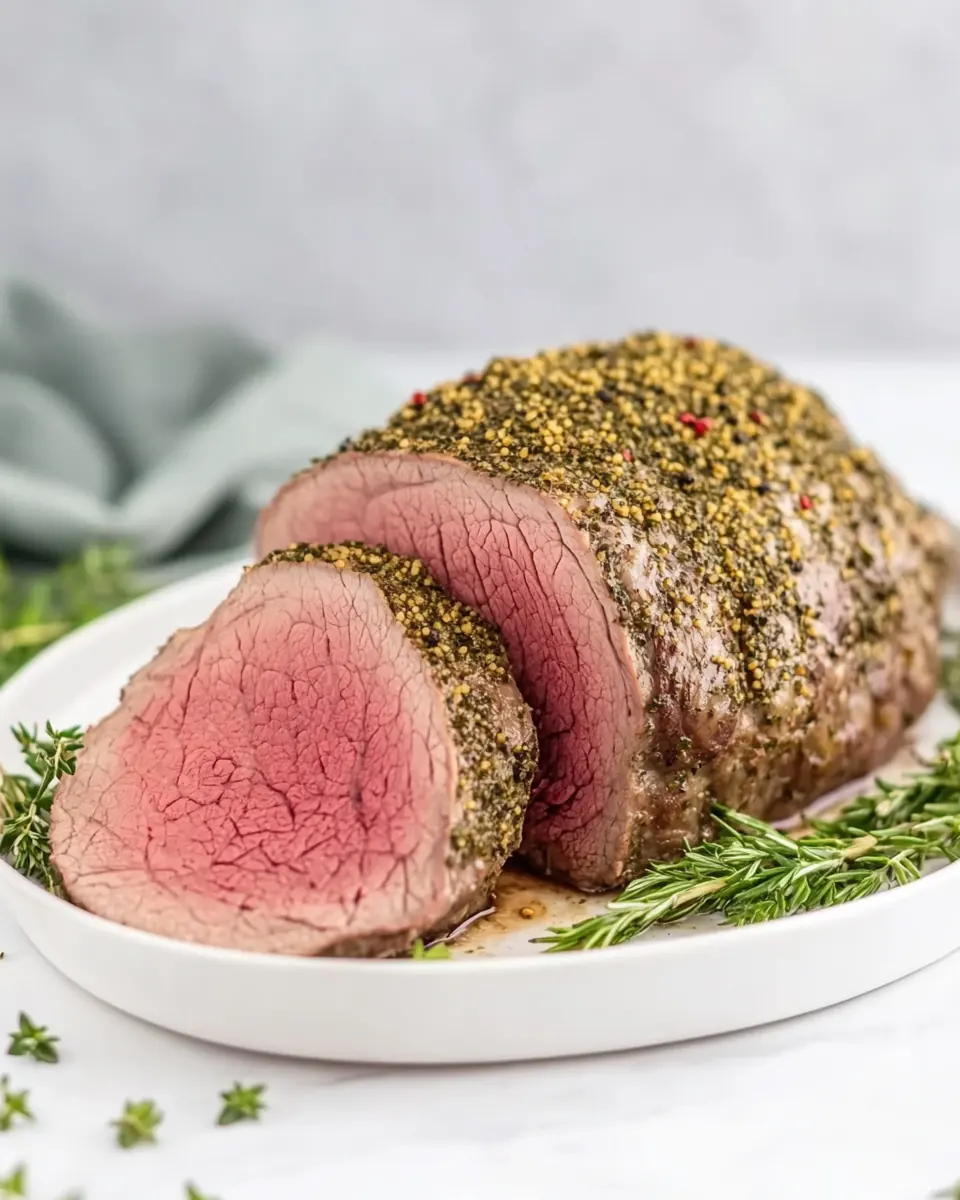
Top Round Roast
Ingredients
Equipment
Method
- Preheat oven to 220 C/450°F.: As the oven ramps up you should notice a dry, warming scent in the kitchen, and the hot environment is critical for creating an immediate sear on the roast surface. This high temperature encourages the Maillard reaction, which forms a brown, flavorful crust that seals in savory juices. A common mistake is placing a cold roast into a lukewarm oven; that prevents proper crust development and can lead to uneven cooking. While waiting for the oven to reach temperature, set aside your herbs and make sure the rack is centered so heat circulates evenly.
- Combine the oregano, thyme, Rosemary, salt, black pepper, and mustard powder in a bowl then rub evenly on the top round roast.: When you smell the bowl of dried herbs combined with salt and mustard powder , you will notice the aromatic oils begin to mingle, promising a complex crust. Rubbing the mixture into the meat forces the seasonings into the surface, which promotes even flavor distribution and helps the crust adhere. The friction of rubbing warms the spices slightly, releasing their scent. One mistake people make is applying the rub too late; seasoning benefits from a brief period on the meat before it hits the heat. If the roast seems wet, pat it dry first to help the rub stick.
- Place the roast in a shallow roasting pan fitted with a rack.: Lifting the roast on a rack allows hot air to circulate under the meat so it cooks evenly, and juices drip away to prevent steaming the bottom. Using a shallow pan helps the heat reach the roast surface directly, which supports consistent browning. You should hear almost no sizzling at this point, but you will see the roast positioned to receive consistent heat. Avoid laying the roast directly in a deep pool of juices, which can inhibit that precious crust formation.
- Roast for 15 minutes, then reduce the oven temperature to 180 C/350°F. Roast for around 50 minutes, or until the beef reaches an internal temperature of 140°F.: The initial 15 minutes at high heat jumpstarts browning, and you will see the surface darken and crisp. After lowering the temperature, the roast cooks more gently toward the center, avoiding a tough exterior with an undercooked interior. Pay attention to the visual cues, the crust should be deeply colored, and you may hear faint sizzling as fat and seasonings concentrate. Use an instant read thermometer to aim for 140°F for medium after carryover. A frequent error is skipping the lower temperature phase, which can cause an over browned outside while undercooking inside. Also, rely on temperature rather than time alone, because ovens vary.
- Remove the roast from the oven and tent it loosely with foil. Let the meat rest for 10-15 minutes before carving against the grain.: Resting is where the juices redistribute back into the meat, turning a good roast into a juicy one. Tented foil keeps the roast warm while preventing excessive steaming, and during this pause you will smell intensified roasted aromatics. When you slice, cutting against the grain shortens the muscle fibers and yields tender bites. One mistake is slicing too soon, which lets the juices pour onto the cutting board, leaving the meat dry. Listen for the subtle settling sounds as the roast cools slightly, and carve with a sharp knife for clean slices.
Notes
- Adjust seasoning for larger roasts Use the notes guideline to increase cook time by about 15 minutes per extra pound, but also scale the rub proportionally so every inch of surface receives the same seasoning intensity.
- Watch carryover cooking Remove the roast a few degrees below your target because the internal temperature will climb while resting. This avoids overcooked, dry slices, which is the most frequent problem when people rely on oven time rather than temperature.
- Store leftovers properly Cool sliced roast before wrapping tightly and refrigerate for up to three days, or freeze for up to three months. Label containers with the date to keep track and avoid freezer burn when reheating later.
- Enhance the crust For a deeper crust, pat the roast dry and apply the rub an hour ahead in the fridge; the dry surface helps the exterior brown more efficiently during the initial high heat stage.
- Use a roasting rack Elevate the roast so hot air circulates underneath, ensuring even browning and preventing the bottom from stewing in juices.