Yellow Split Pea Soup
Yellow Split Pea Soup has been a staple in my kitchen ever since I first learned how powerful a simple pot of simmering yellow split peas can be at turning a chilly evening into something comforting and soulful. The first time I made it I remember the way the kitchen filled with a warm, earthy aroma as the onion and celery softened, and how the bubbling broth felt like a gentle promise that dinner would be worth the wait.
Over the years I’ve tweaked the balance of ingredients until the texture feels just right to me, creamy but still rustic, with small bits of sweet Italian sausage that punctuate each spoonful. Family dinners and quiet solo suppers both taught me the same lesson, this is a recipe that rewards patience, and it always seems to bring a small, reassuring calm to the table. I love how the soup thickens as it simmers, the way the yellow split peas break down and marry with the chicken broth, creating a velvet mouthfeel that is both hearty and bright.
Recipe Snapshot
2 hr 20 mins
20 mins
120 mins
Hard
250 kcal
American
Gluten-Free, Low FODMAP
Soups
Large heavy soup pot, Large frying pan, Turner, Ladle
Why This Yellow Split Pea Soup Stands Out
Hearty, not heavy
I adore how Yellow Split Pea Soup manages to feel substantial without weighing you down. The combination of tender, breaking-down yellow split peas and well browned sweet Italian sausage gives you protein and body, while the vegetables keep things fresh. This is the kind of bowl that sticks with you in the best way, fueling a cold evening without leaving you sleepy.
Layered, comforting flavors
What I love most is the layering. You start with the soft sweetness of sautéed onion and celery, then add aromatic garlic, fennel, and Italian seasoning, and finally the deep, savory notes from browned sweet Italian sausage. Each element plays a role, so the finished soup tastes complex even though the ingredient list is straightforward. I often taste and adjust toward the end because those small tweaks make it mine.
Flexible and forgiving
This recipe is wonderfully forgiving. If your yellow split peas are older and take longer to soften, you can simply extend the simmer and add a splash more chicken broth or water. Want it spicier? A pinch more red pepper flakes wakes things up. I appreciate recipes that let me adapt as I go, and this one absolutely does.
Perfect for make ahead and leftovers
I always make a big pot because reheated Yellow Split Pea Soup tastes even better the next day. The texture deepens and the flavors harmonize overnight. For weeknight planning, it’s one of my go to meals because you can reheat gently on the stove, add a little water if it thickened too much, and have dinner on the table in minutes.
Comfort with simple technique
Finally, it stands out because the techniques are basic yet purposeful. Browning the sweet Italian sausage properly, sweating the vegetables slowly, and simmering the yellow split peas low and slow are small steps that yield a big payoff. I find the process soothing, and the result always feels like a hug in a bowl.
Essential Ingredients for Yellow Split Pea Soup
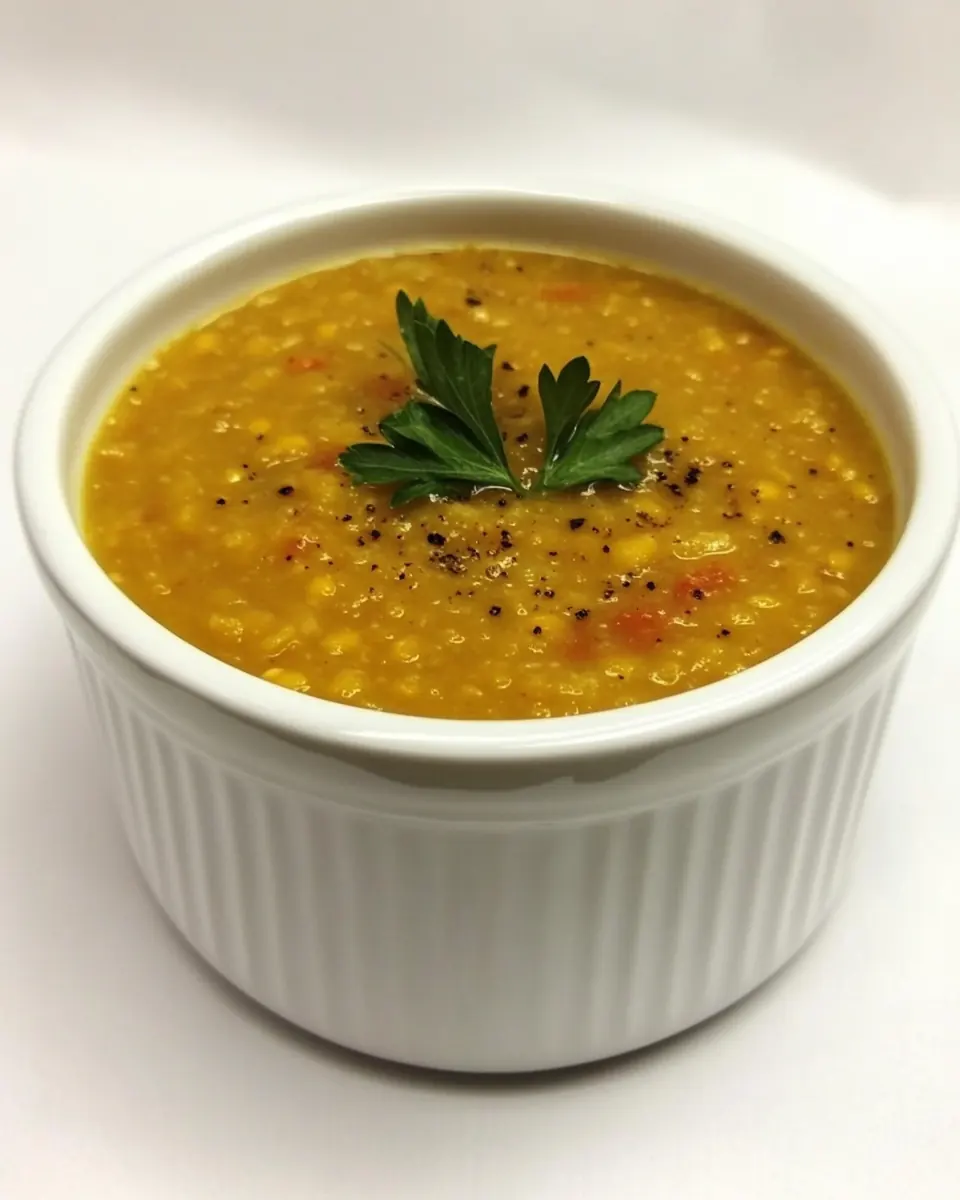
I believe great soups are built on a handful of trustworthy ingredients that work together to produce depth and comfort. In this Yellow Split Pea Soup the cast of characters is small but potent. The yellow split peas provide creamy body, the trio of onion, celery, and green bell pepper offers aromatic backbone, and the sweet Italian sausage lends savory richness. The chicken broth ties everything together, delivering a warm, savory base that lets the spices and legumes shine.
- 1 T + 1 T olive oil: Heat and enrich the pan with olive oil to create a flavorful cooking medium and prevent sticking; it also helps brown aromatics and sausage for depth of flavor.
- 1 medium yellow onion, finely diced: Soften and sweeten the soup base by sweating the finely diced onion until translucent; it releases natural sugars that build savory complexity over long simmering.
- 1 cup finely diced celery: Add celery to contribute a mild, aromatic crunch and vegetal backbone; cooking it down helps integrate its celery saltiness into the broth for balance.
- 1 green bell pepper, finely diced: Provide a fresh, slightly sweet and grassy note with green bell pepper; finely dicing allows it to meld into the texture and add subtle brightness.
- 1 T minced garlic (or less if you’re not that into garlic): Introduce a pungent, aromatic kick with minced garlic that infuses the oil and broth; adjust quantity to control the intensity of the aromatic profile.
- 1 tsp . Italian Herb Seasoning (see notes): Impart a blend of dried Mediterranean herbs to add savory, earthy, and aromatic layers to the soup; sprinkling during sautéing helps release essential oils.
- 1 tsp . ground fennel seed: Bring a warm, slightly sweet anise-like flavor with ground fennel seed to complement the sausage and legumes; it supports a rounded, aromatic finish.
- 1/4 tsp . red pepper flakes () (optional): Contribute controlled heat and a touch of smokiness with red pepper flakes; include sparingly if desired to enhance warmth without overpowering other flavors.
- 19.5 oz . package sweet Italian sausage (see notes): Provide savory, meaty richness and seasoning from sweet Italian sausage that also contributes fat and texture; browning it adds caramelized flavor to the base.
- 2 cup s yellow split peas: Supply hearty texture, protein, and a creamy body when cooked down; yellow split peas thicken the soup and impart an earthy, nutty taste as they soften.
- 8 cup s chicken broth (plus more water as needed during cooking): Create the liquid framework and savory depth with chicken broth, hydrating the peas and carrying flavors; add water during cooking if needed to maintain desired consistency.
- salt and fresh ground black pepper to taste: Season to taste with salt and fresh ground black pepper to enhance and balance all flavors; adjusting at the end ensures proper seasoning after reduction and simmering.
Instructions for Yellow Split Pea Soup
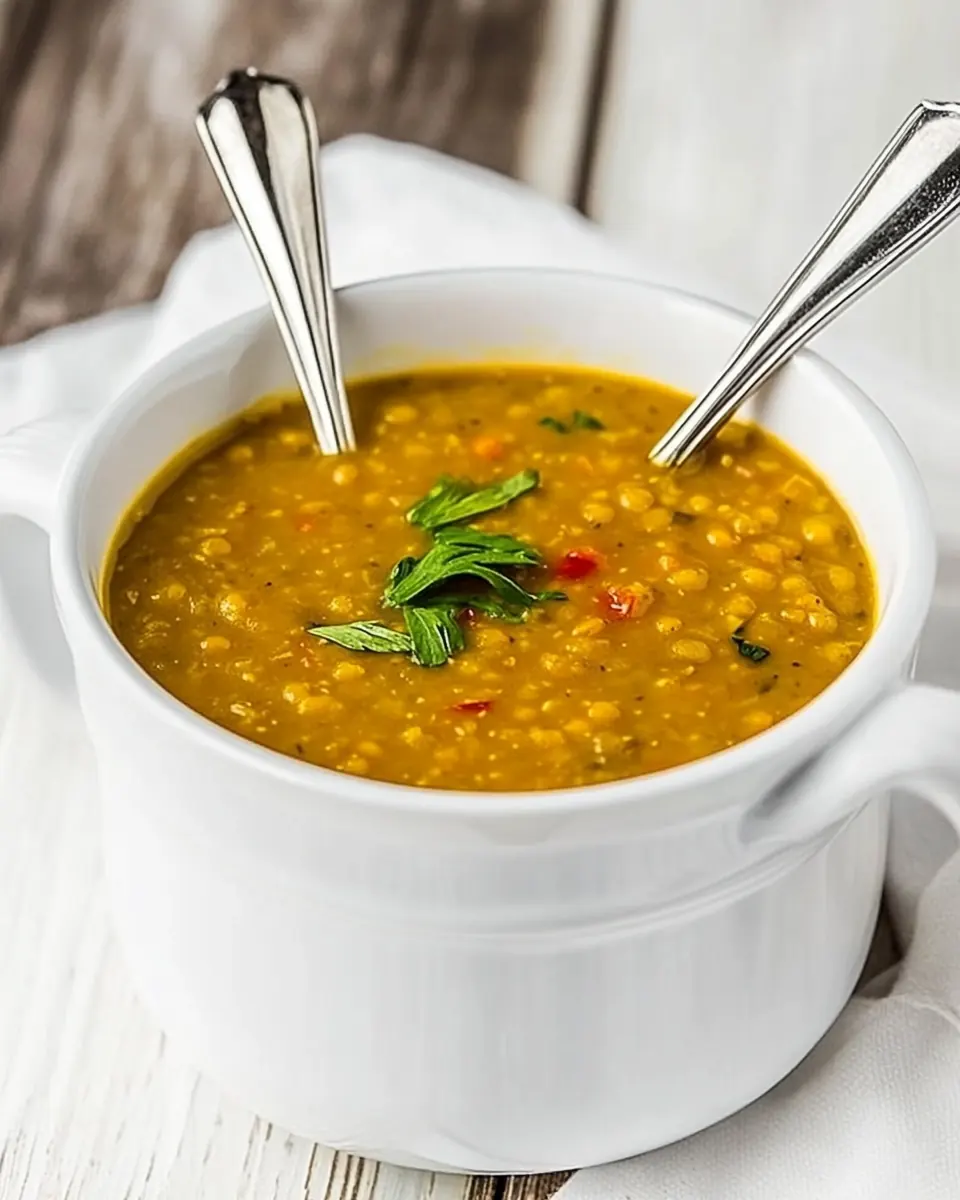
This is a slow, satisfying build where patience rewards you with comfort and depth. I write these steps to guide you through timing, sensory cues, and small choices that make a big difference. Keep a spoon nearby for tasting, and plan a couple of hours for the simmering so the yellow split peas can melt into that lovely, creamy texture.
- Cut up onion, celery, and green bell pepper into pieces about 1/2 inch.: The aroma from freshly cut onion , celery , and green bell pepper is bright and vegetal, and cutting them evenly to about a half inch ensures even cooking so no single piece over or undercooks. Listen for the faint rustle as you chop, and note the clean, green scent that rises. Evenness matters because it affects mouthfeel in the finished soup, and uneven pieces will create distracting textural pockets. A common mistake is hurrying this step and ending up with some pieces that are too large to soften during the simmer.
- Heat 1 tablespoon olive oil in a large heavy soup pot; then cook onion, celery, and green pepper over medium heat about 3-4 minutes.: At medium heat the olive oil will shimmer gently, and as you add the vegetables you should hear a light sizzle that settles into a soft, steady hiss. After three to four minutes the onion should be turning translucent, the celery should be tendering, and the green bell pepper should soften while keeping some color. This gentle sauté extracts sweetness without browning, which preserves a clean, balanced flavor. Avoid cranking the heat to rush things, as that risks caramelizing too soon and changing the soup's intended profile.
- Add the minced garlic, Italian herb seasoning, and ground fennel, and cook 1-2 minutes more.: When you add the garlic and dried seasonings you'll immediately notice an aromatic lift, a warm, savory perfume that blooms in the hot oil. Stir constantly so the garlic becomes fragrant but does not brown, which can impart bitterness. The ground fennel seed will release a subtle sweet licorice hint that pairs with the sweet Italian sausage later. This short cook time lets the spices bloom and integrate; burning is the main hazard here, so keep the heat controlled and watch closely.
- If you'd like the soup to be a bit more spicy, add about 1/4 tsp. red pepper flakes with the other spices.: Adding the red pepper flakes introduces a warm, building heat that becomes more pronounced as the soup reduces. You will smell a spicy note right away, and the finish on your palate will have a gentle bite. Start small because the heat concentrates during simmering and is hard to remove once it’s in. A typical error is adding too much early on, which can overpower the subtle pea sweetness.
- While the vegetables are cooking, heat the other tablespoon of oil in a large frying pan, squeeze the sausage out of the casings and brown well, breaking apart with the back of the turner as it cooks. (Don't rush this step; browning creates flavor.): As the olive oil warms in the pan you want it hot enough to make the sweet Italian sausage hiss and develop rich brown crusts, those caramelized bits that contribute umami. Use the back of your turner to break the sausage into small crumbles so it will disperse evenly through the soup. Browning builds deep savory flavors that a quick cook cannot replicate, and rushing this stage limits the Maillard reaction that gives the dish its signature depth. Avoid crowding the pan because that causes steaming instead of proper browning.
- We cooked the sausage in a separate pan so we didn't have so much fat in the finished soup, but you can push the vegetables over and brown the sausage in the soup pot if you prefer.: Doing this separately lets you control the fat content and remove excess oil if needed, which keeps the broth clearer and lighter. If you brown the meat in the soup pot, those browned bits attach to the bottom and impart deep flavor directly into the base, which is excellent if you like richer mouthfeel. The sensory difference is the slightly clearer broth versus a deeper, meatier base. The mistake to avoid is leaving too much rendered fat in the pot if you prefer a less greasy finish.
- Add browned sausage to the soup pot with yellow split peas and chicken stock.: When the browned sweet Italian sausage joins the pot you'll notice the aroma deepen as meat juices mingle with the softened vegetables and the raw edge of the peas. Pour in the chicken broth so the ingredients are fully submerged, and the surface will come alive with gentle bubbles as heat spreads through the pot. This union is where the flavors begin to marry, and your patience now will pay off in the stew like richness that forms as the peas break down. A common slip is not scraping any browned bits from the sausage pan into the soup, which wastes flavor.
- Let soup simmer at very low heat uncovered. After 45 minutes I tasted the soup to see if I wanted more red pepper (no!) and added 2 cups of water.: At a very low simmer you should see small, steady bubbles and hear a soft, intermittent pop, never a furious boil. After around forty five minutes the peas will be softening and the pot will smell deeply savory. I often taste at this point to adjust seasoning and texture, and sometimes add water to achieve the consistency I want because legumes absorb liquid as they cook. Avoid increasing heat to hurry things, as vigorous boiling can break down texture unevenly and cause splattering.
- Continue to cook, adding water as needed, until the split peas are very well done and starting to break down into the soup.: As you continue simmering the sound will become quieter and the surface smoother, while the aroma deepens. The yellow split peas will gradually lose their shape and integrate into a thick, velvety consistency. Stir occasionally to prevent sticking and to check texture, and add a splash of water if it becomes too thick. A typical mistake is not checking the peas for doneness often enough, which can result in over thickening or uneven tenderness.
- Total cooking time will be about 2 hours, or slightly longer depending on how old the yellow split peas are and how soft you want them.: Over the long simmer the flavors concentrate and meld, creating a cohesive, comforting profile. You will notice the broth transforming from clear to opaque and the mouthfeel becoming creamy without any dairy. Older dried legumes can take longer to soften, so remain flexible and judge by texture rather than clock time. Relying strictly on time risks serving undercooked peas if they are older than expected.
- Serve hot.: When the soup is ready the aroma will be warm and inviting, with the savory notes of sweet Italian sausage and the gentle sweetness of softened onion and yellow split peas in perfect balance. Ladle into bowls while steaming, and grind a little fresh black pepper on top if you like. A common serving mistake is letting it cool too long before tasting for final salt adjustment, because the flavor concentrates as it sits.
Making Adjustments
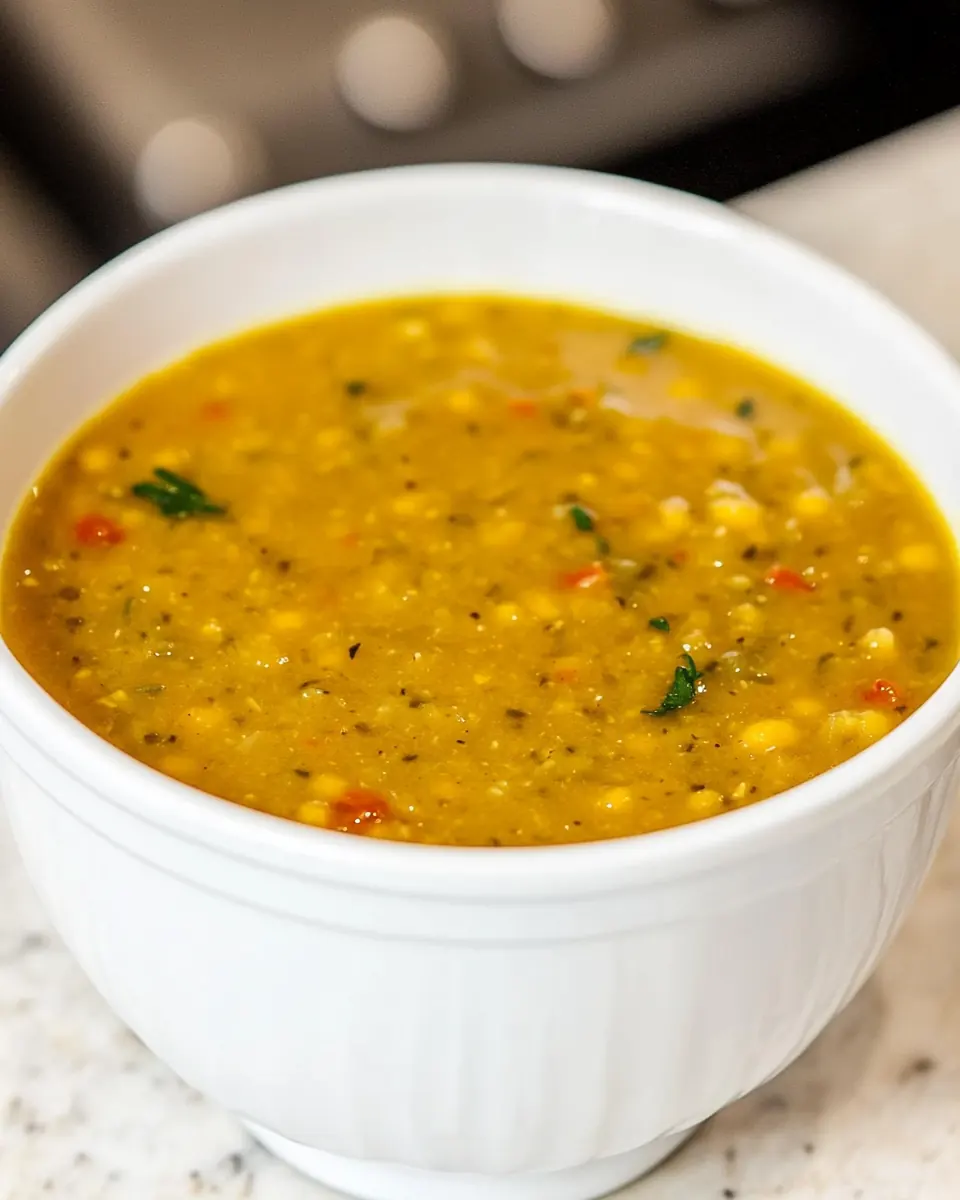
This section helps you adapt Yellow Split Pea Soup to your pantry and preferences. Small changes in technique or timing can shift texture and intensity, so I outline practical adjustments so you can make the soup your own while preserving its character.
- Reduce grease: If you prefer a lighter finished broth, brown the sweet Italian sausage in a separate pan and drain excess fat before adding it to the pot, which prevents the soup from feeling oily.
- Boost aroma: Toast the ground fennel seed briefly in the pan before adding it to the vegetables to release extra fragrance, but be careful not to burn it because burnt fennel tastes bitter.
- Smoother texture: For an ultra creamy finish, use an immersion blender to pulse part of the soup after the peas have broken down, leaving some chunkier bits for texture contrast.
- Milder garlic: If you are sensitive to garlic, reduce to half a tablespoon and add a bit more Italian seasoning to retain aromatic complexity without the sharpness.
- Control spice: Add red pepper flakes in small increments toward the end of cooking so you can dial heat precisely, because simmering intensifies spiciness over time.
- Stretch the pot: If you need more servings, add extra chicken broth and a cup of water earlier in the simmer, tasting as you go to rebalance seasoning so the flavor does not dilute.
Side Dish Ideas for Yellow Split Pea Soup
The right companions can elevate a bowl of Yellow Split Pea Soup. Here are thoughtful pairing ideas and serving scenarios so the meal feels complete and seasonally appropriate.
- Crusty bread: Serve with a warm, crusty loaf for dipping, which soaks up the creamy broth and adds textural contrast that is always satisfying at the table.
- Simple salad: A crisp green salad dressed lightly offers a bright counterpoint to the soup’s richness, making it a balanced lunch or light dinner option.
- Family dinners: This soup works beautifully for casual family meals during winter evenings, providing warm, comforting nourishment that satisfies multiple appetites.
- Meal prep: Make a large pot for easy weeknight reheating; the soup actually deepens in flavor after a day, which makes it ideal for planning ahead.
- Storage tips: Cool the soup to room temperature before refrigerating, store in airtight containers for up to four days, and gently reheat on the stove, adding a splash of water if it thickened too much.
- Seasonal pairings: In winter, pair with roasted root vegetables or a robust grain salad to make a hearty seasonal meal that feels cozy and complete.
FAQ
Conclusion
This Yellow Split Pea Soup stands out for its creamy texture and layered savory flavors, anchored by browned sweet Italian sausage and aromatic vegetables. It’s a recipe that rewards patience, forgiving adjustments, and it makes excellent leftovers. Give it a try on a chilly evening; it’s the kind of meal that warms hands and spirits while being straightforward to prepare. I hope it becomes one of your go to soups when you want something nourishing and reliably comforting.
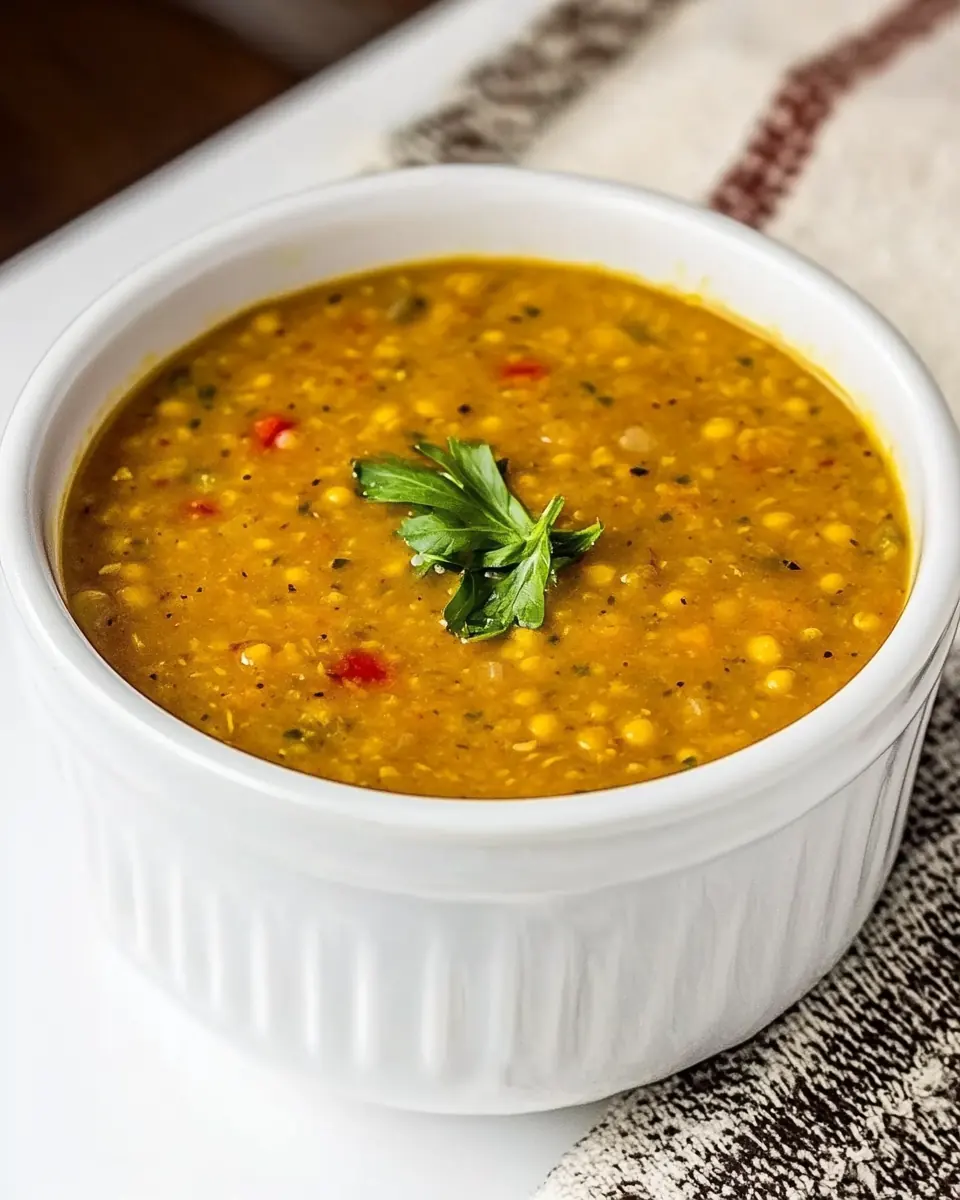
Yellow Split Pea Soup
Ingredients
Equipment
Method
- Cut up onion, celery, and green bell pepper into pieces about 1/2 inch.: The aroma from freshly cut onion , celery , and green bell pepper is bright and vegetal, and cutting them evenly to about a half inch ensures even cooking so no single piece over or undercooks. Listen for the faint rustle as you chop, and note the clean, green scent that rises. Evenness matters because it affects mouthfeel in the finished soup, and uneven pieces will create distracting textural pockets. A common mistake is hurrying this step and ending up with some pieces that are too large to soften during the simmer.
- Heat 1 tablespoon olive oil in a large heavy soup pot; then cook onion, celery, and green pepper over medium heat about 3-4 minutes.: At medium heat the olive oil will shimmer gently, and as you add the vegetables you should hear a light sizzle that settles into a soft, steady hiss. After three to four minutes the onion should be turning translucent, the celery should be tendering, and the green bell pepper should soften while keeping some color. This gentle sauté extracts sweetness without browning, which preserves a clean, balanced flavor. Avoid cranking the heat to rush things, as that risks caramelizing too soon and changing the soup's intended profile.
- Add the minced garlic, Italian herb seasoning, and ground fennel, and cook 1-2 minutes more.: When you add the garlic and dried seasonings you'll immediately notice an aromatic lift, a warm, savory perfume that blooms in the hot oil. Stir constantly so the garlic becomes fragrant but does not brown, which can impart bitterness. The ground fennel seed will release a subtle sweet licorice hint that pairs with the sweet Italian sausage later. This short cook time lets the spices bloom and integrate; burning is the main hazard here, so keep the heat controlled and watch closely.
- If you'd like the soup to be a bit more spicy, add about 1/4 tsp. red pepper flakes with the other spices.: Adding the red pepper flakes introduces a warm, building heat that becomes more pronounced as the soup reduces. You will smell a spicy note right away, and the finish on your palate will have a gentle bite. Start small because the heat concentrates during simmering and is hard to remove once it’s in. A typical error is adding too much early on, which can overpower the subtle pea sweetness.
- While the vegetables are cooking, heat the other tablespoon of oil in a large frying pan, squeeze the sausage out of the casings and brown well, breaking apart with the back of the turner as it cooks. (Don't rush this step; browning creates flavor.): As the olive oil warms in the pan you want it hot enough to make the sweet Italian sausage hiss and develop rich brown crusts, those caramelized bits that contribute umami. Use the back of your turner to break the sausage into small crumbles so it will disperse evenly through the soup. Browning builds deep savory flavors that a quick cook cannot replicate, and rushing this stage limits the Maillard reaction that gives the dish its signature depth. Avoid crowding the pan because that causes steaming instead of proper browning.
- We cooked the sausage in a separate pan so we didn't have so much fat in the finished soup, but you can push the vegetables over and brown the sausage in the soup pot if you prefer.: Doing this separately lets you control the fat content and remove excess oil if needed, which keeps the broth clearer and lighter. If you brown the meat in the soup pot, those browned bits attach to the bottom and impart deep flavor directly into the base, which is excellent if you like richer mouthfeel. The sensory difference is the slightly clearer broth versus a deeper, meatier base. The mistake to avoid is leaving too much rendered fat in the pot if you prefer a less greasy finish.
- Add browned sausage to the soup pot with yellow split peas and chicken stock.: When the browned sweet Italian sausage joins the pot you'll notice the aroma deepen as meat juices mingle with the softened vegetables and the raw edge of the peas. Pour in the chicken broth so the ingredients are fully submerged, and the surface will come alive with gentle bubbles as heat spreads through the pot. This union is where the flavors begin to marry, and your patience now will pay off in the stew like richness that forms as the peas break down. A common slip is not scraping any browned bits from the sausage pan into the soup, which wastes flavor.
- Let soup simmer at very low heat uncovered. After 45 minutes I tasted the soup to see if I wanted more red pepper (no!) and added 2 cups of water.: At a very low simmer you should see small, steady bubbles and hear a soft, intermittent pop, never a furious boil. After around forty five minutes the peas will be softening and the pot will smell deeply savory. I often taste at this point to adjust seasoning and texture, and sometimes add water to achieve the consistency I want because legumes absorb liquid as they cook. Avoid increasing heat to hurry things, as vigorous boiling can break down texture unevenly and cause splattering.
- Continue to cook, adding water as needed, until the split peas are very well done and starting to break down into the soup.: As you continue simmering the sound will become quieter and the surface smoother, while the aroma deepens. The yellow split peas will gradually lose their shape and integrate into a thick, velvety consistency. Stir occasionally to prevent sticking and to check texture, and add a splash of water if it becomes too thick. A typical mistake is not checking the peas for doneness often enough, which can result in over thickening or uneven tenderness.
- Total cooking time will be about 2 hours, or slightly longer depending on how old the yellow split peas are and how soft you want them.: Over the long simmer the flavors concentrate and meld, creating a cohesive, comforting profile. You will notice the broth transforming from clear to opaque and the mouthfeel becoming creamy without any dairy. Older dried legumes can take longer to soften, so remain flexible and judge by texture rather than clock time. Relying strictly on time risks serving undercooked peas if they are older than expected.
- Serve hot.: When the soup is ready the aroma will be warm and inviting, with the savory notes of sweet Italian sausage and the gentle sweetness of softened onion and yellow split peas in perfect balance. Ladle into bowls while steaming, and grind a little fresh black pepper on top if you like. A common serving mistake is letting it cool too long before tasting for final salt adjustment, because the flavor concentrates as it sits.
Notes
- Reduce grease: If you prefer a lighter finished broth, brown the sweet Italian sausage in a separate pan and drain excess fat before adding it to the pot, which prevents the soup from feeling oily.
- Boost aroma: Toast the ground fennel seed briefly in the pan before adding it to the vegetables to release extra fragrance, but be careful not to burn it because burnt fennel tastes bitter.
- Smoother texture: For an ultra creamy finish, use an immersion blender to pulse part of the soup after the peas have broken down, leaving some chunkier bits for texture contrast.
- Milder garlic: If you are sensitive to garlic, reduce to half a tablespoon and add a bit more Italian seasoning to retain aromatic complexity without the sharpness.
- Control spice: Add red pepper flakes in small increments toward the end of cooking so you can dial heat precisely, because simmering intensifies spiciness over time.
- Stretch the pot: If you need more servings, add extra chicken broth and a cup of water earlier in the simmer, tasting as you go to rebalance seasoning so the flavor does not dilute.