Homemade French Toast Sticks
Homemade French Toast Sticks are the kind of comfort food I reach for when I want something nostalgic, easy to eat, and endlessly dippable. I first learned to make these on a rainy Saturday morning when my kitchen smelled like warm butter and cinnamon, and the kids queued up for another round of sticky fingers and laughing mouths. That memory still guides how I treat this recipe, aiming for crisp exteriors and tender, custardy centers that bring back sleepy weekend breakfasts.
When I make Homemade French Toast Sticks now, I think about texture and timing. I like to start with bread that has a little age on it, so each stick holds its shape when dunked in custard. I also pay attention to temperature, using a medium hot skillet so the outside caramelizes nicely while the inside stays soft. The ritual of dipping, frying, and rolling in cinnamon sugar has always been my favorite part, probably because it feels both mindful and playful.
Recipe Snapshot
25 mins
15 mins
10 mins
Medium
250 kcal
American
Gluten-Free, Vegan
Breakfast
Large nonstick skillet, Baking sheet, Baking rack, Mixing bowls, Whisk
The Beauty of This Homemade French Toast Sticks
Classic crowd pleaser that everyone remembers
I love that Homemade French Toast Sticks instantly reads as a dish people associate with childhood breakfasts. I know when I bring a plate to the table, the room changes. The smell of butter and warm cinnamon pulls people in, and the familiar shape of the sticks makes them easy to share, which is why I often make a large batch.
Fast to pull together with pantry staples
I value recipes that are practical, and this one uses simple items like eggs, milk, and flour that I usually have on hand. Because of that, I can throw them together without a special trip to the store. The minimal ingredient list also means fewer steps, and I can get breakfast on the table quickly when mornings are hectic.
Flexible with bread choices
I’ve made these sticks with brioche, challah, and other thick slices, and each bread gives a slightly different result. I prefer slightly stale, denser bread because it soaks custard just enough to stay tender without becoming floppy. That flexibility makes this recipe forgiving, and I often use whatever loaf I have left over at the end of the week.
Perfect balance of crisp and tender
The magic here is texture. I want the outside to be golden and slightly crisp, while the center remains custardy and soft. I do this by briefly dunking the sticks, using medium heat, and finishing them in the oven to stay warm. That technique keeps the coating from falling off, and gives a satisfying contrast of textures in every bite.
Endless dipping and serving options
I appreciate how many ways there are to serve these. From classic maple syrup to fruit sauces like strawberry sauce or blueberry sauce, each dip changes the experience. I like offering several choices at the table, so guests can mix and match flavors, turning one simple dish into a memorable brunch spread.
What to Gather for Homemade French Toast Sticks
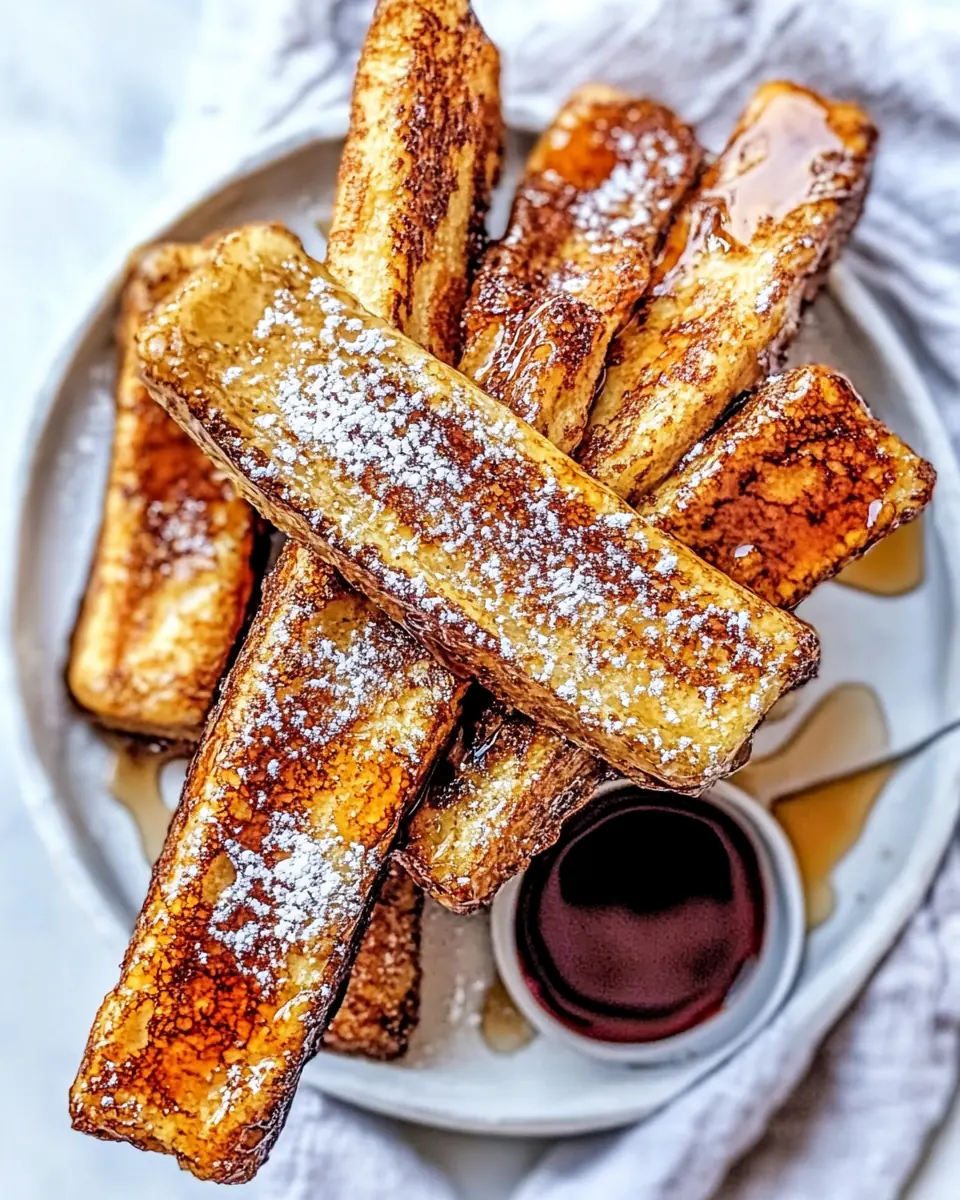
These ingredients all play their part in creating the right texture and flavor. The eggs and milk form the custard base that soaks into the bread, giving that creamy interior. The flour helps bind the custard and gives a light coating, while the sugars and cinnamon create the crunchy, sweet crust. I treat each item as a key player, and together they produce a stick that is crisp outside and soft inside.
- 8 slices 3/4-inch thick, stale bread – See Step 1 (brioche – my fav, challah or Texas Toast): Slice and use to form the base for the sticks; slightly stale, 3/4-inch thick loaves hold shape and soak up custard without falling apart. Choose brioche, challah, or Texas Toast for rich flavor and tender crumb that crisps nicely when cooked. Ensure pieces are uniform for even cooking and easy cutting into sticks.
- butter and vegetable or coconut oil for cooking: Melt and combine for frying to achieve a golden, crispy exterior; butter adds flavor while vegetable or coconut oil raises the smoke point and prevents burning. Use a balance of butter and oil to get rich taste and even browning without smoking. Adjust amounts as needed to maintain pan temperature and avoid soggy bread.
- 1/4 cup flour (gluten-free is fine): Whisk into the custard to slightly thicken and help the coating adhere, with gluten–free versions acceptable to accommodate dietary needs. Provide a light dusting or small amount mixed with wet ingredients to improve texture and give a thin, crisp layer when cooked. Keep measurements accurate to avoid a gummy coating.
- 1/2 cup milk: Whisk with eggs to form the liquid custard that soaks into the bread, contributing moisture and a tender interior. Use any dairy or dairy-free alternative; milk fat affects richness and mouthfeel. Ensure milk is well combined with other wet ingredients for smooth, even soaking.
- 4 eggs: Beat together to create the egg-rich custard that firms the sticks when cooked and provides structure, color, and richness. Use four eggs for a balanced protein-to-liquid ratio that yields a custardy interior. Beat until homogenous so eggs incorporate evenly into the milk and flavorings.
- 2 tablespoons light brown sugar: Dissolve into the custard for mild sweetness and depth, lightly caramelizing during cooking to enhance flavor. Use light brown sugar for a hint of molasses and a softer texture than granulated sugar. Stir until fully incorporated to prevent graininess in the custard.
- 2 teaspoons vanilla extract: Blend into the custard to add aromatic sweetness and a warm vanilla note that complements the bread and sugars. Use pure vanilla extract for best flavor impact and add it after eggs are beaten to preserve aroma. Measure carefully to avoid overpowering the mixture.
- 1/4 teaspoons salt: Season the custard lightly to balance sweetness and enhance overall flavor; a small amount prevents blandness. Dissolve fully into the wet ingredients to distribute evenly. Adjust slightly if using salted butter or other salty toppings.
- pinch of nutmeg: Grate or sprinkle for a subtle warm spice that pairs well with cinnamon and vanilla, adding complexity without overwhelming the custard. Use a pinch to keep the nutmeg as a background note rather than a dominant flavor. Mix into the liquid ingredients so it disperses evenly.
- 1/2 cup granulated sugar: Coat cooked sticks in for a crunchy, sweet outer layer or mix with cinnamon as a finishing touch; granulated sugar gives pleasant texture contrast. Use after frying while sticks are hot so sugar adheres well, creating a caramelized bite. Combine with cinnamon for classic taste.
- 1 1/2 tsp ground cinnamon: Combine with granulated sugar to make a cinnamon–sugar coating that provides warm spice and visual appeal; cinnamon balances the sweetness. Measure 1 1/2 teaspoons for a pronounced but not overpowering flavor when mixed with sugar. Toss hot sticks in the mixture for even coverage.
- maple syrup, peanut butter, or nut butter: Serve as a dipping option that pairs creamy, salty richness with the sweet sticks; maple syrup or nut butter adds variety to textures and flavors. Offer peanut butter or alternative nut butters for protein and a savory contrast to the sweet coating. Warm slightly if needed for easier dipping or spreading.
- strawberry sauce: Drizzle as a bright, fruity accompaniment that introduces tartness and natural sweetness, complementing the rich custard. Use as a dipping sauce or spoon alongside plated sticks for color and flavor contrast. Adjust sweetness to match accompanying syrups or toppings.
- blueberry sauce: Pour as a sweet-tart option that highlights berries and pairs well with cinnamon-coated sticks, adding freshness and acidity. Serve in small ramekins for dipping or spoon over a stack for a decorative finish. Provide chilled or slightly warmed depending on desired contrast.
- apple syrup: Use as an alternative syrup with apple flavor that brings autumnal spice and sweetness to the dish, matching well with nutmeg and cinnamon. Serve as a dipping sauce or drizzle for added moisture and fruity nuance. Warm gently to enhance aroma and pourability.
Preparation Steps for Homemade French Toast Sticks
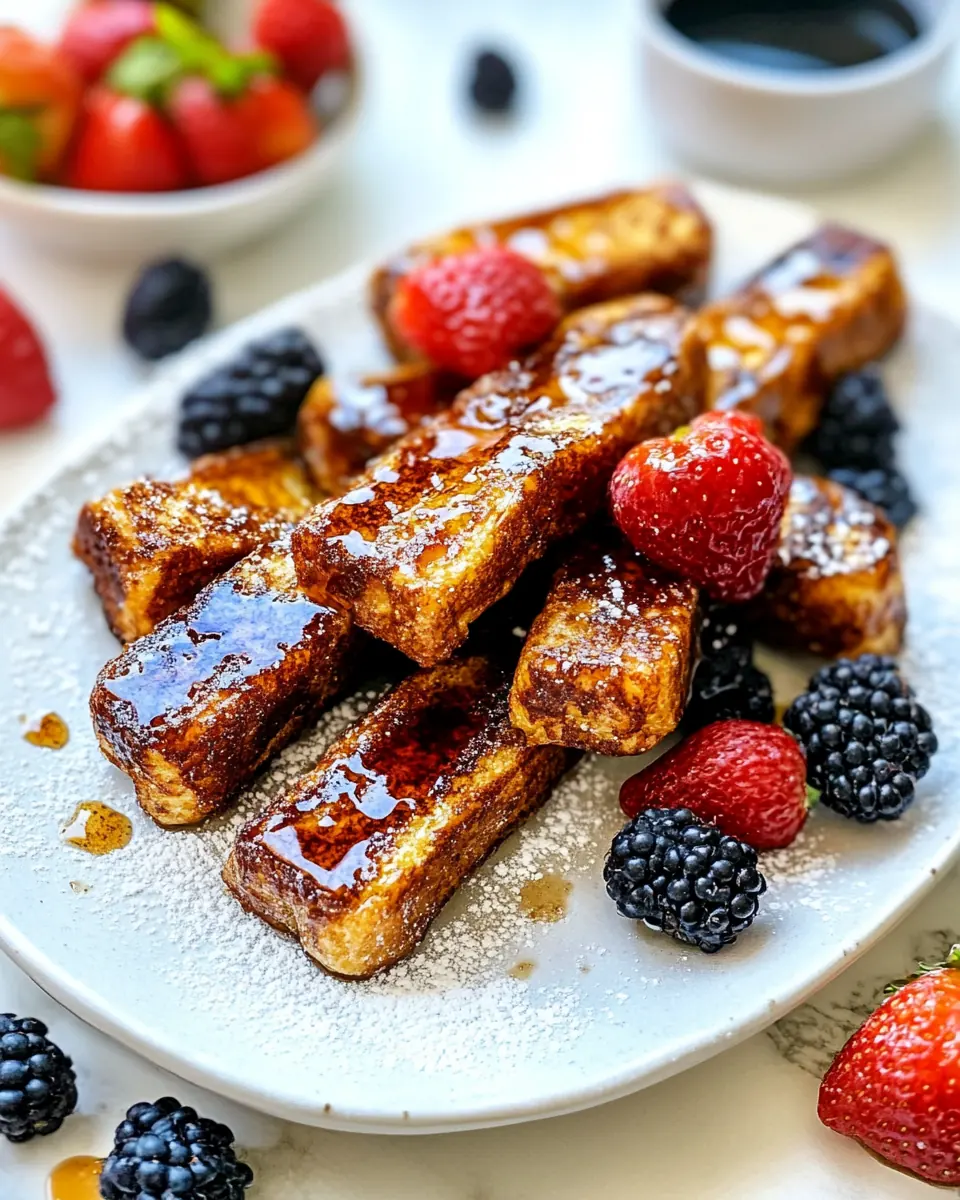
These steps are broken into clear actions that help you get golden, tender sticks every time. I like to move steadily, prepping bread first and keeping a warm oven ready so cooked sticks hold texture between batches. Read each numbered step fully before you begin frying to avoid surprises at the skillet.
- Prep Stale Bread: Remove the bread from the package and let it rest on the counter, uncovered, for one day. Alternatively, place a baking rack inside a baking sheet and arrange the bread in a single layer. Bake at 300°F 10-12 minutes, until the bread dries out. (The staler the bread, the stiffer the sticks/won’t be floppy.): The air smells faintly of toasted starch as the bread dries, and you will notice the slices become slightly firm at the edges, which is the cue they have lost excess moisture and will soak custard without collapsing. This step matters because staler bread soaks more evenly, giving you sticks that are custardy inside but not floppy. A common slip up is skipping drying time, which often leads to soggy results; if you are short on time, use the oven method at a low temperature and watch carefully so the bread does not brown, just dry. When you bake at 300°F for about 10 to 12 minutes, the aroma will turn pleasantly toasty, and the surface will feel drier to the touch.
- Prep Oven: Preheat the oven to 200°F to warm the sticks between batches. Place a baking rack inside a baking sheet and place in the middle rack of the oven.: You will feel the oven heat and see the rack ready to cradle your trays, and that gentle warmth keeps cooked sticks from losing crispness as you finish the batch. Keeping them warm at 200°F prevents steam from re-softening the coating while you continue to cook. This step is important because it preserves texture between batches. Avoid placing the sticks directly on a hot pan, which can overcook bottoms; instead use a rack on a sheet to allow air circulation.
- Cinnamon and Sugar: Whisk together in a medium bowl (large enough to toss 4-6 French Toast Sticks in), then set aside.: When you whisk the granulated sugar and cinnamon together, you release a spicy sweet scent that signals the coating is ready. Tossing warm sticks in this mix yields a fragrant crust that shimmers slightly with sugar. The why is simple, the sugar melts a touch on contact and adheres to the warm surface, giving that classic crunch. A mistake to avoid is making the mixture too coarse or too fine; keep it balanced so it clings but does not become powdery.
- Cut Bread: Slice the crust off of the bread slices. Cut each slice into 3 equal thick batons (slice lengthwise; for me, this created 1-inch thick slices – see pics in post).: As you slice the crust and cut each piece into batons, you will notice uniform pieces cook more evenly and look invitingly consistent on the plate. Slicing into three equal sticks creates about 1 inch thick pieces for me, which is a perfect size for dipping and frying. Proper sizing ensures even cooking; if pieces vary wildly in thickness, some will burn while others remain undercooked. Use a sharp knife and steady pressure to keep edges neat and avoid tearing the loaf.
- Make Custard: Add the milk and flour to a shallow bowl and whisk until thoroughly blended. Whisk in the remaining custard ingredients (eggs, brown sugar, vanilla, salt, nutmeg).: Whisking together the milk and flour first smooths out lumps, and then adding the eggs , light brown sugar , vanilla , salt , and nutmeg creates a fragrant, even custard that clings to the bread without weighing it down. You will see the mixture thicken slightly and take on a soft golden hue from the eggs and brown sugar. This technique ensures the custard cooks to a creamy interior rather than curdling or separating. A common error is overheating eggs when whisking with hot liquid, so keep the temperature room temp and combine gently.
- Prep Skillet: Melt one tablespoon of butter with one tablespoon of oil in a large nonstick skillet over medium heat.: When the butter melts and the oil shimmers, the skillet gives off a warm, nutty scent and slight sizzling as you test a breadcrumb. This blend of butter and oil prevents burning while delivering flavor. Use medium heat so the surface browns gradually and the interior has time to set. The wrong move is turning the heat too high; you will get a dark crust and an undercooked center. Keep a spatula ready to turn pieces gracefully without tearing.
- Batter Bread: Roll 4-6 sticks in the custard (do not soak them longer than 3 seconds, or they can become soggy), shake off the excess, and transfer to the HOT skillet.: As you dip sticks, they should be dampened but not dripping; you will feel the custard coat the surface in a thin film. Limiting soak time to about three seconds prevents over-saturation, which causes limp, greasy sticks. The short dunk_time ensures the exterior will crisp and the middle stays tender. If you soak longer, the bread will collapse; use a quick roll and a gentle shake to remove excess before hitting the hot pan.
- Cook: Cook until golden brown, turning to cook each side. Adjust the heat as needed to cook without burning. If your sticks are soggy (and you’ve used the correct, stale bread), you’re soaking the bread too long or not cooking long enough.: When the sticks hit the skillet they give a faint sizzle and the edges begin to turn an inviting golden brown, that visual cue tells you it is time to flip. Turning every side ensures even caramelization and a pleasant crust all around. Cooking at medium heat allows the egg matrix to set slowly, yielding a creamy interior. If your pan is too cool, the sticks will absorb more oil and remain soggy; if too hot, they will char. Adjust the flame and watch for a deep golden color.
- Coat: Immediately transfer to the cinnamon and sugar and roll to coat (do this while they’re still warm, or the coating won’t stick).: Rolling the hot sticks in the cinnamon sugar while they are still warm allows the sugar to melt slightly and adhere, creating a crunchy, spiced shell. You will see the sugar cling and form a faint glaze that sparkles under light. Doing this immediately is important, because as the sticks cool the coating will not stick as well. A frequent mistake is waiting too long to coat, which results in loose sugar that falls off when served.
- Keep Warm: Transfer the French Toast Sticks to the baking sheet in the oven to keep warm until ready to serve. Repeat until the custard or bread is gone, adding butter and oil as needed.: As you place sticks on the rack in the 200°F oven, they stay crisp and ready to serve without steaming each other. You will notice the surface maintains its crunch and the interior remains tender when you plate them. This holding method prevents sogginess between batches. Avoid stacking the sticks, because trapped steam will soften the crust and ruin the texture.
- Serve: Serve warm with maple syrup or desired dippers.: Serving warm with maple syrup or other dippers makes each bite lively and communal, and the aromas of butter and spices invite immediate tasting. Lay them out with small bowls of sauces so guests can choose their favorite dip. Serving hot ensures the contrast between crisp coating and soft center is at its peak. A poor choice is serving them cold, which flattens flavors and softens the crust.
Change It Up
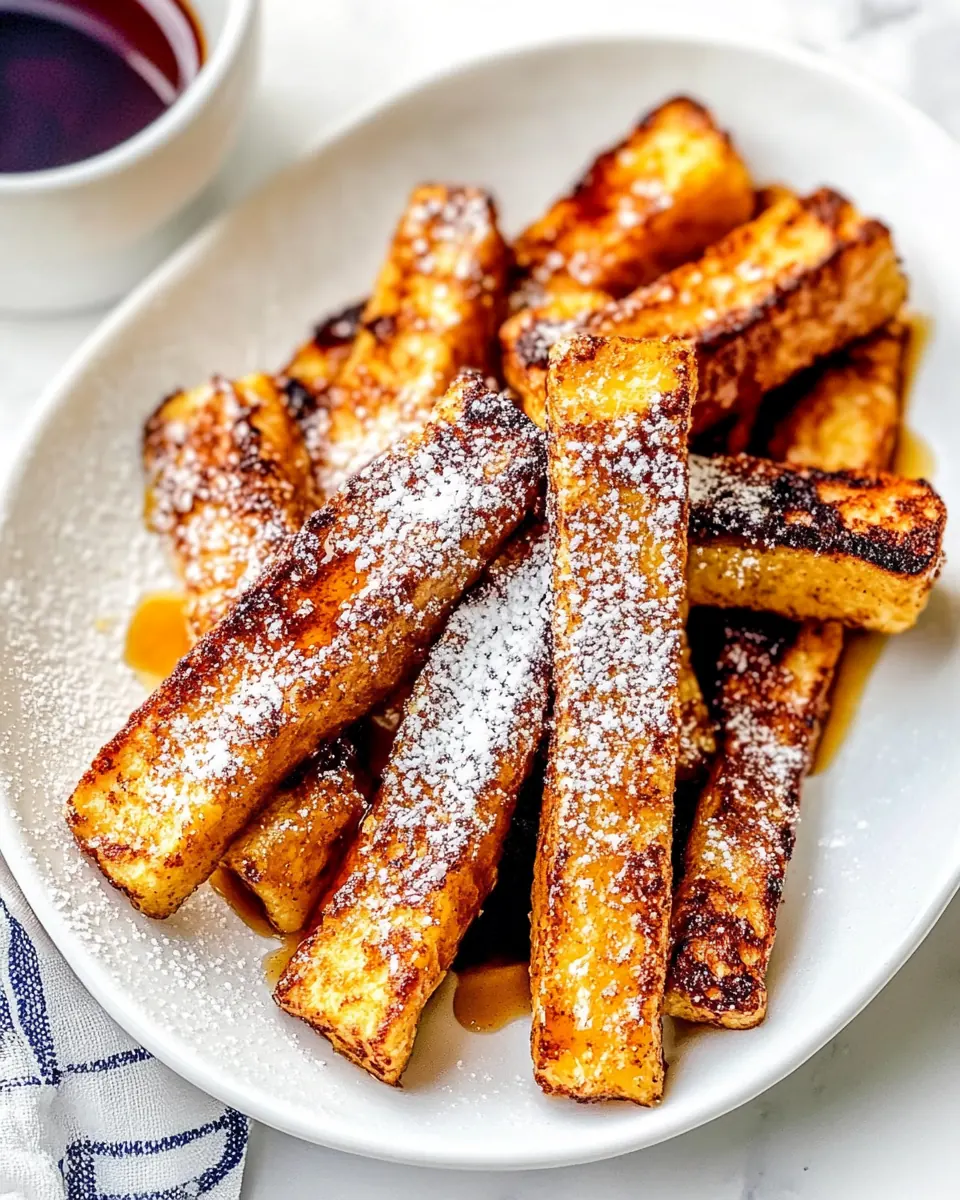
If you want to tweak the recipe, there are many ways to change texture, flavor, and presentation. Below I share ideas for different dippers, ways to freeze and reheat, and simple swaps that personalize the result without breaking the technique.
- Swap the bread: Try brioche for richness or challah for chewiness; each loaf alters mouthfeel while keeping the method identical.
- Adjust sweetness: Change the ratio of light brown sugar in the custard to make it more or less sweet depending on preferences.
- Spice variation: Add a pinch extra nutmeg or a small sprinkle of ground cardamom to the custard for a warm, aromatic shift.
- Dipper ideas: Offer a trio of maple syrup, strawberry sauce, and blueberry sauce so guests can mix flavors and keep the meal interactive.
- Batch cooking: Flash freeze cooked sticks on a tray before bagging to preserve crispness for long term storage and easy reheating.
- Texture control: If you want extra crunch, dust the sticks in a fine breadcrumb before frying for a different exterior crunch.
- Heat management: Keep the skillet at medium heat and add small amounts of fat between batches to maintain consistent browning.
What to Serve With Homemade French Toast Sticks
These sticks are versatile and fit many occasions, from cozy weekend breakfasts to quick school morning plates. Consider pairing them with fresh fruit or a variety of sauces to let guests customize each bite. Keep extras warm in a low oven while you finish cooking to maintain texture.
- Sweet breakfast spread: Serve with bowls of maple syrup, strawberry sauce, and blueberry sauce for a family style morning where everyone picks a favorite dip.
- Kid friendly snack: Offer small dipping cups of peanut butter or nut butter alongside the sticks for protein rich, hand friendly eating that kids love.
- Brunch buffet idea: Lay sticks on a warming rack with labels for each sauce and include fresh berries for color; this makes a visually appealing, interactive station for guests.
- Seasonal pairings: In autumn, pair with apple syrup and warm spiced ciders to echo cozy seasonal flavors.
- Storage tips: Refrigerate cooled sticks with parchment between layers for up to four days, or freeze in single layers then bag for up to two months.
- Reheating methods: For best texture, reheat in a 375°F oven or air fryer for a few minutes to revive crispness, microwaving will warm but soften the crust.
- Occasions: Great for weekend family breakfasts, casual brunches, or a make ahead option for busy school mornings when you want something comforting and quick.
FAQ
Conclusion
Homemade French Toast Sticks stand out for their perfect balance of crisp exterior and tender, custardy center, plus the joy of dipping into your favorite sauces. Give them a try on a relaxed morning or for a lively brunch, and you will likely find they become a repeat favorite for family gatherings. I hope this recipe inspires you to experiment with breads and dippers, and that it brings warm, sticky smiles to your table.
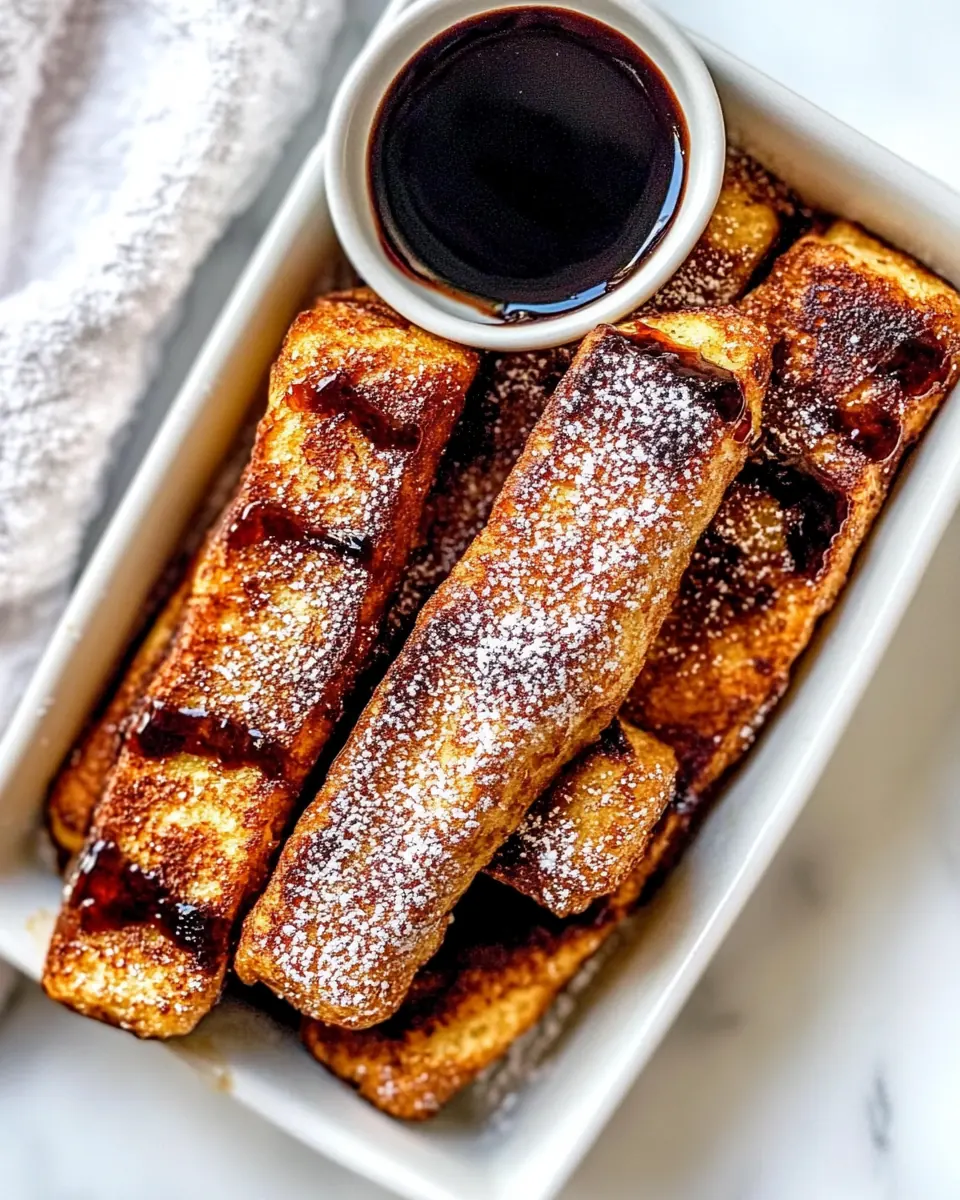
Homemade French Toast Sticks
Ingredients
Equipment
Method
- Prep Stale Bread: Remove the bread from the package and let it rest on the counter, uncovered, for one day. Alternatively, place a baking rack inside a baking sheet and arrange the bread in a single layer. Bake at 300°F 10-12 minutes, until the bread dries out. (The staler the bread, the stiffer the sticks/won’t be floppy.): The air smells faintly of toasted starch as the bread dries, and you will notice the slices become slightly firm at the edges, which is the cue they have lost excess moisture and will soak custard without collapsing. This step matters because staler bread soaks more evenly, giving you sticks that are custardy inside but not floppy. A common slip up is skipping drying time, which often leads to soggy results; if you are short on time, use the oven method at a low temperature and watch carefully so the bread does not brown, just dry. When you bake at 300°F for about 10 to 12 minutes, the aroma will turn pleasantly toasty, and the surface will feel drier to the touch.
- Prep Oven: Preheat the oven to 200°F to warm the sticks between batches. Place a baking rack inside a baking sheet and place in the middle rack of the oven.: You will feel the oven heat and see the rack ready to cradle your trays, and that gentle warmth keeps cooked sticks from losing crispness as you finish the batch. Keeping them warm at 200°F prevents steam from re-softening the coating while you continue to cook. This step is important because it preserves texture between batches. Avoid placing the sticks directly on a hot pan, which can overcook bottoms; instead use a rack on a sheet to allow air circulation.
- Cinnamon and Sugar: Whisk together in a medium bowl (large enough to toss 4-6 French Toast Sticks in), then set aside.: When you whisk the granulated sugar and cinnamon together, you release a spicy sweet scent that signals the coating is ready. Tossing warm sticks in this mix yields a fragrant crust that shimmers slightly with sugar. The why is simple, the sugar melts a touch on contact and adheres to the warm surface, giving that classic crunch. A mistake to avoid is making the mixture too coarse or too fine; keep it balanced so it clings but does not become powdery.
- Cut Bread: Slice the crust off of the bread slices. Cut each slice into 3 equal thick batons (slice lengthwise; for me, this created 1-inch thick slices - see pics in post).: As you slice the crust and cut each piece into batons, you will notice uniform pieces cook more evenly and look invitingly consistent on the plate. Slicing into three equal sticks creates about 1 inch thick pieces for me, which is a perfect size for dipping and frying. Proper sizing ensures even cooking; if pieces vary wildly in thickness, some will burn while others remain undercooked. Use a sharp knife and steady pressure to keep edges neat and avoid tearing the loaf.
- Make Custard: Add the milk and flour to a shallow bowl and whisk until thoroughly blended. Whisk in the remaining custard ingredients (eggs, brown sugar, vanilla, salt, nutmeg).: Whisking together the milk and flour first smooths out lumps, and then adding the eggs , light brown sugar , vanilla , salt , and nutmeg creates a fragrant, even custard that clings to the bread without weighing it down. You will see the mixture thicken slightly and take on a soft golden hue from the eggs and brown sugar. This technique ensures the custard cooks to a creamy interior rather than curdling or separating. A common error is overheating eggs when whisking with hot liquid, so keep the temperature room temp and combine gently.
- Prep Skillet: Melt one tablespoon of butter with one tablespoon of oil in a large nonstick skillet over medium heat.: When the butter melts and the oil shimmers, the skillet gives off a warm, nutty scent and slight sizzling as you test a breadcrumb. This blend of butter and oil prevents burning while delivering flavor. Use medium heat so the surface browns gradually and the interior has time to set. The wrong move is turning the heat too high; you will get a dark crust and an undercooked center. Keep a spatula ready to turn pieces gracefully without tearing.
- Batter Bread: Roll 4-6 sticks in the custard (do not soak them longer than 3 seconds, or they can become soggy), shake off the excess, and transfer to the HOT skillet.: As you dip sticks, they should be dampened but not dripping; you will feel the custard coat the surface in a thin film. Limiting soak time to about three seconds prevents over-saturation, which causes limp, greasy sticks. The short dunk_time ensures the exterior will crisp and the middle stays tender. If you soak longer, the bread will collapse; use a quick roll and a gentle shake to remove excess before hitting the hot pan.
- Cook: Cook until golden brown, turning to cook each side. Adjust the heat as needed to cook without burning. If your sticks are soggy (and you’ve used the correct, stale bread), you’re soaking the bread too long or not cooking long enough.: When the sticks hit the skillet they give a faint sizzle and the edges begin to turn an inviting golden brown, that visual cue tells you it is time to flip. Turning every side ensures even caramelization and a pleasant crust all around. Cooking at medium heat allows the egg matrix to set slowly, yielding a creamy interior. If your pan is too cool, the sticks will absorb more oil and remain soggy; if too hot, they will char. Adjust the flame and watch for a deep golden color.
- Coat: Immediately transfer to the cinnamon and sugar and roll to coat (do this while they’re still warm, or the coating won’t stick).: Rolling the hot sticks in the cinnamon sugar while they are still warm allows the sugar to melt slightly and adhere, creating a crunchy, spiced shell. You will see the sugar cling and form a faint glaze that sparkles under light. Doing this immediately is important, because as the sticks cool the coating will not stick as well. A frequent mistake is waiting too long to coat, which results in loose sugar that falls off when served.
- Keep Warm: Transfer the French Toast Sticks to the baking sheet in the oven to keep warm until ready to serve. Repeat until the custard or bread is gone, adding butter and oil as needed.: As you place sticks on the rack in the 200°F oven, they stay crisp and ready to serve without steaming each other. You will notice the surface maintains its crunch and the interior remains tender when you plate them. This holding method prevents sogginess between batches. Avoid stacking the sticks, because trapped steam will soften the crust and ruin the texture.
- Serve: Serve warm with maple syrup or desired dippers.: Serving warm with maple syrup or other dippers makes each bite lively and communal, and the aromas of butter and spices invite immediate tasting. Lay them out with small bowls of sauces so guests can choose their favorite dip. Serving hot ensures the contrast between crisp coating and soft center is at its peak. A poor choice is serving them cold, which flattens flavors and softens the crust.
Notes
- Swap the bread: Try brioche for richness or challah for chewiness; each loaf alters mouthfeel while keeping the method identical.
- Adjust sweetness: Change the ratio of light brown sugar in the custard to make it more or less sweet depending on preferences.
- Spice variation: Add a pinch extra nutmeg or a small sprinkle of ground cardamom to the custard for a warm, aromatic shift.
- Dipper ideas: Offer a trio of maple syrup, strawberry sauce, and blueberry sauce so guests can mix flavors and keep the meal interactive.
- Batch cooking: Flash freeze cooked sticks on a tray before bagging to preserve crispness for long term storage and easy reheating.
- Texture control: If you want extra crunch, dust the sticks in a fine breadcrumb before frying for a different exterior crunch.
- Heat management: Keep the skillet at medium heat and add small amounts of fat between batches to maintain consistent browning.