Perfect Apple Pie
Perfect Apple Pie is the kind of recipe I reach for when the house smells like cinnamon and everyone drifts to the kitchen without being summoned.
There are years when I baked pies every week, learning how the crust responds to touch, how the apples sing when they meet heat, and how patience changes texture. I remember one autumn afternoon when the first cool breeze arrived and I pulled this pie from the oven, the crust a warm golden halo and the kitchen buzzing with the soft hiss of cooling juices. My partner insisted we cut a slice immediately, but I let it rest, and the reward felt deserved when the filling set and the flavors married into something almost nostalgic.
I love that Perfect Apple Pie is both approachable and impressive. The recipe doesn’t demand exotic gadgets, yet it teaches you craft. Each time I assemble the crust and layer the apples, I think about small choices that matter: cold butter for flakiness, a mix of sweet and tart apples for depth, and a quick simmer to coax out juices that will thicken just right. You will find comfort in the rhythm of rolling, filling, and crimping, and there is real satisfaction in slicing a neat wedge that holds together. Over the years I’ve learned to savor the quiet moments in baking, and this recipe rewards that calm attention.
Recipe Snapshot
2 hr 15 mins
60 mins
75 mins
Hard
350 kcal
American
Gluten-Free, Paleo
Desserts
Food processor, Rolling pin, 9 inch pie pan, Dutch oven, Baking sheet, Wire rack
What’s Great About This Perfect Apple Pie
Classic, reliable results
I adore how Perfect Apple Pie delivers a classic profile that everyone recognizes, yet it never feels stale. The careful mix of flour, a touch of granulated sugar, and the cold unsalted butter creates a crust that browns beautifully and flakes in the right places. I rely on this formula when I want a fail proof dessert that still feels homemade and heartfelt.
Textural harmony
The recipe balances tender, saucy apples with a crisp, buttery crust. Using both all purpose flour and cornstarch in the filling gives you a glossy, clingy sauce rather than a runny mess. I’ve learned that this little trick preserves the bite of the apple while keeping the filling sliceable, and I always appreciate a pie that plates neatly.
Technique that teaches
Every step in this recipe is an opportunity to build confidence. Chilling the dough, rolling it with a light hand, and letting the cooked filling cool before assembling are small choices that add up. I like showing home bakers how these techniques make the difference between a pie that falls apart and one that looks bakery worthy.
Seasonal and nostalgic
This pie sings in the fall, when apples are at their best. I always encourage mixing varietals for a layered flavor profile. The aroma of cinnamon, brown sugar, and baking apples fills the house in a way that invites conversation and slow eating. It’s the kind of dessert that becomes part of a family ritual, and I’ve seen it anchor holiday tables more times than I can count.
Flexible and forgiving
Whether you are making the crust by hand or using a food processor, the recipe adapts. I appreciate recipes that forgive small mistakes, and this one does. It gives you room to learn while still producing a memorable, luscious pie at the end of the day.
Perfect Apple Pie Shopping List
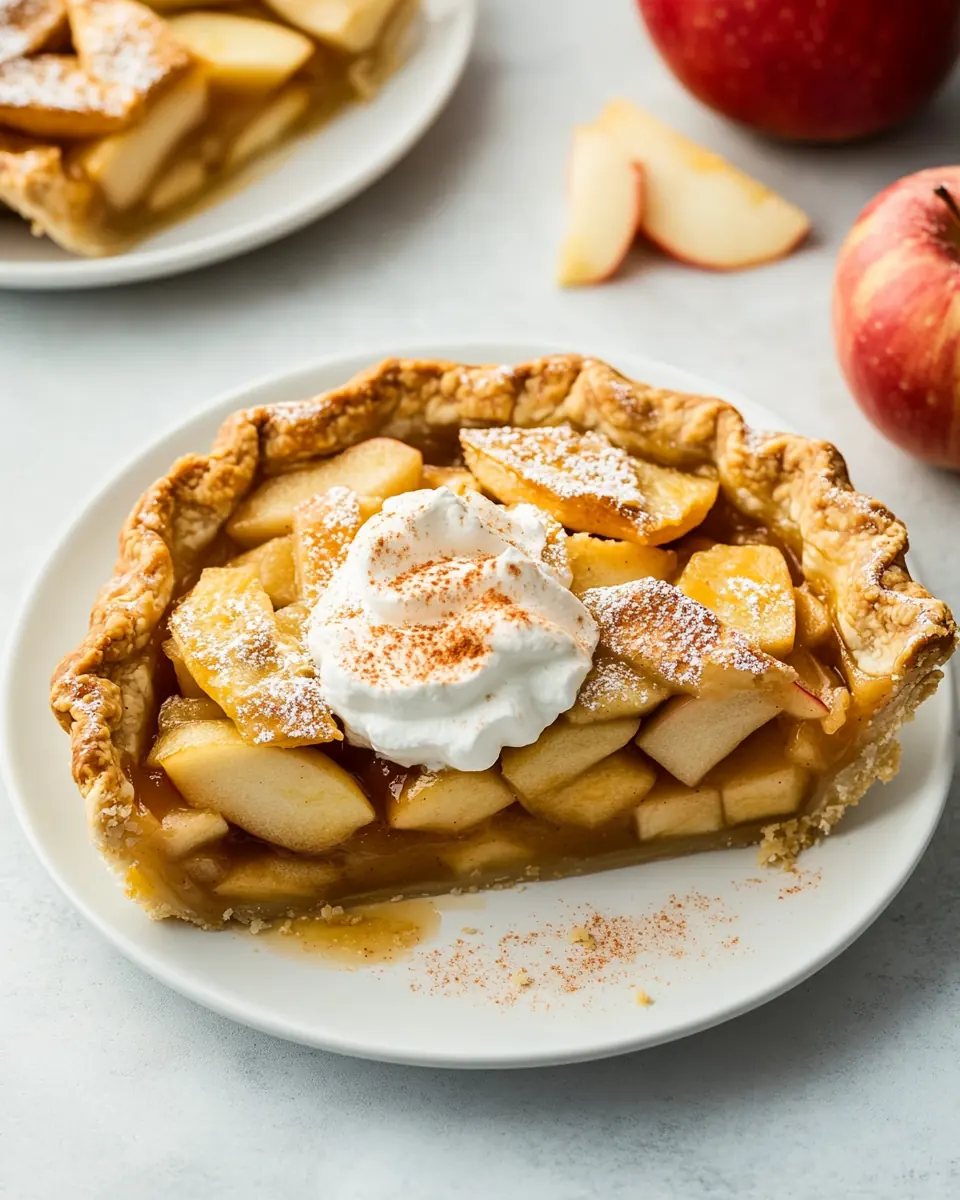
The ingredient list for Perfect Apple Pie is purposeful and classic. Each component plays a precise role: the all purpose flour builds structure in crust and thickens the filling, the chilled unsalted butter creates distinct flaky layers, and the mixture of sugars and spices enhances the apples without masking them. Together these ingredients create a balance of sweetness, spice, and tender fruit that makes this pie sing.
- 2 3/4 cups all-purpose flour, spooned into measuring cup and leveled-off: Provide the structure and bulk for the crust; measure by spooning into the cup and leveling to prevent dense dough, yielding a tender, flaky pastry when combined with fat and cold liquid. Sift or whisk briefly if needed to ensure even distribution before cutting in butter, and chill dough to relax gluten for easier rolling. Works as the primary dry component balancing fats and liquids for proper texture.
- 3 tablespoons granulated sugar: Add subtle sweetness and encourage browning on the crust; helps balance the fruit filling's tartness without overpowering the pie. Dissolve into the dough or sprinkle on top of crust prior to baking for a lightly sweet finish and improved crust color. Small quantity preserves savory-sweet balance.
- 1 teaspoon salt: Enhance overall flavor by seasoning both crust and filling; promotes depth and rounds out sweetness from sugars and fruit. Dissolve into dry ingredients so it distributes evenly, aiding in controlled fermentation and balanced taste. Essential for contrast and to heighten other flavors.
- 1/4 teaspoon baking powder: Lighten the crust slightly and assist with tenderizing; provides minor leavening to give a delicate lift to the pastry. Sprinkle into the dry mix for uniform distribution, ensuring the crust isn't overly dense while maintaining flakiness. Use sparingly to avoid excess rise.
- 18 tablespoons (2 sticks + 2 tablespoons) cold unsalted butter, sliced into 1-inch pieces: Supply cold fat that creates flakiness by forming separate layers in the dough; slicing into 1-inch pieces keeps butter cold and manageable for cutting in. Work quickly to incorporate butter pieces so they remain cold and create steam pockets during baking, resulting in flaky texture. Maintain chilled temperature to prevent greasy dough.
- 7 tablespoons ice cold water: Bind the dough and hydrate the flour while keeping temperature low to preserve butter pockets; use ice cold water for minimal gluten development and a tender crust. Add gradually until dough just comes together, then chill to rest gluten and firm the butter. Avoid overworking to maintain flakiness.
- 4 1/2 pounds baking apples (about 8 large apples; see note), peeled, cored, and sliced 1/4-inch thick: Provide the primary fruit body and natural tartness for the filling; peeling, coring, and slicing uniformly ensures even cooking and a consistent texture. Choose baking apples for balance of sweetness and structure, and slice 1/4-inch thick to release juices while retaining shape during baking. Quantity yields a full, generous filling.
- 1 tablespoon fresh lemon juice, from 1 lemon: Brighten and balance the filling with acidity; fresh juice prevents oxidation and enhances fruit flavors without adding sweetness. Toss with sliced apples to distribute evenly and preserve vibrant flavor, helping to balance sugars and thickeners. Use juice from one lemon for consistent acidity.
- 1 cup (packed) dark brown sugar: Contribute deep, molasses-like sweetness and moisture to the filling; packed measurement ensures consistent sugar content for caramelization and flavor depth. Combine thoroughly with apples and spices to create rich taste and help meld fruit juices into a saucy filling. Balances tart apples while promoting a glossy finish.
- Heaping 1/4 teaspoon salt: Amplify savory balance and enhance all flavors in the filling; heaping measurement adds a touch more contrast to sweet elements for complexity. Mix with other dry filling components to ensure even seasoning throughout the fruit. Small increase adjusts flavor profile without making the pie taste salty.
- Heaping 1/4 teaspoon ground cinnamon: Warm the filling with spice and aromatic depth; a heaping amount delivers noticeable cinnamon presence that complements apples and brown sugar. Sprinkle evenly into the fruit mixture to avoid clumping and to perfume the filling throughout. Enhances classic apple pie character.
- 2 tablespoons all-purpose flour: Help absorb excess juices and slightly thicken the filling while stabilizing texture; integrate with other thickeners for consistent results. Dust the sliced apples with flour to reduce runniness and assist in binding released fruit juices during baking. Use sparingly to avoid pasty texture.
- 2 tablespoons cornstarch: Thicken the fruit juices into a glossy, cohesive filling; cornstarch provides clear gelation that activates during baking and cooling. Mix with sugars before adding to apples to prevent lumps and ensure even thickening. Provides a cleaner slice and stable filling once cooled.
- A beaten egg, heavy cream, or milk, for brushing over crust: Create a golden, shiny finish and help seal edges; brushing with a beaten egg, cream, or milk promotes browning and adds richness to the crust surface. Choose based on desired sheen and flavor—egg for glossy color, cream or milk for subtler finish—and apply before sprinkling topping sugar. Also helps adhere sugar crystals.
- 2 tablespoons granulated or turbinado sugar, for topping the pie: Provide a crunchy, sparkling finish that enhances texture and appearance; sprinkling granulated or turbinado sugar on the crust adds sweetness and visual appeal. Use coarse turbinado for crunch or finer granulated sugar for subtle sparkle, applied after egg wash or milk/cream. Complements the flaky crust.
Step by Step Instructions for Perfect Apple Pie
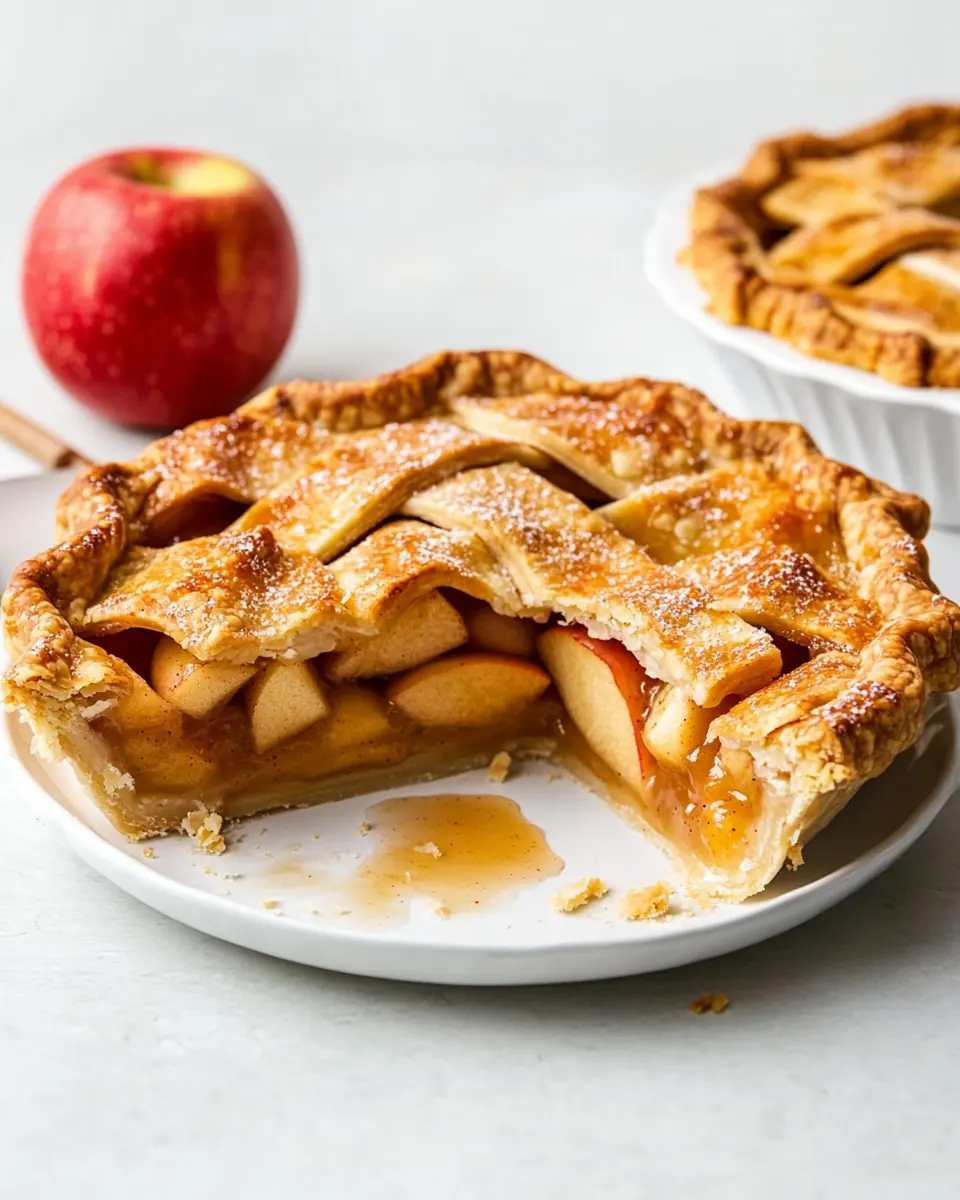
This recipe walks you through dough making, cooking the filling, and assembling and baking the pie. Follow each step deliberately, pay attention to sensory cues, and take your time when handling the chilled dough. You will be rewarded with a pie that slices cleanly and carries a balanced apple flavor.
- Combine the flour, sugar, salt, and baking powder in the bowl of a food processor fitted with the metal blade. Pulse a few times to combine. Add the pieces of butter and pulse until the mixture is crumbly with lots of pea-size clumps of butter within.: The aroma here is faintly bready and cool, and as you pulse you should see the pale flecks of butter coated with flour, signaling that the fat is cold and well dispersed. This chunkiness is essential, because those pea size pieces will steam during baking and create lift. Work quickly, because if the bowl heats up the butter will soften and you will lose flakiness, which is a common mistake at this stage. If the mixture looks uniformly smooth, stop and chill it, then try again, since that indicates overprocessing.
- Add the water and pulse until the mixture is evenly moistened and very crumbly.: As you add the ice cold water the crumbs should begin to hold together when pinched, but remain distinct and cool to the touch. You want a slightly tacky mixture rather than a cohesive ball. The sound is a muted clack from the food processor, and the mix should not feel wet or sticky. If you add too much water the dough will be gummy and hard to roll, so add water tablespoon by tablespoon and test by pinching.
- Dump the dough crumbles onto a work surface and divide into two piles, with one pile about 15% bigger than the other. You can eyeball it, but if you have a kitchen scale, one pile should weigh 13 oz (368 g) and the other 11.5 oz (326 g). Shape into two balls of dough and pat each one into a 5-inch (13-cm) disc. Wrap the discs in plastic wrap and refrigerate for at least 45 minutes or up to 3 days to rest.: When you press the discs they should feel cool and firm, and wrapping them prevents drying. Chilling relaxes the gluten and firms the butter , which is crucial for rolling out without tearing. A common error is to skip resting, which can lead to a tough crust and excessive shrinkage in the oven. Mark the larger disc with a small crease so you won’t confuse them later.
- In a large heavy-bottomed pot or Dutch oven, mix the apples with lemon juice, brown sugar, salt, cinnamon, flour, and cornstarch. Stir until thoroughly combined and both the flour and cornstarch are dissolved. Place the pot over medium heat and cook, stirring often, until the apples soften and the juices thicken, 11 to 13 minutes. Transfer the apples and their juices to a baking sheet, spreading them out evenly. Allow them to cool completely.: As the apples heat they will release fragrant steam, and the bubbling juices will turn glossy and slightly thickened. You will hear a soft simmer and see the apples go from raw and firm to translucent and tender. This pre cooking concentrates flavor and prevents the pie from becoming watery. One pitfall is rushing this stage, which can leave raw starchy bits; stir thoroughly so the flour and cornstarch dissolve, and spread the apples to cool so they do not keep steaming in the pan.
- Preheat the oven to 425°F (220°C) and set an oven rack in the lower third position. Place a baking sheet on this rack to preheat as well. (This acts like a pizza stone, providing a hot surface to help the bottom crust of the pie crisp up effectively.): You will notice the oven takes time to reach temperature, and the preheated sheet will give you a confident blast of heat under the pie, encouraging a crisp bottom. The oven will emit a dry hot scent and the sheet will feel radiantly warm when you carefully touch it with an oven mitt. A frequent oversight is placing the pie too high, which can underbake the bottom crust, so use the lower third position as instructed.
- Remove the larger disc of dough from the refrigerator. Lightly dust a clean work surface with flour and place the dough on it; sprinkle a bit of flour over the dough as well. Gently knead the dough with your hands just until it becomes soft and malleable (avoid overworking it—you want it just supple enough to roll out). Roll the dough out into a 13-inch (33-cm) circle, adding more flour as needed to prevent sticking. Carefully lift the dough by draping it over your rolling pin and transfer it to a 9-inch by 1 1/2-inch (23-cm by 3.75-cm) deep pie pan, preferably metal (as metal conducts heat more effectively, helping the bottom crust crisp up) but ceramic or glass will work too. Gently press the dough into the pan, making sure to ease it into place without stretching. Trim the edges of the dough to extend about 1/2 inch (1.25 cm) beyond the pie pan's lip.: Rolling reveals the dough’s texture, and it should feel cool with a lightly floured surface. The sight of a thin, even circle tells you the gluten was not overworked. When you transfer the dough, a gentle drape preserves the flakiness. If you stretch the dough into the pan it will spring back during baking, causing shrinkage, so ease the dough rather than pulling it. Use a light touch when trimming to avoid thinning the rim.
- Transfer the cooled apples and their juices into the crust; refrigerate while you prepare the top crust.: The filling should be cool to the touch and glossy as you mound it into the shell, and you may hear soft plops as juices settle. Chilling the filled shell helps the top crust stay cold and prevents the butter in the dough from softening prematurely. A common mistake is filling the crust while the apples are still hot, which can melt the crust fat and cause a soggy bottom.
- Remove the second disc of dough from the refrigerator and roll it out into an 11-inch (28-cm) circle, following the same process described above. Retrieve the filled pie from the refrigerator and carefully drape the rolled dough over the top. Crimp the edges with a fork or flute them with your fingers to seal the top and bottom crusts together. Work quickly and dust your fingers with flour as needed to prevent the dough from becoming too warm. Brush the top crust with beaten egg, cream, or milk, and evenly sprinkle with 2 tablespoons of granulated or turbinado sugar. Cut four 3-inch (7.5-cm) slits in the top crust to allow steam to escape.: As you seal the pie you will see the edges come together and the top will glisten after brushing. The sugared top will catch the light and provide a delicate crunch after baking. Make sure vents are open so steam can release, because trapped steam leads to a soggy middle and possible overflow. If your fingers get too warm, pop the pie back into the fridge for a few minutes before baking.
- Place the pie on the preheated baking sheet and bake at 425°F (220°C) for 15 minutes. Then reduce the oven temperature to 375°F (190°C) and continue baking for an additional 45 minutes, or until the crust is golden brown. Let the pie cool completely on a wire rack before slicing, at least 4 hours. Resist the temptation to cut into the pie while it’s warm, or you may end up with apple soup!: During the first high temperature burst the crust browns and the filling begins to set, creating a pleasing crackle as the butter melts and the crust expands. After lowering the temperature the filling thickens steadily, and the aroma of caramelized sugars and warm cinnamon fills the kitchen. The pie should sound settled and not jiggly in the center when gently nudged. Cutting too soon is a frequent disappointment; patience yields clean slices with a thick set filling rather than a runny mess.
Ways to Adapt This Recipe
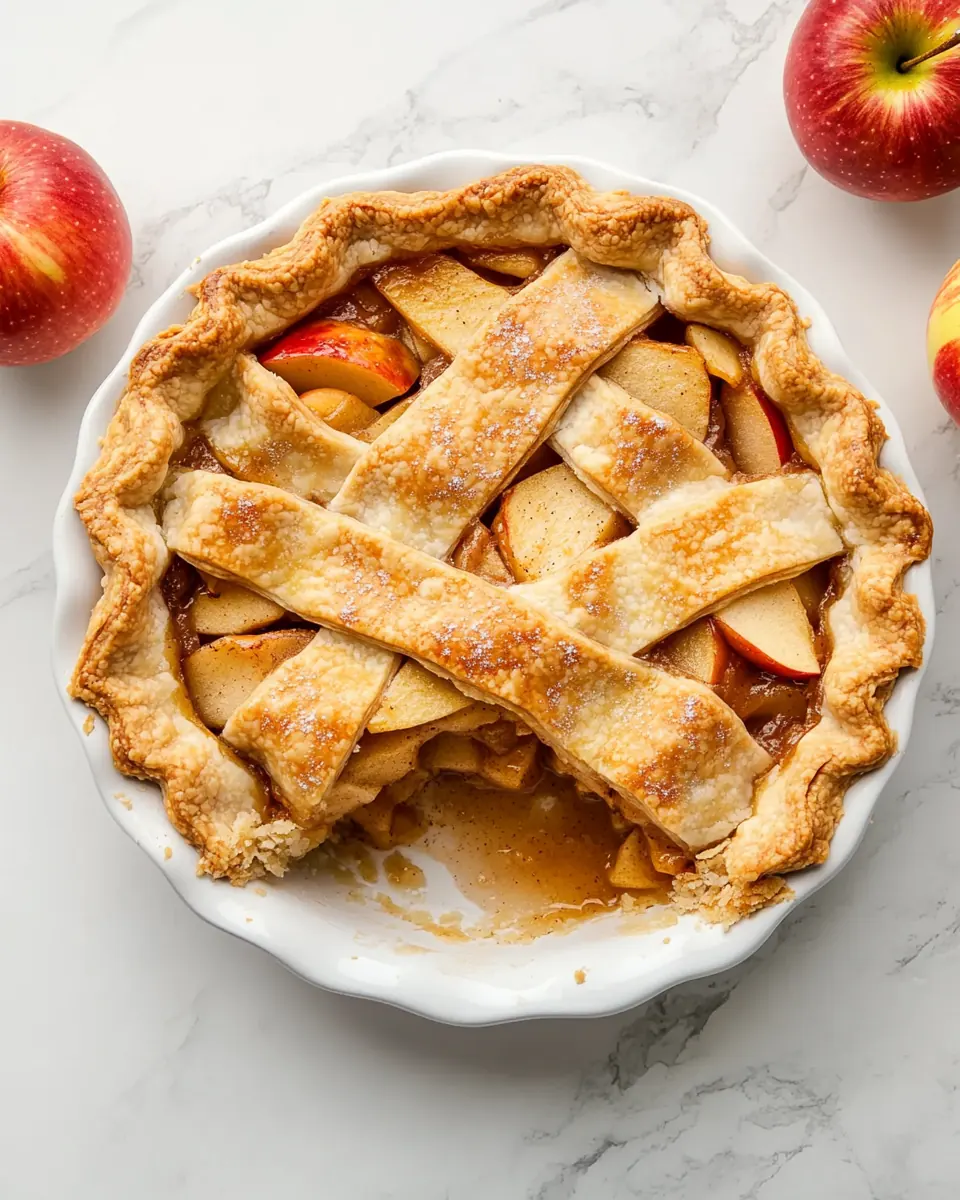
This section highlights practical adaptations and notes to customize Perfect Apple Pie. Below are expanded tips and options based on common baking concerns and preferences.
- Swap baking apples thoughtfully — Use a combination such as Granny Smith for tartness and Fuji or Honeycrisp for sweetness to achieve complex flavor and a pleasing texture when cooked.
- Make ahead the crust — You can prepare the dough discs and freeze them wrapped tightly for up to three months; thaw overnight in the refrigerator before rolling to keep the butter cold and workable.
- Choose your finish — Brush with a beaten egg for the shiniest, deepest golden top, or use milk for a softer finish; sprinkle turbinado sugar for a crunchy sweet crust.
- Adjust sweetness carefully — If your apples are very sweet, reduce the brown sugar slightly to avoid an overly sweet filling while retaining the caramel notes.
- Use a metal pie pan for crisper bottoms — Metal conducts heat better than glass or ceramic and helps the bottom crust brown and crisp more reliably.
- Freeze for convenience — Freeze the unbaked pie wrapped in foil for up to three months and bake from frozen, adding roughly 10 to 15 minutes to the baking time, keeping an eye on crust color.
Perfect Pairings for Perfect Apple Pie
Perfect Apple Pie pairs beautifully with simple accompaniments that complement rather than compete. Think warm drinks or a scoop of something creamy, and choose service styles that match the occasion whether casual family dessert or holiday centerpiece.
- Classic scoop — Serve warm slices with a scoop of vanilla ice cream for contrast between hot and cold and a creamy counterpoint to the spiced apples.
- Whipped option — A lightly sweetened whipped cream flavored with a hint of cinnamon elevates the pie without overwhelming the apple notes, making it ideal for an intimate dinner or special gathering.
- Beverage matches — Pair with hot coffee or spiced tea to echo the pie’s warm spice profile, perfect for an afternoon gathering or after dinner.
- Holiday centerpiece — For Thanksgiving or fall celebrations, place the pie alongside other comforting sweets and roasted sides; its nostalgic aroma helps anchor the table.
- Storage tips — Store at room temperature loosely covered for up to one day. For longer storage, freeze wrapped in foil either before or after baking; follow thawing and reheating guidelines to preserve texture.
- Serving style — Slice into even wedges using a sharp knife cooled under hot water then dried, which helps achieve cleaner cuts and attractive presentation.
- Seasonal use — This pie is ideal for fall menus and holiday spreads, offering a homey, comforting dessert that fits cozy dinners and festive gatherings alike.
FAQ
Conclusion
Perfect Apple Pie stands out because it balances a flaky, buttery crust with a glossy, well set apple filling that tastes like fall in every bite. Give this recipe a try if you want a dependable showstopper for family dinners or a holiday table, because it rewards careful technique and a little patience with consistently excellent results. Once you master the dough chilling, pre cooking the apples, and the baking rhythm, you’ll find this pie becoming a go to dessert that brings people together, fills the kitchen with comforting aromas, and creates moments worth sharing.
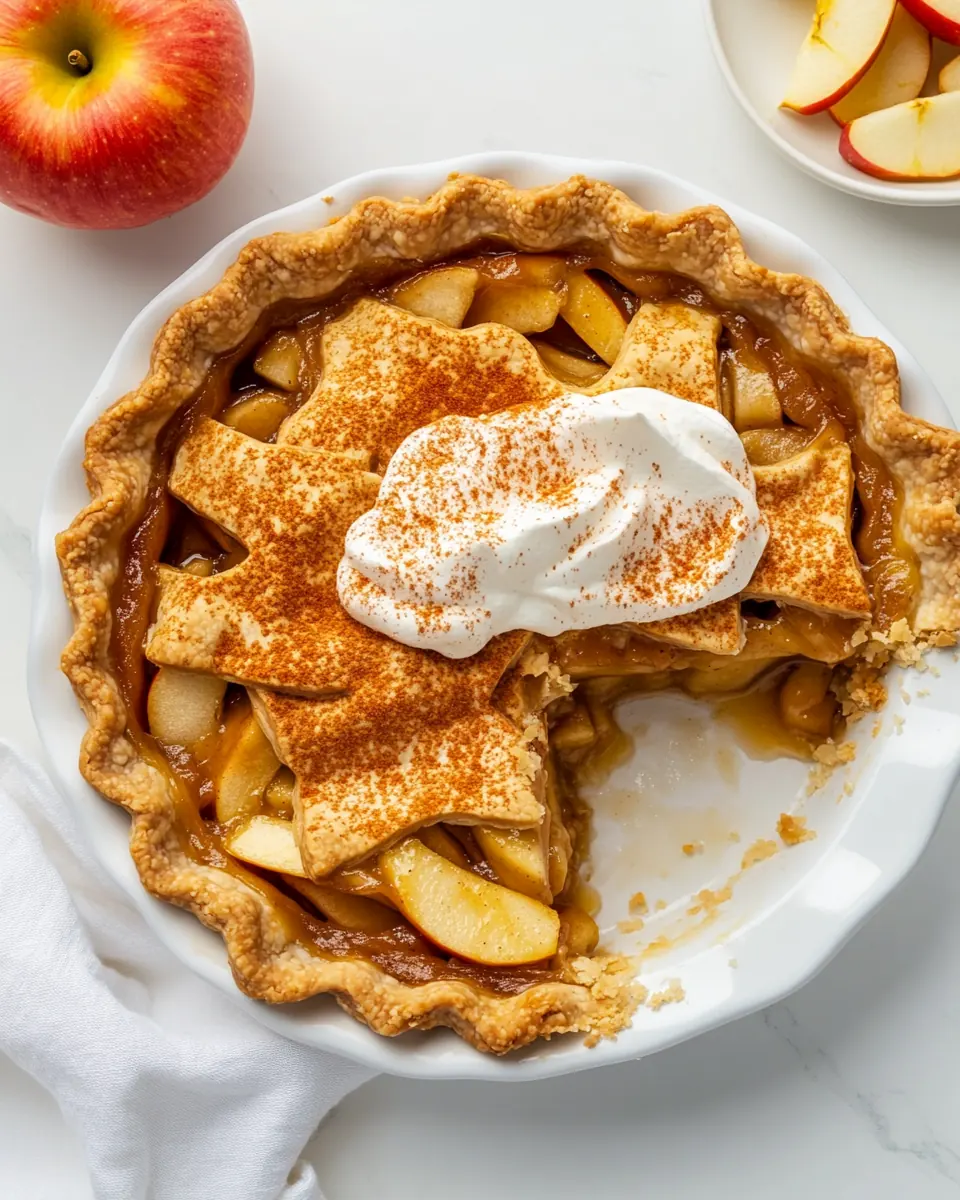
Perfect Apple Pie
Ingredients
Equipment
Method
- Combine the flour, sugar, salt, and baking powder in the bowl of a food processor fitted with the metal blade. Pulse a few times to combine. Add the pieces of butter and pulse until the mixture is crumbly with lots of pea-size clumps of butter within.: The aroma here is faintly bready and cool, and as you pulse you should see the pale flecks of butter coated with flour, signaling that the fat is cold and well dispersed. This chunkiness is essential, because those pea size pieces will steam during baking and create lift. Work quickly, because if the bowl heats up the butter will soften and you will lose flakiness, which is a common mistake at this stage. If the mixture looks uniformly smooth, stop and chill it, then try again, since that indicates overprocessing.
- Add the water and pulse until the mixture is evenly moistened and very crumbly.: As you add the ice cold water the crumbs should begin to hold together when pinched, but remain distinct and cool to the touch. You want a slightly tacky mixture rather than a cohesive ball. The sound is a muted clack from the food processor, and the mix should not feel wet or sticky. If you add too much water the dough will be gummy and hard to roll, so add water tablespoon by tablespoon and test by pinching.
- Dump the dough crumbles onto a work surface and divide into two piles, with one pile about 15% bigger than the other. You can eyeball it, but if you have a kitchen scale, one pile should weigh 13 oz (368 g) and the other 11.5 oz (326 g). Shape into two balls of dough and pat each one into a 5-inch (13-cm) disc. Wrap the discs in plastic wrap and refrigerate for at least 45 minutes or up to 3 days to rest.: When you press the discs they should feel cool and firm, and wrapping them prevents drying. Chilling relaxes the gluten and firms the butter , which is crucial for rolling out without tearing. A common error is to skip resting, which can lead to a tough crust and excessive shrinkage in the oven. Mark the larger disc with a small crease so you won’t confuse them later.
- In a large heavy-bottomed pot or Dutch oven, mix the apples with lemon juice, brown sugar, salt, cinnamon, flour, and cornstarch. Stir until thoroughly combined and both the flour and cornstarch are dissolved. Place the pot over medium heat and cook, stirring often, until the apples soften and the juices thicken, 11 to 13 minutes. Transfer the apples and their juices to a baking sheet, spreading them out evenly. Allow them to cool completely.: As the apples heat they will release fragrant steam, and the bubbling juices will turn glossy and slightly thickened. You will hear a soft simmer and see the apples go from raw and firm to translucent and tender. This pre cooking concentrates flavor and prevents the pie from becoming watery. One pitfall is rushing this stage, which can leave raw starchy bits; stir thoroughly so the flour and cornstarch dissolve, and spread the apples to cool so they do not keep steaming in the pan.
- Preheat the oven to 425°F (220°C) and set an oven rack in the lower third position. Place a baking sheet on this rack to preheat as well. (This acts like a pizza stone, providing a hot surface to help the bottom crust of the pie crisp up effectively.): You will notice the oven takes time to reach temperature, and the preheated sheet will give you a confident blast of heat under the pie, encouraging a crisp bottom. The oven will emit a dry hot scent and the sheet will feel radiantly warm when you carefully touch it with an oven mitt. A frequent oversight is placing the pie too high, which can underbake the bottom crust, so use the lower third position as instructed.
- Remove the larger disc of dough from the refrigerator. Lightly dust a clean work surface with flour and place the dough on it; sprinkle a bit of flour over the dough as well. Gently knead the dough with your hands just until it becomes soft and malleable (avoid overworking it—you want it just supple enough to roll out). Roll the dough out into a 13-inch (33-cm) circle, adding more flour as needed to prevent sticking. Carefully lift the dough by draping it over your rolling pin and transfer it to a 9-inch by 1 1/2-inch (23-cm by 3.75-cm) deep pie pan, preferably metal (as metal conducts heat more effectively, helping the bottom crust crisp up) but ceramic or glass will work too. Gently press the dough into the pan, making sure to ease it into place without stretching. Trim the edges of the dough to extend about 1/2 inch (1.25 cm) beyond the pie pan's lip.: Rolling reveals the dough’s texture, and it should feel cool with a lightly floured surface. The sight of a thin, even circle tells you the gluten was not overworked. When you transfer the dough, a gentle drape preserves the flakiness. If you stretch the dough into the pan it will spring back during baking, causing shrinkage, so ease the dough rather than pulling it. Use a light touch when trimming to avoid thinning the rim.
- Transfer the cooled apples and their juices into the crust; refrigerate while you prepare the top crust.: The filling should be cool to the touch and glossy as you mound it into the shell, and you may hear soft plops as juices settle. Chilling the filled shell helps the top crust stay cold and prevents the butter in the dough from softening prematurely. A common mistake is filling the crust while the apples are still hot, which can melt the crust fat and cause a soggy bottom.
- Remove the second disc of dough from the refrigerator and roll it out into an 11-inch (28-cm) circle, following the same process described above. Retrieve the filled pie from the refrigerator and carefully drape the rolled dough over the top. Crimp the edges with a fork or flute them with your fingers to seal the top and bottom crusts together. Work quickly and dust your fingers with flour as needed to prevent the dough from becoming too warm. Brush the top crust with beaten egg, cream, or milk, and evenly sprinkle with 2 tablespoons of granulated or turbinado sugar. Cut four 3-inch (7.5-cm) slits in the top crust to allow steam to escape.: As you seal the pie you will see the edges come together and the top will glisten after brushing. The sugared top will catch the light and provide a delicate crunch after baking. Make sure vents are open so steam can release, because trapped steam leads to a soggy middle and possible overflow. If your fingers get too warm, pop the pie back into the fridge for a few minutes before baking.
- Place the pie on the preheated baking sheet and bake at 425°F (220°C) for 15 minutes. Then reduce the oven temperature to 375°F (190°C) and continue baking for an additional 45 minutes, or until the crust is golden brown. Let the pie cool completely on a wire rack before slicing, at least 4 hours. Resist the temptation to cut into the pie while it’s warm, or you may end up with apple soup!: During the first high temperature burst the crust browns and the filling begins to set, creating a pleasing crackle as the butter melts and the crust expands. After lowering the temperature the filling thickens steadily, and the aroma of caramelized sugars and warm cinnamon fills the kitchen. The pie should sound settled and not jiggly in the center when gently nudged. Cutting too soon is a frequent disappointment; patience yields clean slices with a thick set filling rather than a runny mess.
Notes
- Swap baking apples thoughtfully — Use a combination such as Granny Smith for tartness and Fuji or Honeycrisp for sweetness to achieve complex flavor and a pleasing texture when cooked.
- Make ahead the crust — You can prepare the dough discs and freeze them wrapped tightly for up to three months; thaw overnight in the refrigerator before rolling to keep the butter cold and workable.
- Choose your finish — Brush with a beaten egg for the shiniest, deepest golden top, or use milk for a softer finish; sprinkle turbinado sugar for a crunchy sweet crust.
- Adjust sweetness carefully — If your apples are very sweet, reduce the brown sugar slightly to avoid an overly sweet filling while retaining the caramel notes.
- Use a metal pie pan for crisper bottoms — Metal conducts heat better than glass or ceramic and helps the bottom crust brown and crisp more reliably.
- Freeze for convenience — Freeze the unbaked pie wrapped in foil for up to three months and bake from frozen, adding roughly 10 to 15 minutes to the baking time, keeping an eye on crust color.