Vegan Pesto
Vegan Pesto is one of those recipes I reach for when the basil in my kitchen is begging for attention and I want something bright, savory, and utterly effortless. The first time I made this, I had a bundle of basil from a neighborhood farmer, a handful of walnuts from a thrift store bag, and curiosity. I tossed everything into the blender and the smell that rose up was green and almost peppery, with a lemony lift that made me smile. From that moment on, this simple sauce became my multitool, from lunch on toast to a finish for roasted vegetables.
There are evenings when I want comfort food without fuss, and this Vegan Pesto answers that call. I remember stirring a spoonful into hot pasta and watching the sauce loosen, the steam carrying the aroma of garlic and olive oil through the apartment. Each jar I make tells a small story about where I was that week, what I paired it with, and which friends loved it so much they begged for the recipe. It’s versatile in a way that feels personal and dependable.
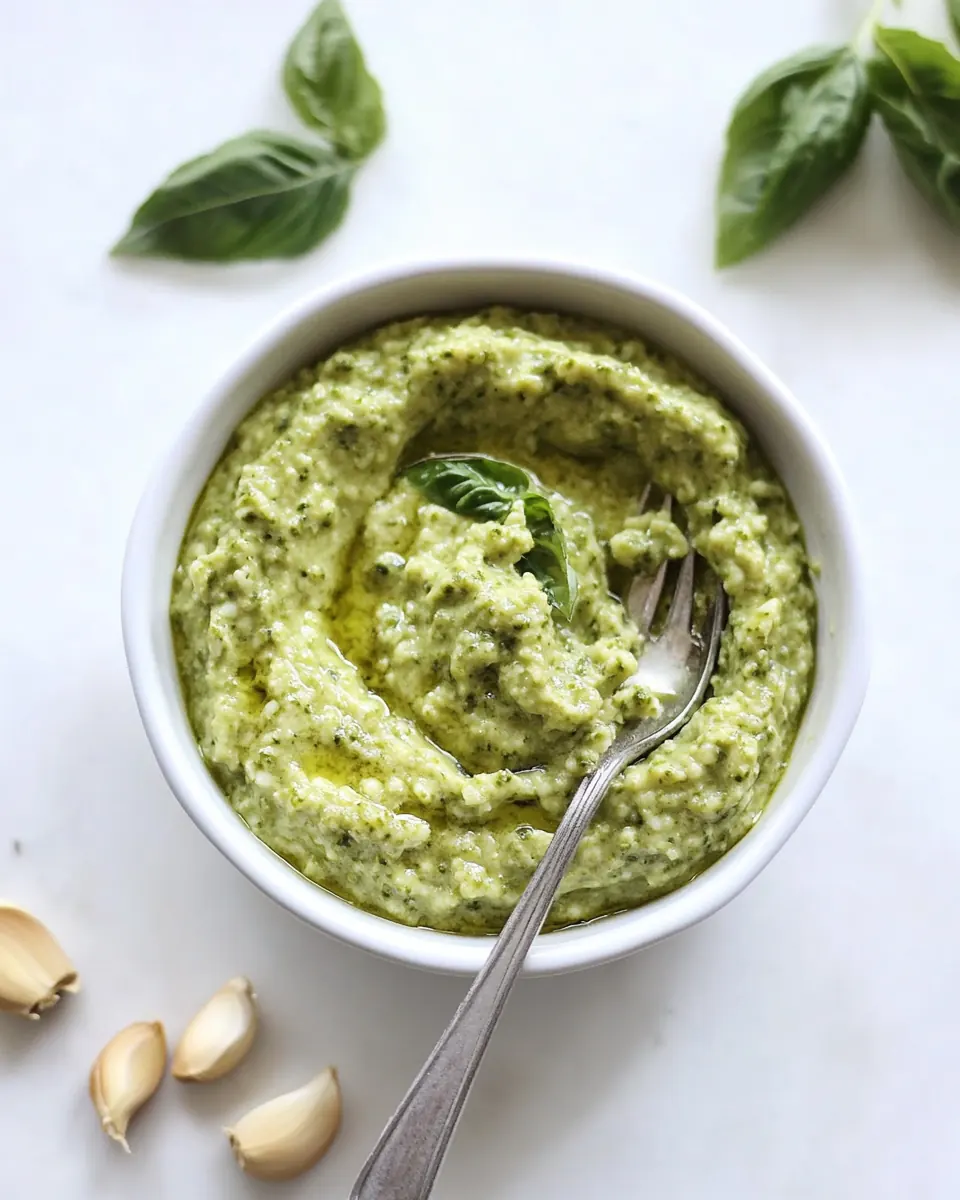
On busy Thursdays, I blend a batch and keep it in the fridge, knowing it will lift whatever we eat for days. Once chilled, it thickens slightly, and I love the contrast between the cold, concentrated pesto and the warm food it finishes. I also enjoy experimenting with texture, adding a splash of water to make it silky, or using it right out of the blender for a chunkier, rustic feel. That tactile choice is part of why I keep returning to this recipe, because it’s forgiving and flexible, and always tastes like summer in a jar.
Recipe Snapshot
10 mins
10 mins
0 mins
Easy
150 kcal
Italian
Vegan, Gluten-Free
Dinner
Blender or Food Processor, Spatula
Why You Need This Vegan Pesto
Bright, herb forward flavor
I adore how Vegan Pesto delivers a fresh herb punch without any heaviness. The basil is front and center, and when you blend it with garlic and lemon juice, you get immediate floral and citrus notes that wake up the palate. I often take a spoonful between bites to appreciate the balance of green brightness and tang.
Nutty richness without dairy
Using walnuts gives the sauce a satisfying, slightly bitter nuttiness that mimics some of the mouthfeel you expect from traditional pesto made with cheese. I like that it keeps the texture substantial, so when you toss it with pasta or spread it on toast, it clings and coats beautifully, creating a pleasing bite.
Umami depth from miso
The addition of white miso is my secret weapon. It adds a mellow umami that makes the sauce taste complex and rounded, without any dairy. I find that this little swap keeps the sauce savory and satisfying, especially for people who miss that savory backbone in plant based sauces.
Flexible texture and uses
I love that you can adjust the consistency with a splash of water or more olive oil. I’ll thin it for a silky pasta sauce, or keep it thicker as a spread. That flexibility means the same batch can serve multiple meals in a week, which is a big win on busy days.
Simple, pantry friendly ingredients
What makes this recipe a keeper is how few ingredients it needs, and how many of them I usually have on hand. A few cloves of garlic, a jar of olive oil, a lemon, and walnuts are often already in my kitchen. That ease means I can pull it together in minutes, and it reliably elevates whatever I serve it with.
Ingredients You’ll Need for Vegan Pesto
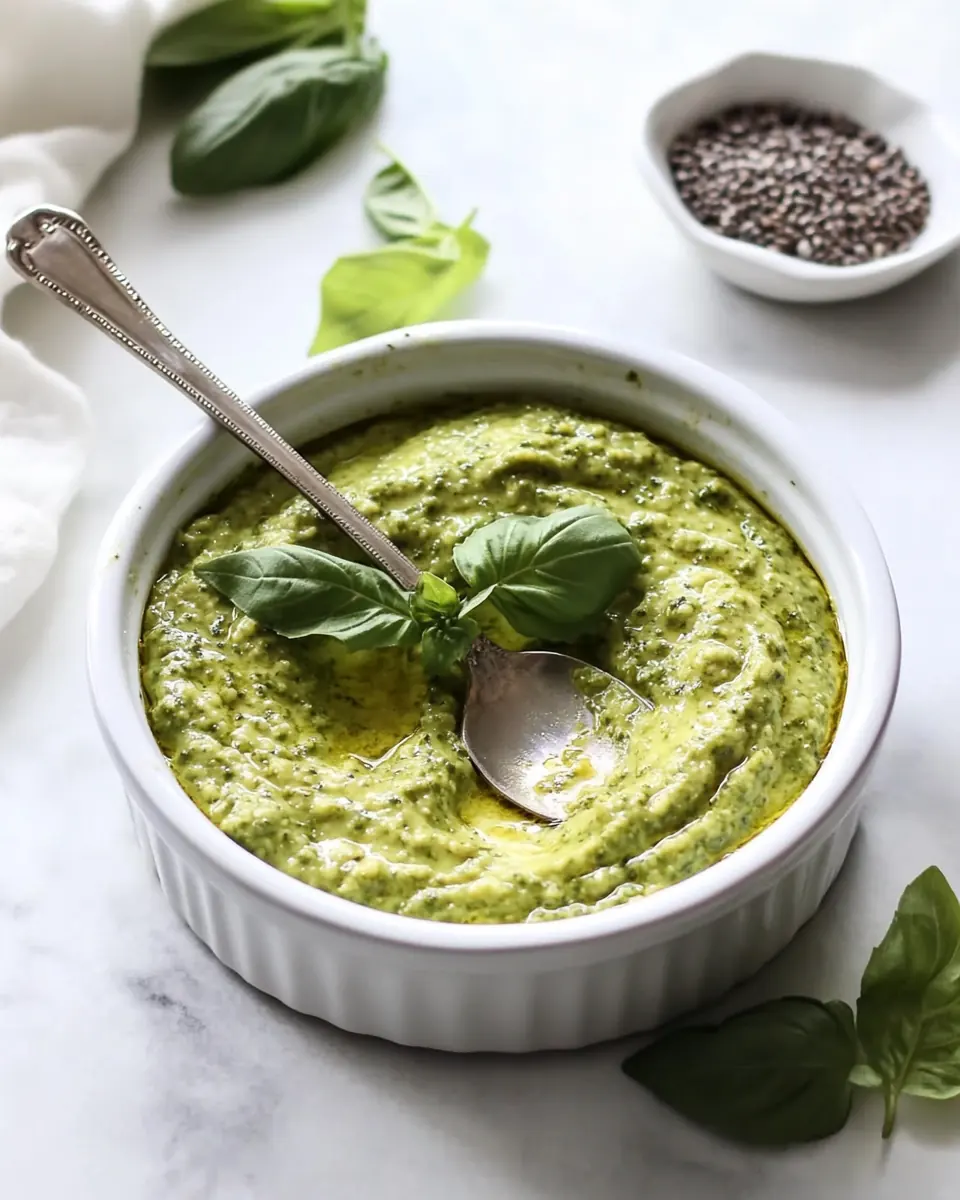
I believe in keeping pesto honest and bright. The ingredients here work together to create contrast and balance, with green aromatic notes from the basil, savory depth from the white miso, and body from the walnuts and olive oil. Each component plays a role, whether it is texture, acidity, or seasoning.
- 1/2 cup walnuts (51 grams): Toasted and ground for a warm, slightly bitter backbone that adds body and a nutty richness to the pesto; contributes texture when blended and helps create a creamy mouthfeel without dairy.
- 2 cups fresh basil leaves (no stems; 44 grams): Bright and aromatic leaves that provide the herbaceous, peppery-green character central to pesto; packed with volatile oils that deliver fresh fragrance and a dominant flavor profile.
- 3 garlic cloves, minced (13 grams): Pungent and minced to introduce sharp, savory depth and a garlicky bite that balances the herbs and nuts; helps elevate overall umami and aromatic complexity when emulsified.
- 2 tablespoons white miso (37 grams): Fermented paste that lends savory umami and subtle sweetness, enhancing depth and replacing cheese-like savoriness in vegan pesto; also helps bind ingredients and enrich mouthfeel.
- 2 tablespoons lemon juice (23 grams): Citrus juice that supplies acidity to brighten flavors, cut through richness, and balance the savory and oily elements; also helps preserve the vibrant green color of the basil.
- 1/2 teaspoon fine sea salt (3 grams): Finely measured salt that seasons and enhances all other flavors, bringing out basil's aromatics and the miso's umami while controlling overall taste intensity.
- 2 tablespoons olive oil (20 grams): Smooth oil used to emulsify the mixture, add richness, and carry flavor compounds; contributes silkiness and helps create a spreadable, pourable pesto consistency.
- 1/4 cup water (2 ounces): Controlled amount of water used to adjust texture and loosen the paste to desired thickness; helps achieve a smoother, more blendable sauce without diluting flavor excessively.
Making Vegan Pesto
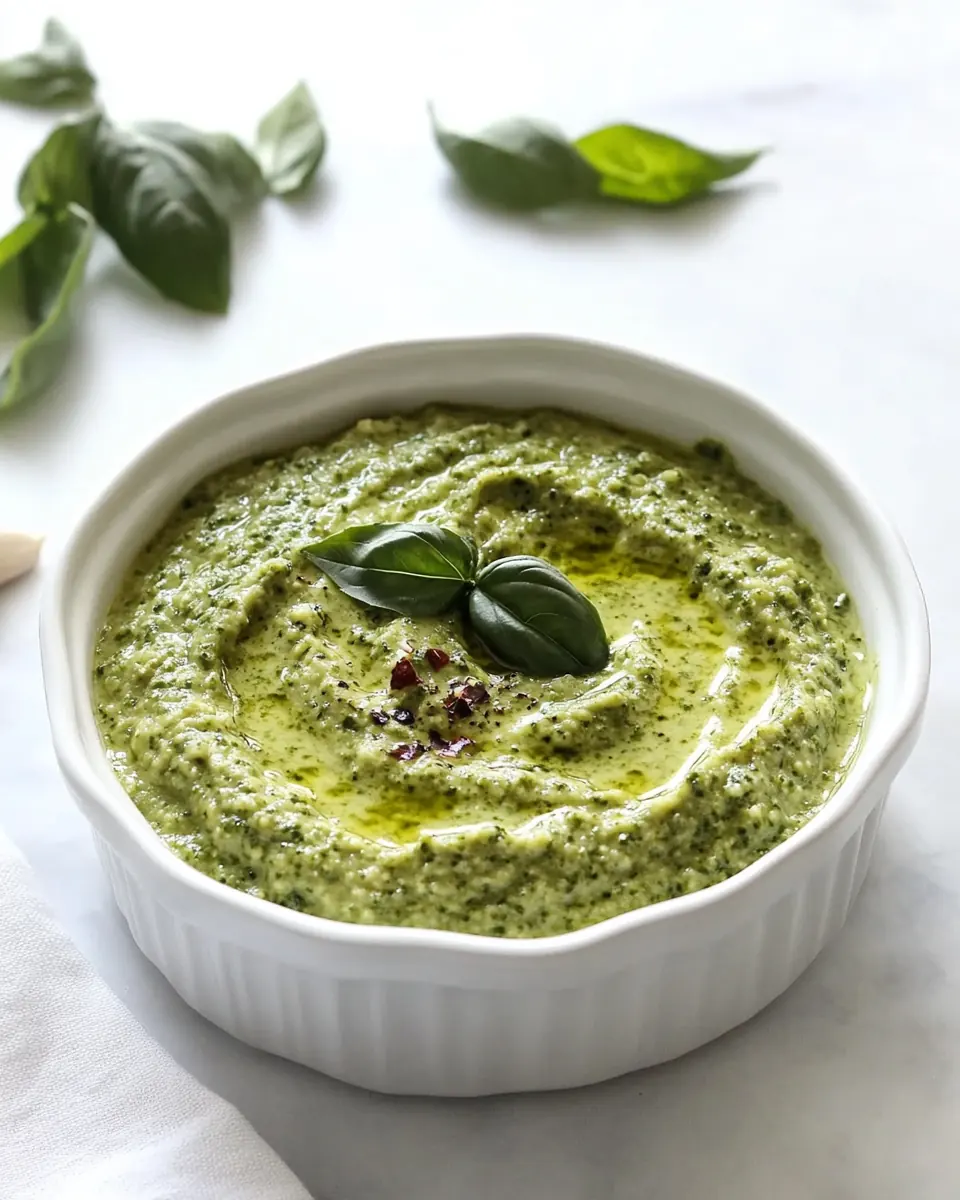
Making this pesto is fast and satisfying, and the process rewards attention to texture and taste. Gather your ingredients and equipment, then blend in stages to reach the balance you prefer.
- In a blender or food processor, combine the walnuts, basil, garlic, miso, lemon juice, salt, oil, and water. (You can start with only a 1/4 teaspoon of salt, if you are watching your sodium intake.) Blend until very smooth.: The moment these ingredients meet the blade you will notice a burst of green aroma and a nutty perfume. The basil will release volatile oils, creating a fragrant cloud, while the walnuts begin to break down into a creamy base. I like to pulse a few times to break up the nuts first, listening for a change in the sound from a heavy thud to a lighter whir, which signals smaller pieces. This technique prevents the motor from straining and helps achieve an even texture. A typical mistake is running the machine on high immediately, which can overheat the pesto and darken the basil; pulsing and resting briefly avoids that. If your mixture seems too chunky, add a splash more water or a touch more olive oil to coax it together. Watch the color shift from bright to slightly muted as the leaves rupture, and stop blending when you have the texture you like, because overblending can make the sauce too thin.
- Taste the mixture, and adjust any seasoning, as needed. You can add more lemon for a tart flavor, or you can dilute with more water for a runnier texture. Serve right away over your favorite pasta, or on pizza, or you can store it in an airtight container in the fridge for up to a week. It will thicken slightly when chilled.: As the blades refine the mixture, the scent grows more integrated, with the tang of lemon juice and the savory lift of white miso rounding the edges. Smoothness comes from patience, and you should scrape the sides with a spatula to ensure everything folds into the center. The ideal texture is cohesive and glossy, not oily or split. If you see a sheen of oil separating, reduce blending time and stir by hand to recombine. One error I often see is adding too much olive oil at once, which can create a greasy mouthfeel, so add it in measured increments while checking consistency.
- Taste the mixture, and adjust any seasoning, as needed: Right after blending, the flavors are raw and energetic, which makes it the perfect moment to taste. Use a small spoon and sample a bit on a neutral cracker or a cooked bite of pasta . If it needs brightness, add more lemon juice sparingly; for more savory depth, a smidge more white miso will do. Salt should be balanced, keeping in mind the existing miso and the salt in your pantry. A typical misstep is overcorrecting on acid; add in small increments and taste between additions to avoid a puckered result.
- You can add more lemon for a tart flavor, or you can dilute with more water for a runnier texture: Adjusting the final profile is about small moves. If the sauce tastes flat, a teaspoon of lemon juice can lift it; if it is too intense or too thick for tossing, stir in water gradually until the pesto slides smoothly. The texture change is immediate, and you should watch how the sauce clings to a fork to judge readiness. Over diluting will mute flavors, so stop when the sauce just coats the pasta and moves fluidly, not soupy. A common oversight is adding liquid without re-tasting, which can leave the pesto bland.
- Serve right away over your favorite pasta, or on pizza, or you can store it in an airtight container in the fridge for up to a week: Fresh pesto is vibrant, and when served immediately it has the brightest aroma and greenest color. Spoon it on hot pasta and toss gently so the heat opens the sauce and helps it adhere. On pizza, add it after baking for a fresh finish. If you plan to store it, press a thin layer of olive oil on top before sealing to preserve color, and expect it to thicken slightly when chilled. Reheat gently by stirring into warm food rather than microwaving, which can dull the flavors. A typical storage mistake is not using an airtight container, which allows oxidation and a loss of brightness; keep it sealed and consume within a week for best quality.
Change It Up
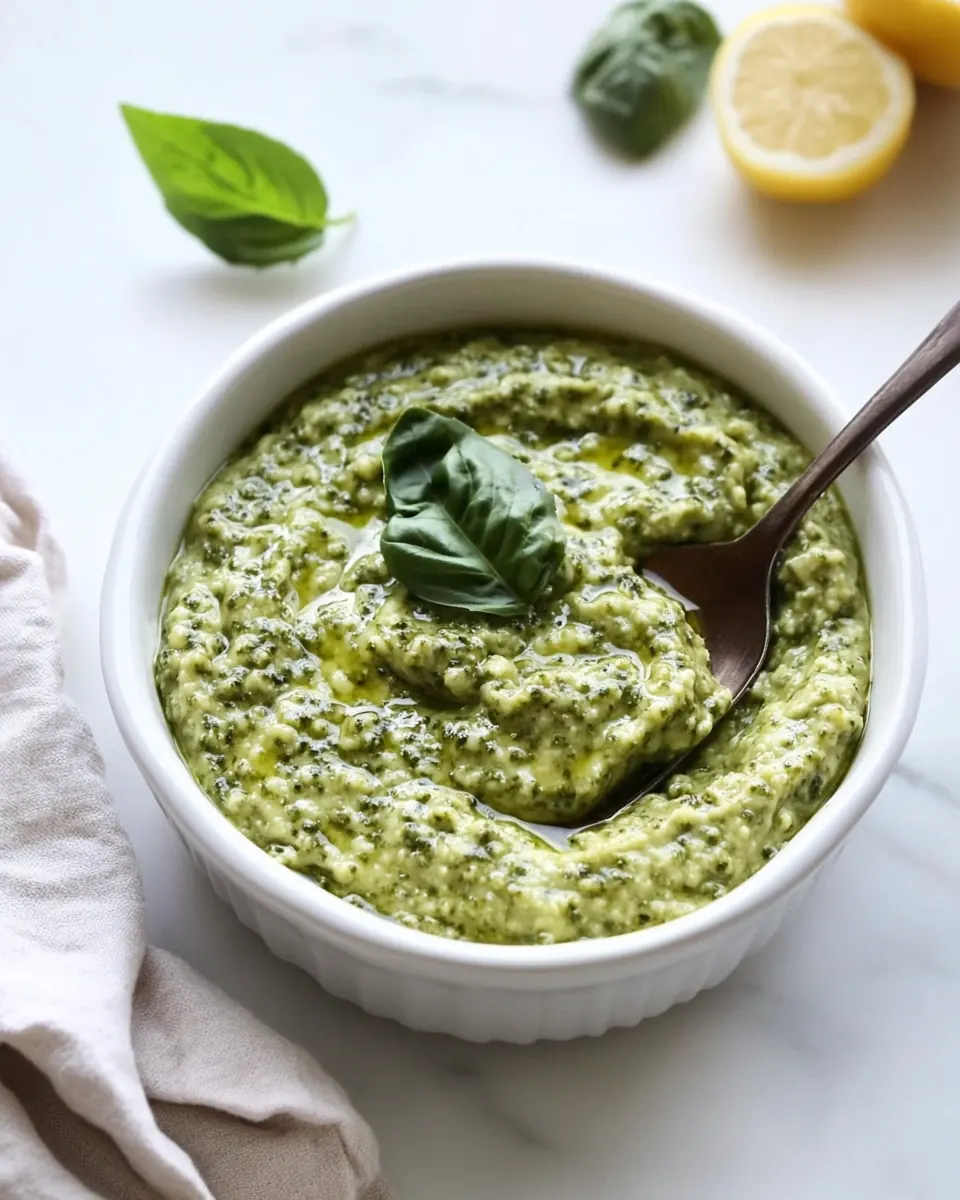
This section offers ideas to vary texture, flavor, and use cases for the recipe. Small swaps or serving ideas can refresh how you enjoy Vegan Pesto week after week.
- Swap the nuts: If you want a different flavor profile, try toasted hazelnuts or almonds in place of walnuts, noting that toasting deepens the aroma and can add a caramelized note.
- Adjust the umami: For a different savory balance, experiment with a touch less white miso or a milder miso; always taste as you go because miso saltiness varies.
- Play with texture: For a chunkier pesto, pulse fewer times and finish by hand with a fork to preserve small bits of walnuts and leaf texture.
- Make it a sauce: Thin with warm pasta water rather than plain water for a silkier emulsion that clings beautifully to noodles.
- Store smartly: Freeze small portions in an ice cube tray for quick, single serve additions to soups, dressings, or pastas.
Perfect Pairings for Vegan Pesto
Vegan Pesto pairs beautifully with simple starches and roasted vegetables. It can be the centerpiece of a quick weeknight meal or a bright finishing touch for a larger spread. Below are suggestions for serving, occasions, and storage.
- Classic pasta toss: Toss with hot spaghetti or penne, adding a splash of reserved pasta water to create a glossy sauce that clings to each strand.
- Pizza finish: Dollop or brush on top of baked pizza after it comes out of the oven to preserve the fresh herb aroma and vibrant color.
- Sandwich spread: Use as a spread on warmed bread for paninis or cold sandwiches to add herbal lift and creamy texture.
- Vegetable companion: Spoon onto roasted or steamed vegetables, such as asparagus or potatoes, for a quick flavor upgrade that works for lunch or dinner.
- Meal occasions: Great for lunch, casual dinners, and festive gatherings like Ramadan if you are preparing a light, plant based spread with other dishes.
- Storage tips: Keep in an airtight container in the fridge for up to a week, pressing a thin layer of olive oil on top to limit browning, or freeze in small portions for longer storage.
- Seasonal pairing: Ideal in spring and summer when basil is at its peak, but it also brightens late winter meals when fresh herbs are scarce.
FAQ
Conclusion
This Vegan Pesto stands out because it is bright, versatile, and deeply satisfying without any dairy. It brings together simple, pantry friendly ingredients to create a sauce that adapts to pasta, sandwiches, and roasted vegetables with ease. I encourage you to make a batch and experiment with textures and pairings, because a little pesto can transform everyday meals into something special. Keep it on hand for quick dinners, and enjoy the way a spoonful of green brings freshness to the table.
Vegan Pesto
Ingredients
Equipment
Method
- In a blender or food processor, combine the walnuts, basil, garlic, miso, lemon juice, salt, oil, and water. (You can start with only a 1/4 teaspoon of salt, if you are watching your sodium intake.) Blend until very smooth.: The moment these ingredients meet the blade you will notice a burst of green aroma and a nutty perfume. The basil will release volatile oils, creating a fragrant cloud, while the walnuts begin to break down into a creamy base. I like to pulse a few times to break up the nuts first, listening for a change in the sound from a heavy thud to a lighter whir, which signals smaller pieces. This technique prevents the motor from straining and helps achieve an even texture. A typical mistake is running the machine on high immediately, which can overheat the pesto and darken the basil; pulsing and resting briefly avoids that. If your mixture seems too chunky, add a splash more water or a touch more olive oil to coax it together. Watch the color shift from bright to slightly muted as the leaves rupture, and stop blending when you have the texture you like, because overblending can make the sauce too thin.
- Taste the mixture, and adjust any seasoning, as needed. You can add more lemon for a tart flavor, or you can dilute with more water for a runnier texture. Serve right away over your favorite pasta, or on pizza, or you can store it in an airtight container in the fridge for up to a week. It will thicken slightly when chilled.: As the blades refine the mixture, the scent grows more integrated, with the tang of lemon juice and the savory lift of white miso rounding the edges. Smoothness comes from patience, and you should scrape the sides with a spatula to ensure everything folds into the center. The ideal texture is cohesive and glossy, not oily or split. If you see a sheen of oil separating, reduce blending time and stir by hand to recombine. One error I often see is adding too much olive oil at once, which can create a greasy mouthfeel, so add it in measured increments while checking consistency.
- Taste the mixture, and adjust any seasoning, as needed: Right after blending, the flavors are raw and energetic, which makes it the perfect moment to taste. Use a small spoon and sample a bit on a neutral cracker or a cooked bite of pasta . If it needs brightness, add more lemon juice sparingly; for more savory depth, a smidge more white miso will do. Salt should be balanced, keeping in mind the existing miso and the salt in your pantry. A typical misstep is overcorrecting on acid; add in small increments and taste between additions to avoid a puckered result.
- You can add more lemon for a tart flavor, or you can dilute with more water for a runnier texture: Adjusting the final profile is about small moves. If the sauce tastes flat, a teaspoon of lemon juice can lift it; if it is too intense or too thick for tossing, stir in water gradually until the pesto slides smoothly. The texture change is immediate, and you should watch how the sauce clings to a fork to judge readiness. Over diluting will mute flavors, so stop when the sauce just coats the pasta and moves fluidly, not soupy. A common oversight is adding liquid without re-tasting, which can leave the pesto bland.
- Serve right away over your favorite pasta, or on pizza, or you can store it in an airtight container in the fridge for up to a week: Fresh pesto is vibrant, and when served immediately it has the brightest aroma and greenest color. Spoon it on hot pasta and toss gently so the heat opens the sauce and helps it adhere. On pizza, add it after baking for a fresh finish. If you plan to store it, press a thin layer of olive oil on top before sealing to preserve color, and expect it to thicken slightly when chilled. Reheat gently by stirring into warm food rather than microwaving, which can dull the flavors. A typical storage mistake is not using an airtight container, which allows oxidation and a loss of brightness; keep it sealed and consume within a week for best quality.
Notes
- Swap the nuts: If you want a different flavor profile, try toasted hazelnuts or almonds in place of walnuts, noting that toasting deepens the aroma and can add a caramelized note.
- Adjust the umami: For a different savory balance, experiment with a touch less white miso or a milder miso; always taste as you go because miso saltiness varies.
- Play with texture: For a chunkier pesto, pulse fewer times and finish by hand with a fork to preserve small bits of walnuts and leaf texture.
- Make it a sauce: Thin with warm pasta water rather than plain water for a silkier emulsion that clings beautifully to noodles.
- Store smartly: Freeze small portions in an ice cube tray for quick, single serve additions to soups, dressings, or pastas.