Traditional Malawian Dishes
Traditional Malawian Dishes have been a comfort in my home for years, and the memory of the first time I learned to make nsima still makes me smile.
I grew up watching a neighbor work the pot with a wooden spoon while telling stories about harvests and family gatherings. The texture of the warm, dense masa pressed between thumb and forefinger, the steam that fogged my glasses, and the routine of tearing off a piece to scoop up a savory relish all became part of my kitchen rhythm. Over time I took that technique into my own kitchen, adapting measurements yet keeping the heart of the method intact. Each time I stir the cornmeal into hot water I feel linked to those afternoons, and I love sharing that feeling when friends come over to try a plate of nsima with a brightly spiced ndiwa.
When I teach people about Traditional Malawian Dishes I always emphasize patience and rhythm, rather than precision. It is the kind of recipe where your hands and senses guide you, not a strict timer. I still remember a rainy evening when my first attempt split into lumps, and an older cook leaned over and showed me how to keep the motion steady to coax a silkier texture. That little lesson changed everything, and now I pass it on whenever we sit down to an informal, hands-on meal. You will notice family recipes vary by village and household, and that is part of the joy, because these dishes are living, adaptable traditions.
Recipe Snapshot
30 mins
10 mins
20 mins
Medium
200 kcal
Malawian
Vegan, Gluten-Free
Dinner
Large pot, Wooden spoon
What’s Great About This Traditional Malawian Dishes
Rooted Flavor and Cultural Resonance
I adore Traditional Malawian Dishes because they carry stories. The flavors are simple yet profound, built from cornmeal and water, but the result connects you to generations of cooks. When I serve nsima I feel like I am sharing culture, not just food.
Comforting Texture That Satisfies
The texture of a well made nsima is deeply comforting. It is dense and smooth, and it holds relish beautifully. I love the tactile part of the meal, using hands to form morsels, which makes eating communal and engaging.
Adaptability and Accessibility
One of the biggest reasons I turn to these recipes is how forgiving they are. With only cornmeal and water you can make a hearty base. I often tweak quantities to fit the number of guests, and that flexibility makes it a go to for simple gatherings.
Hands On and Social
Making nsima is a group friendly activity. I have memories of two people working the pot together: one steadying, one stirring. Cooking becomes a shared task and an opportunity to teach and bond. That social element is a major reason this dish stands out in my kitchen.
Perfect Canvas for Relish
Finally, I appreciate how Traditional Malawian Dishes act as a canvas. The neutral palate of the nsima highlights the ndiwa of choice, so a bright, savory relish sings alongside the mild base. For me, that interplay between simple base and bold toppings is endlessly rewarding.
Ingredient List for Traditional Malawian Dishes
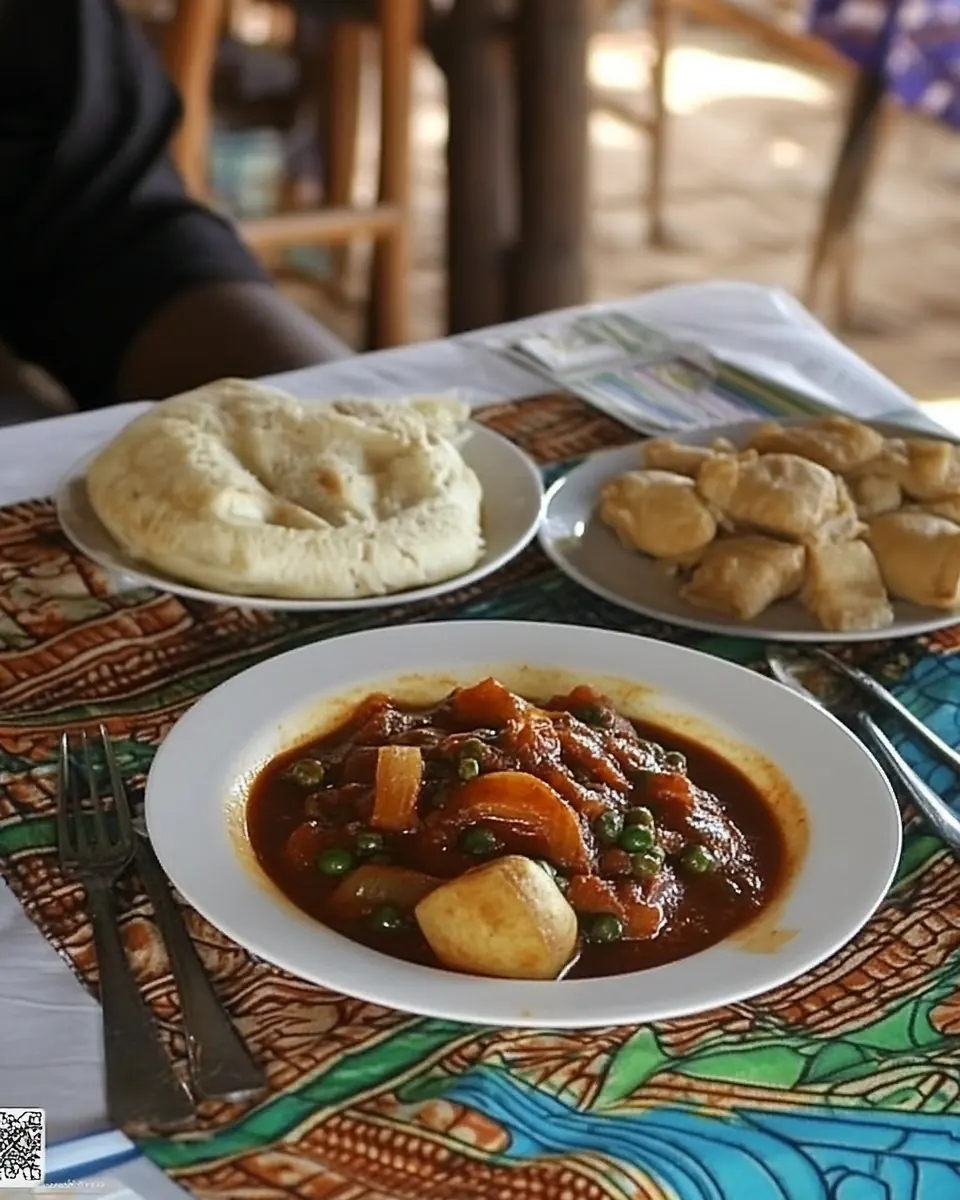
These ingredients reflect a philosophy of minimalism and tradition. The list centers on a single, versatile base, and each part plays a clear role: the starch provides body and comfort, while water activates and shapes the texture. The simplicity means technique and timing matter most, and the ingredient list invites you to focus on rhythm and touch.
- 4 to 6 cups cornmeal, corn flour or ground maize (1 cup per serving is sufficient) and water.: Essential for forming the staple porridge or sadza base, providing structure and body when mixed with water and cooked to desired thickness. Versatile in texture, it absorbs flavors and can be adjusted for firmness to serve as a side or main component. Traditionally provides calories and a neutral canvas for stews, relishes, and sauces common in Malawian meals.
How to Make Traditional Malawian Dishes
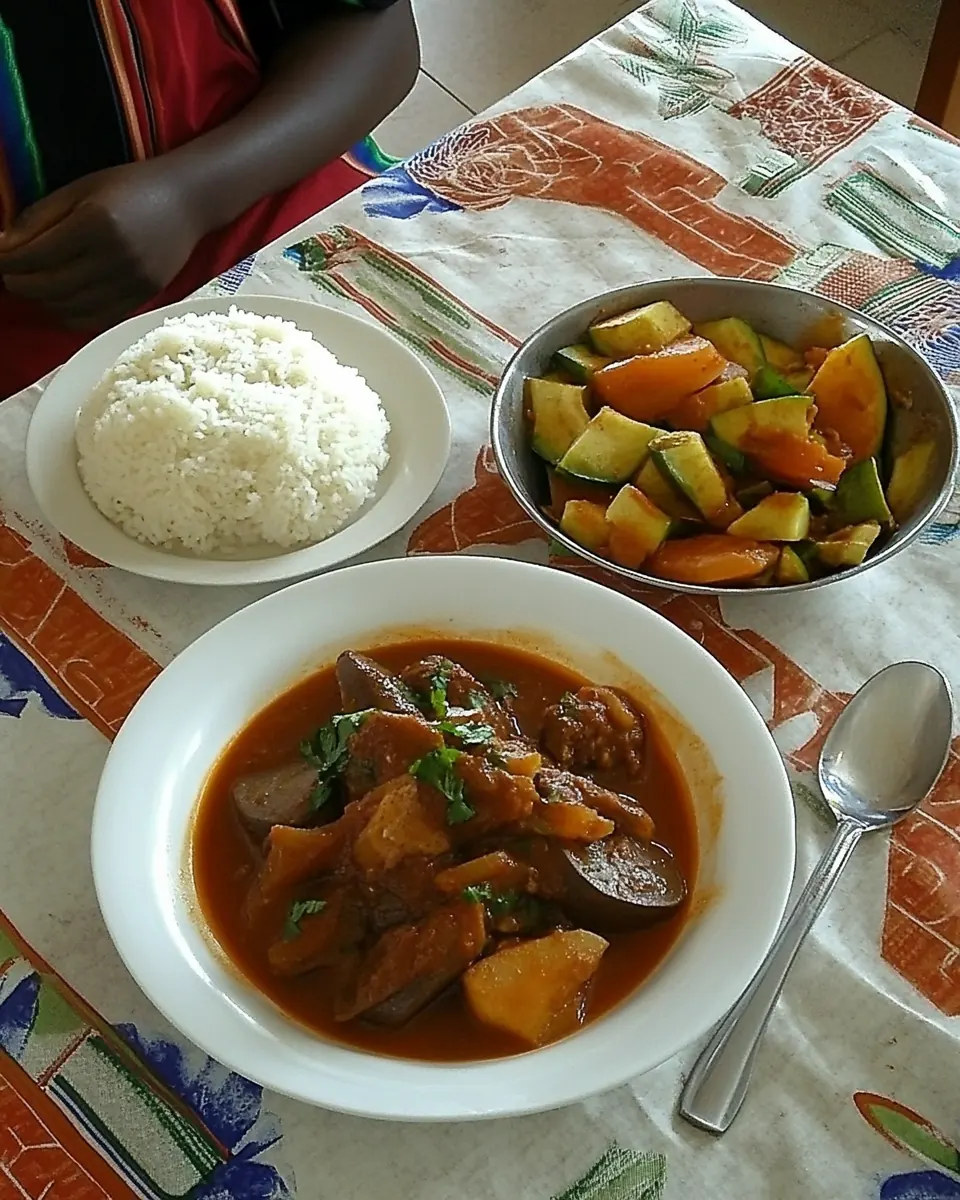
Working through these steps is as much about feeling as it is about following directions. Take your time, listen to the sounds the pot makes, and watch for visual cues. Below I expand each instruction into hands on, sensory rich guidance so you know what success looks and feels like.
- Pour cold water (2.5 cups for each cup of corn meal) into a large pot.: You will hear the water move and notice the cool temperature against the pot before any heat arrives, which helps you judge volume. Using a generous pot gives the mixture room to bubble, preventing spillovers. This measured ratio establishes hydration so the cornmeal can swell evenly. A common oversight is using a pot that is too small, which leads to splatter and rushed stirring, so pick one with at least 2 inches of headspace.
- Over high heat, begin to bring to a boil.: As the water warms you will see small lines of steam and a rising shimmer across the surface. The transition to a rolling boil is important because it creates the agitation needed to integrate the cornmeal without lumps. Watch closely, because boiling can escalate quickly into a violent bubble that threatens to overflow. Avoid walking away at this stage, and reduce heat promptly if it becomes too vigorous.
- After a few minutes, when the water is warm, slowly add the about half the cornmeal to the water one spoonful at a time, stirring continuously with a sturdy wooden spoon.: As you add the first spoonfuls you will notice the water turn opaque and the spoon will gain resistance. The continuous stirring prevents lumps from forming and encourages the granules to swell evenly. The wooden spoon offers subtle give and a tactile feedback you can feel, making it easier to sense when the slurry is smoothing out. A mistake is dumping in a large amount at once, which creates clumps that are very hard to dissolve.
- Continue cooking (and stirring) until the mixture brings to boil & bubble.: Listen for popping and see the surface bubble rhythmically, a cue that starches are activating. The aroma shifts from plain water to a toasty, corn scent. Maintaining motion keeps the texture uniform and prevents scorching on the pot bottom. If you notice sticking or a burnt smell, lower the heat and scrape the bottom gently to salvage the batch.
- Reduce the heat to medium and cook for a a few minutes.: The sound will mellow to a gentle simmer and the steam will stay steady but calm. This moderated heat lets the nsima solidify without drying out, and it develops a cohesive, elastic mouthfeel. I often use this time to steady my stirring rhythm because the mixture thickens quickly. An error people make is keeping the heat too high, which can cause graininess and uneven texture.
- Cooking the mixture over medium heat, add the remaining cornmeal, as before, a spoonful at a time as you continue to stir.: Each additional spoonful absorbs differently as the pot temperature changes, so advance slowly and adjust your speed to maintain smoothness. You will feel the mixture resist and then soften as the starch integrates, which is a rewarding tactile cue. Keep a bowl of reserved cornmeal nearby in case you need to thicken further. A common problem here is impatience; rushing this step leads to lumps and uneven hydration.
- It is essential to keep stirring. If making a large quantity, it may take one person to hold the pot and another to use two hands to stir.: The continuous motion prevents separation and keeps the final texture uniform. For large volumes, two people sharing the task creates even pressure and steadier motion, which the nsima benefits from greatly. You will notice the spoon moving more slowly as thickness increases, and coordinating with a partner makes that stage manageable. One mistake is underestimating the effort for large batches, which results in sticky patches on the pot sides.
- The nsima should be very thick (no liquid remaining) and smooth (no lumps).: Visually the mixture will pull away from the pot sides and form a mass that holds shape. Touch a small amount to test; it should be cohesive and not gritty. Achieving this finish is about sensing when the starches have fully hydrated, and that moment can vary based on grind and heat. If the texture is still wet or grainy, continue gentle cooking and stirring; avoid adding more water which dilutes the structure.
- It may reach this point before all the remaining cornmeal is added to the pot or it may be necessary to add even more cornmeal than the recipe indicates. Once the desired consistency is reached, turn off the heat, cover the pot and allow the nsima to stand for a few minutes before serving.: After turning off the stove you will notice residual steam and a softening in the surface texture as residual heat evens out the interior. Resting lets trapped steam redistribute, making the nsima slightly firmer and easier to shape. Use this pause to prepare your relish and plates. A frequent misstep is serving immediately while the interior is still too hot and fluid, which can make tearing and scooping messy.
- Serve nsima immediately, hot, with the ndiwa (relish) of your choice. With clean hands, tear bits of nsima off and use them to scoop up the ndiwa.: The final experience is tactile and communal, with steam rising and aromas mingling. Use your hands to form small portions and scoop up relish, enjoying the interplay between the mild base and the bold toppings. Serve while warm for best texture and flavor. Avoid reheating repeatedly because that can dry the nsima and alter the mouthfeel.
Expert Tips about Traditional Malawian Dishes
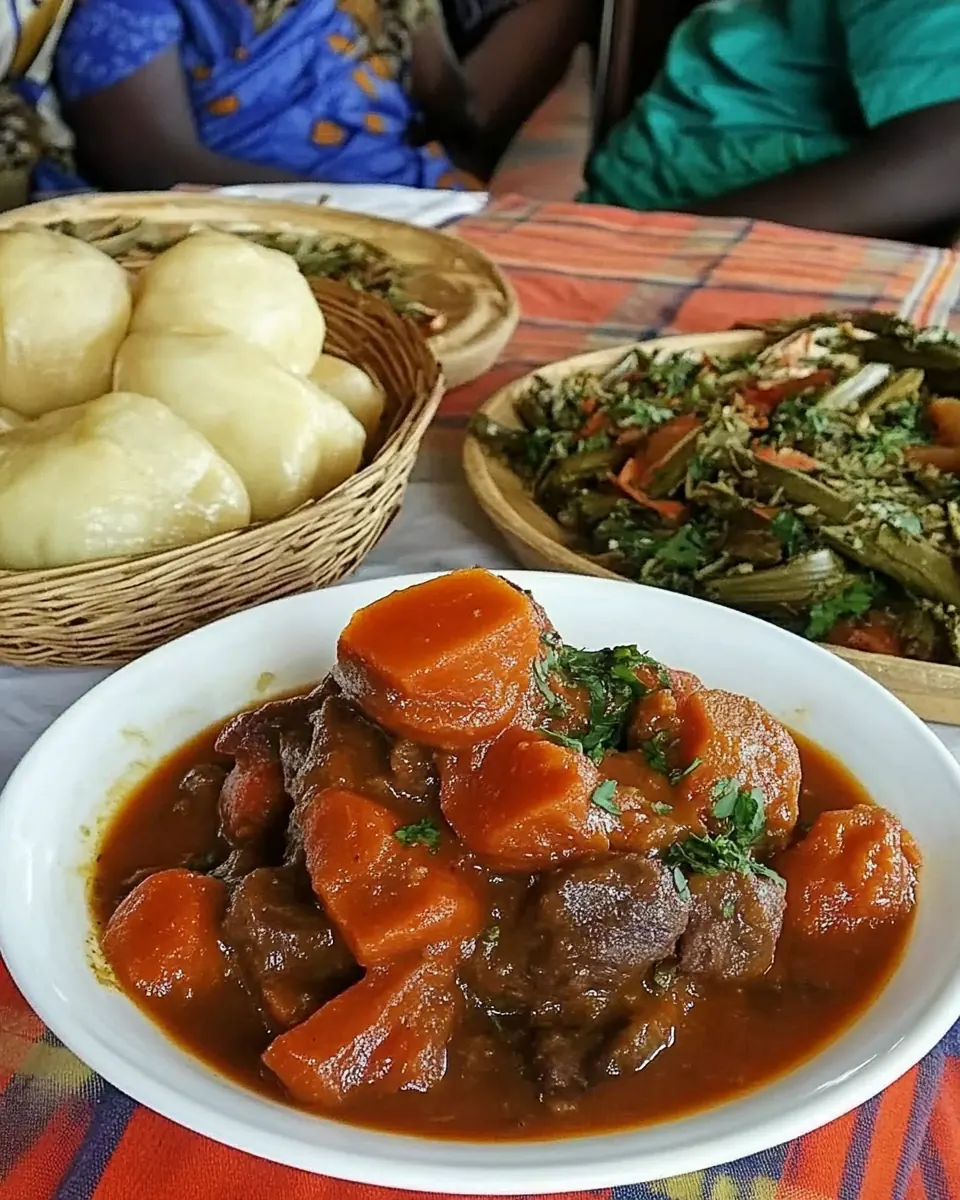
Here are practical tips I use every time I make nsima, refined over repeated practice. Read them slowly and keep a few close at hand while you work at the pot.
- Choose the right grind: Opt for a medium grind cornmeal for the most balanced texture, because a very fine or very coarse grind changes how much water is needed and how quickly the mixture thickens.
- Measure water to cornmeal but trust your senses: Start with the recommended ratio yet be prepared to add extra cornmeal as the pot absorbs liquid; feel the consistency rather than relying only on numbers.
- Use a sturdy spoon: A wooden spoon gives tactile feedback and requires less force to stir a thickening pot, which helps you maintain a smooth motion and avoid sore wrists.
- Control heat in stages: Bring to a vigorous boil to integrate, then lower to medium to finish; this prevents burning and ensures even gelatinization of starches.
- Work in teams for large batches: Share stirring and pot holding when quantities grow, this keeps consistency even and reduces the chance of undercooked pockets.
- Serve straight away: Nsima is at its best hot for texture and ease of scooping; prolonged sitting can dry it, so coordinate relish and plates to serve promptly.
Great Combinations for Traditional Malawian Dishes
The following serving ideas consider occasions, pairings, and practical storage. Nsima is versatile and shines with vibrant relishes during shared meals.
- Everyday family dinner: Serve Traditional Malawian Dishes with a simply spiced vegetable relish for a comforting weeknight meal that brings everyone to the table.
- Weekend gathering: Present nsima in a large pot for a communal family style meal, accompanied by multiple relishes so guests can sample different flavors.
- Celebratory occasions: For holidays or community feasts, make larger quantities and encourage team stirring to keep the texture perfect while fostering togetherness.
- Storage tip: Leftover nsima can be refrigerated and later gently re steamed or reheated with a splash of water to restore softness, but avoid microwave reheating that dries it out.
- Seasonal pairing: In cooler months focus on hot, spicy relishes to complement the warm, dense nsima; in warmer months lighter vegetable relishes offer a refreshing balance.
- Serving style: Encourage eating with clean hands and small portions, showing guests how to tear and scoop for the authentic communal experience.
FAQ
Conclusion
What makes this recipe special is its blend of simplicity and cultural depth, turning a few basic ingredients into a communal, soulful meal. I encourage you to try it because the real reward comes from the hands on rhythm of stirring and the shared satisfaction as everyone scoops up vibrant relishes. Take your time with the technique, enjoy the tactile nature of nsima, and let this dish become one of your comforting go to recipes for gatherings and quiet dinners alike.
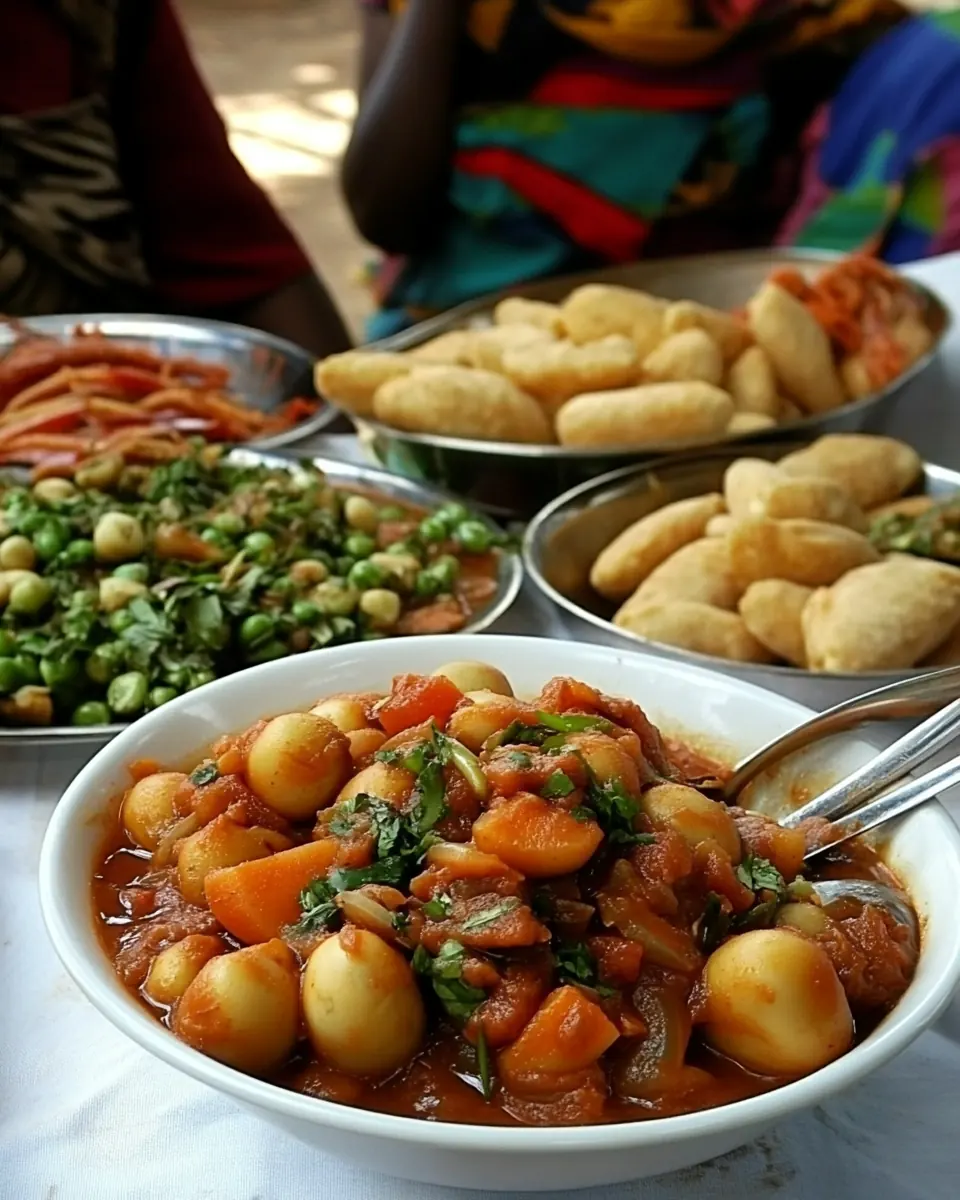
Traditional Malawian Dishes
Ingredients
Equipment
Method
- Pour cold water (2.5 cups for each cup of corn meal) into a large pot.: You will hear the water move and notice the cool temperature against the pot before any heat arrives, which helps you judge volume. Using a generous pot gives the mixture room to bubble, preventing spillovers. This measured ratio establishes hydration so the cornmeal can swell evenly. A common oversight is using a pot that is too small, which leads to splatter and rushed stirring, so pick one with at least 2 inches of headspace.
- Over high heat, begin to bring to a boil.: As the water warms you will see small lines of steam and a rising shimmer across the surface. The transition to a rolling boil is important because it creates the agitation needed to integrate the cornmeal without lumps. Watch closely, because boiling can escalate quickly into a violent bubble that threatens to overflow. Avoid walking away at this stage, and reduce heat promptly if it becomes too vigorous.
- After a few minutes, when the water is warm, slowly add the about half the cornmeal to the water one spoonful at a time, stirring continuously with a sturdy wooden spoon.: As you add the first spoonfuls you will notice the water turn opaque and the spoon will gain resistance. The continuous stirring prevents lumps from forming and encourages the granules to swell evenly. The wooden spoon offers subtle give and a tactile feedback you can feel, making it easier to sense when the slurry is smoothing out. A mistake is dumping in a large amount at once, which creates clumps that are very hard to dissolve.
- Continue cooking (and stirring) until the mixture brings to boil & bubble.: Listen for popping and see the surface bubble rhythmically, a cue that starches are activating. The aroma shifts from plain water to a toasty, corn scent. Maintaining motion keeps the texture uniform and prevents scorching on the pot bottom. If you notice sticking or a burnt smell, lower the heat and scrape the bottom gently to salvage the batch.
- Reduce the heat to medium and cook for a a few minutes.: The sound will mellow to a gentle simmer and the steam will stay steady but calm. This moderated heat lets the nsima solidify without drying out, and it develops a cohesive, elastic mouthfeel. I often use this time to steady my stirring rhythm because the mixture thickens quickly. An error people make is keeping the heat too high, which can cause graininess and uneven texture.
- Cooking the mixture over medium heat, add the remaining cornmeal, as before, a spoonful at a time as you continue to stir.: Each additional spoonful absorbs differently as the pot temperature changes, so advance slowly and adjust your speed to maintain smoothness. You will feel the mixture resist and then soften as the starch integrates, which is a rewarding tactile cue. Keep a bowl of reserved cornmeal nearby in case you need to thicken further. A common problem here is impatience; rushing this step leads to lumps and uneven hydration.
- It is essential to keep stirring. If making a large quantity, it may take one person to hold the pot and another to use two hands to stir.: The continuous motion prevents separation and keeps the final texture uniform. For large volumes, two people sharing the task creates even pressure and steadier motion, which the nsima benefits from greatly. You will notice the spoon moving more slowly as thickness increases, and coordinating with a partner makes that stage manageable. One mistake is underestimating the effort for large batches, which results in sticky patches on the pot sides.
- The nsima should be very thick (no liquid remaining) and smooth (no lumps).: Visually the mixture will pull away from the pot sides and form a mass that holds shape. Touch a small amount to test; it should be cohesive and not gritty. Achieving this finish is about sensing when the starches have fully hydrated, and that moment can vary based on grind and heat. If the texture is still wet or grainy, continue gentle cooking and stirring; avoid adding more water which dilutes the structure.
- It may reach this point before all the remaining cornmeal is added to the pot or it may be necessary to add even more cornmeal than the recipe indicates. Once the desired consistency is reached, turn off the heat, cover the pot and allow the nsima to stand for a few minutes before serving.: After turning off the stove you will notice residual steam and a softening in the surface texture as residual heat evens out the interior. Resting lets trapped steam redistribute, making the nsima slightly firmer and easier to shape. Use this pause to prepare your relish and plates. A frequent misstep is serving immediately while the interior is still too hot and fluid, which can make tearing and scooping messy.
- Serve nsima immediately, hot, with the ndiwa (relish) of your choice. With clean hands, tear bits of nsima off and use them to scoop up the ndiwa.: The final experience is tactile and communal, with steam rising and aromas mingling. Use your hands to form small portions and scoop up relish, enjoying the interplay between the mild base and the bold toppings. Serve while warm for best texture and flavor. Avoid reheating repeatedly because that can dry the nsima and alter the mouthfeel.
Notes
- Choose the right grind: Opt for a medium grind cornmeal for the most balanced texture, because a very fine or very coarse grind changes how much water is needed and how quickly the mixture thickens.
- Measure water to cornmeal but trust your senses: Start with the recommended ratio yet be prepared to add extra cornmeal as the pot absorbs liquid; feel the consistency rather than relying only on numbers.
- Use a sturdy spoon: A wooden spoon gives tactile feedback and requires less force to stir a thickening pot, which helps you maintain a smooth motion and avoid sore wrists.
- Control heat in stages: Bring to a vigorous boil to integrate, then lower to medium to finish; this prevents burning and ensures even gelatinization of starches.
- Work in teams for large batches: Share stirring and pot holding when quantities grow, this keeps consistency even and reduces the chance of undercooked pockets.
- Serve straight away: Nsima is at its best hot for texture and ease of scooping; prolonged sitting can dry it, so coordinate relish and plates to serve promptly.