French Toast
French Toast has been my breakfast companion on slow weekend mornings and on rushed weekdays when I need something honest and comforting. I remember the first time I tried a slice of thick, custardy toast soaked in a sweet batter, the warm aroma of cinnamon filling the kitchen, and the way the outside developed a tender golden crust while the middle stayed pillowy. That memory lives in every pan I heat, and over time I have nudged the technique toward consistency so I get that same result whether I am cooking for one or feeding a small crowd.
There is a small ritual to making French Toast that I adore. I almost always reach for a loaf that is slightly firm, because it soaks up the batter without collapsing. I love the tactile part, dipping each slice and hearing a faint, satisfying drip as excess batter falls back into the bowl. Serving it hot, with syrup pooling at the edges and a dusting of sugar, feels like a little celebration. Sometimes I keep it simple and sometimes I fold in a tiny twist, but the heart of the dish remains the same, and that reliability is why it shows up in my kitchen again and again.
Recipe Snapshot
15 mins
5 mins
10 mins
Easy
250 kcal
American
Gluten-Free, Low FODMAP
Breakfast
Griddle
Why You Need This French Toast
Comfort in simplicity
I adore how French Toast turns a few pantry staples into something that feels indulgent. With eggs and milk doing the heavy lifting, you get a creamy interior and a gently crisped exterior, and that contrast is what keeps me coming back. I like to remind friends that this is food that hugs you from the inside out, without needing complicated technique or rare ingredients.
Versatility for every meal
One of the best things about French Toast is how flexible it is. I use thick slices for a plush texture, and the batter adapts well whether I want to keep it simple or dress it up. You can serve it for a lazy weekend brunch, a special holiday breakfast, or even a quick dinner when you crave warmth. The recipe scales easily, which I appreciate when hosting.
Reliable texture every time
I like how adding a bit of flour creates a more cohesive batter that clings to the bread, producing a custardy center. That trick gave me consistent success after a few experiments, and now I rarely skip it. The result is an interior that feels soft and tender, while the outside takes on a pleasant golden color when cooked right.
Fast, pantry friendly, crowd pleasing
This version of French Toast is speedy, which matters on busy mornings. With a short blending step and quick cooking, you can have plates on the table in minutes. I love serving it when friends stop by unexpectedly, because it feels like effort without requiring a full day in the kitchen.
Small adjustments, big payoff
Little choices change the outcome in meaningful ways. Using a slightly richer milk yields a creamier batter, and choosing thicker slices of bread gives you more interior to savor. Over the years I have learned to trust these small swaps, and they help me tailor the dish to the moment.
Key Ingredients for French Toast
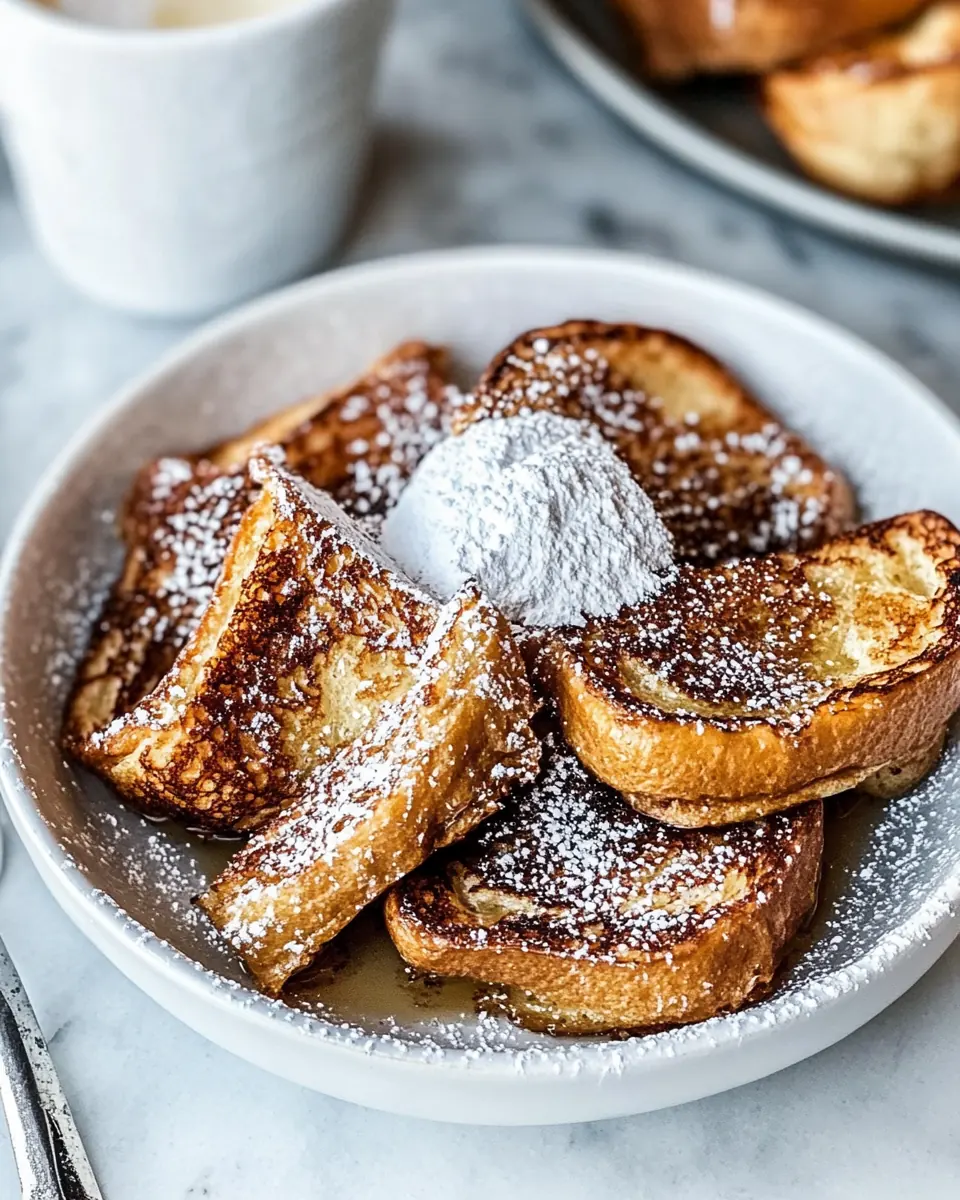
The philosophy here is straightforward: a few humble ingredients work together to create a custardy coating that transforms bread into something almost cake like. The key players, like eggs, milk, and a touch of flour, build structure and creaminess. Meanwhile, cinnamon and vanilla bring warmth and aroma, and the final slices of bread provide the canvas that soaks up those flavors.
- 4 large eggs: Beat thoroughly to provide structure and richness to the custard base, helping bind the wet and dry components together. Add moisture and contribute to a tender interior when the bread soaks in the mixture. Help create a golden, slightly puffed surface when cooked.
- 2/3 cup milk (160 ml): Whisk in to loosen the custard and provide creaminess, contributing to a silky texture when bread soaks it up. Control the consistency of the batter so it soaks evenly without becoming soggy. Aid in browning and mouthfeel during cooking.
- 1/4 cup all-purpose flour (30 grams): Whisk into the batter to slightly thicken and stabilize the custard, improving coating adhesion to the bread slices. Help achieve a custardy interior by combining with eggs and milk for a uniform texture. Prevent the mixture from being too runny while maintaining a smooth finish.
- 1/4 cup granulated sugar (50 grams): Dissolve into the custard to provide sweetness and enhance flavor, balancing the egginess and dairy. Promote caramelization on the surface during cooking for appealing color and slight crispness. Support overall palatability and counteract any bitterness.
- 1/4 teaspoons salt: Sprinkle sparingly to enhance flavors and balance sweetness, amplifying the other ingredients without overwhelming them. Tighten the overall taste profile and support proper seasoning in the custard. Help accentuate subtle flavors so the final dish tastes well-rounded.
- 1 teaspoon ground cinnamon: Stir in to provide warm aromatic notes and subtle complexity, complementing sugar and vanilla within the custard. Add depth to each bite and contribute to the signature flavor profile of classic French toast. Enhance perceived sweetness without adding sugar.
- 1 teaspoon vanilla extract (5 ml): Measure and mix into the custard to impart fragrant, sweet vanilla aroma that elevates the dish's overall flavor. Provide a familiar baking scent and roundness to the taste, tying together the dairy and spices. Use sparingly to avoid overpowering delicate flavors.
- 8 thick slices bread: Soak thoroughly to absorb the custard mixture while providing structure and texture, serving as the main vehicle for the flavors and custardy interior. Toast to develop a crisp exterior and warm, tender center; thickness helps prevent rapid sogginess and ensures even cooking. Act as the primary component that becomes golden and satisfying when cooked.
Recipe Steps for French Toast
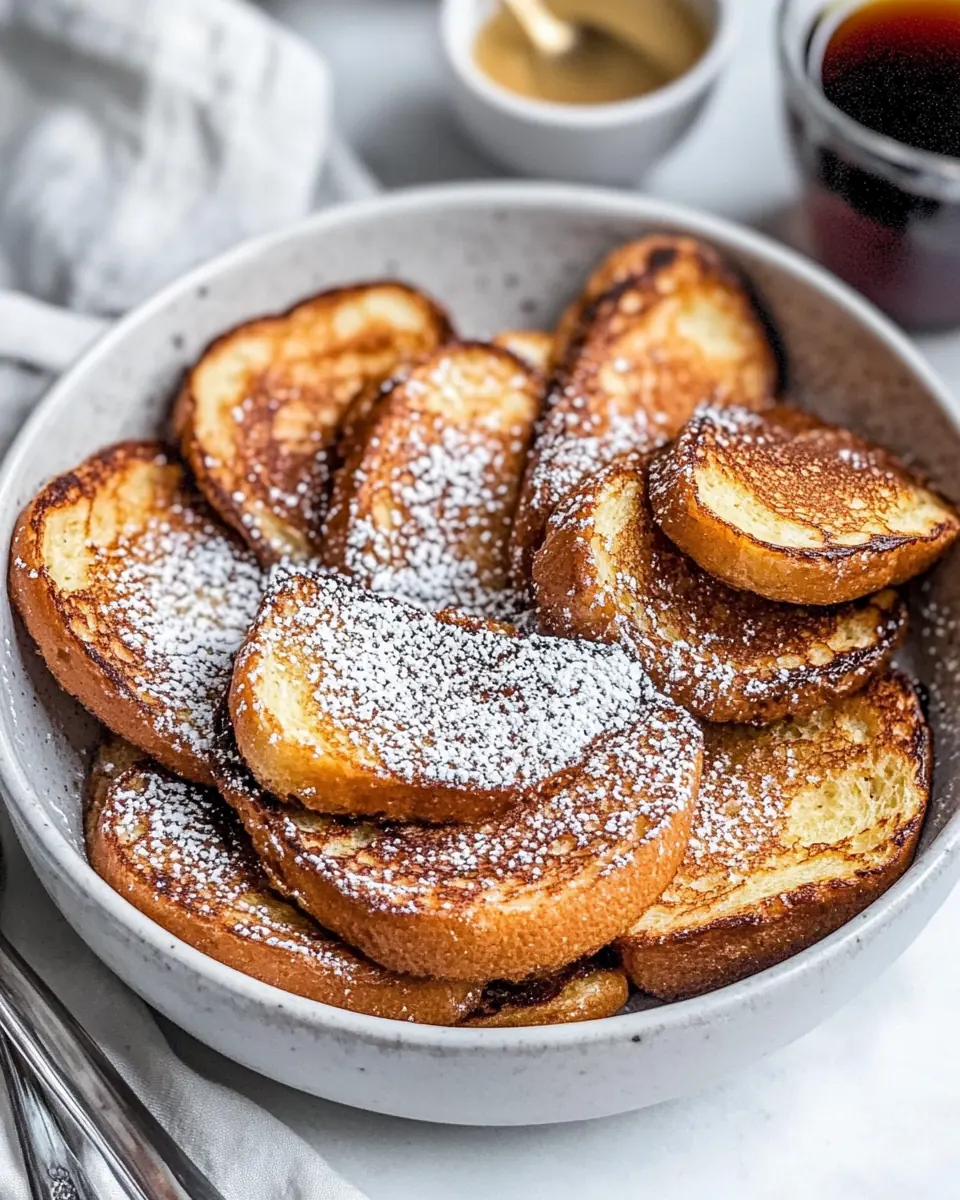
These steps are written to guide you through each stage with sensory cues and reasons for the technique so you feel confident at the skillet. Take your time on the first batch to dial in the heat and watch for color cues as you cook the slices.
- Preheat griddle to 350 degrees F or heat a skillet over medium heat.: You will notice a faint warmth rising from the surface and, when the pan is ready, a small drop of water will sizzle and evaporate quickly, which is the cue for proper temperature. Getting this right ensures a golden exterior without burning, so the middle has time to set. A common error is starting on a pan that is too hot, which browns the outside too fast while leaving the center undercooked. If your pan is smoking, reduce the heat and wait for it to cool, then try again.
- In a blender, add the eggs, milk, flour, sugar, salt, cinnamon, and vanilla. Blend until smooth. If you prefer whisking by hand, start by mixing the flour and eggs together in a shallow dish, then whisk in the rest of the ingredients until combined.: Right after blending or whisking you should see a glossy, slightly thick batter with tiny specks of cinnamon distributed throughout. The aroma will lift floral and sweet notes from the vanilla, which signals that your flavor base is ready. This step matters because a smooth batter coats the bread evenly, producing a consistent custard texture. If chunks of flour remain, pockets may cook oddly, so strain or blend again. A common pitfall is over mixing by hand, which can produce a lot of foam, so let the batter rest for a minute to let bubbles settle.
- Dip bread slices into the batter, dredging them well on both sides, and place on hot, greased griddle or skillet.: As you dip, you should see the bread darken slightly and feel heavier as it soaks up the batter. Allow excess to drip back into the bowl, but do not press the slices down, or they may become soggy. Arranging them on the heated surface, you will hear a soft sizzle, which is the sound of the custard beginning to set. The why here is simple: even coating ensures each bite has that creamy interior and a nicely browned exterior. Avoid oversaturating very soft bread, which can fall apart when flipped.
- Cook for a few minutes, until the bottom of the breads starts to get golden brown. Flip and cook on the other side the same.: You will see the edges firm and the underside transition from pale to a warm golden brown, and the aroma will deepen into buttery toasted notes. Flipping at the right moment ensures an even crust and prevents the interior from turning gummy. If the color progresses too quickly, lower the heat; if it is not browning after several minutes, slightly increase the heat. A frequent mistake is flipping too often, which prevents full color development and results in less texture contrast.
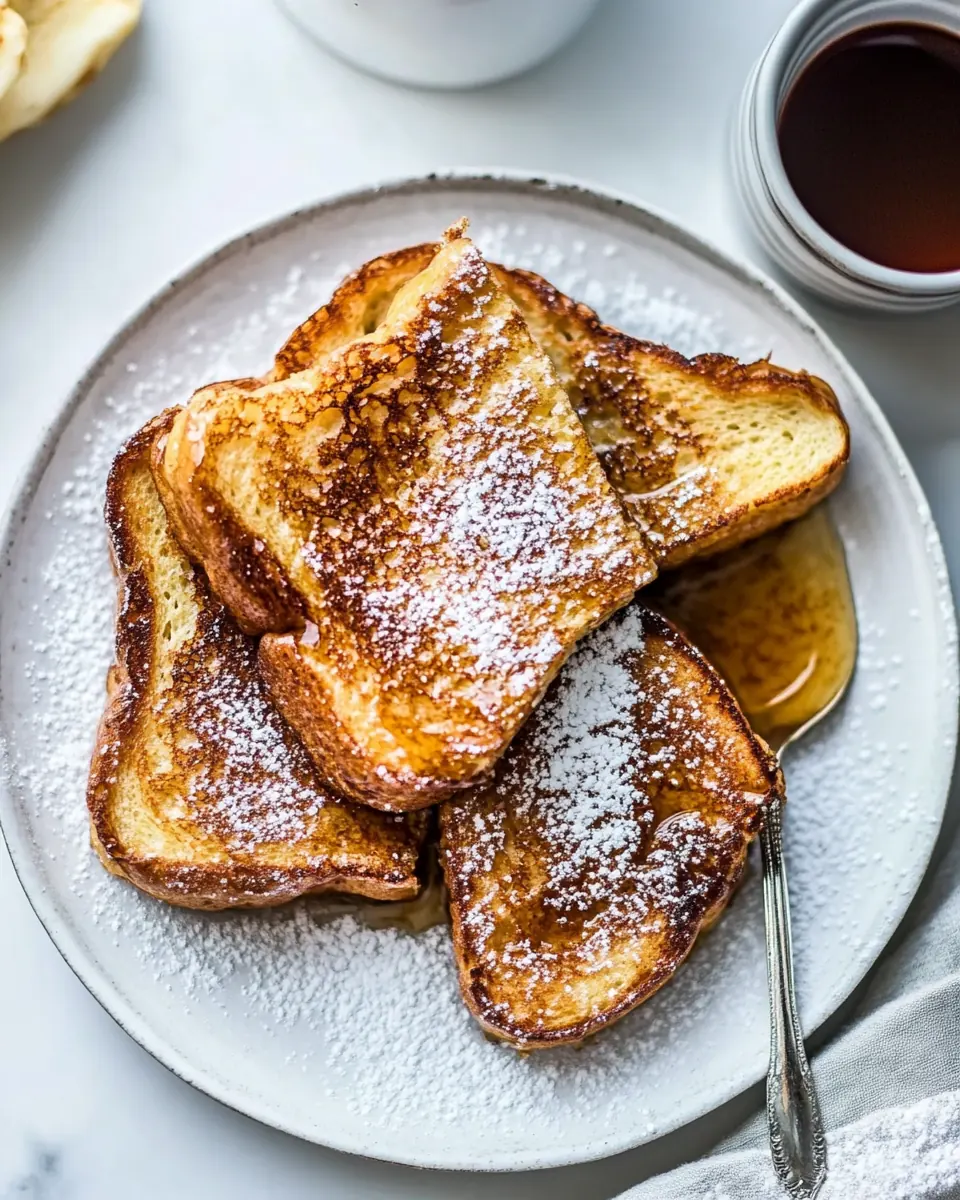
- Remove to a plate. Serve warm with syrup and a sprinkle of powdered sugar.: The finished slices should be springy to the touch in the center and fragrant with cinnamon and vanilla. Serving immediately preserves the crisp edge and custardy middle, while toppings like syrup add sweet, sticky contrast. If you leave them to sit too long, they can lose their texture, so keep them warm in a low oven if needed. Avoid covering tightly right away, or trapped steam will soften the crust.
Ways to Adapt This Recipe
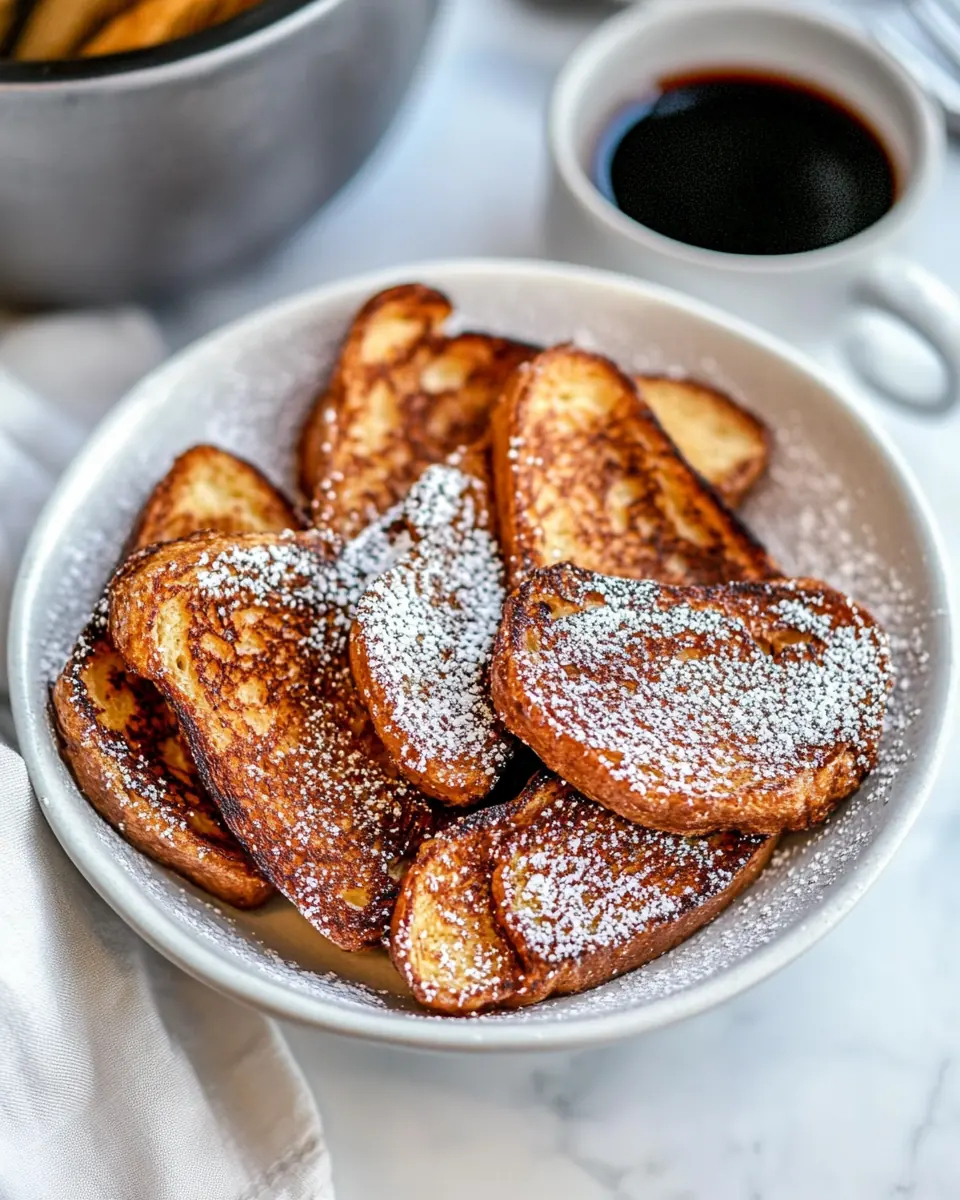
This section offers practical adaptations and ideas to customize French Toast to your pantry and taste. Below are friendly, tested tips that expand on the recipe without changing the core method.
- Use richer milk for creamier batter. Swapping in whole milk or adding a splash of cream gives a silkier texture and more indulgent mouthfeel, which helps create a custardy interior that feels luxurious.
- Try day old or slightly stale bread. Bread that is a little dry soaks up the batter without collapsing, yielding a more structured interior and preventing a soggy outcome when cooking.
- Blend for a smooth batter. Using a blender ensures the flour is fully incorporated and creates an even coating on the bread, which reduces lumps and improves the final texture.
- Control sweetness with toppings. Keep the batter moderately sweet and let toppings like syrup or powdered sugar provide adjustable sweetness so everyone can customize their slice.
- Make ahead the batter. You can prepare the batter one to two days ahead and keep it chilled, which is helpful when hosting and keeps the process smooth on the morning of service.
- Reheat without losing texture. Store cooled slices in a freezer bag for up to three months, and rewarm on a skillet or in a toaster to revive the exterior crispness and warm the custard center.
Serving Suggestions
Serving French Toast can be as pared down or celebratory as you like. Below are ideas for pairing, occasions to serve, and storage notes so each plate feels thoughtful and complete.
- Classic breakfast plate: Stack two slices and drizzle with warm maple syrup, add a light dusting of powdered sugar and serve with fresh fruit on the side for a balanced morning meal.
- Brunch for guests: Offer a small toppings bar with warmed fruit compote, chopped nuts, and syrups, so guests can customize their slices to taste, and keep finished toast warm in a low oven.
- Weeknight comfort: Serve a single thick slice with a smear of butter and a drizzle of honey when you want a quick comforting meal that feels indulgent without fuss.
- Holiday breakfast: Make a larger batch and keep in a 200 degree F oven to serve during family gatherings, pairing with fresh orange segments and brewed coffee for a festive spread.
- Storage tip: Cool completely before freezing in a single layer, and reheat in a skillet or toaster to restore the crisp exterior and soft interior; frozen slices can keep up to three months.
- Seasonal pairing: In cooler months, serve with warm spiced fruit like apple or pear compote; in warmer months, top with berries and a squeeze of lemon for brightness.
FAQ
Conclusion
French Toast stands out because it turns a handful of simple ingredients into a comforting, versatile meal that feels both homey and a little celebratory. Try it when you want a quick, satisfying breakfast or a cozy dinner that requires minimal effort but rewards you with rich flavor and tender texture. I hope this recipe becomes one of those dependable dishes you reach for when you need a little warmth on the table, and that it brings the same small pleasures to your kitchen that it has to mine.
French Toast
Ingredients
Equipment
Method
- Preheat griddle to 350 degrees F or heat a skillet over medium heat.: You will notice a faint warmth rising from the surface and, when the pan is ready, a small drop of water will sizzle and evaporate quickly, which is the cue for proper temperature. Getting this right ensures a golden exterior without burning, so the middle has time to set. A common error is starting on a pan that is too hot, which browns the outside too fast while leaving the center undercooked. If your pan is smoking, reduce the heat and wait for it to cool, then try again.
- In a blender, add the eggs, milk, flour, sugar, salt, cinnamon, and vanilla. Blend until smooth. If you prefer whisking by hand, start by mixing the flour and eggs together in a shallow dish, then whisk in the rest of the ingredients until combined.: Right after blending or whisking you should see a glossy, slightly thick batter with tiny specks of cinnamon distributed throughout. The aroma will lift floral and sweet notes from the vanilla, which signals that your flavor base is ready. This step matters because a smooth batter coats the bread evenly, producing a consistent custard texture. If chunks of flour remain, pockets may cook oddly, so strain or blend again. A common pitfall is over mixing by hand, which can produce a lot of foam, so let the batter rest for a minute to let bubbles settle.
- Dip bread slices into the batter, dredging them well on both sides, and place on hot, greased griddle or skillet.: As you dip, you should see the bread darken slightly and feel heavier as it soaks up the batter. Allow excess to drip back into the bowl, but do not press the slices down, or they may become soggy. Arranging them on the heated surface, you will hear a soft sizzle, which is the sound of the custard beginning to set. The why here is simple: even coating ensures each bite has that creamy interior and a nicely browned exterior. Avoid oversaturating very soft bread, which can fall apart when flipped.
- Cook for a few minutes, until the bottom of the breads starts to get golden brown. Flip and cook on the other side the same.: You will see the edges firm and the underside transition from pale to a warm golden brown, and the aroma will deepen into buttery toasted notes. Flipping at the right moment ensures an even crust and prevents the interior from turning gummy. If the color progresses too quickly, lower the heat; if it is not browning after several minutes, slightly increase the heat. A frequent mistake is flipping too often, which prevents full color development and results in less texture contrast.
- Remove to a plate. Serve warm with syrup and a sprinkle of powdered sugar.: The finished slices should be springy to the touch in the center and fragrant with cinnamon and vanilla. Serving immediately preserves the crisp edge and custardy middle, while toppings like syrup add sweet, sticky contrast. If you leave them to sit too long, they can lose their texture, so keep them warm in a low oven if needed. Avoid covering tightly right away, or trapped steam will soften the crust.
Notes
- Use richer milk for creamier batter. Swapping in whole milk or adding a splash of cream gives a silkier texture and more indulgent mouthfeel, which helps create a custardy interior that feels luxurious.
- Try day old or slightly stale bread. Bread that is a little dry soaks up the batter without collapsing, yielding a more structured interior and preventing a soggy outcome when cooking.
- Blend for a smooth batter. Using a blender ensures the flour is fully incorporated and creates an even coating on the bread, which reduces lumps and improves the final texture.
- Control sweetness with toppings. Keep the batter moderately sweet and let toppings like syrup or powdered sugar provide adjustable sweetness so everyone can customize their slice.
- Make ahead the batter. You can prepare the batter one to two days ahead and keep it chilled, which is helpful when hosting and keeps the process smooth on the morning of service.
- Reheat without losing texture. Store cooled slices in a freezer bag for up to three months, and rewarm on a skillet or in a toaster to revive the exterior crispness and warm the custard center.