Garlicky Marinated Tomato Salad
Garlicky Marinated Tomato Salad is the kind of dish that shows up at my table whenever tomatoes are at their peak in summer, and it always gets devoured faster than I expect. I remember the first time I tossed ripe roma tomatoes with that punchy garlicky marinade, the kitchen filled with a bright, herbaceous scent that made everyone wander in asking what’s for lunch. I set the jar down and felt strangely proud, because this simple mix of garden produce and bold aromatics tastes like a celebration of the sun without fuss.
What makes Garlicky Marinated Tomato Salad special for me is how it lives between a salad and a condiment, able to star as a side or to lift a humble sandwich to something memorable. I keep a jar in the fridge during tomato season and find it transforms quick weekday meals into moments that feel planned and cared for. Friends often ask for the recipe after one bite, and I like to tell them that the magic is less about technique and more about picking confident flavors and letting time do the work.
Recipe Snapshot
12 hr
720 mins
0 mins
Hard
150 kcal
American
Vegan, Gluten-Free
Side Dishes
Food Processor or Blender, Large 1 Gallon Jar, Medium Bowl, Knife, Cutting Board
What Sets This Garlicky Marinated Tomato Salad Apart
Bold, simple flavors that sing
I love how Garlicky Marinated Tomato Salad combines a handful of strong ingredients to make a complex result. The tomatoes keep their juicy freshness while the marinade brings a bright, slightly sweet and tangy counterpoint. I reach for this recipe when I want a dish that reads as elegant but is utterly effortless.
Versatility at every meal
I often serve this as a side with grilled vegetables or fold it into sandwiches, and it also makes a lovely topping for a grain bowl. You can spoon it over warm rice or pair it with roasted proteins, the tomato texture and marinade brightness lifting everything they touch. I appreciate recipes that work across multiple meals, and this one does just that.
Hands off, big payoff
One of the reasons I keep returning to Garlicky Marinated Tomato Salad is the minimal hands on time. A quick blitz in the food processor and some patient marinating overnight results in layers of flavor you could not coax out with a few extra minutes of chopping. I like recipes that reward waiting, and this is a stellar example.
Celebrates peak produce
I make this dish when roma tomatoes are meaty and sweet, because their texture holds up to the marinade. Using fresh herbs and whole garlic elevates the dish beyond a simple tomato salad. I enjoy honoring seasonal produce, and this recipe is built to showcase the best of summer.
Family friendly and make ahead
I can prep a jar in the morning and know it’s ready by dinner, which is why I serve it when guests arrive. It travels well to potlucks and keeps in the fridge for several days if stored right. I like that it simplifies entertaining without compromising on flavor.
Ingredients You’ll Need for Garlicky Marinated Tomato Salad
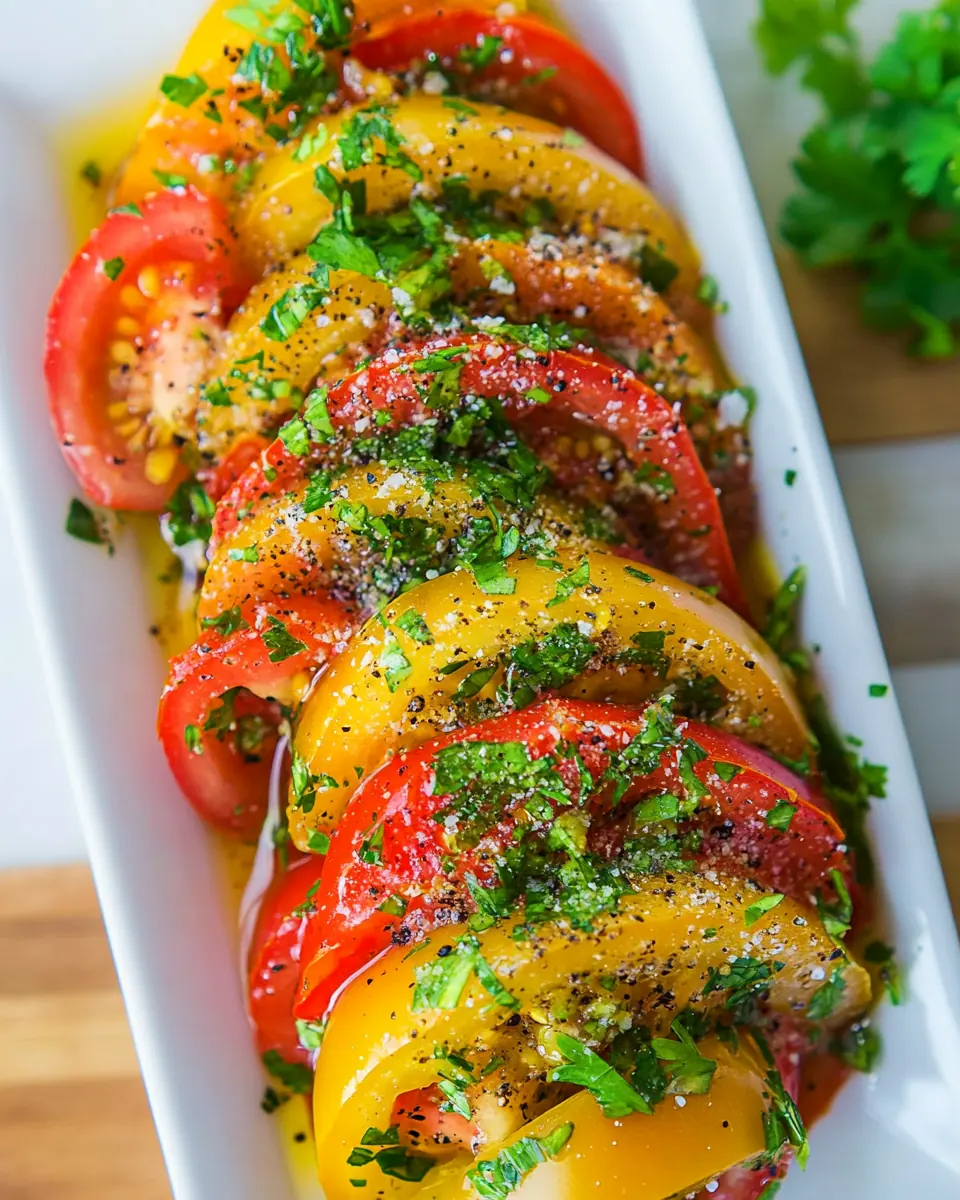
These ingredients are intentionally few and highly complementary; they rely on contrast and freshness rather than complexity. The tomatoes provide juicy body, while the garlic, herbs, vinegar, and olive oil form a bold marinade that infuses every bite. The sugar and salt balance acidity and coax out the tomatoes natural sweetness, and the peppers add a bright vegetal note and optional heat.
- 4 1/2 lbs medium roma tomatoes, rinsed: Provide juicy body and acidity balance while contributing fresh tomato flavor and texture when chopped; core and slice into wedges to allow the marinade to penetrate and keep skins intact for presentation. Pair with salt to draw out juices and enhance the overall salad mouthfeel for a true summer-tasting dish.
- 2 bell peppers, any color, seeded, chopped into large pieces: Add crunchy sweetness and colorful contrast while softening slightly in the marinade; chop into large pieces so pepper flesh remains noticeable and delivers bursts of flavor. Complement tomatoes by providing a crisp texture that holds up to the vinegar and oil.
- 2 jalapeños, (or 5 tiny hot peppers with seeds): Contribute heat and a bright peppery note to lift the salad; leave seeds in for maximum spice or remove some for milder heat. Thinly slice or finely chop to distribute a balanced kick throughout the marinated mixture.
- 1 large garlic head (or 2 medium heads), 16-20 cloves, peeled: Infuse intense savory and aromatic depth when thinly sliced, minced, or gently crushed to release oils; provide a garlicky backbone that mellows slightly during marination. Use peeled cloves to ensure even distribution of pungency without bitter papery bits.
- 1 bunch dill, (1/2 cup chopped) fresh or frozen: Impart a fragrant, anise-like freshness and herbaceous lift when chopped; use either fresh or thawed frozen dill to add a cooling contrast to the vinegar and garlic. Stir into the salad near the end of assembly so delicate fronds retain texture and aroma.
- 1/2 cup fresh parsley: Offer bright, slightly bitter green notes and a clean herbaceous finish when finely chopped; balance the stronger flavors of garlic and vinegar while adding color. Use fresh parsley leaves packed loosely for a lively, fresh garnish.
- 1/2 cup olive oil: Provide silky mouthcoating and help unify the marinade by emulsifying with vinegar; drizzle evenly to distribute flavor and aid preservation. Choose a good-quality extra-virgin olive oil for optimal aroma and richness.
- 1/2 cup white vinegar: Deliver sharp acidity that brightens flavors and helps macerate vegetables; combine with oil to create a balanced vinaigrette that preserves the salad. Use white vinegar for a clean, non-colored acidity that lets other ingredients shine.
- 1/2 cup granulated sugar: Add subtle sweetness to counteract vinegar and salt while rounding flavors; dissolve into the warm or room-temperature marinade to integrate evenly. Granulated sugar softens the tomatoes slightly and balances the overall taste profile.
- 2 1/2 tbsp salt such as sea salt (not iodized), (50 grams): Enhance overall seasoning, draw out moisture from tomatoes, and preserve the salad; dissolve thoroughly to avoid salty pockets and to aid flavor extraction. Use a coarse non-iodized salt for consistent seasoning and optimal texture.
Step by Step Guide for Garlicky Marinated Tomato Salad
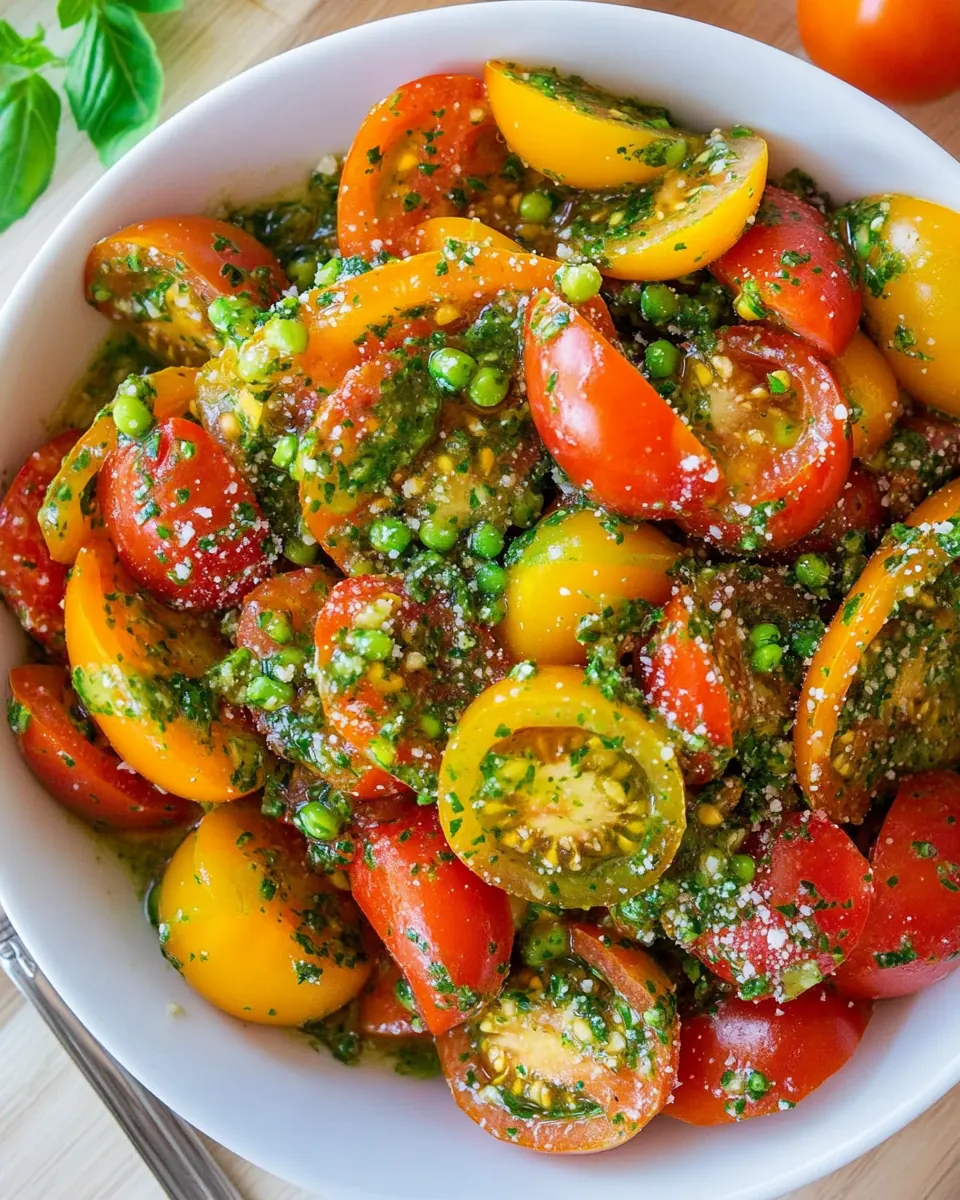
This recipe is built around a handful of clear actions, and the payoff comes from sensory cues and patience. Below I expand the original directions into detailed steps that help you nail texture, flavor, and storage.
- Combine chopped bell peppers, jalapeno peppers, whole garlic cloves, dill and parsley into a large food processor or blender and pulse to finely chop.: The first scent you will notice while pulsing is the sharp, green aroma of the jalapeños and the earthy, pungent perfume of whole garlic cloves, which together build the backbone of the marinade. As the blades pulse, listen for a rhythmic chopping sound that signals even breakup, and watch for a coarse, herb flecked texture rather than a puree. This coarse chop allows the marinade to mingle with the tomatoes without turning into a smooth sauce. One reason this technique matters is texture contrast, it helps the marinade cling to tomato surfaces and release bits of herb and pepper in each bite. A common mistake is over-processing, which will heat the mixture and smash delicate herb oils, making the marinade bitter. If you end up too smooth, stir in a few extra chopped herbs by hand to restore brightness.
- Transfer mixture to medium bowl and add 1/2 cup vinegar, 1/2 cup olive oil, 1/2 cup sugar and 2 1/2 Tbsp salt. Stir to combine.: When you pour in the white vinegar and olive oil the aroma shifts to a lively tang, and the sugar starts to dissolve, softening the initial sharpness. Stirring releases aromatic compounds and dissolves the sugar and salt, creating a glossy emulsion that will coat the tomatoes evenly. The visual cue is a sheen on the liquid and suspended flecks of herb and pepper. The why here is that dissolving the seasonings before adding tomatoes ensures even distribution and prevents pockets of concentrated salt. One troubleshooting tip is to taste the marinade on a small spoon before adding tomatoes, you can adjust sugar or salt if it feels unbalanced. Avoid vigorous whisking that could warm the oil and blunt its flavor.
- Cut tomatoes in halves (or quarters if using larger tomatoes), trimming off fibrous stem tops. Layer tomatoes and marinade into large 1 gallon jar, alternating with tomatoes and marinade until jar is full.: As you slice the tomatoes , note the bright, sweet juice that escapes and the firm but yielding flesh. Cutting them into uniform halves or quarters helps them layer neatly in the jar and ensures consistent marination. Remove the fibrous stem tops because they can add an unpleasant chew and detract from the clean tomato flavor. The visual sign you want is exposed, glossy tomato flesh that will readily accept the marinade. The technique matters because uneven sizes marinate at different rates, producing inconsistent bites. A common mistake is rough chopping into uneven chunks, which leads to some pieces becoming mushy while others stay under-marinated.
- Cover with lid and tighten. Turn jar upside-down, placing it over a plate to catch any leaks. Refrigerate up-side-down 12 hours (*see note). After 12 hours, flip the jar right side-up and enjoy! Refrigerate remaining tomatoes keeping jar right-side-up.: As you layer, notice how the marinade settles into the tomato crevices, the surface reflecting light and carrying herb flecks. Alternate to ensure that every pocket of tomato gets contact with the liquid rather than trapping air. This layering helps distribute flavors and creates beautiful visual strata of red fruit and green herbs. The reason this matters is even exposure to the marinade gives consistent flavor throughout the jar. Avoid packing the jar too tightly, which can bruise tomatoes and release excess water, diluting the marinade. If your jar is smaller, consider using two smaller containers to maintain the layering effect.
- Cover with lid and tighten. Turn jar upside-down, placing it over a plate to catch any leaks. Refrigerate up-side-down 12 hours (*see note): Flipping the jar allows the marinade to fully submerge the topmost tomatoes, ensuring everything gets evenly infused overnight. As it rests in the fridge, the smell will mellow and the garlic will soften, changing from sharp and raw to a roasted, sweet edge even without heat. Refrigerating also slows enzyme activity and keeps the tomatoes firm while they soak up flavor. One important troubleshooting tip is to use a plate beneath the jar as a safeguard for leaks, especially if your jar seal is imperfect. Avoid storing at room temperature since the recipe relies on cold marination to preserve texture and safety.
- After 12 hours, flip the jar right side-up and enjoy! Refrigerate remaining tomatoes keeping jar right-side-up: At this point you should see glossy, slightly shrunken tomato pieces saturated with marinade, and the aroma will be rounded and herb forward with a mellow garlic warmth. Serve chilled or at cool room temperature, spooning some of the marinade over each portion for extra brightness. The reason to flip and then return the jar right side-up is to keep the seal intact while making the contents easy to access. A common mistake is letting the jar sit too long without flipping back, which can make storing awkward and increase the risk of sloshing during handling. If you plan to keep leftovers more than a few days, ensure the container remains tightly closed and refrigerated to preserve texture and flavor.
Substitutions and Tips
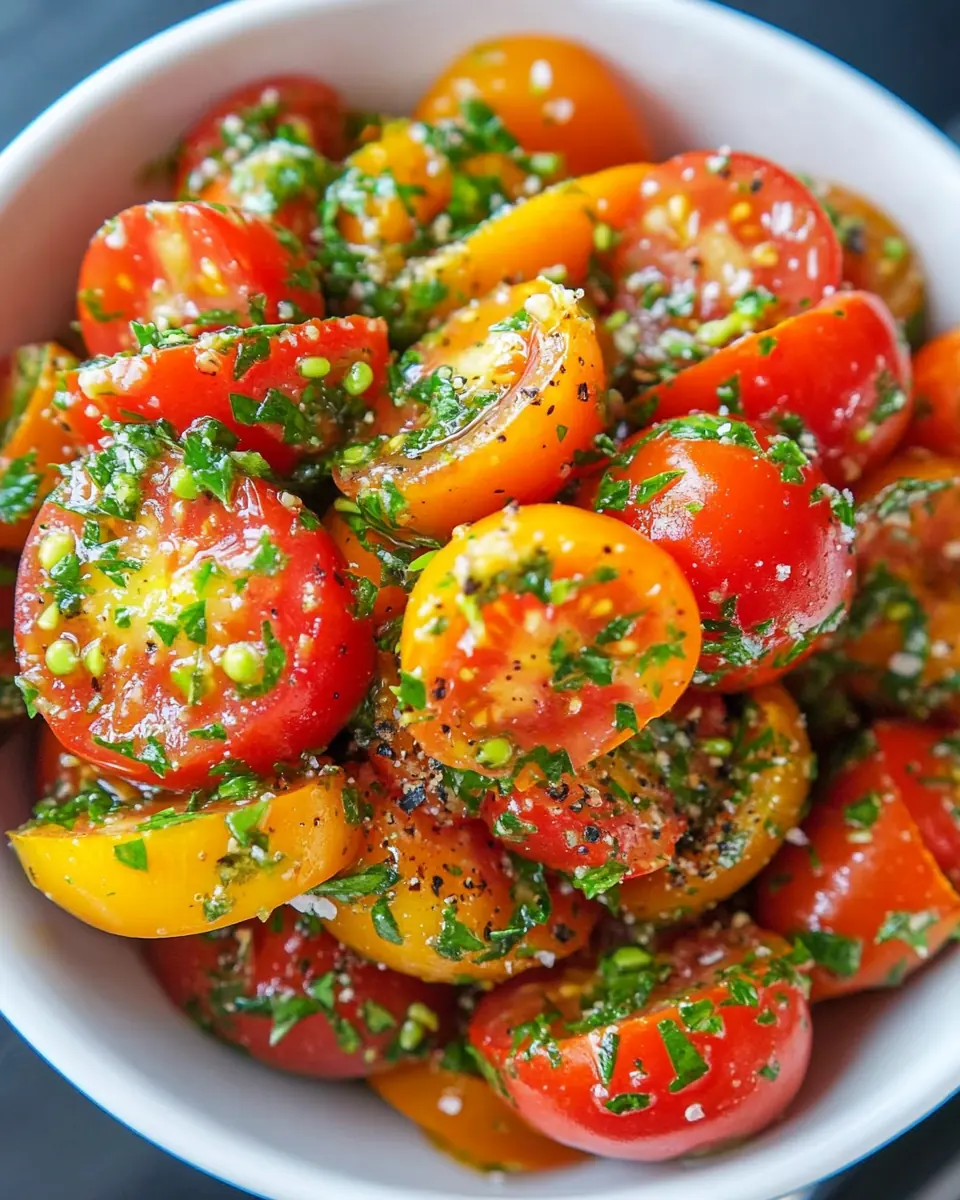
I keep substitutions minimal to honor the original flavor profile, but there are sensible swaps you can make without losing the dish essence. Below are practical tips and small adjustments based on what I actually do when pantry or garden supplies vary.
- Use different tomato varieties: If you cannot find roma tomatoes, choose other meaty tomatoes with low seed content, aiming for similar texture rather than juiciness that would dilute the marinade.
- Mild heat option: Substitute jalapeños with fewer seeds or remove them entirely for a gentle pepper presence that still adds freshness.
- Herb flexibility: If fresh dill or parsley is unavailable, frozen herbs work once thawed and drained, though fresh yields brighter aromatics.
- Oil choice: Use a good quality olive oil for smooth mouthfeel; lighter oils will change the flavor balance and mouth sensation.
- Sugar adjustment: Tweak the sugar to taste if your tomatoes are extremely sweet, cutting it back to let natural fruitiness shine.
- Salt selection: Use non iodized sea or kosher salt for clean seasoning; iodized salt can add a metallic aftertaste in delicate preserves.
Best Served With
This marinated tomato salad is a versatile companion for many meals, and thinking about serving context will help you plan menus easily. Below I describe thoughtful pairings, occasions, and storage notes in detail so you can present it beautifully and practically.
- As a side for grilled vegetables: Spoon chilled Garlicky Marinated Tomato Salad next to grilled zucchini or eggplant to add a bright, acidic contrast that refreshes the palate.
- Topping for sandwiches: Use a generous spoonful over sandwiches or wraps to introduce moisture, tang, and herbaceous interest that cuts through richer fillings.
- Part of a mezze spread: Arrange alongside olives, flatbreads, and simple dips for a shared plate that offers variety in texture and temperature.
- Lunch option: Serve over toasted bread with a drizzle of the reserved marinade for a light, satisfying midday meal that highlights seasonal produce.
- Occasions: Great for summer gatherings, potlucks, and casual dinners, it fits well into outdoor feasts or buffered menus for Ramadan if you need light, flavorful sides.
- Storage tips: Keep refrigerated in a sealed jar, right side-up after the initial upside-down step, and consume within about 4 to 5 days for best quality because the tomatoes will continue to soften over time.
- Seasonal pairings: This shines in summer when tomatoes are at peak sweetness, and I lean on it for menus that celebrate fresh garden produce.
FAQ
Conclusion
What makes this recipe special is how a handful of honest ingredients transform into a bright, savory condiment that elevates simple meals. You’ll find that patient marinating and careful ingredient choices produce a balanced result that is both rustic and refined. Give it a try on a busy weeknight or bring it to your next gathering; it stores well, travels easily, and always sparks compliments. Enjoy the ritual of waiting overnight, then savor the payoff with friends and family.
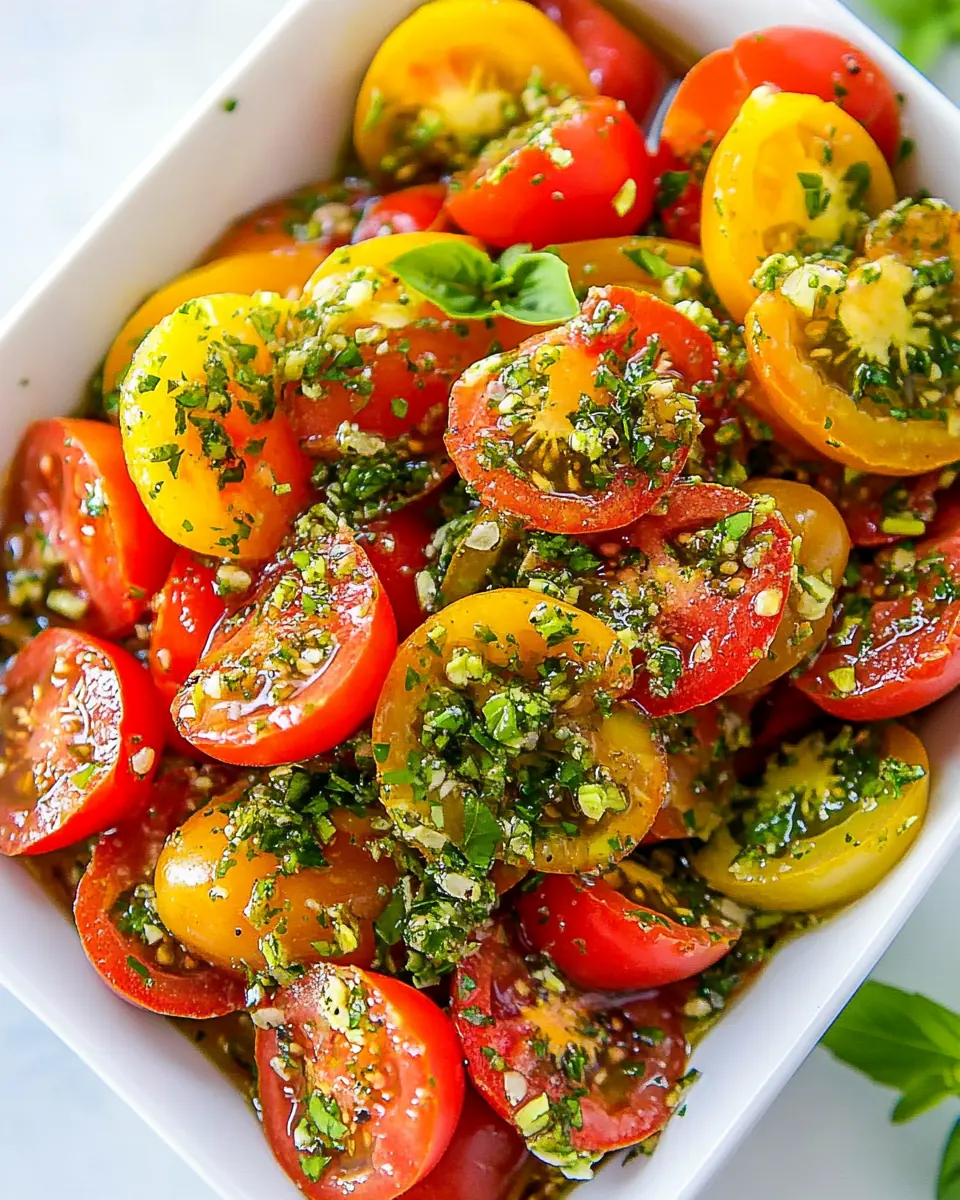
Garlicky Marinated Tomato Salad
Ingredients
Equipment
Method
- Combine chopped bell peppers, jalapeno peppers, whole garlic cloves, dill and parsley into a large food processor or blender and pulse to finely chop.: The first scent you will notice while pulsing is the sharp, green aroma of the jalapeños and the earthy, pungent perfume of whole garlic cloves, which together build the backbone of the marinade. As the blades pulse, listen for a rhythmic chopping sound that signals even breakup, and watch for a coarse, herb flecked texture rather than a puree. This coarse chop allows the marinade to mingle with the tomatoes without turning into a smooth sauce. One reason this technique matters is texture contrast, it helps the marinade cling to tomato surfaces and release bits of herb and pepper in each bite. A common mistake is over-processing, which will heat the mixture and smash delicate herb oils, making the marinade bitter. If you end up too smooth, stir in a few extra chopped herbs by hand to restore brightness.
- Transfer mixture to medium bowl and add 1/2 cup vinegar, 1/2 cup olive oil, 1/2 cup sugar and 2 1/2 Tbsp salt. Stir to combine.: When you pour in the white vinegar and olive oil the aroma shifts to a lively tang, and the sugar starts to dissolve, softening the initial sharpness. Stirring releases aromatic compounds and dissolves the sugar and salt, creating a glossy emulsion that will coat the tomatoes evenly. The visual cue is a sheen on the liquid and suspended flecks of herb and pepper. The why here is that dissolving the seasonings before adding tomatoes ensures even distribution and prevents pockets of concentrated salt. One troubleshooting tip is to taste the marinade on a small spoon before adding tomatoes, you can adjust sugar or salt if it feels unbalanced. Avoid vigorous whisking that could warm the oil and blunt its flavor.
- Cut tomatoes in halves (or quarters if using larger tomatoes), trimming off fibrous stem tops. Layer tomatoes and marinade into large 1 gallon jar, alternating with tomatoes and marinade until jar is full.: As you slice the tomatoes , note the bright, sweet juice that escapes and the firm but yielding flesh. Cutting them into uniform halves or quarters helps them layer neatly in the jar and ensures consistent marination. Remove the fibrous stem tops because they can add an unpleasant chew and detract from the clean tomato flavor. The visual sign you want is exposed, glossy tomato flesh that will readily accept the marinade. The technique matters because uneven sizes marinate at different rates, producing inconsistent bites. A common mistake is rough chopping into uneven chunks, which leads to some pieces becoming mushy while others stay under-marinated.
- Cover with lid and tighten. Turn jar upside-down, placing it over a plate to catch any leaks. Refrigerate up-side-down 12 hours (*see note). After 12 hours, flip the jar right side-up and enjoy! Refrigerate remaining tomatoes keeping jar right-side-up.: As you layer, notice how the marinade settles into the tomato crevices, the surface reflecting light and carrying herb flecks. Alternate to ensure that every pocket of tomato gets contact with the liquid rather than trapping air. This layering helps distribute flavors and creates beautiful visual strata of red fruit and green herbs. The reason this matters is even exposure to the marinade gives consistent flavor throughout the jar. Avoid packing the jar too tightly, which can bruise tomatoes and release excess water, diluting the marinade. If your jar is smaller, consider using two smaller containers to maintain the layering effect.
- Cover with lid and tighten. Turn jar upside-down, placing it over a plate to catch any leaks. Refrigerate up-side-down 12 hours (*see note): Flipping the jar allows the marinade to fully submerge the topmost tomatoes, ensuring everything gets evenly infused overnight. As it rests in the fridge, the smell will mellow and the garlic will soften, changing from sharp and raw to a roasted, sweet edge even without heat. Refrigerating also slows enzyme activity and keeps the tomatoes firm while they soak up flavor. One important troubleshooting tip is to use a plate beneath the jar as a safeguard for leaks, especially if your jar seal is imperfect. Avoid storing at room temperature since the recipe relies on cold marination to preserve texture and safety.
- After 12 hours, flip the jar right side-up and enjoy! Refrigerate remaining tomatoes keeping jar right-side-up: At this point you should see glossy, slightly shrunken tomato pieces saturated with marinade, and the aroma will be rounded and herb forward with a mellow garlic warmth. Serve chilled or at cool room temperature, spooning some of the marinade over each portion for extra brightness. The reason to flip and then return the jar right side-up is to keep the seal intact while making the contents easy to access. A common mistake is letting the jar sit too long without flipping back, which can make storing awkward and increase the risk of sloshing during handling. If you plan to keep leftovers more than a few days, ensure the container remains tightly closed and refrigerated to preserve texture and flavor.
Notes
- Use different tomato varieties: If you cannot find roma tomatoes, choose other meaty tomatoes with low seed content, aiming for similar texture rather than juiciness that would dilute the marinade.
- Mild heat option: Substitute jalapeños with fewer seeds or remove them entirely for a gentle pepper presence that still adds freshness.
- Herb flexibility: If fresh dill or parsley is unavailable, frozen herbs work once thawed and drained, though fresh yields brighter aromatics.
- Oil choice: Use a good quality olive oil for smooth mouthfeel; lighter oils will change the flavor balance and mouth sensation.
- Sugar adjustment: Tweak the sugar to taste if your tomatoes are extremely sweet, cutting it back to let natural fruitiness shine.
- Salt selection: Use non iodized sea or kosher salt for clean seasoning; iodized salt can add a metallic aftertaste in delicate preserves.