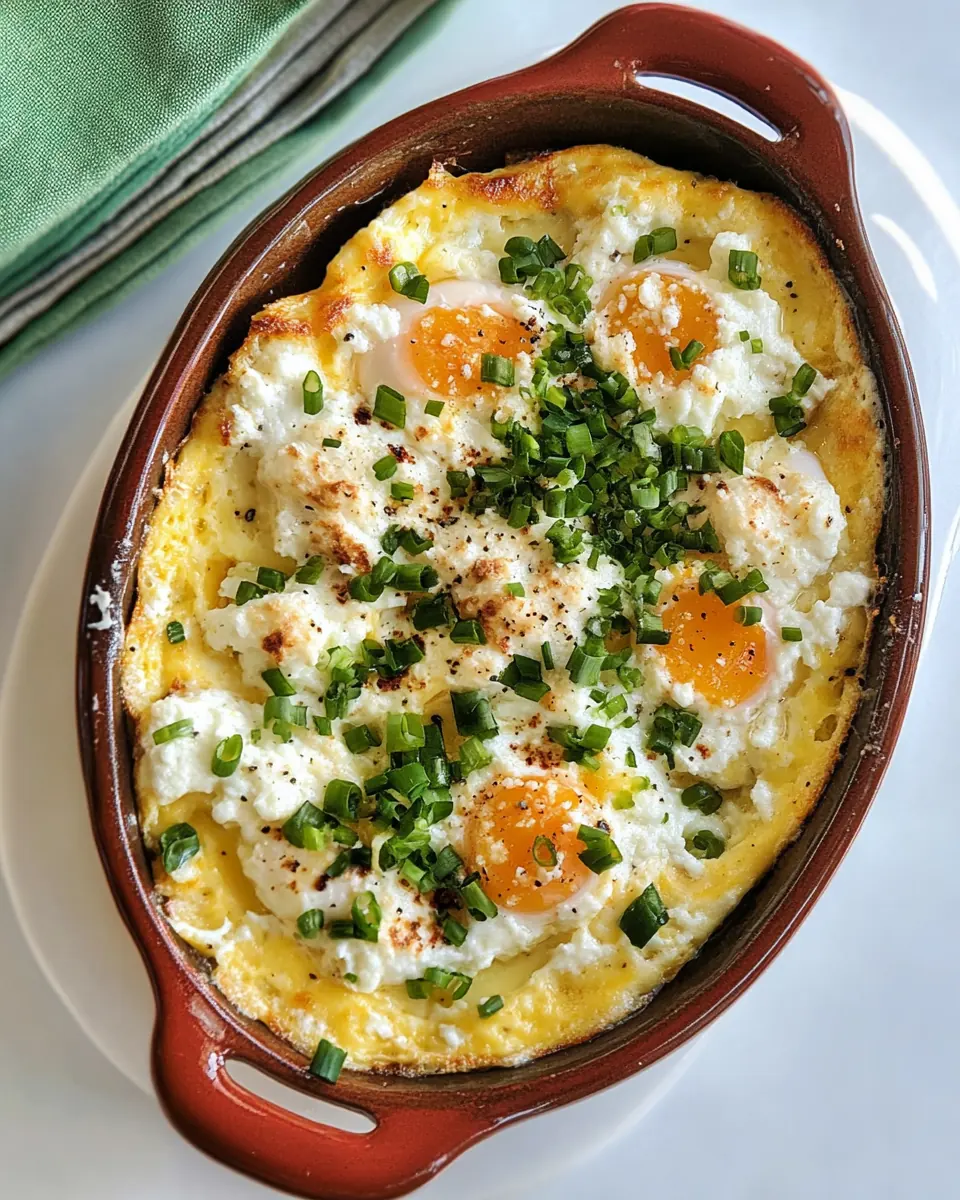
Ricotta Eggs
Ricotta Eggs have been one of those cozy breakfasts that feels like a warm kitchen hug when I need something quick and special. I stumbled into this little ritual the first winter I lived alone, when I had a jar of ricotta on the fridge shelf and only a handful of eggs. The first bite surprised me, creamy and bright, and it turned a rushed morning into a moment worth savoring.
Since then, Ricotta Eggs have become my go to when guests sleep over or when I want a simple, nourishing start. I love how the texture of the eggs changes when whipped with the soft, slightly sweet tang of ricotta cheese. Every time I make them I tweak little things like the amount of Pecorino cheese or the scatter of green onions, and each variation teaches me something new about balance.
There are mornings when the house smells of butter melting, and the gentle sizzle of butter or olive oil in the pan always brings me back. I enjoy serving these over toast when I have time, or keeping them plain when life is moving fast. They travel well to brunch gatherings, and the mild creaminess pairs with so many flavors. You will find these work for lazy weekends, midweek breakfasts, or when you want a little lift without fuss.
Recipe Snapshot
20 mins
10 mins
10 mins
Easy
300 kcal
Italian
Keto, Gluten-Free
Breakfast
Large skillet, Whisk, Spatula
What’s Great About This Ricotta Eggs
Comfort without heaviness
I adore Ricotta Eggs because they bring creamy richness without feeling overly heavy. The ricotta cheese lightens the texture of the eggs, giving a delicate mouthfeel that feels indulgent yet clean. I reach for this dish when I want comfort that lets me move on with my day, rather than weighing me down.
Speed that does not sacrifice flavor
These come together in a snap, which is why I keep the ingredients on hand. From whisk to plate in about twenty minutes, you still get a layered flavor profile, with Pecorino cheese adding a salty, savory lift. I love that quickness, because deliciousness should not be a full afternoon commitment.
Flexible and crowd friendly
I often double the batch for company, and the recipe scales without drama. The base is forgiving, so you can serve the dish plain, on toast, or over a crisp chaffle for a low carb option. I appreciate recipes that adapt to different diets and occasions, and these eggs do exactly that.
Bright finishing touches
The little extras, like a sprinkle of crushed red pepper or a scattering of green onions, transform the dish. Those small contrasts provide texture and a lift of freshness. I always encourage tasting as you go, because personal preference matters, and salt and spice can really change the final experience.
Minimal equipment, maximum payoff
All you need is a skillet and a whisk, and the technique rewards attention rather than gadgets. I find the simplicity freeing, it lets me focus on timing and texture. When the butter sizzles and the eggs come together silky smooth, I know I did something right.
Ingredients Required for Ricotta Eggs
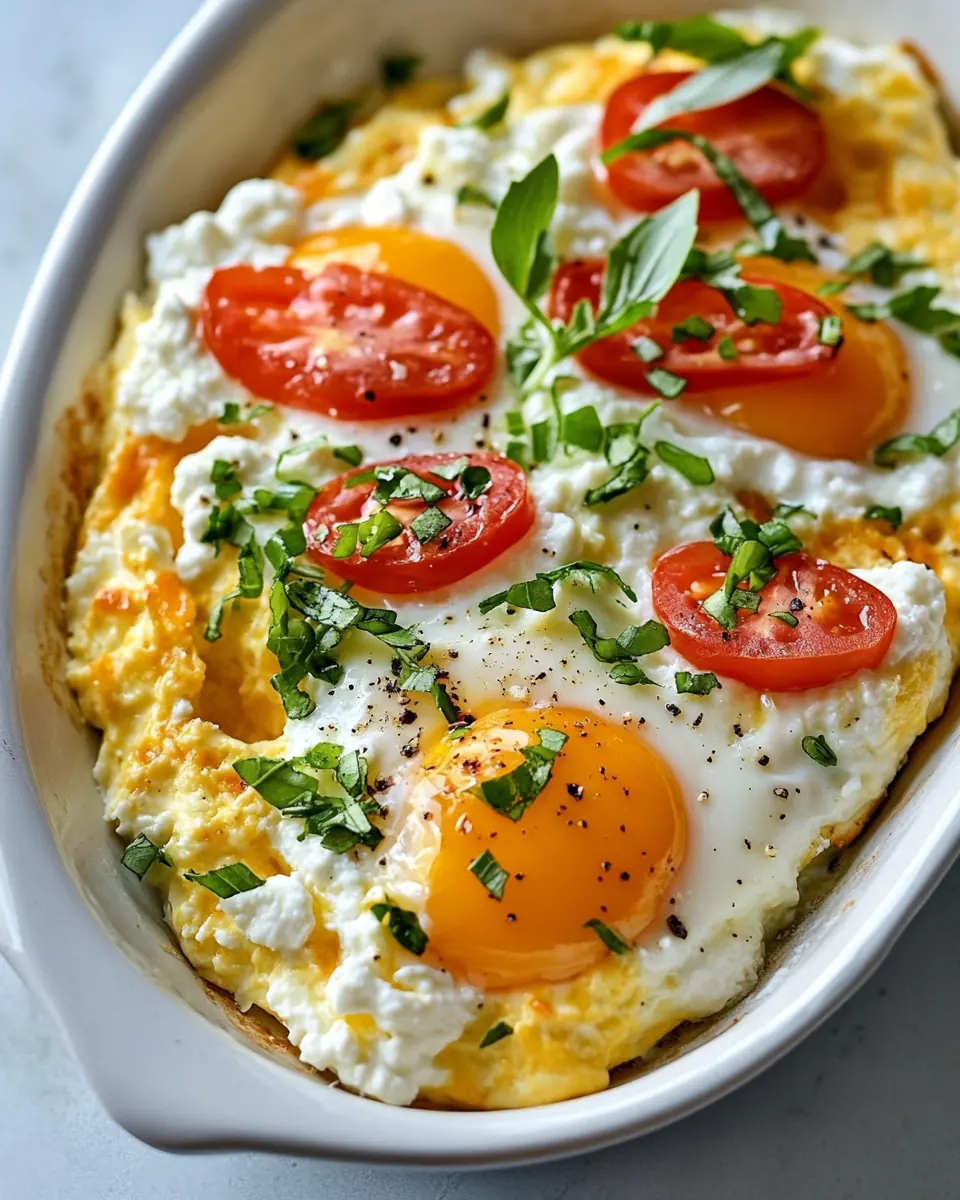
These ingredients are intentionally simple, each playing a key role. The creamy core comes from the pairing of ricotta cheese and eggs, while butter or olive oil provides the cooking fat that carries flavor. Pecorino cheese and crushed red pepper supply the savory and spicy notes, and green onions add a bright, fresh finish.
- 1 tablespoon butter or olive oil: Melted to prevent sticking and add a gentle richness; butter or olive oil provides a nonstick surface for cooking and imparts a subtle savory flavor that enhances eggs. Choose butter for a creamier, slightly nutty note, or olive oil for a lighter, fruitier profile; both help conduct heat evenly and prevent burning. Measure carefully to avoid greasiness while ensuring the eggs set smoothly.
- 6 large eggs, whisked: Whisked vigorously to incorporate air and ensure uniform texture; eggs serve as the primary structure and protein in the dish, creating a tender, custardy base. Whisking combines yolks and whites into a homogeneous mixture that cooks evenly and traps steam, yielding fluffy curds. Season lightly while whisking to distribute salt and spices throughout.
- 1/3 cup whole milk ricotta cheese: Blended for creaminess and moisture; whole milk ricotta cheese adds a mild, slightly sweet dairy richness that lightens and softens the egg texture. Stirring the ricotta into the eggs creates a luscious, creamy curd and contributes gentle tang and body. Use full-fat ricotta for best mouthfeel and to prevent watery separation.
- 2 tablespoons Pecorino cheese, (grated Parmesan can be substituted): Grated finely to contribute savory, salty depth; Pecorino cheese brings pronounced umami and a sharp, tangy finish that complements the mild ricotta and eggs. Sprinkling it into the egg mixture or on top as it cooks enhances overall flavor complexity and encourages a pleasant savory crust where exposed to heat. Substitute with Parmesan if a milder, nuttier profile is preferred.
- crushed red pepper to taste: Added sparingly to introduce heat and balance richness; crushed red pepper provides a bright, piquant kick that cuts through the creamy components. Tasting and adjusting ensures spice complements rather than overwhelms, and distributing flakes evenly prevents concentrated hot spots. Use a pinch for subtle warmth or more for noticeable heat.
- green onions to taste: Chopped to add fresh aroma and a crisp, herbal contrast; green onions contribute a mild onion flavor and a pleasant crunch that brightens the dish. Sprinkling them on at the end preserves their color and sharpness, while stirring in early softens their bite and melds flavors. Use both white and green parts for layered onion notes.
How to Cook Ricotta Eggs
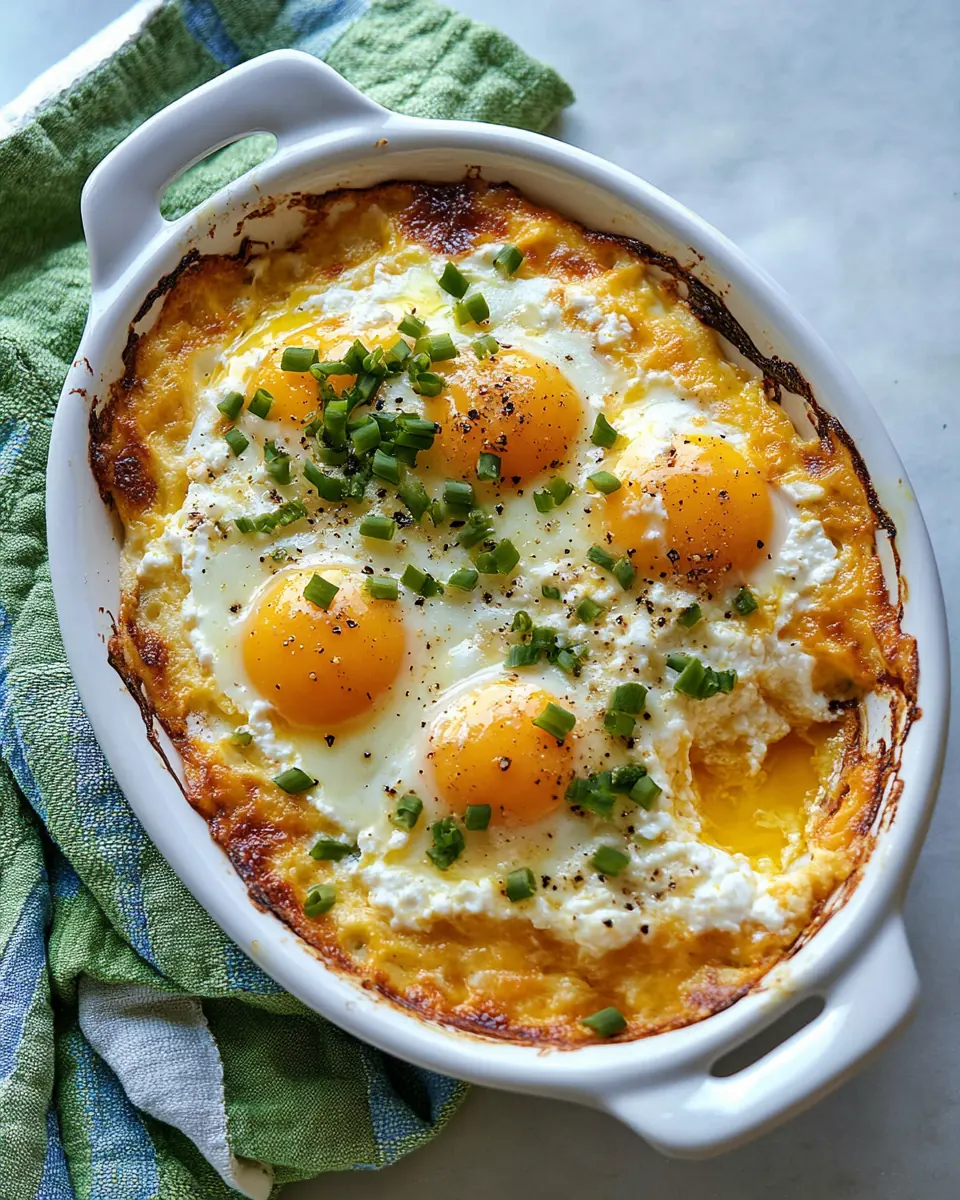
These directions are straightforward, and they reward attention to heat, timing, and texture. Below, each core step from the original instructions is preserved and expanded into rich guidance so you can reproduce the exact creamy, balanced result I love.
- In a large skillet, heat butter or olive oil over medium heat. Add the eggs and ricotta. Scramble the eggs to desired consistency.: The moment the butter or olive oil meets the skillet you will hear a faint sizzle, and a warm, nutty aroma should slowly rise. Aim for medium heat so the fat shimmers but does not smoke. This temperature creates a gentle barrier between the pan and the eggs, promoting even cooking. A common mistake is overheating the fat, which can brown the eggs too quickly and create an uneven texture. If you notice dark spots, reduce the heat immediately. The visual cue is a faint ripple in the oil and a soft sheen on the surface, not aggressive bubbling. Proper heat helps the eggs set into soft curds rather than tough, dry clumps.
- Top with salt and pepper and Pecorino cheese. Add a sprinkle of red pepper and green onions to taste.: When the skillet is ready, pour in the whisked eggs and spoon in the ricotta cheese . The instant contact creates a gentle steam and a delicate hiss, and you may see tiny curds forming at the edges within seconds. The ricotta cheese will soften and marble the eggs , adding a pillowy texture. Stir gently to distribute the ricotta, because vigorous scraping can break the curds into tiny pieces. A frequent pitfall is rushing this step, which leads to uneven pockets of ricotta. Look for glossy, slightly runny curds as the right time to proceed, because overcooking here will make the mixture chalky rather than creamy.
- Serve plain, over toast, or a chaffle for Keto.: As you stir slowly with a spatula, listen for a gentle hiss and watch the color change from pale yellow to a creamy gold. Move the spatula in broad, folding strokes to gather large, soft curds, and pause between folds to let the residual heat finish cooking the eggs. This carryover heat yields a silkier texture, so remove them just before you think they are fully set. A typical error is continuous stirring at high heat, producing tiny dry curds. Instead, allow brief rests so the mixture registers a glossy surface and gentle wobble when you tilt the pan. The result should be creamy and slightly custard like, not dry or rubbery.
- Top with salt and pepper and Pecorino cheese: After removing the pan from heat, season with salt and freshly ground pepper, then shower the top with grated Pecorino cheese . The warmth will melt the cheese partially, creating savory ribbons across the surface and enhancing the overall umami. Taste first, because the Pecorino cheese is salty and can push the dish over the edge if you add extra salt blindly. A common misstep is salting on the raw side, which can make the finished eggs taste metallic. Instead, season at the end for better control, and admire the tiny pools of melted cheese that glint like satin.
- Add a sprinkle of red pepper and green onions to taste: Finish with a dusting of crushed red pepper and a scattering of thinly sliced green onions . The pepper gives a subtle warmth that lingers on the palate, while the onions add crunch and a vegetal burst. Add most of the green onions at the end to preserve color and texture, reserving a pinch for garnish. Avoid adding large amounts of pepper too early because heat can blunt its brightness. The visual contrast of pale eggs, flecks of green, and tiny red specks makes the dish inviting and signals balanced seasoning.
- Serve plain, over toast, or a chaffle for Keto: Choose your serving vehicle based on mood and occasion, whether it is plain for a quick bowl, over warm toast for comfort, or atop a crisp chaffle for a low carb option. If you place the eggs on toast, the steam will soften the bread slightly, creating a cozy texture contrast. For chaffles, the crisp base provides a crunchy counterpoint that highlights the eggs silkiness. One mistake is piling hot eggs on very thin bread, which can become soggy quickly. Aim for sturdy toast or a well made chaffle that can hold the eggs without collapsing.
Recipe Notes about Ricotta Eggs
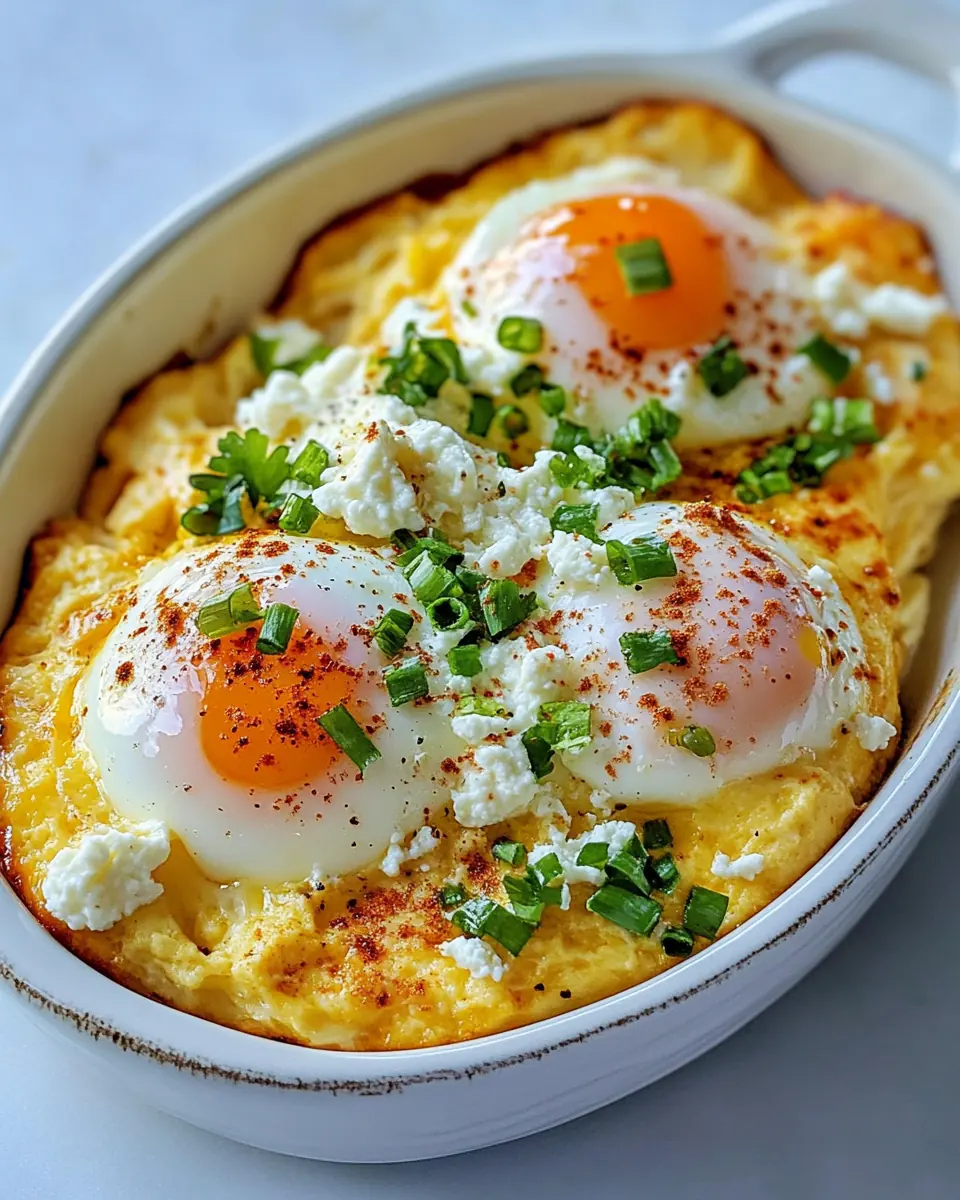
I keep notes short and practical, the kind that change the outcome every time I make Ricotta Eggs. Below are expanded tips based on routine tests and common questions I get from friends who try the recipe.
- Temperature matters Cook on medium heat rather than high. Medium allows the eggs to set slowly and keeps curds tender. High heat tightens proteins too quickly and produces dry, crumbly curds.
- Whisk for lift Whisk the eggs until uniform and slightly foamy. That incorporated air lightens the scramble, and the ricotta cheese will fold in more evenly, creating a silkier texture.
- Cheese choices If you substitute Pecorino cheese with grated Parmesan, check salt levels before adding more, because both cheeses vary in salt intensity.
- Finish off heat Remove the pan from heat just before the eggs look fully set. Residual warmth finishes them and prevents overcooking, yielding a custardy finish rather than dryness.
- Toast and chaffle options For serving, choose sturdy toast or a well crisped chaffle. Thin bread can become soggy, whereas a crisp base preserves texture contrast and supports the eggs.
Serving This Ricotta Eggs
These serving ideas cover casual breakfasts and small gatherings. I like to vary the presentation based on time and company, and the suggestions below help you match mood to serving method.
- Simple bowl Serve the Ricotta Eggs as is in a warm bowl for a quick, nourishing breakfast. This presentation highlights the creamy texture and is ideal for busy mornings when you want minimal fuss.
- Over toast Pile the eggs on a thick slice of toasted bread for a comforting combination that is perfect for brunch. The toast gives a satisfying bite and soaks up any extra creaminess without becoming soggy immediately.
- Chaffle base For a low carb option, place the eggs on a crisp chaffle. The contrast between crunchy and soft creates a restaurant style experience that is still fast to assemble.
- Occasions These eggs work for casual breakfasts, weekend brunches, and light lunches. They are approachable enough for everyday meals and special enough for guests, including Ramadan suhoor when you need sustaining protein without heaviness.
- Storage Refrigerate leftovers in an airtight container for up to two days. Reheat gently over low heat to preserve the creamy texture, stirring occasionally. Avoid high heat reheating which dries the eggs out quickly.
- Seasonal pairings In spring and summer, pair with fresh herbs and a brighter salad. During colder months, serve with roasted tomatoes or a warm grain for a heartier plate.
FAQ
Conclusion
What makes this recipe special is the way simple ingredients come together to create a silky, sophisticated scramble, where ricotta cheese lifts the texture of everyday eggs. Give it a try when you want an easy, comforting meal that still feels thoughtful and a little elevated. I hope these tips help you make a batch that becomes a reliable favorite in your kitchen, whether for weekday mornings or relaxed weekend brunches.
Ricotta Eggs
Ingredients
Equipment
Method
- In a large skillet, heat butter or olive oil over medium heat. Add the eggs and ricotta. Scramble the eggs to desired consistency.: The moment the butter or olive oil meets the skillet you will hear a faint sizzle, and a warm, nutty aroma should slowly rise. Aim for medium heat so the fat shimmers but does not smoke. This temperature creates a gentle barrier between the pan and the eggs, promoting even cooking. A common mistake is overheating the fat, which can brown the eggs too quickly and create an uneven texture. If you notice dark spots, reduce the heat immediately. The visual cue is a faint ripple in the oil and a soft sheen on the surface, not aggressive bubbling. Proper heat helps the eggs set into soft curds rather than tough, dry clumps.
- Top with salt and pepper and Pecorino cheese. Add a sprinkle of red pepper and green onions to taste.: When the skillet is ready, pour in the whisked eggs and spoon in the ricotta cheese . The instant contact creates a gentle steam and a delicate hiss, and you may see tiny curds forming at the edges within seconds. The ricotta cheese will soften and marble the eggs , adding a pillowy texture. Stir gently to distribute the ricotta, because vigorous scraping can break the curds into tiny pieces. A frequent pitfall is rushing this step, which leads to uneven pockets of ricotta. Look for glossy, slightly runny curds as the right time to proceed, because overcooking here will make the mixture chalky rather than creamy.
- Serve plain, over toast, or a chaffle for Keto.: As you stir slowly with a spatula, listen for a gentle hiss and watch the color change from pale yellow to a creamy gold. Move the spatula in broad, folding strokes to gather large, soft curds, and pause between folds to let the residual heat finish cooking the eggs. This carryover heat yields a silkier texture, so remove them just before you think they are fully set. A typical error is continuous stirring at high heat, producing tiny dry curds. Instead, allow brief rests so the mixture registers a glossy surface and gentle wobble when you tilt the pan. The result should be creamy and slightly custard like, not dry or rubbery.
- Top with salt and pepper and Pecorino cheese: After removing the pan from heat, season with salt and freshly ground pepper, then shower the top with grated Pecorino cheese . The warmth will melt the cheese partially, creating savory ribbons across the surface and enhancing the overall umami. Taste first, because the Pecorino cheese is salty and can push the dish over the edge if you add extra salt blindly. A common misstep is salting on the raw side, which can make the finished eggs taste metallic. Instead, season at the end for better control, and admire the tiny pools of melted cheese that glint like satin.
- Add a sprinkle of red pepper and green onions to taste: Finish with a dusting of crushed red pepper and a scattering of thinly sliced green onions . The pepper gives a subtle warmth that lingers on the palate, while the onions add crunch and a vegetal burst. Add most of the green onions at the end to preserve color and texture, reserving a pinch for garnish. Avoid adding large amounts of pepper too early because heat can blunt its brightness. The visual contrast of pale eggs, flecks of green, and tiny red specks makes the dish inviting and signals balanced seasoning.
- Serve plain, over toast, or a chaffle for Keto: Choose your serving vehicle based on mood and occasion, whether it is plain for a quick bowl, over warm toast for comfort, or atop a crisp chaffle for a low carb option. If you place the eggs on toast, the steam will soften the bread slightly, creating a cozy texture contrast. For chaffles, the crisp base provides a crunchy counterpoint that highlights the eggs silkiness. One mistake is piling hot eggs on very thin bread, which can become soggy quickly. Aim for sturdy toast or a well made chaffle that can hold the eggs without collapsing.
Notes
- Temperature matters Cook on medium heat rather than high. Medium allows the eggs to set slowly and keeps curds tender. High heat tightens proteins too quickly and produces dry, crumbly curds.
- Whisk for lift Whisk the eggs until uniform and slightly foamy. That incorporated air lightens the scramble, and the ricotta cheese will fold in more evenly, creating a silkier texture.
- Cheese choices If you substitute Pecorino cheese with grated Parmesan, check salt levels before adding more, because both cheeses vary in salt intensity.
- Finish off heat Remove the pan from heat just before the eggs look fully set. Residual warmth finishes them and prevents overcooking, yielding a custardy finish rather than dryness.
- Toast and chaffle options For serving, choose sturdy toast or a well crisped chaffle. Thin bread can become soggy, whereas a crisp base preserves texture contrast and supports the eggs.