Blueberry Cream Cheese Cookies with a Lemon Glaze
Blueberry Cream Cheese Cookies with a Lemon Glaze were one of those discoveries that turned an ordinary afternoon into a small celebration at my kitchen table. The first time I baked them I was chasing sunshine after a gray week, and the way the kitchen filled with the scent of warm blueberries and sweet batter felt like a tiny miracle. I remember thinking, as I folded the berries into the dough, that a cookie could be both comforting and bright, creamy and fruity at once.
I make these whenever friends pop over unexpectedly, because the recipe is forgiving, and the results feel special without being fussy. There is a playful contrast between the soft, tender cookie and the tangy lemon glaze, and I love how the cream cheese keeps the texture pillowy, while the zest and glaze add lift. Once, I brought a batch to a potluck and someone asked if they were bakery-bought, which is always the sweetest compliment in my book.
Recipe Snapshot
20 mins
10 mins
10 mins
Easy
150 kcal
American
Gluten-Free, Low FODMAP
Desserts
Hand or Stand Mixer, Mixing Bowl, Spatula, Baking Sheet, Parchment Paper, Wire Rack
Why This Blueberry Cream Cheese Cookies with a Lemon Glaze Hits Different
They balance texture and flavor
I adore how these cookies combine a soft, almost cake like crumb from the cream cheese with pockets of juicy blueberries. The contrast keeps every bite interesting, and I often catch myself reaching for a second because the mouthfeel is so satisfying.
They are simple but impressive
From a few pantry staples you can create something that looks and tastes like it took hours. I like recipes that give big returns for minimal fuss, and these cookies fit that description perfectly. The lemon glaze takes just minutes to whisk, yet it elevates the entire batch.
They travel and store well
When I bring these to picnics or share them with neighbors, they hold up nicely. The glaze sets into a delicate sheen that keeps the cookies from drying out quickly. If I need them to last a day, I store them loosely covered at room temperature, and they stay tender.
They are versatile for occasions
Whether I need a light dessert for a summer brunch or a sweet treat for afternoon tea, these cookies fit the bill. The combination of fruity blueberries and zesty lemon feels seasonal and celebratory without being heavy, so they work for casual gatherings and small celebrations alike.
They are forgiving for home bakers
I appreciate recipes that allow small mistakes, and these cookies are forgiving. If the dough seems a touch soft, chilling briefly helps. If the blueberries burst a little in the oven, that only makes the surface more beautiful. I find that a few easy adjustments make this recipe welcoming for bakers at any level.
Key Ingredients for Blueberry Cream Cheese Cookies with a Lemon Glaze
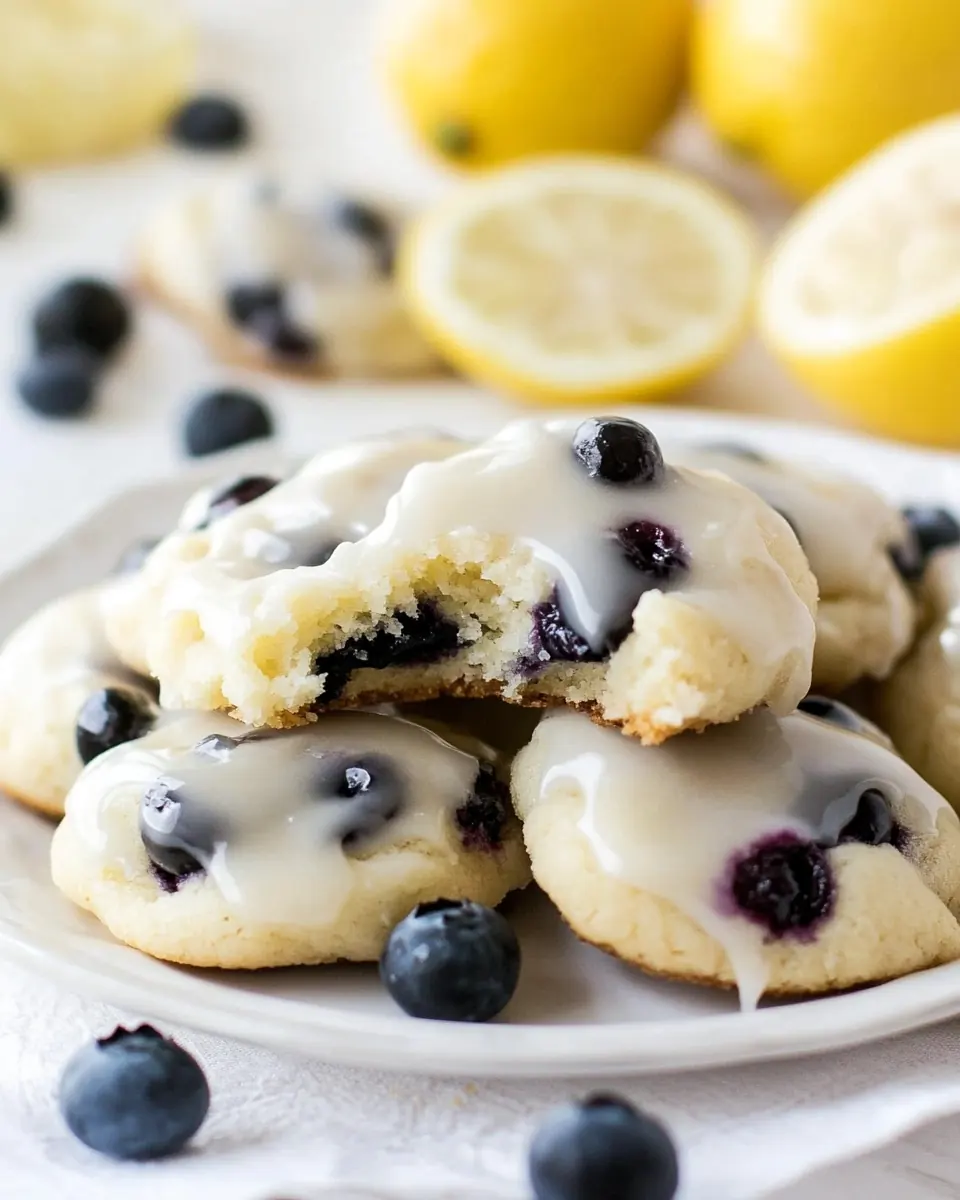
These ingredients are chosen to create tender, slightly tangy cookies with bursts of fresh fruit and a bright finish. The interplay between fat, sugar, and leaveners gives lift and softness, while the cream cheese introduces moisture and richness. The blueberries offer juice and acidity, and the simple lemon glaze ties everything together with a sweet, citrusy note.
- 1 cups sugar: Granulated and sweet, provides bulk and structure to the cookie dough while aiding in creaming with fats to create tenderness and spread control; dissolves during mixing to sweeten the final cookie and enhance browning for flavor.
- 1/2 cups softened unsalted butter: Softened and unsalted for controlled fat content, contributes richness, moisture, and a tender crumb while helping to create a light, creamy texture when creamed with sugar; unsalted butter allows precise seasoning control.
- 4 ounces cream cheese: Soft and tangy, adds moistness and a subtle tang that tenderizes the dough and enriches flavor; contributes a smooth, creamy texture to the cookie base and helps prevent dryness.
- 1 egg: Beaten into the batter to bind ingredients, provide structure, and contribute moisture and lift; egg proteins set during baking for a cohesive crumb and contribute to browning and richness.
- 1 teaspoon vanilla: Aromatic and sweet, imparts warm, familiar vanilla flavor to enhance other ingredients; adds depth and rounds out the cookie profile when mixed into the batter.
- 2 1/2 cups all-purpose flour: Provides the main dry structure and bulk for the cookies, supplying gluten for chew and stability; combines with leaveners to create the proper texture and crumb when properly mixed.
- 1 teaspoon baking soda: Leavening agent that reacts with acidic components to produce carbon dioxide, aiding rise and creating tender, airy texture; balances with baking powder to fine-tune lift.
- 1 teaspoon baking powder: Double-acting leavening that adds additional rise and lightness, helps create a soft, tender crumb and prevents overly dense cookies when used alongside baking soda.
- 1/4 teaspoons salt: Fine seasoning that sharpens and balances sweetness, enhances overall flavor profile, and supports the action of leaveners by contributing to proper taste equilibrium.
- 2 cups blueberries: Fresh and juicy, provides bursts of bright, fruity flavor and moisture pockets within the baked cookie; folded gently to avoid crushing and to distribute color and tartness evenly.
- 1 1/2 cup powdered sugar: Finely powdered and silky, used to make the lemon glaze smooth and creamy, dissolving easily to produce a glossy finish and sweet contrast to the cookie.
- 1 tablespoon lemon juice: Sour and bright, adds acidity to the glaze for flavor balance and a fresh citrus tang that cuts through the sweetness of the powdered sugar.
- 1 tablespoon milk: Thin and neutral, adjusts the glaze consistency for proper drizzle or pour, helping achieve a glossy, spreadable icing that sets nicely on cooled cookies.
- 1 teaspoon vanilla: Aromatic and sweet, deepens the citrus notes in the glaze with familiar vanilla warmth that complements lemon and enhances overall flavor harmony.
- zest of one lemon: Bright and fragrant, adds concentrated citrus aroma and a zesty bite that enhances both dough and glaze flavors while providing visual appeal with flecks of zest.
How to Prepare Blueberry Cream Cheese Cookies with a Lemon Glaze
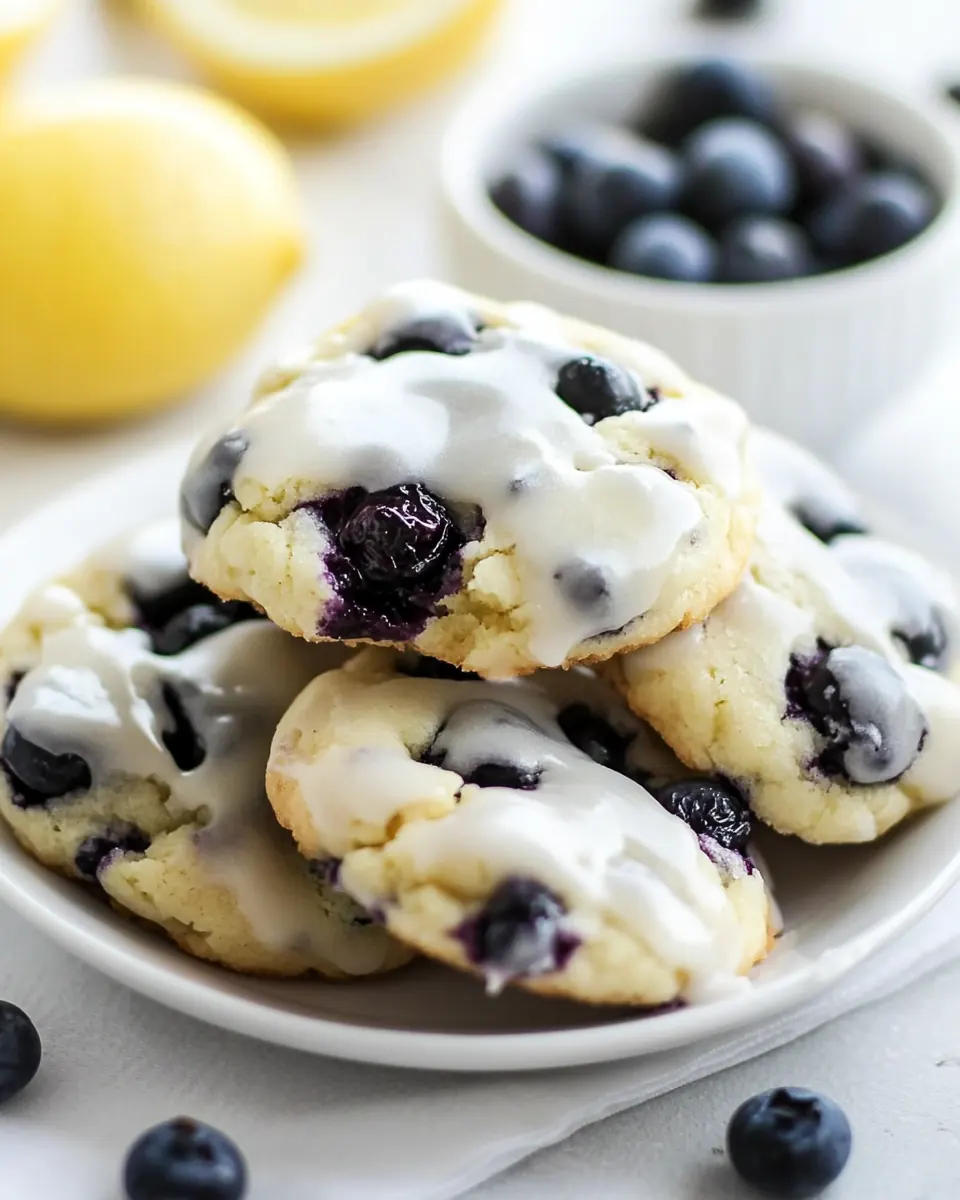
These instructions will walk you through each stage, from preparing the dough to finishing with the lemon glaze. I like to keep my workspace organized so each step feels relaxed rather than rushed. Read the full process before you begin so you can anticipate the sensory cues and avoid common missteps.
- Preheat oven to 350 degrees Fahrenheit. Line a baking sheet with parchment paper or lightly spray with non-stick cooking spray.: The warm oven gives the cookies an even rise and gentle browning. You should feel a small burst of heat when you open the oven, and the racks should be centered so hot spots do not overbrown one side. Preheating ensures the cookies begin baking immediately and develop the proper texture, rather than slowly heating and spreading too much. A common mistake is skipping preheat, which can lead to flat, greasy cookies. If you notice uneven browning, rotate the tray halfway through baking.
- Using a hand or stand mixer, whisk together the 1 cup sugar, 1/2 cup softened unsalted butter, and 4 ounces cream cheese until smooth and creamy. Add in 1 egg and 1 teaspoon vanilla and beat until just incorporated.: As you cream the sugar , butter , and cream cheese , pay attention to texture changes: the mixture should go from grainy to glossy and light, with small air pockets that feel silky between your fingers. The scent will shift from sweet to a more buttery, tangy aroma. This aeration is why the cookies are tender, so don't rush. Overbeating after adding the egg can incorporate too much air and alter the crumb, while under-mixing leaves lumps of cream cheese . If you see streaks of unmixed fat, scrape the bowl and mix briefly until even.
- In another bowl combine 2 1/2 cups all-purpose flour, 1 teaspoon baking soda, 1 teaspoon baking powder, and 1/4 teaspoon salt. Beat the flour mixture into the butter mixture until incorporated. Gently fold in the 2 cups blueberries.: Whisking these dry ingredients together distributes the leaveners so the cookies rise evenly and have a uniform crumb. You will notice the flour takes on a lighter, aerated appearance after whisking. This step prevents pockets of baking soda or powder, which can create bitter or unevenly risen spots. A frequent error is dumping dry and wet without mixing, so take the extra moment to whisk thoroughly.
- Drop heaping tablespoons of dough onto the cookie sheet. Bake for 10-12 minutes. Let cool on a wire rack.: When you add the dry flour to the creamed base, the dough will thicken and look matte rather than glossy; this is the cue that gluten is developing just enough to hold shape. Use slower mixing to avoid overworking the dough, which would make it tough. As you gently fold in fresh blueberries , do so with a spatula to preserve the berries intact; you'll see small purple specks and occasional juice streaks. A common slip is to mash the berries, which can turn the dough blue and overly wet; fold minimally to keep pockets of fruit.
- Whisk together the 1 1/2 cup powdered sugar, 1 tablespoon lemon juice, 1 tablespoon milk, 1 teaspoon vanilla, and the zest of one lemon. Drizzle on top of cookies.: As the cookies bake, you will hear a faint quieting as moisture evaporates and the tops set; visually the edges should become lightly golden while the centers remain pale and slightly domed. The aroma will shift to warm, sweet butter and fruit. Pulling them too early leaves them doughy, while overbaking dries them out. A reliable test is to press the edge gently; it should spring back. After pulling from the oven, let them rest on the sheet for a few minutes before transferring to a wire rack , because carryover heat continues to finish the centers. Avoid stacking while hot, which traps steam and softens the exterior.
- Whisk together the 1 1/2 cup powdered sugar, 1 tablespoon lemon juice, 1 tablespoon milk, 1 teaspoon vanilla, and the zest of one lemon. Drizzle on top of cookies.: The glaze comes together into a glossy, slightly thick ribbon that holds shape briefly before smoothing. The aroma of fresh lemon zest and juice will lift the sweetness, and the powdered sugar will give it a smooth mouthfeel. If the glaze seems too thin, add a touch more powdered sugar to thicken; if too thick, a drop more milk will help. Drizzle in a steady motion so each cookie gets an even coating, and allow the glaze to set for several minutes. A mistake I see is adding too much liquid, which causes the glaze to run off; add liquids sparingly until you reach the desired consistency.
Ways to Customize
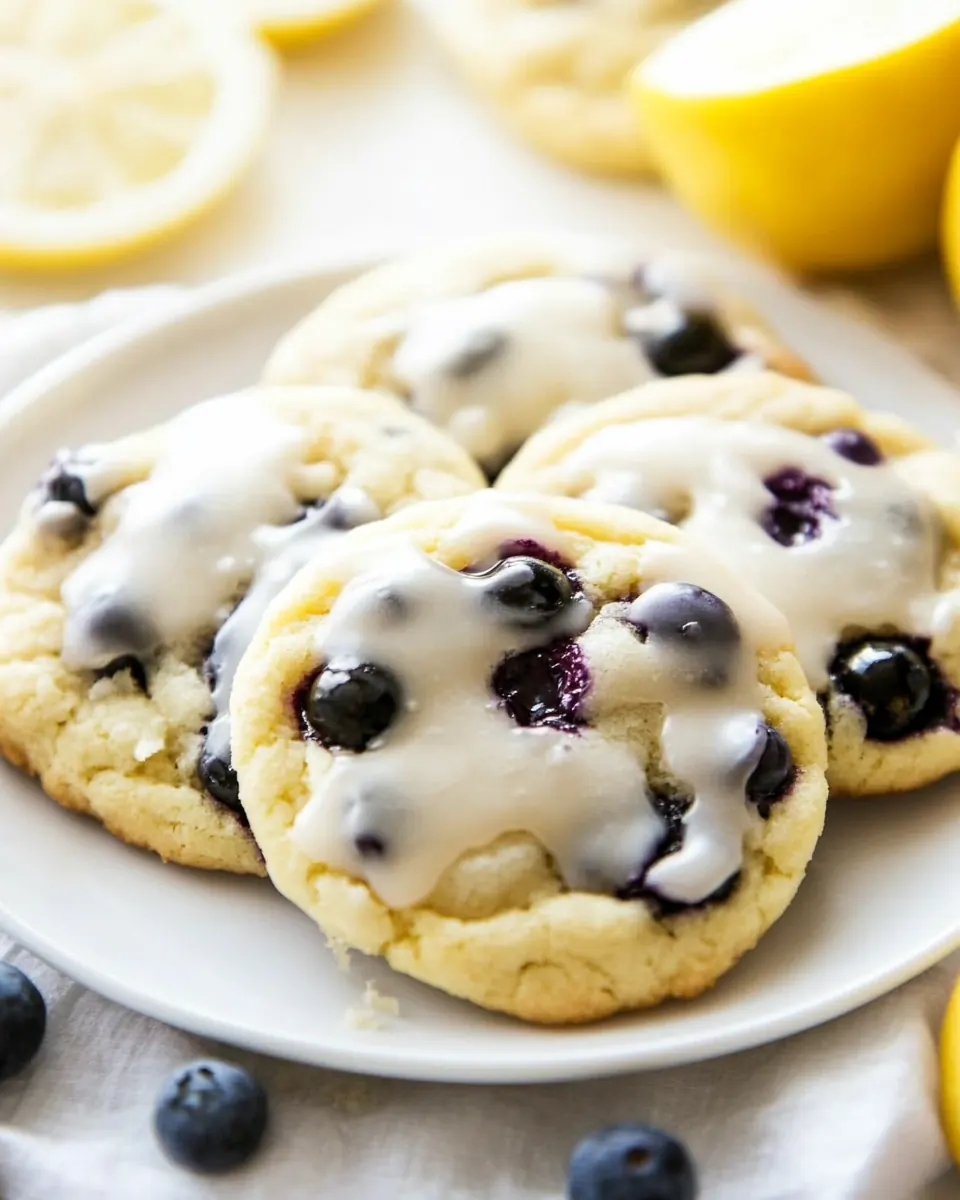
These suggestions will help you tailor the cookies to taste or occasion while keeping the core technique intact. I like to keep variations simple so the texture and balance remain consistent. Below are ideas I often try when I want a slightly different flavor or presentation.
- Use frozen blueberries if fresh are out of season, but do not thaw them first, toss them in a little flour, and fold gently to minimize color bleeding into the dough.
- Add lemon zest to the dough for an extra citrus note throughout, grating only the yellow part to avoid any bitter pith.
- Adjust glaze thickness by adding more powdered sugar to thicken or a splash more milk to thin until it drizzles in ribbons you like.
- Make mini cookies by using a teaspoon scoop for bite size treats, reducing bake time by a few minutes and watching for only the slightest golden edge.
- Decorate with extra zest after glazing for a bright, aromatic finish and a pop of color that highlights the lemon.
Great Combinations for Blueberry Cream Cheese Cookies with a Lemon Glaze
These cookies pair well with light beverages and complement spring and summer gatherings. Serve them casually or as a sweet note after a simple meal, and consider the following pairings to enhance texture and occasion. Here are ideas for serving, storage, and seasonal use that I find most practical and pleasing.
- Morning brunch pairing Serve with warm beverages for a relaxed brunch spread, placing the cookies on a platter next to fruit and a bowl of yogurt.
- Afternoon tea styling Present on a tiered stand for afternoon tea, offering small plates so guests can enjoy the glaze without mess.
- Picnic packing Layer between parchment in a shallow box when bringing to outdoor gatherings to prevent sticking and to protect the glaze.
- Party dessert table Arrange alongside other small sweets for variety, labeling them so guests know they contain fresh blueberries.
- Storage tips Store in a single layer at room temperature in a loosely covered container for up to two days, or freeze unglazed cookies and glaze after thawing.
FAQ
Conclusion
These Blueberry Cream Cheese Cookies with a Lemon Glaze are special because they combine pillowy texture, juicy fruit pockets, and a bright citrus finish in a simple, approachable bake. I encourage you to try them when you want a dessert that feels light and celebratory, yet is easy to make from pantry staples. Bake with a relaxed spirit, savor the scent of warm blueberries and lemon, and share a batch with friends or family for a small, joyful moment.
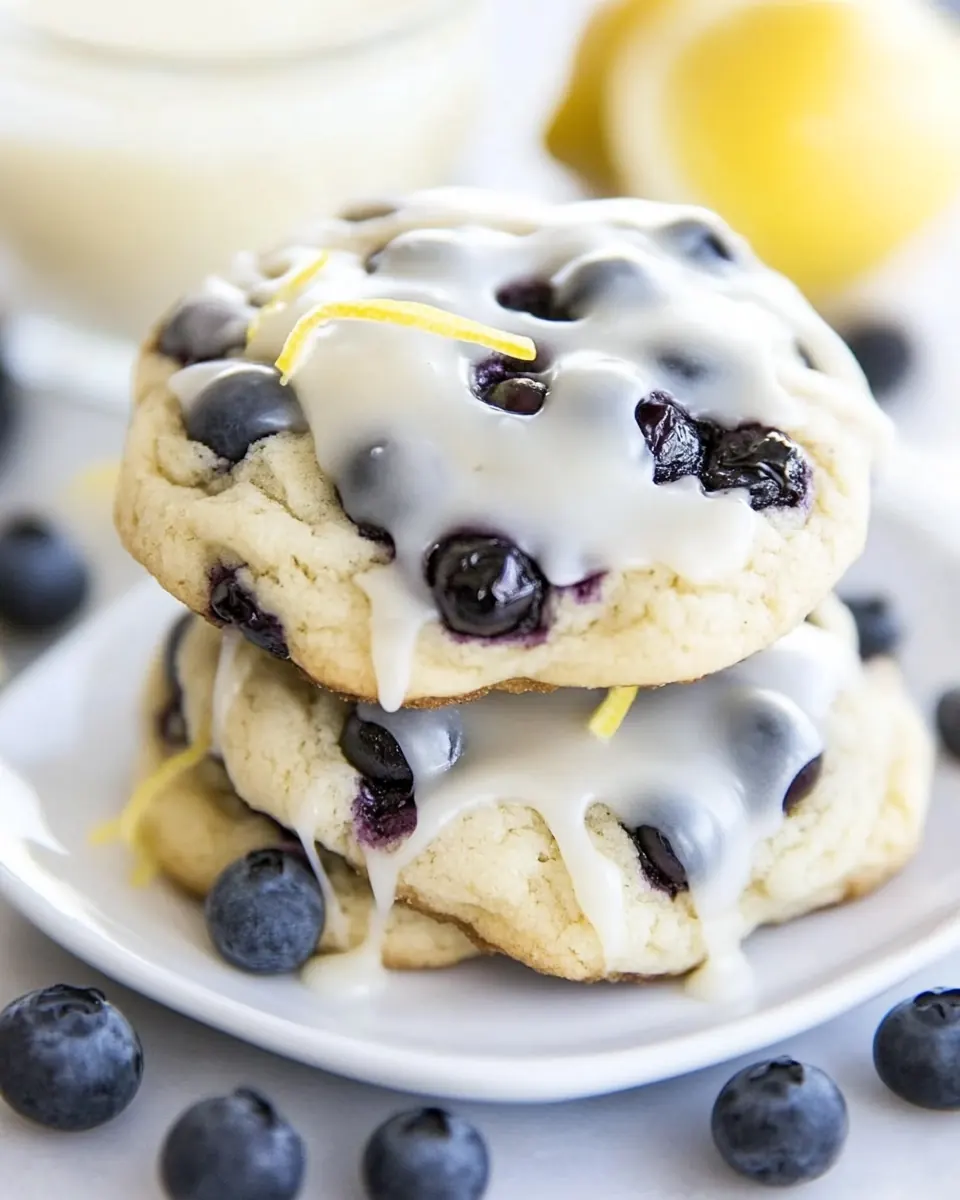
Blueberry Cream Cheese Cookies with a Lemon Glaze
Ingredients
Equipment
Method
- Preheat oven to 350 degrees Fahrenheit. Line a baking sheet with parchment paper or lightly spray with non-stick cooking spray.: The warm oven gives the cookies an even rise and gentle browning. You should feel a small burst of heat when you open the oven, and the racks should be centered so hot spots do not overbrown one side. Preheating ensures the cookies begin baking immediately and develop the proper texture, rather than slowly heating and spreading too much. A common mistake is skipping preheat, which can lead to flat, greasy cookies. If you notice uneven browning, rotate the tray halfway through baking.
- Using a hand or stand mixer, whisk together the 1 cup sugar, 1/2 cup softened unsalted butter, and 4 ounces cream cheese until smooth and creamy. Add in 1 egg and 1 teaspoon vanilla and beat until just incorporated.: As you cream the sugar , butter , and cream cheese , pay attention to texture changes: the mixture should go from grainy to glossy and light, with small air pockets that feel silky between your fingers. The scent will shift from sweet to a more buttery, tangy aroma. This aeration is why the cookies are tender, so don't rush. Overbeating after adding the egg can incorporate too much air and alter the crumb, while under-mixing leaves lumps of cream cheese . If you see streaks of unmixed fat, scrape the bowl and mix briefly until even.
- In another bowl combine 2 1/2 cups all-purpose flour, 1 teaspoon baking soda, 1 teaspoon baking powder, and 1/4 teaspoon salt. Beat the flour mixture into the butter mixture until incorporated. Gently fold in the 2 cups blueberries.: Whisking these dry ingredients together distributes the leaveners so the cookies rise evenly and have a uniform crumb. You will notice the flour takes on a lighter, aerated appearance after whisking. This step prevents pockets of baking soda or powder, which can create bitter or unevenly risen spots. A frequent error is dumping dry and wet without mixing, so take the extra moment to whisk thoroughly.
- Drop heaping tablespoons of dough onto the cookie sheet. Bake for 10-12 minutes. Let cool on a wire rack.: When you add the dry flour to the creamed base, the dough will thicken and look matte rather than glossy; this is the cue that gluten is developing just enough to hold shape. Use slower mixing to avoid overworking the dough, which would make it tough. As you gently fold in fresh blueberries , do so with a spatula to preserve the berries intact; you'll see small purple specks and occasional juice streaks. A common slip is to mash the berries, which can turn the dough blue and overly wet; fold minimally to keep pockets of fruit.
- Whisk together the 1 1/2 cup powdered sugar, 1 tablespoon lemon juice, 1 tablespoon milk, 1 teaspoon vanilla, and the zest of one lemon. Drizzle on top of cookies.: As the cookies bake, you will hear a faint quieting as moisture evaporates and the tops set; visually the edges should become lightly golden while the centers remain pale and slightly domed. The aroma will shift to warm, sweet butter and fruit. Pulling them too early leaves them doughy, while overbaking dries them out. A reliable test is to press the edge gently; it should spring back. After pulling from the oven, let them rest on the sheet for a few minutes before transferring to a wire rack , because carryover heat continues to finish the centers. Avoid stacking while hot, which traps steam and softens the exterior.
- Whisk together the 1 1/2 cup powdered sugar, 1 tablespoon lemon juice, 1 tablespoon milk, 1 teaspoon vanilla, and the zest of one lemon. Drizzle on top of cookies.: The glaze comes together into a glossy, slightly thick ribbon that holds shape briefly before smoothing. The aroma of fresh lemon zest and juice will lift the sweetness, and the powdered sugar will give it a smooth mouthfeel. If the glaze seems too thin, add a touch more powdered sugar to thicken; if too thick, a drop more milk will help. Drizzle in a steady motion so each cookie gets an even coating, and allow the glaze to set for several minutes. A mistake I see is adding too much liquid, which causes the glaze to run off; add liquids sparingly until you reach the desired consistency.
Notes
- Use frozen blueberries if fresh are out of season, but do not thaw them first, toss them in a little flour, and fold gently to minimize color bleeding into the dough.
- Add lemon zest to the dough for an extra citrus note throughout, grating only the yellow part to avoid any bitter pith.
- Adjust glaze thickness by adding more powdered sugar to thicken or a splash more milk to thin until it drizzles in ribbons you like.
- Make mini cookies by using a teaspoon scoop for bite size treats, reducing bake time by a few minutes and watching for only the slightest golden edge.
- Decorate with extra zest after glazing for a bright, aromatic finish and a pop of color that highlights the lemon.