Cinnamon Rolls with Heavy Cream
Cinnamon Rolls with Heavy Cream started showing up on my feed one cozy morning and I could not stop thinking about that pillowy, tender crumb drenched in rich cream. Growing up, I always associated cinnamon rolls with slow weekend mornings when the house smelled like warm sugar and spice, but this version with heavy whipping cream turned those memories into something even silkier and more decadent. I remember taking my first bite, the roll still slightly warm, the cream having sunk into the spirals so each mouthful felt like a gentle, sweet hug.
There is a story behind why I love this recipe so much. Once, I brought a pan of these to a last minute brunch, using a convenient shortcut from a frozen dough brand, and everyone asked for the recipe before coffee was finished. I recall the buttery aroma as the pan came out of the oven, fingers reaching in cautiously to tear a piece while the cream cheese frosting waited to be spread. That moment made me appreciate how simple ingredients, used thoughtfully, can feel celebratory without fuss.
Recipe Snapshot
45 mins
10 mins
35 mins
Medium
350 kcal
American
Gluten-Free, Low FODMAP
Desserts
Mixing bowl set, Staub Ceramic 13″x9″ Rectangular Baking Dish
The Best Thing About This Cinnamon Rolls with Heavy Cream
Comfort that feels intentional
I adore how Cinnamon Rolls with Heavy Cream manages to be both effortless and indulgent. Using thaw and rise rolls gives you the texture of homemade dough without the long hands on time. The heavy whipping cream soaks into the layers, keeping the interior tender while creating a slightly custardy finish that melts in your mouth.
Speed without sacrificing soul
We all have days when we want something special but cannot spend hours in the kitchen. This recipe delivers that weekend bakery vibe on a weekday timeline. I value tricks that honor taste over theatrics, and choosing prepared rolls is one of those small cheats that pays huge flavorful dividends.
Balanced sweetness and butteriness
The marriage of salted butter and light brown sugar with a hint of ground cinnamon gives a deep, caramel like sweetness. I love that it is not cloying, because the fat from the heavy whipping cream and the slight tang from the included cream cheese frosting keep each bite rounded and satisfying.
Reliable technique, impressive results
What wins me over is how forgiving the method is. Whether you choose the quick thaw or an overnight refrigerator rise, the result is predictably gorgeous. I find myself recommending this to friends who are nervous about baking, because it is hard to mess up if you follow a few sensory cues like how much the rolls have risen and what golden brown looks like in your oven.
Perfect for sharing
These rolls are inherently communal. I love bringing a pan to gatherings, because everyone ends up saying the same thing, there is something nostalgic and special here. The combination of convenience and decadence makes these a recipe I turn to whenever I want to impress without stress.
What to Buy for Cinnamon Rolls with Heavy Cream
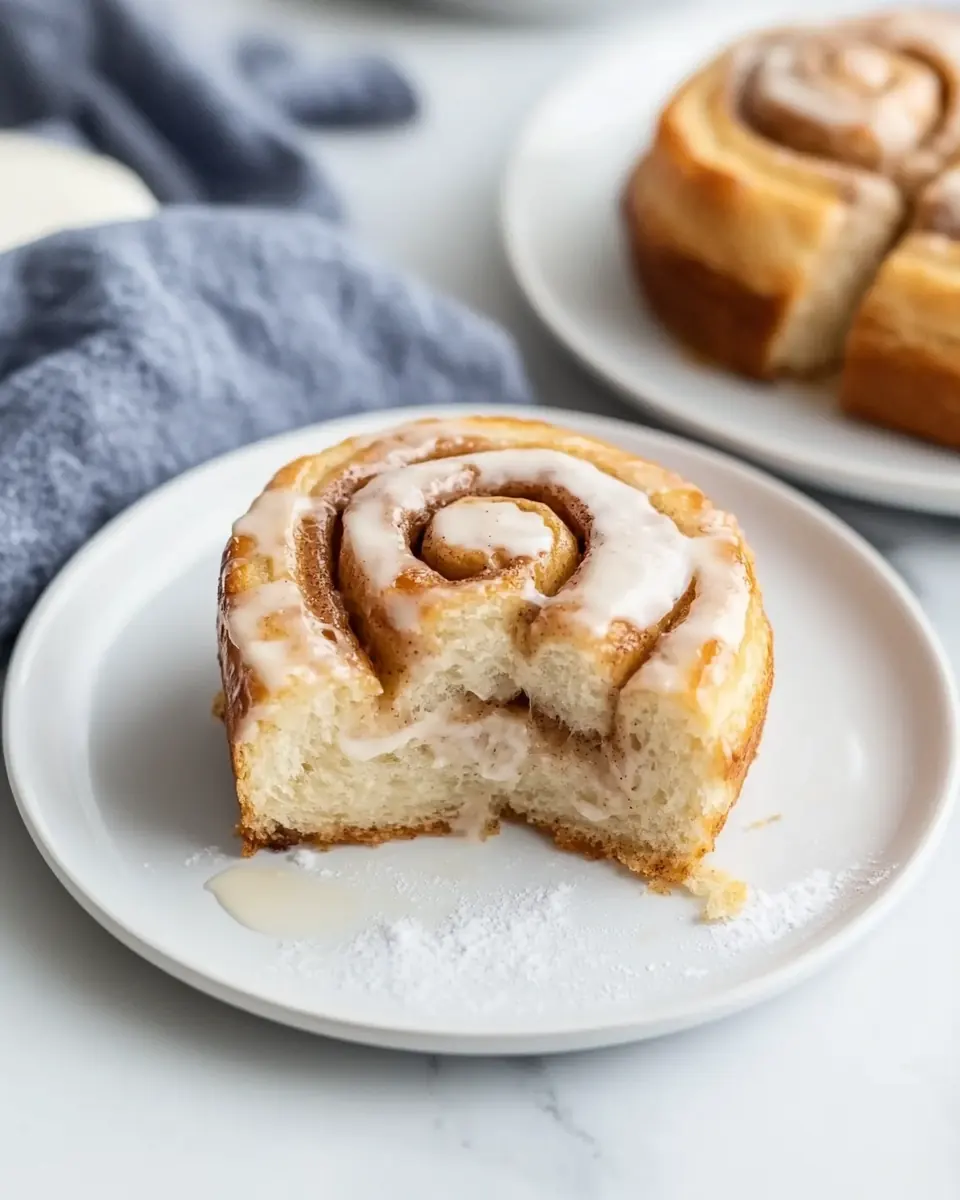
These ingredients are honest and purposeful, designed to work together to create a soft, deeply flavored roll with a creamy finish. The star is the ready made dough, which provides structure and those perfect spirals, while the heavy whipping cream and butter add richness. The sugar and cinnamon build the classic flavor profile, and the included cream cheese frosting brings a tangy sweet finish that makes each bite sing.
- 1 36-ounce bag Rhodes Thaw, Rise and Bake Cinnamon Rolls: Provide pre-made dough and sweet filling for convenience; ensures uniform rolls and consistent baking results. Allows baker to skip dough-making steps and focus on assembling and adding extra fillings or toppings. Suitable for feeding a crowd quickly when reheating and finishing according to package directions.
- 2/3 cup heavy whipping cream: Add richness and moisture to the filling and brushing mixture, contributing a creamy texture and tender crumb. Helps distribute spices and sugar evenly while promoting a soft, luscious interior. Also encourages a slightly richer flavor profile when combined with butter and sugar.
- 6 tablespoons salted butter melted: Supply fat and flavor to the filling and brushing liquid, melting into a glossy coating that enhances browning. Help bind brown sugar and cinnamon into a spreadable paste while adding a buttery mouthfeel. Contribute to the overall richness and tender texture of the finished rolls.
- 1/2 cup light brown sugar: Provide sweetness and a deep molasses note that complements cinnamon; helps create a caramelized, gooey filling. Dissolves with butter to form a spreadable mixture that melts into the dough during baking. Balance sweetness with the spice and other dairy components.
- 1 teaspoon ground cinnamon: Deliver warm, aromatic spice that defines the classic cinnamon roll flavor and pairs with brown sugar. Mixes into the filling to create uniform spice pockets and enhances perceived sweetness. Adds aromatic complexity and invites the characteristic scent while baking.
- 1 teaspoon vanilla extract: Introduce a floral, sweet vanilla aroma that rounds out the filling and cream components. Enhances overall flavor depth without adding sweetness, and harmonizes with brown sugar and cream. Can be mixed into cream or butter mixtures for even distribution.
- cream cheese frosting that came with the cinnamon rolls: Top rolls with a tangy, sweet-frosting finish that melts into swirls for a classic presentation. Provide creamy texture and balance richness from butter and cream with a slight tang from cream cheese. Included packet simplifies finishing and adds a smooth, spreadable glaze.
Instructions for Cinnamon Rolls with Heavy Cream
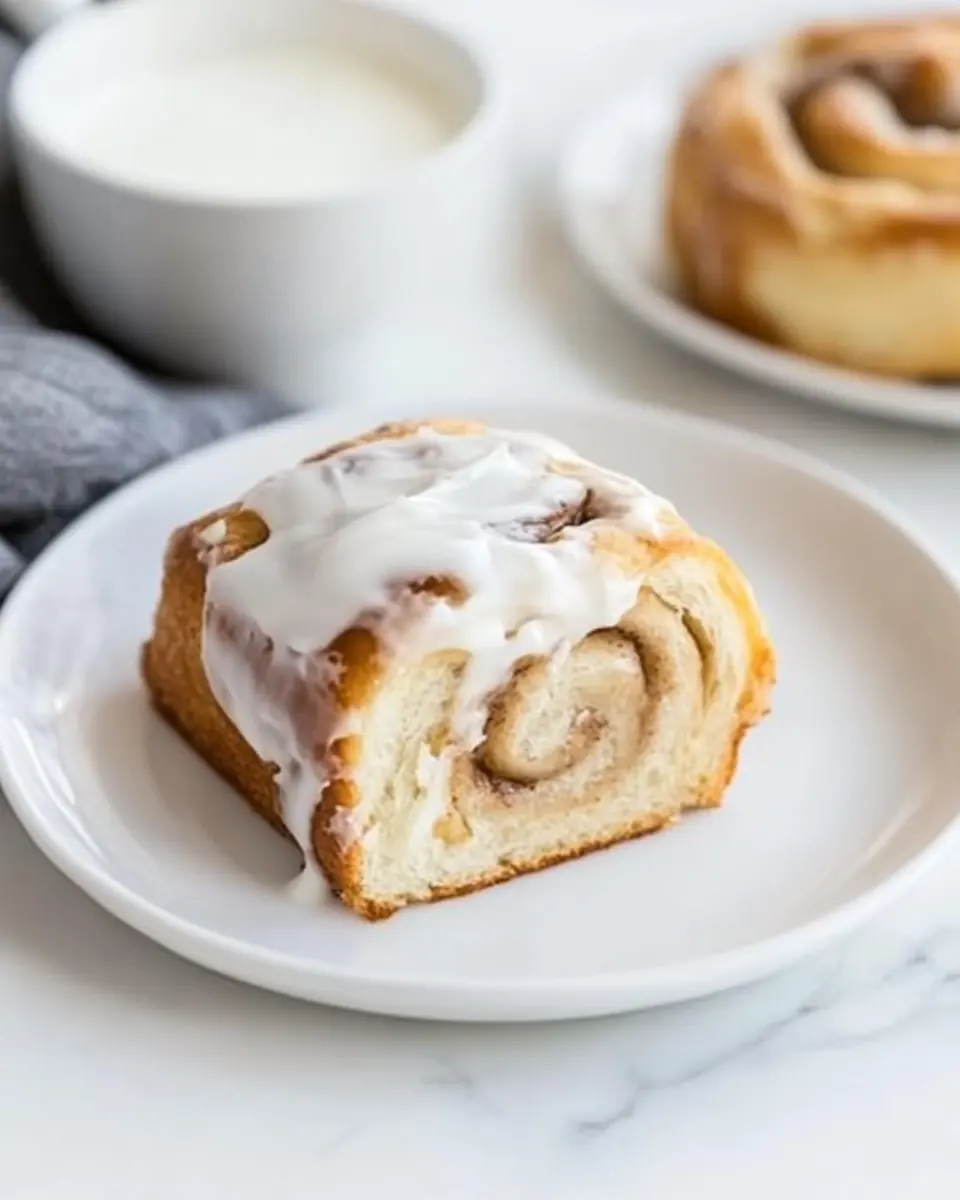
These instructions are approachable and conversational, designed to guide you through sensory cues and helpful troubleshooting. I like to move at an easy pace, noticing how the dough responds and how aromas build, so you can bake with confidence and joy.
- Spray a 9×13-inch baking pan with nonstick cooking spray. Arrange all 12 of the cinnamon rolls into the prepared pan. Cover the pan with plastic wrap sprayed with cooking spray to prevent the rolls from sticking to the plastic wrap while rising.: The air in your kitchen will start to feel slightly humid as you arrange the rolls, and you should notice the dough springs back gently when nudged. The smell is neutral at this stage, just clean dough and butter notes. This setup protects the rolls while they rise, so they keep shape and do not form a skin. A common mistake is skipping the nonstick spray, which can lead to stuck edges when the rolls expand. Visually, you want equal spacing so they can puff uniformly; if they are touching before rising that is fine, but crowded placement can alter browning patterns. Use a pan that conducts heat evenly so the bottoms brown without burning.
- Choose your preferred thaw and rise method from the back of the Rhodes bag. The regular method will take 3-5 hours and the refrigerator method can be done overnight for 8-16 hours.: As the dough sits, you will see it gradually swell, and the surface becomes slightly smoother and taut. The slower refrigerator rise develops a touch more depth of flavor, while the room temperature approach is faster and perfectly fine when you need rolls sooner. I find the overnight method convenient for planning ahead, because the dough is easier to handle and the timing is forgiving. Avoid rushing the rise by cranking up heat, since that can cause uneven proofing and dense centers. Check for a noticeable increase in volume, about doubled, before proceeding to baking so the texture ends up light and tender.
- Once the rolls have doubled in size, preheat the oven to 350°F. Pour the heavy cream directly over the rolls and allow it to seep into the rolls for about 5 minutes.: The moment you pour the heavy whipping cream you should hear a soft glug and see it pool into the swirls, darkening the dough slightly as it soaks in. After a few minutes the dough looks glossy and slightly saturated, which hints at the custardy interior that will bake up. This technique matters because it creates steam and richness inside the layers, producing a tender crumb. Do not pour too early during a cool rise, or the cream may chill rather than soak; wait until they are well risen. If you notice pools on the bottom after baking, you may have used too much cream, so measure carefully for an even texture.
- In a medium bowl, whisk together the melted butter, brown sugar, cinnamon and vanilla. Pour this mixture directly over the rolls and use an offset spatula to spread it evenly.: The mixture should shimmer and smell warmly of toasted sugar and spice when you whisk it. As you pour, you will see it stream into the crevices, and spreading with an offset spatula ensures every spiral gets flavor. This step adds concentrated pockets of caramelized sweetness that bloom during baking, giving rich mouthfuls. A frequent error is not mixing the components thoroughly, which leaves clumps of sugar; whisk until smooth. Visually, you want an even coat without large pools, because uneven topping can create spots that are overly brown or under flavored after baking.
- Bake uncovered in preheated oven for 30-35 minutes or until the rolls are golden brown. Allow the rolls to cool for about 10 minutes before frosting with the cream cheese icing frosting that is included in the Rhodes Thaw, Rise and Bake Cinnamon Rolls.: As the rolls bake, the kitchen fills with a warm, toasty aroma, and you will hear a faint crackle as the sugar caramelizes on edges. The visual cue is a deep golden top and slightly darker edges, indicating that the sugars have browned. This baking window caramelizes the topping while setting the interior, yielding a moist center and a slightly crisp exterior. Resist the urge to open the oven frequently, since that drops temperature and interferes with even browning. A common pitfall is underbaking, which leaves a gummy center, so look for that golden color and slightly firm surface before removing.
- Allow the rolls to cool for about 10 minutes before frosting with the cream cheese icing frosting that is included in the Rhodes Thaw, Rise and Bake Cinnamon Rolls: That ten minute rest is sensory gold, the steam subsides and the rolls settle into a tender, sliceable state. The heat will soften the included cream cheese frosting slightly when applied, causing it to spread luxuriously without melting away. This pause also prevents the frosting from becoming too thin and sliding off the rolls, preserving a good balance of cream and dough. A misstep is frosting immediately out of the oven, which leads to overly runny icing and lost texture. When you spread the frosting, notice the glossy ribbon it leaves, and enjoy the contrast between warm rolls and cool frosting as it sets lightly on top.
Expert Tips about Cinnamon Rolls with Heavy Cream
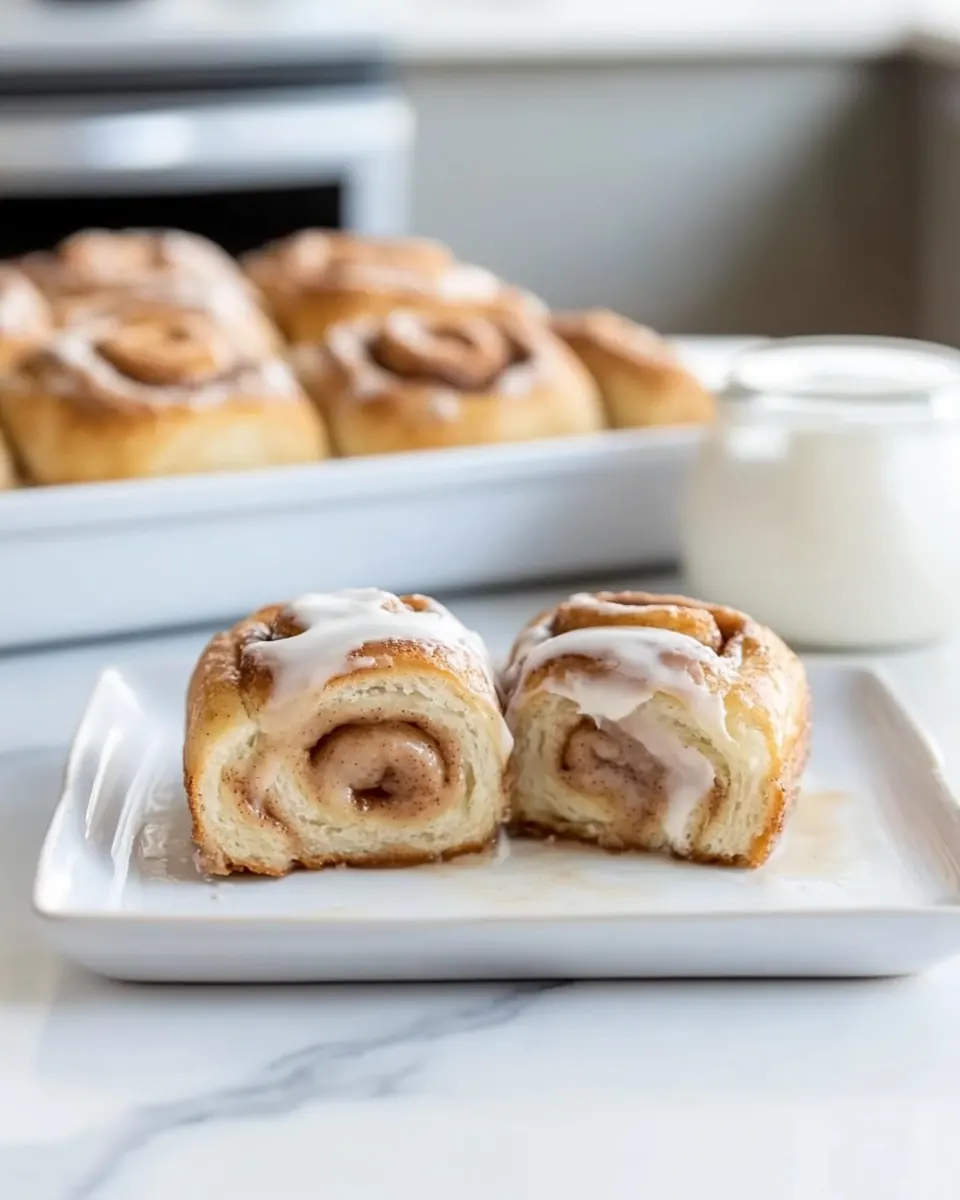
I like to think of tips as little confidence boosters that make baking feel more like play and less like a test. Below are practical pointers that help with timing, texture, and achieving that bakery worthy finish.
- Use the refrigerator rise for depth If you have time, let the rolls rise overnight in the fridge to develop a subtle, complex flavor note and make morning baking effortless.
- Measure the cream precisely Too much heavy whipping cream can pool and make the bottoms soggy, while too little will deprive the rolls of that custardy interior this recipe is known for.
- Warm the butter gently Melted butter should be warm but not hot so it blends smoothly with the sugar and does not prematurely melt the dough or frosting.
- Check for golden color Oven temperatures vary, so rely on a rich golden brown top as your cue rather than the clock alone to avoid under or over baking.
- Frost after a brief cool Allowing the rolls to cool for about ten minutes before frosting prevents the icing from becoming overly runny and maintains a nice contrast of texture.
Accompaniments for Cinnamon Rolls with Heavy Cream
These rolls feel at home on a variety of tables, from relaxed brunches to cozy winter mornings. Below are ideas for serving, occasions, and storage that enhance the experience without overpowering the soft, creamy center.
- Morning Brunch: Serve warm with simple brewed coffee or a spiced tea to balance the sweetness, offering a relaxed start to the day.
- Weekend Gatherings: Present the pan directly at the table so guests can pull pieces, creating a casual, communal vibe that everyone enjoys.
- Holiday Breakfast: These rolls are special enough for holiday mornings; pair with fresh fruit to add brightness to the plate and lighten the palate.
- Storage: Store leftovers in an airtight container at room temperature for up to two days, or refrigerate for up to five days; reheat gently to regain softness without drying out.
- Occasions: Ideal for baby showers, potlucks, or weekend brunches where an easy, crowd pleasing bakery style treat is appreciated without fuss.
- Seasonal Pairings: During cooler months, pair with warm spiced beverages or a cinnamon laced latte for a cozy combination that echoes the rolls‘ flavor profile.
FAQ
Conclusion
These Cinnamon Rolls with Heavy Cream stand out because they combine convenience and indulgence in a single pan, delivering a tender, custardy center and a caramelized, buttery top. I encourage you to try them the next time you want a crowd pleasing treat that feels special but is truly achievable, whether you pick the quick rise or an overnight plan. Baking these rolls brings warm aromas and simple pleasures, and sharing them always sparks happy conversation around the table.
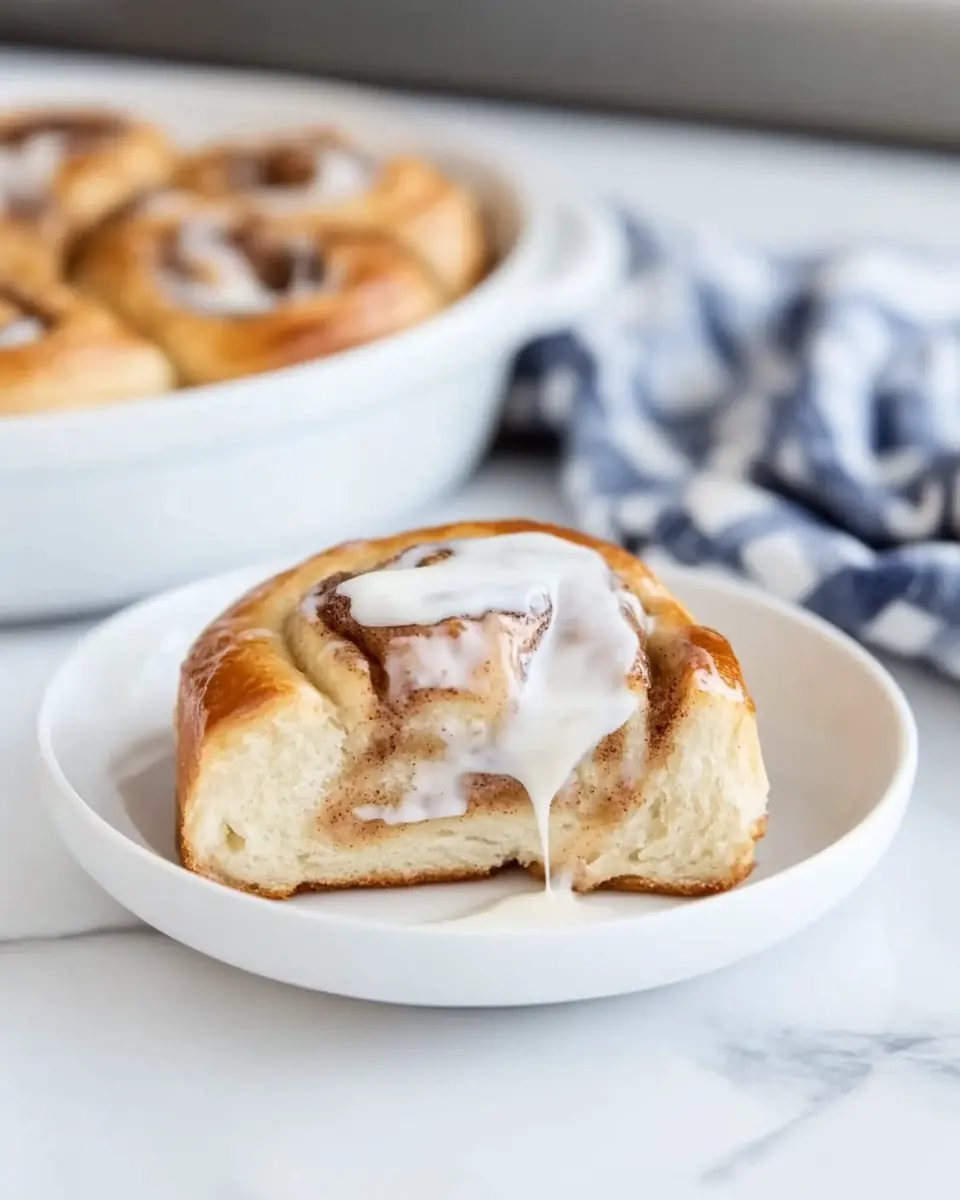
Cinnamon Rolls with Heavy Cream
Ingredients
Equipment
Method
- Spray a 9×13-inch baking pan with nonstick cooking spray. Arrange all 12 of the cinnamon rolls into the prepared pan. Cover the pan with plastic wrap sprayed with cooking spray to prevent the rolls from sticking to the plastic wrap while rising.: The air in your kitchen will start to feel slightly humid as you arrange the rolls, and you should notice the dough springs back gently when nudged. The smell is neutral at this stage, just clean dough and butter notes. This setup protects the rolls while they rise, so they keep shape and do not form a skin. A common mistake is skipping the nonstick spray, which can lead to stuck edges when the rolls expand. Visually, you want equal spacing so they can puff uniformly; if they are touching before rising that is fine, but crowded placement can alter browning patterns. Use a pan that conducts heat evenly so the bottoms brown without burning.
- Choose your preferred thaw and rise method from the back of the Rhodes bag. The regular method will take 3-5 hours and the refrigerator method can be done overnight for 8-16 hours.: As the dough sits, you will see it gradually swell, and the surface becomes slightly smoother and taut. The slower refrigerator rise develops a touch more depth of flavor, while the room temperature approach is faster and perfectly fine when you need rolls sooner. I find the overnight method convenient for planning ahead, because the dough is easier to handle and the timing is forgiving. Avoid rushing the rise by cranking up heat, since that can cause uneven proofing and dense centers. Check for a noticeable increase in volume, about doubled, before proceeding to baking so the texture ends up light and tender.
- Once the rolls have doubled in size, preheat the oven to 350°F. Pour the heavy cream directly over the rolls and allow it to seep into the rolls for about 5 minutes.: The moment you pour the heavy whipping cream you should hear a soft glug and see it pool into the swirls, darkening the dough slightly as it soaks in. After a few minutes the dough looks glossy and slightly saturated, which hints at the custardy interior that will bake up. This technique matters because it creates steam and richness inside the layers, producing a tender crumb. Do not pour too early during a cool rise, or the cream may chill rather than soak; wait until they are well risen. If you notice pools on the bottom after baking, you may have used too much cream, so measure carefully for an even texture.
- In a medium bowl, whisk together the melted butter, brown sugar, cinnamon and vanilla. Pour this mixture directly over the rolls and use an offset spatula to spread it evenly.: The mixture should shimmer and smell warmly of toasted sugar and spice when you whisk it. As you pour, you will see it stream into the crevices, and spreading with an offset spatula ensures every spiral gets flavor. This step adds concentrated pockets of caramelized sweetness that bloom during baking, giving rich mouthfuls. A frequent error is not mixing the components thoroughly, which leaves clumps of sugar; whisk until smooth. Visually, you want an even coat without large pools, because uneven topping can create spots that are overly brown or under flavored after baking.
- Bake uncovered in preheated oven for 30-35 minutes or until the rolls are golden brown. Allow the rolls to cool for about 10 minutes before frosting with the cream cheese icing frosting that is included in the Rhodes Thaw, Rise and Bake Cinnamon Rolls.: As the rolls bake, the kitchen fills with a warm, toasty aroma, and you will hear a faint crackle as the sugar caramelizes on edges. The visual cue is a deep golden top and slightly darker edges, indicating that the sugars have browned. This baking window caramelizes the topping while setting the interior, yielding a moist center and a slightly crisp exterior. Resist the urge to open the oven frequently, since that drops temperature and interferes with even browning. A common pitfall is underbaking, which leaves a gummy center, so look for that golden color and slightly firm surface before removing.
- Allow the rolls to cool for about 10 minutes before frosting with the cream cheese icing frosting that is included in the Rhodes Thaw, Rise and Bake Cinnamon Rolls: That ten minute rest is sensory gold, the steam subsides and the rolls settle into a tender, sliceable state. The heat will soften the included cream cheese frosting slightly when applied, causing it to spread luxuriously without melting away. This pause also prevents the frosting from becoming too thin and sliding off the rolls, preserving a good balance of cream and dough. A misstep is frosting immediately out of the oven, which leads to overly runny icing and lost texture. When you spread the frosting, notice the glossy ribbon it leaves, and enjoy the contrast between warm rolls and cool frosting as it sets lightly on top.
Notes
- Use the refrigerator rise for depth If you have time, let the rolls rise overnight in the fridge to develop a subtle, complex flavor note and make morning baking effortless.
- Measure the cream precisely Too much heavy whipping cream can pool and make the bottoms soggy, while too little will deprive the rolls of that custardy interior this recipe is known for.
- Warm the butter gently Melted butter should be warm but not hot so it blends smoothly with the sugar and does not prematurely melt the dough or frosting.
- Check for golden color Oven temperatures vary, so rely on a rich golden brown top as your cue rather than the clock alone to avoid under or over baking.
- Frost after a brief cool Allowing the rolls to cool for about ten minutes before frosting prevents the icing from becoming overly runny and maintains a nice contrast of texture.