Grilled Chicken Tenders
Grilled Chicken Tenders have been my go to on busy weeknights ever since I first learned to coax maximum flavor from minimal fuss. The first time I made them I was juggling grocery bags, a tired toddler, and a sunset that begged for something quick and satisfying, so I reached for a simple marinade and a hot grill. The result was juicy, bright, and so forgiving that I kept making them again and again through that summer.
Over time I developed little tricks that turned a plain dinner into something that felt like a small celebration. I started paying attention to the tiny things like patting the chicken dry before marinating, and letting the pieces rest off the heat so the juices could redistribute. Those small habits made such a difference that friends began asking for the recipe at backyard gatherings.
Recipe Snapshot
45 mins
35 mins
10 mins
Medium
300 kcal
American
Keto, Paleo
Dinner
Grill or Grill Pan, Mixing Bowl, Tongs, Plastic Wrap, Instant Read Thermometer
The Appeal of This Grilled Chicken Tenders
Speed and Simplicity
I love how Grilled Chicken Tenders delivers big flavor with almost no fuss. The short marinating window and a hot grill mean you can have dinner on the table in under an hour, which makes this a reliable choice for hectic evenings when you still want something tasty and wholesome.
Versatility at Its Best
These tenders play well with many meals. I use the same batch for a light salad one night and shredded into tacos the next. That flexibility means fewer separate dishes to plan, and it keeps weeknight menus interesting without extra effort.
Fresh, Clean Flavors
The bright acidity of lemon juice and the herbal warmth of dried thyme and dried oregano make the chicken taste fresh rather than heavy. I appreciate recipes that highlight natural ingredients instead of masking them, and this one does exactly that.
Easy to Scale and Share
I often double or triple the quantities when friends come over, because the method scales beautifully. Whether you are feeding four or twelve, the same principles apply so you can focus on company instead of complicated prep.
Kid Friendly and Crowd Approved
My family loves these tenders because the flavors are familiar and the texture is tender and juicy. I find people of all ages appreciate a straightforward, well seasoned piece of chicken, and these tenders never cause a fuss at the table.
What’s In This Grilled Chicken Tenders
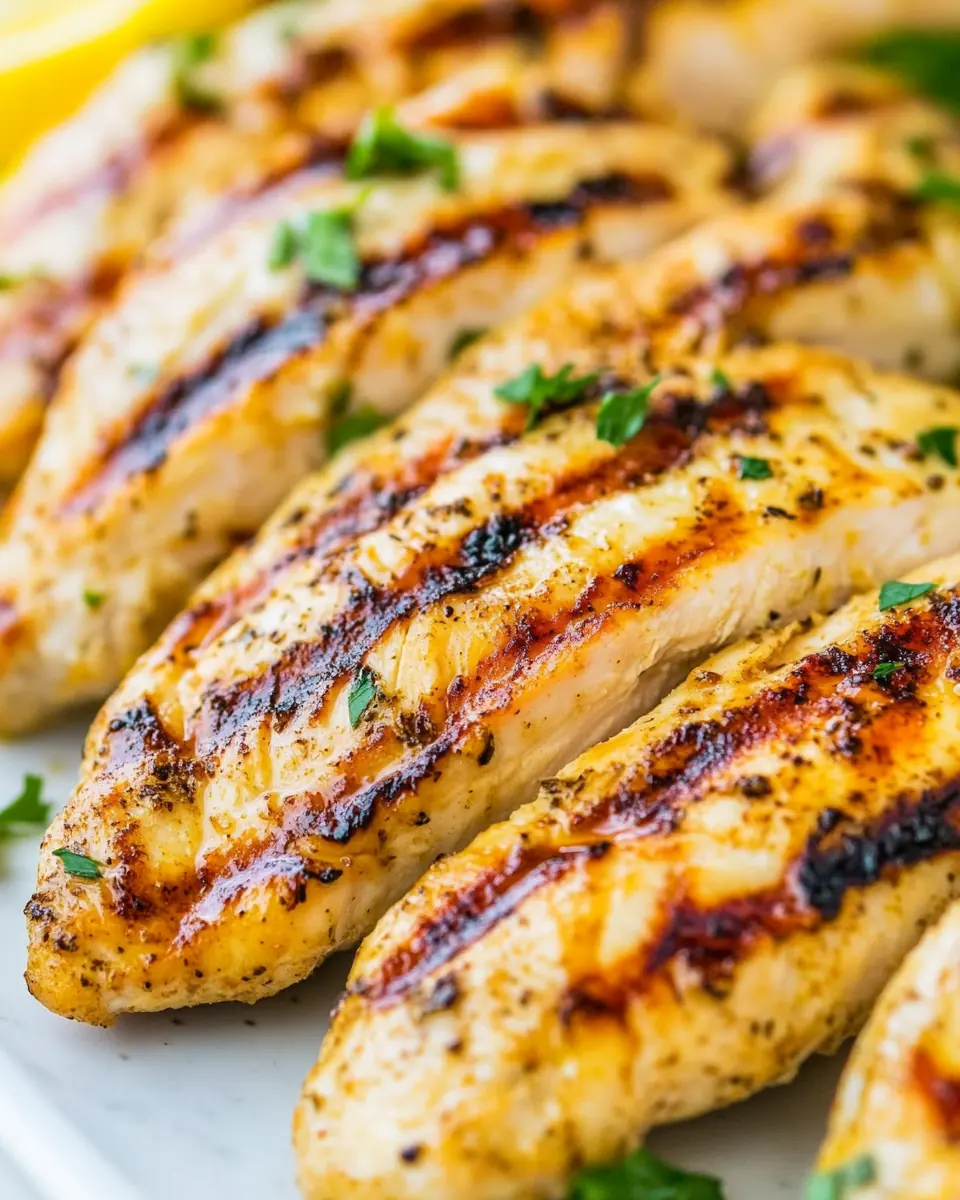
These ingredients are chosen to emphasize bright, balanced flavor and effortless texture. The key players are the chicken for tender protein, olive oil to carry flavor and help with browning, and lemon juice to brighten everything. The dried herbs and simple seasoning bind the profile together without overpowering the natural taste of the chicken. Together, they create a marinade that tenderizes, seasons, and helps produce a golden exterior when grilled.
- 1 pound (450 g) chicken tenders they're called mini chicken fillets in the UK: Provide lean protein and tender texture to the dish; use chicken tenders for quick, even cooking and a mild flavor that soaks up marinades well. Aim for uniform thickness to ensure consistent grill timing and juicy results. Keep refrigerated until ready to prevent bacterial growth.
- 2 tablespoons olive oil: Coat chicken evenly to prevent sticking and help transfer heat during grilling; olive oil also carries flavors and promotes browning. Use extra-virgin for more fruity notes or light olive oil for neutral taste. Drizzle just before seasoning to help herbs adhere.
- 2 tablespoons lemon juice: Brighten and tenderize the meat through acidity while adding a fresh citrus aroma; lemon juice helps break down proteins slightly for a more tender bite. Combine with oil and herbs to create a balanced marinade that penetrates the surface. Use freshly squeezed for best flavor.
- 1 teaspoon dried thyme: Add warm, slightly floral herbal notes that complement poultry and enhance savory depth; dried thyme holds up well to heat when grilled. Sprinkle evenly in the marinade so the flavor distributes across each tender. Adjust amount if you prefer a more pronounced herbiness.
- 1 teaspoon dried oregano: Impart robust Mediterranean flavor with earthy, peppery tones that pair well with thyme and lemon; dried oregano withstands high heat and adds aromatic complexity. Crush slightly between fingers before adding to release oils. Use measured quantity to avoid overpowering delicate chicken.
- 1/2 teaspoon salt: Provide essential seasoning to enhance and balance all other flavors while bringing out the natural taste of the chicken; salt also aids in moisture retention during cooking. Dissolve into the marinade for even distribution across tenders. Reduce slightly for low-sodium diets.
- 1/4 teaspoon ground black pepper: Contribute mild heat and pungency to round out the seasoning blend while accentuating savory notes; ground black pepper adds a subtle kick when freshly ground. Sprinkle into marinade or directly on tenders before grilling for best aroma. Use cautiously to avoid overwhelming delicate flavors.
Making Grilled Chicken Tenders
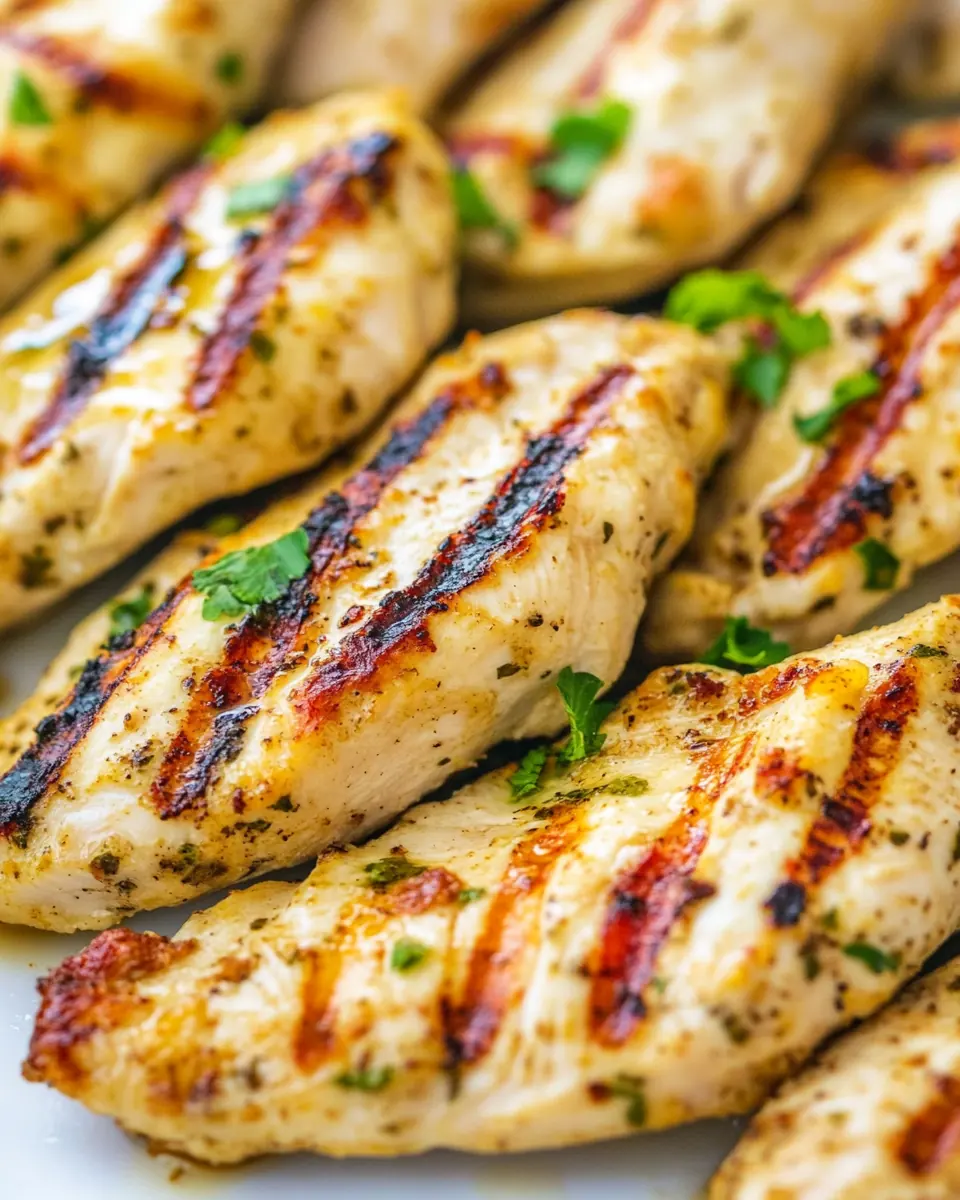
Grilling these tenders is straightforward, but paying attention to small sensory details makes the difference between good and great. Below I expand each step with vivid cues and trouble shooting so you can feel confident at the grill or on a grill pan.
- In a large mixing bowl, add the marinade ingredients and whisk until they're well combined. Add the chicken tenders, and mix until they're well coated in the marinade. Cover with plastic wrap, and marinate in the fridge for at least 30 minutes and up to 8 hours.: Right away you'll notice the sheen of olive oil and the citrus tang of lemon juice coming together, releasing bright aromas that tell you the marinade is ready. Whisking helps the dried herbs hydrate slightly and disperse evenly, which ensures each bite of chicken picks up flavor. A common mistake here is under mixing, which can leave pockets of herb or oil, so whisk until the mixture looks homogeneous. The sound is silent, but you can see the mixture glisten and smell the herbs. Visually, the herbs should be suspended in the liquid rather than clumped. If the oil separates, whisk a few more times before adding the chicken .
- To grill the chicken tenders, place on a preheated grill or grill pan and cook for 3-5 minutes on each side until they're cooked through. Total of 8-10 minutes depending on the size of the chicken tenders.: As you fold the chicken into the bowl, the pieces should glisten and take on a light coating of the marinade. Use tongs or clean hands to ensure each piece is evenly covered, and press the marinade into the meat gently so the flavors begin to penetrate. The why matters here, because full coverage ensures consistent seasoning and better caramelization when grilling. Avoid piling pieces on top of each other, which can prevent even absorption and lead to uneven cooking. You should smell lemon and herbs evenly distributed across the pieces when you lift one out to inspect it.
- Remove from the grill, and allow the chicken tenders to rest for a few minutes before serving.: During this resting time the acids and oil work on the surface of the chicken , and the herbs will infuse their aroma. A short 30 minute rest brightens the flavor, while a few hours deepens it. Refrigeration keeps the texture safe and prevents over tenderizing, which can happen if highly acidic marinades sit too long. If you plan ahead, aim for 1 to 2 hours for an ideal balance. Avoid leaving the chicken at room temperature for extended periods, which is a food safety risk. You will be able to see the marinade coat the meat more uniformly after marinating, and the surface may appear slightly plumper.
- To grill the chicken tenders, place on a preheated grill or grill pan and cook for 3 to 5 minutes on each side until they're cooked through: When the grill is hot you should hear a steady sizzle as the chicken hits the grates. That sound signals good caramelization, which adds flavor and visual appeal. Look for a golden brown exterior and slight charring on the edges as indicators that the surface sugars have developed. The specified time is a guideline, because thickness varies, so watch for firm flesh and clear juices. A common error is moving the pieces too frequently, which prevents the crust from forming. Let each side develop color before flipping once. You should be able to lift a piece cleanly from the grill without sticking, which indicates a good sear.
- Total of 8 to 10 minutes depending on the size of the chicken tenders: Trust your senses alongside the clock, because the true indicator is the internal texture. The exterior should be nicely browned and the meat should feel slightly springy when pressed. If you cut into the thickest part you should see opaque, fully cooked flesh with no translucent pink. Overcooking will dry the pieces, so aim to remove them as soon as they reach doneness. An instant read thermometer inserted into the center should reach the safe temperature guideline noted in the notes. If you find pieces finishing at different times, remove the done ones and let the others finish so nothing becomes overcooked.
- Remove from the grill, and allow the chicken tenders to rest for a few minutes before serving: Resting is the quiet, often overlooked step that preserves juiciness. As the chicken rests, the juices redistribute from the surface to the interior, giving a more tender bite. The surface will cool slightly and the aroma will settle into a more inviting, concentrated scent. Skipping this rest leads to juices running out when you cut into the meat, which makes it appear drier than it truly is. Aim for a few minutes of rest, during which you can prepare sides or slice the tenders for serving. The color will remain vibrant and the texture will feel cohesive when you begin to eat.
Variations to Try
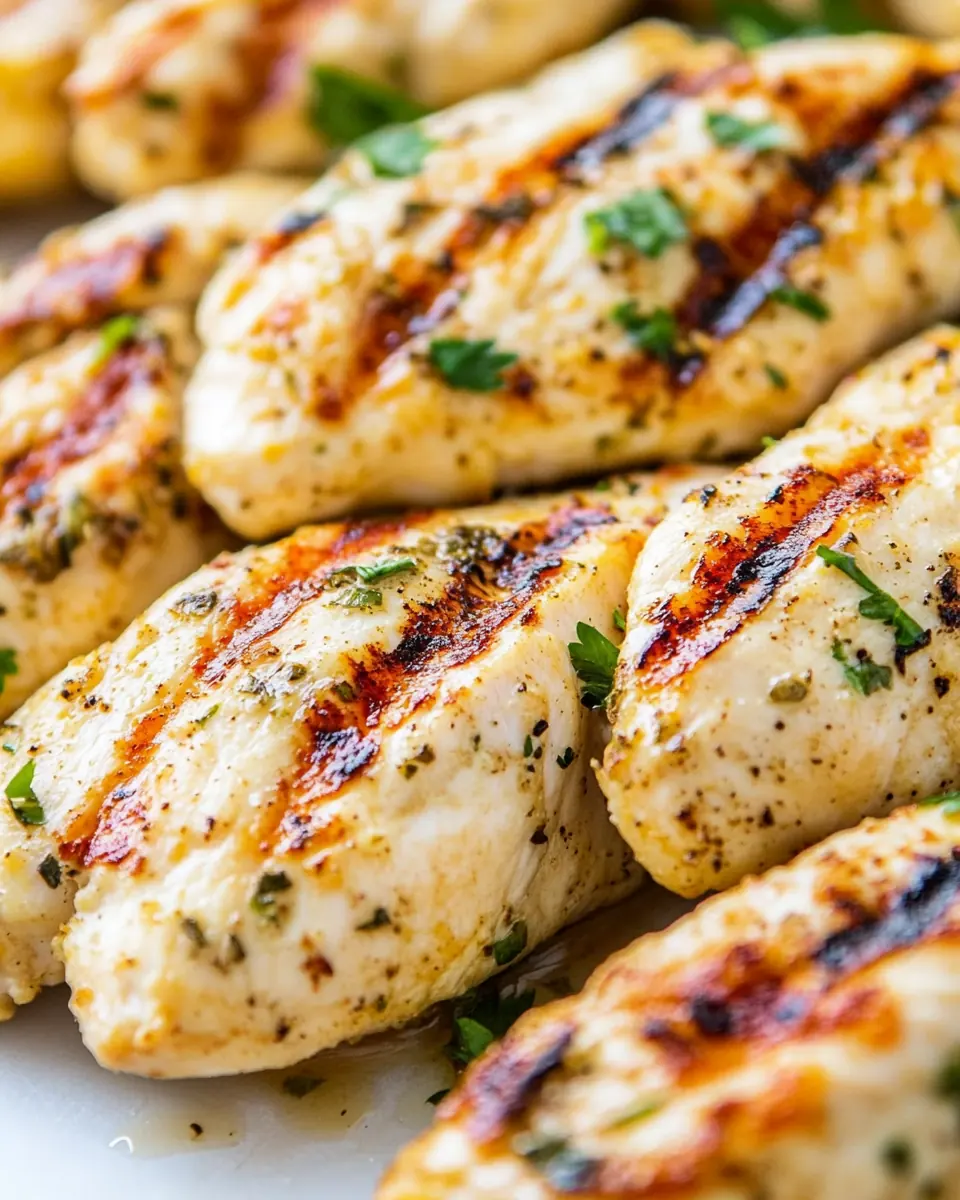
I like to tweak small elements to keep the recipe fresh. Below are practical variations and serving ideas that let you adapt the basic formula to different meals and moods.
- Herb Forward Twist Try increasing the dried thyme and adding a pinch more oregano to amplify the herb profile for an earthier result.
- Citrus Bright Add an extra half tablespoon of lemon juice for a zippier finish when serving with salads or grains.
- Make Ahead Marinate in the morning for dinner, refrigerating up to 8 hours, so the flavors have time to deepen without extra evening prep.
- Grill Pan Option Use a preheated grill pan on the stovetop if outdoor grilling is not available, and watch for the same sizzling cues and browning.
- Kid Friendly Plating Slice the tenders into strips once rested to make them easy for little hands to pick up and dip.
What to Serve With Grilled Chicken Tenders
These tenders pair with many sides, and the list below outlines complementary dishes, occasions, and storage tips so you can serve them confidently. Think seasonal produce and practical accompaniments that keep the meal balanced and approachable.
- Simple Green Salad A crisp salad with a light vinaigrette contrasts the warm, savory chicken and makes a bright lunch or light dinner option.
- Pasta Toss Toss sliced tenders with a small portion of pasta and a drizzle of olive oil for an easy weeknight meal that stretches servings.
- Rice Bowls Serve the tenders over steamed rice with a squeeze of lemon for a filling family dinner suitable for any season.
- Sandwiches and Wraps Chop the rested tenders and layer into sandwiches or wraps with crisp greens for an on the go lunch solution.
- Serving Occasions These work well for casual gatherings, summer barbecues, and quick weekday dinners, fitting into Ramadan if served after Iftar with complementary sides.
- Storage Tips Refrigerate leftovers in an airtight container for up to four days, and reheat gently to avoid drying out the chicken.
- Seasonal Pairings In summer, pair with grilled vegetables and in cooler months, serve alongside warm grains and roasted root vegetables for a comforting plate.
FAQ
Conclusion
These Grilled Chicken Tenders stand out for their bright, herb forward flavor and effortless preparation, making them a dependable choice for busy nights and casual gatherings. Try them because they balance speed with taste, and they scale easily for more people without losing quality. I hope you enjoy the simple rituals that make this recipe shine, from a good whisk of the marinade to that satisfying sizzle on the grill. Let it become one of your reliable weeknight favorites.
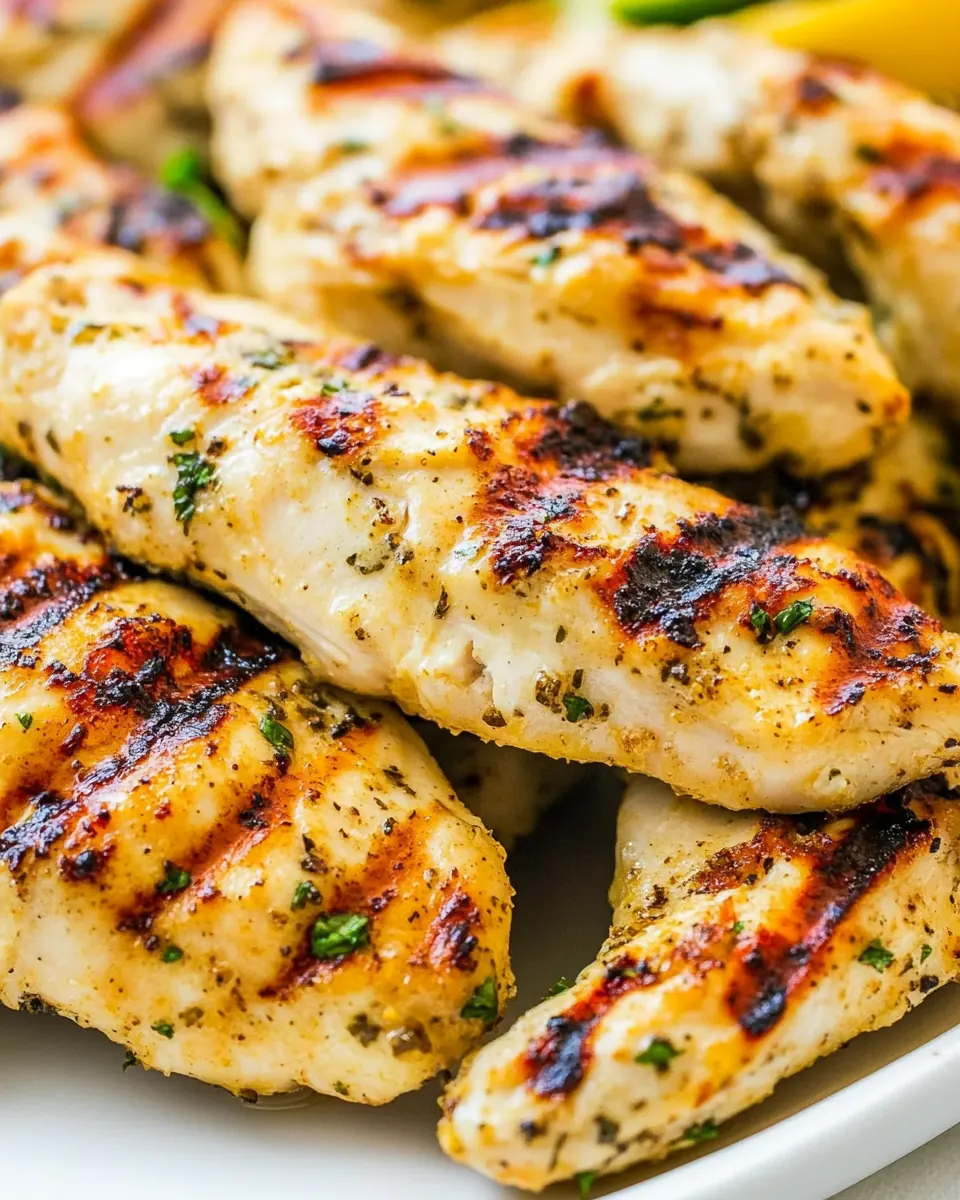
Grilled Chicken Tenders
Ingredients
Equipment
Method
- In a large mixing bowl, add the marinade ingredients and whisk until they're well combined. Add the chicken tenders, and mix until they're well coated in the marinade. Cover with plastic wrap, and marinate in the fridge for at least 30 minutes and up to 8 hours.: Right away you'll notice the sheen of olive oil and the citrus tang of lemon juice coming together, releasing bright aromas that tell you the marinade is ready. Whisking helps the dried herbs hydrate slightly and disperse evenly, which ensures each bite of chicken picks up flavor. A common mistake here is under mixing, which can leave pockets of herb or oil, so whisk until the mixture looks homogeneous. The sound is silent, but you can see the mixture glisten and smell the herbs. Visually, the herbs should be suspended in the liquid rather than clumped. If the oil separates, whisk a few more times before adding the chicken .
- To grill the chicken tenders, place on a preheated grill or grill pan and cook for 3-5 minutes on each side until they're cooked through. Total of 8-10 minutes depending on the size of the chicken tenders.: As you fold the chicken into the bowl, the pieces should glisten and take on a light coating of the marinade. Use tongs or clean hands to ensure each piece is evenly covered, and press the marinade into the meat gently so the flavors begin to penetrate. The why matters here, because full coverage ensures consistent seasoning and better caramelization when grilling. Avoid piling pieces on top of each other, which can prevent even absorption and lead to uneven cooking. You should smell lemon and herbs evenly distributed across the pieces when you lift one out to inspect it.
- Remove from the grill, and allow the chicken tenders to rest for a few minutes before serving.: During this resting time the acids and oil work on the surface of the chicken , and the herbs will infuse their aroma. A short 30 minute rest brightens the flavor, while a few hours deepens it. Refrigeration keeps the texture safe and prevents over tenderizing, which can happen if highly acidic marinades sit too long. If you plan ahead, aim for 1 to 2 hours for an ideal balance. Avoid leaving the chicken at room temperature for extended periods, which is a food safety risk. You will be able to see the marinade coat the meat more uniformly after marinating, and the surface may appear slightly plumper.
- To grill the chicken tenders, place on a preheated grill or grill pan and cook for 3 to 5 minutes on each side until they're cooked through: When the grill is hot you should hear a steady sizzle as the chicken hits the grates. That sound signals good caramelization, which adds flavor and visual appeal. Look for a golden brown exterior and slight charring on the edges as indicators that the surface sugars have developed. The specified time is a guideline, because thickness varies, so watch for firm flesh and clear juices. A common error is moving the pieces too frequently, which prevents the crust from forming. Let each side develop color before flipping once. You should be able to lift a piece cleanly from the grill without sticking, which indicates a good sear.
- Total of 8 to 10 minutes depending on the size of the chicken tenders: Trust your senses alongside the clock, because the true indicator is the internal texture. The exterior should be nicely browned and the meat should feel slightly springy when pressed. If you cut into the thickest part you should see opaque, fully cooked flesh with no translucent pink. Overcooking will dry the pieces, so aim to remove them as soon as they reach doneness. An instant read thermometer inserted into the center should reach the safe temperature guideline noted in the notes. If you find pieces finishing at different times, remove the done ones and let the others finish so nothing becomes overcooked.
- Remove from the grill, and allow the chicken tenders to rest for a few minutes before serving: Resting is the quiet, often overlooked step that preserves juiciness. As the chicken rests, the juices redistribute from the surface to the interior, giving a more tender bite. The surface will cool slightly and the aroma will settle into a more inviting, concentrated scent. Skipping this rest leads to juices running out when you cut into the meat, which makes it appear drier than it truly is. Aim for a few minutes of rest, during which you can prepare sides or slice the tenders for serving. The color will remain vibrant and the texture will feel cohesive when you begin to eat.
Notes
- Herb Forward Twist Try increasing the dried thyme and adding a pinch more oregano to amplify the herb profile for an earthier result.
- Citrus Bright Add an extra half tablespoon of lemon juice for a zippier finish when serving with salads or grains.
- Make Ahead Marinate in the morning for dinner, refrigerating up to 8 hours, so the flavors have time to deepen without extra evening prep.
- Grill Pan Option Use a preheated grill pan on the stovetop if outdoor grilling is not available, and watch for the same sizzling cues and browning.
- Kid Friendly Plating Slice the tenders into strips once rested to make them easy for little hands to pick up and dip.