Butternut Squash Gratin
Butternut Squash Gratin is a dish I return to when I want something that feels both cozy and a little bit elegant.
I first made this after a weekend at my grandmother’s house, where the late autumn light hit the kitchen window just right and the air smelled faintly of wood smoke and baking bread. I remember standing at the counter, hands dusted with squash juice, thinking about how simple layers of roasted vegetable and creamy cheese could feel like a warm blanket on a chilly evening. Over the years I adjusted the balance of flavors, learning when to let the squash be the star and when to let the pesto and cheeses whisper in supporting roles.
Every time I prepare Butternut Squash Gratin I think about texture and contrast. The soft, velvety squash, the punch of gorgonzola cheese, and the herbaceous lift of a sage pesto combine in a way that never gets old. I enjoy assembling the layers more than I expected, like arranging a savory trifle. It’s a recipe that travels well to a potluck, and it also holds its own as a centerpiece on a quiet family dinner night.
Recipe Snapshot
1 hr 25 mins
45 mins
40 mins
Medium
250 kcal
American
Keto, Gluten-Free
Side Dishes
Steamer pot with insert, Blender or food processor, 8-inch baking dish, Offset spatula
Why This Butternut Squash Gratin Works
Layered Comfort
I love how Butternut Squash Gratin builds flavor through layers. The squash provides a creamy base, while the pesto and cheeses add depth and complexity. Each forkful gives a little journey from mellow to bright, and I always find guests pause to appreciate that contrast.
Seasonal Appeal
This recipe feels like fall in a dish. With squash at the core, it celebrates autumnal produce without being fussy. I like serving it when the market squash is sweetest, because that natural sugar caramelizes slightly while baking, enhancing the savory elements.
Make Ahead Friendly
One of the reasons I return to this gratin is how forgiving it is. You can steam and puree the squash ahead of time, then assemble and bake later. That flexibility keeps weeknight stress low, and it makes entertaining much easier because a lot of the work is done beforehand.
Textural Play
The interplay between the smooth butternut squash puree, the creamy bite of gorgonzola cheese, and the grated parmesan cheese is something I adore. Adding a touch of walnuts gives a little crunch, which I find elevates the whole dish. I like to encourage small textural contrasts like this to keep each bite interesting.
Simple Ingredients, Big Impact
I appreciate that this dish uses straightforward pantry items yet tastes layered and intentional. The olive oil brings richness, the pesto brings herbs, and small amounts of strong cheese carry flavor far. I often tell friends that good technique and timing turn basic staples into something memorable.
What’s In This Butternut Squash Gratin
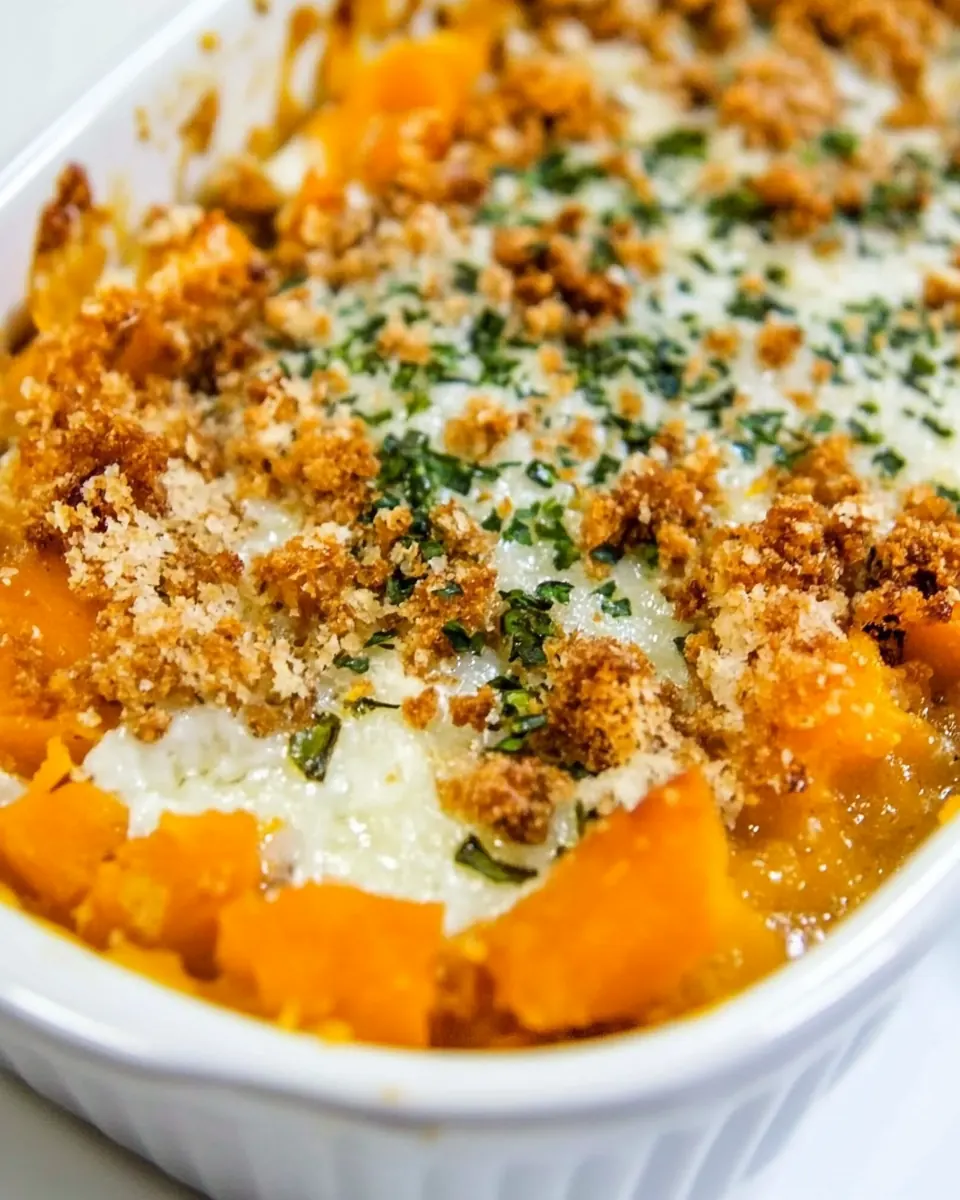
These ingredients were chosen for balance and clarity. The heart of the dish is the butternut squash, pureed into a silky base that carries flavor. Stronger elements like gorgonzola cheese and parmesan cheese provide savory punch, while sage in the pesto brightens everything. A touch of walnuts offers texture, and the olive oil ties ingredients together smoothly.
- 3 pounds butternut squash, peeled, seeded, and cut into large chunks: Provide a sweet, nutty base and tender texture when roasted; adds natural sugars that caramelize and deepen the gratin’s flavor while offering a creamy mouthfeel when mashed or layered.
- kosher salt and pepper: Season generously to balance and enhance flavors throughout the gratin; helps bring out sweetness in the squash and complements the cheeses and herbs.
- 1/4 cups age pesto: Introduce an herbaceous, slightly salty dimension with a rich, oily texture; spread thinly or mix into the filling to infuse basil, garlic, and pine nut notes throughout the dish.
- 4 ounces crumbled gorgonzola cheese: Contribute a sharp, tangy, and creamy bite that contrasts with sweet squash; crumble over layers to create pockets of intense blue-cheese flavor that melt into the gratin.
- 1 cup packed fresh sage leaves: Add an aromatic, earthy herbaceous note and a slightly peppery undertone; chop or layer whole leaves to brighten the dish and pair well with butter and cheese.
- 2 tablespoons chopped walnuts: Supply a crunchy, toasty texture and subtle bitterness; sprinkle chopped nuts for contrast against the soft squash and creamy cheeses, and they enhance overall mouthfeel.
- 1/4 teaspoon kosher salt: Provide precise salinity to the seasoning profile; use sparingly to avoid over-salting while ensuring other flavors in the gratin are well-balanced.
- 1/8 teaspoon pepper: Offer a mild, warming heat to the dish; season lightly to complement the salt and enhance the savory components without overpowering delicate flavors.
- 1/3 cup extra virgin olive oil: Deliver a fruity, smooth fat that carries flavors and prevents sticking; drizzle over squash or into herb mixtures to aid roasting and add richness without dairy.
- 1/4 cup parmesan cheese: Bring a nutty, savory umami finish and help create a golden crust; grate over the top before baking to add depth and a slightly crisp, flavorful topping.
Recipe Directions for Butternut Squash Gratin
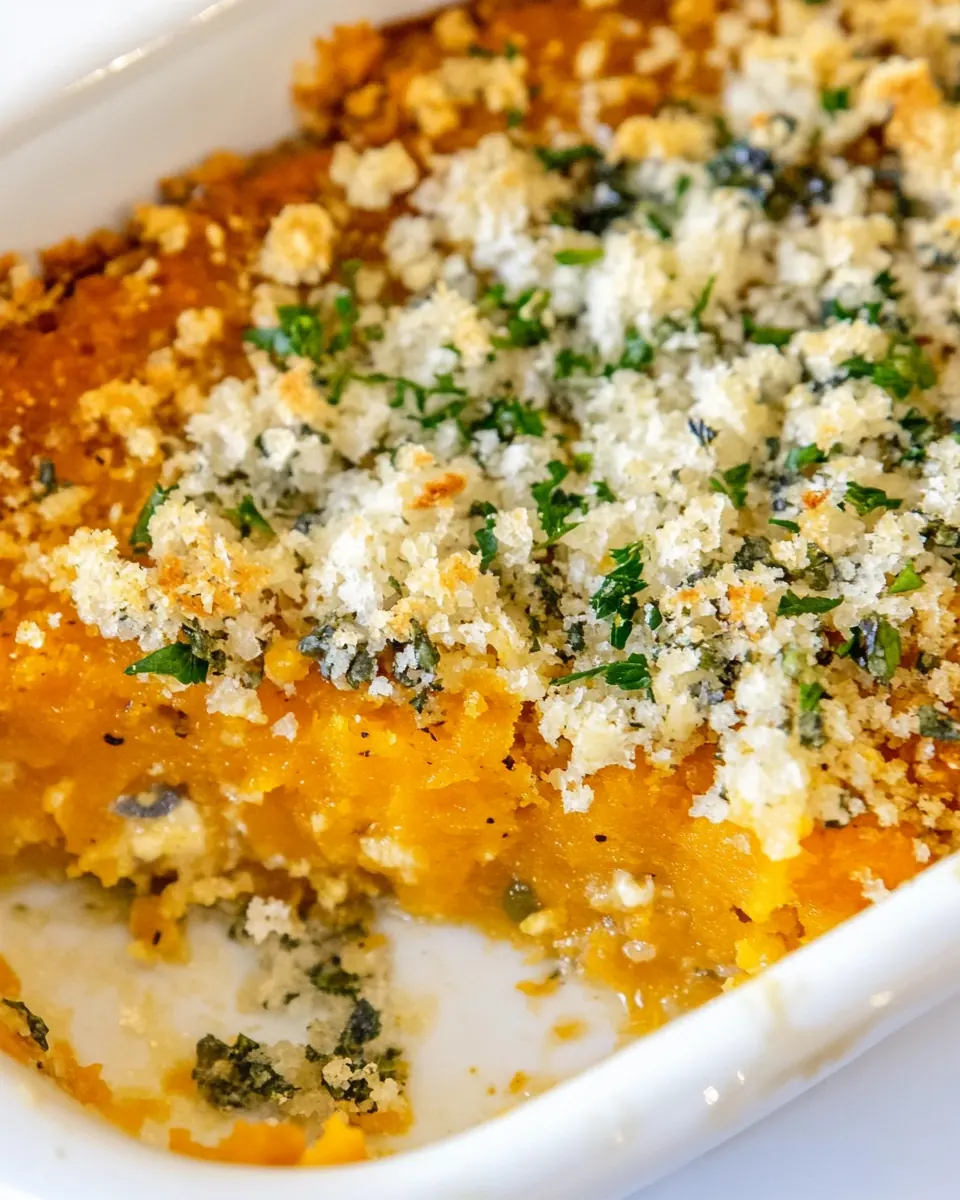
I like to think of this as assembly plus baking, where careful attention to texture and seasoning makes all the difference. Follow the steps in order and use your senses to guide timing and doneness. The directions below expand each step with sensory cues, troubleshooting, and the reason behind the technique.
- Preheat oven to 350°F, and coat an 8-inch baking dish with olive oil or cooking spray.: As the oven warms, you should feel the kitchen slowly become warmer and notice a faint dry heat in the air, which helps create even browning on the gratin edges. Preheating ensures the dish hits the oven at the right temperature, allowing the top layer to set correctly rather than steaming. If the oven is not fully preheated you may end up with a watery texture and delayed browning, so always wait until the oven signals it has reached temperature. Brush the baking dish with a thin film of extra virgin olive oil so the gratin releases easily, and place the dish on the middle rack for balanced heat circulation.
- In a large pot with a steamer insert, bring a couple of inches of water to a boil, add the squash to the steamer rack, and steam about 20 minutes, until very tender.: When the steam rises, you will smell the sweet, roasted notes of the butternut squash even before it is fully soft. Steaming preserves moisture and natural sugars, resulting in a smoother puree than boiling. Test tenderness with a fork; it should sink in easily and the flesh should feel pillowy. A common mistake is undercooking, which leads to gritty puree, so check in multiple chunks. Keep the water at a gentle boil so the squash cooks through without becoming waterlogged.
- Transfer squash to a blender or food processor and puree until smooth. Season with salt and pepper to taste.: The puree should be glossy and uniform, with no fibrous strands left behind. As you blend you may notice a sweet, nutty aroma rising, and a smooth sheen indicates the right texture. Pureeing when the squash is hot helps it emulsify with a small amount of olive oil , yielding a silkier mouthfeel. Avoid overfilling your blender; work in batches if necessary to get an even texture. A common pitfall is leaving tiny lumps, so scrape down the sides and blend until completely smooth.
- Spread half of the squash in the prepared dish. Top with half of the pesto, dropped in small dollops then carefully spread over the squash. Sprinkle half of the cheese over the pesto.: After pureeing, seasoning is where the dish comes to life. Add small amounts of kosher salt and pepper , taste, and adjust until the squash tastes bright rather than flat. The salt enhances the squash's natural sweetness and helps the cheeses shine. Over-salting is an easy error, so season incrementally and taste with a small spoon. Remember that the parmesan cheese and gorgonzola cheese will contribute saltiness as well, so leave room for that final adjustment.
- Repeat the layers.: Gently spoon the puree into the oiled dish, smoothing it with an offset spatula to create an even base. The surface should look creamy and uniform, not gloppy or separated. A level foundation helps the pesto and cheeses distribute evenly, preventing heavy pockets. If the layer is too thin the final gratin may dry out, so aim for a consistent, substantial base that fills about half the depth of the dish.
- Bake for about 40 minutes, or until heated through and browning around the edges.: Dolloping the pesto creates flavor pockets that melt into the squash rather than blending away entirely. As you spread, you should see little green swirls, offering visual contrast. The scent of sage will lift through the kitchen, promising herbaceous highlights. Avoid overworking the pesto into the puree; gentle spreading keeps those concentrated bursts intact. A common mistake is spreading too aggressively, which causes the pesto to disappear into the squash.
- In a blender of food processor, combine all of the ingredients except the cheese and puree until smooth.: Scatter the crumbled gorgonzola cheese and a portion of the parmesan cheese evenly so that each bite will include creamy, salty bits. You should see small white and cream specks across the green pesto. The cheese will start softening as it sits on the warm squash, and during baking it will melt into pleasurable pockets. Avoid clumping the cheese in one area, as that creates uneven melting and overpowering bites. Aim for balance across the surface.
- Stir in the cheese, and adjust seasoning with salt and pepper to taste.: Add the remaining squash and then repeat the pesto and cheese layers, finishing with the parmesan cheese on top. As you build the second layer, the dish should feel substantial but not overfilled; leave a small margin to allow bubbling and slight expansion. The top layer of cheese will brown and provide a pleasing textural contrast to the creamy interior. A typical error is overfilling the dish, which can cause spillage and uneven baking, so leave a little headspace.
- Bake for about 40 minutes, or until heated through and browning around the edges: While baking you will notice the edges darkening and a gentle bubbling at the seams. The aroma of baked squash and savory cheeses will deepen as sugars caramelize and the top takes on color. Use visual cues more than exact timing because oven temperatures vary; look for golden-brown edges and a set center. Avoid opening the oven repeatedly, which drops temperature and extends cooking time. If the top browns too quickly, tent loosely with foil to prevent burning while allowing the center to finish warming.
- In a blender of food processor, combine all of the ingredients except the cheese and puree until smooth: This step refers to making the sage pesto. As you blend fresh sage leaves , extra virgin olive oil , walnuts , and seasoning, you will smell an intense herbaceous lift that complements the squash. The pesto should be vibrant green and slightly textured so it holds small pockets of flavor in the gratin. Over-blending will produce a completely liquid sauce that disperses too evenly, so stop when you still see flecks of herb and nut for the best mouthfeel.
- Stir in the cheese, and adjust seasoning with salt and pepper to taste: Finally, fold in a portion of the parmesan cheese or reserve a small amount for topping, tasting as you go to balance salt and pepper. The cheese will mellow the pesto and add savory umami, bringing harmony to the herb and nut flavors. If the pesto tastes flat, a pinch of kosher salt will brighten it; if it feels too bitter, a touch more olive oil smooths it out. A common mistake is over-salting at this stage, so taste again after mixing in the cheese before using in the gratin.
Recipe Variations about Butternut Squash Gratin
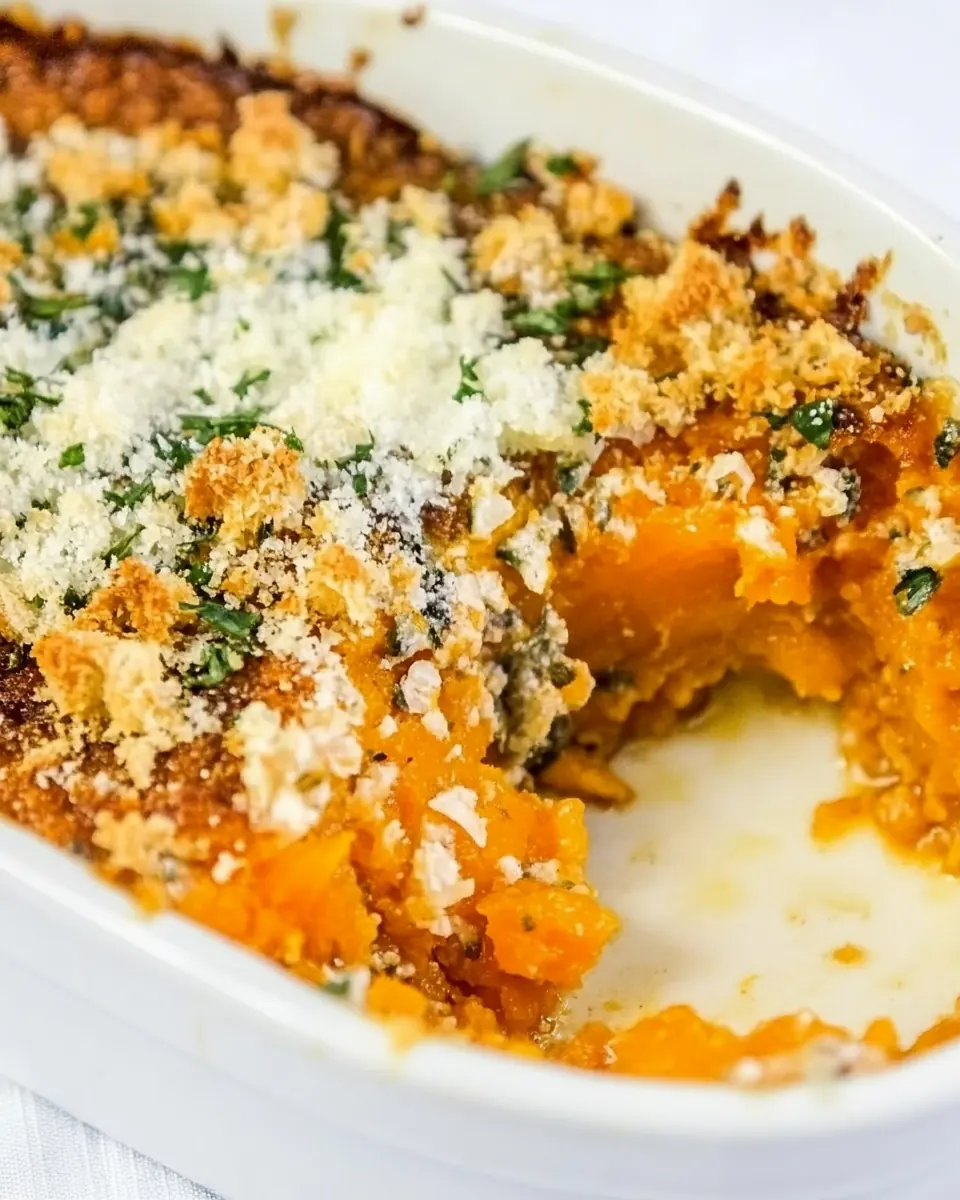
This dish is a great canvas for small changes that shift the flavor profile while keeping the comforting structure intact. Below are detailed, practical tips and variations to help you customize Butternut Squash Gratin without losing what makes it special.
- Increase the herb intensity: If you love a punch of herb, pack the sage more tightly when measuring for the pesto or add a few extra leaves. This will elevate the aromatic lift and give each bite a more pronounced herbal character, but be careful not to let sage overpower the squash.
- Adjust the cheese ratio: If you prefer milder flavor, reduce the gorgonzola cheese slightly and increase the parmesan cheese for a subtler tang. This keeps savory depth while softening the blue cheese presence for guests who prefer gentler flavors.
- Make it earlier in the day: You can steam and puree the squash in the morning and refrigerate it. Rewarm gently before assembling to make the evening less hectic, and keep the pesto covered to preserve its vibrant color.
- Add texture on top: Toast the chopped walnuts lightly before stirring them into the pesto or sprinkling on top for extra crunch and a warm, nutty aroma. Toasting releases oils and deepens flavor, but watch them closely since nuts burn quickly.
- Control salt carefully: Because the recipe uses both gorgonzola cheese and parmesan cheese, season the puree in small increments. Taste after adding the cheeses, then adjust so the dish does not become overly salty.
Serving Suggestions
This gratin works wonderfully as a centerpiece or a hearty side dish. Serve it warm so the cheeses are soft and the flavors are at their peak. Below are detailed serving ideas, pairings, and storage guidance to help you present Butternut Squash Gratin beautifully.
- Family dinner centerpiece: Serve the gratin hot from the oven with a crisp salad on the side for contrast in texture and brightness.
- Holiday side dish: Bring it to a fall or winter holiday table as a flavorful alternative to traditional sides, and carve portions so each guest gets a balanced amount of squash and cheese.
- Vegetarian main course: For a meat free main, pair the gratin with roasted vegetables or a grain salad to round out the meal with fiber and contrasting textures.
- Make ahead and reheat: Assemble the gratin and refrigerate for up to 24 hours, then bake until heated through. Reheat leftovers covered at a moderate temperature to avoid drying out the surface.
- Storage tips: Keep leftovers in an airtight container in the fridge for up to three days, and reheat in a low oven to revive the creaminess without overcooking.
- Seasonal pairings: Serve during fall gatherings when butternut squash is at its sweetest, and complement it with roasted root vegetables and baked apples for a cohesive seasonal dinner.
FAQ
Conclusion
This gratin is special because it combines silky butternut squash with herbaceous sage pesto and tangy cheeses for a layered, comforting dish. Give it a try at your next fall dinner or holiday table; the flavors are seasonal yet approachable, and the make ahead options make hosting easier. I hope it becomes a recipe you reach for when you want something that feels both homey and a little refined. Enjoy the warm, savory bites and the small moments of delight they bring.
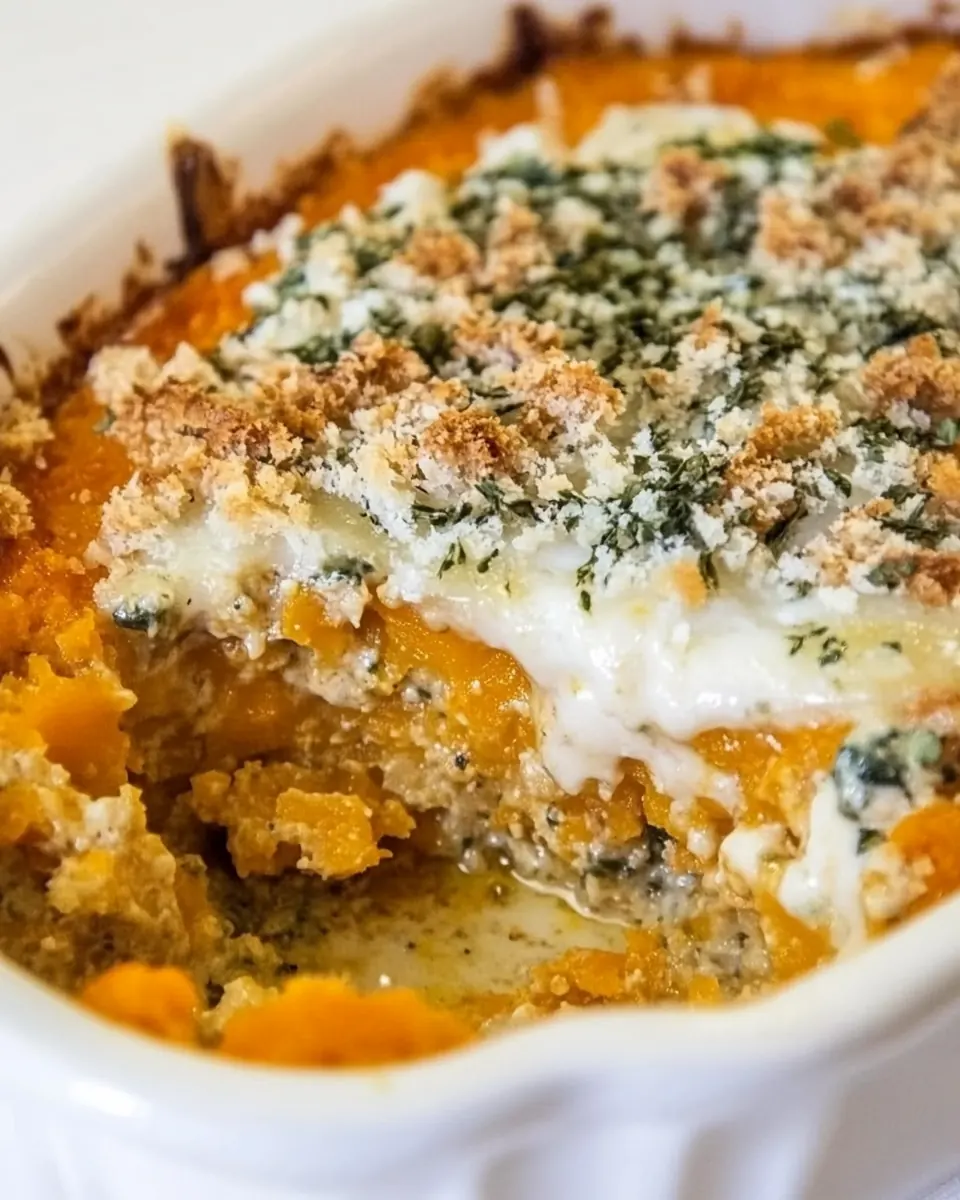
Butternut Squash Gratin
Ingredients
Equipment
Method
- Preheat oven to 350°F, and coat an 8-inch baking dish with olive oil or cooking spray.: As the oven warms, you should feel the kitchen slowly become warmer and notice a faint dry heat in the air, which helps create even browning on the gratin edges. Preheating ensures the dish hits the oven at the right temperature, allowing the top layer to set correctly rather than steaming. If the oven is not fully preheated you may end up with a watery texture and delayed browning, so always wait until the oven signals it has reached temperature. Brush the baking dish with a thin film of extra virgin olive oil so the gratin releases easily, and place the dish on the middle rack for balanced heat circulation.
- In a large pot with a steamer insert, bring a couple of inches of water to a boil, add the squash to the steamer rack, and steam about 20 minutes, until very tender.: When the steam rises, you will smell the sweet, roasted notes of the butternut squash even before it is fully soft. Steaming preserves moisture and natural sugars, resulting in a smoother puree than boiling. Test tenderness with a fork; it should sink in easily and the flesh should feel pillowy. A common mistake is undercooking, which leads to gritty puree, so check in multiple chunks. Keep the water at a gentle boil so the squash cooks through without becoming waterlogged.
- Transfer squash to a blender or food processor and puree until smooth. Season with salt and pepper to taste.: The puree should be glossy and uniform, with no fibrous strands left behind. As you blend you may notice a sweet, nutty aroma rising, and a smooth sheen indicates the right texture. Pureeing when the squash is hot helps it emulsify with a small amount of olive oil , yielding a silkier mouthfeel. Avoid overfilling your blender; work in batches if necessary to get an even texture. A common pitfall is leaving tiny lumps, so scrape down the sides and blend until completely smooth.
- Spread half of the squash in the prepared dish. Top with half of the pesto, dropped in small dollops then carefully spread over the squash. Sprinkle half of the cheese over the pesto.: After pureeing, seasoning is where the dish comes to life. Add small amounts of kosher salt and pepper , taste, and adjust until the squash tastes bright rather than flat. The salt enhances the squash's natural sweetness and helps the cheeses shine. Over-salting is an easy error, so season incrementally and taste with a small spoon. Remember that the parmesan cheese and gorgonzola cheese will contribute saltiness as well, so leave room for that final adjustment.
- Repeat the layers.: Gently spoon the puree into the oiled dish, smoothing it with an offset spatula to create an even base. The surface should look creamy and uniform, not gloppy or separated. A level foundation helps the pesto and cheeses distribute evenly, preventing heavy pockets. If the layer is too thin the final gratin may dry out, so aim for a consistent, substantial base that fills about half the depth of the dish.
- Bake for about 40 minutes, or until heated through and browning around the edges.: Dolloping the pesto creates flavor pockets that melt into the squash rather than blending away entirely. As you spread, you should see little green swirls, offering visual contrast. The scent of sage will lift through the kitchen, promising herbaceous highlights. Avoid overworking the pesto into the puree; gentle spreading keeps those concentrated bursts intact. A common mistake is spreading too aggressively, which causes the pesto to disappear into the squash.
- In a blender of food processor, combine all of the ingredients except the cheese and puree until smooth.: Scatter the crumbled gorgonzola cheese and a portion of the parmesan cheese evenly so that each bite will include creamy, salty bits. You should see small white and cream specks across the green pesto. The cheese will start softening as it sits on the warm squash, and during baking it will melt into pleasurable pockets. Avoid clumping the cheese in one area, as that creates uneven melting and overpowering bites. Aim for balance across the surface.
- Stir in the cheese, and adjust seasoning with salt and pepper to taste.: Add the remaining squash and then repeat the pesto and cheese layers, finishing with the parmesan cheese on top. As you build the second layer, the dish should feel substantial but not overfilled; leave a small margin to allow bubbling and slight expansion. The top layer of cheese will brown and provide a pleasing textural contrast to the creamy interior. A typical error is overfilling the dish, which can cause spillage and uneven baking, so leave a little headspace.
- Bake for about 40 minutes, or until heated through and browning around the edges: While baking you will notice the edges darkening and a gentle bubbling at the seams. The aroma of baked squash and savory cheeses will deepen as sugars caramelize and the top takes on color. Use visual cues more than exact timing because oven temperatures vary; look for golden-brown edges and a set center. Avoid opening the oven repeatedly, which drops temperature and extends cooking time. If the top browns too quickly, tent loosely with foil to prevent burning while allowing the center to finish warming.
- In a blender of food processor, combine all of the ingredients except the cheese and puree until smooth: This step refers to making the sage pesto. As you blend fresh sage leaves , extra virgin olive oil , walnuts , and seasoning, you will smell an intense herbaceous lift that complements the squash. The pesto should be vibrant green and slightly textured so it holds small pockets of flavor in the gratin. Over-blending will produce a completely liquid sauce that disperses too evenly, so stop when you still see flecks of herb and nut for the best mouthfeel.
- Stir in the cheese, and adjust seasoning with salt and pepper to taste: Finally, fold in a portion of the parmesan cheese or reserve a small amount for topping, tasting as you go to balance salt and pepper. The cheese will mellow the pesto and add savory umami, bringing harmony to the herb and nut flavors. If the pesto tastes flat, a pinch of kosher salt will brighten it; if it feels too bitter, a touch more olive oil smooths it out. A common mistake is over-salting at this stage, so taste again after mixing in the cheese before using in the gratin.
Notes
- Increase the herb intensity: If you love a punch of herb, pack the sage more tightly when measuring for the pesto or add a few extra leaves. This will elevate the aromatic lift and give each bite a more pronounced herbal character, but be careful not to let sage overpower the squash.
- Adjust the cheese ratio: If you prefer milder flavor, reduce the gorgonzola cheese slightly and increase the parmesan cheese for a subtler tang. This keeps savory depth while softening the blue cheese presence for guests who prefer gentler flavors.
- Make it earlier in the day: You can steam and puree the squash in the morning and refrigerate it. Rewarm gently before assembling to make the evening less hectic, and keep the pesto covered to preserve its vibrant color.
- Add texture on top: Toast the chopped walnuts lightly before stirring them into the pesto or sprinkling on top for extra crunch and a warm, nutty aroma. Toasting releases oils and deepens flavor, but watch them closely since nuts burn quickly.
- Control salt carefully: Because the recipe uses both gorgonzola cheese and parmesan cheese, season the puree in small increments. Taste after adding the cheeses, then adjust so the dish does not become overly salty.