Fresh Homemade Guacamole
Fresh Homemade Guacamole is the green bowl I reach for when friends drop by, when the sun hangs low on a summer evening, and when I want something bright, fresh, and effortless on the table. I still remember the first time I mashed ripe avocados for a backyard picnic, palms sticky with lime, and how that simple mix of juicy tomatoes and sharp red onion felt like a small celebration. The texture, the zing, the tiny heat sparks from a minced jalapeño pepper taught me that a few quality ingredients can make a moment feel special.
Over the years I learned to respect the rhythm of the recipe, how gentle mashing preserves creamy pockets of avocado, and how a brief rest after mixing lets the flavors meld without losing their freshness. Guests always ask what makes my version stand out, and I tell them it is the balance between bright lime juice and just enough salt to coax sweetness from the fruit. I also confess to sometimes leaving the cilantro out for picky eaters, but most days I let that herb sing alongside the diced tomatoes.
Recipe Snapshot
10 mins
10 mins
0 mins
Easy
120 kcal
Mexican
Vegan, Gluten-Free
Appetizers
Large bowl, Fork, Knife, Cutting board, Citrus juicer
What Sets This Fresh Homemade Guacamole Apart
Bright, natural flavors
I love how Fresh Homemade Guacamole relies on natural produce. The combination of creamy avocado with zesty lime and crisp tomato creates a lively profile that needs no heavy dressing. When I taste it, I notice a clean citrus top note, a smooth fatty backbone from the avocado, and a snap from the red onion. It feels honest and uncluttered, which is why I reach for it in the hottest months.
Quick to make, always welcome
One reason I keep this recipe in rotation is speed. With under 15 minutes from start to finish I can put a vibrant bowl on the table before guests even sit down. That practicality makes it my go to for unexpected visits, last minute potlucks, and evenings when I want something satisfying with almost no fuss.
Flexible heat and herb options
I appreciate that Fresh Homemade Guacamole is flexible. You can tame the spice by removing jalapeño seeds, or dial it up by using the seeds or swapping in a serrano. Cilantro remains optional for some people, and that freedom lets me tailor the guacamole to different palates, which is why it works so well across gatherings.
Texture control
Texture is everything in guacamole, and I enjoy fine tuning it. Mashing more yields a silkier spread, while leaving chunks of avocado gives each bite a contrast that plays well against crunchy chips or crisp vegetables. That control makes the recipe feel handcrafted rather than formulaic.
Great for many occasions
This recipe shines at barbecues, casual lunches, or as a simple starter for a dinner. I love pulling it out during summer when tomatoes are peak sweet. It pairs effortlessly with chips, grilled vegetables, or as a topping for bowls, making it a versatile crowd pleaser and a steady favorite in my kitchen.
Main Ingredients for Fresh Homemade Guacamole
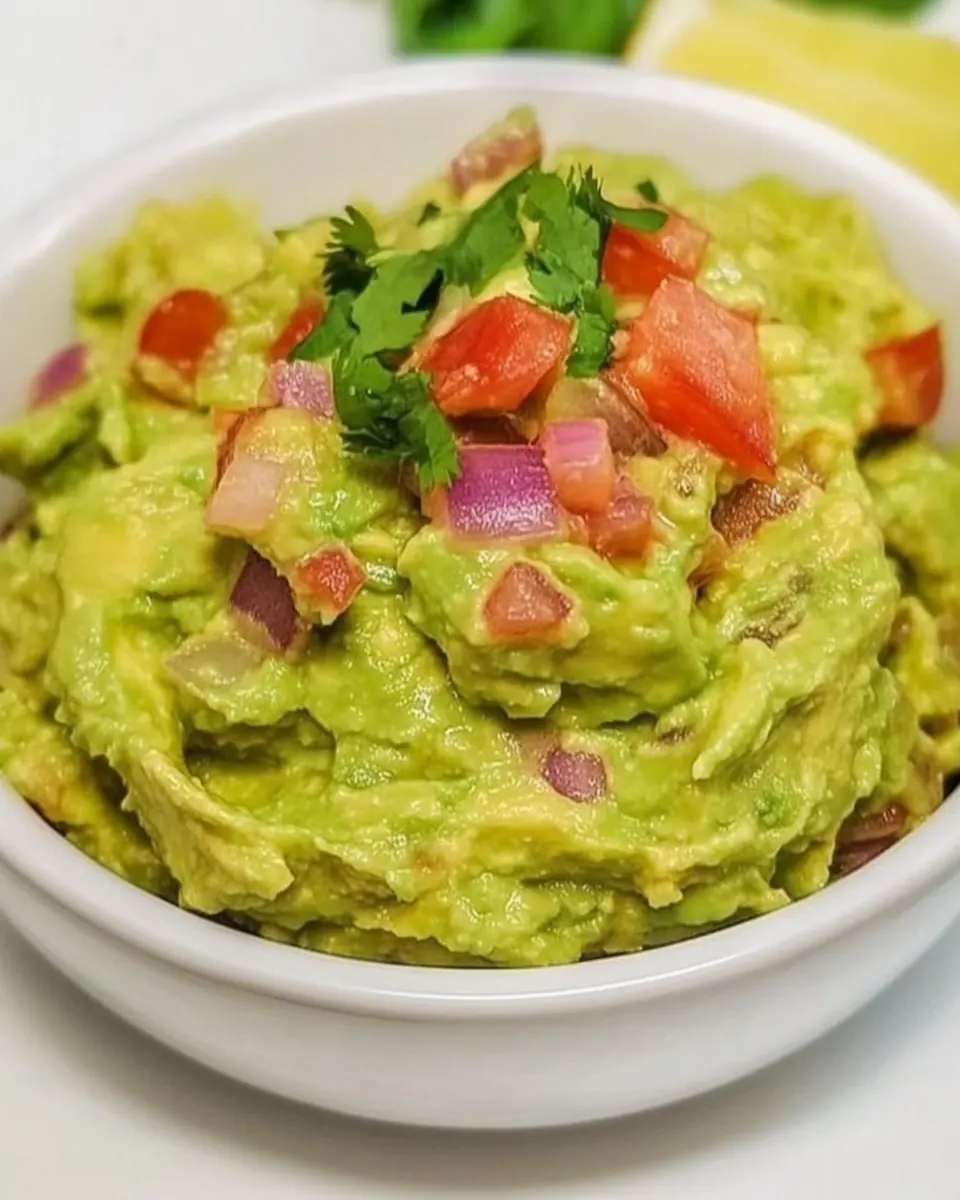
The philosophy here is minimalism done right. Each ingredient plays a defined role: the avocado supplies the creamy body, lime juice brightens and preserves color, salt elevates sweetness, and the diced tomatoes, red onion, and jalapeño pepper add texture and contrast. Together they create a balanced dip that feels both rustic and polished.
- 3 medium avocados cubed: Provide creamy texture and healthy fats while adding a rich, buttery base that carries other flavors. Cube to allow easy mashing and small chunks for a chunky guacamole consistency. Ripeness affects flavor and creaminess, so choose avocados that yield slightly to gentle pressure.
- 3/4 cup tomatoes diced: Add bright acidity and juiciness that lift the overall flavor and balance the richness of avocados. Dice small to distribute bursts of freshness throughout the dip without overpowering other elements. Use ripe, firm tomatoes to avoid excess watery guacamole.
- 1/4 cup red onion diced: Contribute a sharp, pungent bite and subtle crunch that contrast the smooth avocado for better texture. Dice finely to ensure the onion flavor integrates without dominating the dip. Adjust quantity to taste to control pungency and overall savory balance.
- 1/4 cup cilantro () (optional): Introduce fresh herbal brightness and a citrusy, slightly peppery note when included to enhance flavor complexity. Chop finely so leaves distribute evenly and avoid large herb clumps. Add optionally to suit personal preference and regional taste.
- 1 medium jalapeño pepper: Provide heat and a vegetal, slightly grassy chili flavor that adds a spicy kick and aroma to the guacamole. Remove seeds and ribs for milder heat, or mince with seeds for stronger spice; finely chop to integrate evenly. Taste as you go to achieve desired heat level.
- 2 medium limes juice only: Bring tart citrus acidity that brightens and preserves the guacamole while preventing excessive browning. Juice and strain to remove seeds and pulp for even distribution; add gradually and taste to balance acidity. Fresh lime juice yields more vibrant flavor than bottled alternatives.
- 1/2 teaspoons salt: Season and enhance all other flavors while controlling overall taste balance and bringing out natural sweetness. Dissolve into the mix gradually and adjust to preference, keeping in mind salt amplifies both savory and sweet notes. Start with the listed amount and tweak as needed.
Making This Fresh Homemade Guacamole
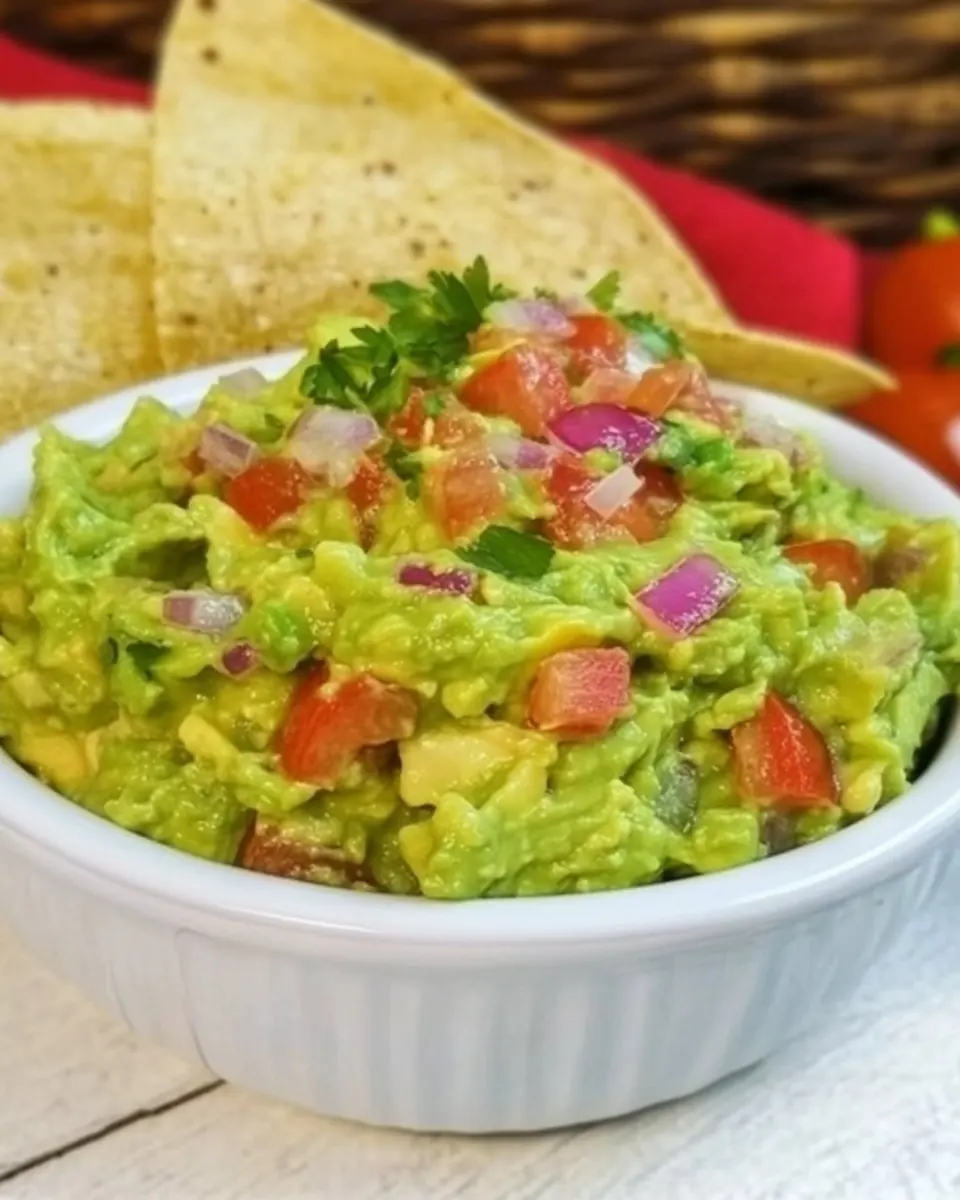
I like to approach the process as a sequence of sensory checks rather than a strict checklist. The steps are straightforward, but attention to texture, acidity, and seasoning turns a good guacamole into a memorable one. Keep your tools close, taste as you go, and adjust little by little.
- Cut the avocados into large pieces. In a large bowl mash the avocados with the back of a fork. The more you mash the smoother the guacamole will be.: When you break into ripe avocados , you should hear and feel a slight give as your knife slices through the flesh, and the color inside will be a rich green with a buttery sheen. The air will smell faintly nutty and fresh, and handling the pieces gives you a sense of their ripeness. This initial cut matters because large pieces mash more easily into a textured base rather than a gluey paste. A common misstep is using a dull knife which tears rather than slices cleanly, bruising the fruit and creating brown spots that can affect appearance.
- Add the salt and squeeze the juice of both limes over the guacamole and mix. Not only does this add flavor but the lime juice can also help prevent the guacamole from turning brown. Taste and add more salt if desired.: The sound here is soft, almost whispering, as the tines shear through the fruit; the aroma becomes rounder and creamier. Mashing with the back of a fork lets you control the final texture, encouraging small chunks of avocado to remain. This technique matters because those chunks create delightful contrast against diced ingredients, giving the guacamole personality. Avoid overmashing or using a blender, which removes all texture and can produce a gluey mouthfeel rather than a lush, varied bite.
- Dice the tomatoes, onions and cilantro.: Each additional pass with the fork transforms the texture toward velvet, softening fat pockets so the citrus and salt can coat each morsel evenly. Smooth guacamole will feel silkier on the tongue and spread easily, while chunkier versions showcase individual bursts of tomato and onion. One pitfall is losing all structure by excessive force; stop when you reach your desired balance between cream and chunk.
- Use gloves to slice the jalapeño pepper. Remove any inner white membrane and seeds unless you prefer a spicier guacamole. Mince the jalapeño into tiny pieces.: As you fold in the measured salt and freshly squeezed lime juice, you should notice the fragrance shift to brighter citrus notes and the flavors pop. The lime also acts as an antioxidant, helping to keep the surface vibrant rather than browning. Mix gently so you distribute the acidic juice without turning the mixture watery. A common error is adding too much citrus too quickly, which can make the guacamole thin and mask the underlying richness of the avocado .
- Add the tomatoes, onions, cilantro and jalapeño pepper to the avocado and mix until combined. Serve and enjoy immediately!: The zesty scent of lime becomes more prominent after mixing, lifting the fatty aroma of the avocado . This chemical benefit matters because oxidation causes discoloration and off flavors over time. For troubleshooting, note that refrigeration slows browning further, but sealing the surface is most effective; pressing plastic wrap directly onto the guacamole helps limit air contact.
- Taste and add more salt if desired: Take a small spoonful to check balance. The first impression should be bright, then creamy, with heat playing in the background. If it seems flat, add a pinch of salt and stir, letting it rest for a minute before tasting again. Over-salting is irreversible, so season gently. A mistake is seasoning only at the start and not tasting again once the ingredients integrate; flavors can change after resting.
- Dice the tomatoes, onions and cilantro: The act of dicing produces small, uniform pieces that create a consistent bite. Freshly cut tomatoes will release a faint sweet scent, while sliced red onion contributes a sharp aroma that fades as it sits. Chop cilantro finely to distribute its herbaceous notes without overwhelming any single forkful. A common pitfall is uneven chopping which leads to occasional overpowering onion bites; aim for a consistent dice.
- Use gloves to slice the jalapeño pepper: When you cut the jalapeño pepper , you may notice a bright green vegetal aroma and a slight sting on the fingertips if you do not wear gloves. The oils can linger and cause irritation, so gloves are a sensible precaution. Slice carefully on a cutting board and keep your hands away from your face to avoid transferring capsaicin. Leaving seeds in will increase heat dramatically, so remove them if you prefer milder results.
- Remove any inner white membrane and seeds unless you prefer a spicier guacamole: That white membrane contains much of the pepper's heat, and removing it gives you more predictable spice levels. If you want a moderate kick, retain a few seeds; for a gentle warmth, remove them all. The sensation of heat should complement, not overwhelm, the creamy avocado . A misstep is underestimating the pepper's potency, which can result in a guacamole that is too fiery for many guests.
- Mince the jalapeño into tiny pieces: Minced pepper disperses heat evenly and adds flecks of color and texture. The sound of a sharp knife through the pepper is crisp, and the aroma becomes a bright, peppery note that melds with the lime. Fine mincing prevents sudden bursts of heat and ensures every bite has a balanced flavor. Avoid large chunks, which create inconsistent spicy pockets.
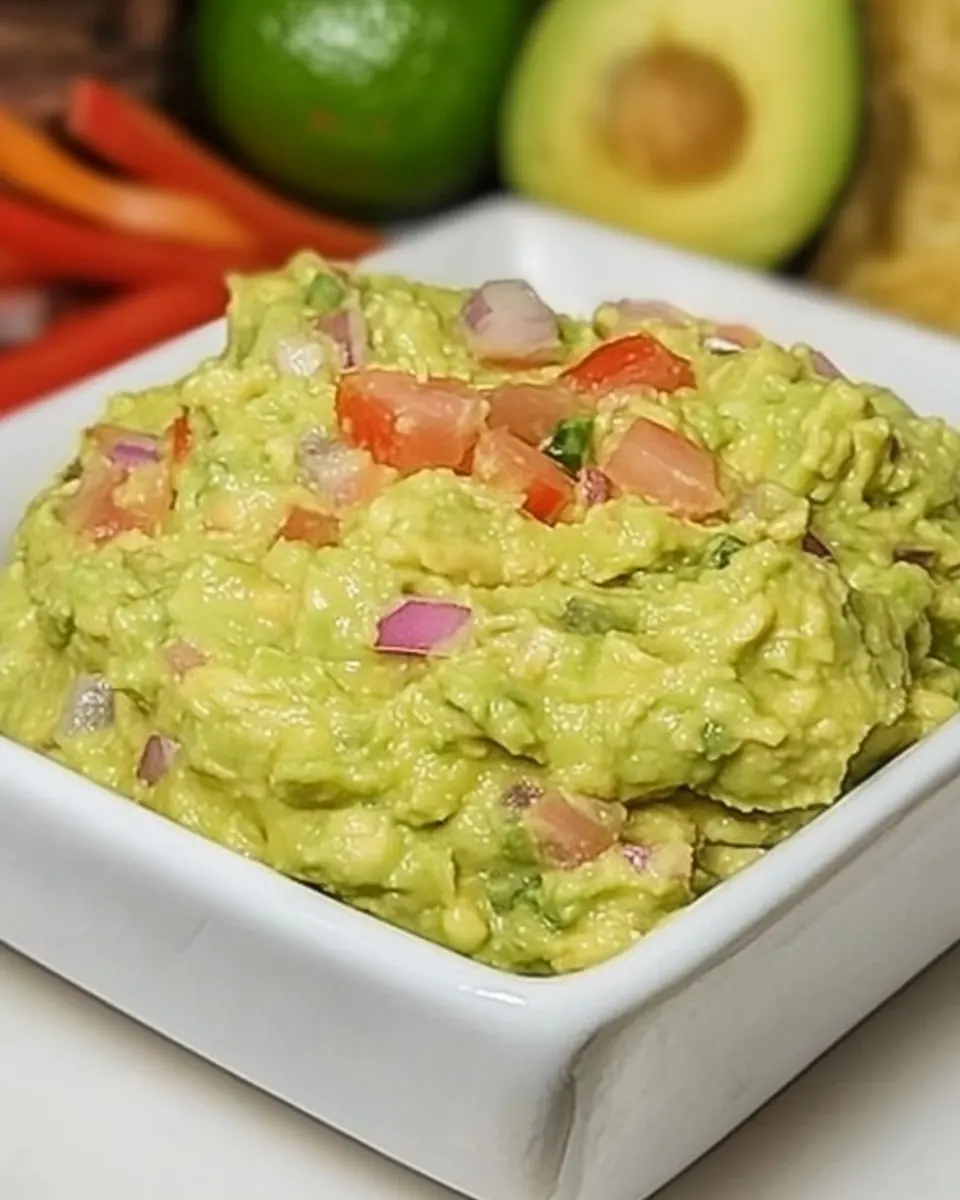
- Add the tomatoes, onions, cilantro and jalapeño pepper to the avocado and mix until combined: When you combine the diced components, you should see vibrant specks of red, purple, and green against the pale green avocado . The first stir should reveal an integrated aroma where citrus, herb, and heat are in harmony. Gently fold to maintain some chunkiness in the avocado while ensuring even distribution. Overmixing will homogenize the dip and reduce textural interest, so stop as soon as the ingredients are evenly dispersed.
- Serve and enjoy immediately: The ideal sensory moment is right after mixing: the guacamole smells fresh, looks brilliantly green, and feels creamy yet textured. Serve at room temperature so the flavors are most pronounced. If you must wait, press plastic wrap onto the surface and refrigerate briefly. Avoid leaving it out too long in warm weather, which can accelerate discoloration and flavor loss.
How to Switch It Up
This short intro helps you think about small changes that can shift flavor, heat, and texture without changing the soul of the dish. The following tips are practical, easy to implement, and meant to inspire variations you can try today.
- Swap heat sources Serrano peppers can replace the jalapeño pepper for more kick, just remember to remove membranes if you want moderate heat.
- Herb alternatives If cilantro is not available or disliked, try omitting it entirely rather than forcing a substitute that may clash.
- Spice blends For a deeper savory note, add a pinch of dried oregano and cumin, especially if you are skipping fresh jalapeño pepper and cilantro.
- Garlic options Add a small amount of garlic powder or a touch of minced garlic for extra depth; start with a light amount so it does not dominate the bright profile.
- Citrus choice You can use lemon instead of lime if you prefer a slightly different acidity, though lime is the classic for preserving color and delivering a characteristic brightness.
Serving This Fresh Homemade Guacamole
This intro outlines serving contexts and pairing ideas so you can present the guacamole with confidence. Think about texture contrasts and temperature, and choose sides that complement the fresh, tangy profile.
- Casual gatherings Serve the guacamole with sturdy tortilla chips for dipping, arranging a bowl in the center of a casual spread.
- Grilled meals Offer it as a topping alongside grilled vegetables or grilled proteins to add a cooling, creamy contrast.
- Party platter Pair with sliced vegetables for dipping, such as crisp cucumber rounds and crunchy bell pepper strips.
- Meal addition Spoon over grain bowls or tacos to bring a bright, creamy element to the plate.
- Storage tips Press plastic wrap directly onto the surface to minimize air exposure, then refrigerate for up to one day for best color and flavor retention.
- Occasions Ideal for summer picnics, casual lunches, Ramadan if served at iftar as part of a larger spread, and any gathering where fresh, easy dips are appreciated.
- Presentation Serve at room temperature with a drizzle of extra lime and a few diced tomatoes on top for color; avoid overgarnishing which can hide the simple beauty of the mix.
FAQ
Conclusion
What makes this recipe special is its simplicity and the way a handful of fresh ingredients transform into a vibrant, crowd pleasing dip. I encourage you to try it because it is forgiving, adaptable, and rewards a light hand with seasoning and texture. Make a batch for your next gathering, taste and tweak as you go, and enjoy the small ritual of turning ripe avocados into something that brings people together.
Fresh Homemade Guacamole
Ingredients
Equipment
Method
- Cut the avocados into large pieces. In a large bowl mash the avocados with the back of a fork. The more you mash the smoother the guacamole will be.: When you break into ripe avocados , you should hear and feel a slight give as your knife slices through the flesh, and the color inside will be a rich green with a buttery sheen. The air will smell faintly nutty and fresh, and handling the pieces gives you a sense of their ripeness. This initial cut matters because large pieces mash more easily into a textured base rather than a gluey paste. A common misstep is using a dull knife which tears rather than slices cleanly, bruising the fruit and creating brown spots that can affect appearance.
- Add the salt and squeeze the juice of both limes over the guacamole and mix. Not only does this add flavor but the lime juice can also help prevent the guacamole from turning brown. Taste and add more salt if desired.: The sound here is soft, almost whispering, as the tines shear through the fruit; the aroma becomes rounder and creamier. Mashing with the back of a fork lets you control the final texture, encouraging small chunks of avocado to remain. This technique matters because those chunks create delightful contrast against diced ingredients, giving the guacamole personality. Avoid overmashing or using a blender, which removes all texture and can produce a gluey mouthfeel rather than a lush, varied bite.
- Dice the tomatoes, onions and cilantro.: Each additional pass with the fork transforms the texture toward velvet, softening fat pockets so the citrus and salt can coat each morsel evenly. Smooth guacamole will feel silkier on the tongue and spread easily, while chunkier versions showcase individual bursts of tomato and onion. One pitfall is losing all structure by excessive force; stop when you reach your desired balance between cream and chunk.
- Use gloves to slice the jalapeño pepper. Remove any inner white membrane and seeds unless you prefer a spicier guacamole. Mince the jalapeño into tiny pieces.: As you fold in the measured salt and freshly squeezed lime juice, you should notice the fragrance shift to brighter citrus notes and the flavors pop. The lime also acts as an antioxidant, helping to keep the surface vibrant rather than browning. Mix gently so you distribute the acidic juice without turning the mixture watery. A common error is adding too much citrus too quickly, which can make the guacamole thin and mask the underlying richness of the avocado .
- Add the tomatoes, onions, cilantro and jalapeño pepper to the avocado and mix until combined. Serve and enjoy immediately!: The zesty scent of lime becomes more prominent after mixing, lifting the fatty aroma of the avocado . This chemical benefit matters because oxidation causes discoloration and off flavors over time. For troubleshooting, note that refrigeration slows browning further, but sealing the surface is most effective; pressing plastic wrap directly onto the guacamole helps limit air contact.
- Taste and add more salt if desired: Take a small spoonful to check balance. The first impression should be bright, then creamy, with heat playing in the background. If it seems flat, add a pinch of salt and stir, letting it rest for a minute before tasting again. Over-salting is irreversible, so season gently. A mistake is seasoning only at the start and not tasting again once the ingredients integrate; flavors can change after resting.
- Dice the tomatoes, onions and cilantro: The act of dicing produces small, uniform pieces that create a consistent bite. Freshly cut tomatoes will release a faint sweet scent, while sliced red onion contributes a sharp aroma that fades as it sits. Chop cilantro finely to distribute its herbaceous notes without overwhelming any single forkful. A common pitfall is uneven chopping which leads to occasional overpowering onion bites; aim for a consistent dice.
- Use gloves to slice the jalapeño pepper: When you cut the jalapeño pepper , you may notice a bright green vegetal aroma and a slight sting on the fingertips if you do not wear gloves. The oils can linger and cause irritation, so gloves are a sensible precaution. Slice carefully on a cutting board and keep your hands away from your face to avoid transferring capsaicin. Leaving seeds in will increase heat dramatically, so remove them if you prefer milder results.
- Remove any inner white membrane and seeds unless you prefer a spicier guacamole: That white membrane contains much of the pepper's heat, and removing it gives you more predictable spice levels. If you want a moderate kick, retain a few seeds; for a gentle warmth, remove them all. The sensation of heat should complement, not overwhelm, the creamy avocado . A misstep is underestimating the pepper's potency, which can result in a guacamole that is too fiery for many guests.
- Mince the jalapeño into tiny pieces: Minced pepper disperses heat evenly and adds flecks of color and texture. The sound of a sharp knife through the pepper is crisp, and the aroma becomes a bright, peppery note that melds with the lime. Fine mincing prevents sudden bursts of heat and ensures every bite has a balanced flavor. Avoid large chunks, which create inconsistent spicy pockets.
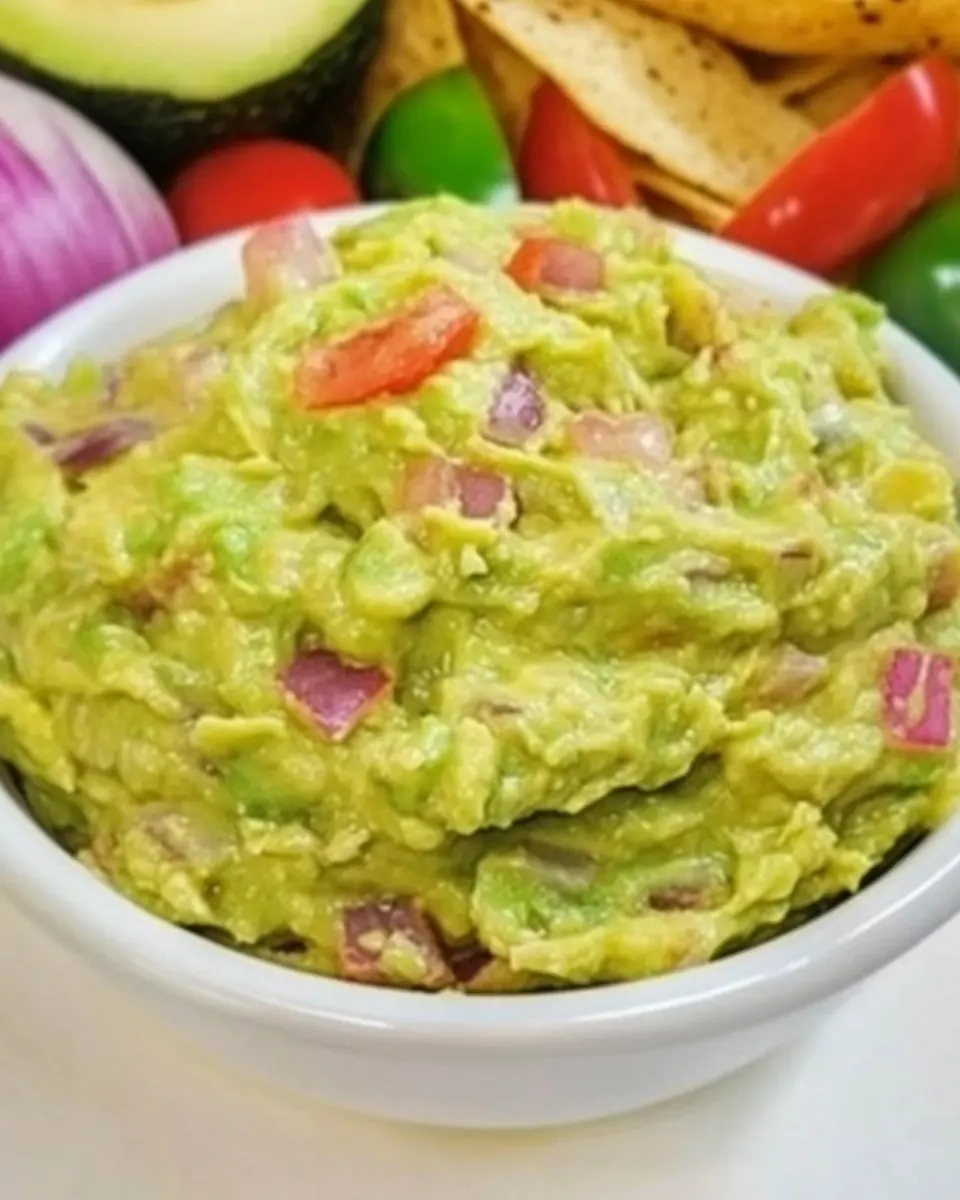
- Add the tomatoes, onions, cilantro and jalapeño pepper to the avocado and mix until combined: When you combine the diced components, you should see vibrant specks of red, purple, and green against the pale green avocado . The first stir should reveal an integrated aroma where citrus, herb, and heat are in harmony. Gently fold to maintain some chunkiness in the avocado while ensuring even distribution. Overmixing will homogenize the dip and reduce textural interest, so stop as soon as the ingredients are evenly dispersed.
- Serve and enjoy immediately: The ideal sensory moment is right after mixing: the guacamole smells fresh, looks brilliantly green, and feels creamy yet textured. Serve at room temperature so the flavors are most pronounced. If you must wait, press plastic wrap onto the surface and refrigerate briefly. Avoid leaving it out too long in warm weather, which can accelerate discoloration and flavor loss.
Notes
- Swap heat sources Serrano peppers can replace the jalapeño pepper for more kick, just remember to remove membranes if you want moderate heat.
- Herb alternatives If cilantro is not available or disliked, try omitting it entirely rather than forcing a substitute that may clash.
- Spice blends For a deeper savory note, add a pinch of dried oregano and cumin, especially if you are skipping fresh jalapeño pepper and cilantro.
- Garlic options Add a small amount of garlic powder or a touch of minced garlic for extra depth; start with a light amount so it does not dominate the bright profile.
- Citrus choice You can use lemon instead of lime if you prefer a slightly different acidity, though lime is the classic for preserving color and delivering a characteristic brightness.