Fire Roasted Quinoa White Bean Soup
Fire Roasted Quinoa White Bean Soup is the kind of bowl I reach for when the day has been long and the house needs warming up from the inside out. The first time I made this recipe I remember standing over the stove, sleeves rolled up, while the kitchen filled with the smell of sautéed onion and garlic, and I felt that familiar calm that comes from coaxing simple ingredients into something greater than the sum of its parts.
I love how the fire roasted diced tomatoes add a subtle charred note that makes the whole pot taste like it simmered all afternoon, even though it comes together in a single pot. I often serve this when friends stop by unexpectedly, because it feels thoughtful but is actually forgiving and straightforward. There was one chilly evening when I ladled this into bowls, topped it with crunchy breadcrumbs, and everyone fell silent except for the contented clinking of spoons. That kind of quiet is a win in my book.
What keeps me coming back to this soup is how adaptable it is. The creamy texture from the cannellini beans and the pop of wholesome quinoa make it hearty without being heavy, so it works for family dinners and solo lunches alike. I usually make a double batch and freeze portions for those nights when I need comfort without much effort. Trust me, having a tub of this in the freezer is like having a home-cooked hug on demand.
Recipe Snapshot
46 mins
45 mins
1 mins
Medium
350 kcal
American
Gluten-Free, Vegan
Soups
Large pot, Nonstick skillet
The Magic of This Fire Roasted Quinoa White Bean Soup
Hearty but Light
I adore that Fire Roasted Quinoa White Bean Soup manages to be filling without feeling sluggish. The combination of quinoa and cannellini beans delivers plant based protein and texture, so you get satisfaction without heaviness. For weeknights when you want something nourishing yet simple, this is my go to.
Layered, Smoky Flavor
The secret is the fire roasted diced tomatoes and the parmesan cheese rind. They introduce a smoky, savory backbone that deepens as the soup simmers. I always notice a richer mouthfeel after the soup rests for a few minutes, and that lingering roasted tomato note keeps folks coming back for seconds.
Comfort from Crunch
I love serving it with the mustardy breadcrumbs, because they add contrast. The toasted sourdough bread cubes kissed with dijon mustard and butter bring a crunchy, tangy counterpoint to the silky broth and soft cannellini beans. Texture contrast makes every spoonful interesting, and I never skip them when I want to impress.
One Pot Convenience
There is magic in building flavor right in the pot. Sweating the onion, carrot and celery creates a savory base that carries the rest of the ingredients. I appreciate that this recipe keeps clean up minimal, so it’s practical for busy cooks who still want a thoughtfully composed meal.
Flexible and Freezer Friendly
Lastly, this soup is forgiving. You can adjust the broth level with the extra stock, and it reheats beautifully. I batch cook and freeze portions; the texture of the quinoa and beans holds up well. If you like, keep the breadcrumbs separate until serving so they stay crisp.
What You’ll Need for Fire Roasted Quinoa White Bean Soup
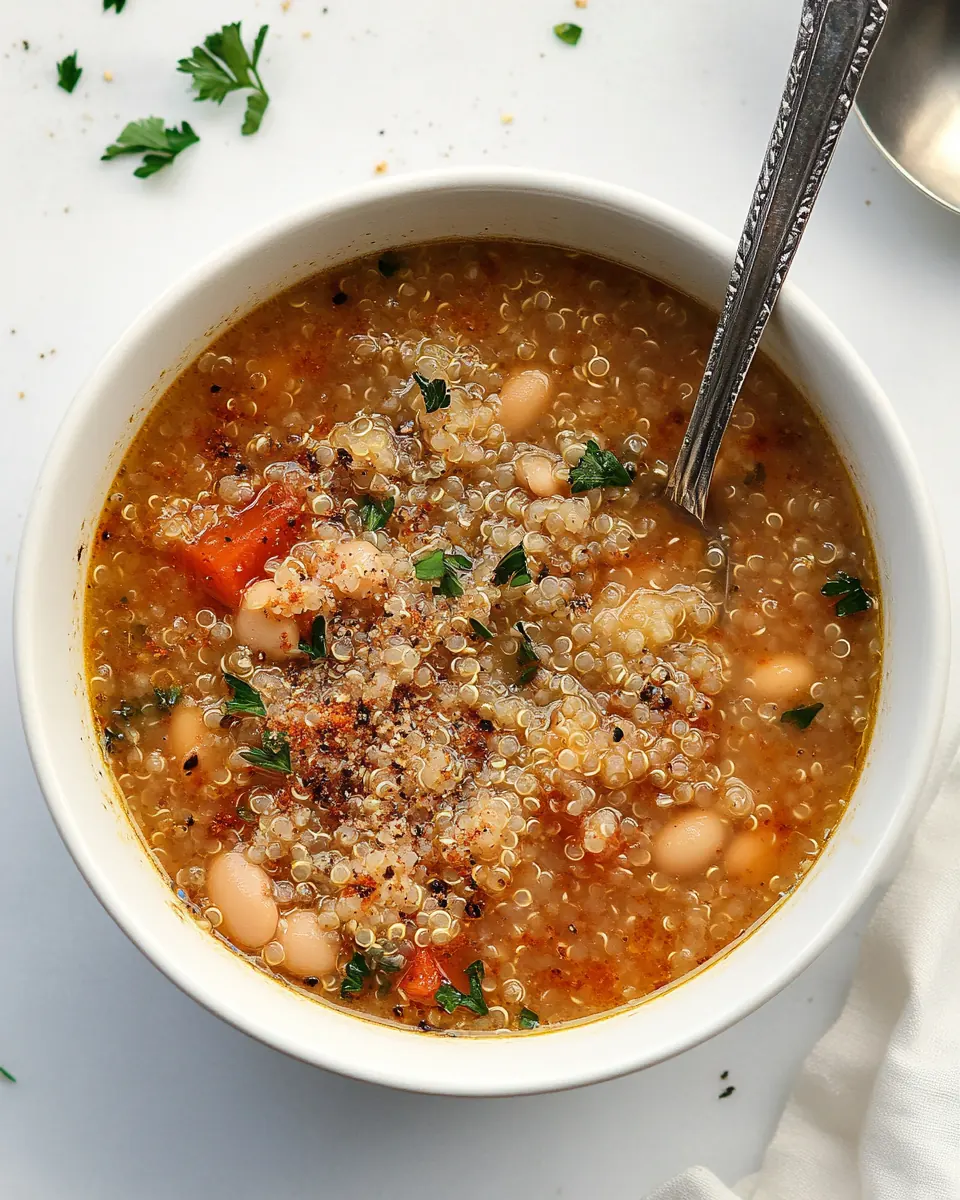
These ingredients are about balance and comfort. You have aromatic vegetables that build a savory base, smoky fire roasted diced tomatoes and a parmesan cheese rind that deepen the broth, and hearty players like cannellini beans and quinoa to make the bowl filling. The breadcrumbs add a finishing texture, while simple fats like butter and olive oil help carry flavor.
- 1 tablespoon butter: Melted to provide a rich, silky base and help gently sauté aromatics; adds a subtle dairy flavor that enhances overall mouthfeel and balances acidity.
- 1 tablespoon olive oil: Used to sauté vegetables and prevent sticking while contributing a fruity, savory note; combines with butter for a higher smoke point and depth of flavor.
- 1 sweet onion, diced: Diced and sweated to form the aromatic backbone; offers natural sweetness and umami that deepens the soup’s savory profile when softened.
- 1 cup diced carrots: Diced and added for texture and natural sweetness; softens to contribute body and complement the other vegetables in the mirepoix.
- 1 cup diced celery: Diced and incorporated for vegetal aroma and slight bitterness; provides structural crunch when slightly firm and melds into the broth as it simmers.
- 4 garlic cloves, minced: Minced and cooked briefly to release pungent, garlicky flavor; adds bright, savory complexity and aroma that lifts the overall dish.
- kosher salt and pepper: Seasoned to taste throughout cooking to enhance all flavors; balances sweetness and acidity while pepper adds mild heat and depth.
- 1/2 teaspoon dried thyme: Sprinkled to introduce earthy, floral notes and build savory complexity; works well with oregano to create a classic herbaceous foundation.
- 1/2 teaspoon dried oregano: Sprinkled to contribute Mediterranean herb fragrance and slightly minty, peppery undertones; pairs with thyme to round out the savory seasoning.
- 28 ounces fire roasted diced tomatoes: Added to contribute smoky tomato flavor and body; provides acidity, umami, and texture that brighten and thicken the soup.
- 6 cups chicken or vegetable stock: Poured in as the cooking liquid to create the soup base; supplies savory stock richness and dilutes concentrated flavors while simmering ingredients.
- 28 ounces cannellini beans, drained and rinsed: Stirred in for creamy texture and plant-based protein; beans also add body and heartiness while absorbing surrounding flavors.
- 1 parmesan cheese rind, about 2 inches in size: Simmered to impart deep savory, umami-rich notes; releases salty, nutty gelatinous flavors that enrich the broth as it cooks.
- 1/2 cup dry quinoa, rinsed well: Rinsed and added to provide light, nutty graininess and subtle texture; absorbs broth and cooks quickly to make the soup more substantial.
- shaved parmesan cheese, for topping: Shaved over bowls to add salty, nutty finishing flavor and a delicate, creamy texture; melts slightly into hot soup for garnish.
- 2 cups sourdough bread cubes: Cubed and toasted to serve as crunchy, absorbent croutons; provide contrast in texture and a rustic accompaniment to each bowl.
- 2 tablespoons butter, melted: Tossed with bread cubes to crisp and brown for garnish; melted butter helps achieve golden edges and a rich, toasty flavor.
- 1 tablespoon dijon mustard: Whisked with melted butter to add tangy, sharp acidity and help coat croutons; mustard brightens flavors and contributes subtle heat.
Recipe Directions for Fire Roasted Quinoa White Bean Soup
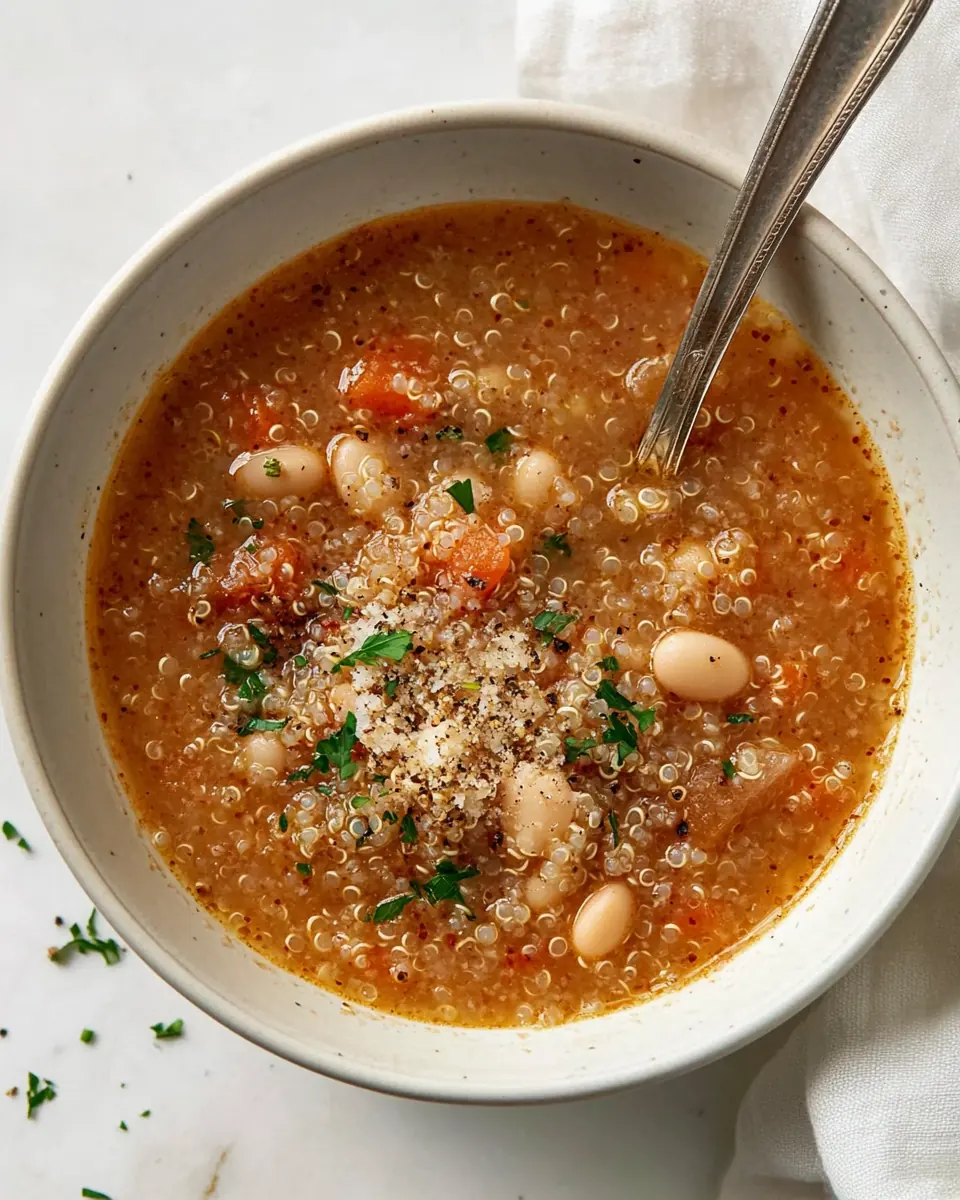
These directions guide you through building flavor step by step. Read them once, and then move at a steady pace. The sensory cues will tell you when to move on, and the troubleshooting notes help avoid the few pitfalls that could derail the final bowl.
- Heat the butter and olive oil in a large pot over medium heat. Add the onions, carrots, celery and garlic with a big pinch of salt and pepper, the thyme and oregano. Stir and cook until softened, about 5 minutes. Add in the tomatoes and cook for another 2 to 3 minutes.: The moment the fats shimmer and the butter melts, you should hear a soft sizzle when the first onion hits the pan. The aroma will be warm and slightly sweet, signaling the Maillard reactions starting to form. This step matters because it creates a flavored base, helping the vegetables release their sugars without burning. Watch for foaming or dark browning on the butter, and lower the heat if it begins to brown too quickly, which would introduce a bitter note. A common mistake is rushing by raising the heat too high, causing the onion to char instead of soften, so keep the heat moderate and be patient.
- Add in 5 cups of the stock, beans and parmesan rind. Bring the mixture to a boil then reduce it to a simmer. Cover and cook for 15 minutes.: As the vegetables hit the pan, you should hear an energetic but gentle sizzle and see them glisten as they begin to sweat. The onion will turn translucent and the edges of the carrot may take on a faint golden hue, while the garlic releases a fragrant warmth. This layering is crucial because it develops depth and complexity that the rest of the soup depends on. Stir frequently to prevent sticking and to ensure even softening. Avoid overheating, which can scorch the garlic and lend a harsh flavor, so add it just as the vegetables have softened.
- After 15 minutes, add the quinoa. Cover again and cook for another 10 to 15 minutes, until the quinoa is cooked through.: During these minutes, the kitchen fills with a sweet, savory perfume as the aromatics release their flavors. Visually, the onion becomes glossy and translucent, the carrot softens, and the celery loses its raw bite. This stage is essential to create a balanced base that will marry with the tomatoes and stock. If your pan seems dry, add a splash of the stock , but avoid overcooking which would make the vegetables mushy. A common error is skipping this step, which results in a flatter, less integrated soup.
- Taste and season with more salt and pepper as needed. At this point, you can also add in the remaining cup of stock if you want it to be brothier.: When the fire roasted diced tomatoes join the pot, they release steam and the mixture emits a slightly charred, sweet aroma. Stirring them briefly allows their juices to mingle with the aromatics, and you may notice the color becoming richer. This short cook time lets the tomato flavor bloom without losing the bright roasted notes. Overcooking here can reduce the fresh tomato brightness, so keep it brief. A frequent slip is adding cold stock immediately which can cool the pan too much and slow flavor development.
- Serve with shaved parmesan cheese and dijon breadcrumbs!: Pouring in the stock should create a gentle bubbling as the liquid meets the warm ingredients, carrying those roasted and savory notes across the pot. The cannellini beans will plump in the broth, releasing creamy starch that thickens slightly, while the parmesan cheese rind slowly infuses salty, umami richness. This step deepens the broth, and simmering extracts flavor from the rind without overwhelming the soup. Avoid boiling vigorously, which can break the beans apart; keep a gentle simmer. Many cooks make the mistake of skipping the rind, missing out on this layered savory boost.
- To make the mustardy breadcrumbs, tear the bread into pieces. Heat the butter in a nonstick skillet over medium heat. Whisk in the dijon. Add the bread pieces and toss, cooking for a few minutes until the bread is toasted and golden.: You will hear the pot shift from a lively boil to a softer simmer, and the surface will show small, steady bubbles. Reducing the heat is important because long, rolling boils can make the quinoa and beans disintegrate and cloud the broth. A gentle simmer encourages flavors to meld and allows the parmesan cheese rind to impart depth over time. Keep an eye on the pot and adjust the heat so it barely trembles, preventing splatter and loss of liquid. A common mistake is leaving it at a boil, which results in a broken texture.
- Cover and cook for 15 minutes: While covered, the pot traps steam and warmth, which helps the beans soften further and the parmesan cheese rind to release its savory compounds. You may hear a soft steaming sound and the aromas will deepen. This covered simmer concentrates flavors while keeping the surface from evaporating too fast. Resist lifting the lid frequently, because each peek releases heat and prolongs cooking time. Over stirring during this time can break down the beans too much, so let the pot do its work undisturbed.
- After 15 minutes, add the quinoa: Adding the rinsed quinoa introduces a light, nutty fragrance and tiny pearl like textures that will plump as they absorb the broth. Once added, a gentle stir helps distribute the grains evenly so they cook uniformly. This matters because properly cooked quinoa provides pleasant bite and body, while undercooked grains remain chalky. Keep the simmer gentle; vigorous boiling can make the quinoa foam and spill or become gummy. A frequent error is not rinsing the quinoa , leaving a bitter coating, so always rinse thoroughly.
- Cover again and cook for another 10 to 15 minutes, until the quinoa is cooked through: As the quinoa cooks, you will see it expand and reveal tiny white rings, and the soup’s aroma will become fuller and rounder. The liquid will reduce slightly, concentrating flavors and creating a harmonious texture. This timing yields tender, separate grains rather than mushy clumps. If the pot becomes too thick, stir in a little of the remaining stock to loosen the consistency. Overcooking here can make the quinoa disintegrate, so test for a slight bite to confirm doneness.
- Taste and season with more salt and pepper as needed: Now the soup’s flavors have melded, so tasting is crucial. The broth should be balanced with savory notes from the parmesan cheese rind , brightness from the fire roasted diced tomatoes , and a gentle finish from the herbs. Adjusting with kosher salt and pepper at this stage polishes the final bowl. If the soup tastes flat, a small pinch of salt usually helps; if it is too salty, add a splash of the reserved stock to mellow it. A common oversight is over seasoning early and forgetting to taste at the end.
- At this point, you can also add in the remaining cup of stock if you want it to be brothier: If you prefer a more soup like consistency, adding the extra stock brightens the pot and loosens the texture. It also refreshes the aromatics and spreads the seasonings a bit thinner, which some diners appreciate. Pour gently and stir to combine, then simmer briefly to bring it back to serving temperature. Be careful not to add too much, or it will dilute the flavors; adjust incrementally and taste as you go. A typical mistake is adding the extra all at once without reassessing seasoning.
- Serve with shaved parmesan cheese and dijon breadcrumbs: At the table, the shiny ribbons of shaved parmesan cheese will melt slightly on contact, adding salty, nutty brightness, while the mustardy breadcrumbs give a toasty crunch. The contrast in textures and the temperature interplay make each spoonful satisfying. Serve immediately so the crumbs stay crisp, and offer extra shaved parmesan cheese on the side. Avoid pre tossing the breadcrumbs into the pot ahead of time, as they will lose their crunch and change the texture.
- To make the mustardy breadcrumbs, tear the bread into pieces: Hand tearing the sourdough bread cubes creates irregular shapes that toast unevenly for a rustic crunch. The torn edges brown more quickly and provide a pleasing mix of textures. This tactile step also lets you choose size for crispiness. Avoid using perfectly uniform slices which can toast too uniformly and lack character.
- Heat the butter in a nonstick skillet over medium heat: When the butter melts and soft sizzles emerge, it will release a toasty aroma ideal for coating the bread. The nonstick surface keeps smaller crumbs from sticking and burning. This step is about control, keeping the heat moderate so the crumbs brown evenly. If the butter foams aggressively, lower the heat to prevent scorching and a bitter taste.
- Whisk in the dijon: Once the butter is warm, whisking in the dijon mustard creates an emulsified coating that clings to the bread, delivering tang in every bite. The aroma will brighten and take on a piquant note that balances the soup’s richness. Make sure the heat is not too high, or the mustard can lose its sharpness. A common slip is adding the mustard to cold butter, which prevents it from properly melding with the crumbs.
- Add the bread pieces and toss, cooking for a few minutes until the bread is toasted and golden: As the sourdough bread cubes hit the skillet, you will hear lively toasting sounds and see them turn golden at the edges. Tossing ensures even color and that each cube picks up the mustarded butter. Cook just until golden, because residual heat will continue to crisp them slightly. Overbrowning causes bitterness, so remove them promptly and drain briefly if they seem greasy. A frequent mistake is crowding the pan, which leads to steaming rather than crisping.
Tips and Variations
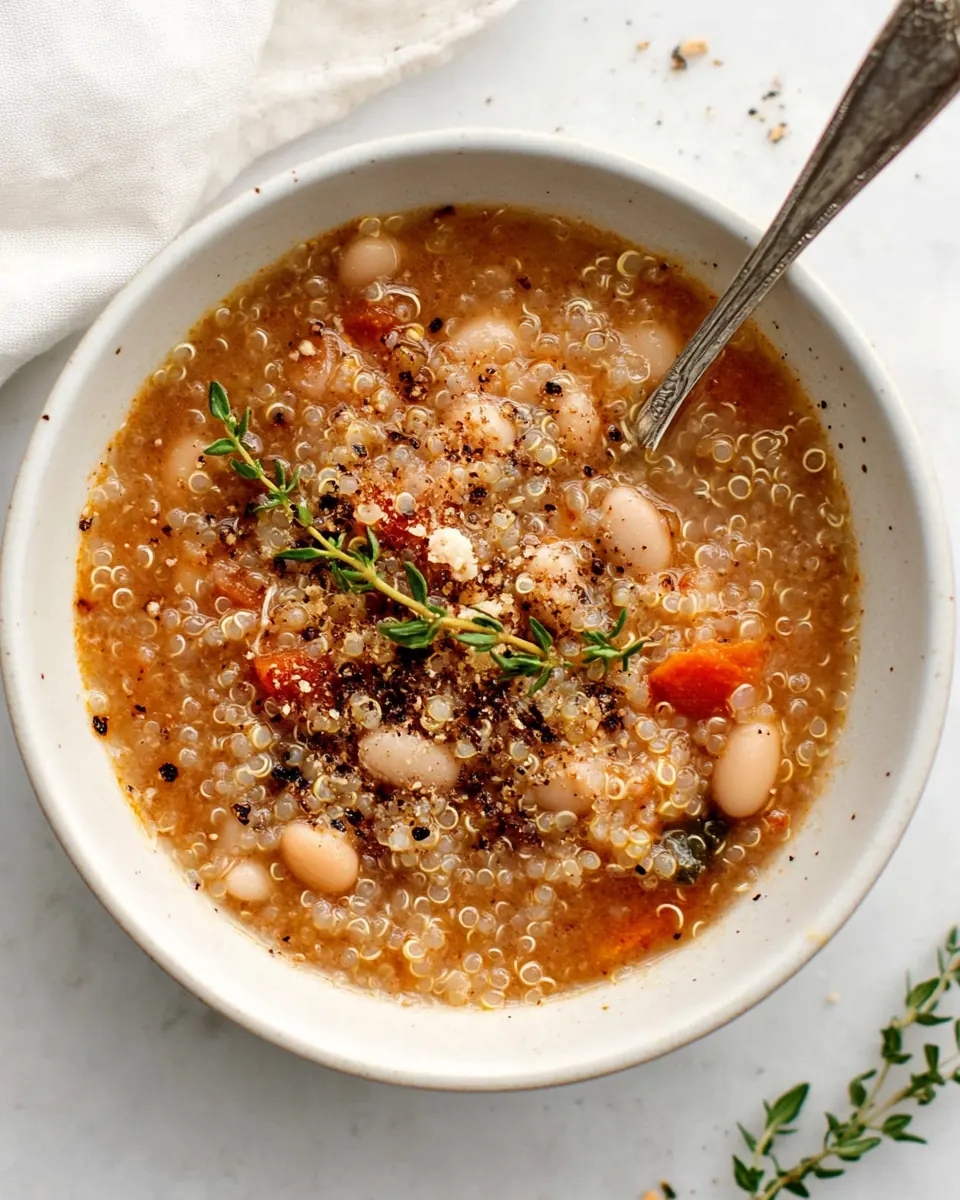
I like to think of tips as small experiments that make this soup uniquely yours. Below are practical ideas and variations I use often to tweak texture, flavor, and convenience. Each item starts with a bolded phrase to make scanning easy.
- Build a deeply savory base — Take your time to properly soften the onion, carrot, and celery on medium heat so natural sugars develop. This slow beginning translates into a fuller tasting broth without needing extra ingredients.
- Reserve extra stock — Keep the remaining cup of stock on hand to loosen the soup later, which lets you control whether you want a stew like bowl or a more brothy finish.
- Make breadcrumbs last minute — For the crispiest topping, toast the sourdough bread cubes right before serving and add them to each bowl individually so they retain maximum crunch.
- Use the parmesan rind wisely — Simmer the rind with the soup and remove it before serving to capture its umami while avoiding chewy bits in the final bowl.
- Rinse and drain beans — Properly rinsing the cannellini beans reduces excess sodium and prevents a soapy flavor, especially if you are using canned beans.
- Adjust herbs to preference — If you enjoy brighter herbal notes, add fresh chopped herbs at the end; dried thyme and oregano are great during cooking for steady background flavor.
- Freeze in portions — Cool completely before freezing; the texture of the quinoa and beans holds up well and makes quick future meals effortless.
Perfect Matches for Fire Roasted Quinoa White Bean Soup
This soup pairs well with simple complements that enhance texture and season. Below are serving ideas, occasion notes, and storage suggestions to help you present it beautifully for many meals.
- For cozy weeknight dinners — Serve the soup with a simple green salad dressed lightly in olive oil and lemon to add a fresh contrast to the warm, savory bowl.
- For casual lunches — Plate with extra shaved parmesan cheese on the side and a crusty roll for dunking if you want a more substantial midday meal.
- For batch cooking and freezing — Portion into airtight containers once cooled and freeze up to three months; reheat gently and add a splash of stock if it thickens during storage.
- For special occasions — Present the soup in shallow bowls with a generous sprinkle of the mustardy breadcrumbs on top, and offer extra shaved parmesan cheese for finishing at the table.
- Serving temperature tips — Keep the soup at a low simmer before serving to ensure it is hot throughout, and add the breadcrumbs just before bringing bowls to the table so they stay crisp.
- Seasonal pairing notes — This soup is perfect for winter evenings when you want something warm and restorative, and it also works well for early spring lunches when the weather fluctuates.
FAQ
Conclusion
This recipe stands out because it layers smoky, savory, and textural elements into a single comforting bowl. It balances creamy beans, nutty quinoa, and bright tomatoes with crunchy mustarded breadcrumbs for a rounded experience. I encourage you to give it a try on a chilly evening, and see how a few humble pantry ingredients can come together to create something deeply satisfying. Make a pot, share it with people you care about, and notice how a simple meal can turn an ordinary night into a cozy memory.
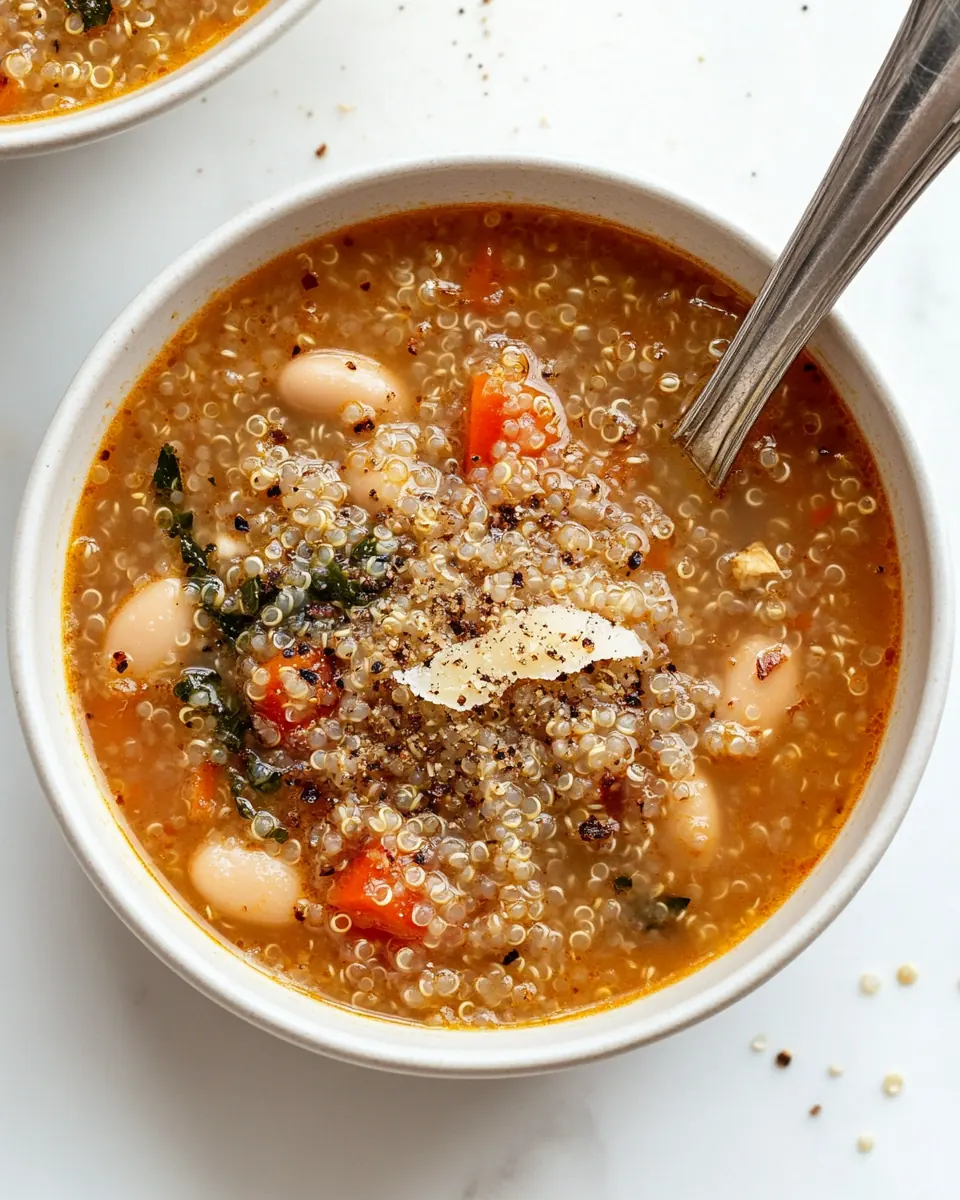
Fire Roasted Quinoa White Bean Soup
Ingredients
Equipment
Method
- Heat the butter and olive oil in a large pot over medium heat. Add the onions, carrots, celery and garlic with a big pinch of salt and pepper, the thyme and oregano. Stir and cook until softened, about 5 minutes. Add in the tomatoes and cook for another 2 to 3 minutes.: The moment the fats shimmer and the butter melts, you should hear a soft sizzle when the first onion hits the pan. The aroma will be warm and slightly sweet, signaling the Maillard reactions starting to form. This step matters because it creates a flavored base, helping the vegetables release their sugars without burning. Watch for foaming or dark browning on the butter, and lower the heat if it begins to brown too quickly, which would introduce a bitter note. A common mistake is rushing by raising the heat too high, causing the onion to char instead of soften, so keep the heat moderate and be patient.
- Add in 5 cups of the stock, beans and parmesan rind. Bring the mixture to a boil then reduce it to a simmer. Cover and cook for 15 minutes.: As the vegetables hit the pan, you should hear an energetic but gentle sizzle and see them glisten as they begin to sweat. The onion will turn translucent and the edges of the carrot may take on a faint golden hue, while the garlic releases a fragrant warmth. This layering is crucial because it develops depth and complexity that the rest of the soup depends on. Stir frequently to prevent sticking and to ensure even softening. Avoid overheating, which can scorch the garlic and lend a harsh flavor, so add it just as the vegetables have softened.
- After 15 minutes, add the quinoa. Cover again and cook for another 10 to 15 minutes, until the quinoa is cooked through.: During these minutes, the kitchen fills with a sweet, savory perfume as the aromatics release their flavors. Visually, the onion becomes glossy and translucent, the carrot softens, and the celery loses its raw bite. This stage is essential to create a balanced base that will marry with the tomatoes and stock. If your pan seems dry, add a splash of the stock , but avoid overcooking which would make the vegetables mushy. A common error is skipping this step, which results in a flatter, less integrated soup.
- Taste and season with more salt and pepper as needed. At this point, you can also add in the remaining cup of stock if you want it to be brothier.: When the fire roasted diced tomatoes join the pot, they release steam and the mixture emits a slightly charred, sweet aroma. Stirring them briefly allows their juices to mingle with the aromatics, and you may notice the color becoming richer. This short cook time lets the tomato flavor bloom without losing the bright roasted notes. Overcooking here can reduce the fresh tomato brightness, so keep it brief. A frequent slip is adding cold stock immediately which can cool the pan too much and slow flavor development.
- Serve with shaved parmesan cheese and dijon breadcrumbs!: Pouring in the stock should create a gentle bubbling as the liquid meets the warm ingredients, carrying those roasted and savory notes across the pot. The cannellini beans will plump in the broth, releasing creamy starch that thickens slightly, while the parmesan cheese rind slowly infuses salty, umami richness. This step deepens the broth, and simmering extracts flavor from the rind without overwhelming the soup. Avoid boiling vigorously, which can break the beans apart; keep a gentle simmer. Many cooks make the mistake of skipping the rind, missing out on this layered savory boost.
- To make the mustardy breadcrumbs, tear the bread into pieces. Heat the butter in a nonstick skillet over medium heat. Whisk in the dijon. Add the bread pieces and toss, cooking for a few minutes until the bread is toasted and golden.: You will hear the pot shift from a lively boil to a softer simmer, and the surface will show small, steady bubbles. Reducing the heat is important because long, rolling boils can make the quinoa and beans disintegrate and cloud the broth. A gentle simmer encourages flavors to meld and allows the parmesan cheese rind to impart depth over time. Keep an eye on the pot and adjust the heat so it barely trembles, preventing splatter and loss of liquid. A common mistake is leaving it at a boil, which results in a broken texture.
- Cover and cook for 15 minutes: While covered, the pot traps steam and warmth, which helps the beans soften further and the parmesan cheese rind to release its savory compounds. You may hear a soft steaming sound and the aromas will deepen. This covered simmer concentrates flavors while keeping the surface from evaporating too fast. Resist lifting the lid frequently, because each peek releases heat and prolongs cooking time. Over stirring during this time can break down the beans too much, so let the pot do its work undisturbed.
- After 15 minutes, add the quinoa: Adding the rinsed quinoa introduces a light, nutty fragrance and tiny pearl like textures that will plump as they absorb the broth. Once added, a gentle stir helps distribute the grains evenly so they cook uniformly. This matters because properly cooked quinoa provides pleasant bite and body, while undercooked grains remain chalky. Keep the simmer gentle; vigorous boiling can make the quinoa foam and spill or become gummy. A frequent error is not rinsing the quinoa , leaving a bitter coating, so always rinse thoroughly.
- Cover again and cook for another 10 to 15 minutes, until the quinoa is cooked through: As the quinoa cooks, you will see it expand and reveal tiny white rings, and the soup’s aroma will become fuller and rounder. The liquid will reduce slightly, concentrating flavors and creating a harmonious texture. This timing yields tender, separate grains rather than mushy clumps. If the pot becomes too thick, stir in a little of the remaining stock to loosen the consistency. Overcooking here can make the quinoa disintegrate, so test for a slight bite to confirm doneness.
- Taste and season with more salt and pepper as needed: Now the soup’s flavors have melded, so tasting is crucial. The broth should be balanced with savory notes from the parmesan cheese rind , brightness from the fire roasted diced tomatoes , and a gentle finish from the herbs. Adjusting with kosher salt and pepper at this stage polishes the final bowl. If the soup tastes flat, a small pinch of salt usually helps; if it is too salty, add a splash of the reserved stock to mellow it. A common oversight is over seasoning early and forgetting to taste at the end.
- At this point, you can also add in the remaining cup of stock if you want it to be brothier: If you prefer a more soup like consistency, adding the extra stock brightens the pot and loosens the texture. It also refreshes the aromatics and spreads the seasonings a bit thinner, which some diners appreciate. Pour gently and stir to combine, then simmer briefly to bring it back to serving temperature. Be careful not to add too much, or it will dilute the flavors; adjust incrementally and taste as you go. A typical mistake is adding the extra all at once without reassessing seasoning.
- Serve with shaved parmesan cheese and dijon breadcrumbs: At the table, the shiny ribbons of shaved parmesan cheese will melt slightly on contact, adding salty, nutty brightness, while the mustardy breadcrumbs give a toasty crunch. The contrast in textures and the temperature interplay make each spoonful satisfying. Serve immediately so the crumbs stay crisp, and offer extra shaved parmesan cheese on the side. Avoid pre tossing the breadcrumbs into the pot ahead of time, as they will lose their crunch and change the texture.
- To make the mustardy breadcrumbs, tear the bread into pieces: Hand tearing the sourdough bread cubes creates irregular shapes that toast unevenly for a rustic crunch. The torn edges brown more quickly and provide a pleasing mix of textures. This tactile step also lets you choose size for crispiness. Avoid using perfectly uniform slices which can toast too uniformly and lack character.
- Heat the butter in a nonstick skillet over medium heat: When the butter melts and soft sizzles emerge, it will release a toasty aroma ideal for coating the bread. The nonstick surface keeps smaller crumbs from sticking and burning. This step is about control, keeping the heat moderate so the crumbs brown evenly. If the butter foams aggressively, lower the heat to prevent scorching and a bitter taste.
- Whisk in the dijon: Once the butter is warm, whisking in the dijon mustard creates an emulsified coating that clings to the bread, delivering tang in every bite. The aroma will brighten and take on a piquant note that balances the soup’s richness. Make sure the heat is not too high, or the mustard can lose its sharpness. A common slip is adding the mustard to cold butter, which prevents it from properly melding with the crumbs.
- Add the bread pieces and toss, cooking for a few minutes until the bread is toasted and golden: As the sourdough bread cubes hit the skillet, you will hear lively toasting sounds and see them turn golden at the edges. Tossing ensures even color and that each cube picks up the mustarded butter. Cook just until golden, because residual heat will continue to crisp them slightly. Overbrowning causes bitterness, so remove them promptly and drain briefly if they seem greasy. A frequent mistake is crowding the pan, which leads to steaming rather than crisping.
Notes
- Build a deeply savory base — Take your time to properly soften the onion, carrot, and celery on medium heat so natural sugars develop. This slow beginning translates into a fuller tasting broth without needing extra ingredients.
- Reserve extra stock — Keep the remaining cup of stock on hand to loosen the soup later, which lets you control whether you want a stew like bowl or a more brothy finish.
- Make breadcrumbs last minute — For the crispiest topping, toast the sourdough bread cubes right before serving and add them to each bowl individually so they retain maximum crunch.
- Use the parmesan rind wisely — Simmer the rind with the soup and remove it before serving to capture its umami while avoiding chewy bits in the final bowl.
- Rinse and drain beans — Properly rinsing the cannellini beans reduces excess sodium and prevents a soapy flavor, especially if you are using canned beans.
- Adjust herbs to preference — If you enjoy brighter herbal notes, add fresh chopped herbs at the end; dried thyme and oregano are great during cooking for steady background flavor.
- Freeze in portions — Cool completely before freezing; the texture of the quinoa and beans holds up well and makes quick future meals effortless.