Seafood Soup
Seafood Soup is the kind of bowl I reach for when I want something cozy, briny, and deeply satisfying after a long day in the kitchen or a chilly walk along the coast.
There are nights when I crave familiar warmth, and this soup delivers that with a gentle embrace. My earliest memory of a similar soup is standing beside my grandmother as she stirred a pot, the kitchen filling with the scent of garlic and tomato, and the soft hiss of bubbling broth. Ever since then I have chased that balance, tweaking textures and layers of flavor until the recipe felt like home.
What I love most about this version of Seafood Soup is how forgiving it is. I often keep the pantry basics on hand and rely on a frozen seafood mix for quick convenience. The coconut cream lends a silky mouthfeel, while the smoked paprika gives a whisper of warmth that ties everything together. Over the years I learned small tricks, like sautéing shallots just until translucent so they melt into the broth, and adding seafood at the end so it stays tender.
When I serve this, friends notice the aroma first, then the comforting texture, and finally the little pops of briny seafood that make it feel special without being fussy. I love that it works for a quiet weeknight or when we have guests who appreciate a hearty, gentle soup. It’s simple, but it sings when the ingredients are in tune.
Recipe Snapshot
35 mins
10 mins
25 mins
Easy
350 kcal
Mediterranean
Gluten-Free, Keto
Soups
Soup pot, Ladle
The Best Thing About This Seafood Soup
Pure, layered flavor
I adore how Seafood Soup builds depth from just a few modest components. The combination of fish broth, diced tomatoes, and smoked paprika creates a savory backbone that is both bright and rounded. I often taste as I go, and this trio lets me fine tune acidity, smokiness, and salt in small increments.
Comfort without heaviness
This recipe gives you richness thanks to coconut cream, but the soup never feels clogged or coated. I like serving it when I want something indulgent yet light, especially during colder months when my appetite prefers warm bowls that do not weigh me down.
Fast and flexible
I appreciate that Seafood Soup comes together quickly, making it ideal for weeknight dinners. The steps are straightforward, and you can use frozen seafood without sacrificing texture or flavor, which I do often when time is tight.
Textural contrast
The tender seafood against softened carrots and celery makes every spoonful interesting. I intentionally leave the vegetables soft but not mushy so they provide gentle bite and help the broth stay satisfying.
Reliable crowd pleaser
I bring this to casual dinners because it travels and reheats well. The flavors hold up in the fridge, and a quick reheat brings the aroma back to life. Guests often ask for seconds, and I love seeing them linger over their bowls.
Ingredients You’ll Need for Seafood Soup
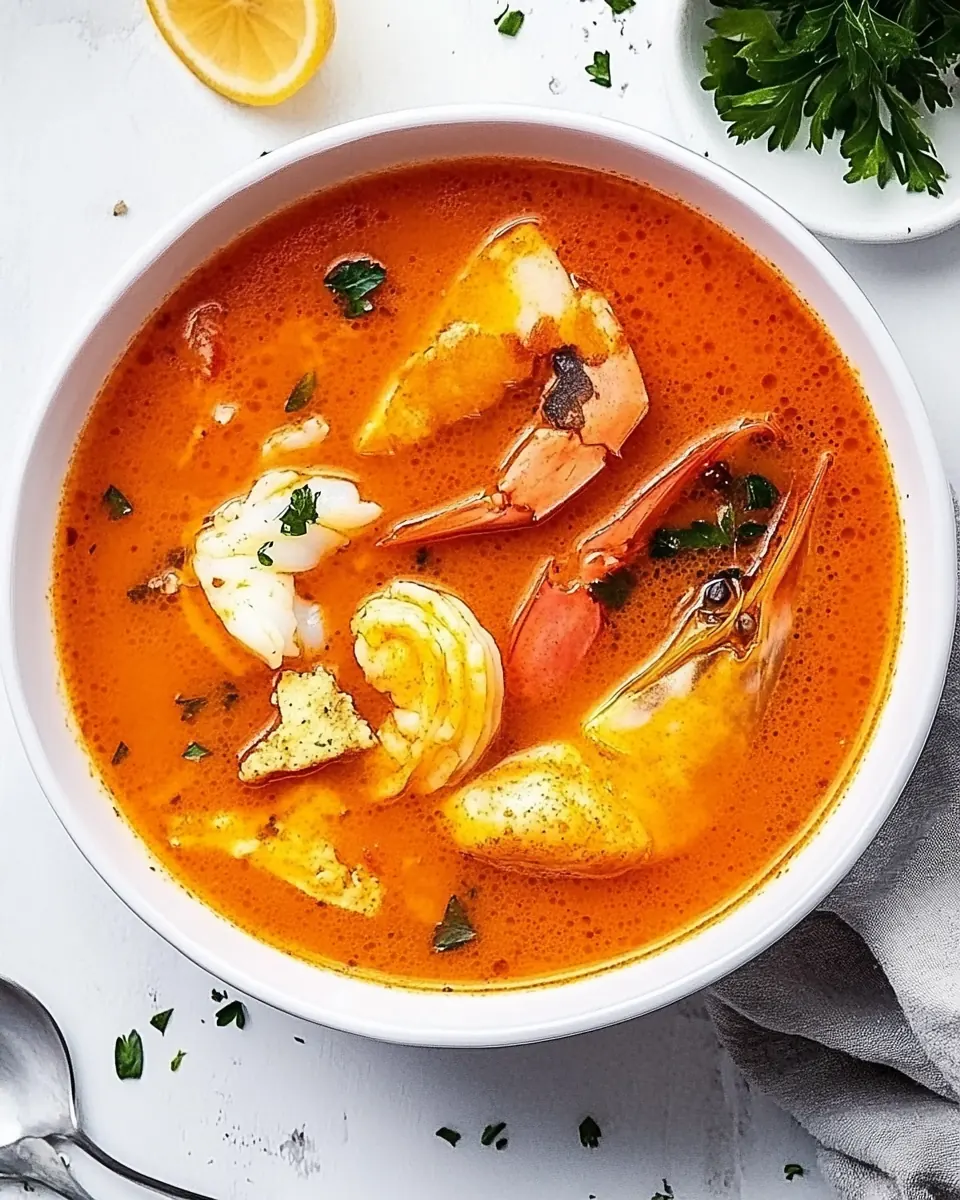
These ingredients are chosen to create a balanced, aromatic broth that supports delicate seafood. The aromatics and vegetables form the base, the broth and tomatoes provide savory depth and brightness, and the coconut cream adds silkiness so the soup feels luxurious without being heavy.
- 2 tablespoons olive oil: Heat and sauté to provide the cooking fat that carries flavors and prevents sticking; adds a fruity, slightly bitter base that complements seafood. Use early in the process to bloom aromatics and create a glossy mouthfeel in the broth.
- 3 cloves garlic minced: Mince and release to add pungent, savory aromatics that deepen the soup's flavor; quickly softens and infuses the oil with garlic essence. Add near the start and cook until fragrant to avoid bitterness while building savory complexity.
- 2 small shallots finely chopped: Finely chop and sweat to contribute a mild, sweet onion-like flavor that balances the garlic and tomatoes; soft texture helps meld ingredients. Add early with aromatics to create a delicate base and enhance overall depth.
- 2 large carrots chopped: Chop and simmer to add natural sweetness and body while contributing bite and texture; breaks down during cooking to thicken the broth subtly. Add with other vegetables to develop a rounded, slightly sweet backbone for the soup.
- 2 stalks celery chopped: Chop and soften to contribute aromatic green notes and mild bitterness that balance richer elements; provides texture and a classic mirepoix component. Add early to extract savory flavor and support the broth's savory foundation.
- 3 cups fish broth can use chicken or vegetable broth: Simmer and deglaze to form the flavorful liquid foundation; provides salinity and depth that carry all ingredients. Use a quality broth for best results and adjust seasoning as it reduces to concentrate flavors.
- 1 1/2 cups canned diced tomatoes: Add and simmer to contribute bright acidity, sweetness, and umami that lift the soup; diced texture disperses evenly throughout the broth. Choose canned tomatoes for convenience and simmer long enough to meld with the other flavors.
- 1 teaspoon smoked paprika: Season and smoke to introduce warm, earthy smokiness and depth that enhances seafood character; blends well with tomatoes and cream. Use measured amounts to avoid overpowering delicate seafood flavors.
- 1/2 teaspoon salt: Season and regulate to enhance overall taste while preventing oversalting; helps balance acidity and richness in the broth. Taste as you cook and adjust based on the saltiness of the broth and seafood.
- 1/4 teaspoon pepper: Season and balance to add mild heat and accentuate other spices while preventing dullness; helps round out the savory profile. Add gradually and taste to maintain subtle background warmth without dominating the soup.
- 1 teaspoon Italian seasoning: Season and herb to introduce a blend of savory Mediterranean notes that complement tomatoes and seafood; adds complexity with oregano, basil, thyme, and rosemary-like flavors. Sprinkle in during simmering to release essential oils without becoming bitter.
- 1 cup coconut cream canned: Stir and enrich to provide creamy body and a slightly sweet coconut flavor that rounds acidity and spices; contributes silky texture and a hint of tropical richness. Use canned coconut cream for stability and add gently to avoid curdling.
- 1 cup mixed seafood* See notes: Cook and finish to supply the main protein and seafood flavors that define the dish; mixed seafood brings varying textures and oceanic taste. Add near the end to avoid overcooking and ensure tender, juicy pieces.
Seafood Soup Instructions
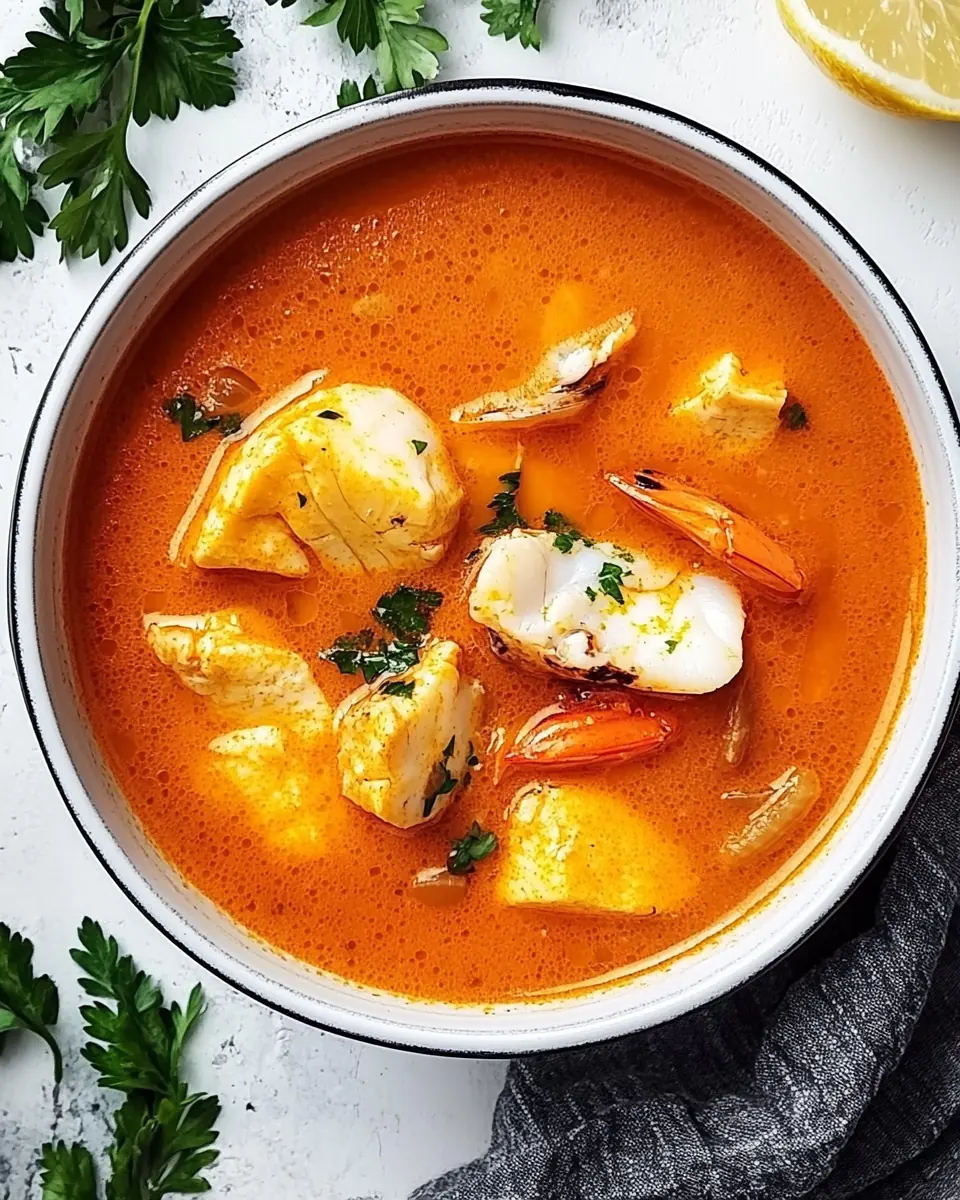
This soup is approachable and forgiving, but I like to guide you through sensory cues so each step builds the right flavor. Take your time with the aromatics, watch for softened vegetables, and add the seafood at the end so it stays tender.
- To a large Dutch oven or soup pot, add the olive oil, and once hot, sauté shallots and garlic until fragrant.: You will smell a bright, savory aroma the moment the garlic hits the warmed olive oil , and the shallots will begin to turn translucent, releasing a sweet scent that signals readiness. Gently stir so nothing sticks, and listen for a soft sizzle, not an aggressive pop, which means the heat is too high. This stage matters because those browned aromatics form the flavor foundation, giving the soup a mellow complexity. A common mistake is overheating the oil which fries the garlic too quickly, leaving it bitter. If that happens, lower the heat and remove the bits so they do not color the broth.
- Add carrots and celery and cook for another 5 minutes, until the vegetables soften.: As the carrots and celery mingle in the pot, you should hear a gentle crescendo of sizzling and see them gloss over with oil. After several minutes they will yield to the touch and their edges will look slightly softened but still hold shape. This step enhances sweetness and body in the broth, because lightly cooked vegetables release natural sugars. Avoid overcooking into mush, or the texture will become indistinct; aim for tenderness with a little bite so the soup keeps interest in every spoonful.
- Add the fish broth, diced tomatoes, smoked paprika, salt, pepper, and Italian seasoning, and bring to a boil. Add the coconut cream, reduce the heat to low, and simmer, covered, for 15 minutes or until the soup has thickened.: When you pour in the fish broth and diced tomatoes , the pot will exhale savory steam and the color will shift to a warm, tomato-tinted broth. Stir in the smoked paprika , salt , pepper , and Italian seasoning , and let the surface come alive with small rolling bubbles as it reaches a boil. Stir in the coconut cream to introduce a silky texture, then lower the heat to a gentle simmer so flavors meld without boiling aggressively. Simmering covered concentrates the broth and softens the vegetables further. The reason for this controlled simmer is to coax out the tomatoes sweetness and let the spices bloom, creating a complex base. A pitfall here is boiling too hard which can break the cream or evaporate too much liquid, so keep it low and watch for a gentle thickness.
- Add the seafood mix and cook, uncovered, until fully cooked.: When the seafood hits the warm broth, you will notice the aroma turn briny and fresh, a bright contrast to the tomato and spice. Cooking uncovered lets steam escape and prevents overcooking, so the shellfish and fish remain tender. Visual cues are important: shrimp will turn opaque and curl slightly, white fish will flake easily with a fork, and mussels will open if present. This step preserves texture because seafood cooks rapidly, and gentle, short cooking keeps it from becoming rubbery. A common error is leaving seafood in too long; if that happens it loses succulence. The remedy is quick monitoring and removing the pot from heat once everything is opaque and firm to the touch.
Tips and Variations
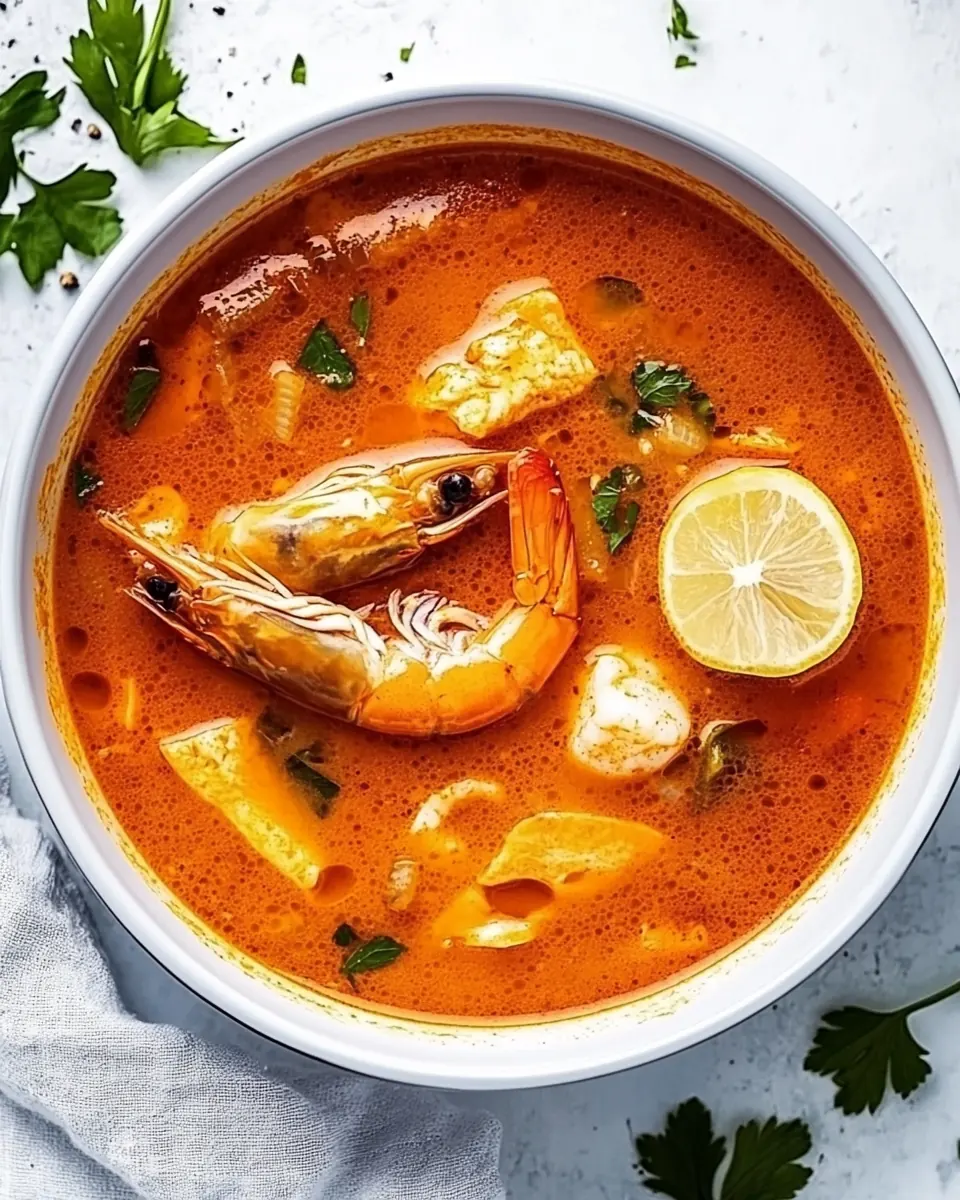
I like to include tips that keep the soup reliable and delicious every time. These ideas help with timing, texture, and presentation, and they scale well whether you are cooking for two or a small group.
- Choose the right seafood – Use a mix that includes firm white fish and shrimp for textural contrast, and keep an eye on cook time so nothing rubberizes.
- Control the heat – Maintain a gentle simmer when the coconut cream is added to prevent breaking and to let flavors meld harmoniously.
- Freeze for future meals – Portion the cooled soup into freezer safe containers and freeze for up to three months for a quick comfort meal later.
- Reheat gently – Warm the soup over medium low heat, stirring often to reincorporate the coconut cream and avoid scorching on the bottom of the pot.
- Use quality broth – Opt for fish broth when possible, because it delivers a clearer, more authentic seafood character than general broths.
What to Pair With Seafood Soup
This soup is versatile, pairing well with light sides for a balanced meal or heartier breads for soaking up the broth. I recommend simple accompaniments that respect the soup’s delicate seafood flavors.
- Crusty bread – A warm, crusty loaf is perfect for mopping up the savory broth, especially if you want a casual, comforting meal.
- Light salad – A crisp green salad with a lemon vinaigrette provides a bright, acidic counterpoint that refreshes the palate between spoonfuls.
- Steamed rice – Serving the soup over rice makes it more filling and is ideal for a cozy family dinner.
- Occasions – This is great for weeknight dinners, small gatherings, or when you crave something restorative during winter evenings.
- Storage tips – Refrigerate in airtight containers for three to four days, and freeze portions for two to three months; thaw overnight in the fridge before reheating.
- Serving style – Ladle hot soup into shallow bowls so the aroma rises, and garnish simply so the seafood remains the focus.
FAQ
Conclusion
Seafood Soup stands out for its balance of bright tomatoes, smoky spice, and silky coconut cream that lets delicate seafood shine. Give this recipe a try when you want a comforting, quick meal that still feels a little special. It’s forgiving, adaptable, and warms both stomach and spirits on cool evenings.
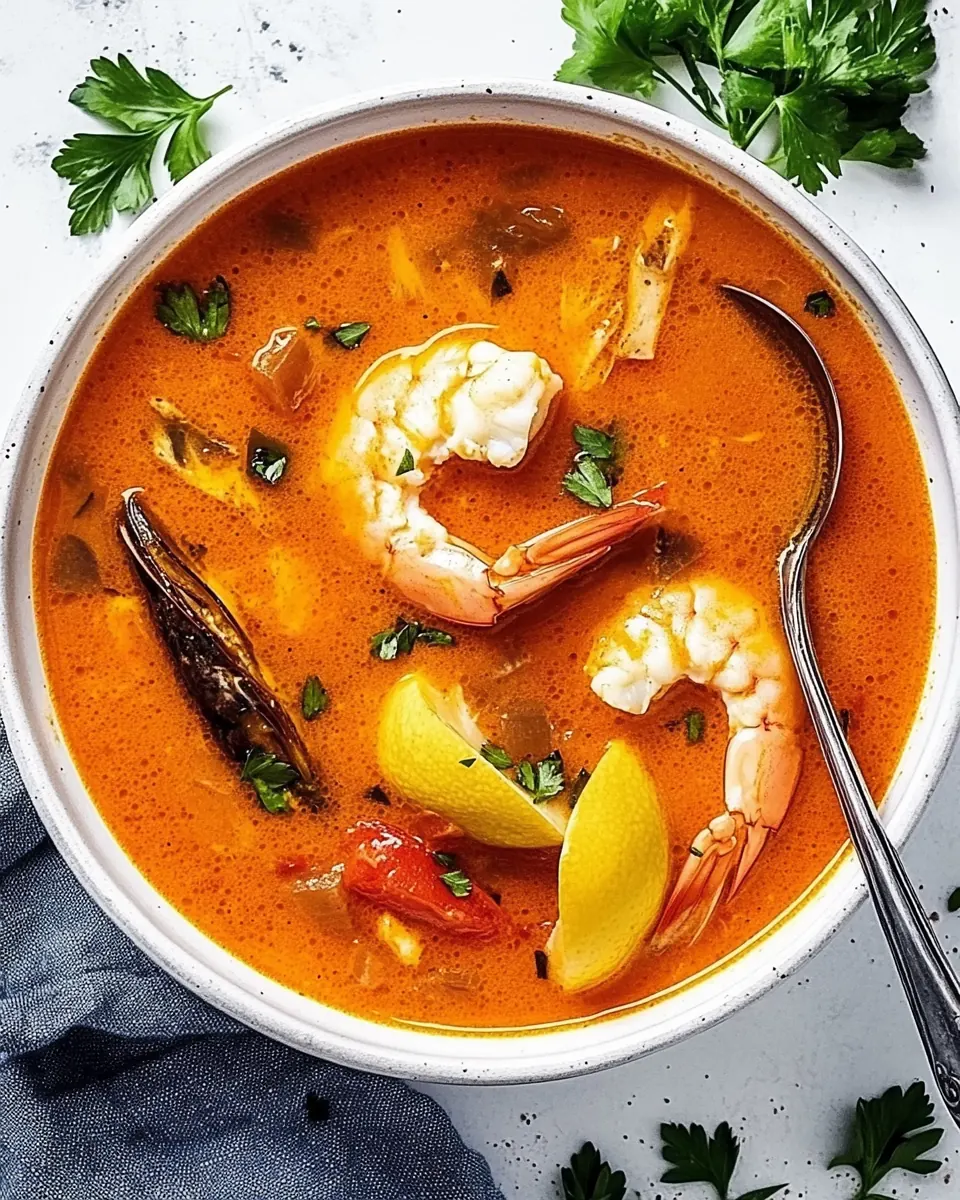
Seafood Soup
Ingredients
Equipment
Method
- To a large Dutch oven or soup pot, add the olive oil, and once hot, sauté shallots and garlic until fragrant.: You will smell a bright, savory aroma the moment the garlic hits the warmed olive oil , and the shallots will begin to turn translucent, releasing a sweet scent that signals readiness. Gently stir so nothing sticks, and listen for a soft sizzle, not an aggressive pop, which means the heat is too high. This stage matters because those browned aromatics form the flavor foundation, giving the soup a mellow complexity. A common mistake is overheating the oil which fries the garlic too quickly, leaving it bitter. If that happens, lower the heat and remove the bits so they do not color the broth.
- Add carrots and celery and cook for another 5 minutes, until the vegetables soften.: As the carrots and celery mingle in the pot, you should hear a gentle crescendo of sizzling and see them gloss over with oil. After several minutes they will yield to the touch and their edges will look slightly softened but still hold shape. This step enhances sweetness and body in the broth, because lightly cooked vegetables release natural sugars. Avoid overcooking into mush, or the texture will become indistinct; aim for tenderness with a little bite so the soup keeps interest in every spoonful.
- Add the fish broth, diced tomatoes, smoked paprika, salt, pepper, and Italian seasoning, and bring to a boil. Add the coconut cream, reduce the heat to low, and simmer, covered, for 15 minutes or until the soup has thickened.: When you pour in the fish broth and diced tomatoes , the pot will exhale savory steam and the color will shift to a warm, tomato-tinted broth. Stir in the smoked paprika , salt , pepper , and Italian seasoning , and let the surface come alive with small rolling bubbles as it reaches a boil. Stir in the coconut cream to introduce a silky texture, then lower the heat to a gentle simmer so flavors meld without boiling aggressively. Simmering covered concentrates the broth and softens the vegetables further. The reason for this controlled simmer is to coax out the tomatoes sweetness and let the spices bloom, creating a complex base. A pitfall here is boiling too hard which can break the cream or evaporate too much liquid, so keep it low and watch for a gentle thickness.
- Add the seafood mix and cook, uncovered, until fully cooked.: When the seafood hits the warm broth, you will notice the aroma turn briny and fresh, a bright contrast to the tomato and spice. Cooking uncovered lets steam escape and prevents overcooking, so the shellfish and fish remain tender. Visual cues are important: shrimp will turn opaque and curl slightly, white fish will flake easily with a fork, and mussels will open if present. This step preserves texture because seafood cooks rapidly, and gentle, short cooking keeps it from becoming rubbery. A common error is leaving seafood in too long; if that happens it loses succulence. The remedy is quick monitoring and removing the pot from heat once everything is opaque and firm to the touch.
Notes
- Choose the right seafood - Use a mix that includes firm white fish and shrimp for textural contrast, and keep an eye on cook time so nothing rubberizes.
- Control the heat - Maintain a gentle simmer when the coconut cream is added to prevent breaking and to let flavors meld harmoniously.
- Freeze for future meals - Portion the cooled soup into freezer safe containers and freeze for up to three months for a quick comfort meal later.
- Reheat gently - Warm the soup over medium low heat, stirring often to reincorporate the coconut cream and avoid scorching on the bottom of the pot.
- Use quality broth - Opt for fish broth when possible, because it delivers a clearer, more authentic seafood character than general broths.