Radish Chutney
Radish Chutney is one of those unexpected little condiments that changed how I think about simple vegetables.
I first made Radish Chutney on a rainy afternoon when the market stall had an overflowing basket of bright, crisp radishes that begged for something more than a salad. I remember the first chop, the sharp peppery scent rising up as the knife struck flesh, and how that brightness begged for balance. I wanted something tangy, a touch smoky, and with enough texture to scoop with warm flatbread. That impulse led me to a small pan, a handful of spices, and a long simmer that softened the radishes into tender, slightly chunky goodness, while tamarind and a whisper of sugar bridged the sour and the sweet.
As I stirred the pot, garlic released its fragrant, mellowed aroma, and the panch foron began to pop and perfume the oil. Each stir told me whether the chutney needed a little more tamarind or a pinch more salt. By the time the water evaporated and the mixture thickened, the kitchen smelled like a tiny spice market. I served it with steamed rice and felt delighted at how a simple vegetable transformed the whole meal, offering a lively counterpoint to richer bites. I still make a batch whenever I want a bright, bold condiment that lifts everything on the plate.
Recipe Snapshot
20 mins
10 mins
10 mins
Medium
80 kcal
Indian
Vegan, Gluten-Free
Side Dishes
Pan, Fork
What We Adore About This Radish Chutney
Bright, surprising flavor
I love how Radish Chutney turns the sharpness of raw radishes into something rounded and complex. The tamarind and vinegar soften the bite, while the toasted ground spices add warmth, so every spoonful has layers of taste that evolve on your palate.
Quick to make
We can have this chutney ready in a short span of time. From the moment you start cooking, it moves quickly, which makes it perfect for busy weeknights or when you need a last minute accompaniment. The short cook time also preserves a slightly lively texture that keeps the chutney interesting.
Versatile condiment
I’ve used this chutney with rice, flatbreads, and as a lively topping for roasted vegetables. It brightens simple meals, and because it is both tart and savory, it complements a wide range of dishes. You’ll find yourself reaching for it again and again to lift other flavors.
Economical and seasonal
When radishes are abundant, this recipe turns an inexpensive vegetable into a high impact dish. The ingredient list is modest, yet the result feels more sophisticated than the effort suggests. That economy is part of its charm.
Textural allure
I appreciate the slightly chunky texture when you roughly chop the radishes. It gives the chutney bite and body, so each spoonful alternates between soft, tangy pockets and pleasantly firmer pieces. That contrast makes eating it fun, not just flavorful.
Radish Chutney Shopping List
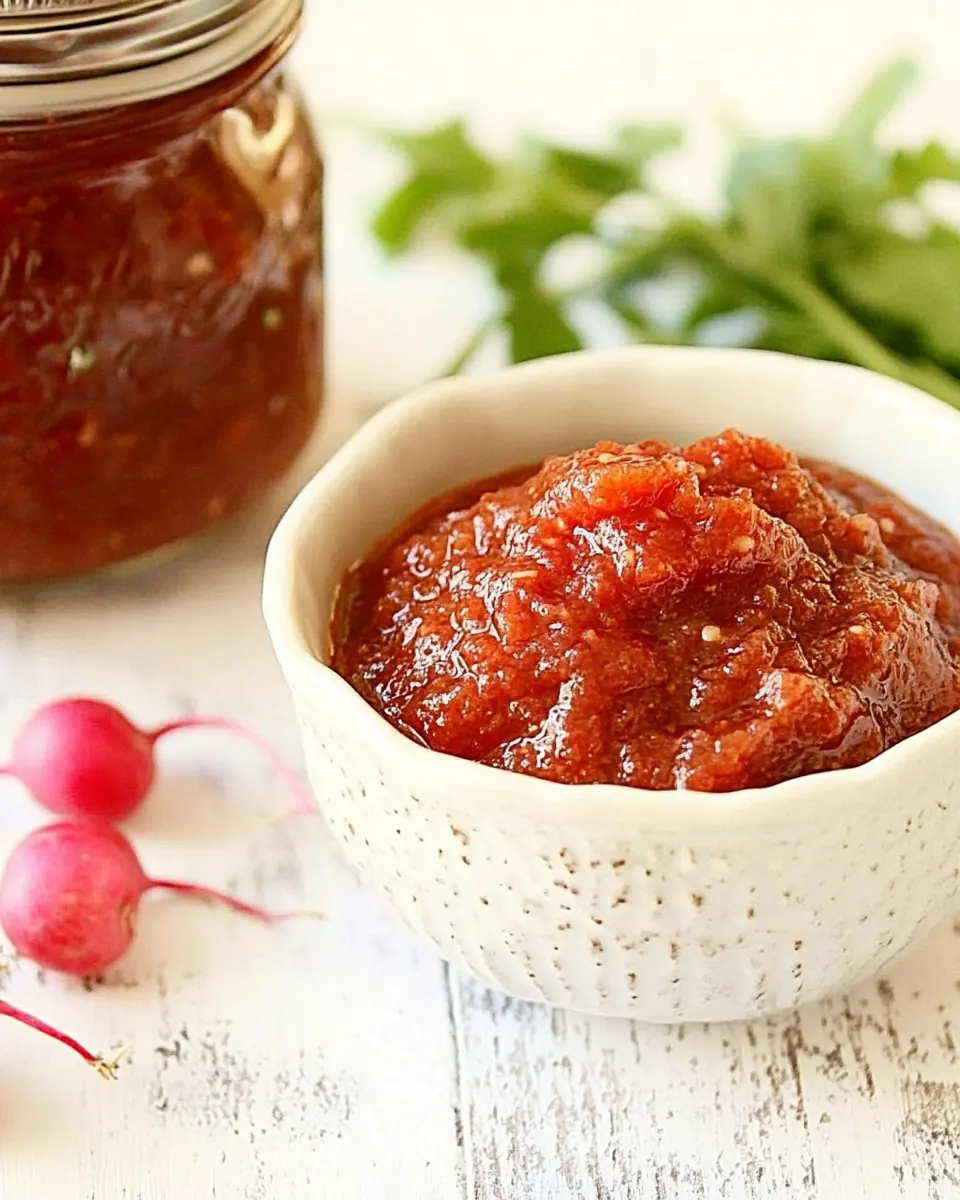
This ingredient list is built around balance. The core idea is to marry the peppery freshness of radishes with sour, sweet, and toasted spice notes. Key players are the tangy tamarind paste, the warming dry roasted powdered spices, and the aromatic panch foron which gives a distinct, rustic perfume. Together they turn crisp raw produce into a thick, spoonable chutney that sings alongside bland or rich dishes.
- 3 cups radishes roughly chopped: Provide bulk and crisp texture to the chutney, adding a peppery, slightly spicy flavor that brightens the overall profile; chop roughly to allow both body and small tender bites within the condiment. Maintain juice from the radishes while pulsing to achieve a balanced consistency that complements the ground spices and tamarind.
- 1/2 teaspoon panch foron mixture of nigella seeds, cumin seeds, mustard seeds/wild celery seeds, fennel seeds and fenugreek seeds: Add a complex warm, slightly bitter, and aromatic spice blend that layers subtle anise, mustard, and fennel notes into the chutney; toast lightly if desired to release essential oils and deepen flavor. Use sparingly to avoid overpowering the fresh radish character while enhancing overall savory depth.
- 2 to 3 garlic cloves chopped: Introduce pungent, aromatic warmth and a savory backbone when chopped and blended, mellowing when cooked or combined with tamarind and spices; adjust quantity to balance heat and fragrance. Provide a rounded, garlicky richness that helps unify the chutney flavors and improves preservation slightly.
- 1 teaspoon cumin ground, dry roasted: Contribute earthy, nutty warmth and a toasty aroma after dry-roasting, forming a savory foundation that complements radish bite and tamarind tartness; grind finely for even distribution. Enhance overall seasoning complexity while supporting other spices without introducing heat.
- 1 teaspoon coriander ground, dry roasted: Offer citrusy, slightly floral, and warm notes with a roasted character when dry-roasted, creating aromatic lift and depth in the chutney; grind to a fine powder to integrate smoothly. Act as a flavor bridge between the earthy cumin and tart tamarind, enriching the condiment's mid-palate.
- 1 teaspoon red chili ground, dry roasted: Provide vibrant heat and color with a smoky, piquant undertone after dry-roasting, contributing bright spiciness that cuts through the chutney's acidity; grind finely to release capsaicin evenly. Balance heat with sugar or tamarind to maintain harmony among flavors.
- 2 to 3 teaspoons sugar stevia: Bring subtle sweetness or bitterness depending on whether sugar or stevia is used, helping to balance the chutney's acidity and spice; adjust amount to taste for desired sweetness without cloying. Enhance overall flavor harmony and round out tart and spicy elements for a smoother finish.
- 1 teaspoon salt: Season and enhance all flavors while controlling salinity and preservation; distribute evenly to avoid localized saltiness and to bring out natural sweetness of radishes and tamarind. Use measured quantity to ensure balance among spices, sweetness, and acidity.
- 3 tablespoons tamarind paste: Provide concentrated fruity tartness and sticky body that anchors the chutney with sour depth, balancing spice and sweetness; dilute or adjust quantity to achieve desired tang and consistency. Act as the primary acidic component that brightens flavors and helps meld ingredients together.
- 1 teaspoon vinegar: Contribute sharp acidity and a bright, slightly tangy lift that complements tamarind and balances richness from oil and spices; add cautiously to fine-tune overall sourness. Help preserve freshness and enhance perception of other flavors in the chutney.
- 1 tablespoon oil: Carry and bloom the spices, helping to release aromatic compounds and create a smooth mouthfeel while providing slight richness; heat briefly to temper raw flavors and develop aroma. Use a neutral oil to coat spices and bind the chutney components for a cohesive texture.
Instructions for Radish Chutney
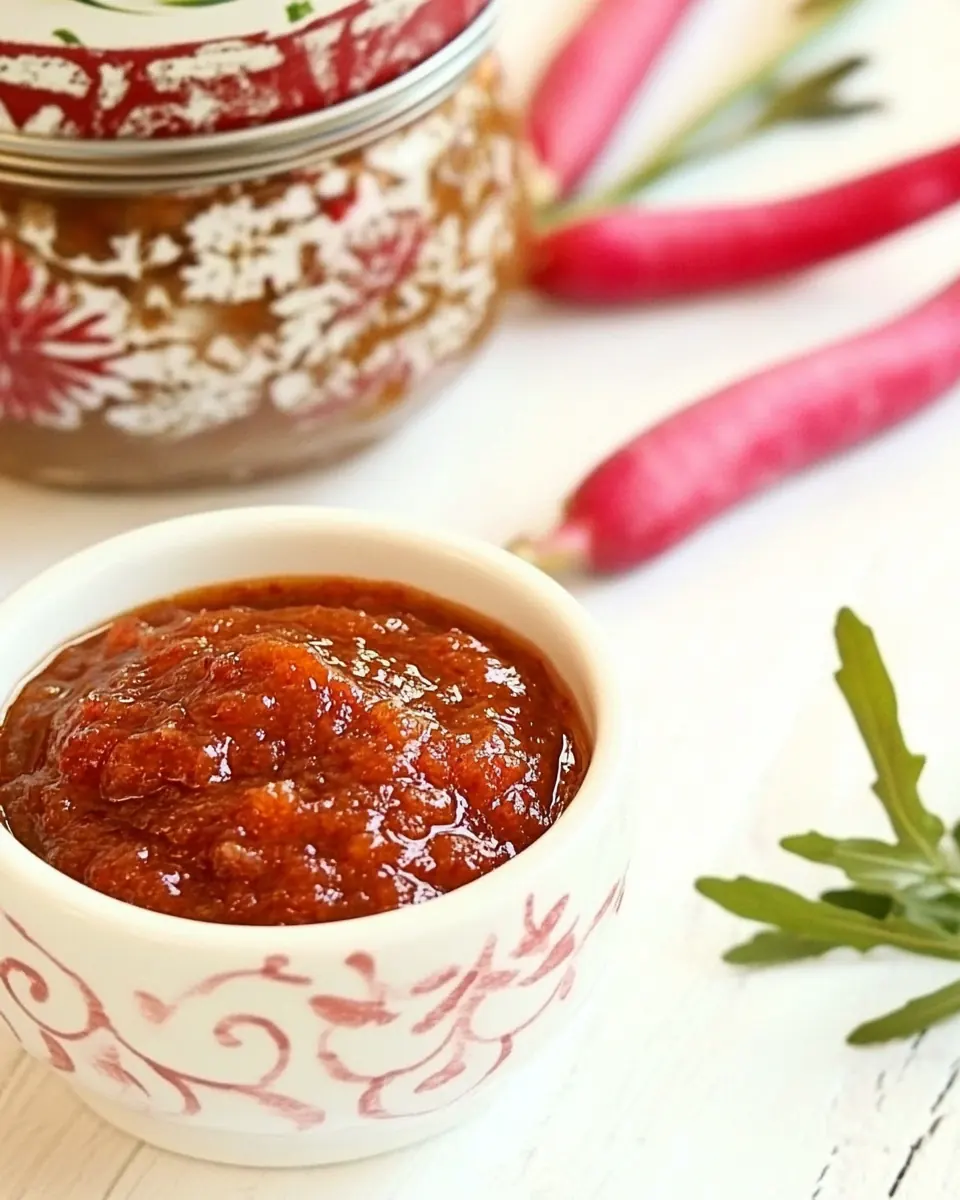
This chutney is straightforward, but each small step shapes its final aroma and texture. Below I expand the directions into rich, sensory guidance so you can reproduce the same satisfying result every time.
- Boil chopped radish in a small amount of water until soft.: The boiling stage should produce a gentle, rolling simmer where the radishes soften and lose their raw bite. You will hear a faint bubbling and see the pieces shift from crisp to tender, slightly translucent edges. This softness is important so the chutney develops a cohesive texture, yet retains some bite. If you add too much water, the cooking will take longer and dilute the flavors, so keep it minimal. A common error is overcooking until the radishes disintegrate, which leads to a puree rather than a chunky chutney.
- Semi mash the radishes with a fork. Set aside.: After draining any excess water, semi mashing creates a mix of tender pieces and softer bits that absorb spices well. You should feel resistance as the fork breaks some pieces, leaving irregular chunks. This texture gives the chutney its character, offering both body and spreadability. Avoid using a blender here, which will create a homogenous paste; the pleasant contrast of textures would be lost.
- Heat oil on a separate pan.: Heat the tablespoon of oil until it shimmers gently and the surface moves smoothly when you tilt the pan. The oil is the flavor carrier, so warming it correctly extracts aroma from the whole spices. Too hot oil will smoke and scorch the spices, while oil too cool will not bloom them, yielding a flat profile. Aim for medium heat to strike the right balance.
- Add garlic and sauté until fragrant.: Add the chopped garlic to the warmed oil and stir. You will smell its sharpness soften into a sweet, savory scent within seconds. The sound is a quiet sizzle, and the garlic should turn pale golden at the edges, not dark brown. Burnt garlic tastes acrid, so reduce heat immediately if it starts to brown too fast. The fragrant garlic forms a savory foundation that deepens the chutney.
- Add panch foron.: When you add the panch foron the seeds will begin to pop and release their combined aroma, which is earthy, fennel like, and slightly bitter in a pleasant way. This spluttering is a cue to watch closely, as it can quickly move from aromatic to burnt. The oil will take on a nutty tint and an enticing perfume. Stir briefly and let the seeds infuse for only a few moments to prevent any bitter overtones.
- Once panch foron starts to splatter, add the semi mashed radish.: Carefully add the semi mashed radishes to the pan; the oil will hiss as it meets the residual moisture. This is expected, and the sound should subside as the moisture integrates. Toss gently so each piece picks up the spice oil. Visually, the radishes will darken slightly and glisten, showing they are coating with the flavors. If the pan is too hot, the radish edges can brown unevenly, so moderate heat preserves an even, tender finish.
- Add all other spices, sugar (stevia), tamarind paste, vinegar and salt.: Sprinkle the ground cumin , coriander , and red chili , then add the sweetener, tamarind paste , vinegar , and salt . As you stir, you will sense layers unfolding, from the earthy ground spices to the sharp tang of tamarind. The mixture should begin to smell fruity and warm. Mix thoroughly so the tamarind disperses and the spices coat the radish, preventing clumps. A common mistake is adding everything all at once without stirring, which causes uneven seasoning pockets. Taste and adjust gently; tamarind varies, so balance sugar carefully.
- Cook at medium-low heat, mixing occasionally until water evaporates.: Reduce the flame to medium low and let the chutney simmer. You will hear a softer bubbling and see the mixture thicken as moisture evaporates. Stir occasionally to prevent sticking and to allow the chutney to reduce evenly. When it reaches a glossy, thick consistency and the oil separates slightly at the edges, it is done. Overcooking until it becomes dry and paste like will make it gluey, while undercooking leaves too much watery tang. Aim for a clingy texture that still spreads easily.
Pro Tips and Tweaks
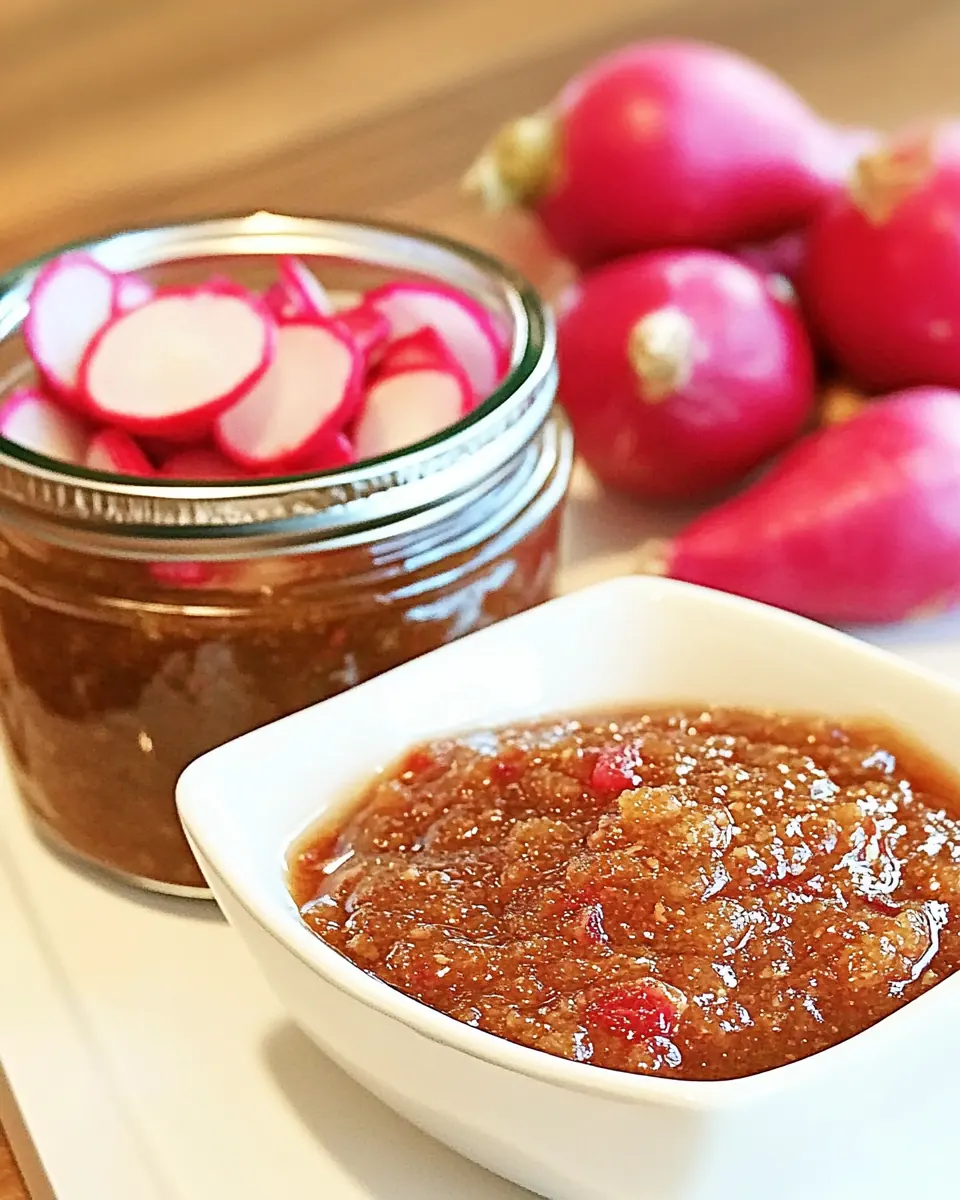
I like to think of these tips as little nudges that keep the chutney lively and balanced. They help preserve texture, boost aroma, and prevent common pitfalls so your batch comes out consistently excellent.
- Measure the tamarind carefully, because brands vary in acidity; start with less and add more to taste so the chutney stays balanced and not overly tart.
- Temper the panch foron correctly, heating it in oil over medium heat until it just starts to pop; this extracts the fragrance without burning the seeds.
- Prefer hand chopping, since irregular pieces soften at different rates, creating a more interesting mouthfeel than a smooth puree.
- Adjust stevia gradually, adding a small amount, tasting, and repeating to avoid an overly sweet or artificial finish.
- Keep heat moderate when cooking down, stirring occasionally to prevent sticking, and remove from heat when the chutney is glossy with slight oil separation.
What to Serve Alongside Radish Chutney
This chutney plays well with a variety of dishes and occasions. It can be a bright side at a casual lunch, a flavorful condiment at dinner, or a small plate addition during festive meals. Below I outline pairings, serving styles, storage tips, and seasonal ideas to help you make the most of it.
- Serve with steamed rice, spooning the chutney on top to add a tangy, spicy counterpoint that makes simple rice feel special for lunch or a light dinner.
- Offer alongside flatbreads, such as warm rotis or parathas, using the chutney as a dip so the textured chunks provide contrast to soft bread during informal meals.
- Pair with grilled vegetables, where the chutney’s acidity cuts through roasted richness and brightens the plate, suitable for summer barbecues or casual weeknight dinners.
- Include on a mezze or condiment board, placing it with other small dishes to add a lively, spicy note during gatherings or festive occasions like Ramadan if looking for varied flavors in evening meals.
- Storage and make ahead, refrigerate in an airtight jar for up to a week; flavors will meld and often taste better after resting, which is handy when preparing for a busy day or a small event.
- Seasonal pairing, in spring when radishes are fresh and abundant, the chutney feels especially bright; think of serving it with lighter fare to complement seasonal produce.
FAQ
Conclusion
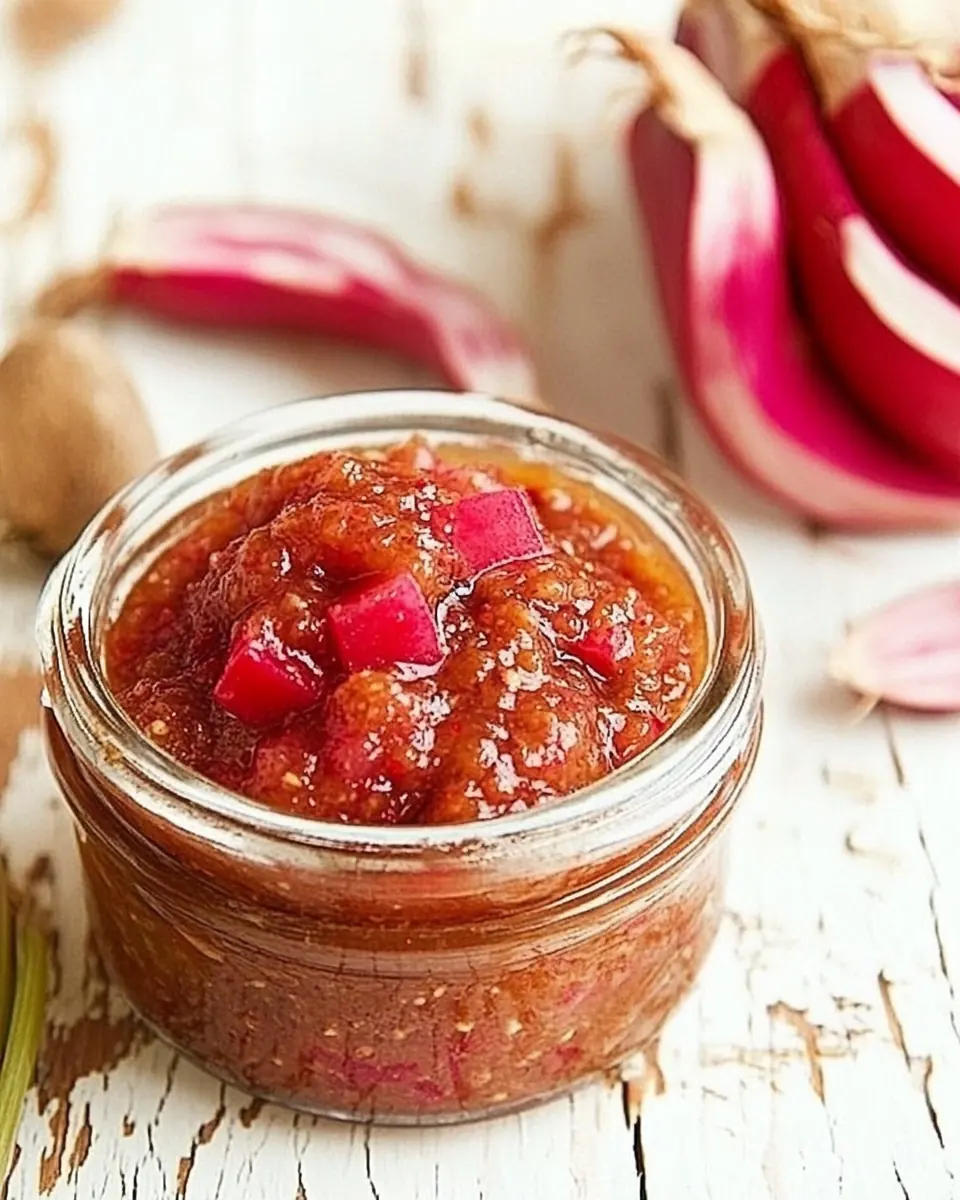
This Radish Chutney is special because it turns a humble, peppery vegetable into a layered, tangy condiment that livens any meal. The interplay of toasted spices, tamarind, and textured radish pieces makes every bite interesting and bright. Give it a try the next time you have a basket of radishes or need a quick sauce to lift simple dishes. I hope it becomes one of those small, reliable recipes you reach for when you want to make a meal feel more thoughtful and flavorful.
Radish Chutney
Ingredients
Equipment
Method
- Boil chopped radish in a small amount of water until soft.: The boiling stage should produce a gentle, rolling simmer where the radishes soften and lose their raw bite. You will hear a faint bubbling and see the pieces shift from crisp to tender, slightly translucent edges. This softness is important so the chutney develops a cohesive texture, yet retains some bite. If you add too much water, the cooking will take longer and dilute the flavors, so keep it minimal. A common error is overcooking until the radishes disintegrate, which leads to a puree rather than a chunky chutney.
- Semi mash the radishes with a fork. Set aside.: After draining any excess water, semi mashing creates a mix of tender pieces and softer bits that absorb spices well. You should feel resistance as the fork breaks some pieces, leaving irregular chunks. This texture gives the chutney its character, offering both body and spreadability. Avoid using a blender here, which will create a homogenous paste; the pleasant contrast of textures would be lost.
- Heat oil on a separate pan.: Heat the tablespoon of oil until it shimmers gently and the surface moves smoothly when you tilt the pan. The oil is the flavor carrier, so warming it correctly extracts aroma from the whole spices. Too hot oil will smoke and scorch the spices, while oil too cool will not bloom them, yielding a flat profile. Aim for medium heat to strike the right balance.
- Add garlic and sauté until fragrant.: Add the chopped garlic to the warmed oil and stir. You will smell its sharpness soften into a sweet, savory scent within seconds. The sound is a quiet sizzle, and the garlic should turn pale golden at the edges, not dark brown. Burnt garlic tastes acrid, so reduce heat immediately if it starts to brown too fast. The fragrant garlic forms a savory foundation that deepens the chutney.
- Add panch foron.: When you add the panch foron the seeds will begin to pop and release their combined aroma, which is earthy, fennel like, and slightly bitter in a pleasant way. This spluttering is a cue to watch closely, as it can quickly move from aromatic to burnt. The oil will take on a nutty tint and an enticing perfume. Stir briefly and let the seeds infuse for only a few moments to prevent any bitter overtones.
- Once panch foron starts to splatter, add the semi mashed radish.: Carefully add the semi mashed radishes to the pan; the oil will hiss as it meets the residual moisture. This is expected, and the sound should subside as the moisture integrates. Toss gently so each piece picks up the spice oil. Visually, the radishes will darken slightly and glisten, showing they are coating with the flavors. If the pan is too hot, the radish edges can brown unevenly, so moderate heat preserves an even, tender finish.
- Add all other spices, sugar (stevia), tamarind paste, vinegar and salt.: Sprinkle the ground cumin , coriander , and red chili , then add the sweetener, tamarind paste , vinegar , and salt . As you stir, you will sense layers unfolding, from the earthy ground spices to the sharp tang of tamarind. The mixture should begin to smell fruity and warm. Mix thoroughly so the tamarind disperses and the spices coat the radish, preventing clumps. A common mistake is adding everything all at once without stirring, which causes uneven seasoning pockets. Taste and adjust gently; tamarind varies, so balance sugar carefully.
- Cook at medium-low heat, mixing occasionally until water evaporates.: Reduce the flame to medium low and let the chutney simmer. You will hear a softer bubbling and see the mixture thicken as moisture evaporates. Stir occasionally to prevent sticking and to allow the chutney to reduce evenly. When it reaches a glossy, thick consistency and the oil separates slightly at the edges, it is done. Overcooking until it becomes dry and paste like will make it gluey, while undercooking leaves too much watery tang. Aim for a clingy texture that still spreads easily.
Notes
- Measure the tamarind carefully, because brands vary in acidity; start with less and add more to taste so the chutney stays balanced and not overly tart.
- Temper the panch foron correctly, heating it in oil over medium heat until it just starts to pop; this extracts the fragrance without burning the seeds.
- Prefer hand chopping, since irregular pieces soften at different rates, creating a more interesting mouthfeel than a smooth puree.
- Adjust stevia gradually, adding a small amount, tasting, and repeating to avoid an overly sweet or artificial finish.
- Keep heat moderate when cooking down, stirring occasionally to prevent sticking, and remove from heat when the chutney is glossy with slight oil separation.