Korean Short Ribs
Korean Short Ribs are the kind of dish that makes me slow down and savor each bite, a rich, comforting plate I reach for on cold evenings. The first time I made these, I remember the kitchen filling with a warm, savory aroma, the kind that stops conversation and draws everyone to the table. I loved how the meat became fall off the bone tender, and how the sauce balanced salty, sweet, and tangy notes, with a hint of heat that kept things interesting.
That evening, I had invited a few friends over unannounced, and what began as a casual plan turned into a small feast. I braised the short ribs slowly, and the house felt cozy, the windows fogged from steam, while laughter and the clinking of cutlery created a genuine sense of home. I learned that patience and good ingredients are a chef’s best allies, and this recipe rewarded that patience with deep flavor and an easy, impressive presentation.
Recipe Snapshot
8 hr 20 mins
20 mins
480 mins
Hard
450 kcal
Korean
Gluten-Free, Paleo
Dinner
Large skillet, Crockpot, Mixing bowl, Tongs
Why We Love This Korean Short Ribs
Deep, layered flavor
I love how Korean Short Ribs marry umami and sweetness. The combination of soy sauce, brown sugar, and black vinegar produces a sauce that tastes like it took all day to build, even though the technique is straightforward. I often taste the sauce during cooking, adjusting small things, and every time it sings a little louder.
Comforting texture
The long, low cook transforms tough connective tissue into silky gelatin, giving these short ribs a luxurious mouthfeel. I love how each bite pulls apart cleanly, and the residual sauce clings to the meat, giving a satisfying richness. When you bite through a perfectly cooked piece, you get a quiet, savory joy you remember.
Vegetables that stand up
Including baby potatoes and carrots in the same pot means they soak up the braising flavors without disintegrating. I appreciate that you can serve everything from the same vessel, making it an effortless onepot comfort meal for weeknights or special dinners.
Balanced finishing touches
The toasted sesame seeds and a drizzle of sesame oil at the end add aroma and a nutty lift. I’ve learned that these small accents are what take the dish from great to memorable. A sprinkle at the table invites everyone to taste the final layer of flavor.
Reliable and adaptable
I value that Korean Short Ribs are forgiving. If you need to shift the timing, you can keep them on low a bit longer and they only improve. I often double the sauce if I plan on serving it over rice, and that flexibility makes this my go to when I want something satisfying with minimal fuss.
Key Ingredients for Korean Short Ribs
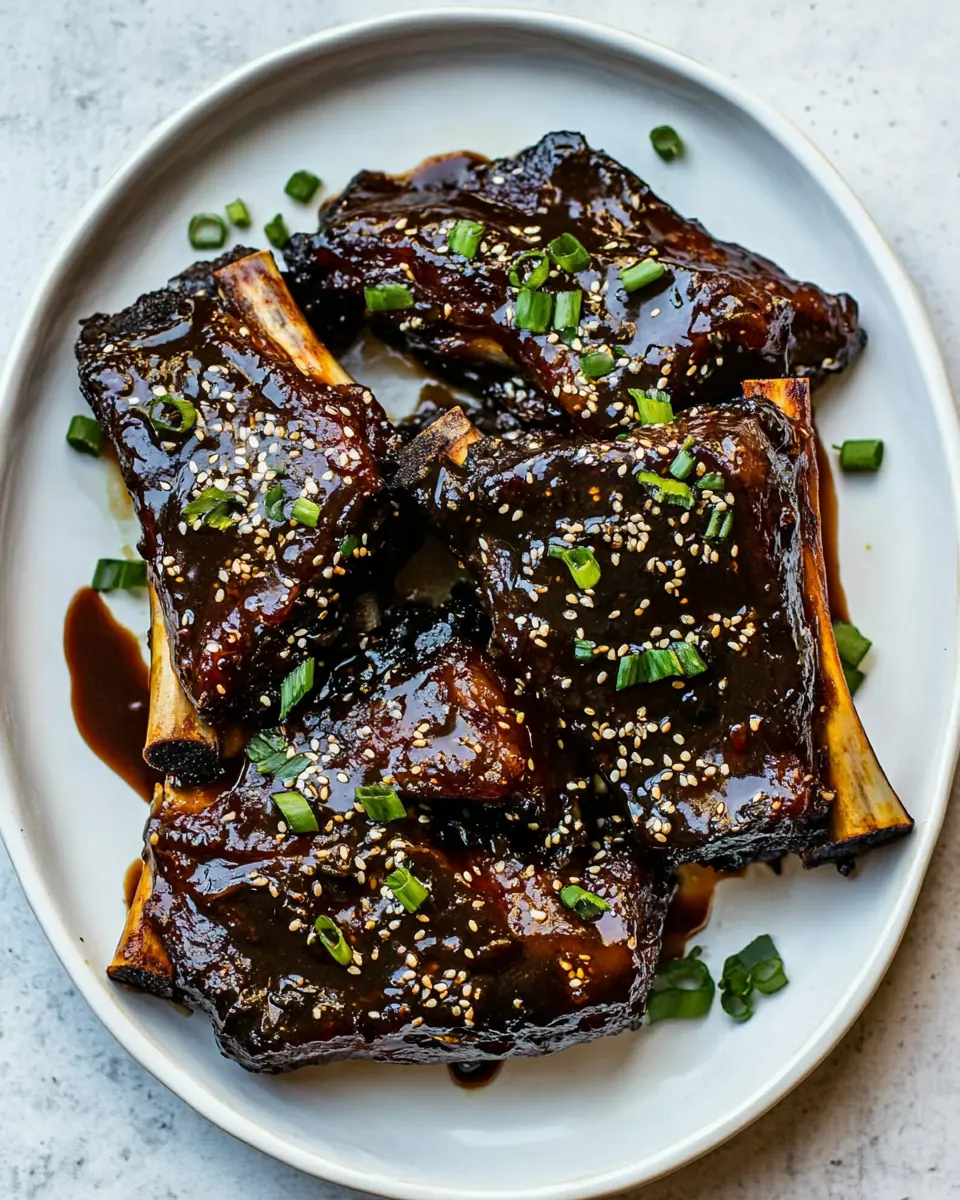
These ingredients are chosen to build a full spectrum of taste and texture. The focus is on a hearty protein that benefits from slow cooking, paired with starchy and sweet root vegetables that soak up the braising liquid. The sauce ingredients bring umami, acidity, and sweetness to create a glossy, clingy finishing sauce. Each item plays a distinct role in flavor layering and mouthfeel, and together they create a balanced, comforting main dish.
- 3 pounds short ribs bone in: Provide rich, gelatinous flavor and tender meat when braised slowly; use bone-in short ribs to add deep beefy stock and mouthfeel throughout the dish. Brown well before braising to develop Maillard crust that enhances overall savory complexity. Cook low and slow until meat is fall-off-the-bone tender and connective tissues dissolve into the sauce.
- 18 ounces baby potatoes: Add small, creamy-textured potatoes to absorb braising liquid and provide a starchy balance to the savory sauce. Parboil or add during the final stage of cooking so they remain intact and tender without disintegrating. Choose uniformly sized baby potatoes for even cooking and attractive presentation.
- 2 cups carrots peeled and cut into bite size chunks: Contribute sweetness, color, and a tender bite that contrasts with the rich beef; cut carrots into bite–size chunks for even cooking and easy eating. Add early in the braise so they release natural sugars and meld into the sauce while softening. Use peeled carrots to ensure a clean texture and remove any earthy flavors.
- 2 tablespoons sesame seeds: Introduce nutty aroma and gentle crunch as a finishing garnish when toasted lightly; sprinkle over the finished dish to add visual contrast and subtle sesame flavor. Toasting enhances the oils and fragrance, making the seeds more flavorful and supportive of the Korean flavor profile.
- 1/2 white onion chopped: Provide aromatic sweetness and savory depth when chopped and sautéed as part of the braising base; onion helps create a flavorful fond and enriches the sauce. Add with garlic early to build layers of flavor and allow the vegetables to break down and thicken the cooking liquid naturally.
- 2 cloves garlic minced: Offer pungent, aromatic heat and depth when minced and cooked briefly to avoid bitterness; garlic brightens and complements the savory-sweet marinade. Add near the beginning of cooking to release its flavors into the sauce without burning, balancing the richness of the meat.
- 1 sweet red apple peeled cored and finely chopped: Deliver natural sweetness, acidity, and enzymatic tenderizing when peeled, cored, and finely chopped; apple helps break down proteins and adds a subtle fruity layer. Incorporate into the marinade or braising liquid to enhance caramelization and balance the savory components.
- 1/2 cup beef stock: Provide concentrated savory liquid to deepen the braising medium and help control sauce consistency; beef stock adds umami and body without overpowering other flavors. Use low-sodium stock if also using salty components to better balance seasoning during reduction.
- 1/3 cups soy sauce: Supply salty, savory umami and depth to the braise; soy sauce helps create the characteristic savory backbone of Korean-style short ribs. Add measured amounts to avoid over-salting and combine with sweeter elements to achieve a balanced sauce.
- 1/3 cup black vinegar: Add bright acidity and a mild tangy complexity that cuts through the richness; black vinegar contributes a mellow sour note to balance sweet and savory elements. Use sparingly to avoid overwhelming the dish and to enhance the overall flavor harmony.
- 1/3 cup brown sugar: Deliver caramelized sweetness and help round out the sauce; brown sugar assists in creating a glossy finish and balancing salty and acidic components. Dissolve into the braising liquid so it caramelizes slightly during reduction and contributes to a rich mouthfeel.
- 2 teaspoons sesame oil: Offer aromatic, toasty flavor and a silky finish when used sparingly; sesame oil enriches the dish with nutty aroma and layers of flavor. Add near the end of cooking or as a finishing drizzle so its delicate oils remain aromatic rather than cooking off.
- 1 teaspoon ground ginger: Contribute warm, slightly spicy warmth and aromatic punch; ground ginger adds depth and complements sweet and savory flavors in the marinade. Use measured amounts to avoid overwhelming the palate and to support the dish's traditional flavor profile.
- 1 teaspoon paprika: Provide mild smokiness and color enhancement when used modestly; paprika contributes subtle depth without adding heat. Choose sweet or smoked paprika depending on the desired smoky emphasis and incorporate into the spice blend for balanced flavor.
- 1/2 teaspoon chili flakes: Introduce controlled heat and a cascading background spice that livens the dish; chili flakes add visual flecks and warming spice without overwhelming other flavors. Adjust quantity to preference to maintain harmony with sweet and savory components.
- 1 teaspoon freshly ground black pepper: Add sharp aromatic heat and a finishing peppery bite when freshly ground; black pepper brightens and layers the overall savory profile of the braise. Use freshly ground for best flavor and add to taste during cooking to build complexity.
- 2 tablespoons cornstarch: Serve as a thickening agent to achieve a glossy, clingable sauce; cornstarch should be mixed into a slurry before adding to hot braising liquid to prevent lumps. Add toward the end of cooking and simmer briefly to activate thickening power and reach desired consistency.
Step by Step Instructions for Korean Short Ribs
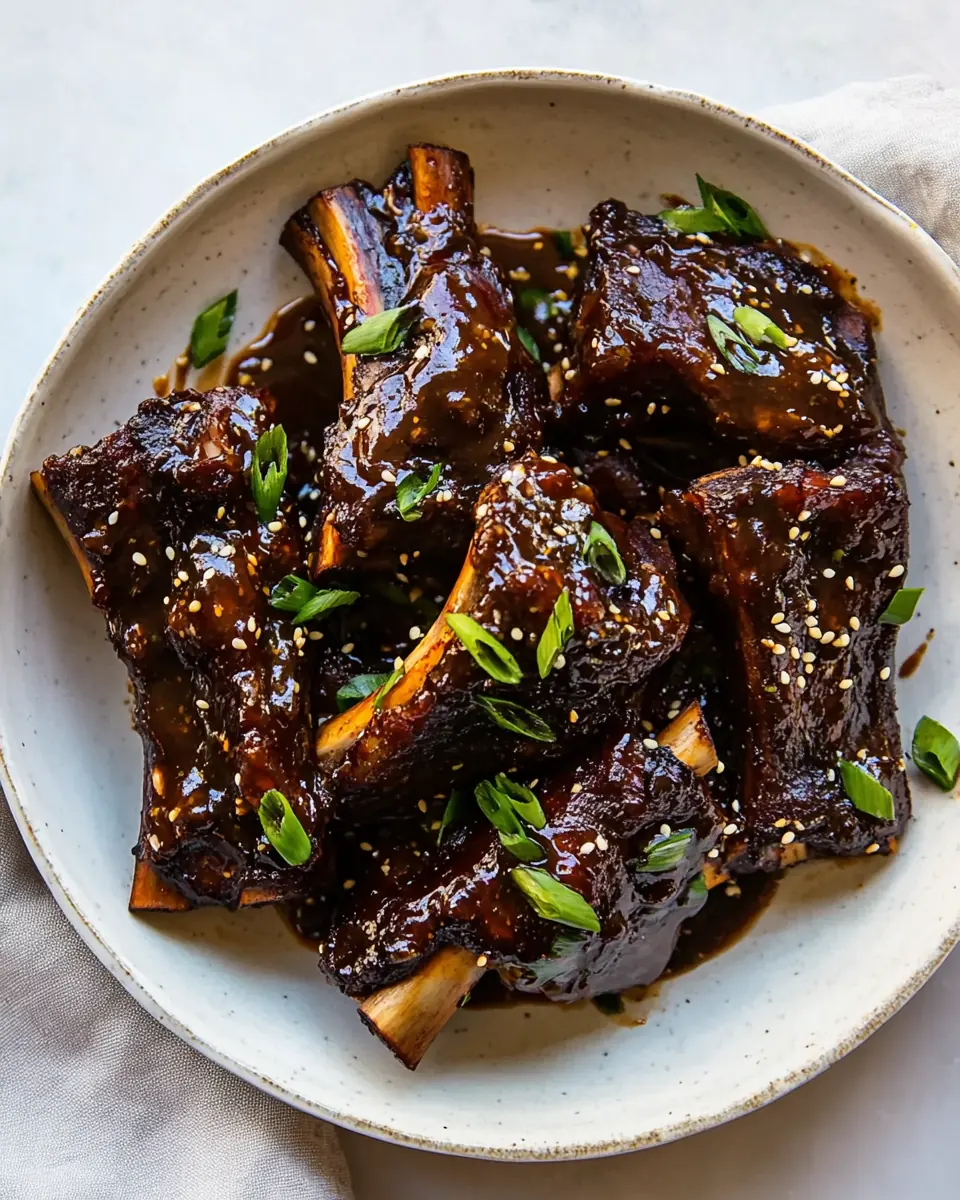
These instructions guide you through building deep flavor and perfect texture with care and sensory cues so you know when things are right. I write these steps the way I cook them, with moments to pause and small checks that make the difference between okay and unforgettable. Keep your senses open, and don’t rush the long, slow sections.
- Heat a large skillet over medium high heat and sear your short ribs on all sides, for just a minute on each side. Add your short ribs, potatoes, carrots, and sesame seeds to a crockpot.: The pan will hiss when the short ribs first hit the surface, and you should see a quick browning, not a slow gray sweat. Enjoy the nutty aroma that develops from that brief Maillard reaction, which gives the finished dish a deeper, savory backbone. If you overcrowd the pan the meat will steam instead of sear, so work in batches if needed. A common mistake is moving the ribs too soon; wait for a visible crust before turning, and use tongs to protect the crust when flipping.
- In a medium bowl, combine all your ingredients for the sauce, except the cornstarch, and stir to mix. Pour the sauce over your short ribs and vegetables. Turn your crockpot to low and cover, allow everything to cook for 8 hours.: As you stack the browned short ribs with the baby potatoes and carrots , notice how the aromas settle into the layers. The sesame seeds will toast a bit from residual heat and release a faint nutty perfume. This arrangement allows the vegetables to slowly infuse with meat juices, creating a unified flavor. Avoid placing everything in an uneven layer that leaves some pieces dry; arrange so liquid can circulate freely around each item.
- Once the 8 hours is up, remove the meat and vegetables from the crockpot, skim as much of the fatty oil off the top of the sauce as you can, and add the cornstarch to the liquid and whisk to incorporate evenly. You can trim some fat off the meat at this point as well.: When you whisk together soy sauce , brown sugar , black vinegar , beef stock , chopped apple , minced garlic , chopped onion , and seasonings, you will notice a bright, complex aroma that hints at the final glaze. This emulsion brings salty, sweet, and tangy notes into balance so they can slowly meld with the meat. A typical misstep is not dissolving the sugar fully, so stir until uniform and taste briefly to confirm balance; adjust if one element feels too sharp.
- Add the meat and vegetables back to the crockpot and allow it to cook for another 30 minutes. Just to thicken the sauce.: As the sauce cascades over the layered ribs and vegetables, it should coat each piece evenly, pooling slightly at the bottom where it will reduce and concentrate. The visual cue to look for is that all surfaces glisten, and you can smell the sauce beginning to marry with the seared meat. If you notice dry spots, tilt the crockpot or use a spoon to spread the liquid; insufficient coverage can cause uneven cooking and drier meat.
- Serve fresh, sprinkled with sesame seeds and sliced green onions.: Over several hours the kitchen fills with a deep meaty perfume and the connective tissue in the short ribs dissolves into a silky mouthfeel. You will see the liquid reduce slightly and the vegetables soften until fork tender. Patience here is rewarded with an indulgent texture, and the long cook time prevents the meat from becoming tough. A common error is using high heat to rush things, which can dry the meat and prevent proper collagen breakdown.
- Once the 8 hours is up, remove the meat and vegetables from the crockpot, skim as much of the fatty oil off the top of the sauce as you can, and add the cornstarch to the liquid and whisk to incorporate evenly: The sauce at this point carries concentrated flavors and fat; skimming reduces greasiness and lets the sauce shine. When you whisk in the cornstarch , do so gradually so the liquid becomes smooth and there are no clumps. The visual cue is a glossy consistency that coats a spoon. If you fail to whisk thoroughly, you may end up with a lumpy or pasty finish, so take the time to mix well and taste for seasoning before proceeding.
- You can trim some fat off the meat at this point as well: Trimming excess fat after the long cook is easier because the meat holds together and renders slightly, making it simple to remove large pockets. This reduces heaviness and allows the sauce to cling to leaner surfaces. Use a small knife and remove only the obvious excess; cutting away too much can strip flavor. A mistake I see is overtrimming, which sacrifices the succulence provided by moderate fat.
- Add the meat and vegetables back to the crockpot and allow it to cook for another 30 minutes: During this final simmer, the thickened sauce melds with the meat and vegetables, coating them in a glossy finish. You should hear a gentle bubbling and smell a concentrated, balanced aroma as the sauce tightens. This short finishing period ensures the sauce adheres and the flavors unify, producing a cohesive dish. Avoid skipping this step; without it the sauce may feel loose and not cling effectively.
- Just to thicken the sauce: As the sauce cooks, you will notice it become more syrupy and cling to the ribs, creating that restaurant worthy sheen. Pay attention to the viscosity, stirring gently to distribute the thickened liquid. If the sauce gets too thick, you can stir in a splash of beef stock to loosen it slightly, but do so sparingly to maintain intensity. A common pitfall is over reducing until the sauce becomes gummy; aim for a rich coat that still moves easily on the plate.
- Serve fresh, sprinkled with sesame seeds and sliced green onions: The final presentation matters; a scattering of toasted sesame seeds and bright sliced green onions provide contrast in texture and a fresh aromatic lift. You will see the sheen on the ribs and the tender vegetables nestled beneath, and the first forkful should deliver a combination of silky meat, sweet soft carrot, and melt in your mouth potato. Be mindful that garnishes should be added last to remain vibrant; adding them earlier will dull their texture and color.
Tips and Tricks about Korean Short Ribs
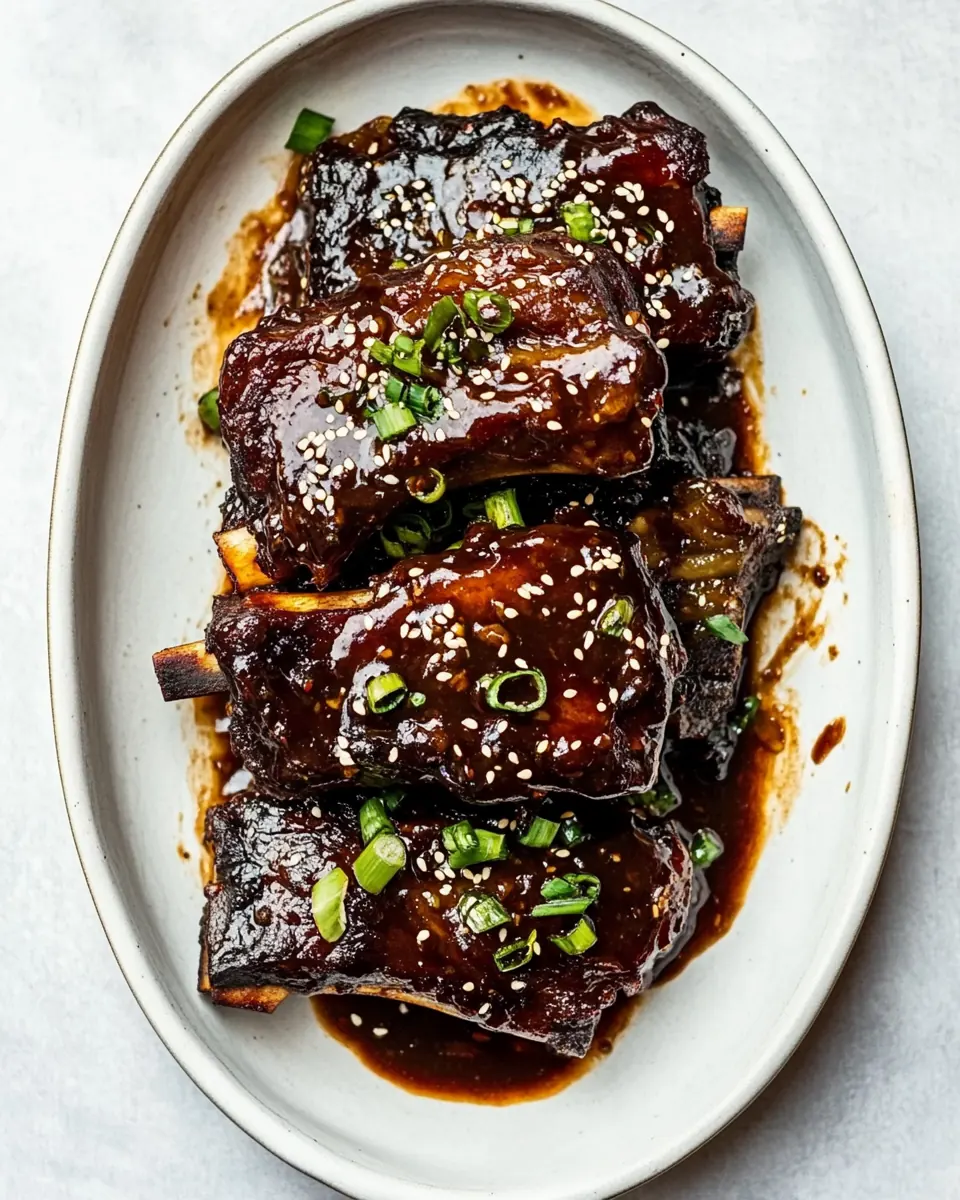
I like to share tips that save time and boost flavor without changing the heart of the recipe. These practical notes grew from repeated tests and meals with friends, and they help ensure consistent results.
- Use room temperature meat before searing, let the short ribs sit for 20 minutes so they sear more evenly and avoid chilling the pan’s surface.
- Don’t overcrowd the pan when searing, because overcrowding causes steaming instead of browning, which reduces the rich flavor you want from the crust.
- Dissolve brown sugar fully when mixing the sauce, stir until homogenous to prevent grainy texture in the finished glaze.
- Skim fat after long cook to keep the sauce silky and prevent greasy mouthfeel, use a ladle or a spoon for easy removal.
- Test vegetable doneness with a fork
- Finish with sesame oil added at the end for aromatic lift, a small drizzle goes a long way to brighten the dish.
Serving Options for Korean Short Ribs
These serving suggestions highlight practical pairings and occasions for this comforting dish. I often adapt the plating to the season and the company, and these ideas keep service simple yet thoughtful.
- Family dinner: Serve the ribs family style on a large platter with the vegetables arranged around the meat, letting everyone help themselves and enjoy the communal feel.
- Weeknight comfort: Spoon the thickened sauce over steamed rice and a simple green vegetable for a quick, satisfying meal after a busy day, making it an easy weeknight dinner option.
- Special occasions: Present the ribs with extra toasted sesame seeds and a bowl of pickled vegetables to cut through richness for a celebratory table.
- Storage tips: Cool the leftovers quickly, refrigerate in an airtight container for up to three days, and reheat gently on low so the meat stays tender and the sauce remains glossy.
- Seasonal pairings: In winter, pair with warm, lightly seasoned grains and roasted root vegetables to match the braise’s cozy character.
FAQ
Conclusion
This recipe’s slow braise and balanced sauce are what make it so special, producing fall apart tender meat and a glossy, flavorful finish. Give it a try the next time you want a comforting, impressive meal that is easier than it looks, and enjoy the way the house fills with savory aroma as it cooks. Share it with friends or savor it with family; it brings warmth to the table and rewards the patience with a deeply satisfying result.
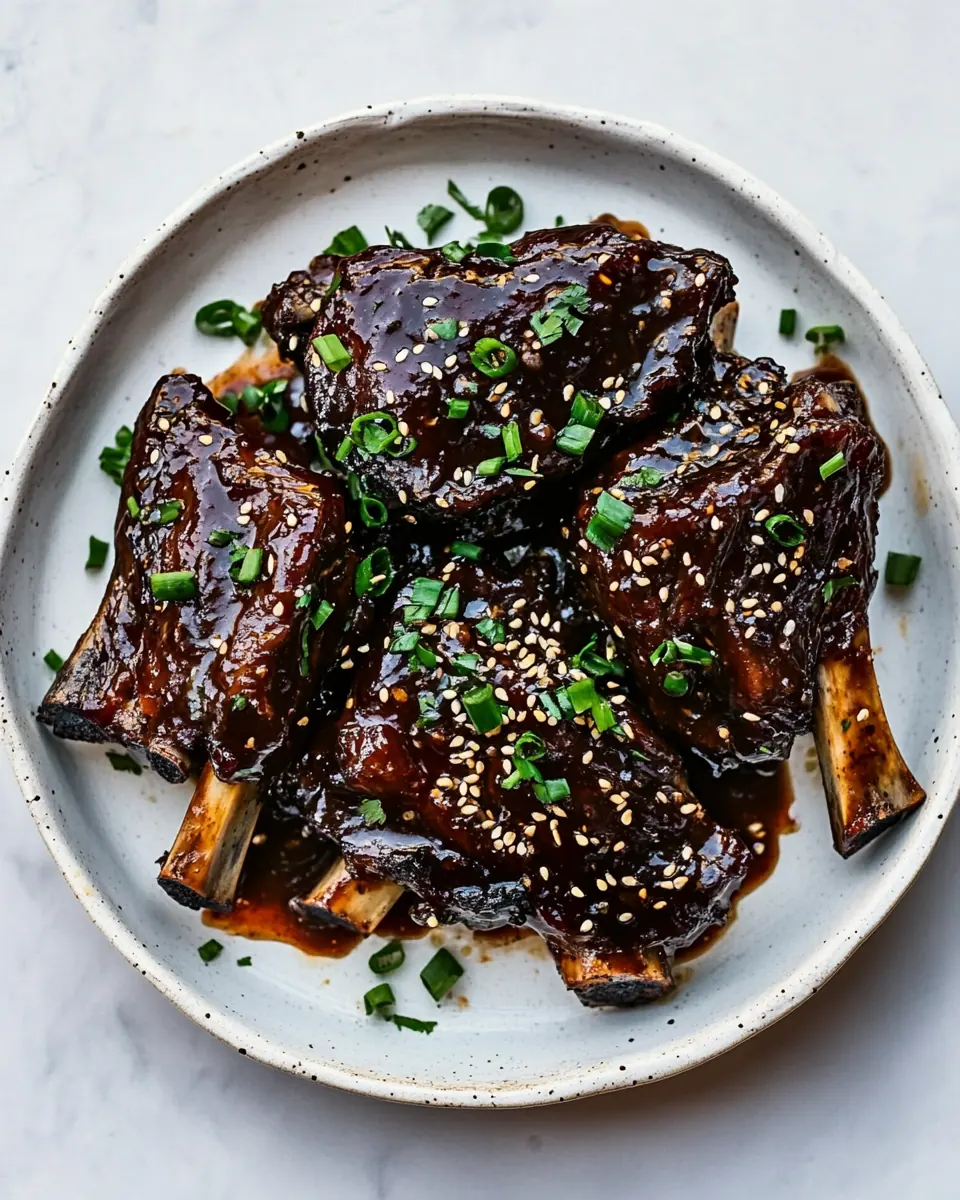
Korean Short Ribs
Ingredients
Equipment
Method
- Heat a large skillet over medium high heat and sear your short ribs on all sides, for just a minute on each side. Add your short ribs, potatoes, carrots, and sesame seeds to a crockpot.: The pan will hiss when the short ribs first hit the surface, and you should see a quick browning, not a slow gray sweat. Enjoy the nutty aroma that develops from that brief Maillard reaction, which gives the finished dish a deeper, savory backbone. If you overcrowd the pan the meat will steam instead of sear, so work in batches if needed. A common mistake is moving the ribs too soon; wait for a visible crust before turning, and use tongs to protect the crust when flipping.
- In a medium bowl, combine all your ingredients for the sauce, except the cornstarch, and stir to mix. Pour the sauce over your short ribs and vegetables. Turn your crockpot to low and cover, allow everything to cook for 8 hours.: As you stack the browned short ribs with the baby potatoes and carrots , notice how the aromas settle into the layers. The sesame seeds will toast a bit from residual heat and release a faint nutty perfume. This arrangement allows the vegetables to slowly infuse with meat juices, creating a unified flavor. Avoid placing everything in an uneven layer that leaves some pieces dry; arrange so liquid can circulate freely around each item.
- Once the 8 hours is up, remove the meat and vegetables from the crockpot, skim as much of the fatty oil off the top of the sauce as you can, and add the cornstarch to the liquid and whisk to incorporate evenly. You can trim some fat off the meat at this point as well.: When you whisk together soy sauce , brown sugar , black vinegar , beef stock , chopped apple , minced garlic , chopped onion , and seasonings, you will notice a bright, complex aroma that hints at the final glaze. This emulsion brings salty, sweet, and tangy notes into balance so they can slowly meld with the meat. A typical misstep is not dissolving the sugar fully, so stir until uniform and taste briefly to confirm balance; adjust if one element feels too sharp.
- Add the meat and vegetables back to the crockpot and allow it to cook for another 30 minutes. Just to thicken the sauce.: As the sauce cascades over the layered ribs and vegetables, it should coat each piece evenly, pooling slightly at the bottom where it will reduce and concentrate. The visual cue to look for is that all surfaces glisten, and you can smell the sauce beginning to marry with the seared meat. If you notice dry spots, tilt the crockpot or use a spoon to spread the liquid; insufficient coverage can cause uneven cooking and drier meat.
- Serve fresh, sprinkled with sesame seeds and sliced green onions.: Over several hours the kitchen fills with a deep meaty perfume and the connective tissue in the short ribs dissolves into a silky mouthfeel. You will see the liquid reduce slightly and the vegetables soften until fork tender. Patience here is rewarded with an indulgent texture, and the long cook time prevents the meat from becoming tough. A common error is using high heat to rush things, which can dry the meat and prevent proper collagen breakdown.
- Once the 8 hours is up, remove the meat and vegetables from the crockpot, skim as much of the fatty oil off the top of the sauce as you can, and add the cornstarch to the liquid and whisk to incorporate evenly: The sauce at this point carries concentrated flavors and fat; skimming reduces greasiness and lets the sauce shine. When you whisk in the cornstarch , do so gradually so the liquid becomes smooth and there are no clumps. The visual cue is a glossy consistency that coats a spoon. If you fail to whisk thoroughly, you may end up with a lumpy or pasty finish, so take the time to mix well and taste for seasoning before proceeding.
- You can trim some fat off the meat at this point as well: Trimming excess fat after the long cook is easier because the meat holds together and renders slightly, making it simple to remove large pockets. This reduces heaviness and allows the sauce to cling to leaner surfaces. Use a small knife and remove only the obvious excess; cutting away too much can strip flavor. A mistake I see is overtrimming, which sacrifices the succulence provided by moderate fat.
- Add the meat and vegetables back to the crockpot and allow it to cook for another 30 minutes: During this final simmer, the thickened sauce melds with the meat and vegetables, coating them in a glossy finish. You should hear a gentle bubbling and smell a concentrated, balanced aroma as the sauce tightens. This short finishing period ensures the sauce adheres and the flavors unify, producing a cohesive dish. Avoid skipping this step; without it the sauce may feel loose and not cling effectively.
- Just to thicken the sauce: As the sauce cooks, you will notice it become more syrupy and cling to the ribs, creating that restaurant worthy sheen. Pay attention to the viscosity, stirring gently to distribute the thickened liquid. If the sauce gets too thick, you can stir in a splash of beef stock to loosen it slightly, but do so sparingly to maintain intensity. A common pitfall is over reducing until the sauce becomes gummy; aim for a rich coat that still moves easily on the plate.
- Serve fresh, sprinkled with sesame seeds and sliced green onions: The final presentation matters; a scattering of toasted sesame seeds and bright sliced green onions provide contrast in texture and a fresh aromatic lift. You will see the sheen on the ribs and the tender vegetables nestled beneath, and the first forkful should deliver a combination of silky meat, sweet soft carrot, and melt in your mouth potato. Be mindful that garnishes should be added last to remain vibrant; adding them earlier will dull their texture and color.
Notes
- Use room temperature meat before searing, let the short ribs sit for 20 minutes so they sear more evenly and avoid chilling the pan's surface.
- Don’t overcrowd the pan when searing, because overcrowding causes steaming instead of browning, which reduces the rich flavor you want from the crust.
- Dissolve brown sugar fully when mixing the sauce, stir until homogenous to prevent grainy texture in the finished glaze.
- Skim fat after long cook to keep the sauce silky and prevent greasy mouthfeel, use a ladle or a spoon for easy removal.
- Test vegetable doneness with a fork
- Finish with sesame oil added at the end for aromatic lift, a small drizzle goes a long way to brighten the dish.