Instant Pot Chicken Noodle Soup
Instant Pot Chicken Noodle Soup is the bowl I reach for when the sky is leaden and I need something honest and healing. I remember the first time I learned to trust my pressure cooker, how the kitchen filled with steamy, herb-scented comfort as soon as the valve hissed, and how that single pot turned a hectic evening into a slow, warm exhale.
Some nights call for fuss and fanfare, others need the steady, familiar rhythm of a spoon clinking against a ceramic bowl. For me, Instant Pot Chicken Noodle Soup sits squarely in that second camp, the sort of recipe I make when I want flavorful results without a lot of hands-on drama. I love how the broth blooms with savory depth while the chicken becomes tender enough to shred with a fork. The carrots and celery keep little bursts of texture, and the egg noodles soak up the broth so you get a gentle, slurpy bite every time.
There are memories tied up in every spoonful for our household, like the week my partner came down with a cold and I made this soup three nights in a row, each bowl a small act of care. I also think about how cooking this recipe in the Instant Pot lets me get dinner on the table between late meetings and homework help, so it’s practical as well as comforting. You will find this soup flexible, forgiving, and deeply seasonal, especially on chilly winter evenings when a warm bowl feels like the kindest thing you can offer.
Recipe Snapshot
30 mins
10 mins
20 mins
Medium
350 kcal
American
Paleo, Gluten-Free
Soups
Instant Pot, Wooden spoon, Two forks
What Sets This Instant Pot Chicken Noodle Soup Apart
Flavor that develops fast
I love how Instant Pot Chicken Noodle Soup delivers layered flavor without hours on the stove. The pressure cooking concentrates the savory notes of the chicken and chicken stock, giving you a rich broth in a fraction of the time. You get that slow-simmered depth, but in a hurry, which is a huge win on busy evenings.
Comfort with texture
One thing that always makes me smile is the way the egg noodles and shredded chicken behave in the bowl. The noodles soak up just enough broth to feel comforting, while the carrots and celery keep a gentle bite. That contrast between silky broth and tender vegetables is what turns soup into satisfaction.
Easy, dependable technique
Using the Instant Pot removes the guesswork. I appreciate how predictable the timing is, especially the natural pressure release that keeps the chicken moist. For weeknights when you cannot babysit the stove, this method feels like a reliable friend you can call on without fuss.
Minimal ingredients, maximum warmth
This recipe relies on pantry-friendly items like Italian seasoning and a single bay leaf, yet the result is anything but basic. Those small additions lift the broth so it tastes homey and thoughtful. You won’t need long ingredient lists to create something nourishing and memorable.
Kid friendly and crowd pleasing
Finally, I keep making this soup because it appeals to everyone. The flavors are gentle enough for picky eaters, but satisfying for adults too. I’ve brought it to potlucks and it vanishes, and I often find myself making a double batch to ensure there are leftovers for lunch the next day.
Shopping List for Instant Pot Chicken Noodle Soup
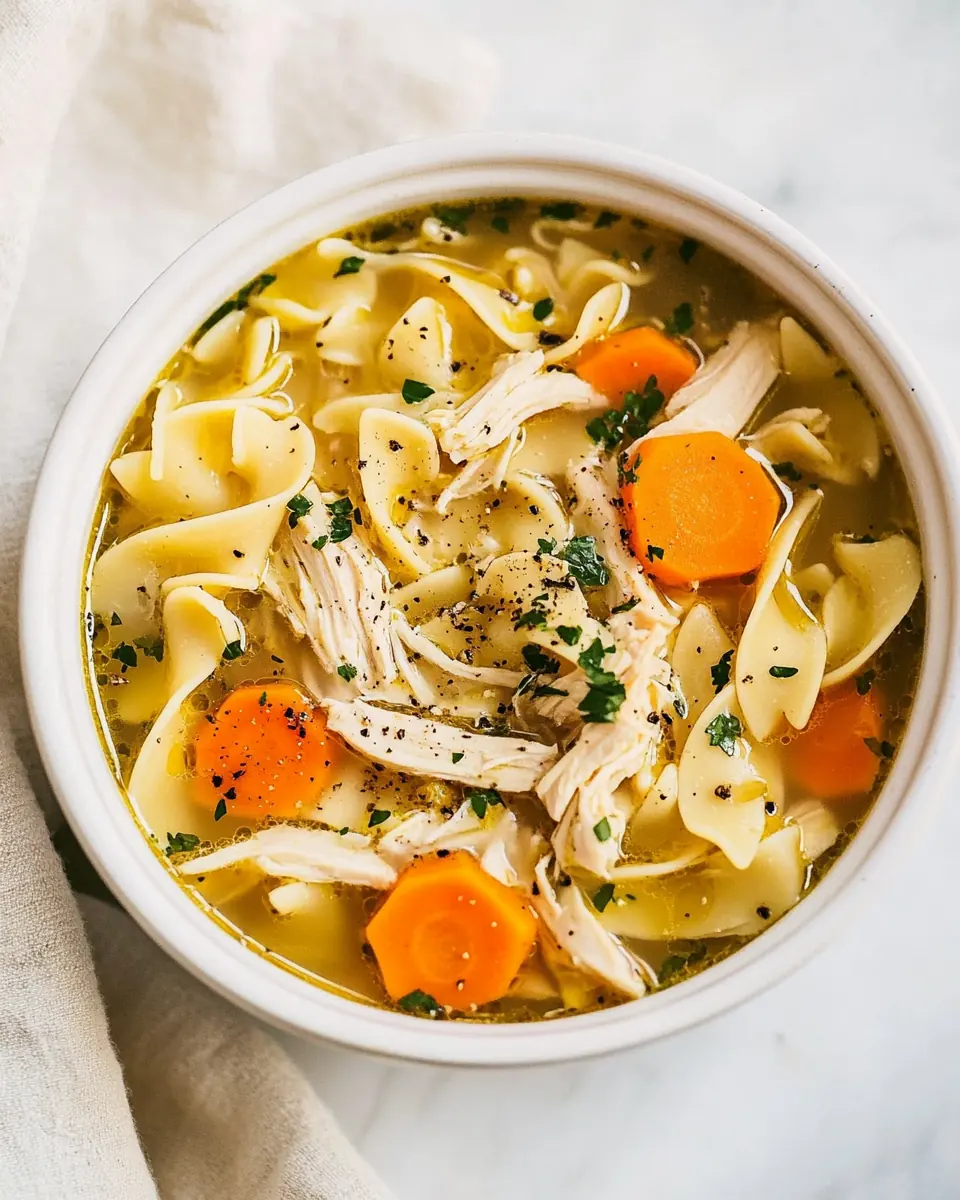
These ingredients form a simple, balanced melody. The focus here is on a savory broth, tender protein, and humble vegetables that together create warmth and texture. The key players are the chicken and chicken stock which build the soup’s backbone, while the carrots, celery, and onion provide aromatic brightness and bite. The egg noodles deliver that nostalgic, slurpable finish.
- 1 tablespoon olive oil: Sauté to begin the soup by adding flavor and a light base; olive oil helps brown aromatics and prevents sticking while carrying fatsoluble flavors through the dish. Use a tablespoon to gently cook vegetables without overpowering the broth, and it contributes a subtle fruity note that complements poultry.
- 2 large carrots, peeled and sliced: Peel and slice to add sweet, earthy texture and natural sugars that deepen the soup's flavor as they soften; carrots provide color and a tender bite when simmered. Include evenly sized slices so they cook uniformly in the pot and release nutrients that enrich the broth.
- 2 large celery sticks, sliced: Slice to introduce crisp vegetal flavor and a mild, slightly peppery aroma that balances sweetness from carrots; celery adds body and aromatic depth when cooked down. Maintain consistent slice thickness to ensure even cooking and to create a pleasant textural contrast with noodles and chicken.
- 1 small onion, diced: Dice to contribute aromatic sharpness and savory depth; onion softens and mellows into a sweet backbone for the soup as it cooks. Add early in the sautéing stage to release sugars and build a flavorful base that enhances the overall broth complexity.
- 2 cloves garlic, minced: Mince to release pungent, aromatic oils that boost savory notes and add warmth; garlic mellows with cooking and infuses the broth. Add after onions begin to soften so it flavors the soup without burning and integrates smoothly into the stock.
- 1 pound boneless, skinless chicken breasts: Cook as the primary protein that provides richness and body to the soup; boneless, skinless chicken breasts become tender and shred easily when pressure-cooked. Ensure proper internal temperature for safety, and slice or shred after cooking to distribute protein throughout the soup.
- 6 cups chicken stock: Pour to form the liquid base that carries all flavors and hydrates ingredients; chicken stock supplies savory umami and depth essential to a comforting soup. Use good-quality stock for a richer taste and to reduce the need for extra seasoning.
- 2 teaspoons dried Italian seasoning: Sprinkle to impart a balanced blend of herbs—oregano, basil, thyme, and others—that create classic Italian flavor notes; dried Italian seasoning adds consistent herbal complexity. Use measurably to avoid overpowering the broth and to complement both chicken and vegetables.
- 1 dried bay leaf: Add whole to provide a subtle, aromatic background note; a dried bay leaf releases herbal, slightly floral flavors that deepen the broth during simmering. Remove the bay leaf before serving to prevent an unpleasant texture and to maintain smooth eating.
- 8 ounces egg noodles: Stir in to supply hearty, comforting body and a chewy contrast to the tender vegetables and chicken; egg noodles absorb flavor and thicken the soup slightly. Cook to al dente to avoid becoming mushy, and add toward the end of cooking to preserve texture.
Making This Instant Pot Chicken Noodle Soup
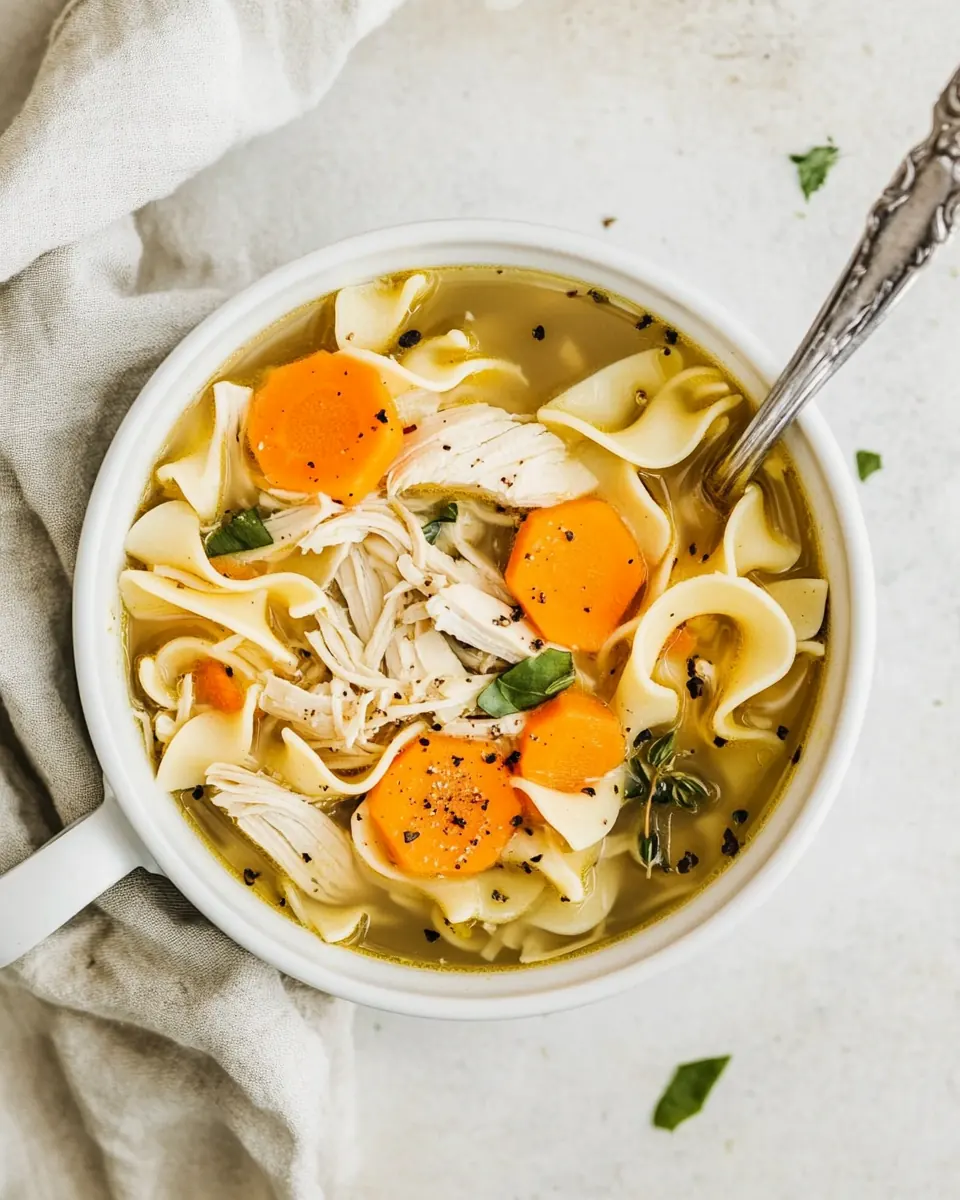
These directions will take you step by step through the smart use of pressure cooking to build deep flavor quickly. The sequence matters because layers of aroma develop as you sauté, pressure cook, and then finish with noodles, so follow the flow to get the most from each ingredient.
- Heat the Instant Pot using the Sauté function.: The air warms and you may hear a light hum as the pot comes up to temperature, which is important because a hot base helps the olive oil shimmer and the vegetables begin to color quickly. You want to feel the pot getting hot beneath your hand, and the surface should glimmer when the oil goes in, signaling it is ready. This initial heat jumpstarts the Maillard reaction on the carrots and onion , giving the eventual broth richer notes. One common mistake is adding cold oil to a cold pot, which prevents proper browning and can result in a flatter flavor profile.
- Add the olive oil, carrots, celery, and onion. Cook, stirring occasionally, until the vegetables are tender and starting to brown, about 5 minutes.: As you introduce the chopped vegetables, they should sizzle softly and start to release moisture. The scent shifts from raw to sweet and aromatic as the edges take on light golden flecks; that golden hue is your cue that sugars are caramelizing. Keep everything moving with a wooden spoon so the vegetables cook evenly and do not stick, which would create bitter spots. If you crowd the pot too much, the vegetables steam instead of brown, which reduces that deeper sweetness you want.
- Add the garlic and cook for an additional minute.: You will notice a mellow sweetness and the pot picking up fond, those brown bits that cling to the bottom, which is full of flavor. Stir every so often, scraping the base to prevent scorching, and watch the texture shift from firm to tender. If the vegetables are still pale after five minutes, increase the heat briefly to encourage browning, but be cautious because very high heat can scorch quickly and add a burnt taste.
- Next, add the chicken, chicken stock, water, Italian seasoning, and bay leaf.: The aroma of the garlic should bloom immediately, fragrant and heady, but do not let it brown too much since burnt garlic tastes acrid. Stir so the garlic becomes glossy and aromatic, about a minute, releasing its oils into the pot and deepening the savory base. A typical slip here is leaving the garlic unattended until it darkens, which will impart bitterness rather than flavor nuance.
- Attach the lid and ensure the valve is in the sealing position.: When the liquids join the pot, they will steam and lift the fond, dissolving those browned bits into the broth and creating instant umami. The chicken should be mostly submerged so it cooks evenly, and the dried herbs will rehydrate and perfume the liquid. This step is crucial because the interaction between hot liquid and fond is what makes the broth sing. Filling the pot unevenly or using too little liquid can cause uneven cooking and a denser texture in the chicken .
- Set the Instant Pot to Pressure Cook – Manual for 12 minutes.: You will feel the lid lock into place, which creates a sealed environment that lets pressure build. When the valve is properly sealed, steam won’t escape, which is how the chicken becomes tender quickly. Listen for a faint hiss as pressure starts to accumulate. A frequent oversight is mispositioning the valve, which prevents pressure from forming and results in undercooked meat.
- Once the instant pot has finished cooking, allow the pressure to release naturally for 10 minutes.: During pressure cooking, the aromas deepen and the chicken breaks down into tender strands while the stock concentrates. The pot may feel slightly warm to the touch, and that contained heat infuses flavor efficiently. This timing is calibrated for breasts to be cooked through yet still juicy. A common error is overcooking at high pressure, which can dry the chicken or make it stringy.
- Release any additional pressure manually by switching the valve to the venting position.: As pressure eases slowly, the juices redistribute through the chicken , helping it stay moist. You will notice the pressure indicator drop gradually, and the gentle hiss of slow release is normal. This resting window is like a short nap for the soup that improves texture. Forcing a quick release here can cause the liquid to spit and the chicken to tighten up.
- Remove the chicken and bay leaf. Set the Instant Pot to the Sauté function again and add the egg noodles. Cook according to the package directions– or just until the noodles are soft.: When you open the valve, expect a controlled rush of steam that clears the pot interior and readies it for the final steps. Use a long-handled tool or a towel to protect your hand, and stand back as steam escapes. This action equalizes pressure quickly so you can proceed safely. Accidentally leaning over the valve while venting is a safety risk and may result in steam burns, so keep a safe distance.
- While the noodles cook, shred the chicken. Once the chicken has been shredded, add it back to the Instant Pot and stir to combine. Season with salt and pepper to taste.: The removed chicken will feel incredibly tender, and the broth will be intensely aromatic without the astringent note of the whole bay leaf . Transfer the chicken to a plate to shred, and discard the bay leaf to avoid an overpowering herbal bite. If you leave the leaf in, it can lend a bitter edge, so remove it carefully.
- Enjoy warm. Store any leftovers in an airtight container in the fridge for up to three days.: The broth will come to a gentle simmer, and adding the egg noodles now allows them to cook to tender perfection while absorbing flavor. You should see soft bubbling as the noodles swell and release a comforting wheat aroma. Stir occasionally to keep the noodles from sticking to the bottom. Overcooking the noodles in the pot can make them mushy, so follow the package cues and check frequently.
- Cook according to the package directions or just until the noodles are soft: Softness is the goal, with the noodles yielding but not falling apart, providing pleasant mouthfeel. Taste a noodle to judge; it should have a slight spring but no chalkiness. If the broth seems too intense after the noodles soak up liquid, you can loosen it with a splash more hot stock or water, but avoid diluting too much which can flatten the flavor.
- While the noodles cook, shred the chicken: Use two forks to pull the chicken into long, tender ribbons, noticing how the strands soak up liquid and collapse into plush texture. Shredding by hand gives you control over chunk size so every spoonful balances meat and noodle. A common mistake is shredding while the meat is too hot to handle, which can be uncomfortable; let it rest briefly so you can shred efficiently.
- Once the chicken has been shredded, add it back to the Instant Pot and stir to combine: The moment the shredded chicken hits the hot broth, it relaxes and melds with the noodles and vegetables, creating a cohesive bowl. Stir gently to distribute the meat evenly, and season with salt and pepper to taste, tasting as you go so you do not over-salt. Over-seasoning at the end is harder to correct, so add incrementally and sample.
- Enjoy warm: Serve the soup in warmed bowls so the heat lingers, and notice the steam rising with fragrant notes of herb and chicken . The contrast between the hot broth and tender components is most enjoyable right away, so plan to eat while it is fresh. Letting it sit too long will make the noodles continue to absorb liquid and can change the texture.
- Store any leftovers in an airtight container in the fridge for up to three days: The soup keeps well chilled, and flavors often meld further after a day. When reheating, do so gently on the stove to preserve noodle texture, or separate the noodles before storing to maintain their bite. A frequent storage pitfall is leaving soup at room temperature too long, which can encourage bacteria, so refrigerate promptly.
Tips and Variations
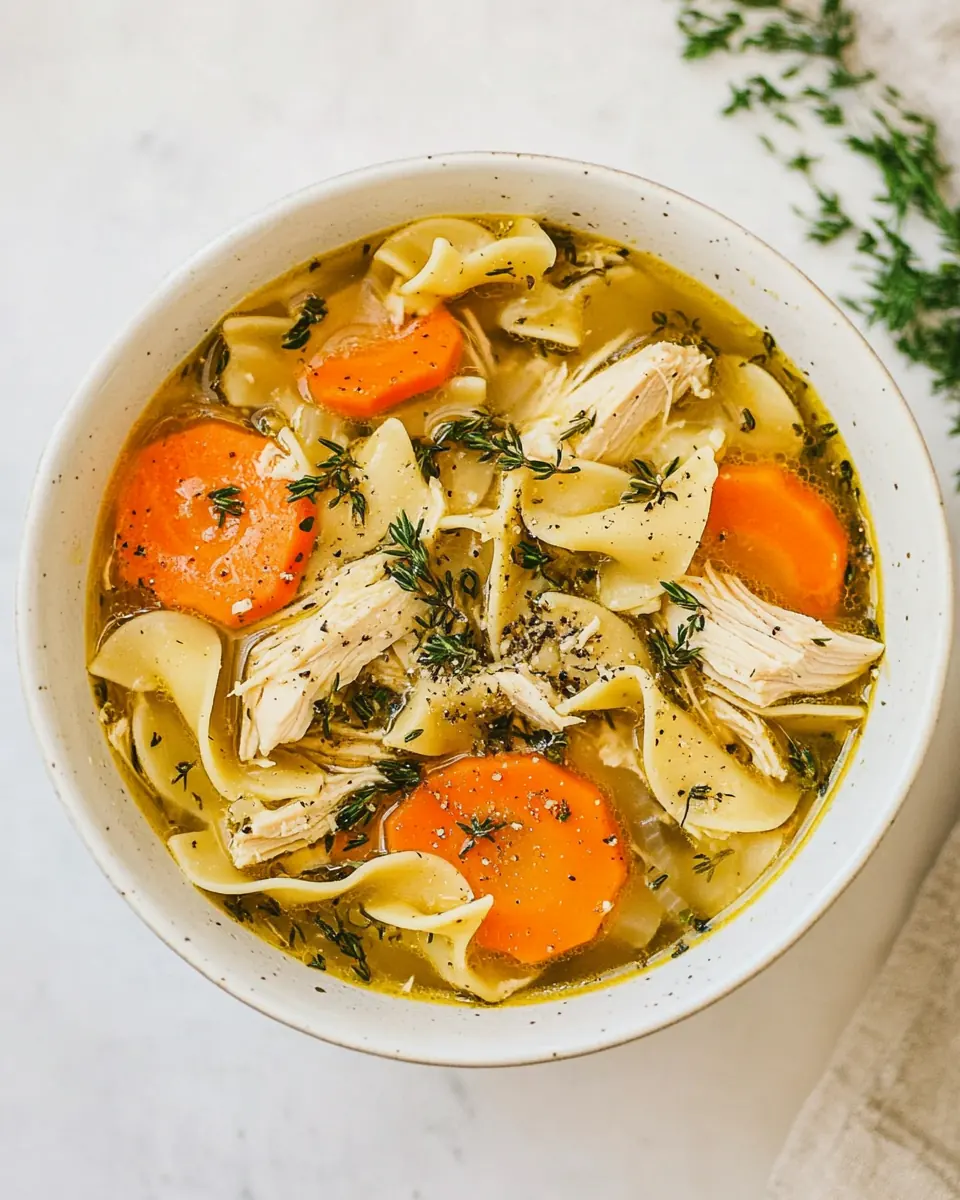
This list collects practical ways to personalize and troubleshoot the recipe, while keeping the core comfort intact. Small changes can tailor the soup to taste, texture preferences, or what you already have in the pantry.
- Swap noodles timing If you prefer firmer egg noodles, cook them separately and add to bowls at serving time to avoid softening in leftovers.
- Broth brightness Finish with a squeeze of lemon or a splash of simple acid for brightness, adding a fresh contrast to the savory base.
- Herb boost Stir in fresh chopped parsley at the end to lift the flavor and add a green pop that complements the dried Italian seasoning.
- Make it ahead Prepare the soup through the pressure cooking step, cool quickly, and refrigerate; add noodles and reheat when ready to serve for best texture.
- Adjust seasoning gradually Salt in small increments at the end, tasting as you go, because concentrated stock can vary in sodium.
What to Serve Alongside Instant Pot Chicken Noodle Soup
This soup is versatile enough to stand alone or pair with simple sides. Think about texture contrasts and temperature balance when selecting accompaniments. For casual lunches or quiet dinners, I like to add a crisp element and something soft to scoop up the broth.
- Crusty bread A warm slice of crusty bread or a soft roll is perfect for dipping into the hot broth and soaking up the savory juices.
- Light green salad A tossed salad with a bright vinaigrette provides a crisp, acidic counterpoint to the warm, soothing soup, making the meal feel balanced.
- Steamed vegetables Simple steamed greens or roasted root vegetables can add color and additional nutrients for a heartier plate.
- Occasions This soup fits weeknight dinners, lunch with friends, and quiet winter nights; it is especially comforting during cold weather or when someone needs something gentle to eat.
- Storage tips Store leftovers in airtight containers in the fridge for up to three days; consider keeping noodles separate if you plan to reheat often to preserve texture.
- Seasonal pairings In winter, pair with a hot herbal tea; in milder months, a chilled light white or a sparkling water with lemon complements the bowl.
FAQ
Conclusion
This version of Instant Pot Chicken Noodle Soup shines because it balances speed and deep, homey flavor. The pressure cooking concentrates the savory broth while keeping the meat tender, and finishing with egg noodles creates that classic, comforting bowl we all love. I encourage you to give it a try on a weeknight when time is short but you still want something nourishing and familiar. It’s the kind of recipe that rewards a small amount of hands-on care with a big, warming result.
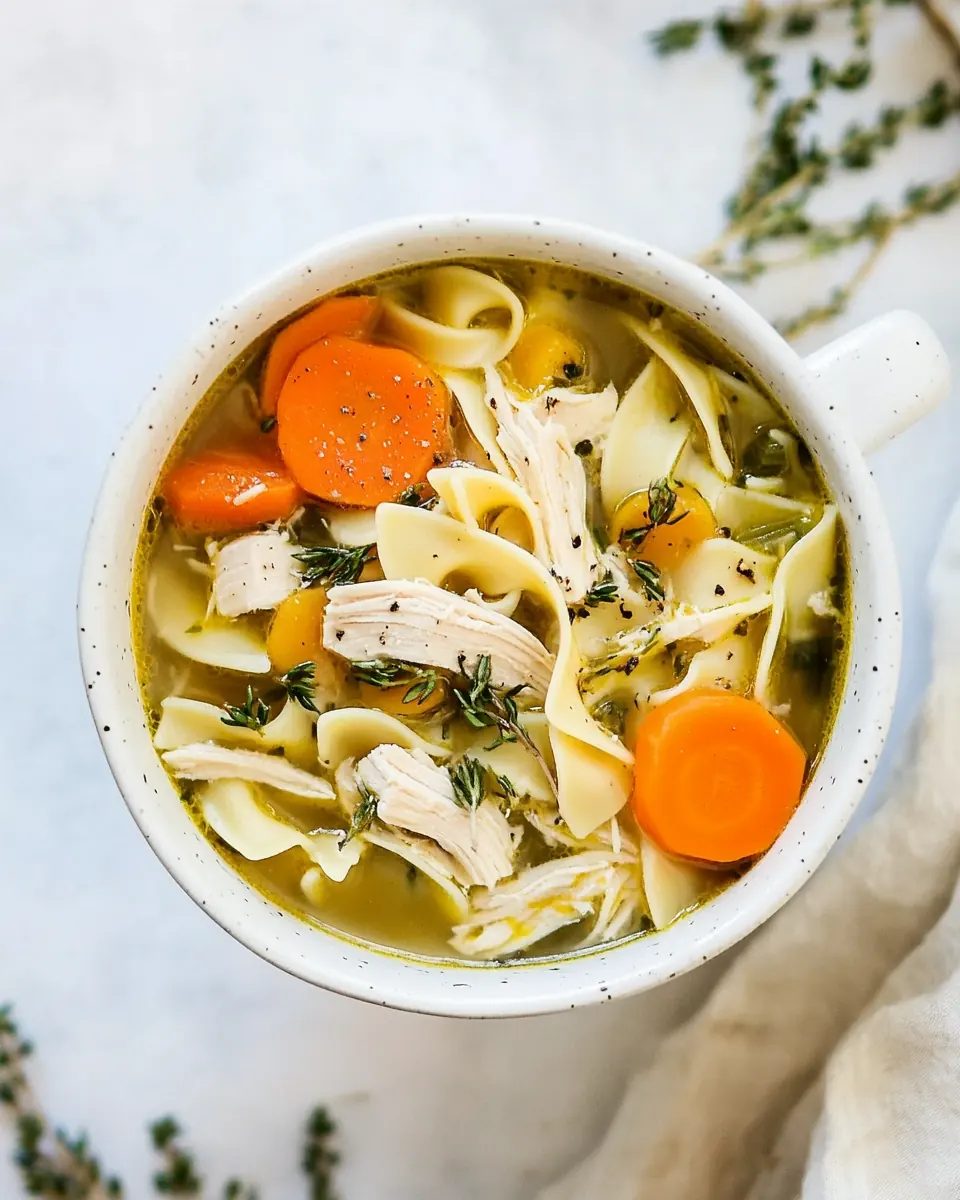
Instant Pot Chicken Noodle Soup
Ingredients
Equipment
Method
- Heat the Instant Pot using the Sauté function.: The air warms and you may hear a light hum as the pot comes up to temperature, which is important because a hot base helps the olive oil shimmer and the vegetables begin to color quickly. You want to feel the pot getting hot beneath your hand, and the surface should glimmer when the oil goes in, signaling it is ready. This initial heat jumpstarts the Maillard reaction on the carrots and onion , giving the eventual broth richer notes. One common mistake is adding cold oil to a cold pot, which prevents proper browning and can result in a flatter flavor profile.
- Add the olive oil, carrots, celery, and onion. Cook, stirring occasionally, until the vegetables are tender and starting to brown, about 5 minutes.: As you introduce the chopped vegetables, they should sizzle softly and start to release moisture. The scent shifts from raw to sweet and aromatic as the edges take on light golden flecks; that golden hue is your cue that sugars are caramelizing. Keep everything moving with a wooden spoon so the vegetables cook evenly and do not stick, which would create bitter spots. If you crowd the pot too much, the vegetables steam instead of brown, which reduces that deeper sweetness you want.
- Add the garlic and cook for an additional minute.: You will notice a mellow sweetness and the pot picking up fond, those brown bits that cling to the bottom, which is full of flavor. Stir every so often, scraping the base to prevent scorching, and watch the texture shift from firm to tender. If the vegetables are still pale after five minutes, increase the heat briefly to encourage browning, but be cautious because very high heat can scorch quickly and add a burnt taste.
- Next, add the chicken, chicken stock, water, Italian seasoning, and bay leaf.: The aroma of the garlic should bloom immediately, fragrant and heady, but do not let it brown too much since burnt garlic tastes acrid. Stir so the garlic becomes glossy and aromatic, about a minute, releasing its oils into the pot and deepening the savory base. A typical slip here is leaving the garlic unattended until it darkens, which will impart bitterness rather than flavor nuance.
- Attach the lid and ensure the valve is in the sealing position.: When the liquids join the pot, they will steam and lift the fond, dissolving those browned bits into the broth and creating instant umami. The chicken should be mostly submerged so it cooks evenly, and the dried herbs will rehydrate and perfume the liquid. This step is crucial because the interaction between hot liquid and fond is what makes the broth sing. Filling the pot unevenly or using too little liquid can cause uneven cooking and a denser texture in the chicken .
- Set the Instant Pot to Pressure Cook – Manual for 12 minutes.: You will feel the lid lock into place, which creates a sealed environment that lets pressure build. When the valve is properly sealed, steam won’t escape, which is how the chicken becomes tender quickly. Listen for a faint hiss as pressure starts to accumulate. A frequent oversight is mispositioning the valve, which prevents pressure from forming and results in undercooked meat.
- Once the instant pot has finished cooking, allow the pressure to release naturally for 10 minutes.: During pressure cooking, the aromas deepen and the chicken breaks down into tender strands while the stock concentrates. The pot may feel slightly warm to the touch, and that contained heat infuses flavor efficiently. This timing is calibrated for breasts to be cooked through yet still juicy. A common error is overcooking at high pressure, which can dry the chicken or make it stringy.
- Release any additional pressure manually by switching the valve to the venting position.: As pressure eases slowly, the juices redistribute through the chicken , helping it stay moist. You will notice the pressure indicator drop gradually, and the gentle hiss of slow release is normal. This resting window is like a short nap for the soup that improves texture. Forcing a quick release here can cause the liquid to spit and the chicken to tighten up.
- Remove the chicken and bay leaf. Set the Instant Pot to the Sauté function again and add the egg noodles. Cook according to the package directions– or just until the noodles are soft.: When you open the valve, expect a controlled rush of steam that clears the pot interior and readies it for the final steps. Use a long-handled tool or a towel to protect your hand, and stand back as steam escapes. This action equalizes pressure quickly so you can proceed safely. Accidentally leaning over the valve while venting is a safety risk and may result in steam burns, so keep a safe distance.
- While the noodles cook, shred the chicken. Once the chicken has been shredded, add it back to the Instant Pot and stir to combine. Season with salt and pepper to taste.: The removed chicken will feel incredibly tender, and the broth will be intensely aromatic without the astringent note of the whole bay leaf . Transfer the chicken to a plate to shred, and discard the bay leaf to avoid an overpowering herbal bite. If you leave the leaf in, it can lend a bitter edge, so remove it carefully.
- Enjoy warm. Store any leftovers in an airtight container in the fridge for up to three days.: The broth will come to a gentle simmer, and adding the egg noodles now allows them to cook to tender perfection while absorbing flavor. You should see soft bubbling as the noodles swell and release a comforting wheat aroma. Stir occasionally to keep the noodles from sticking to the bottom. Overcooking the noodles in the pot can make them mushy, so follow the package cues and check frequently.
- Cook according to the package directions or just until the noodles are soft: Softness is the goal, with the noodles yielding but not falling apart, providing pleasant mouthfeel. Taste a noodle to judge; it should have a slight spring but no chalkiness. If the broth seems too intense after the noodles soak up liquid, you can loosen it with a splash more hot stock or water, but avoid diluting too much which can flatten the flavor.
- While the noodles cook, shred the chicken: Use two forks to pull the chicken into long, tender ribbons, noticing how the strands soak up liquid and collapse into plush texture. Shredding by hand gives you control over chunk size so every spoonful balances meat and noodle. A common mistake is shredding while the meat is too hot to handle, which can be uncomfortable; let it rest briefly so you can shred efficiently.
- Once the chicken has been shredded, add it back to the Instant Pot and stir to combine: The moment the shredded chicken hits the hot broth, it relaxes and melds with the noodles and vegetables, creating a cohesive bowl. Stir gently to distribute the meat evenly, and season with salt and pepper to taste, tasting as you go so you do not over-salt. Over-seasoning at the end is harder to correct, so add incrementally and sample.
- Enjoy warm: Serve the soup in warmed bowls so the heat lingers, and notice the steam rising with fragrant notes of herb and chicken . The contrast between the hot broth and tender components is most enjoyable right away, so plan to eat while it is fresh. Letting it sit too long will make the noodles continue to absorb liquid and can change the texture.
- Store any leftovers in an airtight container in the fridge for up to three days: The soup keeps well chilled, and flavors often meld further after a day. When reheating, do so gently on the stove to preserve noodle texture, or separate the noodles before storing to maintain their bite. A frequent storage pitfall is leaving soup at room temperature too long, which can encourage bacteria, so refrigerate promptly.
Notes
- Swap noodles timing If you prefer firmer egg noodles, cook them separately and add to bowls at serving time to avoid softening in leftovers.
- Broth brightness Finish with a squeeze of lemon or a splash of simple acid for brightness, adding a fresh contrast to the savory base.
- Herb boost Stir in fresh chopped parsley at the end to lift the flavor and add a green pop that complements the dried Italian seasoning.
- Make it ahead Prepare the soup through the pressure cooking step, cool quickly, and refrigerate; add noodles and reheat when ready to serve for best texture.
- Adjust seasoning gradually Salt in small increments at the end, tasting as you go, because concentrated stock can vary in sodium.