Sheet Pan Sausage and Veggies
Sheet Pan Sausage and Veggies has been my go to on busy weeknights when I want something hearty without fuss. The first time I tossed everything onto one pan I remember how the kitchen filled with a warm, savory aroma that made everyone gravitate toward the oven. I loved how the simple act of roasting transformed humble ingredients into something comforting and robust.
There is a little ritual that makes this dish feel like home for me. I like to lay out the baby Yukon gold potatoes and brussel sprouts in neat rows, slice the Andouille sausage into coins, and drizzle everything with olive oil and the dried Italian seasoning. While the pan roasts, I tidy up the counter and pour a glass of water, and by the time I sit down, the table smells of caramelized edges and peppery sausage. Friends always ask for the recipe, because it looks effortless but tastes like I spent hours.
Recipe Snapshot
35 mins
10 mins
25 mins
Easy
350 kcal
American
Paleo, Gluten-Free
Dinner
Sheet pan, Mixing bowls, Knife, Cutting board
Why You’ll Love This Sheet Pan Sausage and Veggies
One pan minimalism that actually delivers
I love how Sheet Pan Sausage and Veggies cuts down cleanup without sacrificing flavor. Roasting everything together lets savory juices mingle so you get concentrated, golden bites of potatoes and brussel sprouts with every forkful.
Bold, smoky notes with simple pantry staples
The Andouille sausage brings a smoky heat that needs no elaborate sauce. Paired with a modest mix of olive oil and dried Italian seasoning, the flavor profile feels intentional yet approachable, perfect when you want big taste without a long ingredient list.
Fast enough for weeknight dinner, pretty enough for guests
This recipe cooks quickly and looks attractive on the table. I often serve it straight from the sheet pan, because the roasted browning on the baby Yukon gold potatoes and the crisped edges of the brussel sprouts make a rustic, inviting presentation.
Flexible and forgiving
I appreciate that the method tolerates slight variations. If your vegetables are a touch larger or smaller, or your oven runs hot, you can still adapt the timing and end up with great results. That forgiving nature makes it a reliable recipe I reach for over and over.
Accessible technique for any cook
You do not need special equipment or advanced skills to succeed. The straightforward steps let newer cooks build confidence while experienced cooks enjoy a fast, satisfying meal. I find its simplicity is exactly why it shines.
What to Buy for Sheet Pan Sausage and Veggies
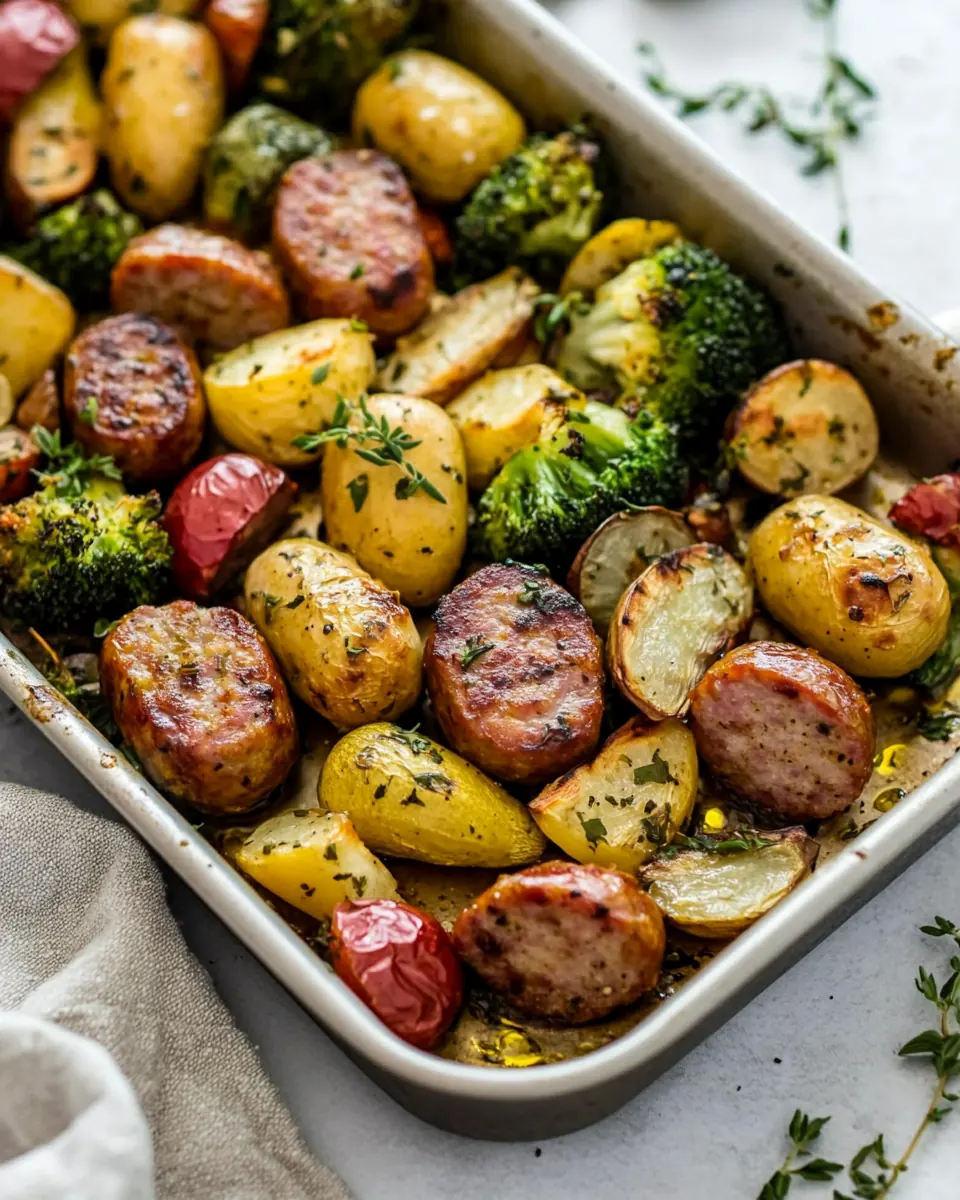
These ingredients are intentionally uncomplicated, chosen to work in harmony on one sheet pan. The key players are the potatoes for creaminess, the brussel sprouts for a slightly bitter crunch, and the Andouille sausage for smoky, hearty flavor. A little olive oil and dried Italian seasoning round everything out, while salt and cracked pepper sharpen the overall profile.
- 1 pound baby Yukon gold potatoes (or fingerling potatoes): Provide small, tender potatoes that roast evenly and form a crispy exterior while staying creamy inside; cut into uniform pieces to ensure consistent cooking with the sausage and vegetables. Add natural starches that absorb seasonings and pan drippings, enriching the overall flavor and texture of the sheet pan meal.
- 14 ounces Andouille sausage: Contribute smoky, spicy protein that cooks alongside vegetables, releasing savory fats that brown and flavor the potatoes and brussels sprouts. Slice into coins or bite-sized pieces so the sausage renders and caramelizes, creating concentrated pockets of flavor throughout the dish.
- 10 ounces brussel sprouts: Offer a firm, slightly bitter vegetable that crisps at the edges and softens internally when roasted; trim and halve larger sprouts to promote even caramelization. Provide a contrasting texture and earthy flavor that pairs well with the sausage and potatoes, balancing richness with vegetal freshness.
- 3 tablespoons olive oil: Coat all ingredients to promote even browning and help seasonings adhere; use a high-quality olive oil for a mild fruity note and good roasting performance. Drizzle and toss thoroughly to ensure potatoes and brussels sprouts become golden and not dry during high-heat baking.
- 1 tablespoon dried Italian seasoning: Impart a balanced blend of Mediterranean herbs that elevates the savory profile with oregano, basil, rosemary and thyme notes; sprinkle evenly to season all components. Rehydrate slightly during roasting to release aromatic oils that complement the sausage and vegetables.
- 1 teaspoon Kosher salt: Enhance overall taste by drawing out natural flavors and balancing sweetness and bitterness; dissolve into the oil to season potatoes, sausage, and sprouts evenly. Use measured kosher salt to avoid over-salting while maximizing savory depth throughout the sheet pan.
- 1/2 teaspoon cracked black pepper: Add a subtle, sharp heat and aromatic complexity that brightens roasted flavors and provides a peppery finish; crack freshly for best aroma. Sprinkle sparingly to complement the sausage's spice without overpowering the other ingredients.
Recipe Directions for Sheet Pan Sausage and Veggies
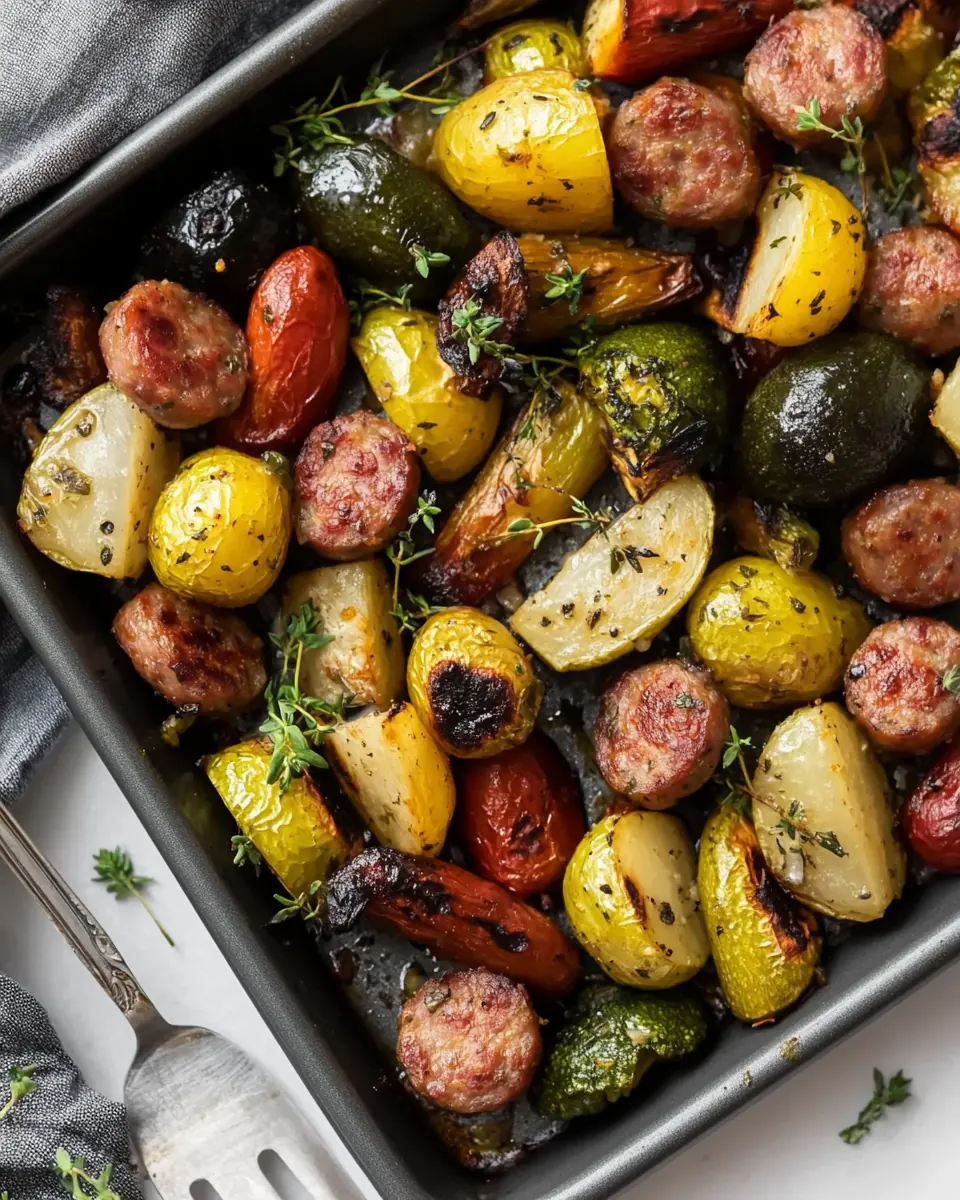
These directions are straightforward yet detailed enough to help you achieve perfect roast and caramelization. Read through once, then follow each step while paying attention to the sensory cues I describe below.
- Preheat the oven to 400° Fahrenheit. Spray a sheet pan with non-stick cooking spray and set aside.: You will notice the oven warming and the air in the kitchen becoming dry and warm, which sets the stage for crisping. A fully preheated oven ensures the exterior of the potatoes and brussel sprouts begin browning immediately, creating a contrast between a crunchy surface and a tender inside. The sound is subtle here, mostly the hum of the oven and the faint scent of heat. If you do not preheat correctly, items may overcook while waiting for color, so avoid starting with a cold oven. A common mistake is setting the wrong temperature, which can lead to limp vegetables rather than roasted ones.
- Cut the potatoes and Brussel sprouts by cutting them into halves. Place the potato and Brussel sprout halves into separate bowls. You can combine them into one bowl if you like! I just like how pretty it looks separated on the pan. My guests can also pick how much of each ingredient they would like.: The slick surface prevents sticking and promotes even contact so the vegetables can brown. When the pan is ready, the surface will glisten slightly under the light. This small step matters because stuck bits are harder to turn and can tear delicate edges off the brussel sprouts . If you prefer, a light coating of olive oil works too, but be careful not to use too much oil as it can pool and steam rather than roast. Avoid placing ingredients on a cold or untreated pan, which increases the chance of uneven cooking.
- Add 2 tablespoons olive oil to the potatoes and the remaining 1 tablespoon to the bowl of Brussel sprouts. Toss each bowl to coat the ingredients.: The fragrant, slightly earthy scent of freshly cut potatoes will be present, and the exposed surfaces brown more readily. Halving creates similar piece sizes so they roast at roughly the same rate, producing consistent tenderness. Visually, the flat cut side will take on a golden hue and the edges will become crisp. Overcutting into very small pieces can dry them out, while leaving them whole may result in undercooked centers, so aim for uniform halves.
- Evenly sprinkle the Italian herbs, salt, and pepper over the potatoes and Brussel sprouts. Toss to coat evenly.: Separating them lets you dress each with the correct amount of olive oil and seasoning for balanced flavor. You will feel the slight weight of the bowls and hear the gentle clink as you move pieces around. This separation helps prevent the denser potatoes from stealing too much seasoning or oil, and it makes arranging the pan more attractive. A common pitfall is overcrowding bowls and mashing pieces together, which makes tossing uneven and can bruise the vegetables.
- Spread the potatoes, Brussel sprouts, and sliced sausage onto the prepared sheet pan. Place in the oven and cook for 25 minutes or until the sausage is cooked through and the vegetables are fork tender. Enjoy!: The oil will shimmer on the surface of the vegetables and help herbs adhere. Coating the potatoes with more oil than the brussel sprouts helps them brown thoroughly while keeping the sprouts from becoming overly greasy. Oil also helps conduct heat and create those inviting roasted flavors. Too little oil leads to dry, pale vegetables, while too much causes shallow frying rather than roasting, so measure closely.
- Toss each bowl to coat the ingredients: As you toss, you will hear soft clattering and see the oil and herbs cling to surfaces, creating a glossy sheen. Proper tossing ensures even seasoning distribution so every bite is flavorful. The tactile feedback of the pieces moving freely indicates they are well coated. If pieces stick together, separate them gently so they roast individually; crowded clumps steam rather than brown, and that prevents the development of caramelized edges.
- Evenly sprinkle the Italian herbs, salt, and pepper over the potatoes and Brussel sprouts: The aroma of dried Italian seasoning will bloom as it is scattered, giving a herbal lift. Even sprinkling is critical so you do not get pockets that are over salted or undertitled. When the herbs hit the warm oil on the vegetables, they release scent and begin to infuse the surface. A misstep is dumping seasoning unevenly; to avoid that, pinch and distribute with care, then toss gently to integrate.
- Toss to coat evenly: After seasoning, tossing further melds the flavors and ensures each piece has a thin veil of oil and herb. You will see a consistent coating and hear the pieces moving freely again. This step enhances surface contact with the pan, which encourages even browning. If you rush or skip this, some pieces will remain dry and fail to develop the desired color. Be gentle when tossing to keep pieces intact and uniformly seasoned.
- Spread the potatoes, Brussel sprouts, and sliced sausage onto the prepared sheet pan: Lay everything in a single layer so air circulates and surfaces brown. The visual cue is a non overlapping arrangement with small gaps between pieces. Proper spacing prevents steaming and promotes the sizzling sound as edges meet the hot metal. Overcrowding is a frequent error that yields soggy, pale results; if your pan is too full, use two pans or roast in batches.
- Place in the oven and cook for 25 minutes or until the sausage is cooked through and the vegetables are fork tender: As the pan roasts, you will hear gentle crackling and smell rich, roasted aromas. The Andouille sausage should show browned edges and the juices will mingle with the vegetables, creating concentrated flavor. Test doneness with a fork; the potatoes should pierce easily and the brussel sprouts should have browned outer leaves. If you cut the sausage too thick, it may need a bit more time, so slice uniformly to avoid undercooking. Remove when the sensory cues match these descriptions to ensure perfect texture and safety.
- Enjoy: After roasting, allow the pan to rest briefly so flavors settle and the juices redistribute. Take in the final aroma, and serve warm straight from the pan for a rustic presentation. Letting it sit too long can cause the vegetables to lose their crisp edges, so serve within a short window for best texture.
Making Adjustments
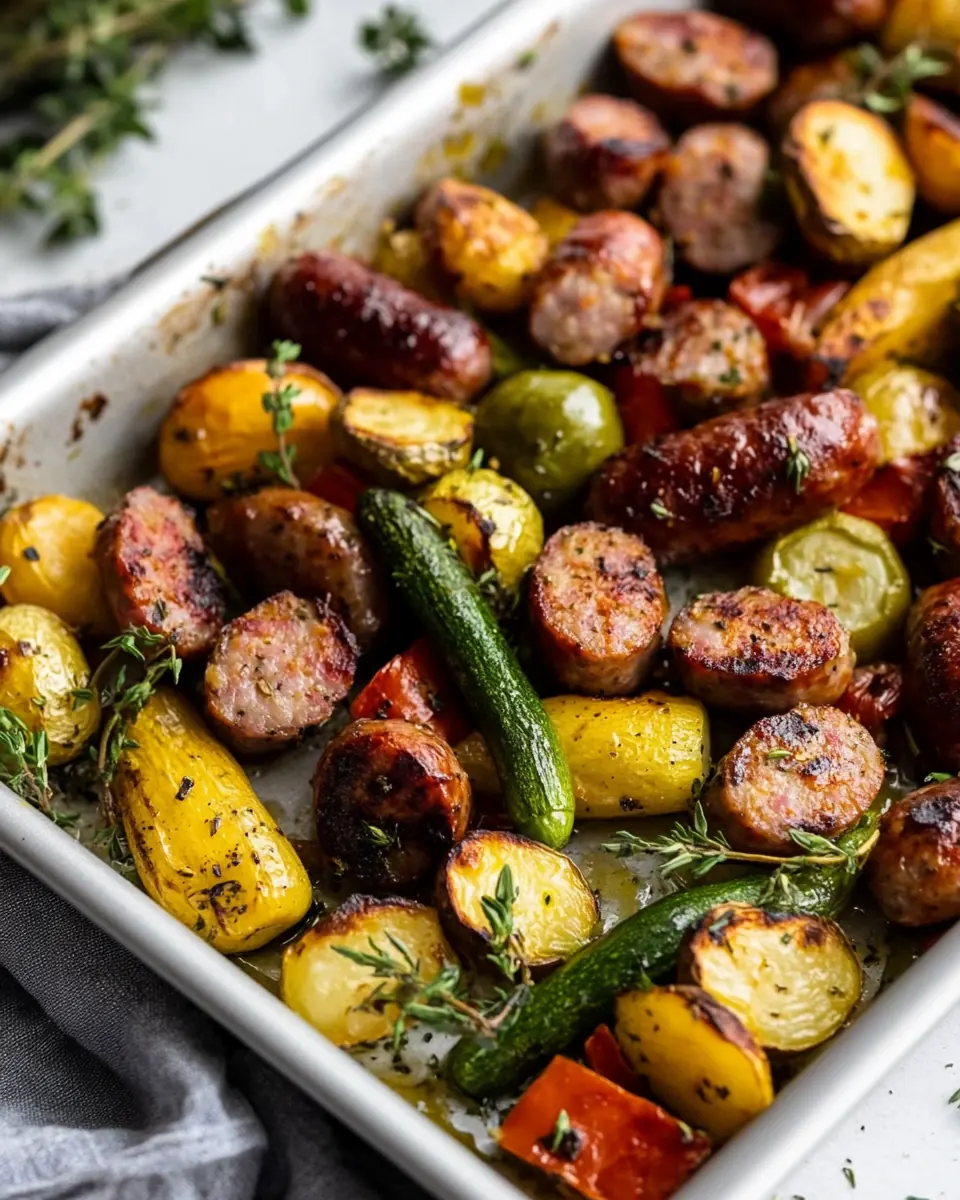
This short intro explains how small tweaks can adapt the recipe to your pantry and preferences. Below are focused tips to help you tailor texture, seasoning, and timing while keeping the spirit of the dish intact.
- Adjust roast time if your oven runs hot or cool; check at 20 minutes and then every 5 minutes until the sausage is cooked through and the vegetables are fork tender.
- Control spice level by choosing a milder or spicier Andouille sausage; if you prefer less heat, select a mild sausage and rely on the dried Italian seasoning for flavor.
- Manage oil distribution by coating the denser potatoes with slightly more olive oil so they brown fully while keeping the brussel sprouts from becoming greasy.
- Even sizing matters; cut larger potatoes into smaller pieces so they finish at the same moment as the smaller ones for consistent texture.
- Spacing over crowding will give you crisp edges; if the pan is crowded, divide onto two pans to promote airflow and better browning across all pieces.
Serving Options for Sheet Pan Sausage and Veggies
This intro covers ideas for plating and pairing so you can serve the dish for casual dinners or more festive gatherings. The list below offers practical serving styles, side suggestions, and storage notes to keep things simple and versatile.
- Serve family style, right from the sheet pan for relaxed weeknight dinners, letting everyone help themselves to warm, roasted bites.
- Plate with a fresh green salad for contrast, using crisp lettuces and a bright vinaigrette to offset the richness of the sausage and roasted vegetables.
- Make it a main for casual lunches, portioning generous servings with crusty bread on the side to soak up juices and add textural balance.
- Pack leftovers for meal prep, storing in airtight containers in the fridge for up to four days; reheat in a hot oven to revive crisp edges rather than the microwave.
- Seasonal hosting works well in fall when root vegetables are at their best, presenting a warm, comforting option for dinners with friends and family.
- Occasion flexibility, from busy weeknights to weekend casual gatherings, this one pan approach adapts to both simple and slightly more polished meals.
FAQ
Conclusion
Sheet Pan Sausage and Veggies stands out for its bold, smoky flavors and effortless one pan approach. I recommend giving it a try on a busy evening when you want something satisfying with minimal cleanup. The combination of roasted potatoes, crisped brussel sprouts, and savory Andouille sausage delivers a reliable, crowd pleasing meal that travels well to lunches the next day. Enjoy the simplicity and the way roasting elevates each ingredient with little hands on time.
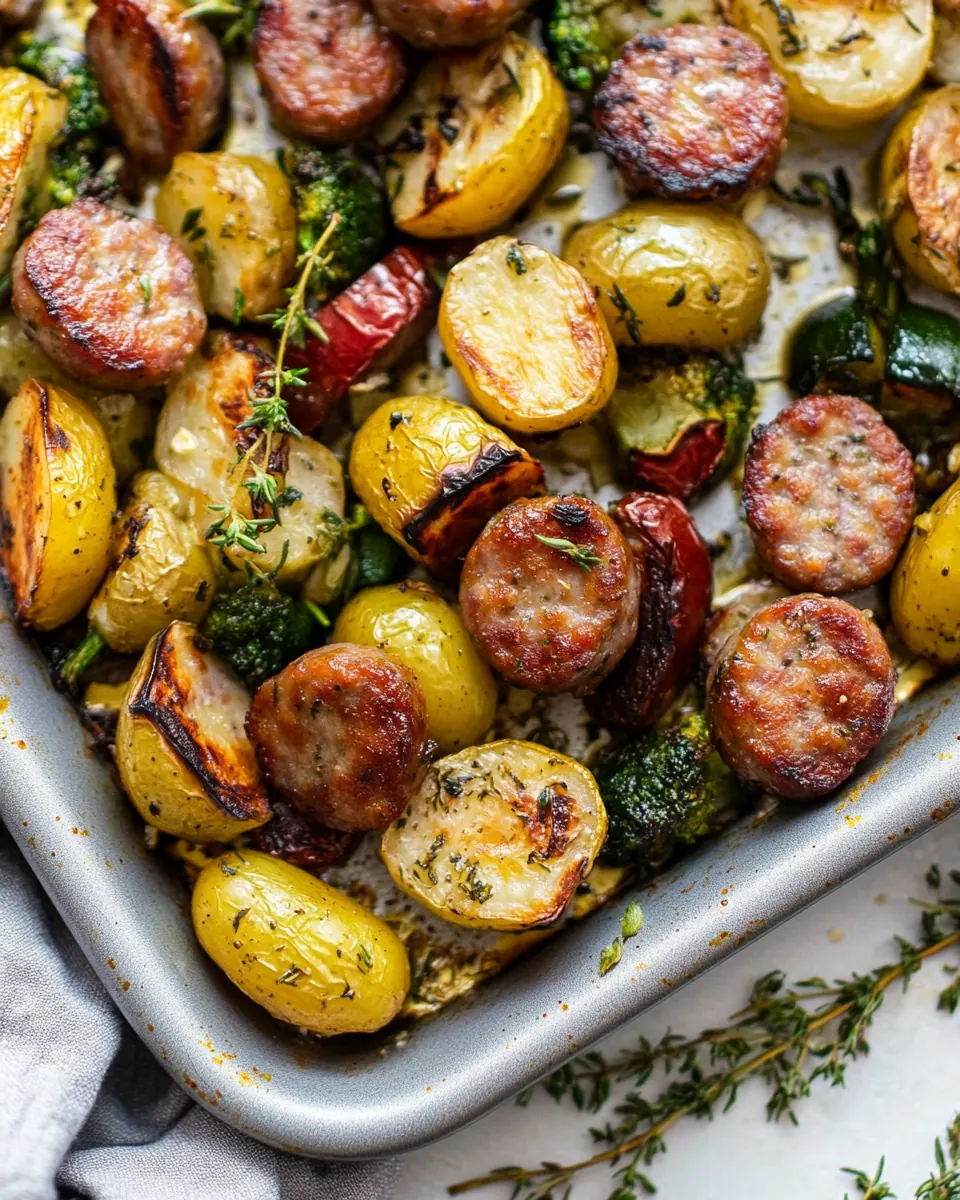
Sheet Pan Sausage and Veggies
Ingredients
Equipment
Method
- Preheat the oven to 400° Fahrenheit. Spray a sheet pan with non-stick cooking spray and set aside.: You will notice the oven warming and the air in the kitchen becoming dry and warm, which sets the stage for crisping. A fully preheated oven ensures the exterior of the potatoes and brussel sprouts begin browning immediately, creating a contrast between a crunchy surface and a tender inside. The sound is subtle here, mostly the hum of the oven and the faint scent of heat. If you do not preheat correctly, items may overcook while waiting for color, so avoid starting with a cold oven. A common mistake is setting the wrong temperature, which can lead to limp vegetables rather than roasted ones.
- Cut the potatoes and Brussel sprouts by cutting them into halves. Place the potato and Brussel sprout halves into separate bowls. You can combine them into one bowl if you like! I just like how pretty it looks separated on the pan. My guests can also pick how much of each ingredient they would like.: The slick surface prevents sticking and promotes even contact so the vegetables can brown. When the pan is ready, the surface will glisten slightly under the light. This small step matters because stuck bits are harder to turn and can tear delicate edges off the brussel sprouts . If you prefer, a light coating of olive oil works too, but be careful not to use too much oil as it can pool and steam rather than roast. Avoid placing ingredients on a cold or untreated pan, which increases the chance of uneven cooking.
- Add 2 tablespoons olive oil to the potatoes and the remaining 1 tablespoon to the bowl of Brussel sprouts. Toss each bowl to coat the ingredients.: The fragrant, slightly earthy scent of freshly cut potatoes will be present, and the exposed surfaces brown more readily. Halving creates similar piece sizes so they roast at roughly the same rate, producing consistent tenderness. Visually, the flat cut side will take on a golden hue and the edges will become crisp. Overcutting into very small pieces can dry them out, while leaving them whole may result in undercooked centers, so aim for uniform halves.
- Evenly sprinkle the Italian herbs, salt, and pepper over the potatoes and Brussel sprouts. Toss to coat evenly.: Separating them lets you dress each with the correct amount of olive oil and seasoning for balanced flavor. You will feel the slight weight of the bowls and hear the gentle clink as you move pieces around. This separation helps prevent the denser potatoes from stealing too much seasoning or oil, and it makes arranging the pan more attractive. A common pitfall is overcrowding bowls and mashing pieces together, which makes tossing uneven and can bruise the vegetables.
- Spread the potatoes, Brussel sprouts, and sliced sausage onto the prepared sheet pan. Place in the oven and cook for 25 minutes or until the sausage is cooked through and the vegetables are fork tender. Enjoy!: The oil will shimmer on the surface of the vegetables and help herbs adhere. Coating the potatoes with more oil than the brussel sprouts helps them brown thoroughly while keeping the sprouts from becoming overly greasy. Oil also helps conduct heat and create those inviting roasted flavors. Too little oil leads to dry, pale vegetables, while too much causes shallow frying rather than roasting, so measure closely.
- Toss each bowl to coat the ingredients: As you toss, you will hear soft clattering and see the oil and herbs cling to surfaces, creating a glossy sheen. Proper tossing ensures even seasoning distribution so every bite is flavorful. The tactile feedback of the pieces moving freely indicates they are well coated. If pieces stick together, separate them gently so they roast individually; crowded clumps steam rather than brown, and that prevents the development of caramelized edges.
- Evenly sprinkle the Italian herbs, salt, and pepper over the potatoes and Brussel sprouts: The aroma of dried Italian seasoning will bloom as it is scattered, giving a herbal lift. Even sprinkling is critical so you do not get pockets that are over salted or undertitled. When the herbs hit the warm oil on the vegetables, they release scent and begin to infuse the surface. A misstep is dumping seasoning unevenly; to avoid that, pinch and distribute with care, then toss gently to integrate.
- Toss to coat evenly: After seasoning, tossing further melds the flavors and ensures each piece has a thin veil of oil and herb. You will see a consistent coating and hear the pieces moving freely again. This step enhances surface contact with the pan, which encourages even browning. If you rush or skip this, some pieces will remain dry and fail to develop the desired color. Be gentle when tossing to keep pieces intact and uniformly seasoned.
- Spread the potatoes, Brussel sprouts, and sliced sausage onto the prepared sheet pan: Lay everything in a single layer so air circulates and surfaces brown. The visual cue is a non overlapping arrangement with small gaps between pieces. Proper spacing prevents steaming and promotes the sizzling sound as edges meet the hot metal. Overcrowding is a frequent error that yields soggy, pale results; if your pan is too full, use two pans or roast in batches.
- Place in the oven and cook for 25 minutes or until the sausage is cooked through and the vegetables are fork tender: As the pan roasts, you will hear gentle crackling and smell rich, roasted aromas. The Andouille sausage should show browned edges and the juices will mingle with the vegetables, creating concentrated flavor. Test doneness with a fork; the potatoes should pierce easily and the brussel sprouts should have browned outer leaves. If you cut the sausage too thick, it may need a bit more time, so slice uniformly to avoid undercooking. Remove when the sensory cues match these descriptions to ensure perfect texture and safety.
- Enjoy: After roasting, allow the pan to rest briefly so flavors settle and the juices redistribute. Take in the final aroma, and serve warm straight from the pan for a rustic presentation. Letting it sit too long can cause the vegetables to lose their crisp edges, so serve within a short window for best texture.
Notes
- Adjust roast time if your oven runs hot or cool; check at 20 minutes and then every 5 minutes until the sausage is cooked through and the vegetables are fork tender.
- Control spice level by choosing a milder or spicier Andouille sausage; if you prefer less heat, select a mild sausage and rely on the dried Italian seasoning for flavor.
- Manage oil distribution by coating the denser potatoes with slightly more olive oil so they brown fully while keeping the brussel sprouts from becoming greasy.
- Even sizing matters; cut larger potatoes into smaller pieces so they finish at the same moment as the smaller ones for consistent texture.
- Spacing over crowding will give you crisp edges; if the pan is crowded, divide onto two pans to promote airflow and better browning across all pieces.