Honey Molasses Chicken Drumsticks
Honey Molasses Chicken Drumsticks began showing up at my table on chilly weeknights when I needed something that felt special, but did not require a weekend commitment. I remember the first time I tossed those drumsticks in a sticky, glossy sauce and watched the molasses and honey bubble against the pan, the aroma filling the kitchen and making the whole room feel warm and cozy.
That evening I had a pile of errands behind me and a hungry group waiting, so I leaned into bold flavors and quick technique. Using simple pantry items like honey, molasses, and Dijon mustard turned basic chicken into something with real character. The combination of sweet and tangy cut through the meat, while a quick sear added that satisfying caramelized note that keeps everyone scraping the plate.
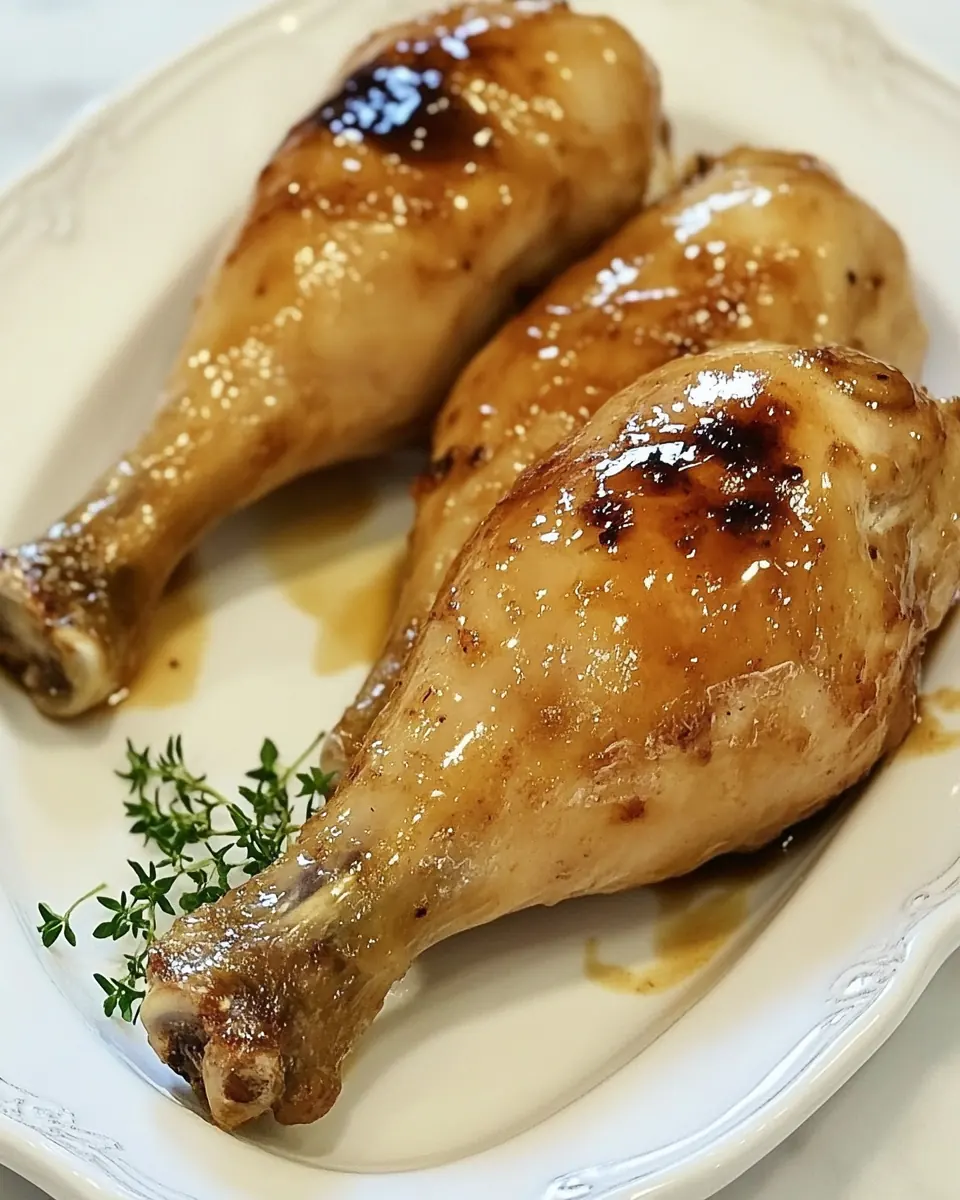
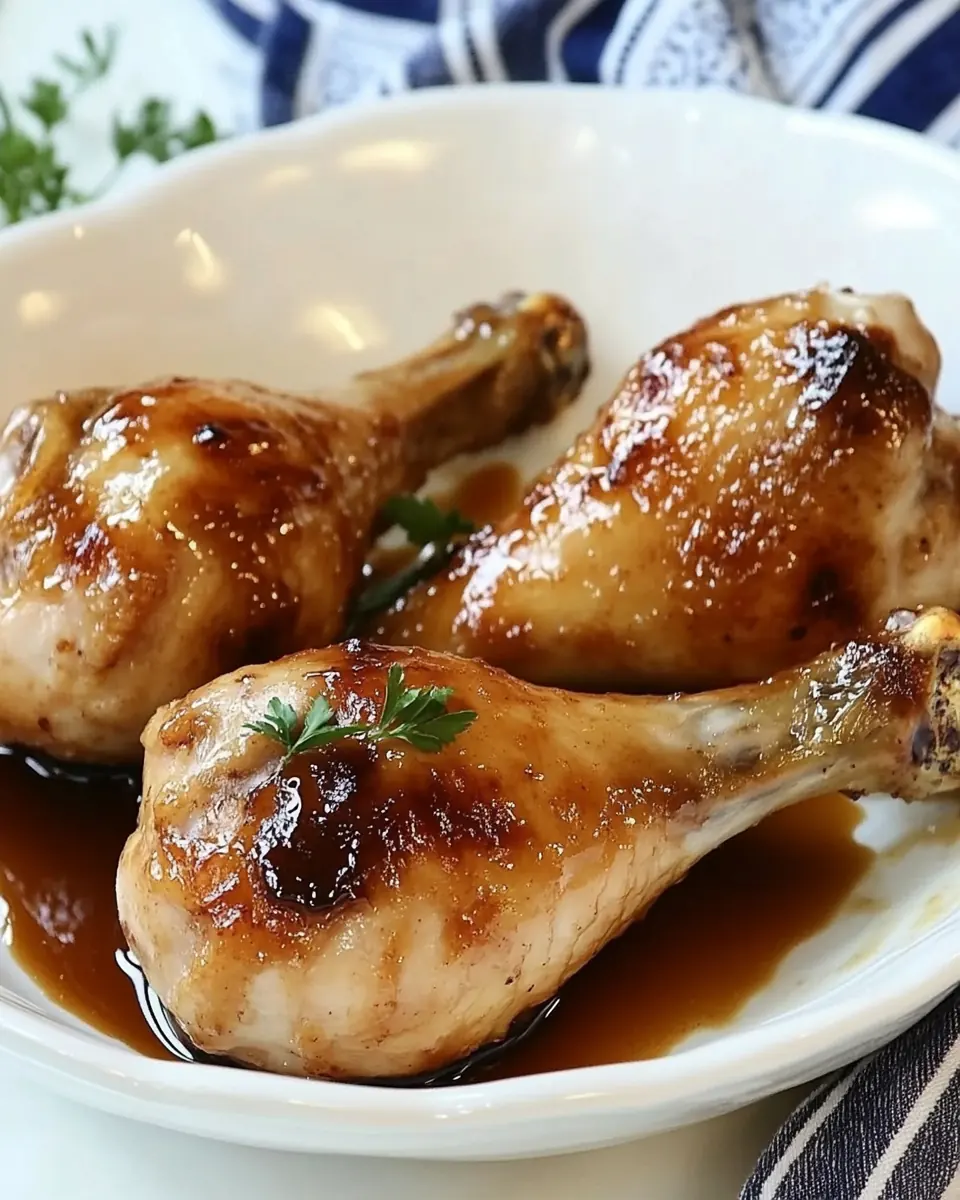
I made a small ritual out of turning the drumsticks every few minutes, listening for the satisfying sizzle as they kissed the pan, and watching the sauce reduce to a lacquer that clung to the meat. Each bite was both rustic and refined, the kind of food that travels well to busy weeknights or casual gatherings. Over time I tweaked little things, like removing the skin for a leaner bite and finishing off the sauce to a darker, richer hue.
Recipe Snapshot
35 mins
15 mins
20 mins
Easy
320 kcal
American
Gluten-Free, Paleo
Dinner
Nonstick skillet, Whisk, Mixing bowl, Tongs, Instant read thermometer
What’s Great About This Honey Molasses Chicken Drumsticks
Bold yet approachable flavor
I love how Honey Molasses Chicken Drumsticks balance sweetness and depth. The honey gives immediate sweetness, while the molasses adds a deep, almost caramel like richness. I find this contrast keeps the palate engaged from the first bite to the last.
Speed without compromise
We can get a restaurant feeling in under an hour. Browning the chicken builds flavor fast, and a short covered simmer finishes the meat tenderly. This method is a lifesaver on nights when time is tight but expectations are high.
Great texture play
The technique gives you a nice crust on the outside and moist meat inside. When I brown the chicken, the pan sounds change from soft popping to a pronounced sizzle, and that is when I know flavor is forming. Reducing the sauce until it clings creates a glossy coat that makes every bite more satisfying.
Pantry friendly and flexible
I keep these ingredients on hand most of the time. The dressing of Dijon mustard, balsamic vinegar, and a touch of brown sugar is built from things many cooks already have, so this becomes an easy go to for impromptu meals.
Family friendly appeal
In my house this dish clears plates without fuss. The flavors are bold but not polarizing, and kids often love the glossy coating. I also like that it transports well for packed dinners, and leftovers reheat beautifully.
Ingredients You’ll Need for Honey Molasses Chicken Drumsticks
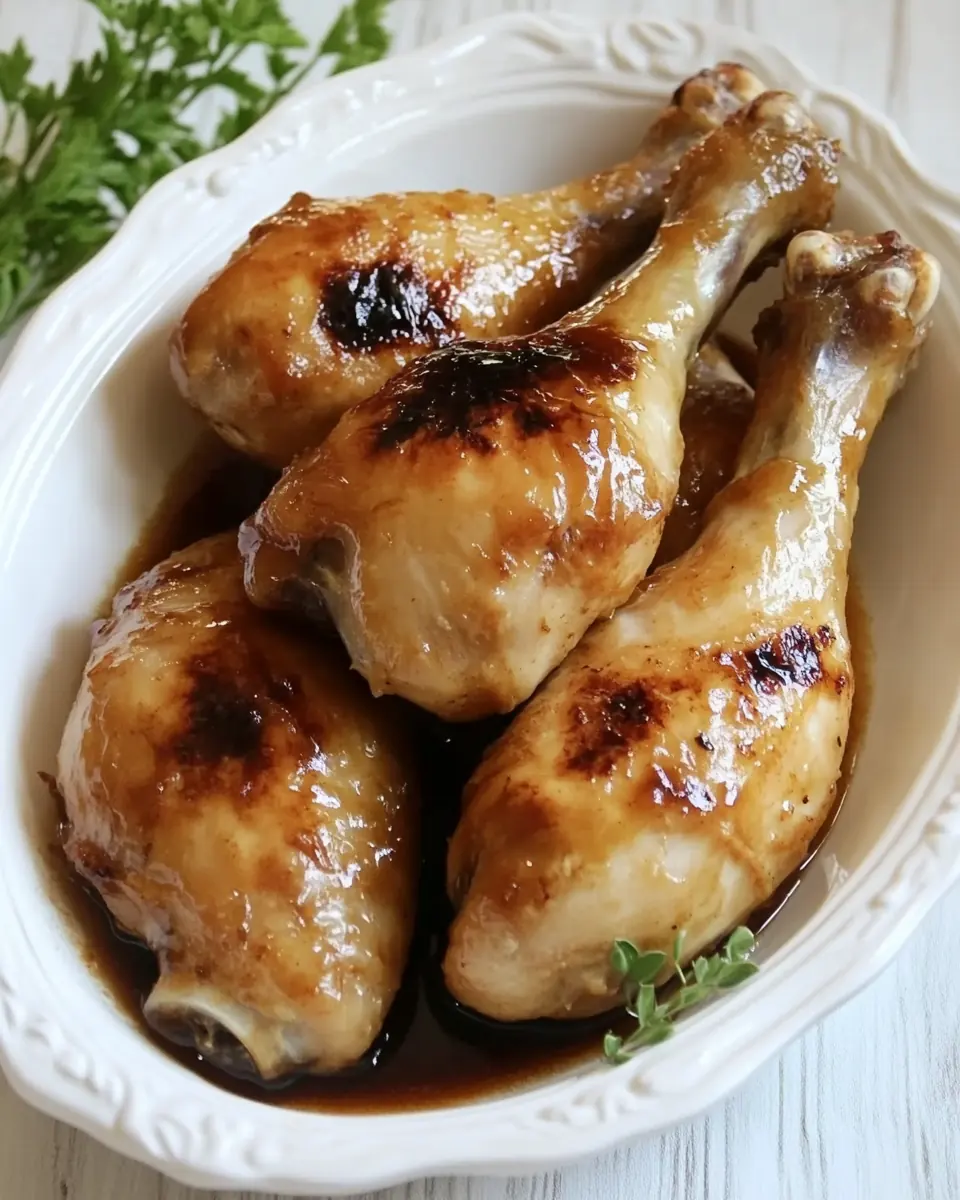
These ingredients are chosen to work in harmony, creating layers of flavor and texture. The sweet players boost caramelization, the acid brightens, and the aromatics add depth. Together they make the sauce cling to the chicken, locking in moisture while delivering a glossy, rich finish.
- 1 tablespoon packed brown sugar: Adds a deep, caramelized sweetness and helps balance acidity; helps create a sticky glaze when combined with liquids and heat. Enhances overall browning and gives the sauce a rounded, toasty flavor that complements savory chicken.
- 2 tablespoons water: Provides liquid to dissolve dry ingredients and thin the glaze to a brushable consistency; helps distribute flavors evenly across the drumsticks. Contributes subtle dilution so the sauce clings properly during cooking.
- 2 tablespoons honey: Imparts floral, natural sweetness and contributes to a glossy finish on the glaze; helps with caramelization during roasting or broiling. Adds a mild flavor complexity that offsets the sharpness of vinegar and mustard.
- 2 tablespoons balsamic vinegar: Supplies bright acidity and a slight sweetness that lifts the glaze; helps cut through the richness of the chicken and sweeteners. Contributes tangy depth and balances the overall flavor profile.
- 1 tablespoon Dijon mustard: Adds a sharp, tangy pungency and emulsifying power to bind the glaze components; introduces a savory counterpoint to sweet elements. Helps create a cohesive sauce texture and enhances savory notes in the dish.
- 1 tablespoon molasses: Provides robust, smoky-sweet depth and intensifies molasses-like richness in the glaze; increases viscosity for a thicker, clingy sauce. Adds molasses' distinct flavor which pairs well with brown sugar and honey.
- 1 teaspoon minced garlic: Contributes aromatic sharpness and savory depth; releases pungent, garlicky flavor that permeates the glaze and meat. Enhances umami and balances sweetness without overpowering other elements.
- 1 teaspoon olive oil: Helps sauté or lightly sear and aids in incorporating oil-soluble flavors; adds a mild fruitiness that complements the glaze. Prevents sticking and contributes to more even browning on the drumsticks.
- 6 medium chicken drumsticks, skin removed: Serves as the main protein and focal point of the dish; provides rich, juicy meat that absorbs the glaze flavors during cooking. Requires proper seasoning and removal of skin helps the glaze adhere directly to the meat.
- 1/2 teaspoon kosher salt: Brings salinity to season the meat and enhance all other flavors; helps proteins retain moisture and improves overall taste. Kosher salt's cleaner salinity ensures the glaze and spices are properly balanced.
- 1/4 teaspoon freshly ground black pepper: Adds gentle heat and a sharp, slightly floral pepperiness to finish the seasoning; enhances complexity without overwhelming sweetness. Freshly ground pepper provides aromatic lift and subtle bite.
Recipe Steps for Honey Molasses Chicken Drumsticks
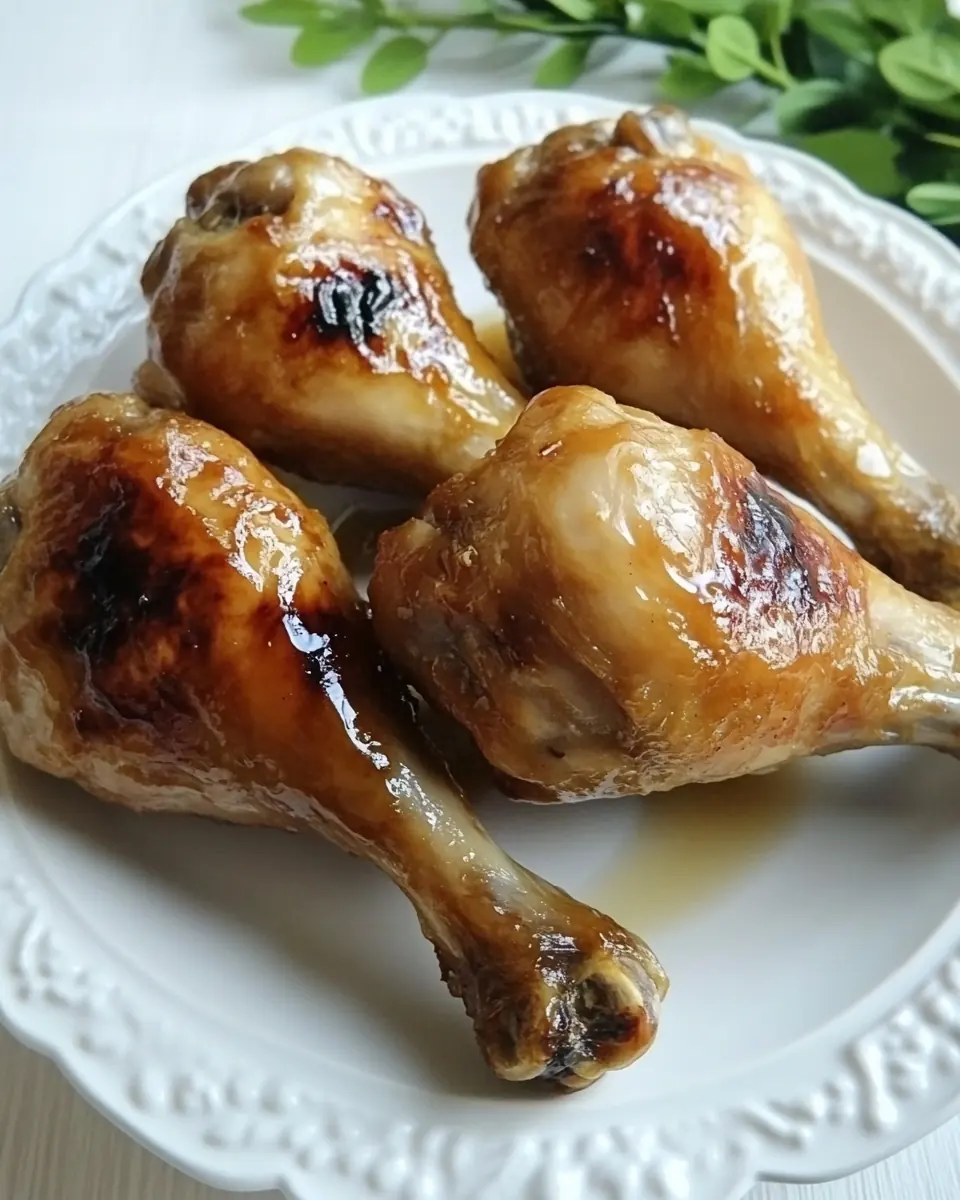
These directions are straightforward, but I like to move through them with attention to sound and color. A good sear and a careful reduction turn simple pieces of chicken into a lacquered, craveable dinner. Keep a close eye on the pan during the final minute so the glaze does not burn.
- Combine sauce ingredients in a small bowl; whisk together and set aside.: The moment you mix these components the aroma becomes layered, with sweet top notes from the honey and deep, molasses like perfume from the molasses . Whisking helps the Dijon mustard emulsify, creating a cohesive glaze. If the mixture feels too thick, a splash of the water smooths it out so it will coat the chicken evenly. A common mistake is skipping this step, which can leave the sauce unevenly distributed, so take a few extra seconds to fully combine everything.
- Heat oil in a large nonstick skillet over medium high heat. Sprinkle chicken with salt and pepper. Add chicken to pan, browning on all sides.: When the olive oil shimmers but has not started to smoke, it is time to add the chicken . The initial sizzle should be audible and lively, signaling good contact with the pan. This high heat creates Maillard browning, giving those savory, toasty notes. Avoid overcrowding the skillet, as that will steam the meat instead of browning it, and results in a pale surface rather than a rich crust.
- Add honey mixture to pan, turning chicken to coat. Reduce heat to medium low. Cover and cook 15 minutes or until chicken is done, turning chicken every 5 minutes. Uncover and cook an additional minute or until mixture is thick and darker color, and the chicken is well coated. Remove from heat; serve immediately, or cool before refrigerating.: Seasoning right before the sear ensures the surface has enough salt to encourage browning and flavor penetration. The grains of kosher salt dissolve as the chicken cooks and the black pepper releases its aroma. If you season too early and leave the chicken uncovered for a long time, it can draw moisture out, so do this step just before the pan.
- Add chicken to pan, browning on all sides: As you place each drumstick in the skillet listen for that steady sizzle, and let it sit until a golden crust forms before turning. Browning three to four sides builds layered flavor and creates textural contrast to the tender interior. The visual cue is a deep golden brown color, not just pale. A common error is flipping too soon, which prevents proper crust development and reduces flavor depth.
- Add honey mixture to pan, turning chicken to coat: When the sauce hits the hot pan it will steam and sizzle, releasing a fragrant sweet tang. As you turn the chicken , watch the glaze begin to thicken and cling. This is the point where the flavors begin to marry, and the heat should be just high enough to activate caramelization but not so high that sugars burn. If the mixture smokes heavily, lower the heat immediately to prevent bitterness.
- Reduce heat to medium low: Lowering to medium low slows the cooking so the interior reaches doneness without charred exteriors. At this gentler heat the sauce has time to reduce and become glossy, while the meat cooks through evenly. Too high a heat here will evaporate moisture too fast, leaving rubbery chicken and a burnt glaze, so be mindful.
- Cover and cook 15 minutes or until chicken is done, turning chicken every 5 minutes: The cover traps steam, cooking the chicken through while the periodic turning ensures each drumstick soaks up the sauce evenly. You should hear a lower, steady simmer under the lid and see the drumsticks begin to glisten as they absorb the glaze. Use a thermometer when in doubt, aiming for a safe internal temperature. A common oversight is not turning often enough, which leads to uneven coating and spots of undercooked glaze.
- Uncover and cook an additional minute or until mixture is thick and darker color, and the chicken is well coated: Once uncovered the sauce will concentrate and jump from glossy to tacky quickly, deepening in color. That final minute is crucial for developing a clingy, lacquered finish. Keep a watchful eye because sugars can go from perfectly caramelized to burned in seconds. If the sauce starts to blacken, remove the pan from heat right away to salvage the meat.
- Remove from heat; serve immediately, or cool before refrigerating: After removing the pan from heat you will notice the aroma intensify as the sauce settles. Serving immediately gives the best glossy presentation, with sticky fingers and a warm center. If you plan to refrigerate, let the drumsticks cool uncovered at room temperature briefly, then store in a sealed container. A typical mistake is sealing hot food immediately, which can trap steam and soften the glaze, so let it cool a touch first.
Ways to Customize
These tweaks let you make the recipe more personal, whether you want brighter acidity, deeper sweetness, or a slightly different texture. Below are practical, hands on tips that I use depending on mood and pantry.
- Swap the vinegar intensity: Use slightly more balsamic vinegar for a sharper tang that cuts through the sweetness and adds a richer color to the glaze.
- Adjust honey level: Reduce the honey by half if you prefer a less sweet finish, then deepen flavor with an extra splash of balsamic vinegar.
- Brown sugar trick: Increase the amount of brown sugar by a teaspoon for more caramel depth, watching the final glaze closely to avoid burning.
- Garlic timing: Add the minced garlic toward the end of the sear if you prefer its aroma to remain brighter, rather than deeply mellowed.
- Oil temperature: Heat the olive oil until shimmering but not smoking to get optimal browning and prevent bitter, burned oil flavors.
- Make it stickier: Let the uncovered glaze reduce an extra 30 to 60 seconds for a thicker lacquer that clings beautifully to the chicken.
What to Pair With Honey Molasses Chicken Drumsticks
These drumsticks pair well with a range of sides and occasions, from casual family dinners to small gatherings. Think about contrasts in texture and temperature to complement the sticky glaze. Below are serving ideas, storage notes, and menu contexts presented as a list so you can mix and match easily.
- Simple steamed rice: A bed of plain rice absorbs the glaze and offers neutral balance, making each bite comfortably familiar for lunch or dinner.
- Roasted vegetables: Earthy roasted vegetables provide a savory counterpoint and textural contrast, great for a fall or winter meal.
- Light salad: A bright salad with crisp greens and a light vinaigrette cuts through the sweetness and refreshes the palate between bites.
- Casual gatherings: Serve these drumsticks at informal get togethers where guests can grab a piece and chat, the sticky hands becoming part of the fun.
- Meal prep and storage: Store cooled drumsticks in an airtight container for up to three days in the refrigerator, reheat gently to preserve the glaze.
- Seasonal pairing: This recipe suits fall menus with warm spices, but it also works year round as a comforting, easy weeknight winner.
FAQ
Conclusion
Honey Molasses Chicken Drumsticks stand out for their glossy, balanced glaze that pairs deep molasses notes with bright honey and tangy accents. The recipe turns simple drumsticks into a memorable, weeknight friendly meal that feels elevated without a complicated process. Give this one a try when you want something fast but satisfying, and enjoy how the sweet and savory layers come together. You may find it becomes a repeat favorite for busy evenings and casual gatherings alike.
Honey Molasses Chicken Drumsticks
Ingredients
Equipment
Method
- Combine sauce ingredients in a small bowl; whisk together and set aside.: The moment you mix these components the aroma becomes layered, with sweet top notes from the honey and deep, molasses like perfume from the molasses . Whisking helps the Dijon mustard emulsify, creating a cohesive glaze. If the mixture feels too thick, a splash of the water smooths it out so it will coat the chicken evenly. A common mistake is skipping this step, which can leave the sauce unevenly distributed, so take a few extra seconds to fully combine everything.
- Heat oil in a large nonstick skillet over medium high heat. Sprinkle chicken with salt and pepper. Add chicken to pan, browning on all sides.: When the olive oil shimmers but has not started to smoke, it is time to add the chicken . The initial sizzle should be audible and lively, signaling good contact with the pan. This high heat creates Maillard browning, giving those savory, toasty notes. Avoid overcrowding the skillet, as that will steam the meat instead of browning it, and results in a pale surface rather than a rich crust.
- Add honey mixture to pan, turning chicken to coat. Reduce heat to medium low. Cover and cook 15 minutes or until chicken is done, turning chicken every 5 minutes. Uncover and cook an additional minute or until mixture is thick and darker color, and the chicken is well coated. Remove from heat; serve immediately, or cool before refrigerating.: Seasoning right before the sear ensures the surface has enough salt to encourage browning and flavor penetration. The grains of kosher salt dissolve as the chicken cooks and the black pepper releases its aroma. If you season too early and leave the chicken uncovered for a long time, it can draw moisture out, so do this step just before the pan.
- Add chicken to pan, browning on all sides: As you place each drumstick in the skillet listen for that steady sizzle, and let it sit until a golden crust forms before turning. Browning three to four sides builds layered flavor and creates textural contrast to the tender interior. The visual cue is a deep golden brown color, not just pale. A common error is flipping too soon, which prevents proper crust development and reduces flavor depth.
- Add honey mixture to pan, turning chicken to coat: When the sauce hits the hot pan it will steam and sizzle, releasing a fragrant sweet tang. As you turn the chicken , watch the glaze begin to thicken and cling. This is the point where the flavors begin to marry, and the heat should be just high enough to activate caramelization but not so high that sugars burn. If the mixture smokes heavily, lower the heat immediately to prevent bitterness.
- Reduce heat to medium low: Lowering to medium low slows the cooking so the interior reaches doneness without charred exteriors. At this gentler heat the sauce has time to reduce and become glossy, while the meat cooks through evenly. Too high a heat here will evaporate moisture too fast, leaving rubbery chicken and a burnt glaze, so be mindful.
- Cover and cook 15 minutes or until chicken is done, turning chicken every 5 minutes: The cover traps steam, cooking the chicken through while the periodic turning ensures each drumstick soaks up the sauce evenly. You should hear a lower, steady simmer under the lid and see the drumsticks begin to glisten as they absorb the glaze. Use a thermometer when in doubt, aiming for a safe internal temperature. A common oversight is not turning often enough, which leads to uneven coating and spots of undercooked glaze.
- Uncover and cook an additional minute or until mixture is thick and darker color, and the chicken is well coated: Once uncovered the sauce will concentrate and jump from glossy to tacky quickly, deepening in color. That final minute is crucial for developing a clingy, lacquered finish. Keep a watchful eye because sugars can go from perfectly caramelized to burned in seconds. If the sauce starts to blacken, remove the pan from heat right away to salvage the meat.
- Remove from heat; serve immediately, or cool before refrigerating: After removing the pan from heat you will notice the aroma intensify as the sauce settles. Serving immediately gives the best glossy presentation, with sticky fingers and a warm center. If you plan to refrigerate, let the drumsticks cool uncovered at room temperature briefly, then store in a sealed container. A typical mistake is sealing hot food immediately, which can trap steam and soften the glaze, so let it cool a touch first.
Notes
- Swap the vinegar intensity: Use slightly more balsamic vinegar for a sharper tang that cuts through the sweetness and adds a richer color to the glaze.
- Adjust honey level: Reduce the honey by half if you prefer a less sweet finish, then deepen flavor with an extra splash of balsamic vinegar.
- Brown sugar trick: Increase the amount of brown sugar by a teaspoon for more caramel depth, watching the final glaze closely to avoid burning.
- Garlic timing: Add the minced garlic toward the end of the sear if you prefer its aroma to remain brighter, rather than deeply mellowed.
- Oil temperature: Heat the olive oil until shimmering but not smoking to get optimal browning and prevent bitter, burned oil flavors.
- Make it stickier: Let the uncovered glaze reduce an extra 30 to 60 seconds for a thicker lacquer that clings beautifully to the chicken.