Paska Bread with Sour Cream
Paska Bread with Sour Cream has been a comfort in my kitchen for as long as I can remember, an Easter classic that always brings the house together.
I first met this loaf at a friend s spring brunch, where the aroma of citrus and vanilla braided through the room. I was drawn to the tender crumb and the creamy filling, and I left with a scribbled recipe and a determination to make it my own. Over the years I adjusted little things, learning when to press the crust thinly so it bakes evenly, and how a patient, slow cooling makes the texture sing.
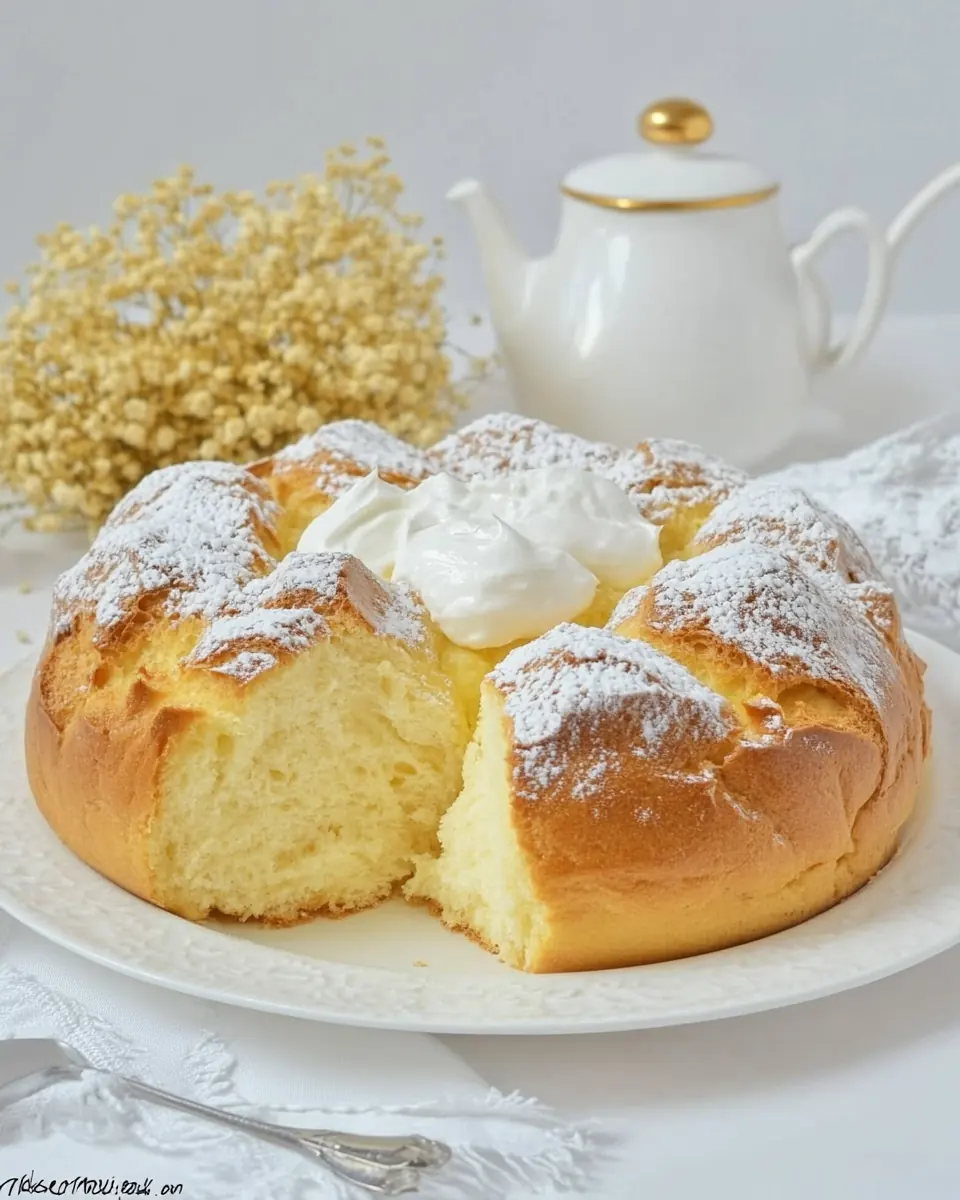
There s a quiet ritual to preparing Paska Bread with Sour Cream, from separating the eggs to folding glossy meringue into the filling. I like to put on a record, set a timer, and let the dough rest in the fridge while I prep the citrus and vanilla. That pause feels like permission to slow down, and the result is always worth it: a golden, slightly domed loaf with a custardy interior that holds a whisper of lemon and vanilla.
Whether you re serving it for a holiday table or a weekend coffee, this recipe rewards attention without demanding perfection. I ve learned to trust visual cues like a lightly browned top and a gentle wobble in the center, rather than watching the clock. The first slice, dusted with a little powdered sugar, is the best part, shared warm with someone who appreciates a well made pastry.
Recipe Snapshot
1 hr 30 mins
40 mins
50 mins
Hard
300 kcal
American
Low FODMAP, Gluten-Free
Desserts
24 cm round baking tin, Mixing bowls, Electric mixer, Spatula, Zester
What Makes This Paska Bread with Sour Cream Special
Comforting, familiar flavor
I love how Paska Bread with Sour Cream bridges simple pantry staples with a nostalgic flavor profile. The combination of sour cream, eggs, and lemon peel gives a delicate tang that feels both homey and special. Every bite carries a soft, creamy note that reminds me of spring mornings when kitchens smelled of citrus and vanilla.
Textural contrast that sings
The interplay between a crisp crust and a custard like filling is why I keep returning to this recipe. The buttery base made from flour and butter supports a filling that is airy yet rich thanks to whipped egg whites and the stabilizing power of semolina. That contrast makes each mouthful interesting, and it holds up well even after refrigeration.
Techniques that add confidence
I appreciate recipes that teach by doing, and this one does just that. Separating the eggs, whipping the whites to glossy peaks, and folding them into the cream filling are small techniques that yield big results. When I coach friends through it, they always remark on how empowered they feel after mastering the steps.
Flexible for occasions
While it shines at Easter, Paska Bread with Sour Cream is versatile enough for brunches, family gatherings, or a leisurely weekend treat. It stores nicely and slices well, making it practical for hosting. I often recommend making it a day ahead to let flavors settle, which deepens the vanilla and lemon notes.
A little indulgence without fuss
There s something indulgent about a custard like filling made from everyday ingredients, yet the method is straightforward. It s an accessible way to make a show stopping centerpiece without extravagant effort. I find that cooks of all levels can get a rewarding result by following the sensory cues and taking their time.
Ingredients Required for Paska Bread with Sour Cream
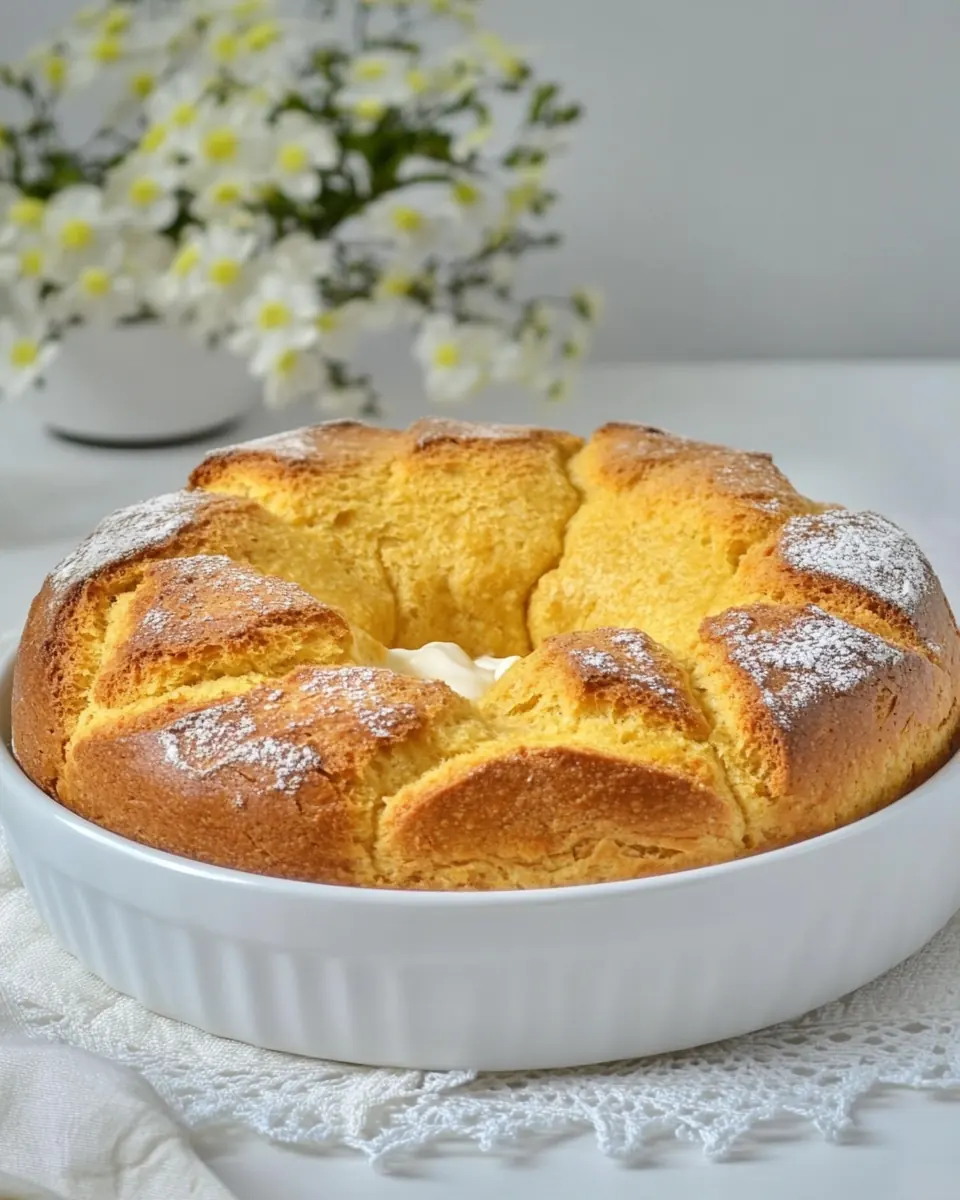
These ingredients work together to create a tender base and a silky filling. The crust made from flour, butter, and a touch of powdered sugar gives a crisp foundation, while the filling relies on the richness of sour cream and the lift from whipped egg whites. Aromatics like vanilla pod and grated lemon peel brighten the overall flavor.
- 175 g flour: Provide structure and bulk to the dough, contributing gluten development for chew and crumb; measure precisely for proper balance with wet ingredients. Sift before mixing to remove lumps and ensure even incorporation.
- 100 g butter: Add richness and tenderness while tenderizing the crumb and enriching flavor; soften to room temperature to blend smoothly into the dough. Use unsalted or adjust other salt accordingly to control overall seasoning.
- 2 tbsp powdered sugar: Sweeten subtly and contribute a delicate texture without adding moisture; dissolve into butter or yolks as directed to avoid grittiness. Powdered form blends more evenly than granulated sugar for a fine crumb.
- 2 egg yolks: Enrich the dough with fat and contribute to a tender, custardy interior; whisk or temper into warm mixtures to prevent curdling. Reserve for an enriched dough and for brushing or finishing if recipe directs.
- 600 g sour cream: Provide moisture, tang, and a creamy texture while activating tenderization in the crumb; use full-fat sour cream for best richness and flavor. Temper or gently fold to avoid breaking the emulsion and ensure even distribution.
- 4 eggs: Contribute structure, lift, and richness while helping emulsify and bind the mixture; beat as specified to incorporate air and improve volume. Use at room temperature to maximize incorporation and stable texture.
- 2 egg whites: Stabilize whipped components and add lightness when beaten into meringue or folded into batter; ensure whites are free of yolk for proper aeration. Whip to soft or firm peaks as required by the recipe steps.
- 7 tbsp sugar: Provide sweetness and help with caramelization and browning of the crust; adjust level to taste while maintaining balance with sour cream and flour. Dissolve or cream with fats to ensure even sweetness throughout.
- 4 tbsp flour: Improve structure and slightly thicken fillings or batters while balancing wet-to-dry ratios; incorporate carefully to avoid overworking gluten. Use as indicated for dusting, thickening, or adjusting batter consistency.
- 3 tbsp semolina: Add gentle body and absorb extra moisture to create a tender, slightly grainy texture that helps stabilize custard-like components. Toast lightly if desired for a nuttier flavor, then cool before mixing.
- 1 pinch salt: Enhance flavor balance and amplify other tastes by controlling sweetness; use sparingly and evenly to avoid detectable salt spots. Dissolve into dry ingredients or sprinkle over mixtures as directed.
- 1 vanilla pod: Infuse aromatic, floral vanilla notes and deepen overall flavor when seeds are scraped and added to batter or cream; split and scrape pod to release maximum aromatic oils. Simmer gently in liquids if recipe calls for an infused base, then remove pod pieces.
- grated lemon peel: Contribute bright citrus aroma and a zesty, fresh flavor that contrasts the richness of sour cream and butter; grate only the colored outer peel to avoid bitterness. Add gradually to taste to avoid overpowering delicate flavors.
Cooking Instructions for Paska Bread with Sour Cream
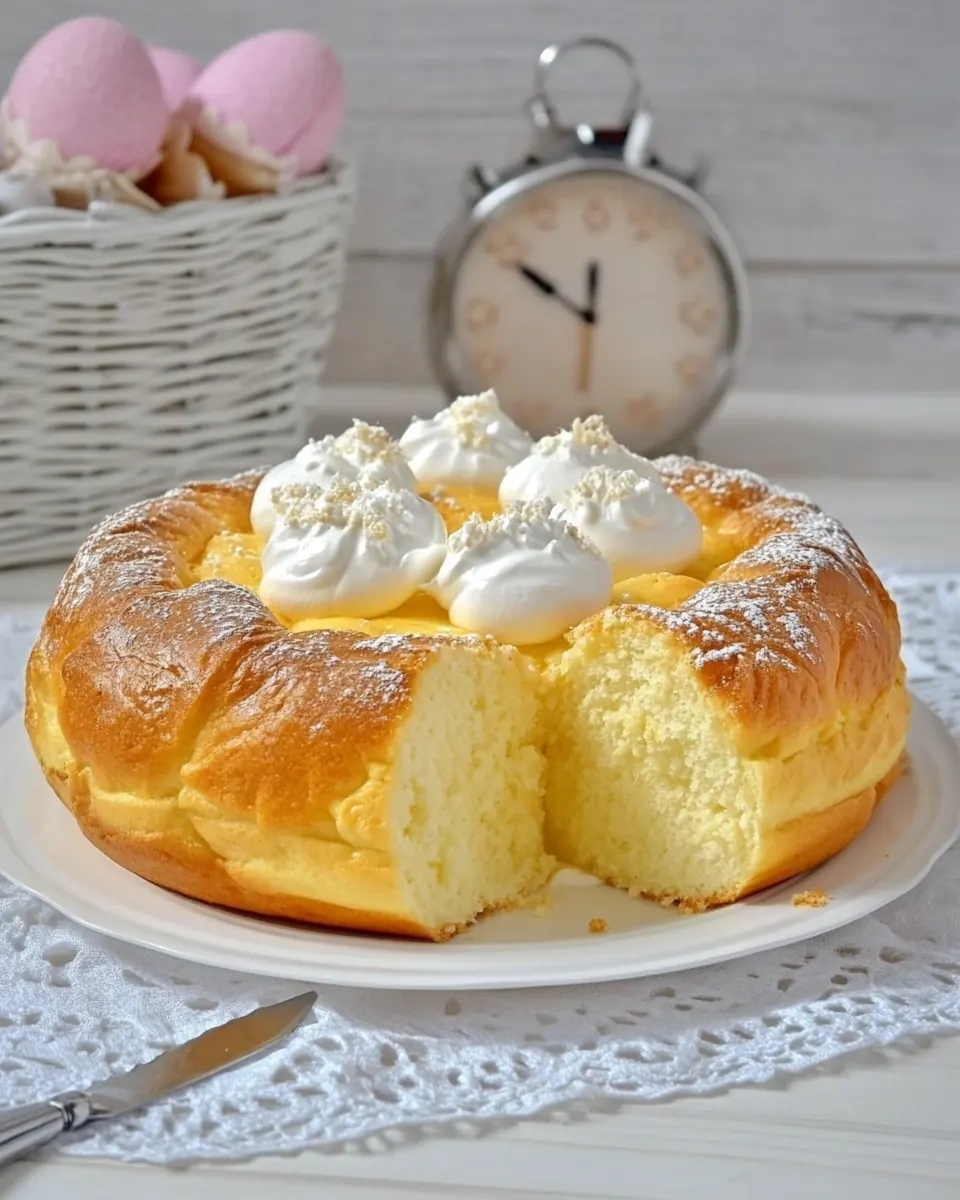
These instructions expand the original steps into detailed, sensory rich guidance so you can bake with confidence. Pay attention to visual cues and textures, and give the filling time to set slowly for the best result.
- Preheat the oven to 170 degrees C (340 F).: As the oven warms you ll notice a faint, warming scent of heating metal and glass, which tells you the environment is ready for gentle baking. Preheating is essential so the crust begins setting as soon as it hits heat, preventing sogginess. If your oven runs hot or cold, use an oven thermometer to verify the temperature, because inconsistent heat can cause uneven rising or browning. A common error is to skip full preheating, resulting in a dense, underbaked center.
- Butter a 24 cm (9.4 inch) round baking tin.: Rubbing the tin with softened butter will leave a thin, even sheen that helps the pastry release after baking. You should see a glossy coating without pools of butter. This step also aids in achieving a golden edge where the crust meets the pan. Avoid using too much butter, which can cause the base to fry and become greasy during baking.
- Mix the flour with the soft butter, sugar, and yolks until you get a homogeneous dough.: As you combine flour , butter , powdered sugar , and the egg yolks , the texture will shift from crumbly to a cohesive dough that holds together when pressed. The aroma should be slightly sweet and buttery. Work quickly to avoid warming the dough too much, or it will become sticky and difficult to shape. Overmixing is the typical mistake here, which develops gluten and makes the crust tough.
- Give the dough a round shape and place it in the prepared pan.: Shaping by hand forms a smooth disk that fits the base of your tin. You ll feel a cool, slightly tacky surface that responds to gentle pressure. Center it so the crust bakes evenly, and if the dough resists shaping, chill it briefly to firm up. Forcing overly warm dough into the pan will cause uneven edges and possible slide down during baking.
- Press gently and smooth it out so that the bottom of the tray is well covered.: Use your fingers or the back of a spoon to press the dough thin and even across the pan, paying attention to corners and edges for uniform thickness. A well smoothed base encourages even cooking and prevents thin spots from burning. Visual cues include a consistent sheen and absence of cracks. Pressing too hard can compress the layers and make the crust dense.
- Chill the dough while you prepare the filling.: Refrigeration firms the fat, which keeps the crust flaky and prevents shrinkage in the oven. You ll notice the dough becoming firmer and easier to handle. This pause also gives you a chance to assemble ingredients without rushing. Skipping chilling often leads to a crust that slumps and loses shape during baking.
- Separate the yolks from the whites.: Clear separation ensures the egg whites will whip to full volume while the yolks enrich the filling. You should see bright yellow yolks and translucent whites with no cloudiness. If yolk leaks into the whites, they won t reach stiff peaks, so separate carefully over a bowl. A frequent mistake is using cold cracked eggs that make separation messy, so work over a surface you can clean easily.
- Over the yolks put the flour, grahams, and cream and homogenize.: Combining the eggs , the listed flour , semolina , and the abundant sour cream creates a smooth, thick custard base. You should observe a silky consistency and a pale yellow color as it comes together. Proper homogenization ensures even baking and a stable texture. Lumps indicate under mixing, which will produce uneven pockets and a grainy mouthfeel.
- Mix well then add the seeds from the vanilla pod and the grated lemon rind.: Stirring in the scraped vanilla pod seeds and fresh grated lemon peel releases aromatic oils that perfume the filling. You ll detect a floral, citrus fragrance that promises bright flavor. Even distribution is key so every slice has those notes. Forgetting to scrape the pod wastes a lot of flavor, so be thorough when harvesting the seeds.
- Beat the egg whites well with a pinch of salt until you get a firm froth.: Whipping the egg whites with a touch of salt transforms them into glossy peaks that will lighten the filling. Look for stiff peaks that stand tall and reflect light. This stage adds air and gives lift as the custard bakes. A greasy bowl or yolk contamination will prevent proper whipping, so start with a pristine, dry bowl.
- Add the sugar one spoon at a time and continue mixing.: Gradually incorporating the sugar into the whipped whites stabilizes the meringue and creates a glossy sheen. The sound changes as it whips, becoming higher pitched and taut, while the visual cue is a thicker, satiny texture. Rushing this step can deflate the whites or leave sugar grainy in the foam, so be patient until fully dissolved.
- Place the meringue over the cream and mix gently with upward movements.: Folding the meringue into the custard should be done with soft, upward motions to preserve the air you ve built. The mixture will lighten and take on a slightly cloud like appearance. This aeration gives the filling a lift and a tender crumb. Overfolding is the main risk, which will knock out volume and yield a denser filling.
- After homogenizing the filling, pour it over the crust and level.: When the filling is uniform, pour it into the chilled crust and use a spatula to smooth the surface. You ll notice a creamy sheen before baking, and the filling should sit evenly across the base. Leveling ensures even rise and browning during the bake. If the filling is too warm, it may soften the crust, so keep it cool and well mixed.
- Bake the pastry for 40-50 minutes on medium heat until it puffs up slightly and browns on the surface.: As the loaf bakes you ll see the center rise gently and the top take on a warm amber hue, with slight cracking as the custard sets. The oven fills with a delicate aroma of lemon and vanilla, and edges will become golden. Check that the center has a slight wobble but is not liquid. Common errors include opening the oven too often, which causes temperature drops and uneven set.
- When cooked, turn off the oven but leave the bread in the oven for 2 hours to cool gradually.: Cooling slowly inside the closed oven prevents a sudden temperature shock that can cause the filling to collapse or crack. The residual warmth allows the custard to finish setting gently. You may notice a faint settling, which is normal. Removing it immediately often leads to a sunken center and a less stable texture.
- Then put it in the fridge for a few hours.: Chilling concentrates flavors and firms the filling to a sliceable consistency. The fridge quiets the aromas and gives time for the structure to become elegant and slice cleanly. For best results, cover loosely so condensation does not form on the surface. Cutting too soon is a typical pitfall, resulting in a messy, unset interior.
- To serve, dust with sugar. It is a delicious pastry, enjoy!: A light dusting of powdered sugar adds a pretty finishing touch and a hint of extra sweetness on the aromatic crust. The first slice should show a tender, moist interior with gentle air pockets from the folded whites. Serve slightly chilled or at cool room temperature for the best balance. Oversugaring can mask the delicate lemon and vanilla notes, so keep it light.
- My source of inspiration for this wonderful pastry was Bucataria Nainei.: Acknowledging inspiration reminds us that recipes travel and evolve, and it s lovely to honor the roots. I always appreciate hearing where a recipe came from because context enriches the cooking experience. If you re inspired, try to explore the original for variations. Assuming identical results without adapting to your oven or ingredient brands is a common oversight.
Recipe Tips about Paska Bread with Sour Cream
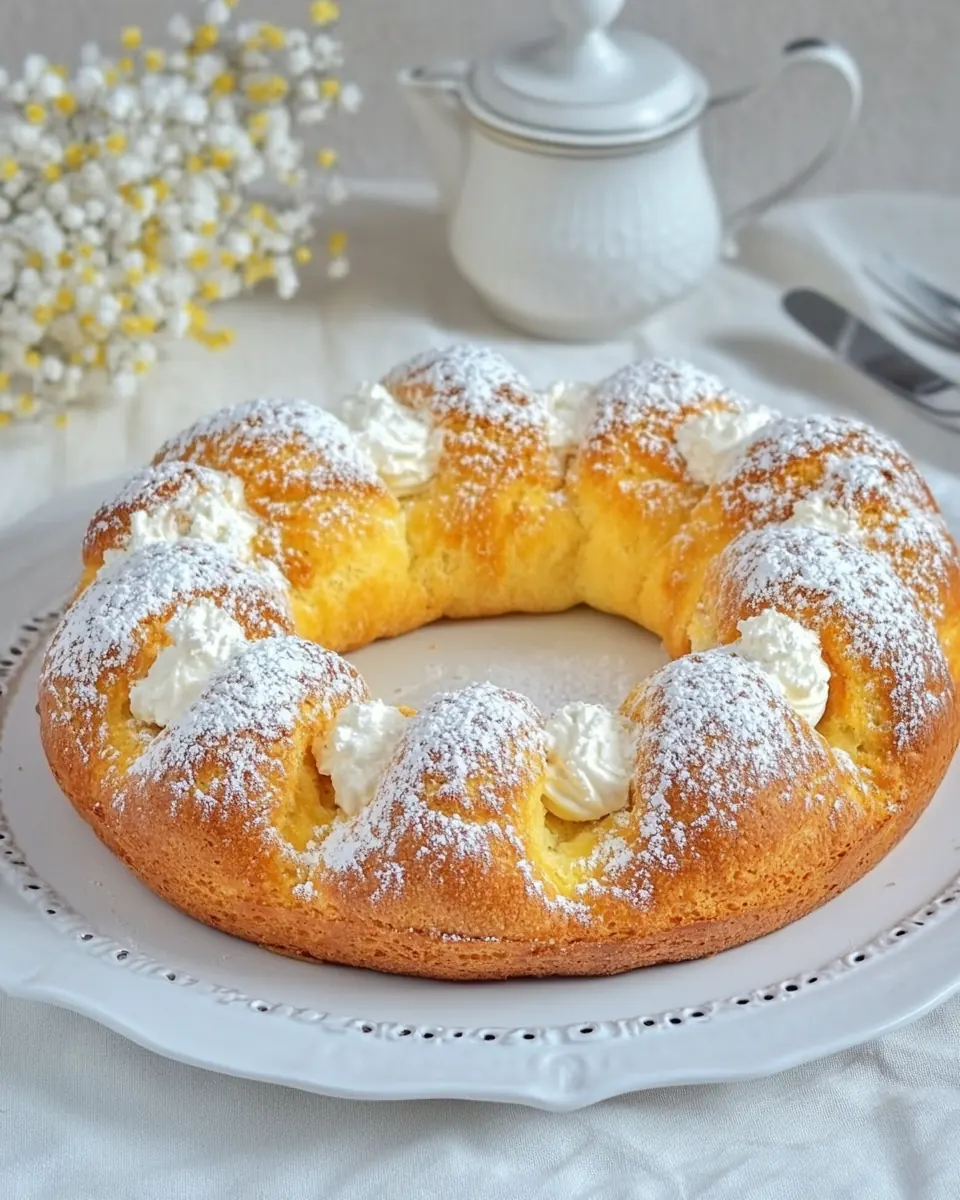
This list of tips will help you bake a confident loaf. They expand on technique, timing, and small adjustments that make a big difference.
- Chill the dough: Cooling the base before filling prevents slumping and helps the crust stay crisp. I usually chill for at least 30 minutes, which also gives time to prepare the filling without rush.
- Use room temperature eggs for the filling: Warm eggs incorporate more smoothly with the sour cream, yielding a silkier custard. If eggs are too cold the filling can seize or remain lumpy, so bring them to room temperature for about 15 to 20 minutes.
- Whip whites in a clean bowl: Any grease will stop the egg whites from whipping properly, so wipe the bowl with a little vinegar if unsure. I learned this the hard way after several failed attempts early on.
- Gradually add sugar: Adding the sugar spoon by spoon stabilizes the meringue and prevents graininess. Patience here pays off with a glossy, resilient foam that lifts the filling beautifully.
- Test for doneness by wobble: The center should have a gentle wobble when you remove it from the oven, not be liquid. Overbaking dries out the custard, while underbaking leaves it unset. I check visually and by touch to avoid guesswork.
- Finish with a light dusting: A small sprinkle of powdered sugar adds visual charm without overwhelming the delicate citrus and vanilla flavors. Apply just before serving to keep it fresh.
What Goes Well With This Paska Bread with Sour Cream
This section explores pairings and serving ideas so you can present the loaf beautifully for different occasions.
- Brunch pairing: Serve slices alongside a bowl of fresh fruit for a bright contrast between creamy filling and juicy fruit. It s perfect for a relaxed spring brunch with friends.
- Holiday table: On Easter the loaf makes a lovely centerpiece. Arrange on a platter with a few fresh citrus wedges and light sprigs of herbs for a festive touch.
- Afternoon tea: Pair with mild, non citrus teas so the pastry s vanilla and lemon notes shine. Keep portions modest, as the filling is rich and satisfying.
- Storage tips: Refrigerate wrapped in plastic wrap for up to three days, or slice and freeze portions for up to one month. Thaw slowly in the fridge before serving to preserve texture.
- Seasonal advice: This recipe feels especially appropriate in spring because of the citrus brightness and celebratory nature, but it s equally welcome any time you crave a tender, creamy loaf.
- Occasion suggestions: Beyond holidays, bring it to potlucks or family gatherings where it can be sliced and shared. It s sturdy enough to transport and keeps well chilled.
FAQ
Conclusion
Paska Bread with Sour Cream stands out for its tender crust and creamy, lemon scented filling, a recipe that rewards patience and simple techniques. I encourage you to try it when you want a comforting yet refined bake that feels celebratory. Take your time with the steps, trust the visual cues, and share the first warm slice with someone who appreciates a thoughtfully made pastry. Enjoy the process as much as the result, and let this loaf become a lovely part of your seasonal traditions.
Paska Bread with Sour Cream
Ingredients
Equipment
Method
- Preheat the oven to 170 degrees C (340 F).: As the oven warms you ll notice a faint, warming scent of heating metal and glass, which tells you the environment is ready for gentle baking. Preheating is essential so the crust begins setting as soon as it hits heat, preventing sogginess. If your oven runs hot or cold, use an oven thermometer to verify the temperature, because inconsistent heat can cause uneven rising or browning. A common error is to skip full preheating, resulting in a dense, underbaked center.
- Butter a 24 cm (9.4 inch) round baking tin.: Rubbing the tin with softened butter will leave a thin, even sheen that helps the pastry release after baking. You should see a glossy coating without pools of butter. This step also aids in achieving a golden edge where the crust meets the pan. Avoid using too much butter, which can cause the base to fry and become greasy during baking.
- Mix the flour with the soft butter, sugar, and yolks until you get a homogeneous dough.: As you combine flour , butter , powdered sugar , and the egg yolks , the texture will shift from crumbly to a cohesive dough that holds together when pressed. The aroma should be slightly sweet and buttery. Work quickly to avoid warming the dough too much, or it will become sticky and difficult to shape. Overmixing is the typical mistake here, which develops gluten and makes the crust tough.
- Give the dough a round shape and place it in the prepared pan.: Shaping by hand forms a smooth disk that fits the base of your tin. You ll feel a cool, slightly tacky surface that responds to gentle pressure. Center it so the crust bakes evenly, and if the dough resists shaping, chill it briefly to firm up. Forcing overly warm dough into the pan will cause uneven edges and possible slide down during baking.
- Press gently and smooth it out so that the bottom of the tray is well covered.: Use your fingers or the back of a spoon to press the dough thin and even across the pan, paying attention to corners and edges for uniform thickness. A well smoothed base encourages even cooking and prevents thin spots from burning. Visual cues include a consistent sheen and absence of cracks. Pressing too hard can compress the layers and make the crust dense.
- Chill the dough while you prepare the filling.: Refrigeration firms the fat, which keeps the crust flaky and prevents shrinkage in the oven. You ll notice the dough becoming firmer and easier to handle. This pause also gives you a chance to assemble ingredients without rushing. Skipping chilling often leads to a crust that slumps and loses shape during baking.
- Separate the yolks from the whites.: Clear separation ensures the egg whites will whip to full volume while the yolks enrich the filling. You should see bright yellow yolks and translucent whites with no cloudiness. If yolk leaks into the whites, they won t reach stiff peaks, so separate carefully over a bowl. A frequent mistake is using cold cracked eggs that make separation messy, so work over a surface you can clean easily.
- Over the yolks put the flour, grahams, and cream and homogenize.: Combining the eggs , the listed flour , semolina , and the abundant sour cream creates a smooth, thick custard base. You should observe a silky consistency and a pale yellow color as it comes together. Proper homogenization ensures even baking and a stable texture. Lumps indicate under mixing, which will produce uneven pockets and a grainy mouthfeel.
- Mix well then add the seeds from the vanilla pod and the grated lemon rind.: Stirring in the scraped vanilla pod seeds and fresh grated lemon peel releases aromatic oils that perfume the filling. You ll detect a floral, citrus fragrance that promises bright flavor. Even distribution is key so every slice has those notes. Forgetting to scrape the pod wastes a lot of flavor, so be thorough when harvesting the seeds.
- Beat the egg whites well with a pinch of salt until you get a firm froth.: Whipping the egg whites with a touch of salt transforms them into glossy peaks that will lighten the filling. Look for stiff peaks that stand tall and reflect light. This stage adds air and gives lift as the custard bakes. A greasy bowl or yolk contamination will prevent proper whipping, so start with a pristine, dry bowl.
- Add the sugar one spoon at a time and continue mixing.: Gradually incorporating the sugar into the whipped whites stabilizes the meringue and creates a glossy sheen. The sound changes as it whips, becoming higher pitched and taut, while the visual cue is a thicker, satiny texture. Rushing this step can deflate the whites or leave sugar grainy in the foam, so be patient until fully dissolved.
- Place the meringue over the cream and mix gently with upward movements.: Folding the meringue into the custard should be done with soft, upward motions to preserve the air you ve built. The mixture will lighten and take on a slightly cloud like appearance. This aeration gives the filling a lift and a tender crumb. Overfolding is the main risk, which will knock out volume and yield a denser filling.
- After homogenizing the filling, pour it over the crust and level.: When the filling is uniform, pour it into the chilled crust and use a spatula to smooth the surface. You ll notice a creamy sheen before baking, and the filling should sit evenly across the base. Leveling ensures even rise and browning during the bake. If the filling is too warm, it may soften the crust, so keep it cool and well mixed.
- Bake the pastry for 40-50 minutes on medium heat until it puffs up slightly and browns on the surface.: As the loaf bakes you ll see the center rise gently and the top take on a warm amber hue, with slight cracking as the custard sets. The oven fills with a delicate aroma of lemon and vanilla, and edges will become golden. Check that the center has a slight wobble but is not liquid. Common errors include opening the oven too often, which causes temperature drops and uneven set.
- When cooked, turn off the oven but leave the bread in the oven for 2 hours to cool gradually.: Cooling slowly inside the closed oven prevents a sudden temperature shock that can cause the filling to collapse or crack. The residual warmth allows the custard to finish setting gently. You may notice a faint settling, which is normal. Removing it immediately often leads to a sunken center and a less stable texture.
- Then put it in the fridge for a few hours.: Chilling concentrates flavors and firms the filling to a sliceable consistency. The fridge quiets the aromas and gives time for the structure to become elegant and slice cleanly. For best results, cover loosely so condensation does not form on the surface. Cutting too soon is a typical pitfall, resulting in a messy, unset interior.
- To serve, dust with sugar. It is a delicious pastry, enjoy!: A light dusting of powdered sugar adds a pretty finishing touch and a hint of extra sweetness on the aromatic crust. The first slice should show a tender, moist interior with gentle air pockets from the folded whites. Serve slightly chilled or at cool room temperature for the best balance. Oversugaring can mask the delicate lemon and vanilla notes, so keep it light.
- My source of inspiration for this wonderful pastry was Bucataria Nainei.: Acknowledging inspiration reminds us that recipes travel and evolve, and it s lovely to honor the roots. I always appreciate hearing where a recipe came from because context enriches the cooking experience. If you re inspired, try to explore the original for variations. Assuming identical results without adapting to your oven or ingredient brands is a common oversight.
Notes
- Chill the dough: Cooling the base before filling prevents slumping and helps the crust stay crisp. I usually chill for at least 30 minutes, which also gives time to prepare the filling without rush.
- Use room temperature eggs for the filling: Warm eggs incorporate more smoothly with the sour cream, yielding a silkier custard. If eggs are too cold the filling can seize or remain lumpy, so bring them to room temperature for about 15 to 20 minutes.
- Whip whites in a clean bowl: Any grease will stop the egg whites from whipping properly, so wipe the bowl with a little vinegar if unsure. I learned this the hard way after several failed attempts early on.
- Gradually add sugar: Adding the sugar spoon by spoon stabilizes the meringue and prevents graininess. Patience here pays off with a glossy, resilient foam that lifts the filling beautifully.
- Test for doneness by wobble: The center should have a gentle wobble when you remove it from the oven, not be liquid. Overbaking dries out the custard, while underbaking leaves it unset. I check visually and by touch to avoid guesswork.
- Finish with a light dusting: A small sprinkle of powdered sugar adds visual charm without overwhelming the delicate citrus and vanilla flavors. Apply just before serving to keep it fresh.