Whole Grain Cherry Almond Scones
Whole Grain Cherry Almond Scones are one of those recipes I return to when I want something rustic, nutty, and a little bit special for breakfast or an afternoon treat.
I remember the first time I baked these, the house smelled like warm oats and toasted almonds, and my neighbor stopped by because she couldn’t resist the aroma. I had a bag of whole grain scone mix on a busy morning, a jar of cold butter in the fridge, and a bowl of cherries that were on the verge of their best moment. I mixed, folded, and shaped the dough while humming along to an old record, and by the time the Whole Grain Cherry Almond Scones came out of the oven, they had a satisfying crackle on the top and a tender crumb inside. That balance of texture is what keeps me coming back.
Every time I make these I tweak the ratio of add ins a little, sometimes increasing the sliced almonds for extra crunch, other times folding in more cherries so each bite bursts with juicy sweetness. These scones are forgiving, which is perfect for mornings when you’re half awake, or afternoons when you want to impress guests without fuss. They slice neatly, and they travel well to picnics or potlucks. I often slice one in half and spread a smear of softened butter right away, because it melts into the warm crumb in the most satisfying way.
Recipe Snapshot
25 mins
10 mins
15 mins
Medium
200 kcal
American
Gluten-Free, Low FODMAP
Desserts
Large bowl, Pastry cutter, Baking sheet, Silicone baking mat
What We Adore About This Whole Grain Cherry Almond Scones
Textural Harmony
I love how the Whole Grain Cherry Almond Scones deliver a contrast between a crisp exterior and a tender interior. The whole grain scone mix provides a hearty backbone, while the cold butter creates those desirable pea sized pockets that steam and puff as they bake. That contrast is crucial, and when you get it right, the experience is far more interesting than a uniformly soft pastry.
Bright Fruit Notes
The use of fresh pitted cherries gives a bright, naturally sweet burst in every bite. I prefer cherries halved so they distribute evenly, and their juiciness cuts through the richness of the butter and sliced almonds, keeping the overall flavor lively. You get this delightful pop of freshness that keeps the scones from feeling heavy.
Nutty Crunch
Adding sliced almonds introduces a toasted nut character and crunchy contrast that feels both elegant and homey. When the almonds brown slightly, they release an aromatic oil, and that toasty scent mingles with the oats in the scone mix. It is a small detail, but it elevates each bite from simple to memorable.
Simple, Reliable Method
What I appreciate most is how straightforward the process is. With just a good quality whole grain scone mix, cold butter, water, and a hint of almond extract, you can produce consistent results. The technique of cutting the butter into the mix, folding in wet ingredients, and handling the dough gently reduces risk. I always remind myself and friends that minimal handling equals tender scones.
Versatile Serving
These scones are flexible enough for any occasion. Serve them warm for breakfast with a cup of coffee, bring them to a picnic, or offer them as a surprise at brunch. I like that they pair well with simple accompaniments, and they travel without losing much of their charm. That versatility is why I keep this recipe in heavy rotation.
What’s In This Whole Grain Cherry Almond Scones
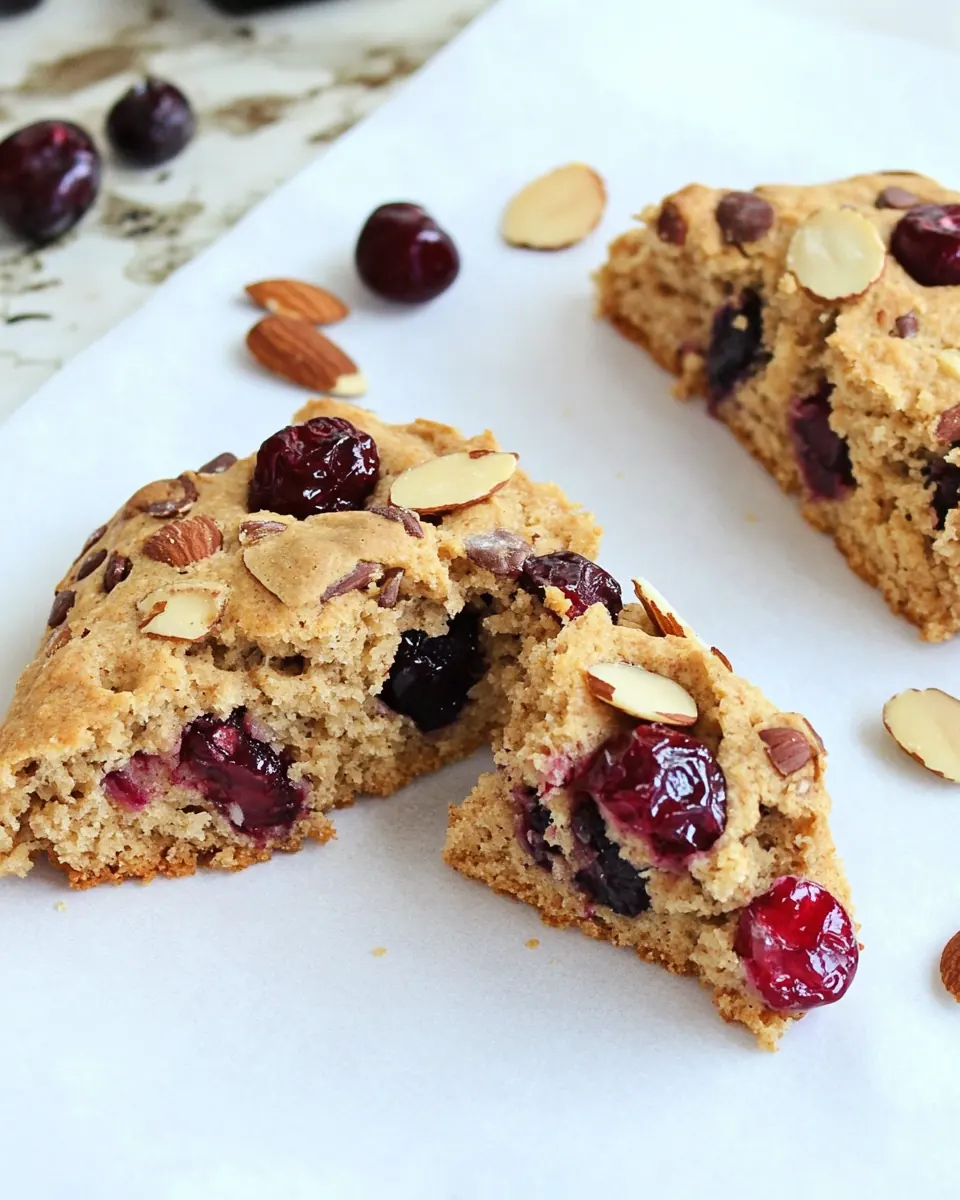
These ingredients are chosen to balance wholesome texture with a lively finish. The whole grain scone mix gives structure and oat forward flavor, the cold butter brings flakiness, while the cherries and sliced almonds add brightness and crunch. Together, they create scones that feel substantial yet tender, rustic yet refined. I aim for ingredients that complement rather than compete, letting each element shine.
- 1 package of 'Bob's Red Mill' Whole Grain Scottish Oatmeal Scone Mix: Provide structure and whole–grain flavor to the scones using a ready-mixed Bob's Red Mill blend formulated for Scottish oatmeal scones; contains flours and oats that yield a hearty texture and simplified preparation. Ensure proper measurement and gentle mixing to retain tender crumb and characteristic crumbly exterior.
- 1/2 cup butter, cold: Cut cold butter into the dough to create flaky layers and tender crumb by forming small pockets of fat that melt during baking. Keep butter chilled and work quickly to prevent overmixing so scones remain light rather than dense.
- 3/4 cup water: Add hydration and help bind the dry mix into a dough with water; controls dough consistency and influences final texture. Pour gradually and adjust slightly if needed to achieve a moist but manageable dough that holds shape.
- 1/2 tsp almond extract: Impart concentrated nutty flavor and aromatic lift with almond extract; enhances the almond components and complements cherries without adding additional moisture. Use sparingly to avoid overpowering the delicate balance of flavors.
- 1/2 cups sliced almonds: Contribute crunchy texture and pronounced almond flavor with sliced almonds sprinkled into or on top of the scones; provide contrast to the tender crumb and pair well with almond extract. Toast lightly beforehand if desired to deepen nuttiness and prevent sogginess during baking.
- 2 cups cherries, pitted and halved: Provide sweet-tart juiciness and fruity pockets throughout the scones with pitted, halved cherries; add freshness and balance to the whole–grain base and almonds. Pat cherries dry to reduce excess moisture and distribute evenly to avoid soggy spots.
How to Make Whole Grain Cherry Almond Scones
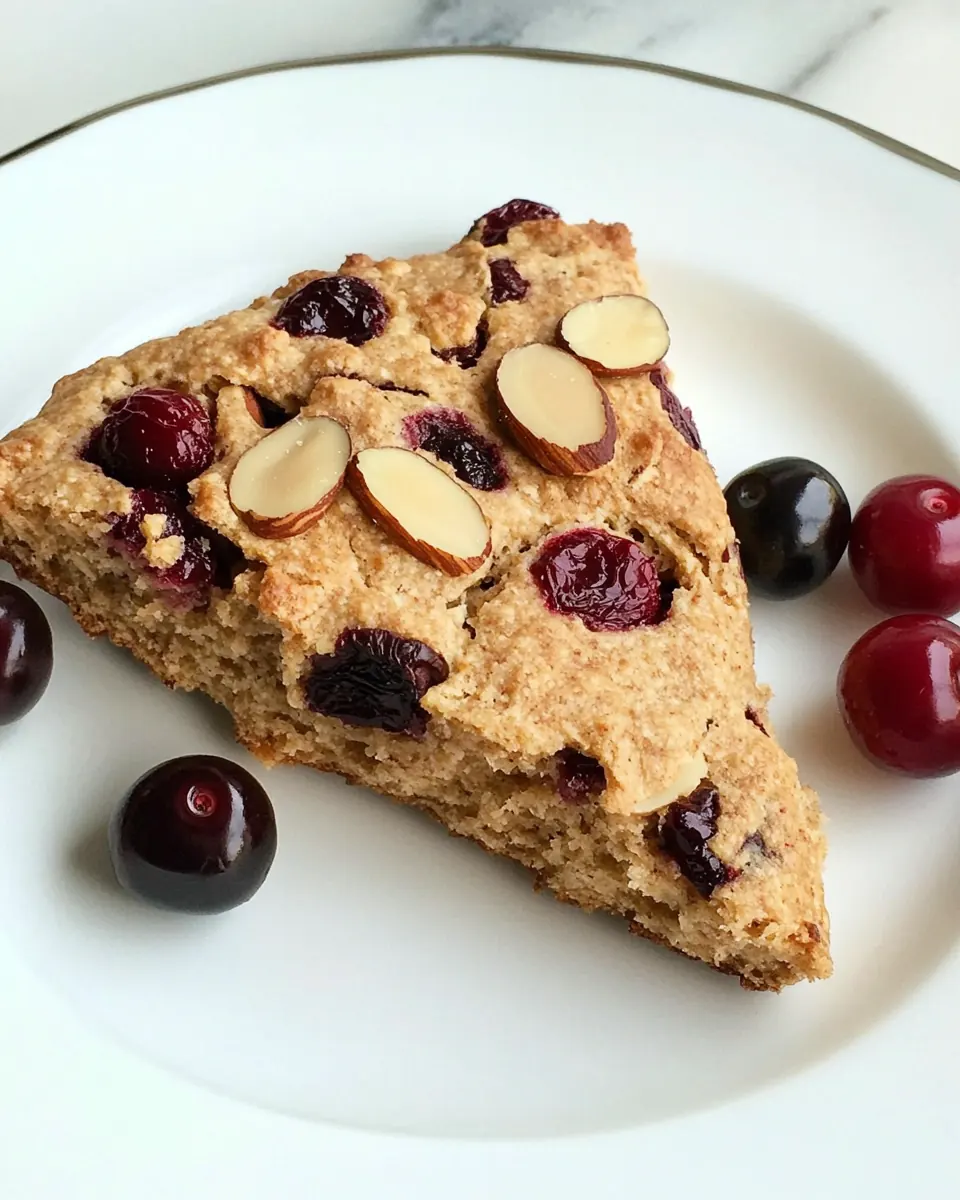
These instructions walk you through shaping and baking so your scones turn out crisp on the outside and tender inside. Read each step with the sensory cues in mind, and keep the butter cold and your movements deliberate. Proper handling and attention to visual signs will help you succeed.
- Preheat oven to 425 degrees F.: You should notice the oven warming up steadily, and a reliable hot oven is key so the scones rise quickly, creating a crisp exterior. The initial blast of heat sets the structure, sealing the edges while the interior stays tender. A common mistake is not allowing the oven to reach full temperature, which causes dense, flat scones, so wait until the thermostat indicates readiness and use an oven thermometer if yours is unreliable.
- In a large bowl pour entire bag of Scone Mix. Using a pastry cutter blend in the cold butter until the mixture turns into tiny pea-sized pieces.: At this stage you will feel the dry mix give way to a grainy texture speckled with cold butter . The sound is faint, a soft shifting as the cutter presses through. Those pea sized bits are crucial because they melt during baking and create steam that puffs the scones. Avoid overgrinding the butter , which would result in a greasy, dense crumb rather than a flaky one.
- Pour in water and almond extract and stir till a soft dough forms.: As you combine the liquids, you'll hear a slight scrape as the dough pulls together and see a cohesive, slightly tacky mass. The scent of almond extract will float up briefly, complementing the oats. Stir gently until the dough holds, because over mixing can develop gluten and make the scones tough. If the dough feels too dry, add a teaspoon of water at a time, and if too wet, dust with a little scone mix to reach the right consistency.
- Fold in almonds and cherries.: Folding is a gentle action that evenly distributes the sliced almonds and halved cherries without breaking them down. You should see pockets of red fruit and flecks of almond throughout the dough. The cherries will release a little juice if handled roughly, so be delicate to maintain their shape. A common error is vigorously mixing here, which bruises the fruit and can make the dough too wet.
- Divide dough in half, then turn out onto a floured surface. Shape dough into two 6" discs and place on a greased baking sheet (or use a silicone baking mat). Cut each disc into 6 wedges.: When you turn the dough out, feel for a smooth, slightly tacky surface that holds together. Shaping into discs creates even baking and those six wedges allow for uniform heat exposure. The visual cue is a clean edge and minimal sticking. If the dough becomes sticky while shaping, chill it briefly rather than adding too much flour, which would dry the scones out. Also, press gently to avoid compressing the dough too much.
- Bake for 15 minutes till it turns a light golden brown.: During baking you will notice the tops crack and edges become firm, with a rich, toasty aroma taking over the kitchen. The sound is quiet, but the visual cue of light golden brown signifies caramelized sugars and proper crust formation. Underbaking results in a doughy center, while overbaking dries them out, so start checking near the 12 minute mark if your oven runs hot. Rotate the pan halfway through if your oven has hot spots.
- Remove from oven and let cool slightly before enjoying.: As they cool, steam escapes and the crumb firms up, which makes slicing and handling easier. You will feel residual warmth and smell the mingling of oats, almonds, and cherry sugars. Resist the urge to cut immediately, because the structure needs a few minutes to settle. A common misstep is serving too hot, which yields a gummy interior; letting them rest ensures the right texture.
Tips for Success
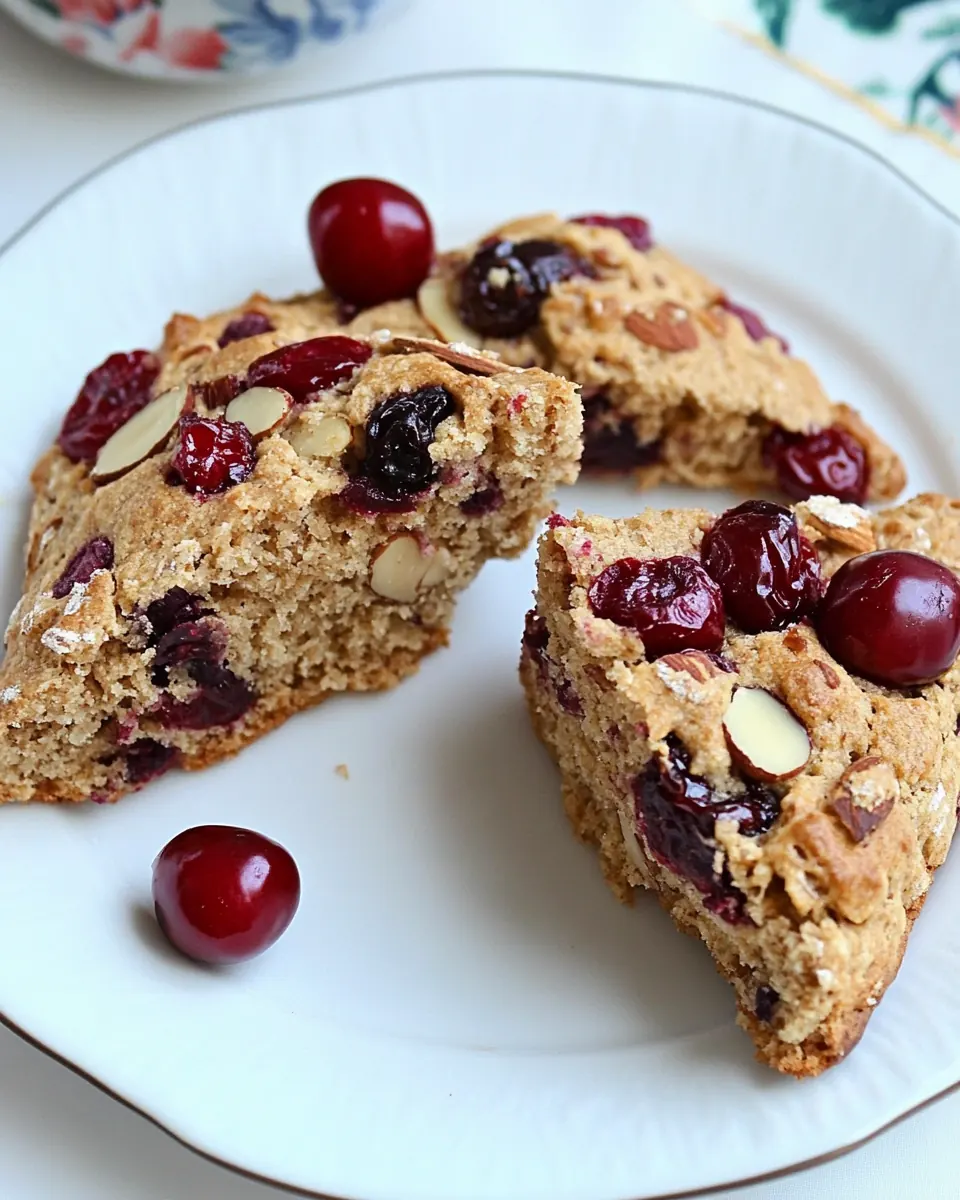
These tips will help you get consistent results with your Whole Grain Cherry Almond Scones. Read them before starting and refer back during the process so you avoid common pitfalls and enhance flavor and texture.
- Keep the butter cold: Chilled butter creates steam pockets that produce a flaky, layered crumb, so cut it into the mix just until pea sized pieces are visible.
- Measure accurately: Use a scale if possible, the balance of dry mix to water makes the difference between a tender scone and a gummy one.
- Handle dough minimally: Overworking develops gluten, which toughens scones, so fold in add ins gently and shape quickly.
- Check oven temperature: An oven thermometer can prevent underbaked centers or overly browned exteriors by ensuring your oven registers the set temperature correctly.
- Distribute cherries evenly: Halve and scatter the cherries carefully so each wedge has fruit without creating wet pockets in some and dryness in others.
Serving Options for Whole Grain Cherry Almond Scones
These scones are versatile and suit many occasions, from casual breakfasts to festive brunches. Consider how you want to serve them warm or room temperature, and choose complementary accompaniments to highlight their nutty and fruity qualities.
- Breakfast spread: Serve warm with a pat of softened butter and a pot of coffee for a cozy morning offering.
- Brunch platter: Arrange alongside fresh fruit and yogurt for a light and inviting brunch selection that balances textures.
- Picnic friendly: These scones travel well, wrap individually and pack with a small jar of jam for an easy outdoor treat.
- Holiday mornings: Offer them at seasonal gatherings where the cherries add a festive pop without needing elaborate preparation.
- Storage tips: Keep cooled scones in an airtight container at room temperature for up to two days, or freeze individually wrapped for longer storage, then reheat briefly in a low oven to refresh.
FAQ
Conclusion
What makes these scones special is the way whole grain texture, toasted almonds, and bright cherries come together to create a satisfying bite that feels both wholesome and a little indulgent. I encourage you to give them a try, especially on a slow morning or when you want to bring something comforting to a friend. They are forgiving, transportable, and reward a little patience with lovely aroma and texture that everyone will appreciate.
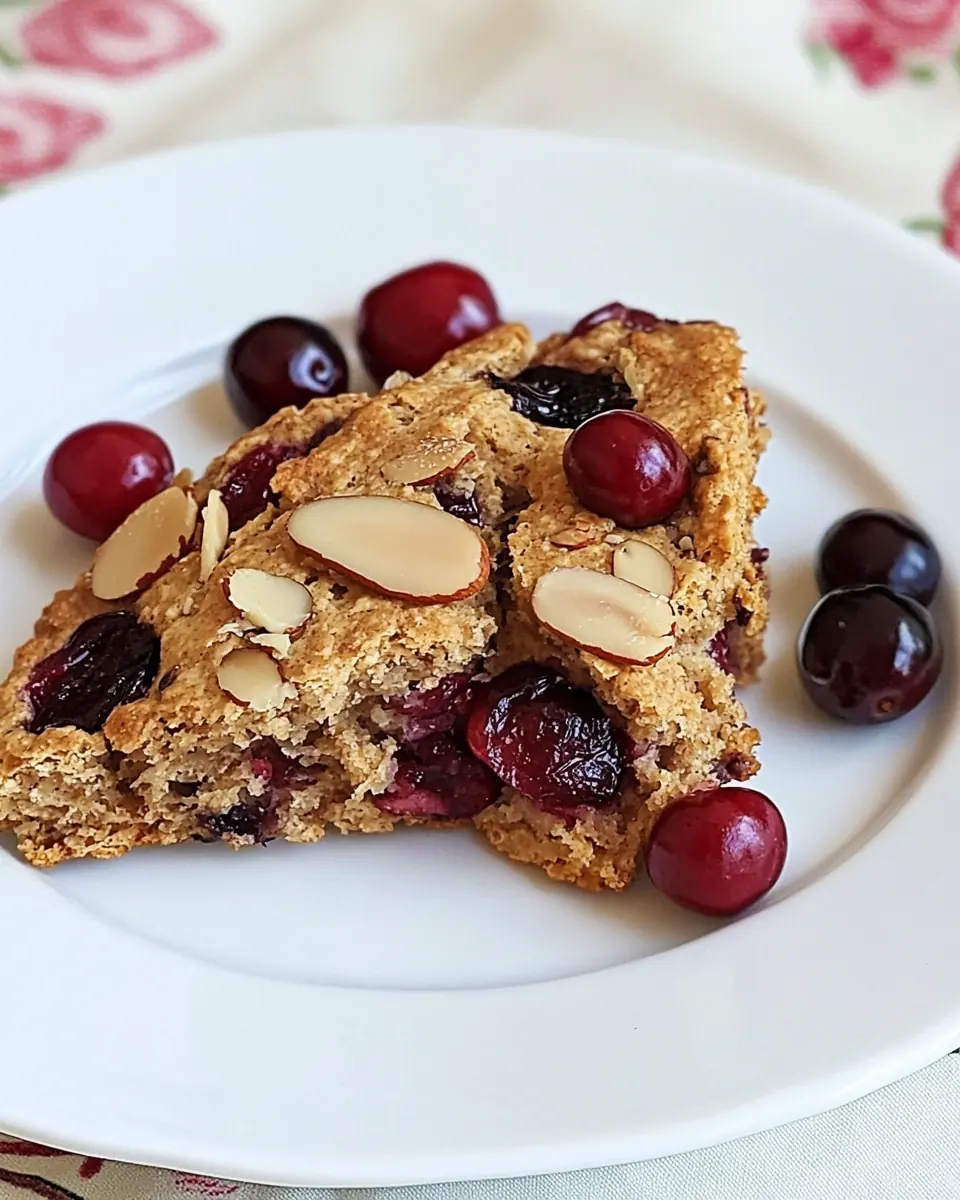
Whole Grain Cherry Almond Scones
Ingredients
Equipment
Method
- Preheat oven to 425 degrees F.: You should notice the oven warming up steadily, and a reliable hot oven is key so the scones rise quickly, creating a crisp exterior. The initial blast of heat sets the structure, sealing the edges while the interior stays tender. A common mistake is not allowing the oven to reach full temperature, which causes dense, flat scones, so wait until the thermostat indicates readiness and use an oven thermometer if yours is unreliable.
- In a large bowl pour entire bag of Scone Mix. Using a pastry cutter blend in the cold butter until the mixture turns into tiny pea-sized pieces.: At this stage you will feel the dry mix give way to a grainy texture speckled with cold butter . The sound is faint, a soft shifting as the cutter presses through. Those pea sized bits are crucial because they melt during baking and create steam that puffs the scones. Avoid overgrinding the butter , which would result in a greasy, dense crumb rather than a flaky one.
- Pour in water and almond extract and stir till a soft dough forms.: As you combine the liquids, you'll hear a slight scrape as the dough pulls together and see a cohesive, slightly tacky mass. The scent of almond extract will float up briefly, complementing the oats. Stir gently until the dough holds, because over mixing can develop gluten and make the scones tough. If the dough feels too dry, add a teaspoon of water at a time, and if too wet, dust with a little scone mix to reach the right consistency.
- Fold in almonds and cherries.: Folding is a gentle action that evenly distributes the sliced almonds and halved cherries without breaking them down. You should see pockets of red fruit and flecks of almond throughout the dough. The cherries will release a little juice if handled roughly, so be delicate to maintain their shape. A common error is vigorously mixing here, which bruises the fruit and can make the dough too wet.
- Divide dough in half, then turn out onto a floured surface. Shape dough into two 6" discs and place on a greased baking sheet (or use a silicone baking mat). Cut each disc into 6 wedges.: When you turn the dough out, feel for a smooth, slightly tacky surface that holds together. Shaping into discs creates even baking and those six wedges allow for uniform heat exposure. The visual cue is a clean edge and minimal sticking. If the dough becomes sticky while shaping, chill it briefly rather than adding too much flour, which would dry the scones out. Also, press gently to avoid compressing the dough too much.
- Bake for 15 minutes till it turns a light golden brown.: During baking you will notice the tops crack and edges become firm, with a rich, toasty aroma taking over the kitchen. The sound is quiet, but the visual cue of light golden brown signifies caramelized sugars and proper crust formation. Underbaking results in a doughy center, while overbaking dries them out, so start checking near the 12 minute mark if your oven runs hot. Rotate the pan halfway through if your oven has hot spots.
- Remove from oven and let cool slightly before enjoying.: As they cool, steam escapes and the crumb firms up, which makes slicing and handling easier. You will feel residual warmth and smell the mingling of oats, almonds, and cherry sugars. Resist the urge to cut immediately, because the structure needs a few minutes to settle. A common misstep is serving too hot, which yields a gummy interior; letting them rest ensures the right texture.
Notes
- Keep the butter cold: Chilled butter creates steam pockets that produce a flaky, layered crumb, so cut it into the mix just until pea sized pieces are visible.
- Measure accurately: Use a scale if possible, the balance of dry mix to water makes the difference between a tender scone and a gummy one.
- Handle dough minimally: Overworking develops gluten, which toughens scones, so fold in add ins gently and shape quickly.
- Check oven temperature: An oven thermometer can prevent underbaked centers or overly browned exteriors by ensuring your oven registers the set temperature correctly.
- Distribute cherries evenly: Halve and scatter the cherries carefully so each wedge has fruit without creating wet pockets in some and dryness in others.