Protein Ice Cream
Protein Ice Cream is one of those recipes I reach for when I want something that feels indulgent but still aligns with a protein-focused lifestyle. The first time I made it I was armed with a carton of chilled coconut milk and a bag of protein powder, and I remember the hush that fell over the kitchen as the blender turned the mixture into this unbelievably creamy base. That initial scoop felt like a small victory, a frozen treat that did not force me to compromise on macronutrients or flavor.
I like to think of Protein Ice Cream as a versatile foundation. Some days I stir in extra protein for a postworkout boost, other times I keep it lightly sweet so it pairs with fruit. In my house it has become a simple ritual: blend, freeze, check, scoop, repeat. Each stage brings its own tiny pleasure the sound of the blender, the smell of coconut filling the air, the slow firming in the freezer. That sensory arc is what makes this recipe stick for me.
Beyond the personal satisfaction, this recipe wins on practicality. It uses minimal tools, requires no churning machine, and is forgiving when you want to test different sweeteners or protein flavors. I also love giving it to friends who are skeptical about protein desserts they often admit that they cannot taste the protein, only the creamy texture and satisfying mouthfeel. It has quietly converted more than one dessert doubter into a believer.
Recipe Snapshot
5 mins
5 mins
0 mins
Easy
200 kcal
American
Keto, Gluten-Free
Desserts
Blender, Loaf pan, Spatula, Freezer, Ice cream scoop
What’s Great About This Protein Ice Cream
Uncomplicated, reliable texture
I have made Protein Ice Cream many times, and each batch consistently delivers a rich, creamy mouthfeel. The chilled coconut milk creates a silky fat matrix that suspends air and protein powder, so you get scoopable results without an ice cream machine. I love knowing the texture will hold up, whether I eat it straight from the freezer or after a brief thaw.
Customizable protein boost
One of the biggest perks for me is how flexible this recipe is with protein amounts. I often increase the protein for a postworkout treat, and the base stays stable. You can choose your favorite protein powder flavor to steer the final taste. For people who want more protein, it lets you experiment without wrecking the structure.
Low fuss process
I appreciate recipes that do most of the work for you, and this is one of them. The steps are straightforward, relying on a blender and a loaf pan. Because the technique focuses on chilling and periodic stirring, it frees you from babysitting the mixture, which I find liberating on busy afternoons.
Great for dietary goals
When I am tracking macros or aiming for a higher protein intake, Protein Ice Cream serves as a satisfying option that still feels like dessert. The coconut milk lends a naturally creamy base, and by choosing sweeteners deliberately you can keep sugars low while maintaining pleasant sweetness.
Kid friendly and crowd ready
I have served this to kids and friends at casual gatherings, and it disappears fast. It holds up well in portions, and because you can control the sweetness and protein level, it becomes a versatile choice for groups with varying tastes. I enjoy watching people try it and ask for seconds.
What to Gather for Protein Ice Cream
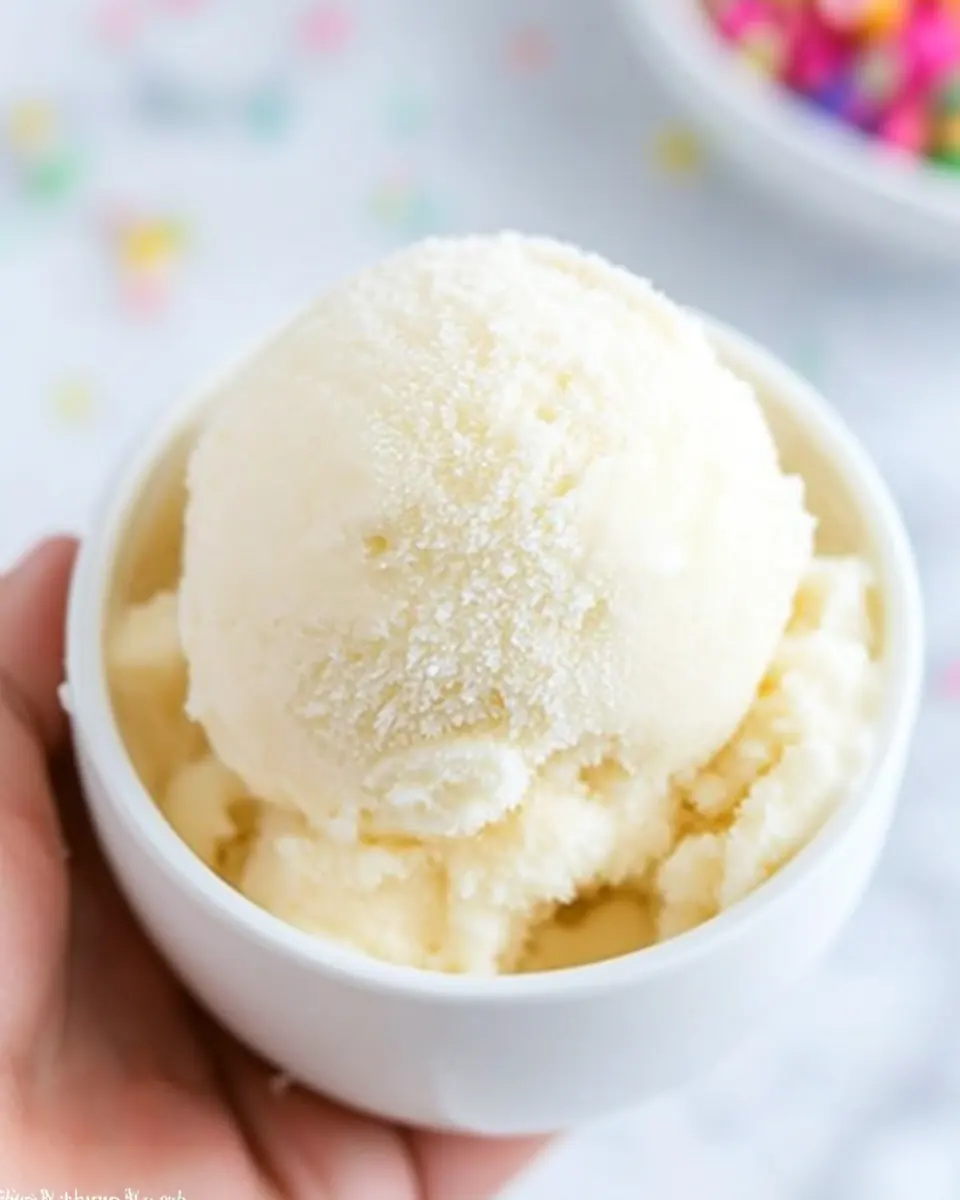
This ingredient list follows a simple philosophy: a creamy fat base, a protein bulking agent, and a gentle sweetener to balance flavor. The key players work together to create scoopable texture and satisfying mouthfeel. The chilled coconut milk provides luscious fat, the protein powder adds structure and nutrition, and the sweetener keeps the profile pleasant without overpowering the coconut character.
- 28 ounces canned coconut milk chilled: Provide a rich, creamy base and contribute significant fat content that helps create a smooth, scoopable texture once frozen; use chilled to maximize thickness and reduce ice crystal formation during blending. Add depth of flavor and a subtly sweet, tropical undertone that pairs well with protein powders and low-calorie sweeteners. Ensure cans are shaken gently before opening to reincorporate settled solids and liquids for consistent results.
- 1 cup protein powder * See notes: Supply concentrated protein to fortify the ice cream, increase creaminess when using whey or plant blends, and help achieve a firmer set after freezing. Choose an unflavored or complementary-flavored powder if desired to control sweetness and avoid overpowering the coconut base. Adjust quantity based on desired protein content and texture, noting that some powders can affect mixability and mouthfeel.
- 1 2 tablespoon allulose * See notes: Provide bulk sweetening and freezing-point depression to keep the frozen dessert scoopable while contributing minimal calories compared to sugar; dissolve fully for an even distribution. Use 1 to 2 tablespoons to taste depending on sweetness preference and the sweetness of the chosen protein powder. Consider gradual addition and tasting during blending to avoid over-sweetening.
Instructions for Protein Ice Cream
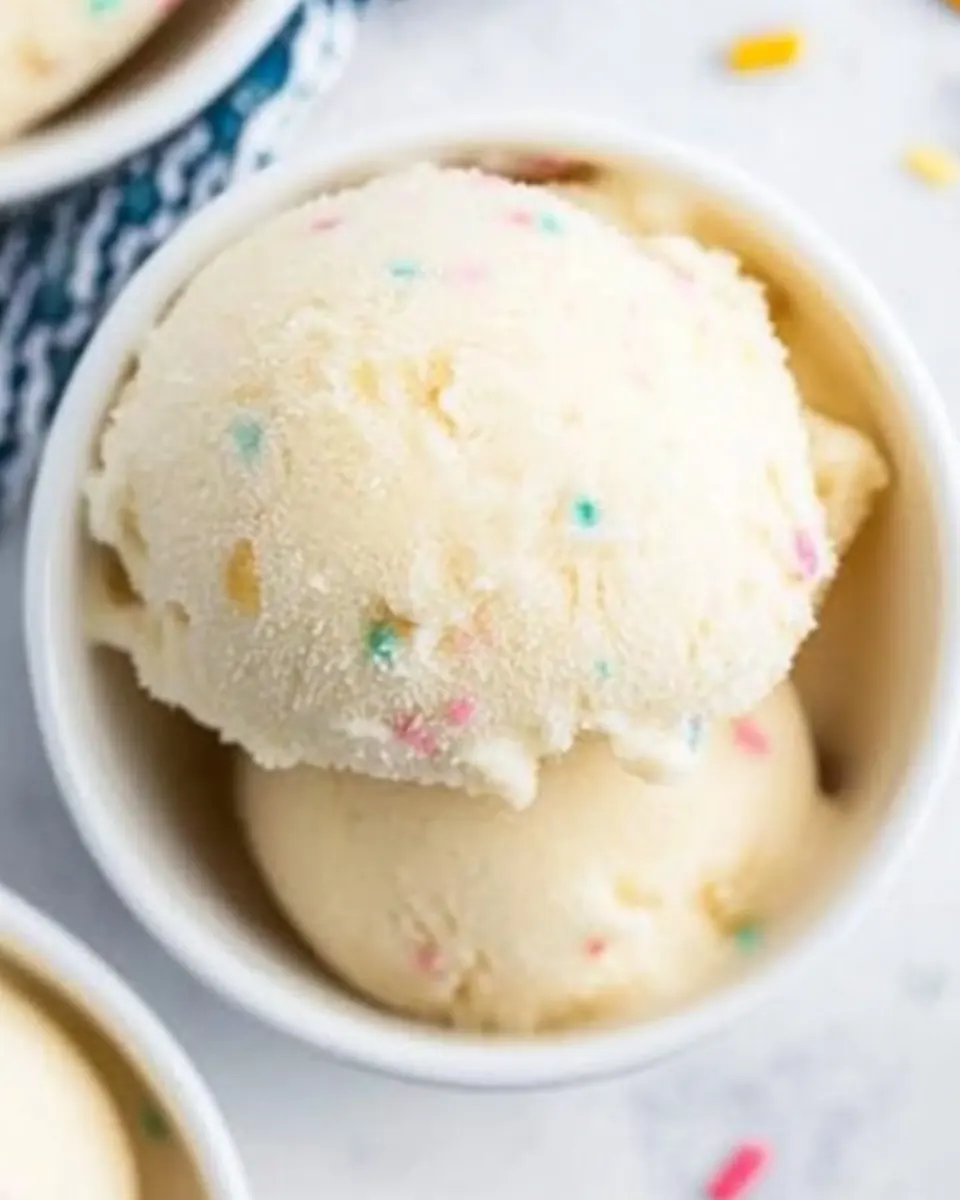
This recipe is straightforward yet benefits from attention to sensory cues and gentle timing. Below I expand each direction into detailed, personal steps so you know what to listen, see, and smell for at every stage.
- Place a large, deep loaf pan or deep pan in the freezer.: When you put the pan into the freezer you will feel the cold instantly if you touch it, and that initial chill helps the mixture begin to set quickly when transferred, promoting smaller ice crystals and smoother texture. I always choose a metal pan when possible because it chills faster than glass. One common mistake is using a shallow dish which can freeze too fast at the edges and leave the center soft, so use a deep pan for even setting. This step matters since a cold container reduces the time the mix spends in the temperature zone where large crystals form.
- In a blender or food processor, add your coconut milk and blend until smooth and creamy. Add your protein powder and granulated sweetener or dates and blend until a thick and creamy texture remains.: As you blend the chilled coconut milk , watch for the motion to go from sluggish to silky, and listen for the motor tone to even out which indicates the cream has emulsified. The mixture should look uniformly pale and glossy, not separated or oily. This smoothness is essential because lumps of solidified coconut cream will create uneven pockets in the final ice cream. Avoid overblending to the point of heating the milk, as that can slightly alter texture and flavor.
- Transfer the protein ice cream to the loaf pan. To prevent it from becoming too icy, lightly mix your ice cream every 20 minutes for the first hour, a total of three times.: When you add the protein powder and allulose or dates, blend just until the powder is fully incorporated and the mixture thickens. You should see the mix cling to the blender walls and hear a heavier, lower-pitched motor hum. This thicker body helps the frozen result feel dense and satisfying. A typical pitfall is blending too little which leaves grainy particles, or blending too long which can aerate the mixture too much, causing a lighter, icier texture once frozen.
- Thaw for 10-15 minutes before eating. Lightly wet an ice cream scoop before scooping the ice cream into a bowl.: As you pour, observe the glossy surface and the way the mixture settles into the corners of the pan. The transfer should be steady to avoid creating air pockets, which can cause uneven freezing. Using a spatula helps scrape down the blender and ensures no thick parts are left behind. A frequent oversight is filling a pan that was not fully chilled, which will slow initial freezing and promote larger crystals.
- To enjoy it soft serve style, let it thaw to desired texture.: During these brief stirs you will hear a quiet scraping sound as you fold the partly frozen edges into the softer center, and you will notice the texture change from slushy to more homogenous. This manual agitation breaks up forming ice crystals, yielding creamier texture. I set a timer for each 20 minute interval to stay consistent. A mistake to avoid is vigorous stirring which can introduce too much air leading to a lighter consistency that may refreeze into a crumbly state.
- Thaw for 10 to 15 minutes before eating.: When you remove the pan and let it rest, watch for the edges to soften slightly and for a sheen to form on the surface, cues that the ice cream is ready to scoop. A lightly wet ice cream scoop glides much easier than a dry one, and you will hear a satisfying scoop sound as the ice cream releases. Overwaiting can make it too soft and melty, while underwaiting makes scooping difficult and can compress the texture into dense clumps.
- Lightly wet an ice cream scoop before scooping the ice cream into a bowl.: Dipping the scoop in water warms its surface, allowing cleaner, rounder scoops with less tearing of the ice cream structure. The sound here is important you want a clean, smooth scooping sound, not a scraping grind. Avoid pressing too hard when forming scoops as that compresses the ice cream, changing its lightness. This small technique improves presentation and eating experience significantly.
- To enjoy it soft serve style, let it thaw to desired texture.: If you prefer softer, spoonable texture, let the pan sit at room temperature and check every few minutes. You will see the center loosen and become glossy before the edges. Soft serve texture highlights the creaminess of the coconut milk and allows flavors to bloom on the tongue. A common trap is leaving it too long which results in melting rather than soft serving, so monitor closely and transfer to bowls once the desired consistency appears.
Tips and Tricks about Protein Ice Cream
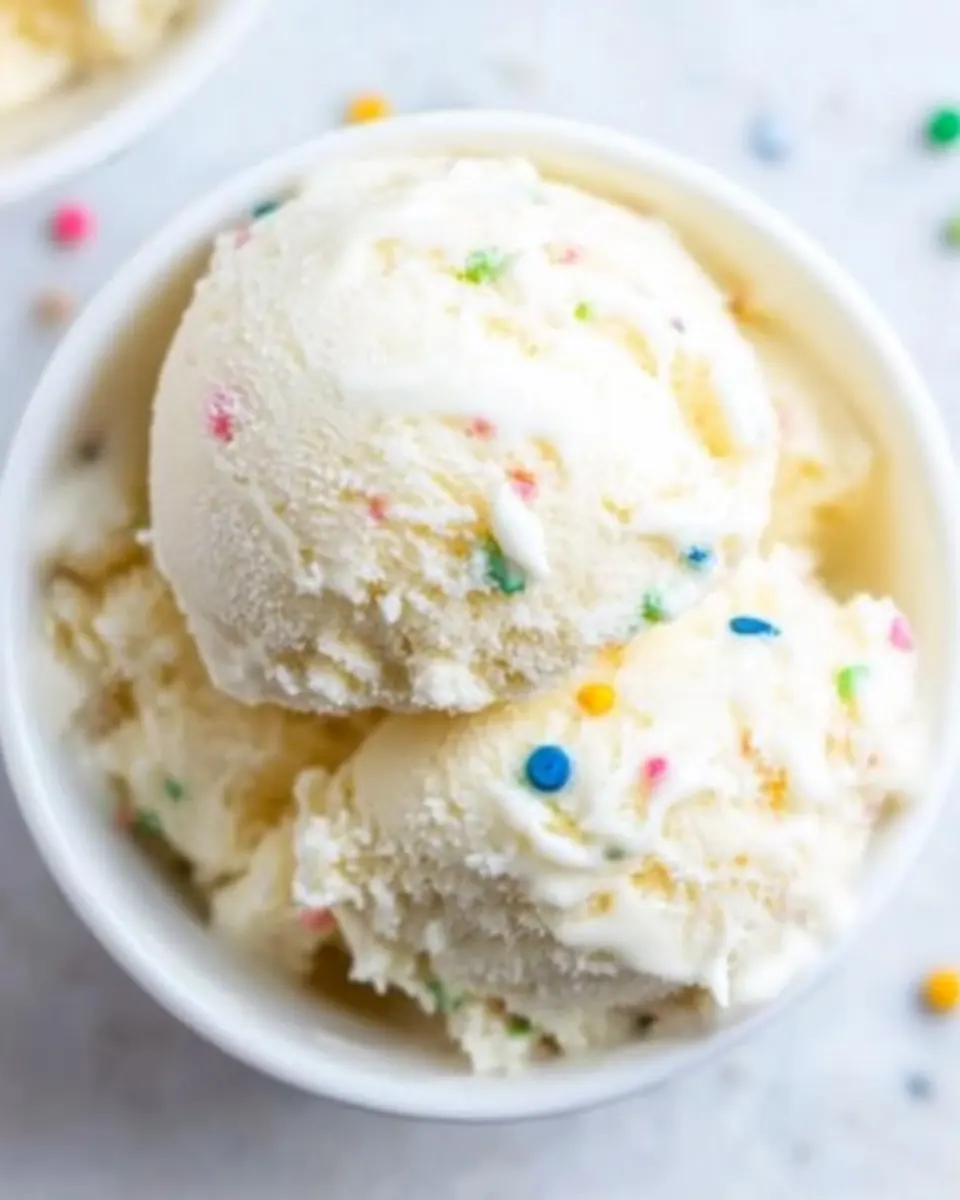
I like sharing tips that make the process easier and the results more reliable. Below are practical, tested ideas I use to ensure the best possible texture and flavor every time I make Protein Ice Cream.
- Chill everything: I always chill the canned coconut milk and the loaf pan beforehand, because starting with cold components dramatically reduces large ice crystal formation and gives a silkier texture.
- Measure protein thoughtfully: While the recipe lists one cup, using up to two cups can increase protein content but you may need to blend slightly longer to incorporate the powder and avoid graininess.
- Choose sweeteners with purpose: I prefer allulose for its low calorie profile and non crystalizing behavior, but if you use dates, puree them very well to avoid bits that will freeze hard.
- Use a wet scoop: Dipping your scoop in warm water before each serving makes the scoops neater and reduces scraping that can break the structure of the ice cream.
- Short freeze cycles: Stirring every 20 minutes for the first hour is a small time investment that yields noticeably better texture than leaving it undisturbed.
- Rescue icy batches: If the ice cream becomes too icy after storage, briefly re-blend to restore a soft serve like consistency rather than trying to chop and refreeze it.
Best Served With
Protein Ice Cream is versatile and pairs well with a range of textures and occasions. Whether you serve it as a postworkout treat, a light dessert after dinner, or a midday snack, consider contrasts like crunchy or fresh elements to balance the creamy base.
- Fresh berries: A handful of fresh berries adds bright acidity and a juicy contrast to the creamy coconut milk base.
- Toasted nuts: Sprinkle toasted nuts for crunch and an extra layer of flavor that plays nicely with the protein enriched texture.
- Granola topping: A spoonful of granola brings pleasant chew and a contrasting mouthfeel, ideal for a brunch or breakfast style serving.
- Warm sauce drizzle: A small pour of warm fruit compote or nut butter enhances richness and creates a lovely hot cold contrast for evening desserts.
- Occasions: Serve this at casual gatherings, postworkout snacks, or as a lighter Ramadan dessert where a controlled sweet treat is welcome.
- Storage tips: Keep covered in the freezer for up to five days, and avoid refreezing once thawed to maintain the best texture.
FAQ
Conclusion
This recipe stands out because it transforms simple pantry staples into a creamy, protein forward frozen treat that feels indulgent yet purposeful. It is approachable, forgiving, and adaptable whether you want a small postworkout scoop or a dessert for company. Give it a try with your preferred protein powder and adjust sweetness to taste, and you may find this becoming one of your go to cold snacks. I hope it brings the same quiet satisfaction to your kitchen that it has to mine, and encourages you to experiment with flavors and textures until you find your perfect scoop.
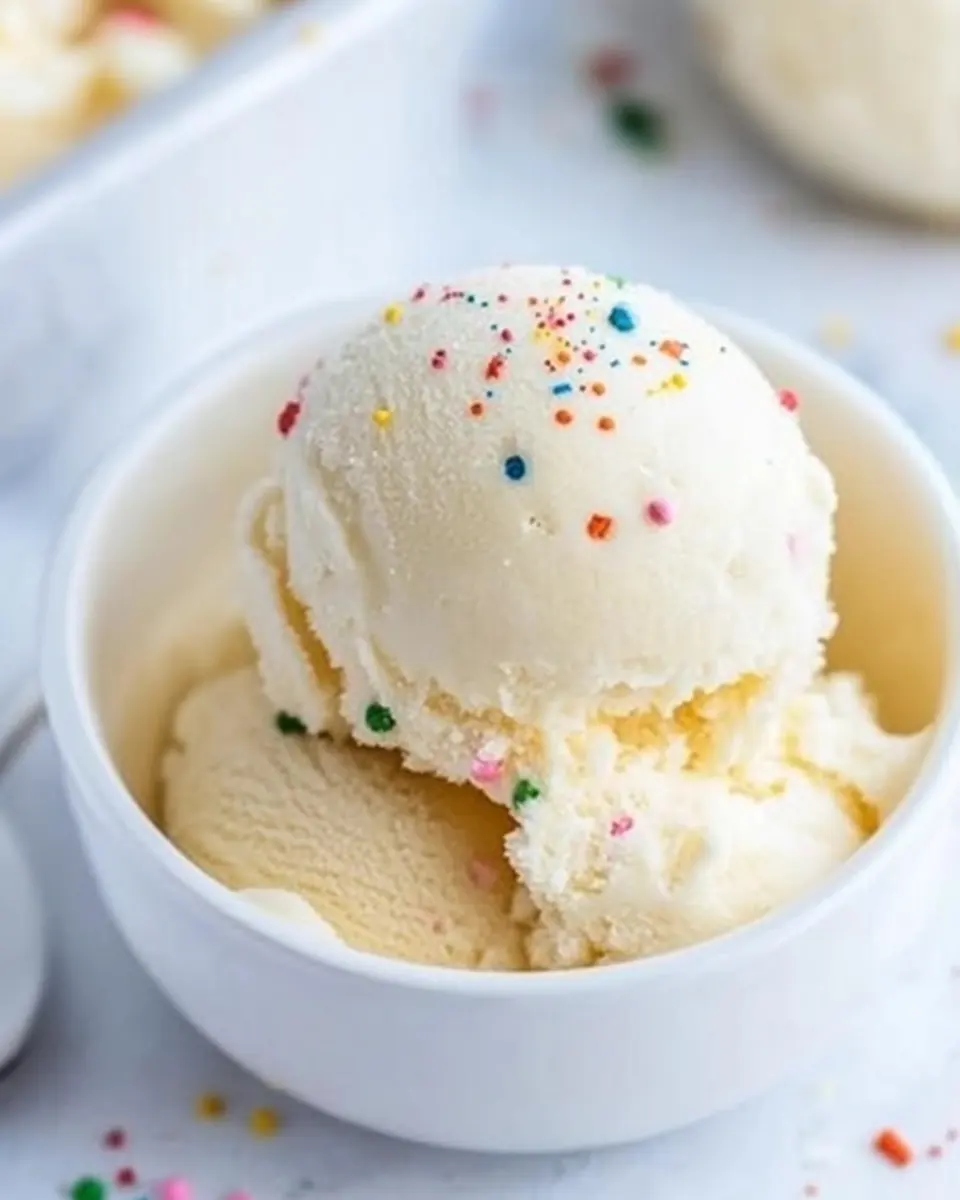
Protein Ice Cream
Ingredients
Equipment
Method
- Place a large, deep loaf pan or deep pan in the freezer.: When you put the pan into the freezer you will feel the cold instantly if you touch it, and that initial chill helps the mixture begin to set quickly when transferred, promoting smaller ice crystals and smoother texture. I always choose a metal pan when possible because it chills faster than glass. One common mistake is using a shallow dish which can freeze too fast at the edges and leave the center soft, so use a deep pan for even setting. This step matters since a cold container reduces the time the mix spends in the temperature zone where large crystals form.
- In a blender or food processor, add your coconut milk and blend until smooth and creamy. Add your protein powder and granulated sweetener or dates and blend until a thick and creamy texture remains.: As you blend the chilled coconut milk , watch for the motion to go from sluggish to silky, and listen for the motor tone to even out which indicates the cream has emulsified. The mixture should look uniformly pale and glossy, not separated or oily. This smoothness is essential because lumps of solidified coconut cream will create uneven pockets in the final ice cream. Avoid overblending to the point of heating the milk, as that can slightly alter texture and flavor.
- Transfer the protein ice cream to the loaf pan. To prevent it from becoming too icy, lightly mix your ice cream every 20 minutes for the first hour, a total of three times.: When you add the protein powder and allulose or dates, blend just until the powder is fully incorporated and the mixture thickens. You should see the mix cling to the blender walls and hear a heavier, lower-pitched motor hum. This thicker body helps the frozen result feel dense and satisfying. A typical pitfall is blending too little which leaves grainy particles, or blending too long which can aerate the mixture too much, causing a lighter, icier texture once frozen.
- Thaw for 10-15 minutes before eating. Lightly wet an ice cream scoop before scooping the ice cream into a bowl.: As you pour, observe the glossy surface and the way the mixture settles into the corners of the pan. The transfer should be steady to avoid creating air pockets, which can cause uneven freezing. Using a spatula helps scrape down the blender and ensures no thick parts are left behind. A frequent oversight is filling a pan that was not fully chilled, which will slow initial freezing and promote larger crystals.
- To enjoy it soft serve style, let it thaw to desired texture.: During these brief stirs you will hear a quiet scraping sound as you fold the partly frozen edges into the softer center, and you will notice the texture change from slushy to more homogenous. This manual agitation breaks up forming ice crystals, yielding creamier texture. I set a timer for each 20 minute interval to stay consistent. A mistake to avoid is vigorous stirring which can introduce too much air leading to a lighter consistency that may refreeze into a crumbly state.
- Thaw for 10 to 15 minutes before eating.: When you remove the pan and let it rest, watch for the edges to soften slightly and for a sheen to form on the surface, cues that the ice cream is ready to scoop. A lightly wet ice cream scoop glides much easier than a dry one, and you will hear a satisfying scoop sound as the ice cream releases. Overwaiting can make it too soft and melty, while underwaiting makes scooping difficult and can compress the texture into dense clumps.
- Lightly wet an ice cream scoop before scooping the ice cream into a bowl.: Dipping the scoop in water warms its surface, allowing cleaner, rounder scoops with less tearing of the ice cream structure. The sound here is important you want a clean, smooth scooping sound, not a scraping grind. Avoid pressing too hard when forming scoops as that compresses the ice cream, changing its lightness. This small technique improves presentation and eating experience significantly.
- To enjoy it soft serve style, let it thaw to desired texture.: If you prefer softer, spoonable texture, let the pan sit at room temperature and check every few minutes. You will see the center loosen and become glossy before the edges. Soft serve texture highlights the creaminess of the coconut milk and allows flavors to bloom on the tongue. A common trap is leaving it too long which results in melting rather than soft serving, so monitor closely and transfer to bowls once the desired consistency appears.
Notes
- Chill everything: I always chill the canned coconut milk and the loaf pan beforehand, because starting with cold components dramatically reduces large ice crystal formation and gives a silkier texture.
- Measure protein thoughtfully: While the recipe lists one cup, using up to two cups can increase protein content but you may need to blend slightly longer to incorporate the powder and avoid graininess.
- Choose sweeteners with purpose: I prefer allulose for its low calorie profile and non crystalizing behavior, but if you use dates, puree them very well to avoid bits that will freeze hard.
- Use a wet scoop: Dipping your scoop in warm water before each serving makes the scoops neater and reduces scraping that can break the structure of the ice cream.
- Short freeze cycles: Stirring every 20 minutes for the first hour is a small time investment that yields noticeably better texture than leaving it undisturbed.
- Rescue icy batches: If the ice cream becomes too icy after storage, briefly re-blend to restore a soft serve like consistency rather than trying to chop and refreeze it.