Slow Cooker Short Rib Stew
Slow Cooker Short Rib Stew is the kind of recipe I turn to when the weather makes me crave something deep and comforting. The first time I made it, I remember the house filling with the slow, warm scent of beef and herbs, and how a simple scoop over mashed potatoes felt like a small, restorative ceremony after a long day. I knew from that moment this was a stew worth repeating whenever I wanted food that hugs you back.
Over the years I’ve adjusted small things, learning when to brown the meat for the most savory crust, and when to let the slow cooker do the heavy lifting. I love how the potatoes and carrots soak up the broth, and how a touch of arrowroot gives the sauce a silky finish. Every time I serve Slow Cooker Short Rib Stew to friends, someone always asks for the recipe, and I invariably tell a different story about why this batch is my favorite.
Recipe Snapshot
8 hr 15 mins
15 mins
480 mins
Hard
400 kcal
American
Gluten-Free, Paleo
Dinner
Skillet, Slow Cooker
The Beauty of This Slow Cooker Short Rib Stew
Deep, Braised Flavor without Fuss
I adore how Slow Cooker Short Rib Stew captures the rich, caramelized notes of well browned short ribs while still being a set it and forget it meal. Browning the meat first layers in those roasted flavors, then the slow cooker amplifies them so every spoonful feels indulgent without extra effort.
Hearty, Balanced Texture
The combination of starchy potatoes, tender carrots, and optional cremini mushrooms gives you varied textures, so each bite alternates between silky, soft, and meaty. I like that the vegetables hold up through long cooking, becoming yielding but not mushy.
Adaptable and Family Friendly
This recipe works for a quiet weeknight dinner or a relaxed weekend gathering. I often double it for company, because people are drawn to the comforting aroma. You can make it with or without optional ingredients like parsnips, and it still sings.
Simple Ingredient List, Big Impact
With pantry stalwarts like beef broth, canned diced tomatoes, and aromatics such as garlic and onion, you get complex results from humble components. The arrowroot gives a glossy finish without weighing the dish down, which I appreciate when serving alongside creamy sides.
Great for Meal Prep and Comfort Eating
I love that leftovers transform into an even better second meal, the flavors deepening overnight. It’s the sort of stew that rewards patience, and it frees you up during the day to relax instead of fussing over the stove.
What to Buy for Slow Cooker Short Rib Stew
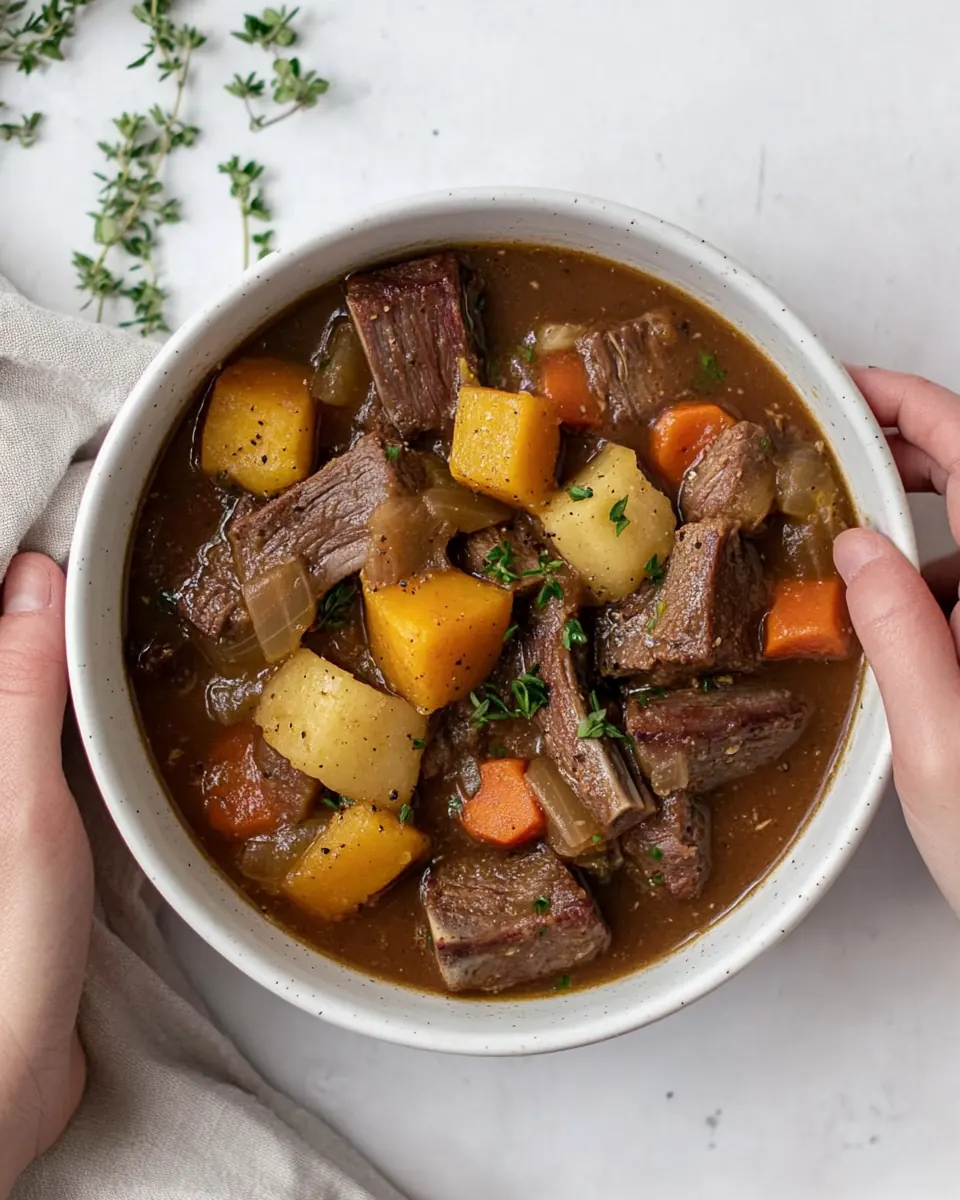
These ingredients are chosen so everything works together toward a slow cooked, savory stew. The short ribs provide concentrated beef flavor and gelatin, while starchy potatoes and sweet carrots round out the body. Aromatics like garlic and onion build the backbone, and beef broth and diced tomatoes create a rich, balanced liquid. Small thickeners and herbs finish the bowl with depth and warmth.
- 2 pounds boneless short ribs: Brown and sear to develop deep flavor and render some fat; short ribs provide the rich, meaty base and gelatin that creates a silky stew mouthfeel. Cook until nicely caramelized before slow cooking to enhance savory complexity and overall depth.
- 1 tablespoon extra-virgin olive oil or grass-fed butter: Heat and coat to prevent sticking and add a subtle, rounded fat profile; extra–virgin olive oil or grass-fed butter helps conduct heat during browning and contributes aromatic richness. Use the fat sparingly to complement the beef without overpowering its natural flavors.
- 3 garlic cloves minced: Mince and release pungent, aromatic oils that build savory layers; garlic adds bright, slightly sweet heat when gently cooked. Add early to infuse the stew and avoid burning by stirring during sweat or browning stages.
- 1 onion diced: Dice and soften to provide a sweet, aromatic backbone; onion contributes savory-sweet complexity and natural sugars that deepen the stew during long cooking. Sauté until translucent to balance flavors and integrate into the sauce.
- 4 potatoes cubed: Cube and absorb flavors while offering a tender, starchy texture; potatoes thicken the stew slightly and provide hearty body. Add at a point where they can become fully tender without disintegrating during the slow cook.
- 4 large carrots diced: Dice and add a sweet, earthy bite and firm texture; large carrots brighten the stew with natural sugars and color. Cut uniformly so they cook evenly and contribute pleasant texture alongside the potatoes.
- 2 cups Tuttorosso Diced Tomatoes: Add and enrich with bright, acidic tomato pieces that balance the richness; Tuttorosso Diced Tomatoes introduce a fresh tomato flavor and slight tang. Include juice to help build the braising liquid and harmonize the savory elements.
- 5 cups beef broth: Pour and simmer to create a savory, beefy braising liquid; beef broth supplies depth, salt balance, and body for the stew. Use a quality broth to ensure a robust base and adjust seasoning after tasting.
- 1 tablespoon arrowroot flour: Whisk and thicken to slightly increase sauce viscosity; arrowroot flour gives a glossy, light-thickening effect without clouding the stew. Dissolve in a small amount of cold liquid first to avoid lumps and add near the end of cooking for best texture.
- 1 teaspoon fine sea salt more to taste: Season and enhance overall flavor balance; fine sea salt brings out natural tastes and controls seasoning throughout the stew. Add gradually and taste as the stew reduces, adjusting to preference.
- 1/2 teaspoon black pepper more to taste: Season and provide gentle heat and savory contrast; black pepper adds aromatic sharpness and depth to the dish. Grind fresh for best flavor and add to taste, remembering slow cooking can mellow its bite.
- Pinch of paprika: Season and introduce warm, smoky undertones; paprika contributes mild color and a subtle sweet-smoky layer to the stew. Use a pinch to complement other spices without dominating the profile.
- 4 sprigs fresh thyme: Infuse and lend bright, herbaceous notes during long cooking; fresh thyme sprigs release aromatic oils that perfume the stew. Add whole sprigs and remove before serving to leave a nuanced herbal background.
- 1 bay leaf: Infuse and contribute a subtle, bay-like herbal depth; bay leaf adds an earthy, slightly floral aroma when simmered slowly. Tuck into the braise and remove before serving to avoid bitter fragments.
- Pinch of red pepper flakes: Spice and bring a subtle, warming heat that lifts flavors; red pepper flakes add a gentle kick and complexity to the stew. Use a pinch to enhance savory notes without making the dish overtly spicy.
- 1 cup cremini mushrooms (optional): Sauté and add a meaty, umami element that deepens savoriness; cremini mushrooms offer earthiness and absorb the stew's flavors. Sear before slow cooking or add midway to retain texture and prevent excessive shrinking.
- 2 parsnips diced (optional): Dice and introduce a sweet, slightly bitter root vegetable that complements carrots and potatoes; parsnips add aromatic complexity and a tender, fibrous texture. Include if desired for added nuance and heartiness.
Recipe Steps for Slow Cooker Short Rib Stew
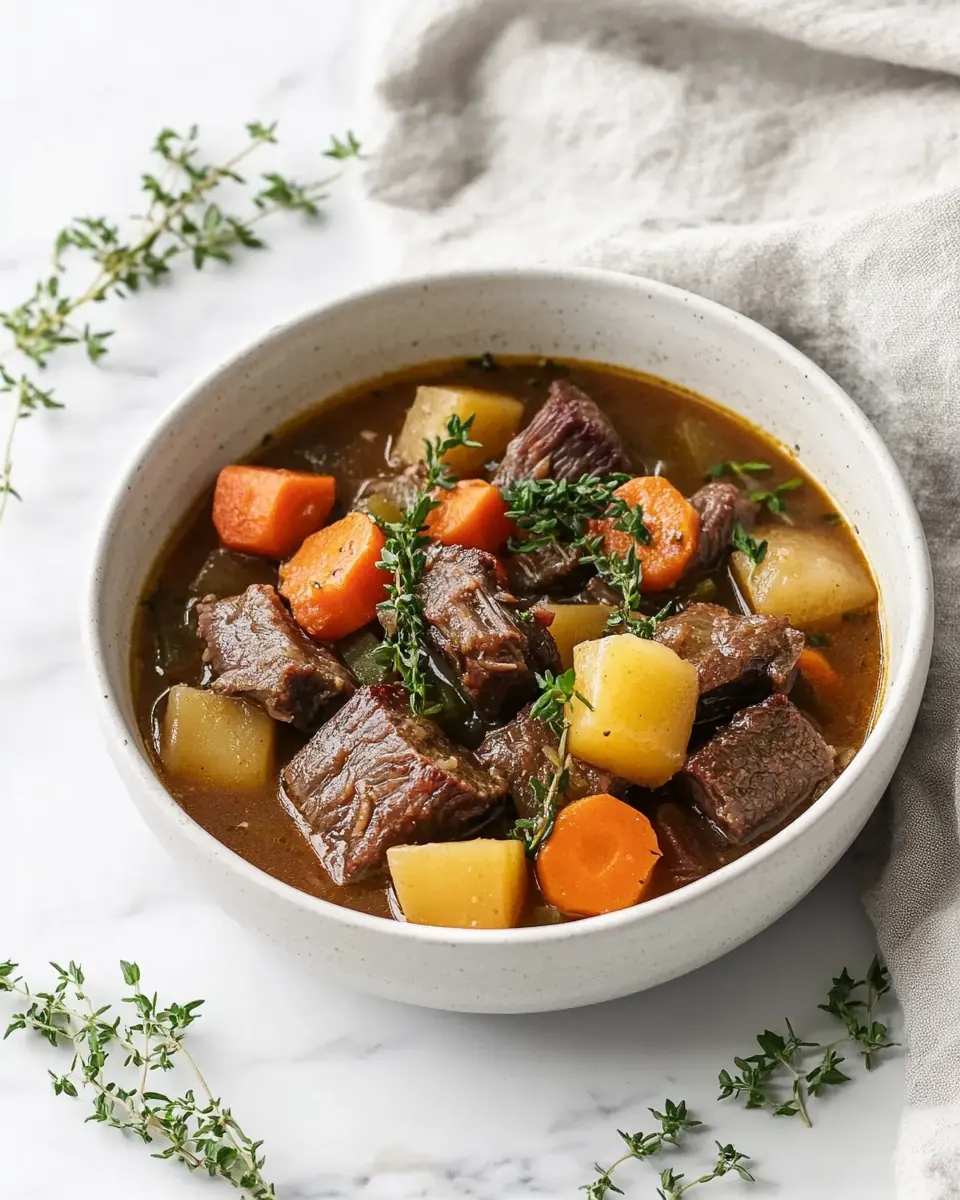
These directions are designed to guide you through a paced, sensory cooking experience so the final stew is rich and balanced. I recommend reading through the steps once before you start so you know where each ingredient goes and what cues to look for. Keep your slow cooker lid handy, and prepare to enjoy the unfolding aromas as the stew simmers to tenderness.
- Trim excess fat off of the short ribs and cut them into small 1 1/2 inch bite-size cubes. Season generously with salt and pepper.: As you trim and cube the short ribs , notice the texture of the meat, the marbling, and the small bands of connective tissue that will dissolve into gelatin during long cooking, giving a silky mouthfeel. Seasoning early helps the salt start to penetrate, enhancing internal flavor, while pepper adds top notes. A common mistake is leaving large hunks of fat that cause the finished stew to feel greasy, so trim modestly. Visually, you want evenly sized pieces so they brown at the same rate, and to hear a clean, firm sound when cutting through properly chilled meat.
- In a skillet, heat oil or butter and brown short ribs on all sides.: When the oil or butter is shimmering or foaming just slightly, add the meat in a single layer to develop a caramelized crust that will give the stew deep savory notes, and listen for the satisfying sizzle as juices meet hot fat. Browning creates Maillard flavors that cannot be achieved in the slow cooker alone, it is the flavor backbone, and you should aim for rich brown patches without burning. Avoid overcrowding the skillet which causes steaming instead of browning, a common pitfall, so brown in batches if necessary. The aroma should shift from raw to roasted, and the pan should show browned fond that you can deglaze later with a bit of broth if desired.
- Place garlic, onion, potatoes, carrots, and the parsnips and mushrooms if adding, in the bottom of your slow cooker.: Layering the hearty vegetables at the base means they cook directly in the liquid and heat source, which encourages even tenderness and flavor absorption. As you add the onion and garlic , you may notice a sharp, fresh scent that will mellow into sweetness as it cooks. A frequent mistake is chopping vegetables too small which causes them to disintegrate, so keep the cubes substantial. The visual of the colorful veg bed should look abundant and balanced, creating a visual platform for the browned meat.
- Place meat on top, then add in the diced tomatoes, beef broth, arrowroot flour, teaspoon of salt, pepper, thyme, bay leaf, and red pepper flakes.: Nestling the browned short ribs over the vegetables helps the juices to drip down and flavor everything below, while the diced tomatoes and beef broth form the cooking liquid. Stir the arrowroot into a little broth first to avoid clumping, it will disperse more evenly and create a glossy texture as it heats. Combine the herbs and spices so their aromas disperse gradually; the thyme and bay leaf release subtle floral and earthy notes over long cooking. A common error is adding arrowroot dry, which yields lumps; watching the liquid turn from clear to warmly hued is your cue that flavors are marrying.
- Set slow cooker to low for 8 hours. Once done, remove thyme sprigs and bay leaf, and add additional salt, pepper, paprika, and red pepper flakes as desired.: Over the next several hours the kitchen will fill with a slow, savory perfume as the collagen in the short ribs melts into the broth, giving the stew body and mouthcoating richness. On arrival, the meat should flake gently with a fork and the vegetables be tender but intact, while the surface may show a shimmering glaze from the arrowroot. Removing the thyme and bay leaf prevents bitter overextraction of woody notes, and finishing with seasoning lets you balance salt and heat to taste. A slip to avoid is undercooking; if the meat is not falling apart, give it more time rather than upping the temperature, which can dry the meat out. The final plate should look glossy, the aromas layered, and the texture satisfyingly silky.
Make It Your Own
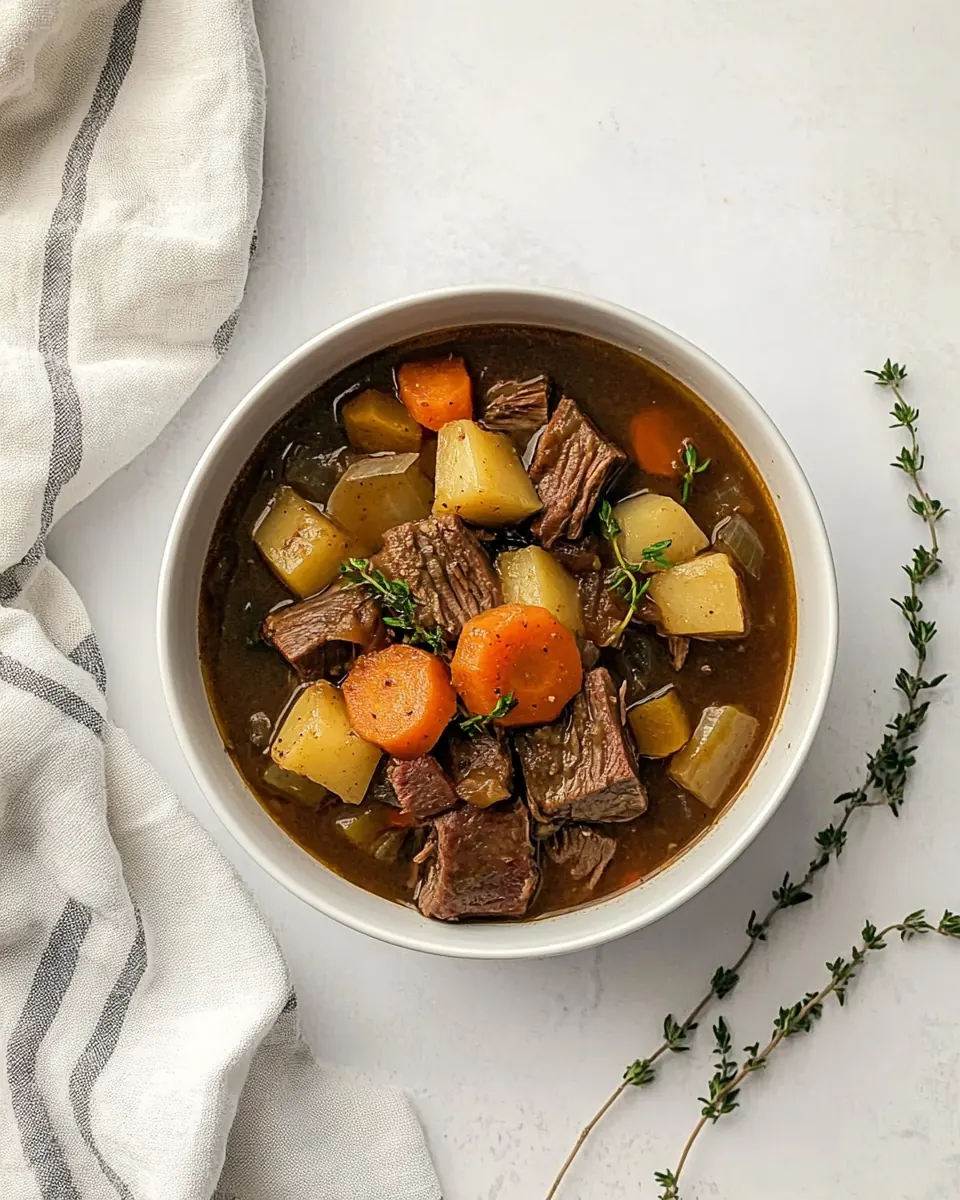
This stew is endlessly adaptable, and small swaps can personalize it for your table. Below are practical ways to tweak texture, flavor intensity, and presentation while keeping the comforting core intact.
- Swap fats carefully. If you want a richer finish, use grass fed butter instead of olive oil when browning the short ribs, it adds a nutty, creamy layer that amplifies savory notes.
- Mushroom boost. Add the optional cremini mushrooms for extra umami, sauté them briefly with the onion so they release moisture and deepen their flavor before joining the slow cooker.
- Parsnip sweetness. Include the optional parsnips for a slightly nutty, sweet counterpoint to the beef, and cut them similarly sized to the carrots to ensure even cooking.
- Control the heat. Adjust the pinch of red pepper flakes to your preference, starting small because the slow cooking will concentrate heat, making it more pronounced later.
- Finish with brightness. Right before serving, taste and adjust with extra salt and a final pinch of paprika to brighten flavors that may have softened during long cooking.
- Make-ahead strategy. Cook the stew a day early, refrigerate, then skim the solidified fat and gently rewarm, the flavors deepen overnight and the texture becomes more cohesive.
Perfect Pairings for Slow Cooker Short Rib Stew
This stew is versatile and pairs beautifully with a range of sides and occasions. Below are serving ideas, storage tips, and occasions that highlight how well this dish fits into various meals.
- Mashed potatoes or creamy polenta. Spoon the stew over warm mashed potatoes or polenta to absorb the glossy sauce and create a comforting plate for a cozy dinner.
- Crusty bread on the side. Serve with thick slices of crusty bread so guests can mop up the broth and enjoy the stew with contrasting textures.
- Winter dinners and holiday casuals. This dish shines in winter gatherings or relaxed holiday meals where hearty bowls are welcome and warming.
- Leftover lunches. Store cooled portions in airtight containers for up to three days in the refrigerator, reheating gently to preserve texture and prevent over reduction.
- Freezing for later. Freeze individual portions for up to three months in freezer safe containers, and thaw overnight in the refrigerator before reheating slowly on the stove.
- Serving style. Present in a large communal pot for family style service, or ladle into shallow bowls with a sprinkle of finishing paprika for color and mild warmth.
- Occasion pairing. It makes a dependable weeknight dinner when you want minimal effort, and also feels special enough for a small dinner party when served with elegant sides.
- Seasonal touches. Embrace root vegetable season by using the optional parsnips and cremini mushrooms, which complement the stew’s winter-friendly profile.
- Storage tips. Cool quickly, refrigerate within two hours, and reheat gently over low heat so the beef remains tender and the sauce does not reduce excessively.
- Make it communal. For gatherings, keep the slow cooker on the warm setting and offer bowls of freshly chopped parsley or extra red pepper flakes for guests to personalize their bowls.
FAQ
Conclusion
This Slow Cooker Short Rib Stew stands out for its deep braised flavor, silky sauce, and the comforting combination of tender meat and root vegetables. I encourage you to give it a try on a chilly evening when you want a meal that warms both the kitchen and the soul. Once you master the simple steps, it becomes a reliable favorite that rewards patience and invites company.
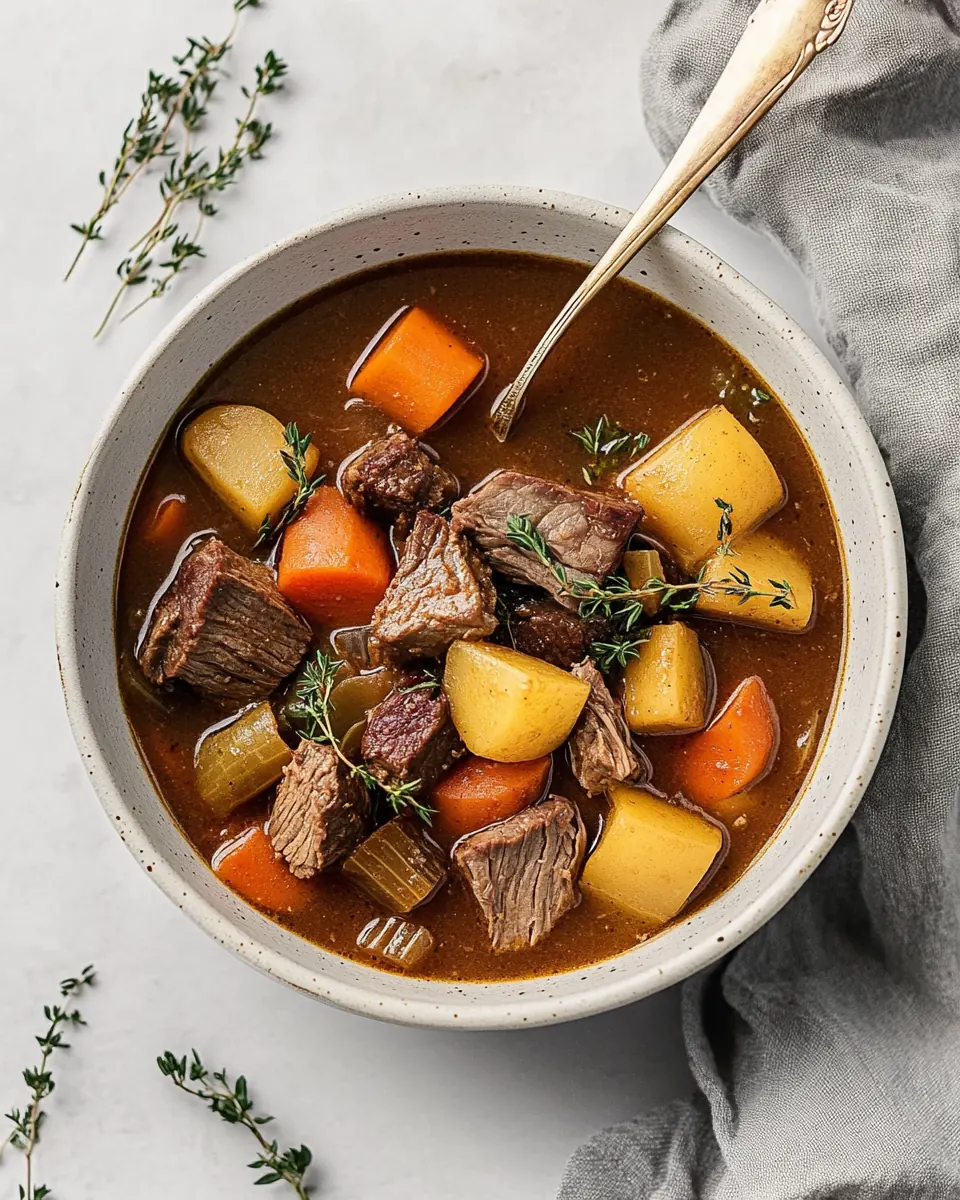
Slow Cooker Short Rib Stew
Ingredients
Equipment
Method
- Trim excess fat off of the short ribs and cut them into small 1 1/2 inch bite-size cubes. Season generously with salt and pepper.: As you trim and cube the short ribs , notice the texture of the meat, the marbling, and the small bands of connective tissue that will dissolve into gelatin during long cooking, giving a silky mouthfeel. Seasoning early helps the salt start to penetrate, enhancing internal flavor, while pepper adds top notes. A common mistake is leaving large hunks of fat that cause the finished stew to feel greasy, so trim modestly. Visually, you want evenly sized pieces so they brown at the same rate, and to hear a clean, firm sound when cutting through properly chilled meat.
- In a skillet, heat oil or butter and brown short ribs on all sides.: When the oil or butter is shimmering or foaming just slightly, add the meat in a single layer to develop a caramelized crust that will give the stew deep savory notes, and listen for the satisfying sizzle as juices meet hot fat. Browning creates Maillard flavors that cannot be achieved in the slow cooker alone, it is the flavor backbone, and you should aim for rich brown patches without burning. Avoid overcrowding the skillet which causes steaming instead of browning, a common pitfall, so brown in batches if necessary. The aroma should shift from raw to roasted, and the pan should show browned fond that you can deglaze later with a bit of broth if desired.
- Place garlic, onion, potatoes, carrots, and the parsnips and mushrooms if adding, in the bottom of your slow cooker.: Layering the hearty vegetables at the base means they cook directly in the liquid and heat source, which encourages even tenderness and flavor absorption. As you add the onion and garlic , you may notice a sharp, fresh scent that will mellow into sweetness as it cooks. A frequent mistake is chopping vegetables too small which causes them to disintegrate, so keep the cubes substantial. The visual of the colorful veg bed should look abundant and balanced, creating a visual platform for the browned meat.
- Place meat on top, then add in the diced tomatoes, beef broth, arrowroot flour, teaspoon of salt, pepper, thyme, bay leaf, and red pepper flakes.: Nestling the browned short ribs over the vegetables helps the juices to drip down and flavor everything below, while the diced tomatoes and beef broth form the cooking liquid. Stir the arrowroot into a little broth first to avoid clumping, it will disperse more evenly and create a glossy texture as it heats. Combine the herbs and spices so their aromas disperse gradually; the thyme and bay leaf release subtle floral and earthy notes over long cooking. A common error is adding arrowroot dry, which yields lumps; watching the liquid turn from clear to warmly hued is your cue that flavors are marrying.
- Set slow cooker to low for 8 hours. Once done, remove thyme sprigs and bay leaf, and add additional salt, pepper, paprika, and red pepper flakes as desired.: Over the next several hours the kitchen will fill with a slow, savory perfume as the collagen in the short ribs melts into the broth, giving the stew body and mouthcoating richness. On arrival, the meat should flake gently with a fork and the vegetables be tender but intact, while the surface may show a shimmering glaze from the arrowroot. Removing the thyme and bay leaf prevents bitter overextraction of woody notes, and finishing with seasoning lets you balance salt and heat to taste. A slip to avoid is undercooking; if the meat is not falling apart, give it more time rather than upping the temperature, which can dry the meat out. The final plate should look glossy, the aromas layered, and the texture satisfyingly silky.
Notes
- Swap fats carefully. If you want a richer finish, use grass fed butter instead of olive oil when browning the short ribs, it adds a nutty, creamy layer that amplifies savory notes.
- Mushroom boost. Add the optional cremini mushrooms for extra umami, sauté them briefly with the onion so they release moisture and deepen their flavor before joining the slow cooker.
- Parsnip sweetness. Include the optional parsnips for a slightly nutty, sweet counterpoint to the beef, and cut them similarly sized to the carrots to ensure even cooking.
- Control the heat. Adjust the pinch of red pepper flakes to your preference, starting small because the slow cooking will concentrate heat, making it more pronounced later.
- Finish with brightness. Right before serving, taste and adjust with extra salt and a final pinch of paprika to brighten flavors that may have softened during long cooking.
- Make-ahead strategy. Cook the stew a day early, refrigerate, then skim the solidified fat and gently rewarm, the flavors deepen overnight and the texture becomes more cohesive.