Baked Feta Dip with Fig Jam and Pecans
Baked Feta Dip with Fig Jam and Pecans always makes me feel like I have a secret party trick up my sleeve. The first time I brought this dish to a small gathering, people hovered around the platter as if it were an art piece, and that warm, slightly caramelized scent filled the room. I remember slicing into the soft, roasted feta and the yielding, creamy texture that followed, and I loved how the sticky fig preserves and crunchy pecans balanced each other on the palate.
Over the years this recipe has become my go to for casual get togethers when I want something effortless but impressive. I usually assemble the components while chatting with guests, and the oven does the heavy lifting. There’s a small thrill in watching the cheese bubble and brown, then stirring it into a lush dip that is equal parts savory and sweet. When I serve it, I always recommend a variety of dippers so everyone can experiment with textures.
Recipe Snapshot
45 mins
5 mins
40 mins
Medium
200 kcal
Mediterranean
Gluten-Free, Keto
Appetizers
Small Baking Dish
Why You’ll Love This Baked Feta Dip with Fig Jam and Pecans
It is irresistibly simple
I adore recipes that require few steps yet deliver big flavor. With Baked Feta Dip with Fig Jam and Pecans, you are mostly waiting for the oven, and that makes it ideal when you want to mingle while the food finishes itself. The simplicity also means fewer opportunities to make mistakes, so you can relax and enjoy company.
The contrast of textures is outstanding
Soft, molten feta against the sticky fig preserves and the toasted crunch of pecans creates a trio of sensations that keeps people reaching back for more. I find that those opposing textures are what make this recipe memorable, because each bite shifts between creamy, chewy, and crunchy.
It is surprisingly elegant for parties
I like serving Baked Feta Dip with Fig Jam and Pecans at evenings where I want a touch of sophistication without fuss. The glossy jam and toasted nuts make the dish look curated, and guests assume you spent far longer preparing it than you actually did. That confident illusion is delicious in itself.
Flexible and easy to customize
While I rarely change the core ingredients, this dip plays nicely with minor tweaks if you feel adventurous. The recipe adapts to different breads and crackers, and it pairs well with a range of accompaniments depending on the season or mood. Because it does not demand exacting technique, you can focus on presentation and company.
Great for sharing and conversations
I always choose this dish when I want people to gather, chat, and graze. It invites interaction because everyone can build their own bite. I love watching people experiment with flavors, and that shared moment of discovery is one of the best reasons to make Baked Feta Dip with Fig Jam and Pecans.
Main Ingredients for Baked Feta Dip with Fig Jam and Pecans
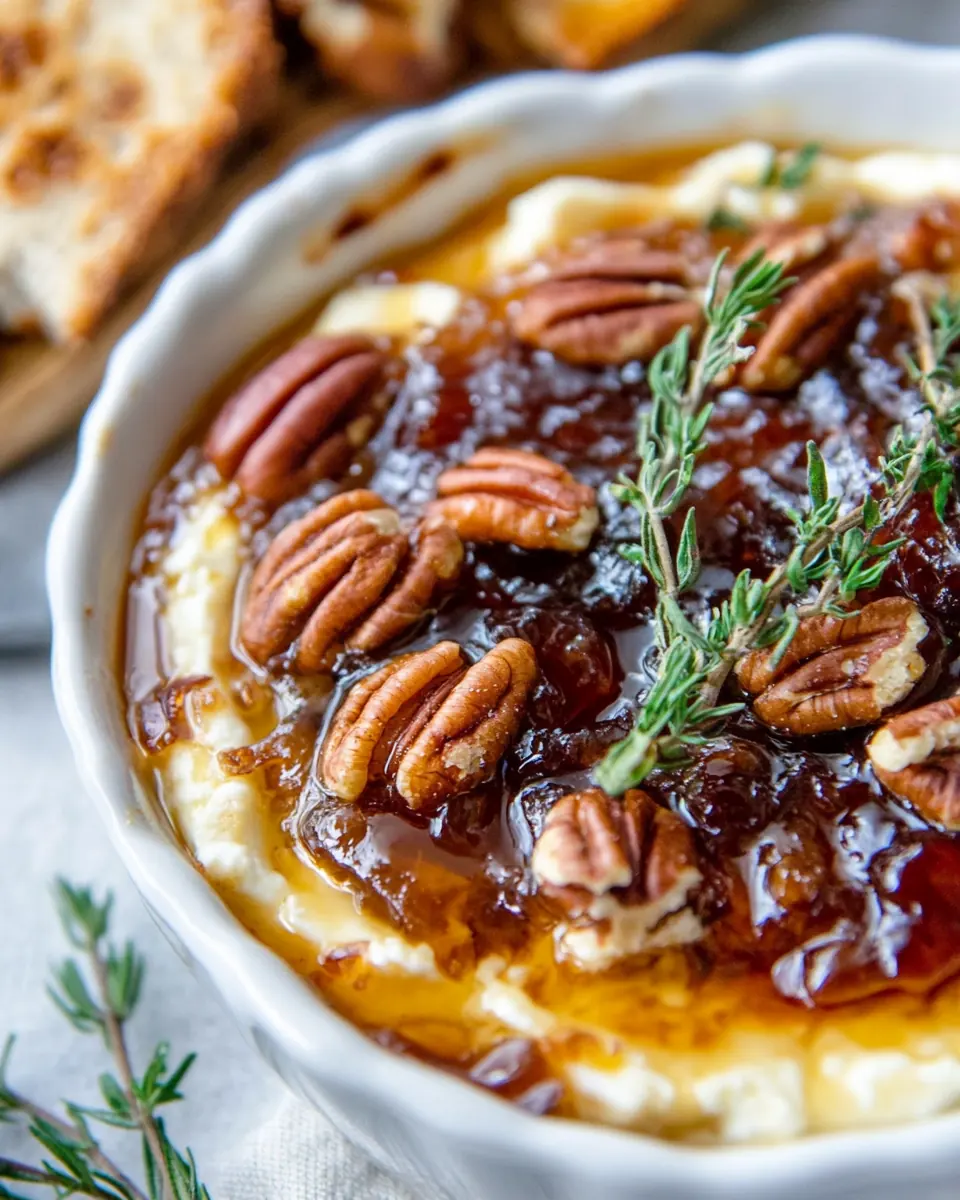
These ingredients are intentionally straightforward, and together they create a balance of savory, sweet, and crunchy that lets each component shine. The feta provides tang and creaminess when roasted, the avocado oil helps the top caramelize and carry flavor, and the fig preserves introduce a glossy sweetness that pairs beautifully with toasted pecans. Herbs and spices add subtle aromatic notes that lift the whole dish.
- 14 to 16 ounces block feta cheese: Provide creamy, tangy base for the dip and melt into a rich, spreadable texture when baked; crumble or leave whole depending on presentation and ensure it is at room temperature for even baking. Balance saltiness with sweet fig preserves and distribute heat around to create a gooey centerpiece. Consider draining excess brine to control overall salt level.
- 3 tbsp avocado oil: Coat and crisp the feta surface, helping to transfer heat and promote slight browning while adding a mild, neutral flavor; use high smoke point oil to avoid burning in the oven. Drizzle evenly to encourage even melting and glossy finish. Adjust amount for desired richness.
- 1/2 tsp dried oregano or dried parsley: Add herbaceous, savory notes and Mediterranean character, brightening the rich feta with a subtle earthy backbone; dried herbs concentrate flavor and remain stable during baking. Sprinkle over or mix with oil to infuse flavor into the cheese. Use parsley if a milder taste is preferred.
- 1 pinch black pepper: Introduce a faint spicy note that contrasts the sweet fig preserves and complements the salty feta; a small pinch provides complexity without overpowering. Grind fresh for more aroma and distribute lightly across the top before baking. Adjust to taste.
- 1/2 cup fig preserves: Provide sweet, fruity contrast and sticky glaze that melts into the warmed feta, creating layers of flavor and balancing saltiness; spoon over the top after baking or during the final minutes of heating. Choose a smooth or chunky preserve depending on preferred texture. Adds visual appeal and a glossy finish.
- 1/2 cup raw pecans chopped: Contribute crunchy texture and nutty richness to offset the creamy baked cheese, adding toasting potential and depth when warmed briefly in the oven or skillet. Chop to scatter evenly for bite-sized pieces and consider toasting beforehand to intensify flavor. Works as both a textural and flavor accent.
- 1/2 tsp fresh thyme (optional): Offer a hint of floral, woody aroma and subtle savory lift that complements both feta and figs; fresh leaves add brightness when sprinkled after baking. Use sparingly to avoid overpowering other flavors and consider tearing leaves for more even distribution. Optional for garnish and aromatic complexity.
Directions for Baked Feta Dip with Fig Jam and Pecans
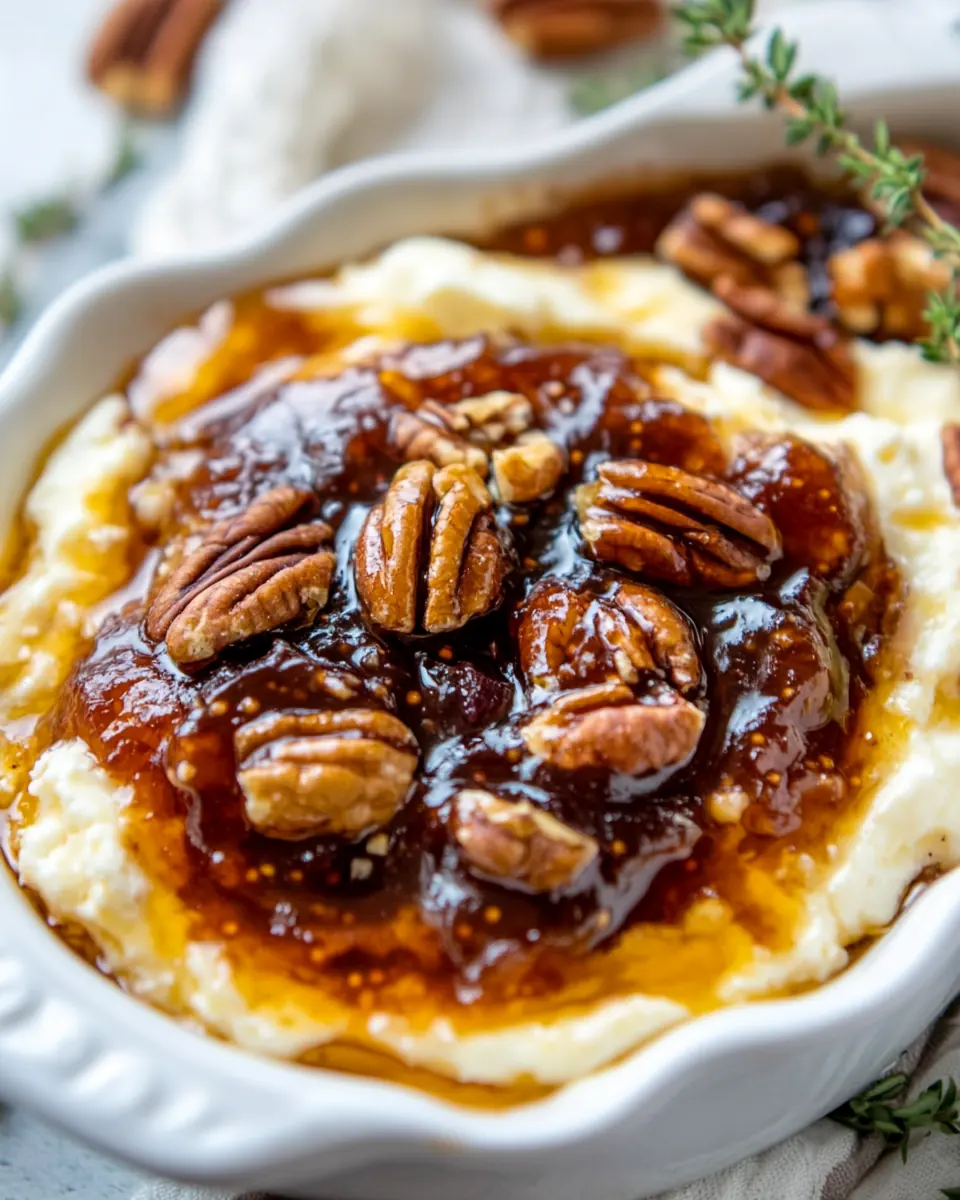
These directions guide you from preheat to presentation, and they are written so you can cook while chatting with friends. The oven does much of the work, and the sensory cues below will help you know when each stage is perfect.
- Preheat the oven to 400 degrees Fahrenheit.: Warmth and anticipation set the stage, and you should notice a gentle oven hum as the temperature climbs. The hot oven ensures the feta begins to brown on arrival, creating those golden, caramelized spots that signal rich flavor development. A common mistake is not allowing the oven to fully come up to temperature, which can leave the cheese unevenly baked; wait until the oven reaches a steady heat, and if your oven has hotspots, rotate the dish halfway through the initial bake.
- Transfer the pecans to a small skillet and heat them over medium heat on the stove top, stirring occasionally, until toasted and crunchy, about 1 to 3 minutes. Remove the pecans from the stove top and immediately transfer them to a bowl or measuring cup. Add in the fig preserves and mix the preserves and nuts together.: As the pecans toast, you will smell a warm, toasty aroma that is slightly sweet and nutty, and you will hear a faint sizzling as moisture leaves the nuts. Toasting enhances oils and deepens flavor, so stop when the scent turns fragrant and the nuts brown lightly, then transfer them immediately to avoid burning from residual heat. Stirring them into the fig preserves melds texture and distributes flavor evenly, creating a sticky, crunchy topping. A troubleshooting tip is to watch the pecans closely, because they can go from perfect to bitter in seconds; use medium heat and keep them moving in the pan.
- Remove the blocks of feta from their packaging and place them in a small oven-safe dish. I recommend using a small casserole dish. Drizzle the feta blocks with avocado oil, then sprinkle them with dried oregano and black pepper.: The oil will gloss the top and encourage even browning, while the herbs and pepper provide aromatic complexity and a subtle bite against the feta saltiness. You'll notice the surface take on a silky sheen after the drizzle, and the herbs will sit prettily on top before they bloom in the oven. A common error here is using too much oil or overcrowding the dish, which prevents proper caramelization; keep the amount modest and use a dish that allows heat to circulate around the cheese.
- Bake at 400 for 20-25 minutes or until cheese is golden brown, then remove the feta from the oven. Decrease the oven temperature to 350 degrees F. Transfer the feta to the same serving dish you intend to use for serving the dip and stir it with a spoon until creamy. Pour the fig spread and pecans on top of the feta and bake for another 12 to 17 minutes at 350 or until the topping is hot and the cheese is bubbly.: During the initial bake you will see the edges of the feta soften and small bubbles appear; golden brown spots indicate the Maillard reaction has added savory depth. When you stir it, the texture should transform into a silky, spreadable mass. Adding the jam and nuts and returning the dish to a slightly lower heat warms the topping without overbrowning it, and the bubbling lets flavors marry. Avoid the pitfall of skipping the stirring step, because an unmixed slab will remain uneven in texture; gentle stirring integrates the browned bits into the creamy interior for the best mouthfeel.
- Remove feta dip from the oven and transfer it to a trivet, kitchen towel, or baking sheet and alert your guests that the dish is very hot. Sprinkle the fresh thyme over the hot dip.: The aroma at this point is layered, with toasted nuts, sweet jam, and roasted cheese notes combining into an inviting perfume. Letting the dip rest briefly allows the surface to settle so it is easier to spoon. Fresh thyme added at the end offers a bright herbal lift that contrasts the rich topping. A common mistake is serving immediately without warning guests about the heat, which can lead to burnt tongues; set the dish on a trivet and mention that it is hot before digging in.
- Serve baked feta dip with toasted baguette, pita bread, and/or crackers.: The final act is all about texture and balance, as crisp, warm bread provides a vehicle for the creamy, sweet, and crunchy elements. You should hear gentle scraping as guests spread the dip, and the contrast between warm cheese and cool air is delightful. Offer a few dippers so people can choose their preferred bite size. Avoid serving with soggy or overly dense bread, because it will mask the piecemeal contrasts that make this recipe shine.
Helpful Hints
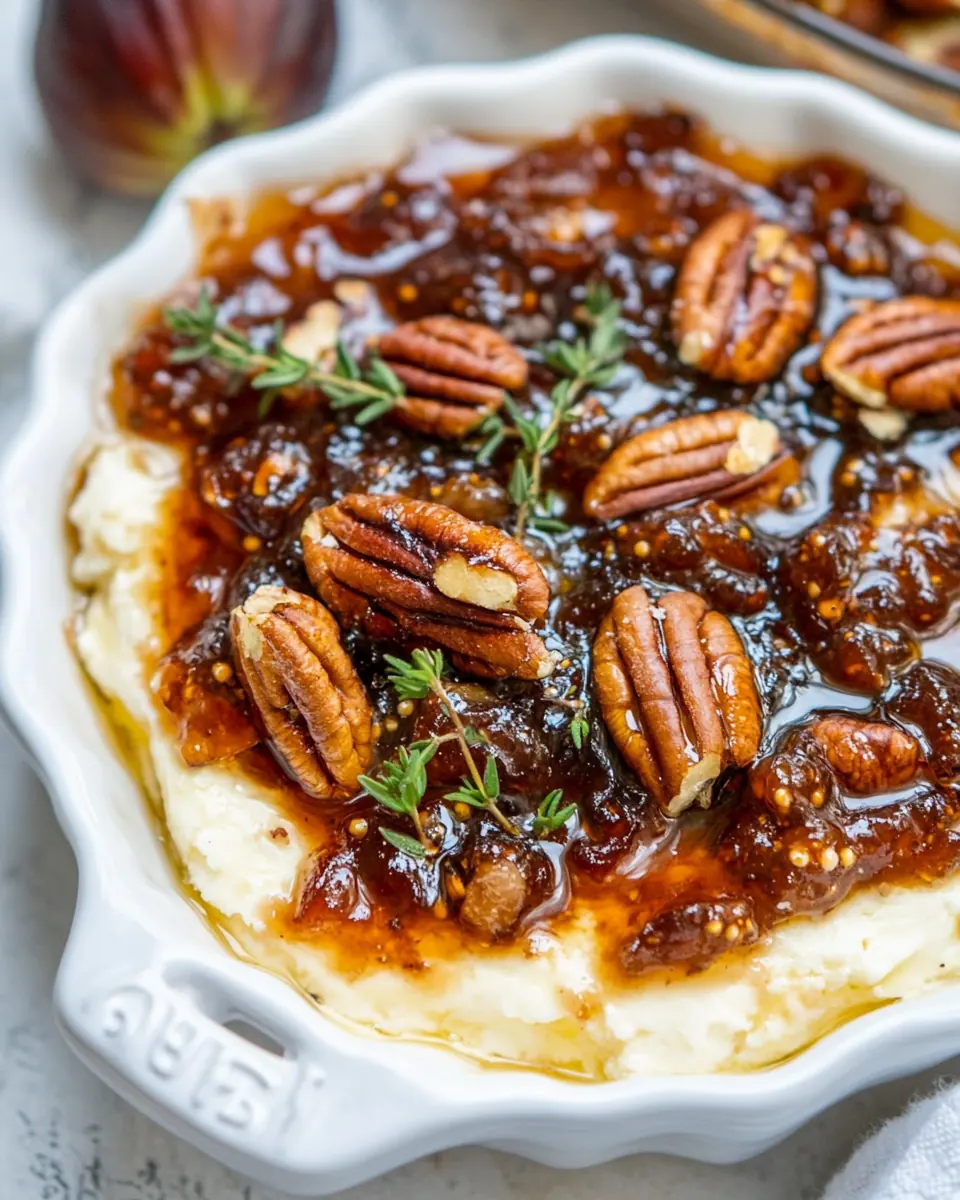
This section gathers practical, experience based tips that I use every time I make Baked Feta Dip with Fig Jam and Pecans. Little techniques keep the process smooth and the result reliably delicious.
- Choose block feta: A block melts more uniformly than crumbled feta, giving you that silky texture when you stir it after roasting.
- Moderate the heat: Start at a high temperature to brown, then reduce to warm the topping without burning the jam, which helps flavor meld without bitterness.
- Watch the pecans closely: Nuts can go from toasted to burnt quickly; remove them from the heat the moment you smell them to preserve their sweet oils.
- Use a shallow ovenproof dish: A small baking dish concentrates heat and encourages even browning of the cheese while making the dip easy to share.
- Serve with a variety of dippers: Offer sliced baguette, pita, and sturdy crackers so guests can test different textures with the warm, creamy dip.
How to Serve Baked Feta Dip with Fig Jam and Pecans
This dip is inherently social and pairs well with many occasions. Serve it warm from the oven to highlight the contrast of textures and flavors. The following ideas cover presentation, pairings, and storage so you can adapt the dish to your event.
- Casual gatherings: Place the warm dip on a large wooden board surrounded by toasted baguette slices, pita wedges, and crackers, encouraging grazing and conversation.
- Holiday appetizer: For autumn gatherings, position the dish amid roasted vegetables and seasonal cheeses to create a cozy appetizer spread that feels curated.
- Wine alternative friendly: While I do not suggest beverages, this dip works as a centerpiece for settings focused on small plates and shared bites.
- Storage tips: Cool the dip to room temperature, cover tightly, and refrigerate for up to three days; rewarm gently in a 325 degree oven until heated through to restore creaminess.
- Make ahead option: Toast the pecans and mix them with the fig preserves ahead of time, then assemble and bake shortly before guests arrive for fresher texture.
- Seasonal pairings: In fall, add a scattering of roasted pear slices nearby for a fruit echo; in cooler months, include robust crackers to match the rich, warm cheese.
FAQ
Conclusion
Baked Feta Dip with Fig Jam and Pecans stands out because it combines warm, savory roasted cheese with sweet, sticky fruit and crunchy nuts for a layered taste experience. It is easy to prepare yet feels special, which makes it perfect for gatherings when you want an impressive dish with minimal fuss. Give it a try at your next get together and watch how quickly it disappears. I hope this recipe becomes one of your go to appetizers for sharing good food and good company.
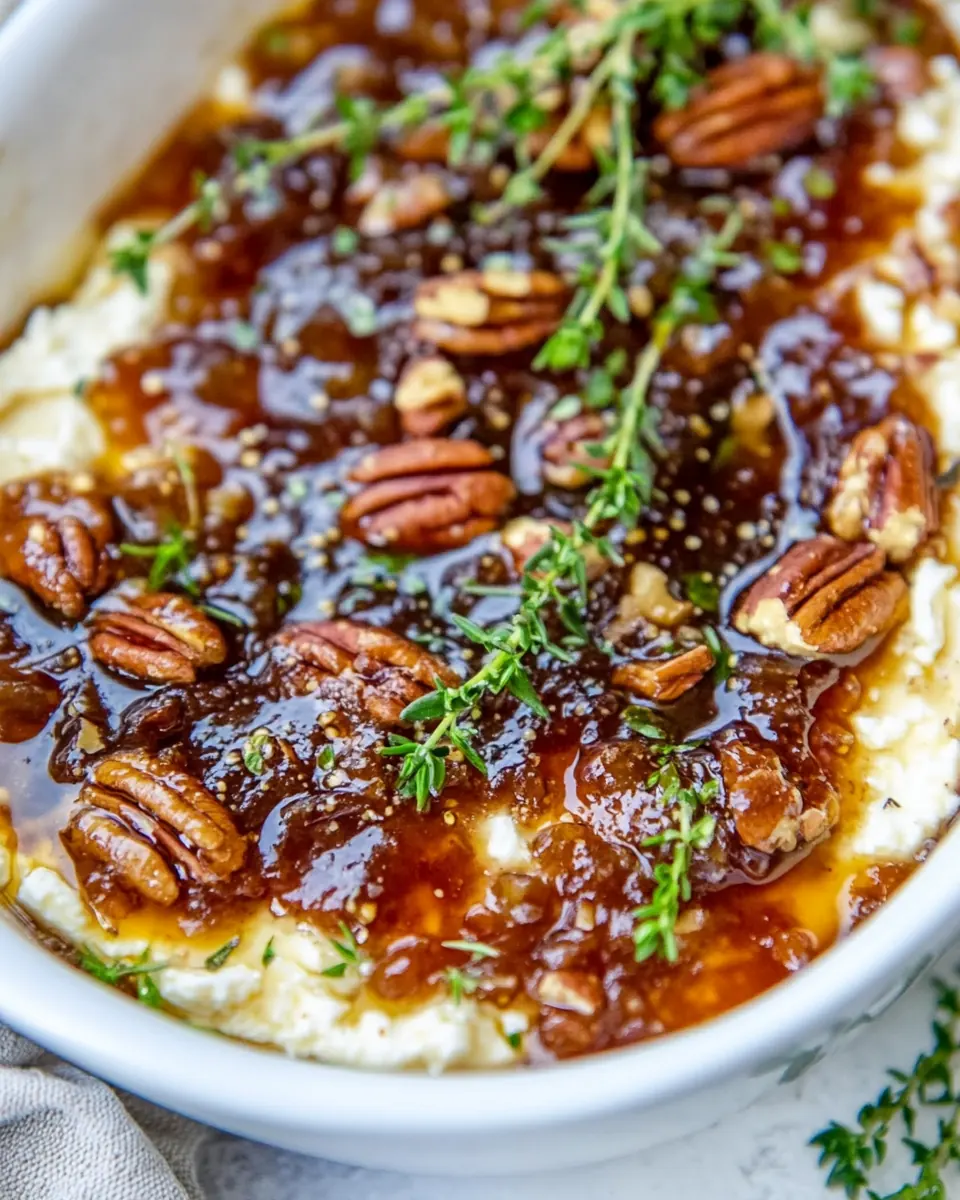
Baked Feta Dip with Fig Jam and Pecans
Ingredients
Equipment
Method
- Preheat the oven to 400 degrees Fahrenheit.: Warmth and anticipation set the stage, and you should notice a gentle oven hum as the temperature climbs. The hot oven ensures the feta begins to brown on arrival, creating those golden, caramelized spots that signal rich flavor development. A common mistake is not allowing the oven to fully come up to temperature, which can leave the cheese unevenly baked; wait until the oven reaches a steady heat, and if your oven has hotspots, rotate the dish halfway through the initial bake.
- Transfer the pecans to a small skillet and heat them over medium heat on the stove top, stirring occasionally, until toasted and crunchy, about 1 to 3 minutes. Remove the pecans from the stove top and immediately transfer them to a bowl or measuring cup. Add in the fig preserves and mix the preserves and nuts together.: As the pecans toast, you will smell a warm, toasty aroma that is slightly sweet and nutty, and you will hear a faint sizzling as moisture leaves the nuts. Toasting enhances oils and deepens flavor, so stop when the scent turns fragrant and the nuts brown lightly, then transfer them immediately to avoid burning from residual heat. Stirring them into the fig preserves melds texture and distributes flavor evenly, creating a sticky, crunchy topping. A troubleshooting tip is to watch the pecans closely, because they can go from perfect to bitter in seconds; use medium heat and keep them moving in the pan.
- Remove the blocks of feta from their packaging and place them in a small oven-safe dish. I recommend using a small casserole dish. Drizzle the feta blocks with avocado oil, then sprinkle them with dried oregano and black pepper.: The oil will gloss the top and encourage even browning, while the herbs and pepper provide aromatic complexity and a subtle bite against the feta saltiness. You'll notice the surface take on a silky sheen after the drizzle, and the herbs will sit prettily on top before they bloom in the oven. A common error here is using too much oil or overcrowding the dish, which prevents proper caramelization; keep the amount modest and use a dish that allows heat to circulate around the cheese.
- Bake at 400 for 20-25 minutes or until cheese is golden brown, then remove the feta from the oven. Decrease the oven temperature to 350 degrees F. Transfer the feta to the same serving dish you intend to use for serving the dip and stir it with a spoon until creamy. Pour the fig spread and pecans on top of the feta and bake for another 12 to 17 minutes at 350 or until the topping is hot and the cheese is bubbly.: During the initial bake you will see the edges of the feta soften and small bubbles appear; golden brown spots indicate the Maillard reaction has added savory depth. When you stir it, the texture should transform into a silky, spreadable mass. Adding the jam and nuts and returning the dish to a slightly lower heat warms the topping without overbrowning it, and the bubbling lets flavors marry. Avoid the pitfall of skipping the stirring step, because an unmixed slab will remain uneven in texture; gentle stirring integrates the browned bits into the creamy interior for the best mouthfeel.
- Remove feta dip from the oven and transfer it to a trivet, kitchen towel, or baking sheet and alert your guests that the dish is very hot. Sprinkle the fresh thyme over the hot dip.: The aroma at this point is layered, with toasted nuts, sweet jam, and roasted cheese notes combining into an inviting perfume. Letting the dip rest briefly allows the surface to settle so it is easier to spoon. Fresh thyme added at the end offers a bright herbal lift that contrasts the rich topping. A common mistake is serving immediately without warning guests about the heat, which can lead to burnt tongues; set the dish on a trivet and mention that it is hot before digging in.
- Serve baked feta dip with toasted baguette, pita bread, and/or crackers.: The final act is all about texture and balance, as crisp, warm bread provides a vehicle for the creamy, sweet, and crunchy elements. You should hear gentle scraping as guests spread the dip, and the contrast between warm cheese and cool air is delightful. Offer a few dippers so people can choose their preferred bite size. Avoid serving with soggy or overly dense bread, because it will mask the piecemeal contrasts that make this recipe shine.
Notes
- Choose block feta: A block melts more uniformly than crumbled feta, giving you that silky texture when you stir it after roasting.
- Moderate the heat: Start at a high temperature to brown, then reduce to warm the topping without burning the jam, which helps flavor meld without bitterness.
- Watch the pecans closely: Nuts can go from toasted to burnt quickly; remove them from the heat the moment you smell them to preserve their sweet oils.
- Use a shallow ovenproof dish: A small baking dish concentrates heat and encourages even browning of the cheese while making the dip easy to share.
- Serve with a variety of dippers: Offer sliced baguette, pita, and sturdy crackers so guests can test different textures with the warm, creamy dip.