Christmas Sugar Cookies
Christmas Sugar Cookies have been part of my kitchen soundtrack for as long as I can remember, a recipe I pull out when the house needs the smell of warm butter and citrus to feel like home. The first sentence of every holiday letter I write seems to borrow a crumb from these cookies, and I still smile remembering a tiny flour fight with my sister while we cut out stars and trees late one December afternoon.
Some years I make a single small batch to sit on the windowsill, letting the aroma drift through the living room while I wrap gifts. Other years I double the dough and invite neighbors over to decorate in a cheerful, messy assembly line, laughter and sprinkles everywhere. What I love most about Christmas Sugar Cookies is how they carry memory, turning a plain afternoon into a ritual of hands, rolling pins, and little perfectionist decorators who take frosting very seriously.
Recipe Snapshot
3 hr 20 mins
190 mins
10 mins
Hard
150 kcal
American
Gluten-Free, Low FODMAP
Desserts
Stand mixer, Hand mixer, Mixing bowl, Rolling pin, Cookie sheet, Wire rack, Piping bag
Why This Christmas Sugar Cookies Stands Out
Classic Flavor with a Light Twist
I adore how the combination of unsalted butter and lemon zest makes these cookies taste familiar yet bright. The butter gives that rich, tender bite, while the lemon lifts the richness so each cookie never feels too heavy. I often find myself sneaking one while the rest cool on the rack, marveling at how such simple ingredients create layers of flavor.
Texture You Can Trust
These cookies are sturdy enough for intricate decorating, yet tender when you bite into them. The trick is the gentle mixing and the chilling step, both of which I never skip. When I slice into a finished cookie, I want a clean edge, a soft crumb, and a little crumbly give at the center, and this recipe reliably delivers exactly that.
Decorating That Sparks Joy
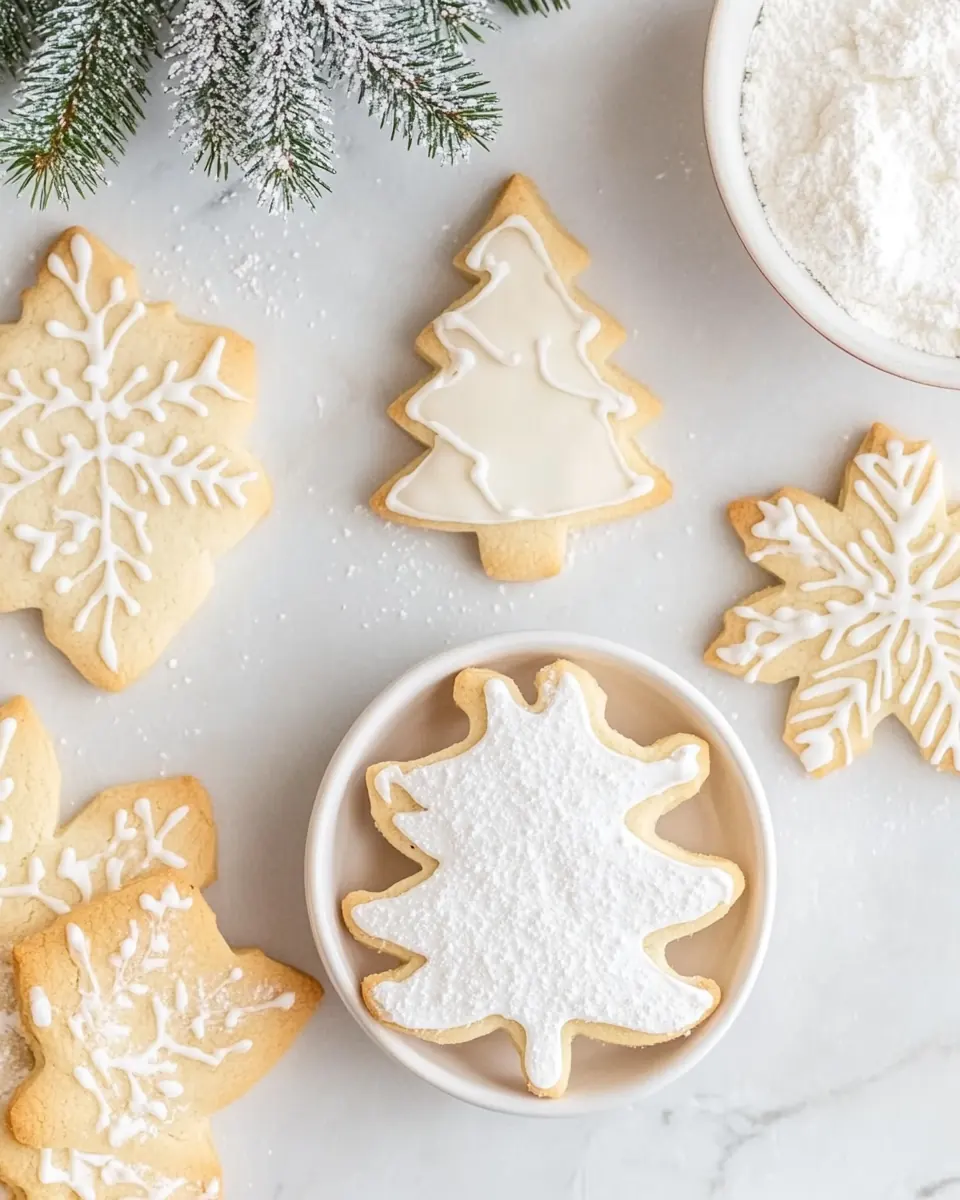
I love that the recipe includes both a simple icing base and room for creativity. Whether you pipe precise lines or go wild with colorful sprinkles, these cookies are a canvas. Hosting a cookie-decorating night? This recipe makes it easy to set up stations, because the cookies hold their shape and the icing sets firm enough to stack for gifting.
Make Ahead Friendly
One reason I keep coming back to this method is the dough chilling and make ahead flexibility. I often prepare dough a day in advance, or freeze shaped cookies to bake on demand. That convenience has saved many a hectic holiday afternoon, and allowed me to focus on the moment, not the clock.
Family Proven, Foolproof
We’ve tweaked these cookies over time, but the core technique remains simple and forgiving. Even when someone overworks the dough or rolls it a bit too thin, the results are still satisfying. For anyone nervous about holiday baking, this recipe acts like a warm, steady guide, giving reliable, delicious results without drama.
Ingredients Overview for Christmas Sugar Cookies
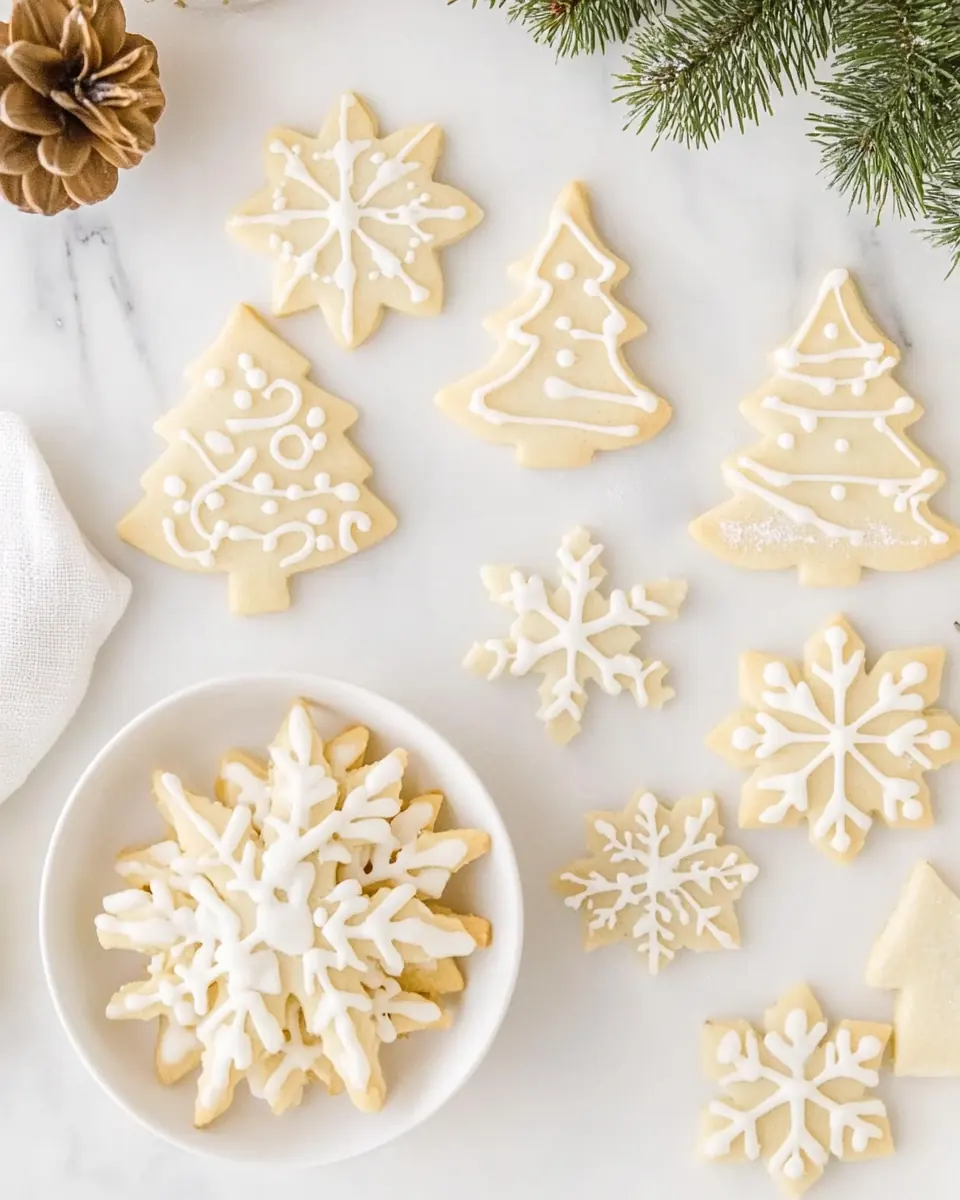
The philosophy behind these ingredients is straightforward: rich fat for tenderness, restrained sugar for balance, and just enough flour to hold shape for decorating. The unsalted butter and egg yolks create a plush, melt in your mouth texture, while the lemon zest brightens the palate so the cookies never feel cloying. The icing ingredients provide a glossy, pipeable finish that hardens without losing appeal.
- 2 cups unsalted butter, softened (4 sticks): Creamed to provide richness and structure, melted butter adds tenderness and a soft, moist crumb to the cookie dough. It also helps carry flavors and contribute to spreading during baking when warmed.
- 1 cup granulated sugar: Sweetened to balance richness and aid in spreading, granulated sugar creates tender, crisp edges while contributing to caramelization and texture. It helps dissolve into the butter to create a smooth dough and provides bulk for proper cookie formation.
- 2 egg yolks: Beaten lightly and incorporated for richness and binding, egg yolks add fat and emulsification to produce a tender, cohesive dough. They also enrich flavor and help achieve a smooth, pliable consistency ideal for rolling and cutting cookies.
- 2 teaspoons lemon zest (from about 1 medium lemon): Zested finely to impart bright citrus aroma and subtle acidity, lemon zest lifts the overall flavor profile without adding liquid. It enhances the buttery sweetness and provides a fresh, fragrant note that complements sugar and vanilla.
- 3 cups sifted all-purpose flour: Measured sifted to ensure an even, lump-free texture, all-purpose flour forms the structural base of the cookies by providing gluten and bulk. It balances the wet ingredients so the dough holds its shape for rolling and cutting.
- Icing and decorations of your choice (if desired): Included optionally to finish and personalize cookies, icing and decorations add visual appeal and additional sweetness. They allow creative expression for holiday themes and can contribute varied textures and flavors depending on chosen decorations.
- 3 cups sifted powdered sugar: Sifted to remove lumps and ensure a silky finish, powdered sugar is the primary sweetener in icing that yields smooth, pipeable consistency. It dissolves easily with liquids to create glossy frostings suitable for decorating cookies.
- 2 3 tablespoons milk: Added sparingly to adjust consistency, milk thins icing to a spreadable or pipeable texture without altering sweetness significantly. It helps achieve the desired viscosity so decorations hold detail while drying properly.
- 2 tablespoons light corn syrup: Stirred in to impart shine and elasticity, light corn syrup prevents crystallization in icing for a smooth, glossy finish. It helps set decorations with a slight stretch, keeping icing pliable while retaining sheen.
- 1/2 teaspoon pure vanilla extract: Added for flavor and aroma, pure vanilla extract deepens the sweetness and rounds out citrus and butter notes in both dough and icing. It is used in small amounts to enhance overall taste without overpowering other flavors.
Cooking Instructions for Christmas Sugar Cookies
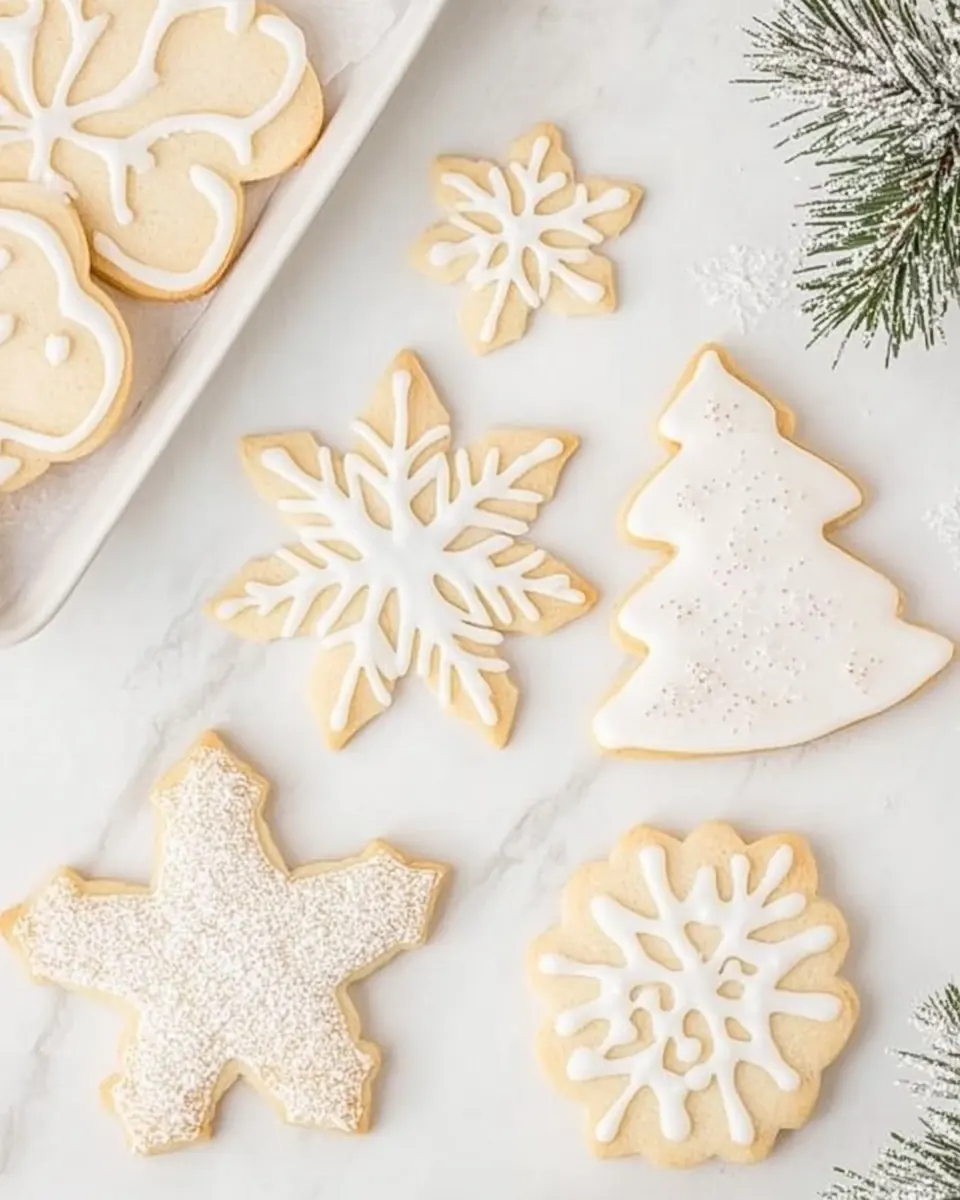
Baking these cookies is a comforting, deliberate process that rewards patience. I like to move through the steps with intent, noticing the change in texture and smell at each stage, because those cues tell you the dough is behaving exactly as it should.
- Cream sugar and butter together in a large bowl of a stand mixer afixed with an S blade or with a hand mixer. Mix until pale yellow, fluffy, and well-incorporated.: You will notice the bowl filling with a soft, pale cloud as the butter and sugar aerate; this lightness is crucial for tender cookies. The sound shifts from a soft whir to a slightly brisker, airy noise when enough air has been incorporated. If the mixture looks glossy or too loose, your butter might be too warm which makes shaping harder later. A common mistake is overcreaming which can lead to spread. Stop when the mixture is pale yellow and fluffy, scraping the bowl once so everything is evenly combined.
- Add the egg yolks and lemon zest and mix until well-combined.: As you fold in the egg yolks and lemon zest , the aroma will shift, with citrus top notes rising and the mixture taking on a richer, silkier texture. The bowl should look glossy but not wet. The eggs help bind and enrich the dough, while the zest brings fragrance. Avoid overmixing at this point because excess gluten development can toughen the cookies; mix until the components are harmonized.
- Sift the flour over the wet ingredients, and mix just until combined.: The first sniff of dry flour is mild and toasty. Sifting over the bowl lightens the flour as it falls in, encouraging even hydration without clumps. Blend until you see no streaks of flour, but stop short of a smooth batter; tiny crumbs are fine here because the dough will be gently worked next. A typical error is vigorous mixing which tightens the dough; gentle folding preserves tenderness.
- Knead together very gently until it forms enough of a ball to plop onto a piece of plastic wrap. Work the dough just enough to get it to stick together, but be careful not to overdo it. Honestly, I get so paranoid about overworking the dough that I pile the crumbs onto the plastic wrap, fold it up around the mound, and press it together that way.: The dough will feel crumbly at first, then cohere under the warmth of your hands. I like to use the plastic wrap trick, piling the crumbs onto a sheet and folding it over to press into a uniform disk. This minimizes handling and prevents the butter from warming too much. If you knead aggressively, the cookies can become tough, so be cautious and light handed.
- Completely wrap the dough with the plastic wrap and chill the dough for at least three hours.: Chilling firms the butter and lets the flours hydrate, which improves rolling and flavor melding. The dough becomes less sticky and easier to roll thin without tearing. If you skip this, the dough will spread and lose crisp edges. Plan ahead so the chilling time is not rushed, it's key to consistent shapes.
- When you're ready to pull the dough out and prepare it, preheat oven to 350°F (175°C).: The oven warming produces a clean, comforting heat that pairs with the lemon notes in the dough. Preheating ensures the cookies begin setting immediately, which preserves their cut shape. If you underheat the oven, cookies may spread and lose definition. Give the oven time to fully reach temperature before baking.
- Roll out dough – I go as thin as 1/8 inch, but I prefer about 1/4 inch thick. Cut into shapes, adding additional flour as necessary to avoid sticking. Place cookie shapes on a cookie sheet (no need to grease).: Rolling reveals the dough’s texture, a smooth surface that responds to gentle pressure. Thinner cookies will crisp more, while a quarter inch yields a tender interior, so choose based on your preference. Lightly flour the surface to prevent sticking, but too much flour can dry edges. Arrange shapes evenly on the sheet to allow even air circulation in the oven.
- Bake just until the cookies start to turn pinky beige around the edges, around 8 minutes. Let cool for a couple of minutes on the baking sheet, then move to wire rack to cool completely.: The aroma will turn warmly buttery with a whisper of toasted flour as the edges color. Visual cues include tiny golden rims and a set top that no longer looks wet. Overbaking dries the crumb and ruins the tender interior, so watch closely in the final minutes. Cooling briefly on the sheet allows edges to firm without breaking, then transfer to a wire rack to cool completely.
- To make the icing, add the powdered sugar, 2 tablespoons milk, corn syrup, and the vanilla to a small mixing bowl. Use a wire whisk or a fork to mix it well. If it's too thick, add more milk a teaspoon at a time. You want the icing to be thin enough to be pipeable but thick enough to hold a line. Transfer the icing into a piping bag with tip or a Ziploc bag with the end snipped off, and pipe the icing onto the cookies. Let the icing sit until it hardens before storing or assembling on cookie plates.: The powdered sugar will smell sweet and clean, and as you whisk, the mixture thins into a glossy, snow white glaze. The corn syrup lends shine and keeps the icing slightly elastic while the vanilla rounds the flavor. If the icing is too thick, add milk a teaspoon at a time; if too thin, add a little more powdered sugar. Avoid adding too much liquid at once, which can leave you with runny, unworkable icing.
- Cookies keep up to one week in an airtight container.: The sound of the whisk is soft, and the bowl should reflect light as the glaze forms. When piping, steady pressure and a gentle wrist make clean lines, and the icing will settle into neat edges. Let the icing sit until it hardens before stacking; rushing this step can mar designs or cause smudging. If bubbles appear, a quick pop with a toothpick smooths them out.
- Let the icing sit until it hardens before storing or assembling on cookie plates: The cookies will gradually lose their wet sheen and set to a delicate matte finish. This drying time is crucial for stacking or transporting cookies without damaging the surface. Store in an airtight container once firm, and avoid layering cookies until the icing is completely dry, as decorations can stick together.
- Cookies keep up to one week in an airtight container: Proper storage preserves both texture and flavor, maintaining the tender crumb while keeping the icing intact. The container should be cool and dry; humidity can soften the icing. If you need longer storage, consider freezing uniced cookies, then icing after thawing to preserve the crisp finish.
Tips for Success
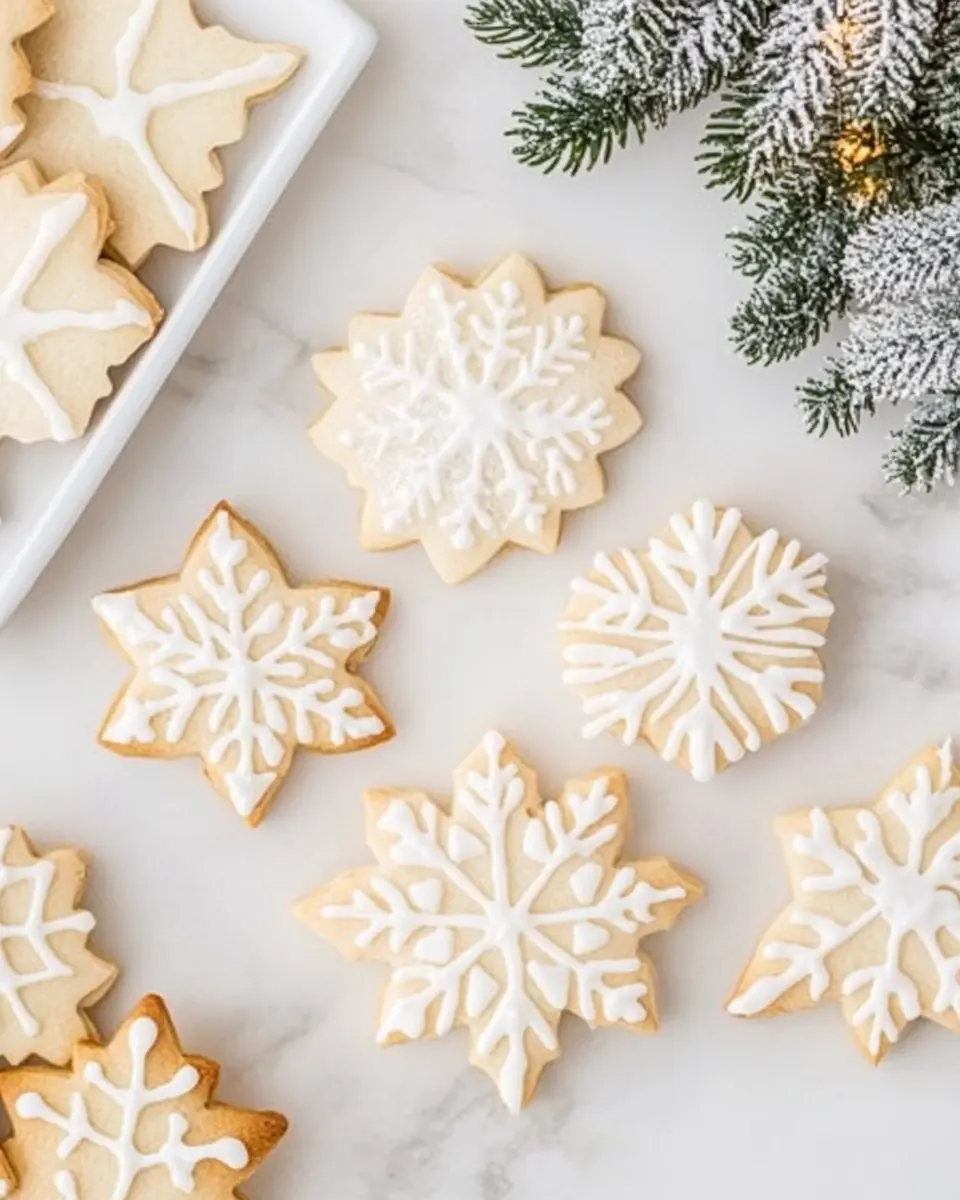
These tips reflect years of testing and the little adjustments that make holiday baking less frantic and more fun. Read them before you begin and keep them handy while you work so you spend less time troubleshooting and more time enjoying the process.
- Chill thoroughly: Cold dough is easier to roll and cut, and it helps maintain crisp edges when baked. I usually chill for at least three hours, sometimes overnight, which deepens flavor and makes handling much simpler.
- Control the thickness: For crisp cookies roll to 1/8 inch, for tender cookies roll to about 1/4 inch. I prefer 1/4 inch for a balance of sturdiness and tenderness, especially if I plan to decorate heavily.
- Work on a cool surface: If your kitchen is warm, use a marble or cool countertop to keep the butter from softening as you roll. Warm dough tears and becomes sticky, which ruins shapes and texture.
- Use simple piping tools: A small piping tip or a snipped Ziploc bag gives excellent control for outlines and detail work; I keep a damp cloth nearby to wipe tips clean between colors.
- Store carefully: Once the icing is fully set, store cookies in a single layer or separated by parchment to preserve decorations and prevent sticking.
What to Serve With Christmas Sugar Cookies
These cookies are versatile for holiday gatherings, gifting, and casual teatime. When serving, think about contrast, presentation, and convenience for guests, as well as storage if you need to prepare in advance.
- Serve with warm beverages: Pairing these cookies with hot chocolate or strong tea adds a comforting contrast, balancing the sweetness with warm, bitter notes.
- Holiday cookie platters: Mix shapes and colors on a large platter for parties; the visual variety invites people to sample and share, making the platter a festive centerpiece.
- Gifting and packaging: Stack cookies between parchment sheets in decorative tins for neighbor gifts, ensuring the icing is fully set to avoid smudges during transport.
- Occasion ideas: Perfect for winter holiday gatherings, cookie swaps, and school parties, their sturdy texture makes them easy to pack and share during celebrations.
- Storage tips: Keep in an airtight container at room temperature up to one week, or freeze uniced cookies for longer storage and decorate after thawing for best results.
FAQ
Conclusion
These Christmas Sugar Cookies are special because they combine buttery tenderness, bright lemon lift, and an icing that sets beautifully for decorating. Try them this season to create a ritual of rolling, cutting, and sharing with loved ones, whether you keep the batch cozy at home or turn it into a neighborly gift. They reward a little patience with consistent, festive results, and the memories you bake alongside them are the sweetest part.
Christmas Sugar Cookies
Ingredients
Equipment
Method
- Cream sugar and butter together in a large bowl of a stand mixer afixed with an S blade or with a hand mixer. Mix until pale yellow, fluffy, and well-incorporated.: You will notice the bowl filling with a soft, pale cloud as the butter and sugar aerate; this lightness is crucial for tender cookies. The sound shifts from a soft whir to a slightly brisker, airy noise when enough air has been incorporated. If the mixture looks glossy or too loose, your butter might be too warm which makes shaping harder later. A common mistake is overcreaming which can lead to spread. Stop when the mixture is pale yellow and fluffy, scraping the bowl once so everything is evenly combined.
- Add the egg yolks and lemon zest and mix until well-combined.: As you fold in the egg yolks and lemon zest , the aroma will shift, with citrus top notes rising and the mixture taking on a richer, silkier texture. The bowl should look glossy but not wet. The eggs help bind and enrich the dough, while the zest brings fragrance. Avoid overmixing at this point because excess gluten development can toughen the cookies; mix until the components are harmonized.
- Sift the flour over the wet ingredients, and mix just until combined.: The first sniff of dry flour is mild and toasty. Sifting over the bowl lightens the flour as it falls in, encouraging even hydration without clumps. Blend until you see no streaks of flour, but stop short of a smooth batter; tiny crumbs are fine here because the dough will be gently worked next. A typical error is vigorous mixing which tightens the dough; gentle folding preserves tenderness.
- Knead together very gently until it forms enough of a ball to plop onto a piece of plastic wrap. Work the dough just enough to get it to stick together, but be careful not to overdo it. Honestly, I get so paranoid about overworking the dough that I pile the crumbs onto the plastic wrap, fold it up around the mound, and press it together that way.: The dough will feel crumbly at first, then cohere under the warmth of your hands. I like to use the plastic wrap trick, piling the crumbs onto a sheet and folding it over to press into a uniform disk. This minimizes handling and prevents the butter from warming too much. If you knead aggressively, the cookies can become tough, so be cautious and light handed.
- Completely wrap the dough with the plastic wrap and chill the dough for at least three hours.: Chilling firms the butter and lets the flours hydrate, which improves rolling and flavor melding. The dough becomes less sticky and easier to roll thin without tearing. If you skip this, the dough will spread and lose crisp edges. Plan ahead so the chilling time is not rushed, it's key to consistent shapes.
- When you're ready to pull the dough out and prepare it, preheat oven to 350°F (175°C).: The oven warming produces a clean, comforting heat that pairs with the lemon notes in the dough. Preheating ensures the cookies begin setting immediately, which preserves their cut shape. If you underheat the oven, cookies may spread and lose definition. Give the oven time to fully reach temperature before baking.
- Roll out dough – I go as thin as 1/8 inch, but I prefer about 1/4 inch thick. Cut into shapes, adding additional flour as necessary to avoid sticking. Place cookie shapes on a cookie sheet (no need to grease).: Rolling reveals the dough’s texture, a smooth surface that responds to gentle pressure. Thinner cookies will crisp more, while a quarter inch yields a tender interior, so choose based on your preference. Lightly flour the surface to prevent sticking, but too much flour can dry edges. Arrange shapes evenly on the sheet to allow even air circulation in the oven.
- Bake just until the cookies start to turn pinky beige around the edges, around 8 minutes. Let cool for a couple of minutes on the baking sheet, then move to wire rack to cool completely.: The aroma will turn warmly buttery with a whisper of toasted flour as the edges color. Visual cues include tiny golden rims and a set top that no longer looks wet. Overbaking dries the crumb and ruins the tender interior, so watch closely in the final minutes. Cooling briefly on the sheet allows edges to firm without breaking, then transfer to a wire rack to cool completely.
- To make the icing, add the powdered sugar, 2 tablespoons milk, corn syrup, and the vanilla to a small mixing bowl. Use a wire whisk or a fork to mix it well. If it's too thick, add more milk a teaspoon at a time. You want the icing to be thin enough to be pipeable but thick enough to hold a line. Transfer the icing into a piping bag with tip or a Ziploc bag with the end snipped off, and pipe the icing onto the cookies. Let the icing sit until it hardens before storing or assembling on cookie plates.: The powdered sugar will smell sweet and clean, and as you whisk, the mixture thins into a glossy, snow white glaze. The corn syrup lends shine and keeps the icing slightly elastic while the vanilla rounds the flavor. If the icing is too thick, add milk a teaspoon at a time; if too thin, add a little more powdered sugar. Avoid adding too much liquid at once, which can leave you with runny, unworkable icing.
- Cookies keep up to one week in an airtight container.: The sound of the whisk is soft, and the bowl should reflect light as the glaze forms. When piping, steady pressure and a gentle wrist make clean lines, and the icing will settle into neat edges. Let the icing sit until it hardens before stacking; rushing this step can mar designs or cause smudging. If bubbles appear, a quick pop with a toothpick smooths them out.
- Let the icing sit until it hardens before storing or assembling on cookie plates: The cookies will gradually lose their wet sheen and set to a delicate matte finish. This drying time is crucial for stacking or transporting cookies without damaging the surface. Store in an airtight container once firm, and avoid layering cookies until the icing is completely dry, as decorations can stick together.
- Cookies keep up to one week in an airtight container: Proper storage preserves both texture and flavor, maintaining the tender crumb while keeping the icing intact. The container should be cool and dry; humidity can soften the icing. If you need longer storage, consider freezing uniced cookies, then icing after thawing to preserve the crisp finish.
Notes
- Chill thoroughly: Cold dough is easier to roll and cut, and it helps maintain crisp edges when baked. I usually chill for at least three hours, sometimes overnight, which deepens flavor and makes handling much simpler.
- Control the thickness: For crisp cookies roll to 1/8 inch, for tender cookies roll to about 1/4 inch. I prefer 1/4 inch for a balance of sturdiness and tenderness, especially if I plan to decorate heavily.
- Work on a cool surface: If your kitchen is warm, use a marble or cool countertop to keep the butter from softening as you roll. Warm dough tears and becomes sticky, which ruins shapes and texture.
- Use simple piping tools: A small piping tip or a snipped Ziploc bag gives excellent control for outlines and detail work; I keep a damp cloth nearby to wipe tips clean between colors.
- Store carefully: Once the icing is fully set, store cookies in a single layer or separated by parchment to preserve decorations and prevent sticking.